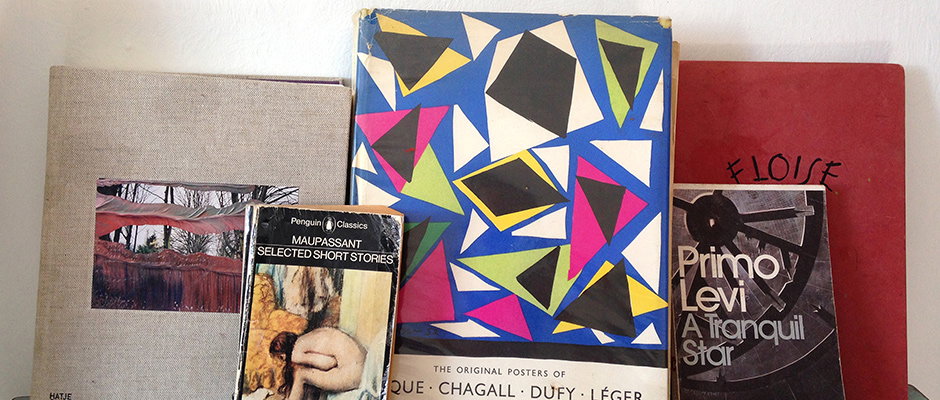
Bookshelf: Beautiful publications on the bookshelf of illustrator Sarah Maycock
Sarah’s the first Bookshelf contributor (to my knowledge) that has used the phrase “yum” when describing a publication. And why not when the book is as lovely as the tomes Sarah has picked from her evidently weighty shelves? Only last week we were gushing about how spectacular she is at drawing but we just couldn’t resist peeking into her bookcase. What did we find? A bunch of beautiful short stories and some truly delightful art books, naturally. Here she is…
Primo Levi: A Tranquil Star
Primo Levi: A Tranquil Star
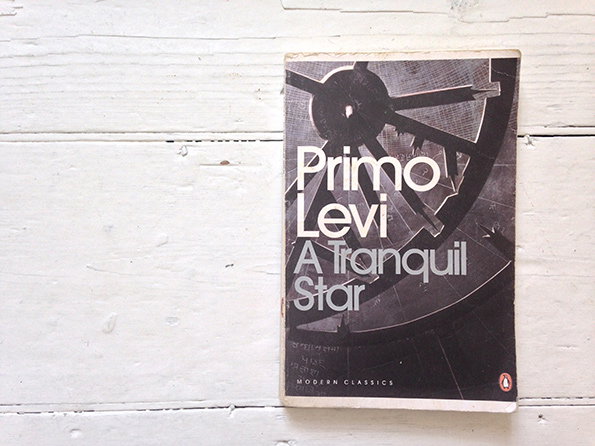
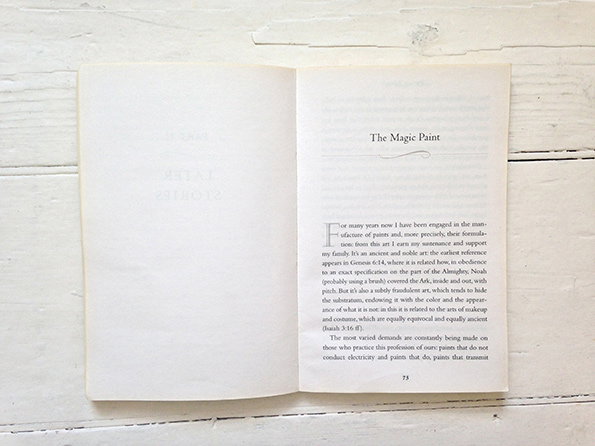
Primo Levi: A Tranquil Star
I bought this book from a fantastic book shop in Yorkshire, in an RHS garden called Harlow Carr. It’s a selective shop so you can be assured that anything you buy from there will be incredibly interesting.
I love short stories, every sentence has to multitask and fill in all sorts of gaps and make suggestions which add to the story, but feel incredibly simple at the same time. His writing is straightforward, whilst being witty and dark, playful and imaginative. So conceptually agile. This was the first Levi book I read and I knew nothing about him at the time. It is a fantastical book that just sort of floats, I couldn’t place him at all. Last year I designed a cover for probably his most famous book, If This Is A Man and The Truce about his time during the Holocaust, and have since learnt about him. His writing If This Is A Man is equally as plain, he can say everything without spelling it out, just in the storytelling.
For example, he starts the book with a foreboding poem expressing his feelings towards the perpetrators, and then the book starts, without really expressing opinions again. Knowing this about him just heightened my feelings towards this collection of stories. My favourite is probably The Fugitive in which a lowly office worker writes the most beautiful poem ever written, so beautiful that it destroys itself. Another is In The Park which is about a place where figures from history and literature are trapped after they die until their names stop appearing in books and statues, until they stop being mentioned. I wish I could speak Italian so I could read them in the language they were written, as language is central to many of the stories.
Kay Thompson: Eloise
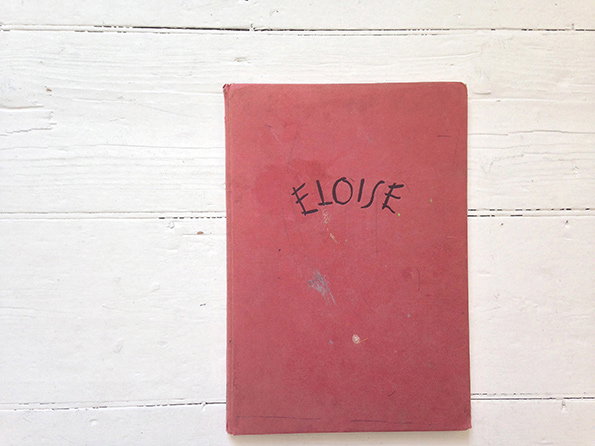
Kay Thompson: Eloise
v
Kay Thompson: Eloise
Kay Thompson: Eloise
Kay Thompson: Eloise
Kay Thompson: Eloise
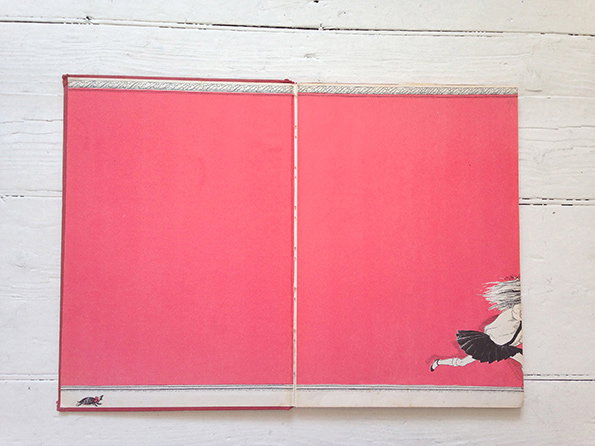
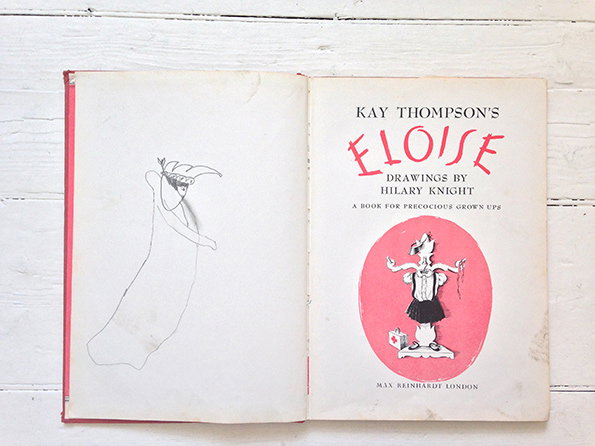
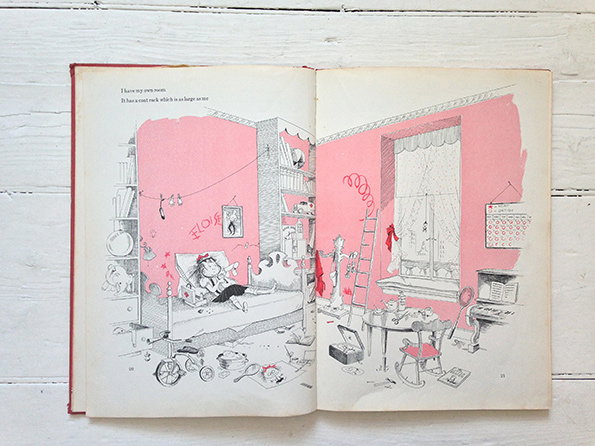
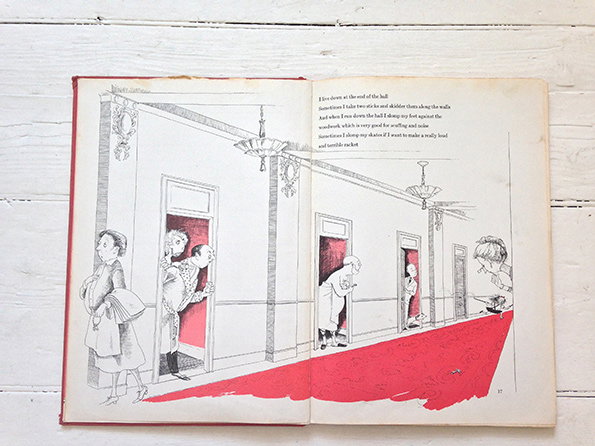
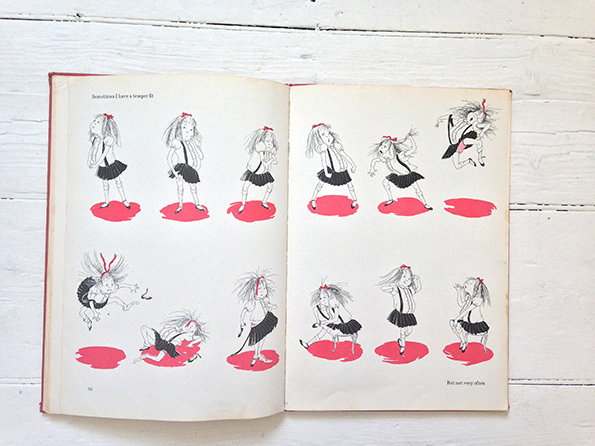
I probably read this book, or had it read to me every day as a child. My copy was published in 1958 and has a brilliant drawing of a prince in it that my mother made when she was little. It’s about a six-year-old girl who lives at the Plaza Hotel with her turtle Skipperdee and her pug dog Weenie. She is endlessly causing mischief and drives her nanny and the hotel staff berserk. The gorgeous illustrations by Hillary Knight are so well observed, and there is so much in there for the adult reading it. The subtlety in the characters and the expressions still amaze me. I thoroughly recommend anyone with children to buy it.
Gerhard Richter: Overpainted Photographs
Gerhard Richter: Overpainted Photographs
Gerhard Richter: Overpainted Photographs
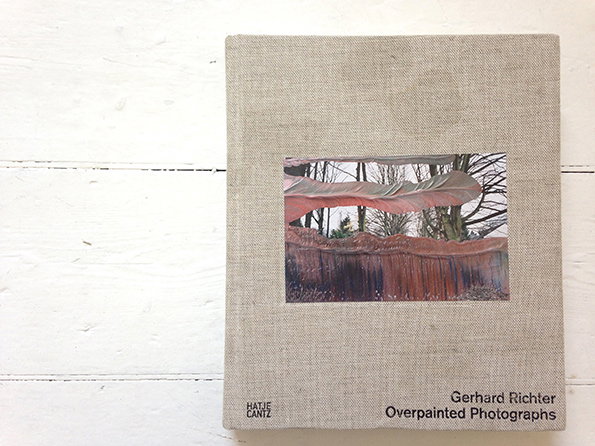
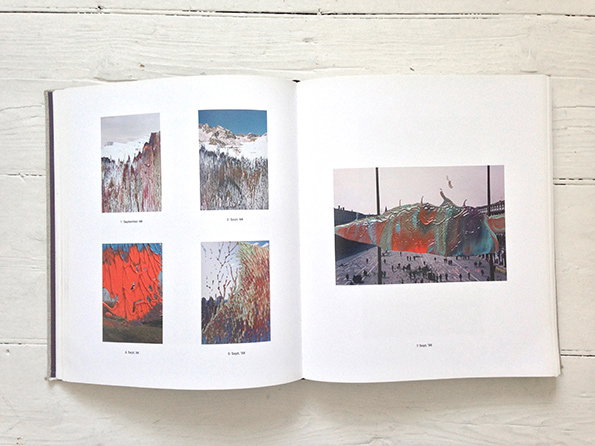
I am a huge fan of Richter’s paintings, and I based my dissertation around a particular one of these images, within the context of whether abstraction can tell you more about the “real” than realism and photographs. I could look at them forever, they are just the most unctuous, visually generous images.
Guy de Maupassant: Boule de Suif et Autres Contes de la Guerre
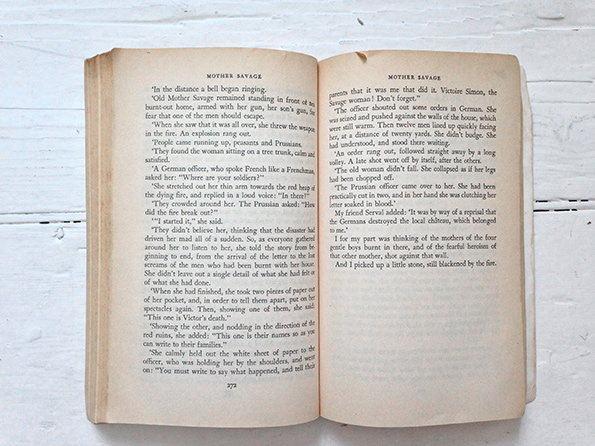
Guy de Maupassant: Boule de Suif et Autres Contes de la Guerre
Guy de Maupassant: Boule de Suif et Autres Contes de la Guerre
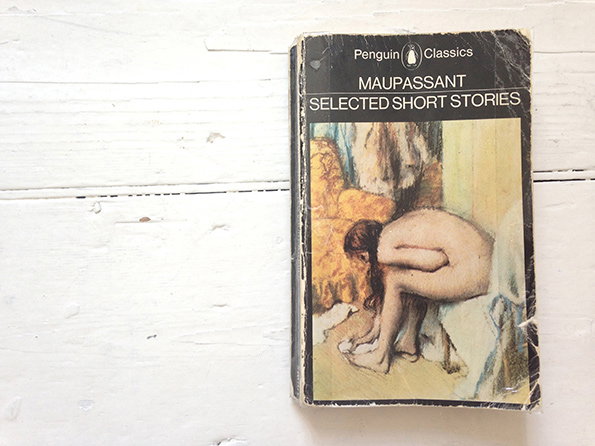
Again this is a series of short stories. Maupassant wrote hundreds of them. I read this text as part of my French A-level course and absolutely fell in love with Maupassant’s stories. Despite being very much centred around the Franco-Prussian war, the themes in the stories are completely universal. Boule de Suif (a term of endearment for a somewhat rotund woman, something like “dumpling” or “ball of lard”) is a prostitute who is trying to flee the town, along with several members of the bourgeoisie and two nuns, and it plays on twisting your perception of morals.
The stories range from heartbreaking to hilarious. One which gets me every time is Mère Sauvage who is a mother trying to come to terms with losing her husband while her son is away fighting. She is then made to look after several Prussian soldiers while they occupy the area. They are young and handsome and help her with housework, but she becomes more and more resentful in a very calm and organised way until receives the letter she was dreading, that her son has died in battle, and she sets the barn alight while they sleep, and writes a note to send to their mother, and hands herself in to the police.
Without just explaining everything that happens in every story, I don’t know how to express how brilliant they are. They are fables, I suppose, and have the dramatic quality of a soap. I remember talking aloud whilst reading them, things like “oh no no don’t do that! It’s a trap!” or “God you’re a horrible character.” His stories have also been turned into films, such as Bel Ami in 1939 and then again in 2012.
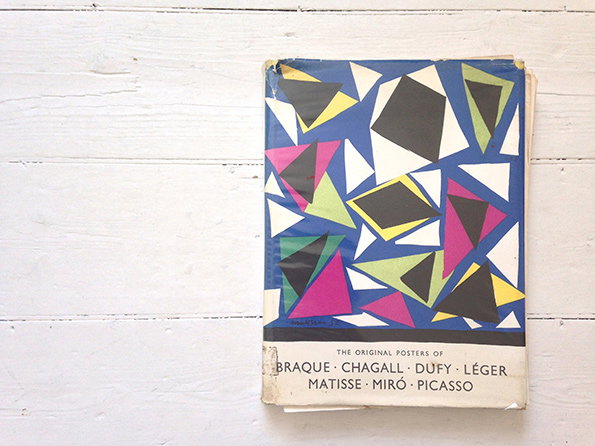
The Original Posters of Braque, Chagall, Dufy, Léger, Matisse, Míro and Picasso
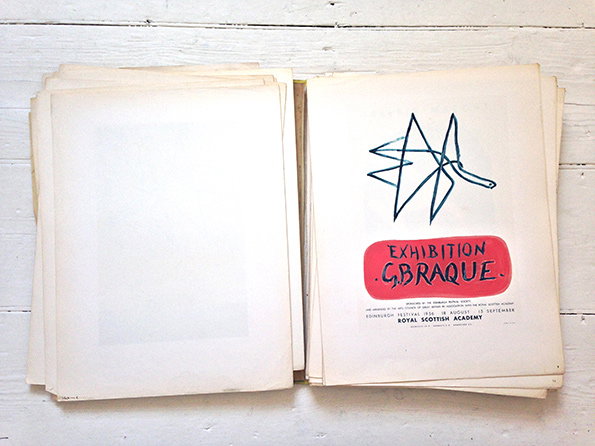
The Original Posters of Braque, Chagall, Dufy, Léger, Matisse, Míro and Picasso
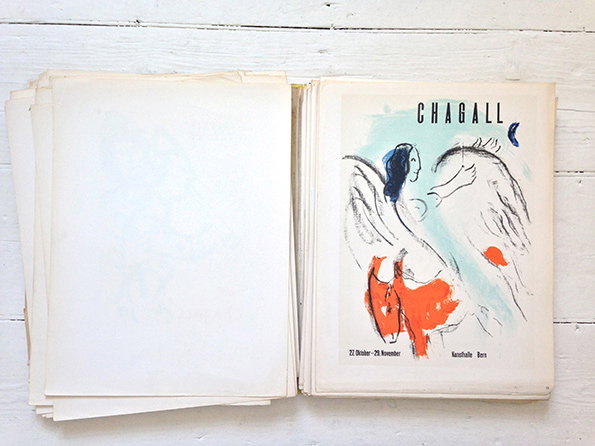
The Original Posters of Braque, Chagall, Dufy, Léger, Matisse, Míro and Picasso
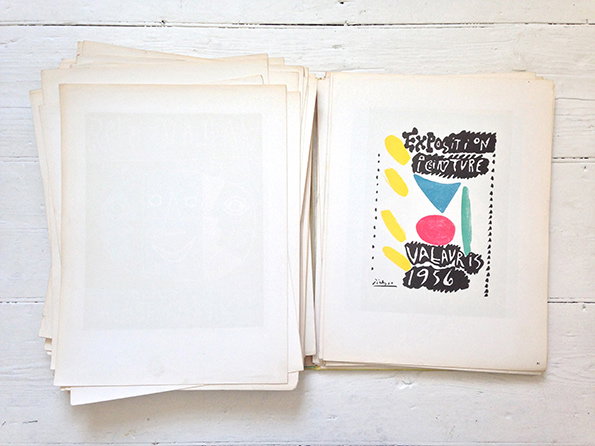
The Original Posters of Braque, Chagall, Dufy, Léger, Matisse, Míro and Picasso
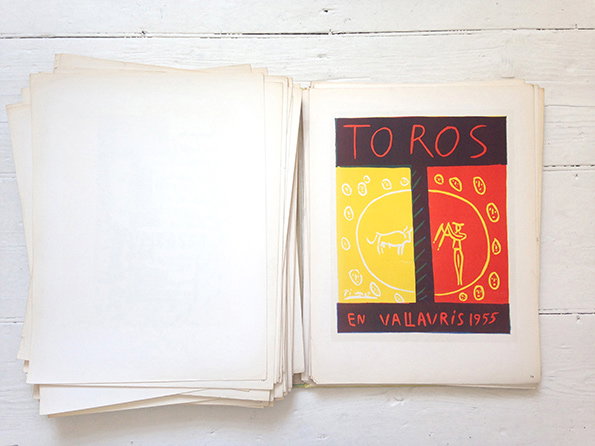
The Original Posters of Braque, Chagall, Dufy, Léger, Matisse, Míro and Picasso
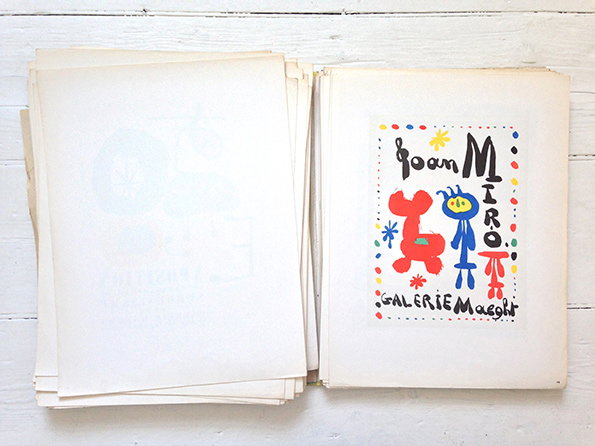
The Original Posters of Braque, Chagall, Dufy, Léger, Matisse, Míro and Picasso
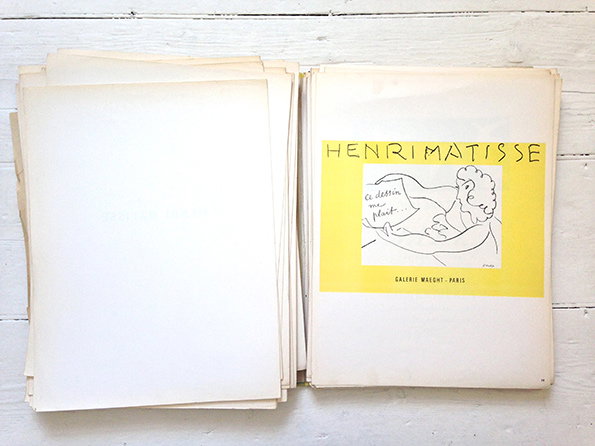
The Original Posters of Braque, Chagall, Dufy, Léger, Matisse, Míro and Picasso
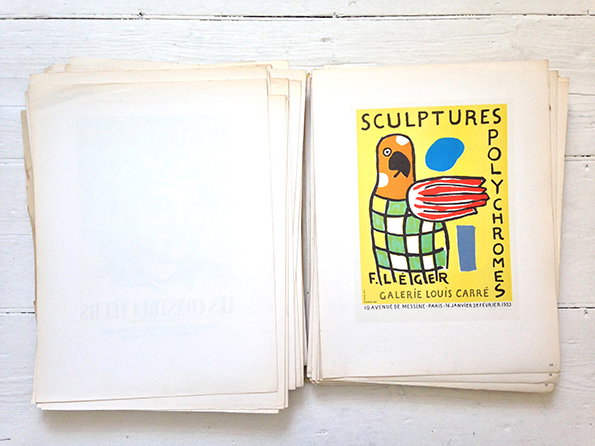
The Original Posters of Braque, Chagall, Dufy, Léger, Matisse, Míro and Picasso
The Original Posters of Braque, Chagall, Dufy, Léger, Matisse, Míro and Picasso
I can’t think of a book which is more freeing and inspirational. If I get tied in a knot, this always makes me so very happy. I don’t know what more you could want from an art book. I get worked up into quite a frenzy flicking through the pages – they’re all so refreshing and exciting and they seem to have the essence of each artist distilled. Also, it’s so brilliant seeing designs by “fine artists.” Their sense of design is so inherent and integral to their identity, there’s nothing contrived about them. All the pages are falling out, I’d love to frame them all. Yum.
Share Article
Further Info
About the Author
—
Liv joined It’s Nice That as an intern in 2011 and worked across online, print and events, and was latterly Features Editor before leaving in May 2015.