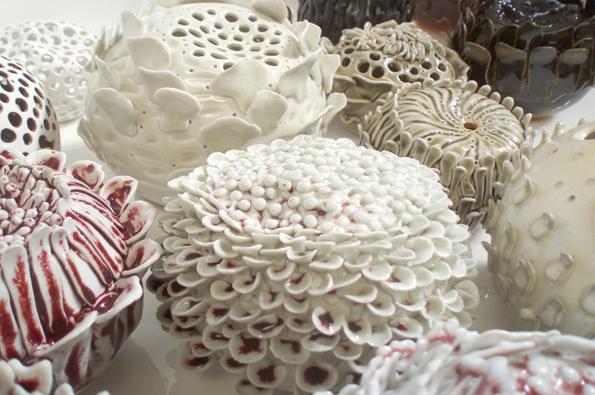
Ceramicist Cecilia Borghi pulling out all sorts of porcelain shapes
Porcelain is such a delicate material that as an indelicate child I was often kept away from the pearlised slopes of a figurine, the voluptuous derriere of a vase, and the regal arch of a teapot handle. It’s because of this isolation that I can’t help but be entranced by anything porcelain now – even a toilet seat has sometimes rendered me speechless, but most recently, it’s been the work of Buenos Aires born, Cecilia Borghi that’s enchanted me.
Her simple designs of shallow bowls in peachy hues echoing hole-punched paper, brilliant white vase lattices and sage green pots and ornaments with 3D clay smudges as decoration are lovely. They have such a clean air about them they evoke a feeling of wanting to completely redecorate your house based around these small but chic pieces. Cecilia’s latest, ongoing project, Porcelain Garden takes inspiration from exotic plants and imaginary flowers, in which Borghi has created bulbous flowers of fine china beauty, with gentle flourishes and nodules, some hiding pools of coloured ink in their crevices. They’re some of her most beautiful pieces and we just had to talk to her about them…
Hi Cecilia, so when did you throw your first piece of pottery? What did it feel like?
I come from a ceramicist family. My grandfather opened a porcelain factory in the 1950s and my father has been in charge of it since the 1970s. My mother joined the family business when they got married, so I have been part of that world since I was born.
When I was in primary school I used to spend time there and the workers were keen to teach me all the different jobs related to the production of ceramics and porcelain pieces. That’s how, at an early age, I learnt techniques such as mould making, slip casting, hand modelling, and painting with pigments. So I was always making stuff with clay, but there’s one piece I still keep and that I consider my first porcelain piece – a tiny clown which I constructed by hand and then painted with pigments that looked quite colourful. My father glazed it and when it came out of the kiln I felt very disappointed as the colours had disappeared except for black and brown. Nowadays I think it’s a beautiful piece.
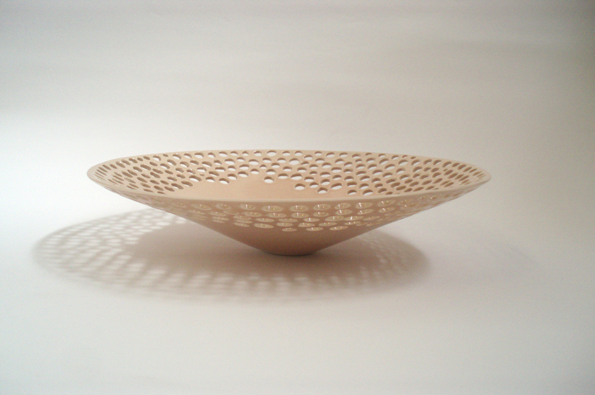
Cecilia Borghi: Tides collection, 2011
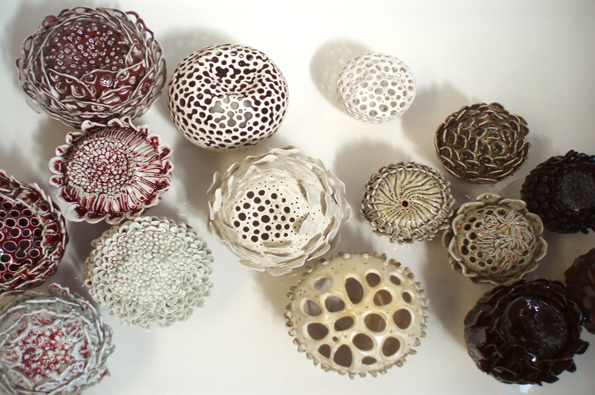
Cecilia Borghi: Porcelain Garden project, 2012
Tell us about your Porcelain Garden project. Where did the inspiration come from?
It started back in 2009 as a group of pieces constructed using techniques to make figurines. I liked the way they looked together and I exhibited them hanging from the wall. At that time I became fascinated by gardens so I decided to take the project a bit further and took inspiration from traditional china floral decals. After working for several years on the decal making process, I became interested in the decorative patterns, which, though many times inspired by real plants, are then transformed and stylised to fit the corporeal shapes of the pieces. My aim is to recreate those flower designs as three-dimensional objects. Every piece is an imaginary flower. I don’t make sketches; just develop the shapes during the modelling process.
You keep a detailed journal on your website, how does this help your process?
The journal has become an important part of my work. I started to write it to let people know my everyday life in the workshop as many people who contact me to purchase my pieces thought I was only a designer and was not involved in the manufacturing process. Positive feedback slowly started to appear, and I felt confident posting things related to my interests and experimentations with clay and even some personal life bits. So now it’s not only a great way to be connected with those who like my work but also a great resource for inspiration as I can post my impressions and let them mature together in time.
What other ceramists’ work are you admiring at the moment?
I’ve been a big fan of Swedish potter Karin Eriksson since 2007 when I discovered her work. I love her wheel thrown pieces all covered in decals. Her Mint Cup is just perfect.
I also like the work of Dutch ceramicist and designer Jorine Oosterhoff, I find her pieces really playful and imaginative. And I’ve just recently discovered the ephemeral works of British artist Phoebe Cummings. She uses the most traditional techniques for constructing ceramic decorative objects to create amazing landscapes that remain unfired.
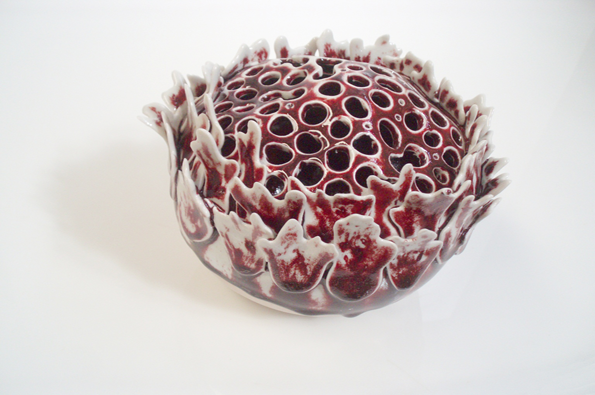
Cecilia Borghi: Porcelain Garden project, 2012
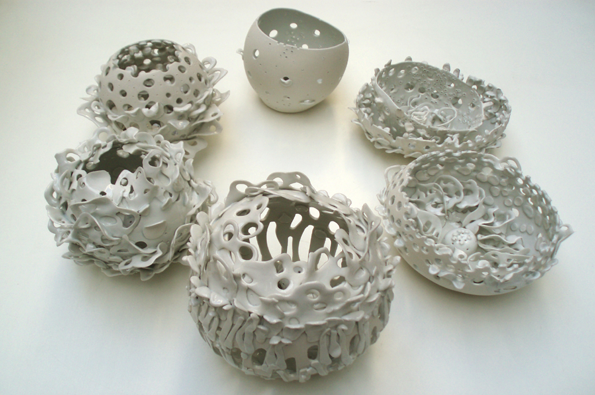
Cecilia Borghi: Fenix, 2010
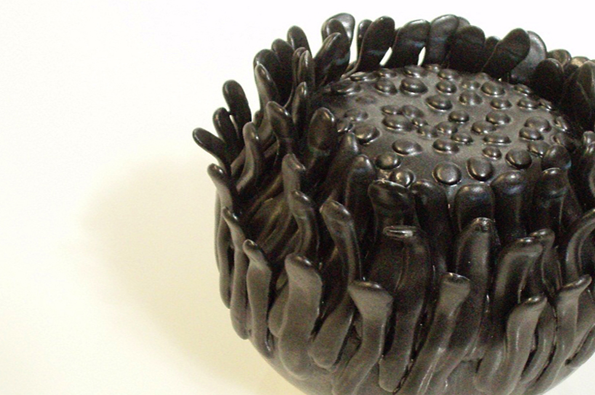
Cecilia Borghi: Porcelain Garden project, 2012
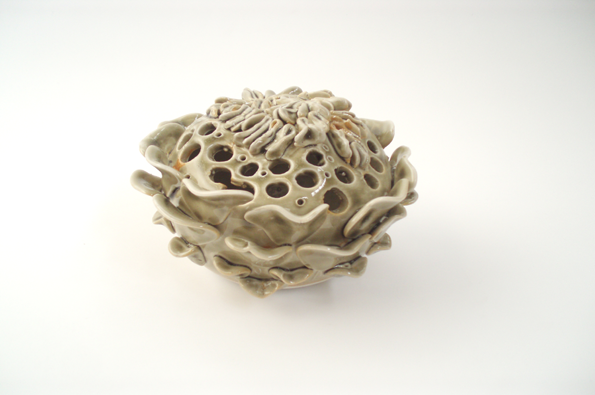
Cecilia Borghi: Porcelain Garden project, 2012
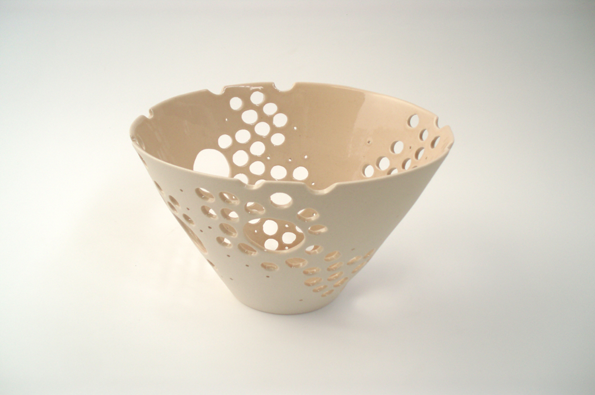
Cecilia Borghi: Tide collection, 2010
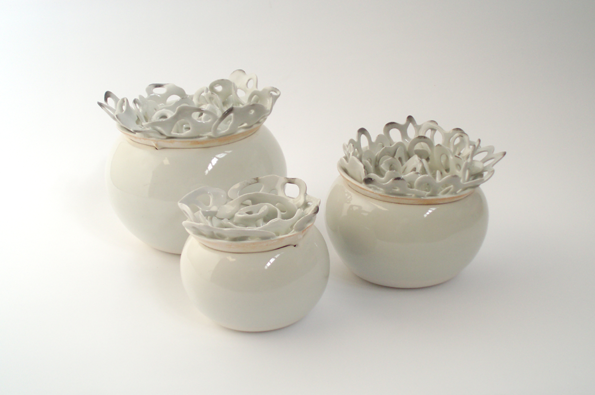
Cecilia Borghi: Roseta boxes, 2012
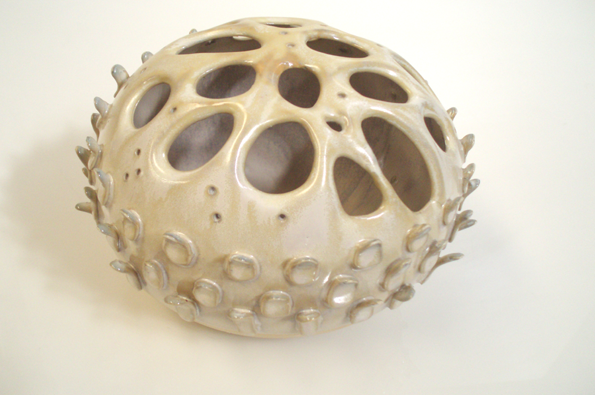
Cecilia Borghi: Porcelain Garden project, 2012
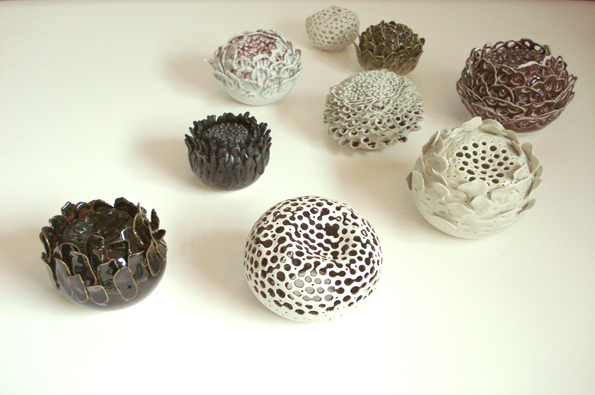
Cecilia Borghi: Jardín Colgante (Hanging Garden), 2009
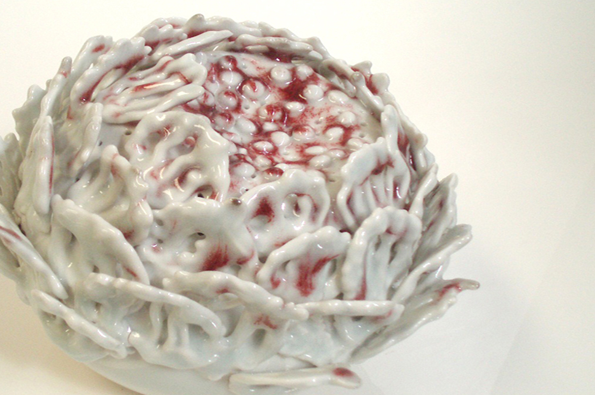
Cecilia Borghi: Porcelain Garden project, 2012
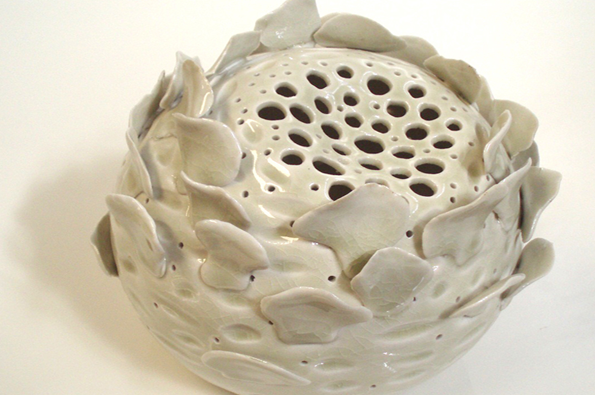
Cecilia Borghi: Porcelain Garden project, 2012
Share Article
Further Info
About the Author
—
Rebecca Fulleylove is a freelance writer and editor specialising in art, design and culture. She is also senior writer at Creative Review, having previously worked at Elephant, Google Arts & Culture, and It’s Nice That.