Art: Superb satires of 1920s Berlin from the inimitable George Grosz
The hipsters like to think they discovered everything. Brooklyn, beards, Berlin; all co-opted into the cause with scant regard for their past, simply championed for the role they play in their Flat-White dreams. But a new show just opened in London reminds us that Berlin has felt like the centre of a countercultural world before, as realised by the artist George Grosz.
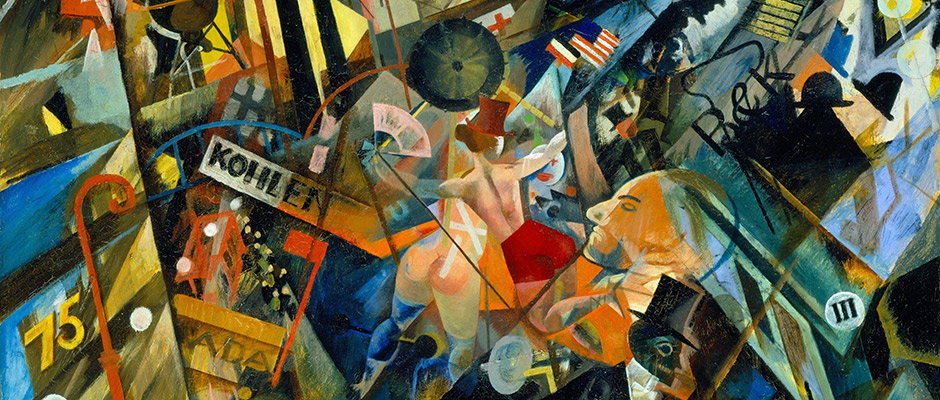
Through the 50 works on display (some of which have only recently been discovered in a private collection) Grosz creates a sleazy satire of the German capital of the 1920s, where grotesque figures engage in grotesque acts and even at the height of cosmopolitan chaos the vulgarity of human hypocrisy is everywhere. Sometimes dream-like, sometimes verging on the hellish, his drawings and paintings suck you right into the moral vortex he saw all about him and one he felt was intrinsically linked to wider socio-cultural concerns.
“You can’t be indifferent about your position in this activity, about your attitude towards the problem of the masses,” the artist wrote in 1912. “Are you on the side of the exploiters or on the side of the masses?”
Embittered by his experiences of the First World War, Grosz’ deep mistrust of authority figures feels as relevant as ever in these privacy-lite times.
George Grosz’s Berlin runs until November 2 at the Richard Nagy Gallery.
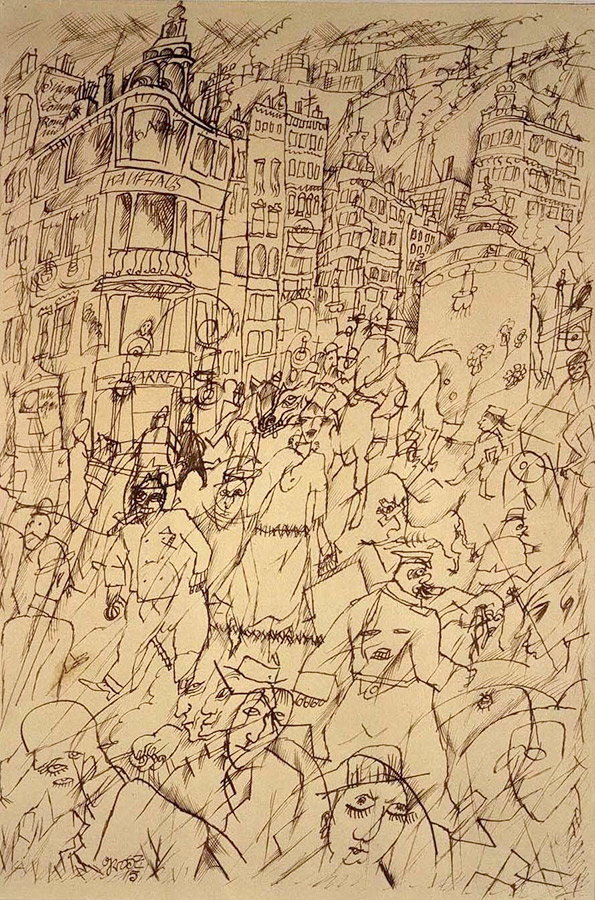
George Grosz: Strasse, Berlin (Courtesy of Richard Nagy London)
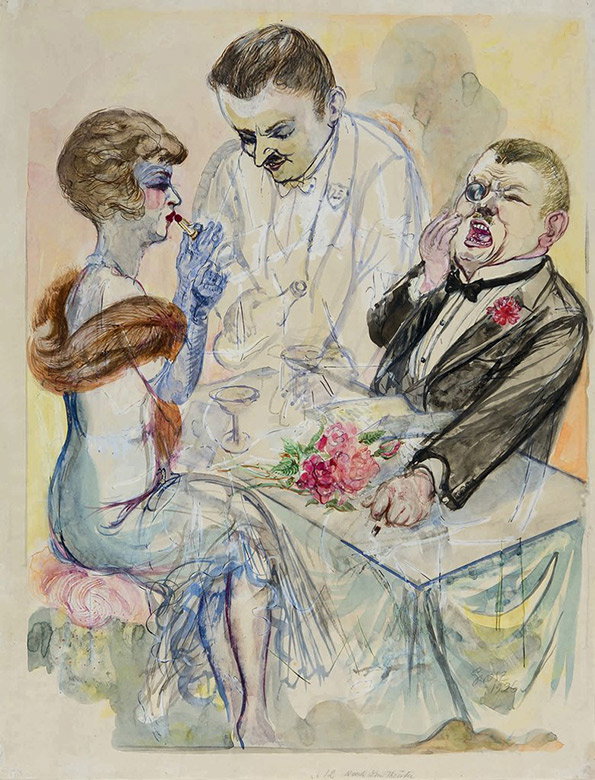
George Grosz: Nach dem Theater (Courtesy of Richard Nagy London)
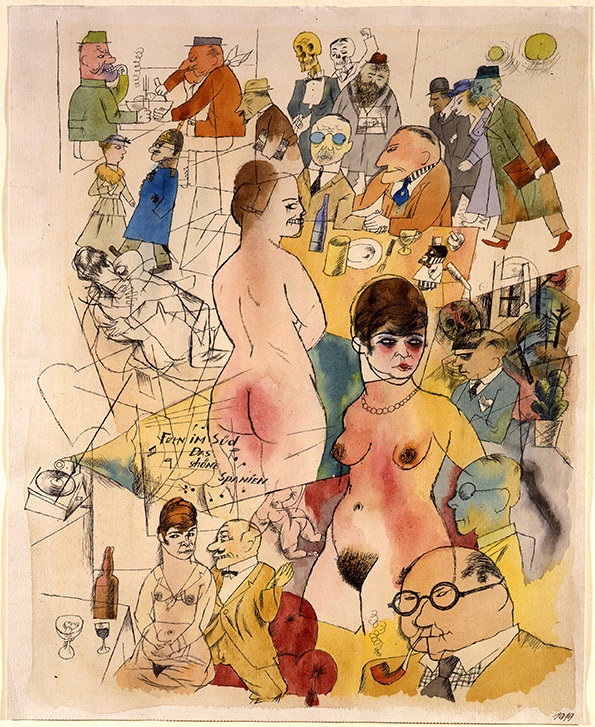
George Grosz: Fern im Sud das scone Spanien (Courtesy of Richard Nagy London)
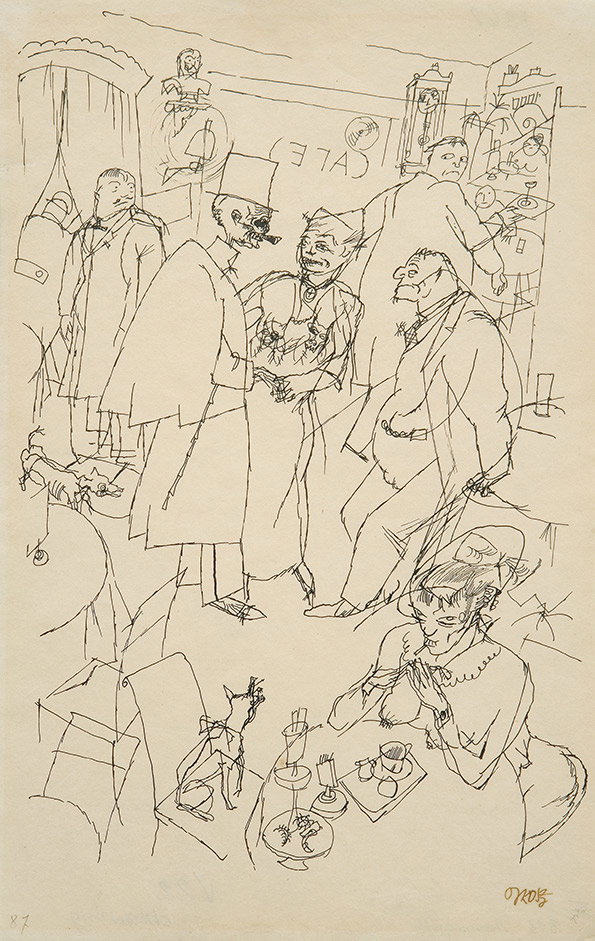
George Grosz: Stammgaste (Courtesy of Richard Nagy London)
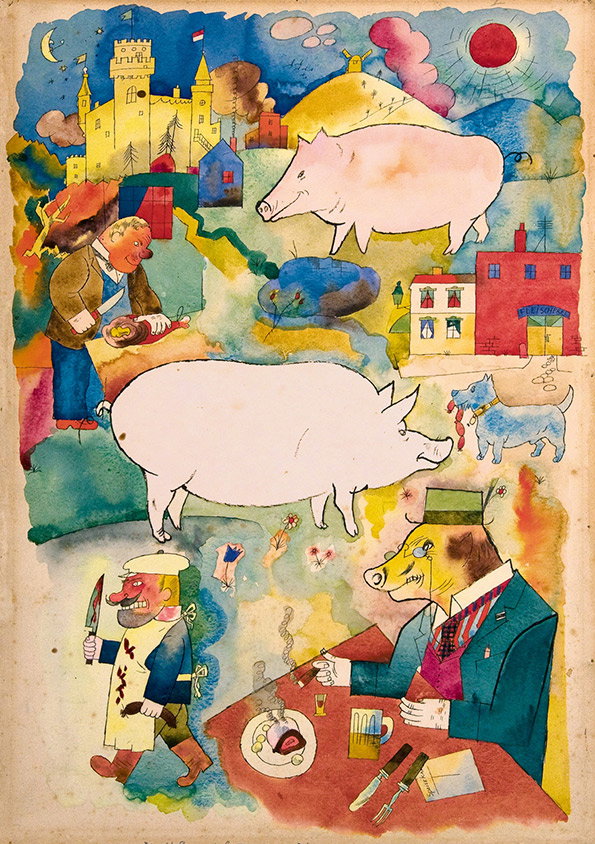
George Grosz: Sonniges Land (Courtesy of Richard Nagy London)
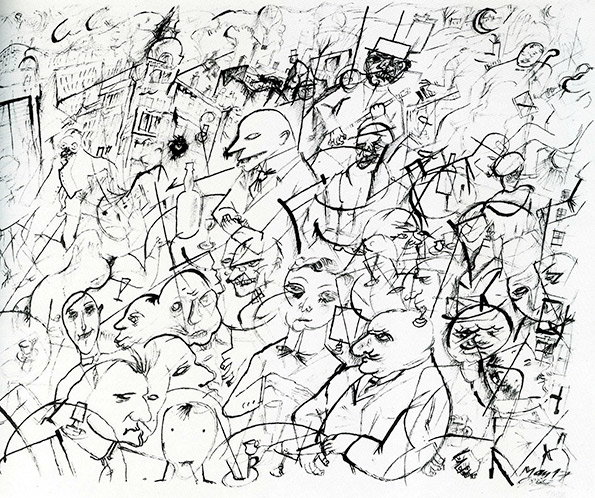
George Grosz: Strassencafe (Courtesy of Richard Nagy London)
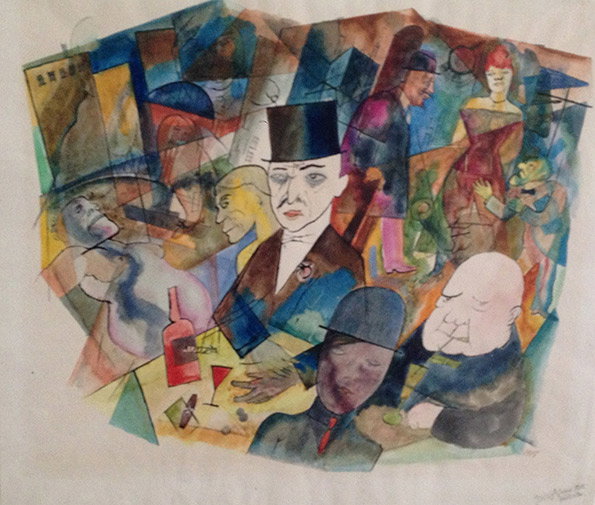
George Grosz: Sudende (Courtesy of Richard Nagy London)
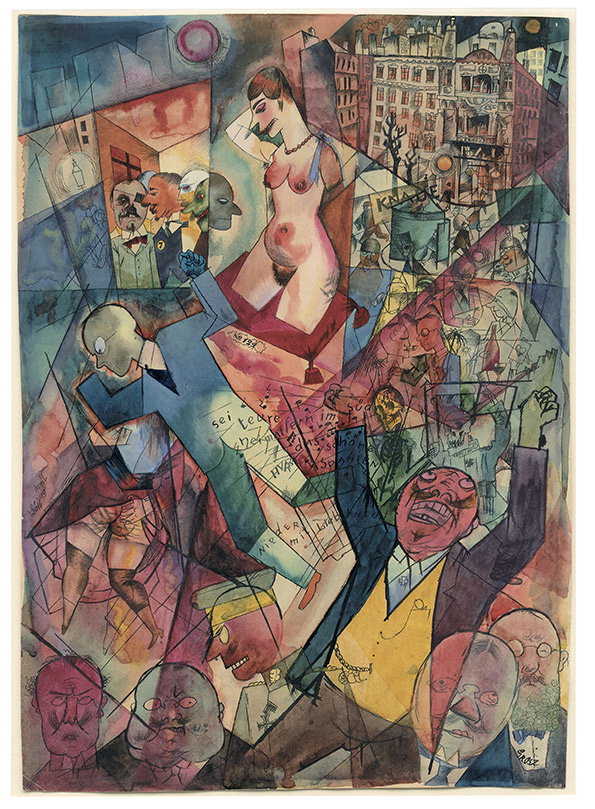
George Grosz: Nieder mit Liebknecht (Courtesy of Richard Nagy London)
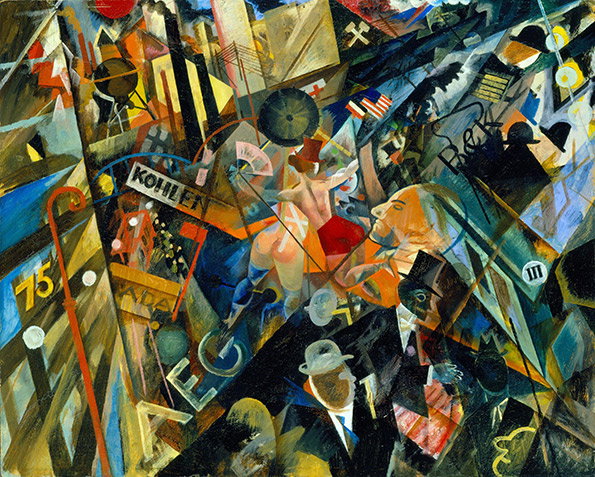
George Grosz: Tempo der Strasse (Courtesy of Richard Nagy London)
Share Article
Further Info
About the Author
—
Rob Alderson is a freelance writer, editor and strategist. He was previously editor-in-chief of It’s Nice That and WePresent, and editor of Design Week. He publishes the newsletter Undo, which tries to make sense of how AI is changing design work, the design process and the design industry.