Designer Ted Hyunak Yoon creates a visual analysis of dictators’ statues in history
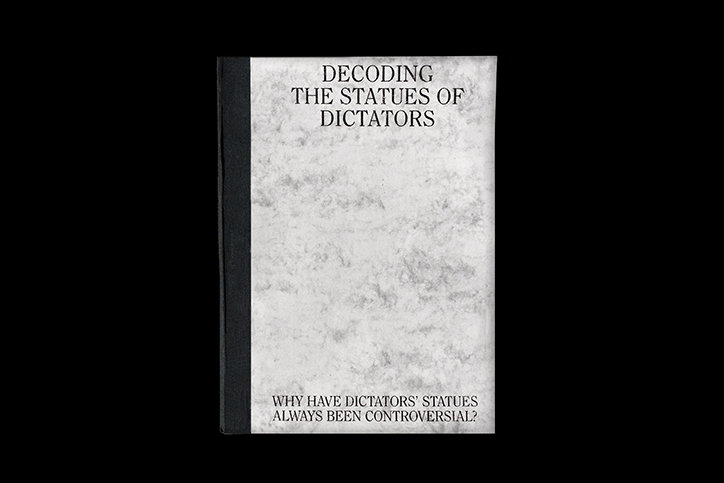
In Seoul-based designer Ted Hyunhak Yoon’s project Decoding Dictators he presents a “visual analysis” of the different forms of communication dictators have developed through their statues. “The idea came up when I saw an article about Korean dictator, Chung-hee Park, who seized his power from the 60s to 70s. The dictator sent workers like miners and nurses to Berlin to make the foreign currency and some of the workers became the dictator’s followers,” says Ted. “The article spoke about his followers in Germany trying to erect a statue of the dictator in Berlin and how a lot of Korean people went against his followers’ plans.”
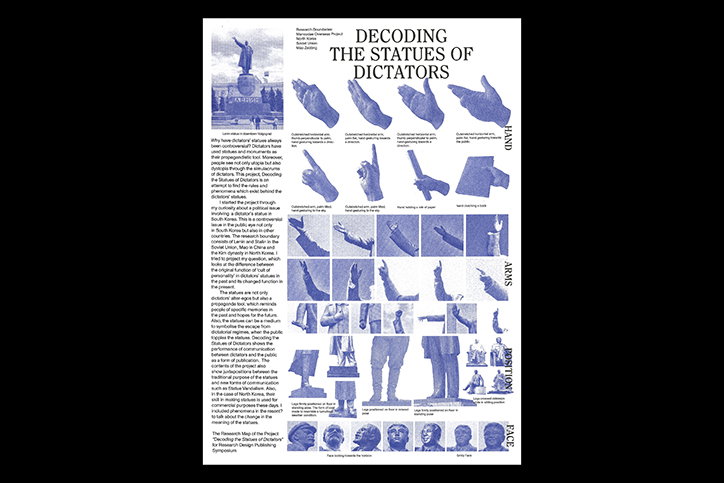
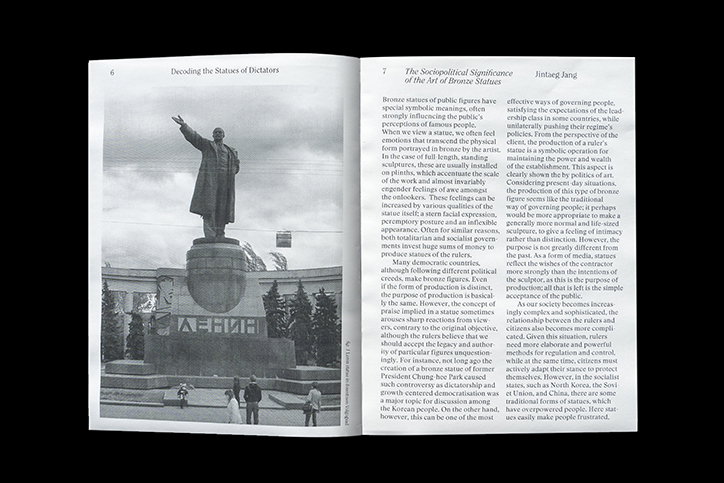
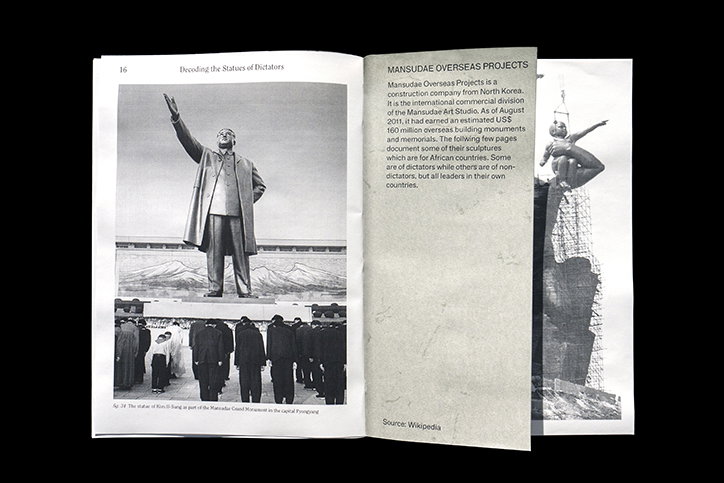
Ted began to wonder why dictators’ statues are so controversial and set about creating a research project that explored this. “I set up the research boundary and only focused on statues under the socialist realism style. For example, statues in the Soviet Union, China and North Korea, where the statues have lots of things in common like their postures and mannerisms,” explains Ted. “One of the main reasons is that these countries aimed to express their charismatic leaders by exaggerating physical elements of the statues.”
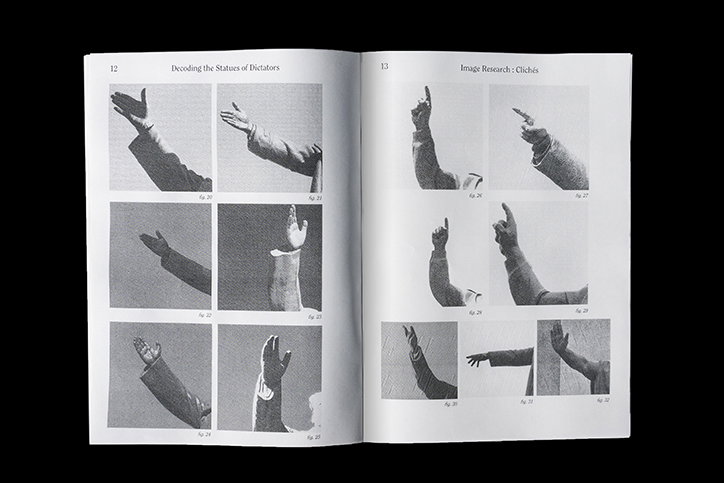
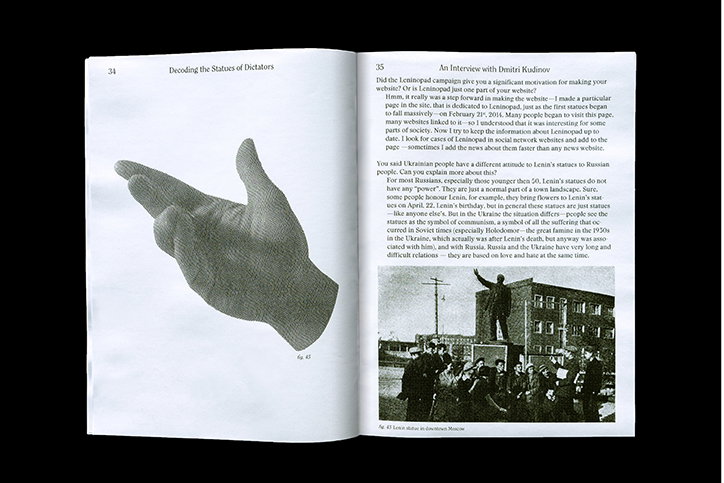
The project is shaped through a designer’s perspective who is “decoding” the subject matter, which required Ted to document his visual research in a methodical and communicative way. “I have collected major characteristics of the statues by gathering together photos of them and chopping up their body parts. The chopped parts were used in a taxonomical poster and some pages in the publication,” says Ted. “Also in the spreads of the publication, I focused on exploring the repeated cliches in the postures of the statues. Readers can recognise the similarities like the one-hand-up posture by flipping through the pages.”
Ted hopes the audience studies the statues of dictators and “contemplates the meaning and use of propaganda throughout the project”. Within the publication are deeper texts like essays and interviews that offer a range of perspectives, and the monochrome colour palette echoes the academic tone the project has adapted.
Ted Hyunhak Yoon: Decoding Dictators
Ted Hyunhak Yoon: Decoding Dictators
Ted Hyunhak Yoon: Decoding Dictators
Ted Hyunhak Yoon: Decoding Dictators
Ted Hyunhak Yoon: Decoding Dictators
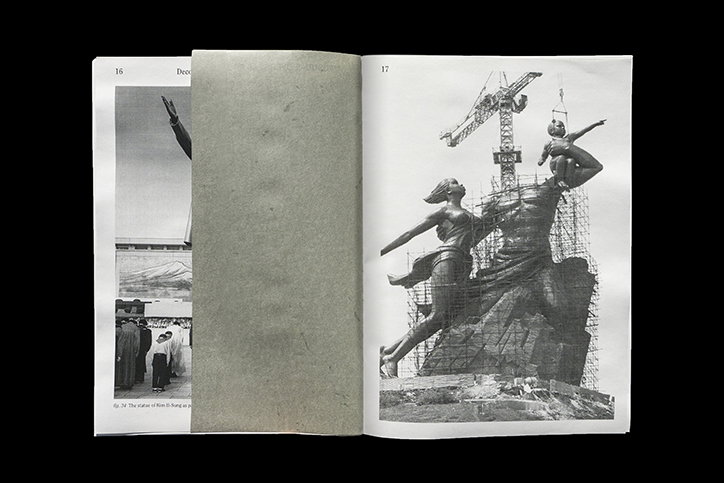
Ted Hyunhak Yoon: Decoding Dictators
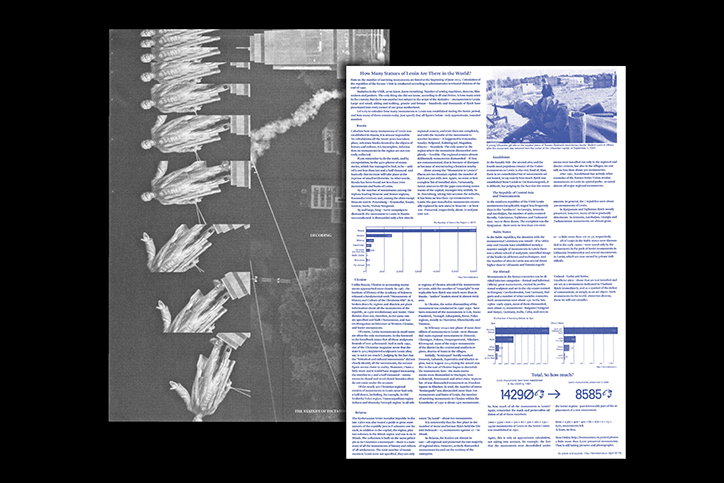
Ted Hyunhak Yoon: Decoding Dictators
Share Article
Further Info
About the Author
—
Rebecca Fulleylove is a freelance writer and editor specialising in art, design and culture. She is also senior writer at Creative Review, having previously worked at Elephant, Google Arts & Culture, and It’s Nice That.