Exploring the lesser-known graphic side of the iconic Eames furniture studio at fascinating new show
It’s always interesting to see the less famous work of iconic creatives and they don’t come much more iconic that husband and wife duo Charles and Ray Eames. The pair are synonymous with furniture design but a new show in west London explores the graphic design work that came out of their California studio.
Addressing the Need: The Graphic Design of the Eames Office which opens at the PM Gallery tomorrow includes adverts, packaging, invitations, posters and pamphlets as well as film, photography, toys and some of their exhibition work, much of which has never been displayed to the public in this way.
The Eames products are so familiar that it’s fascinating to see how they marketed, explained and presented them, and how their design philosophy informed every part of the process rather than just the end result.
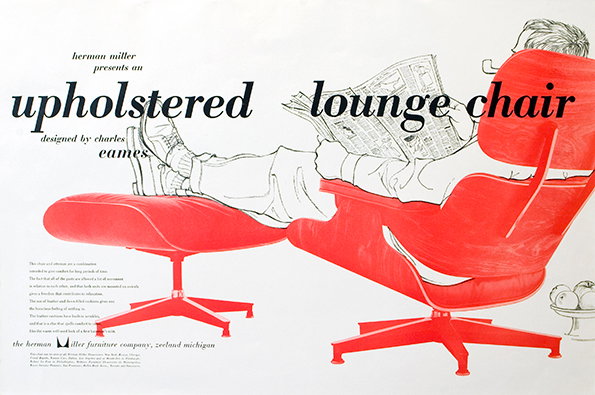
Eames Studio: Eames Lounge and Ottoman Poster, 1956 (Courtesy and ©2012 Eames Office)
Eames Studio: A Computer Glossary poster/brochure cover, 1972 (Courtesy and ©2012 Eames Office)
I Bernard Cohen, an expert in Eames, said: “Charles thought graphically, he would think in terms of what an idea meant—in terms of communication. And for him, communication always had to be graphic… he wasn’t interested in the idea as ideas but ideas as challenges to communication, whether in lectures, films or exhibitions.”
It is interesting that the last couple of years has seen a resurgence in in-depth interest in the ideas, processes and relationships that made the Eames phenomenon what it was. From an exhibition recreating their living space to the James Franco-narrated film The Architect and The Painter even a slightly surreal Ice Cube video tribute the pair have come in for closer attention, perhaps because the challenges of building an enduring design legacy seem starker than ever in a digital-first, economically depressed world.
The show runs until November 3.
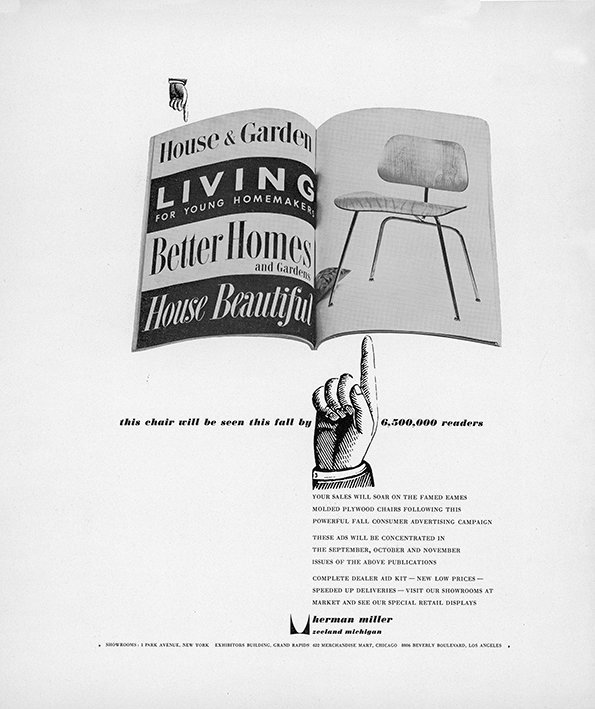
Eames Studio: Adverts for Molded Plywood Campaign, 1952 (Courtesy and ©2012 Eames Office)
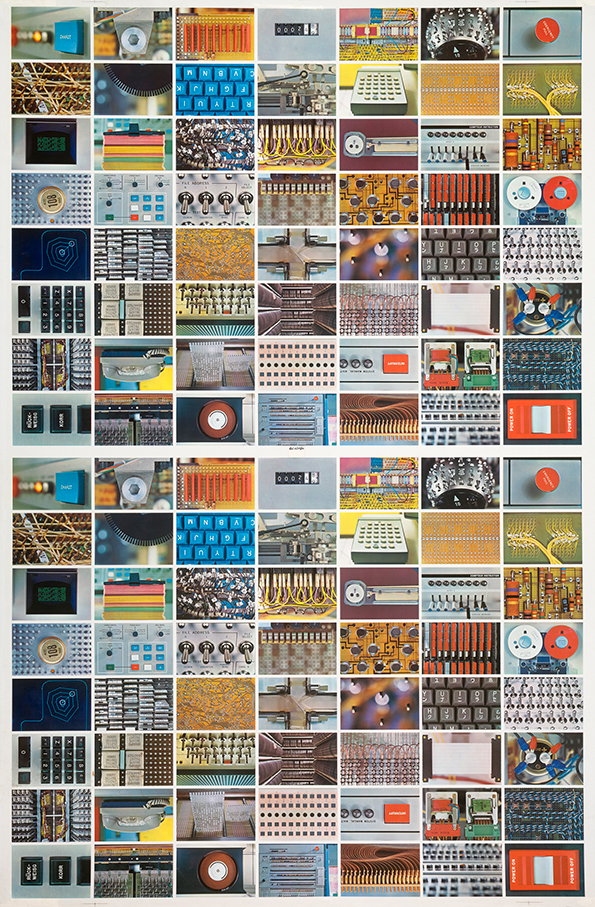
Eames Studio: Double sheet of all Computer House of Cards faces, 1970 (Courtesy and ©2012 Eames Office)
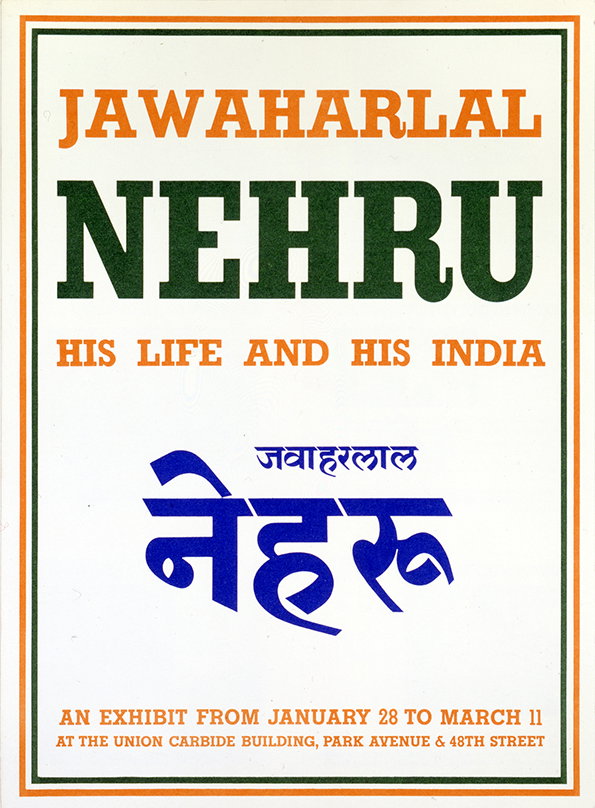
Eames Studio: Cover of the catalogue for the exhibition Nehru: His Life and His India, 1965. (Courtesy and ©2012 Eames Office)
Eames Studio: Mathematica A World of Numbers…And Beyond Chicago 1961 (Courtesy and ©2012 Eames Office)
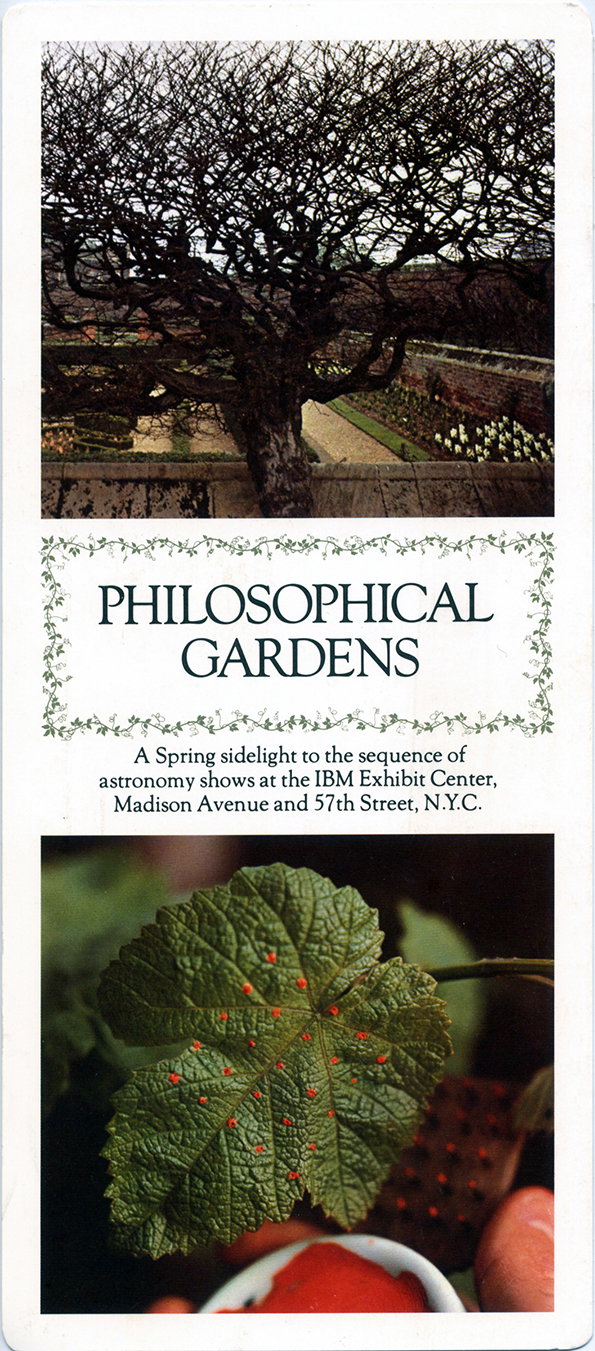
Eames Studio: Philosophical Gardens, exhibition brochure, front/back, 1974 (Courtesy and ©2012 Eames Office)
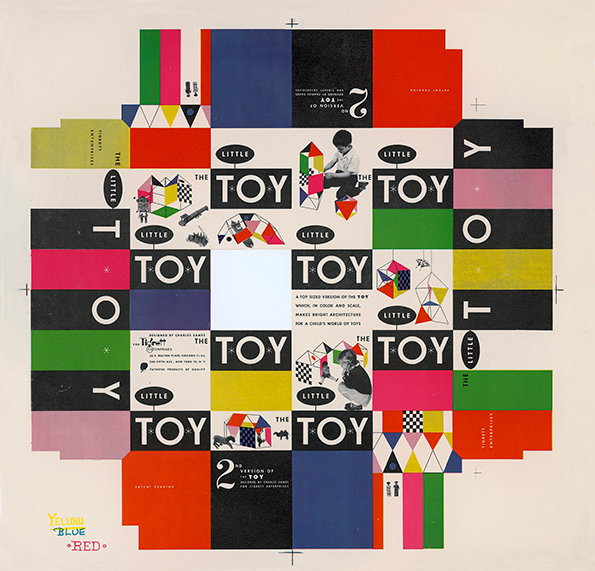
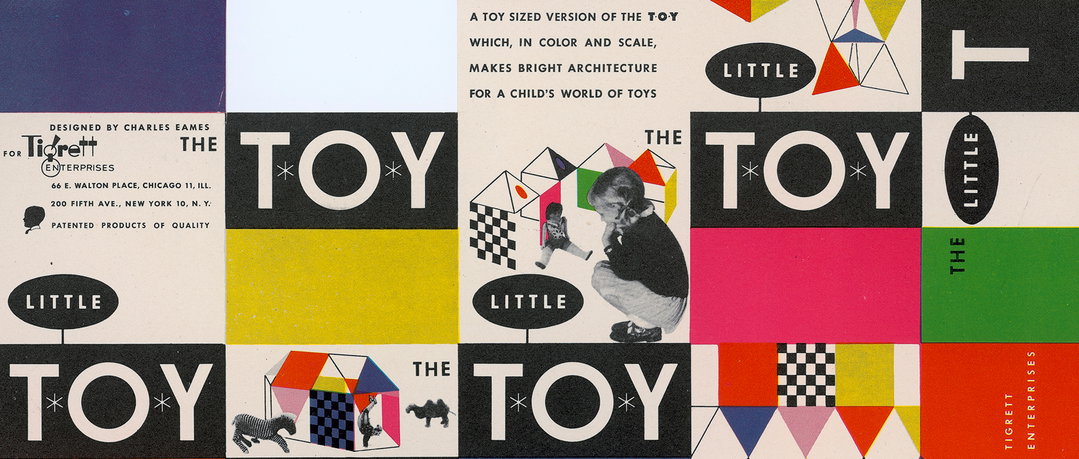
Eames Studio: Little Toy Box, 1952 (Courtesy and ©2012 Eames Office)
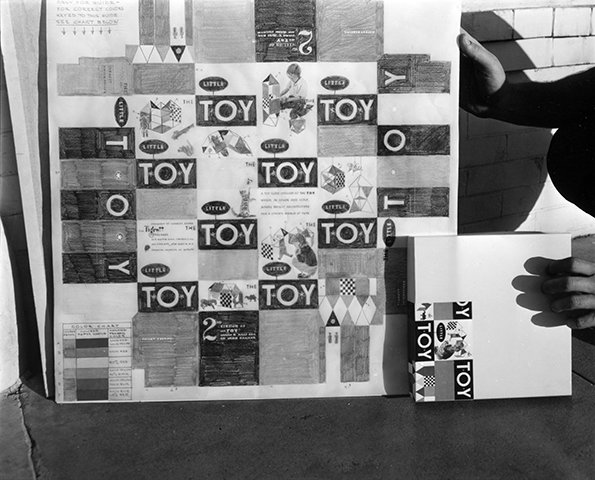
Eames Studio: Little Toy Box, 1952 (Courtesy and ©2012 Eames Office)

Eames Studio: Adverts for Molded Plywood Campaign, 1952 (Courtesy and ©2012 Eames Office)
Share Article
Further Info
About the Author
—
Rob Alderson is a freelance writer, editor and strategist. He was previously editor-in-chief of It’s Nice That and WePresent, and editor of Design Week. He publishes the newsletter Undo, which tries to make sense of how AI is changing design work, the design process and the design industry.