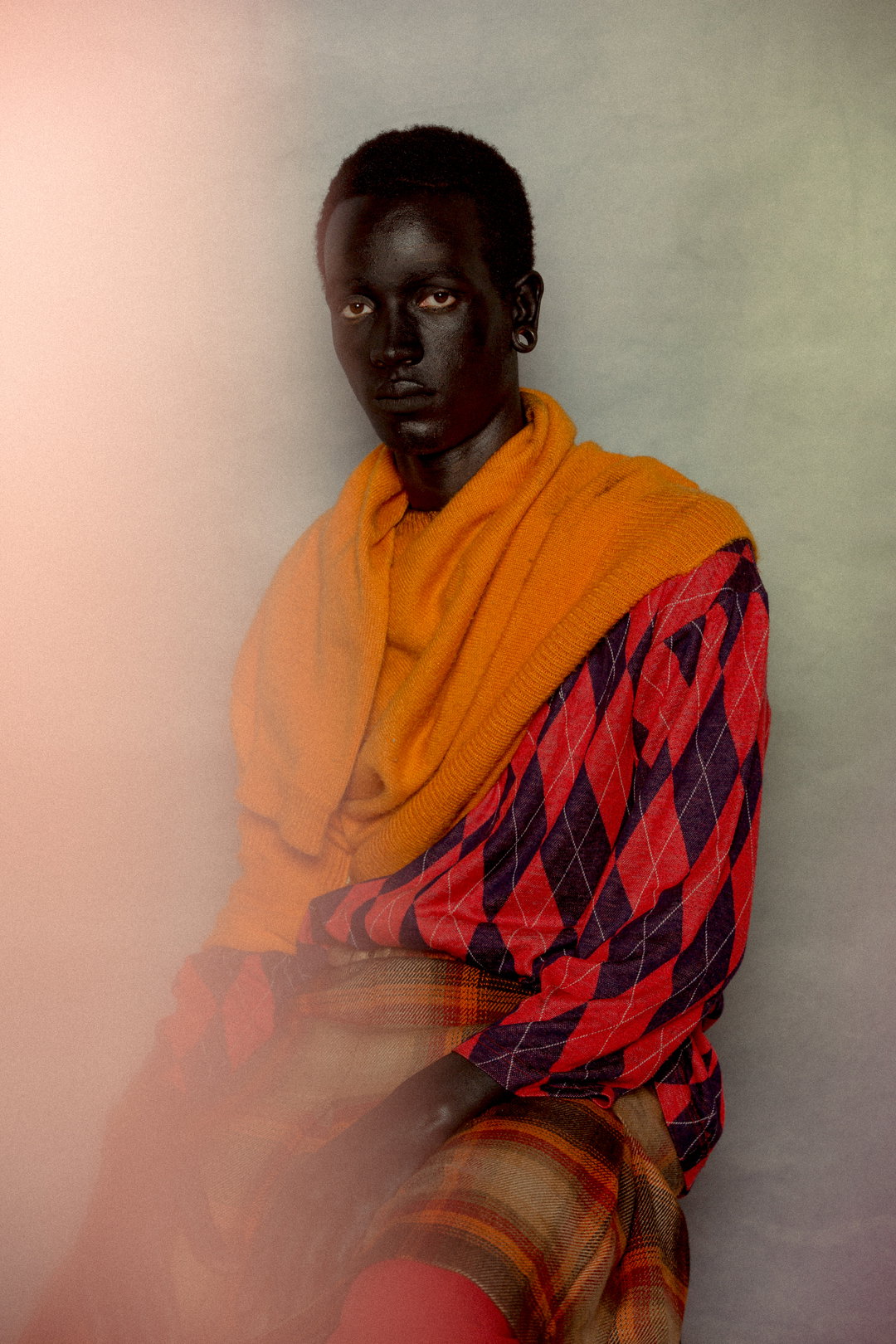
Brasilândia is a multidisciplinary platform for the Black and LGBTQIA+ communities of São Paulo
Founded by Kelton Campos Fausto and Iama Martinho, the duo provide creative work, structure and income for the people that live in the neighbourhood.
Brasilândia is a platform that provides a space for photographers, filmmakers, musicians, visual artists, performers and models – all with particular focus on the LBGTQIA+ communities and those from the Northwest region of São Paulo, Brazil.
Founded by Kelton Campos Fausto and Iama Martinho, Brasilândia was launched to provide content for the people in their neighbourhood. Kelton, a multidisciplinary artist, produces works in the video, painting and performance sphere. “They’re currently interested in the plastic construction of spiritual and cosmological scenes that propose living spaces and possibilities of health,” says Iama, “based on other ways of apprehending reality and the body.” Iama, on the other hand, is a stylist, creative, thinker and fashion producer whom within the Brasilandia space contributes to the production, styling and creation of content in all formats. She graduated in technical garment design and has since been centring her work on the production of fashion in conjunction with the “re-signification” of textile waste, as well as combining her experience as a trans woman living in a country where “transgender people are treated as garbage”.
Of how the project first arose, Iama takes us back to a time in 2019 while Kelton had quit everything, deciding to head to the Northwestern capital Salvador de Bahia in order to start candomblé – a Brazilian Afro-diasporic religion that developed in Brazil during the 19th century. With a goal and quest to work with people in their neighbourhood, this inspired the budding artist to take this dream further. “At the time, they worked at Brechó Replay and sometimes managed to introduce some people to model for a few jobs,” says Iama. “But the big dream was to be able to carry on working with the people of Brasilândia through all parts of the execution from modelling to photography, styling, art direction and so on.” With such a strong and deep connection to the neighbourhood – and having related to many people in those spaces – this sparked a sense of certainty that the dream could become realised, and the “great potential that exists there,” Iama continues.
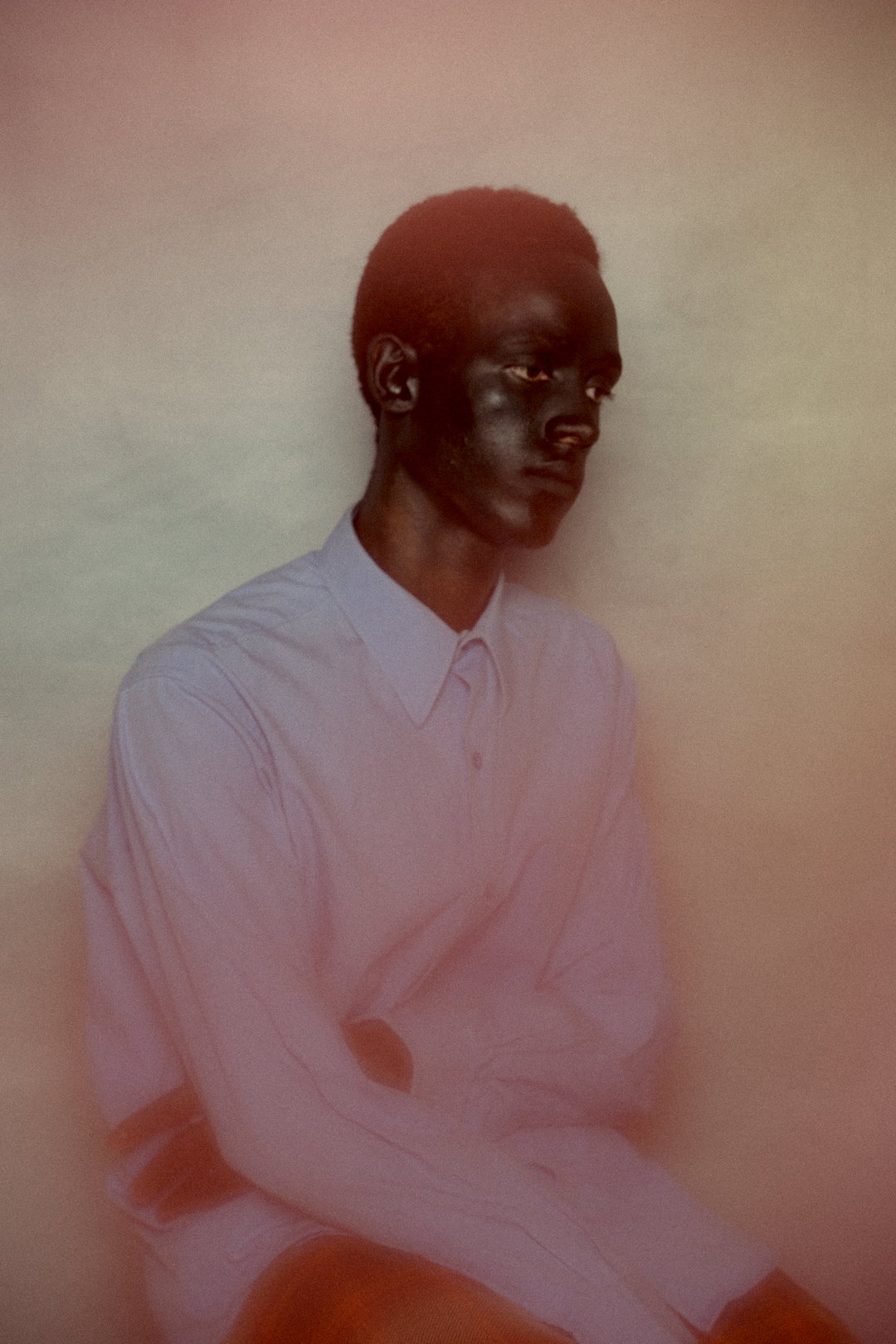
Brasilândia: Casa Dcriadores (Copyright © Brasilândia, 2021)
A year had passed since Kelton travelled to Salvador and, in 2019, they decided to bring together an ensemble of people – all of which bore different abilities and skills from the creative industry. The plan was to produce audio-visual content for Brasilândia, which simultaneously evolved into forming the idea to launch the platform, “bringing together these powers and showing that there is a lot more creative minds existing in that territory, that one can pull the other to create possibilities and support.” And that’s exactly how Brasilândia was borne, a platform – “not an objectification” – whose main ethos is to bring together the local creatives from the LGBTQIA+, Black and peripheral communities.
“I must confess,” continues Iama, “we live in a very plural country in terms of ethnic and cultural issues, but here it is still very difficult to perceive peripheral and Black people in spaces of protagonism in the production of art, so we give priority to people who fit into exclusion groups in the country, Black people and LGBTQIA+”. As such, one of the key determiners as to the type of work that Brasilândia takes on, is to avoid that which perpetuates inequality in any shape or form. Brasilândia is inclusive and serves as a necessary space for those that are often overlooked, in turn utilising the founder’s strong connection with the people in their neighbourhood to create the works.
An example of a recent endeavour is titled Fradilidades Project, a series that turns a lens onto the discussion of masculinity. Inspired by the texts of philosopher Frantz Fanon, the team strove to translate the words into works around the topic of Brazilian masculinity, producing a mix of hazy photography and collage-esque artworks. Elsewhere, Brasilândia TV is an additional project that sits close to the founder’s hearts. Described as being “simple and extremely potent” by Iama, the project saw the founders invite a selection of artists from Brasilândia to take part in an interview, letting them run off script and say whatever came to their minds, “following our manifesto (a platform not an objectification)”. She adds: “There is an urgent need for listening to local artists, usually the media always goes with the intention of capturing what the artists have been talking about for a long time, and we understand how tiring it is because we are also in the position of the artist, not just of content production.”
Clearly, the type of work that Brasiliânda strives to create is here to make some noise – and the right type of noise too, for that matter. But it’s not just about producing great and impactful visuals, the founders are also providing structure and generate income for the people that live in their neighbourhood – “to be a very structured production company, and to continue producing with the people here,” concludes Iama. “We are building a great document of artists and people who are producing some type of language – art within our territory. We are in the country of oblivion and it is a lot of responsibility what we are doing, we are in the vanguard position for producing decolonial art in life.”
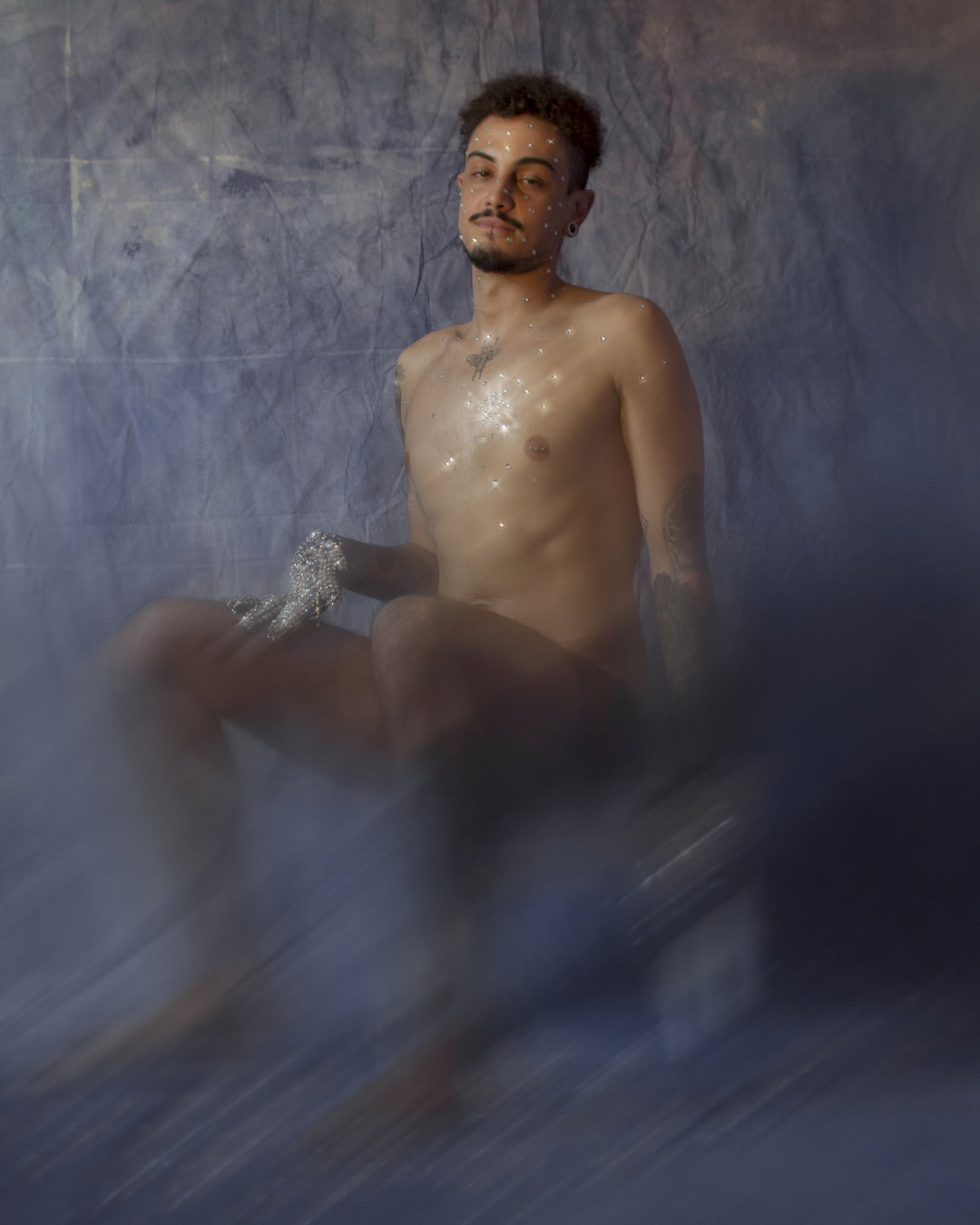
Brasilândia: Fragilidades (Copyright © Brasilândia, 2021)
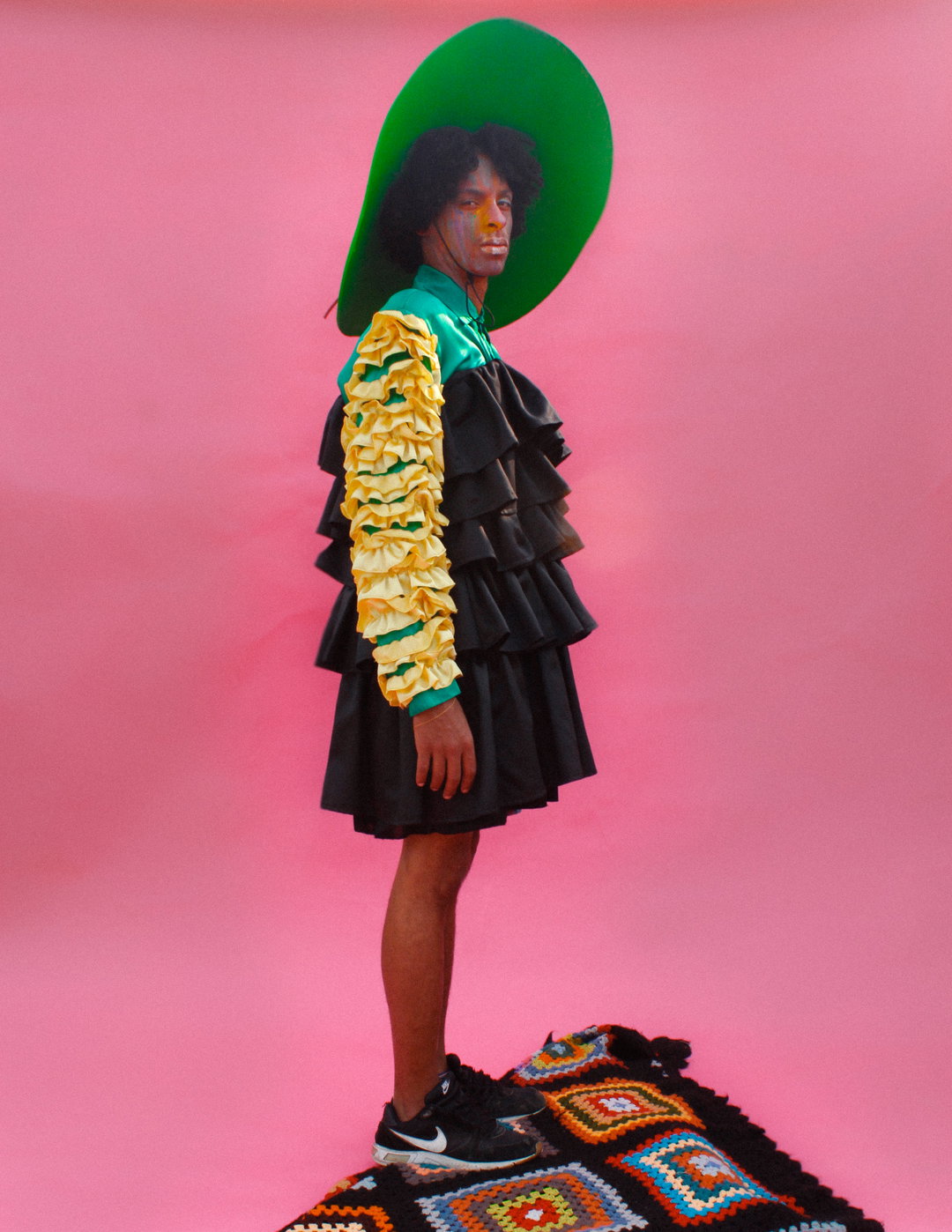
Brasilândia: Fragilidades (Copyright © Brasilândia, 2021)
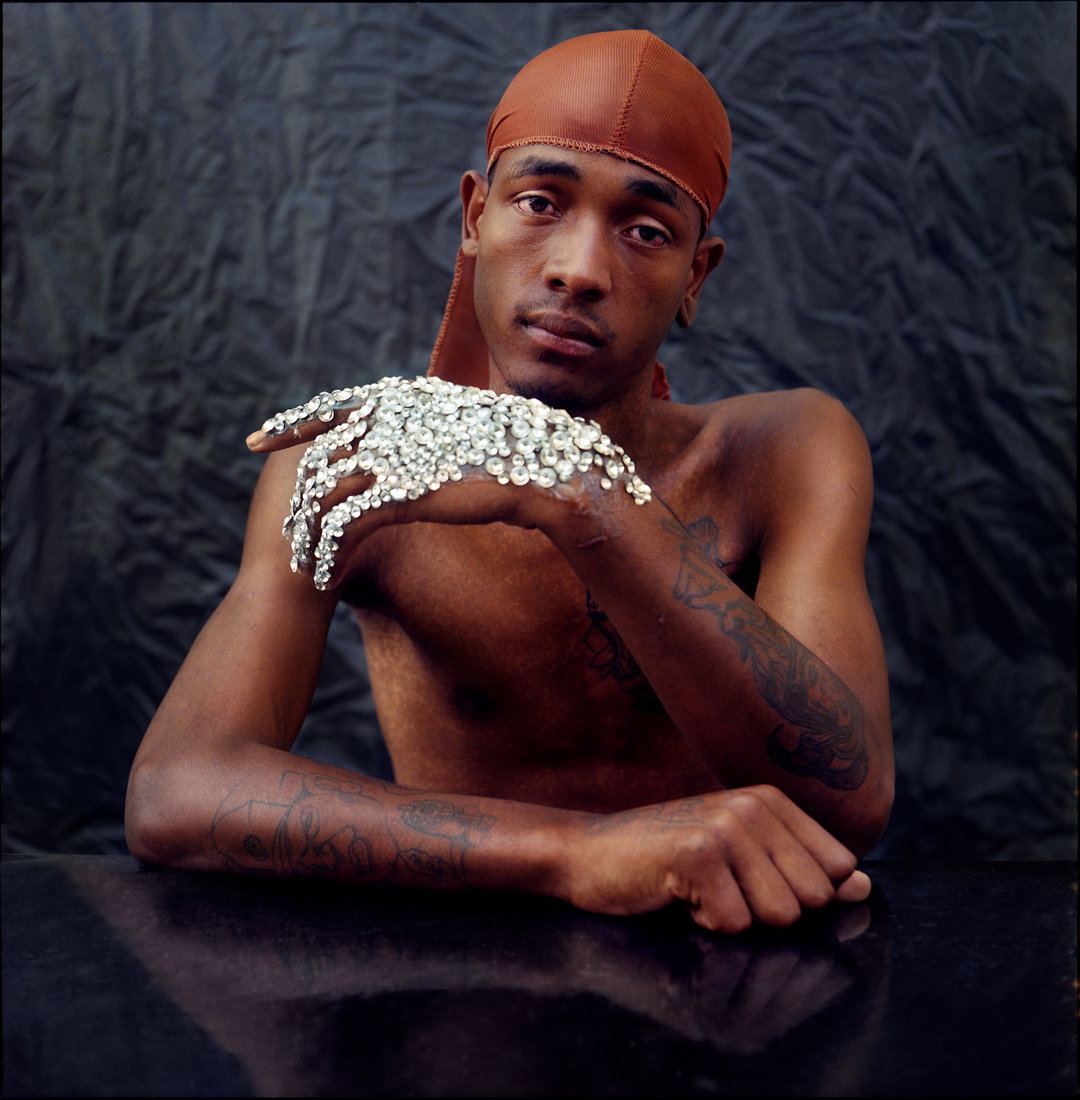
Brasilândia: Florian, Jamaica Diamond (Copyright © Brasilândia, 2021)
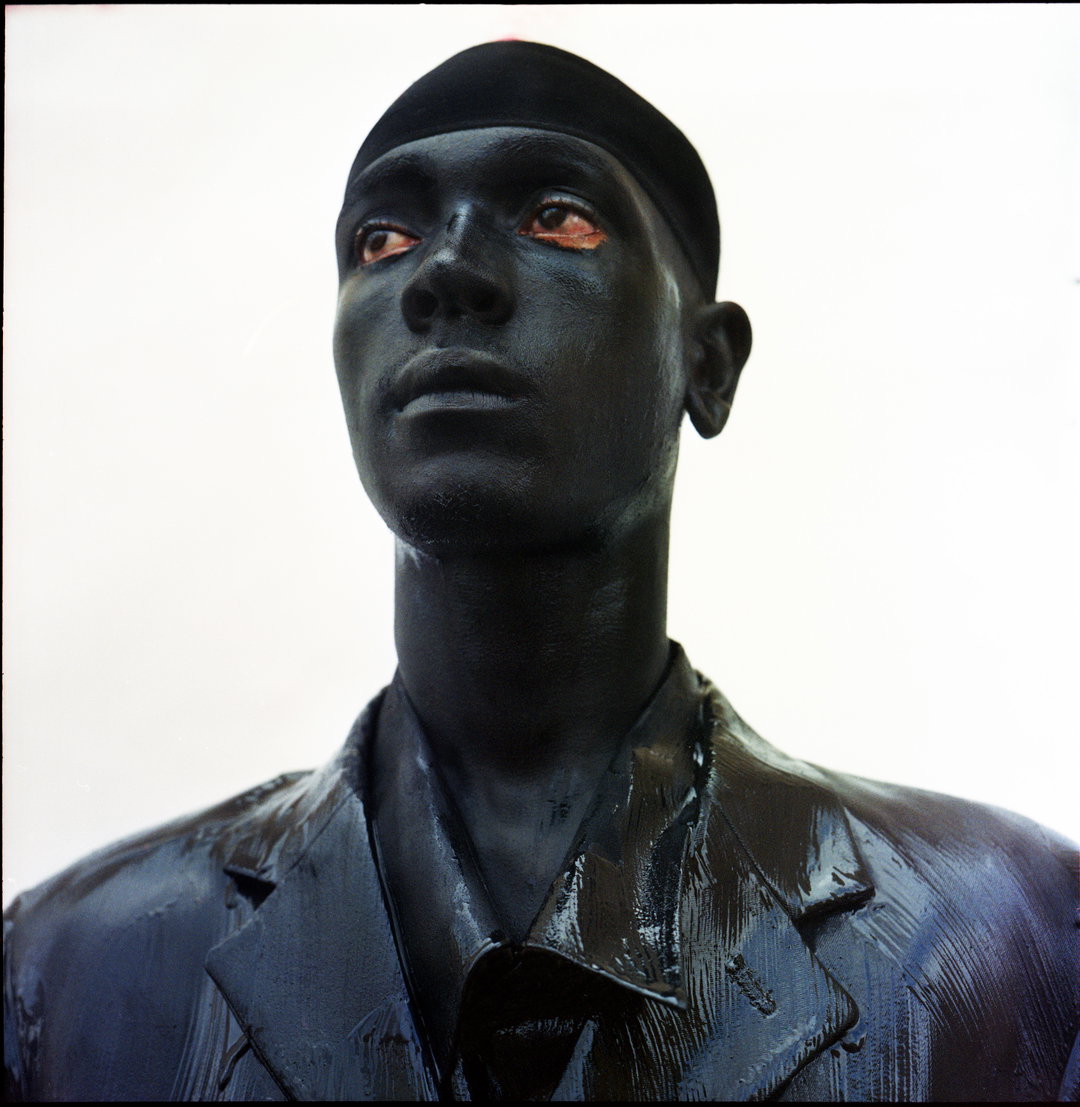
Brasilândia: Florian, Jamaica Diamond (Copyright © Brasilândia, 2021)
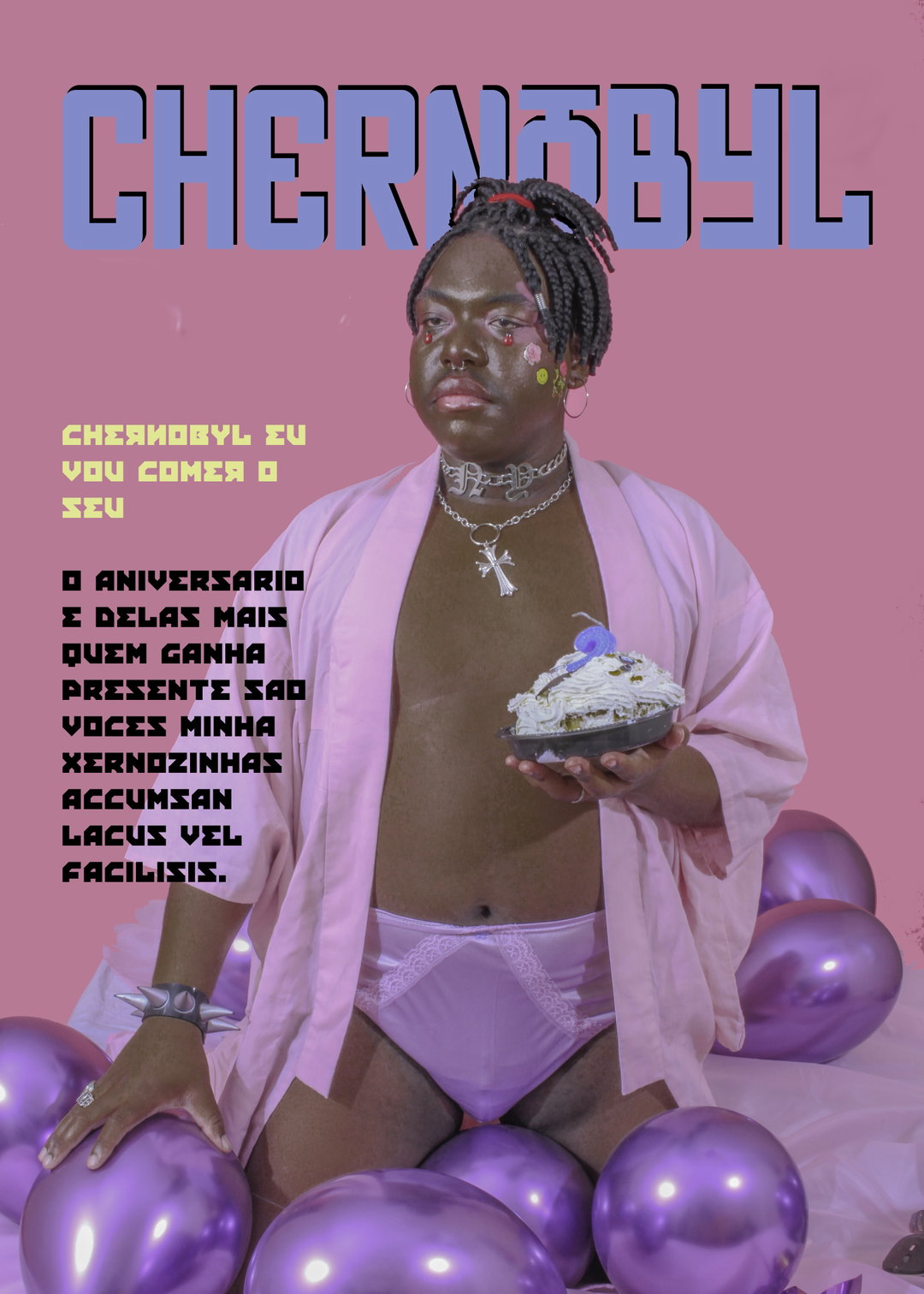
Brasilândia: Chernobyl (Copyright © Brasilândia, 2021)
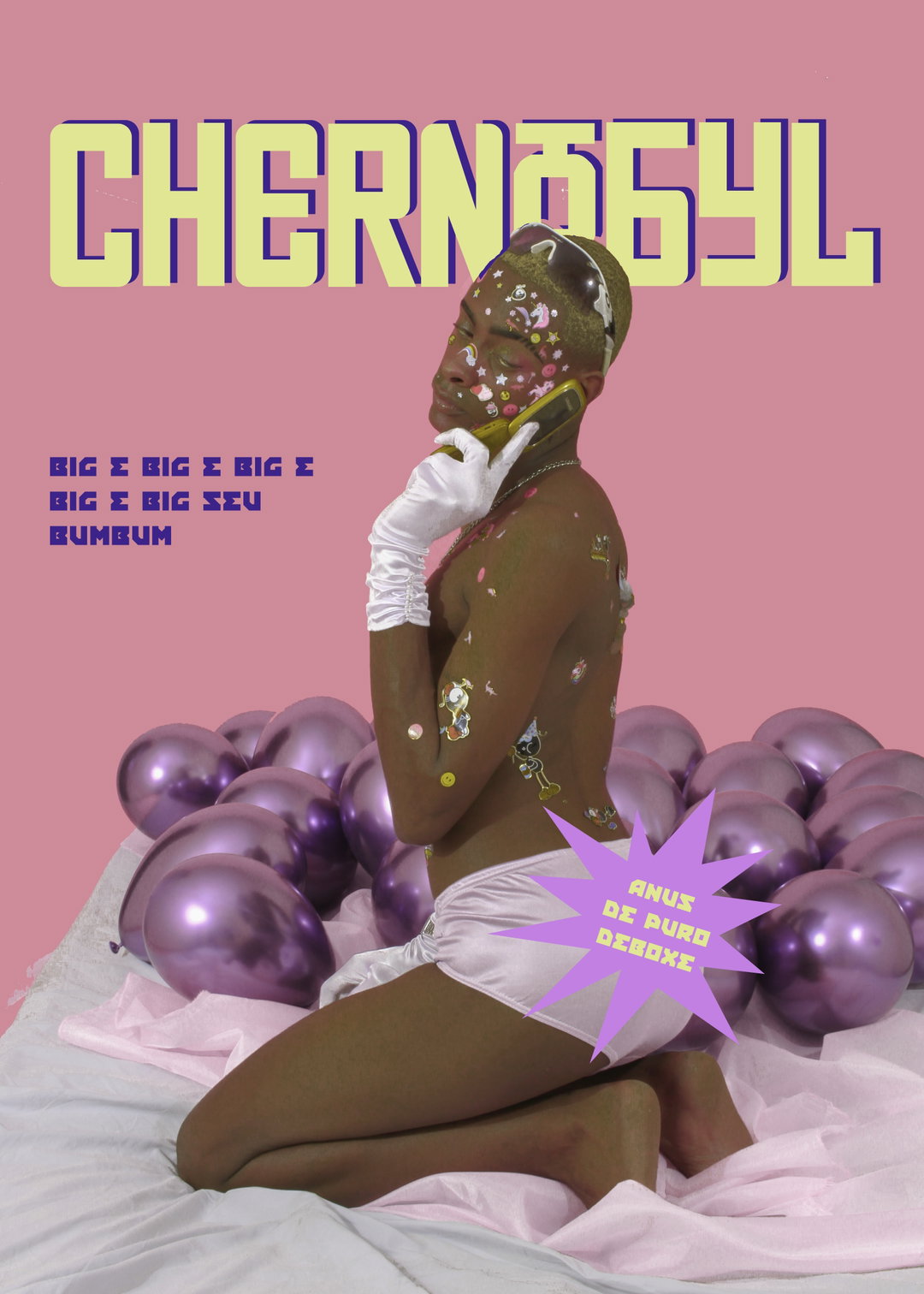
Brasilândia: Chernobyl (Copyright © Brasilândia, 2021)
Brasilândia: Chernobyl (Copyright © Brasilândia, 2021)
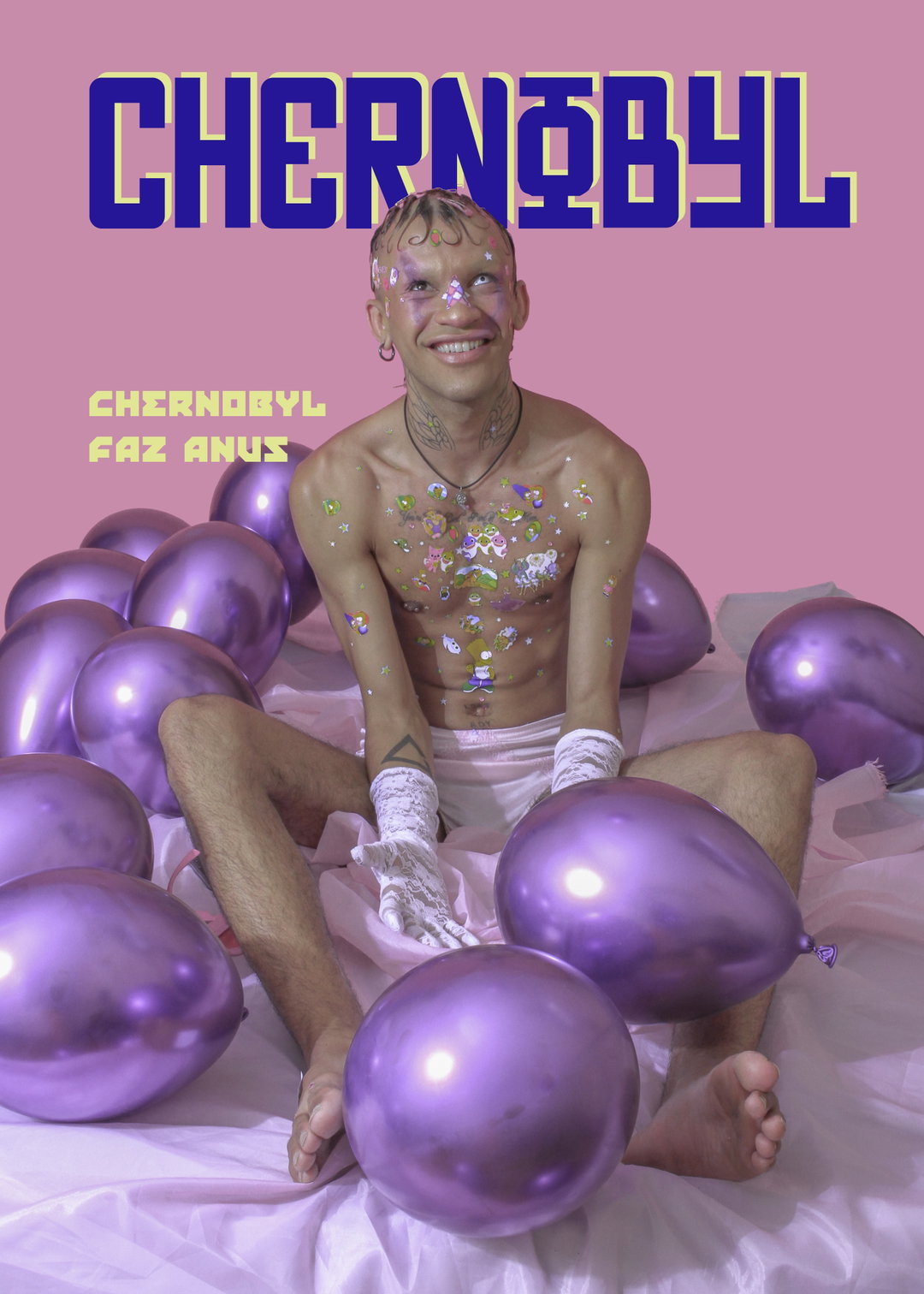
Brasilândia: Chernobyl (Copyright © Brasilândia, 2021)
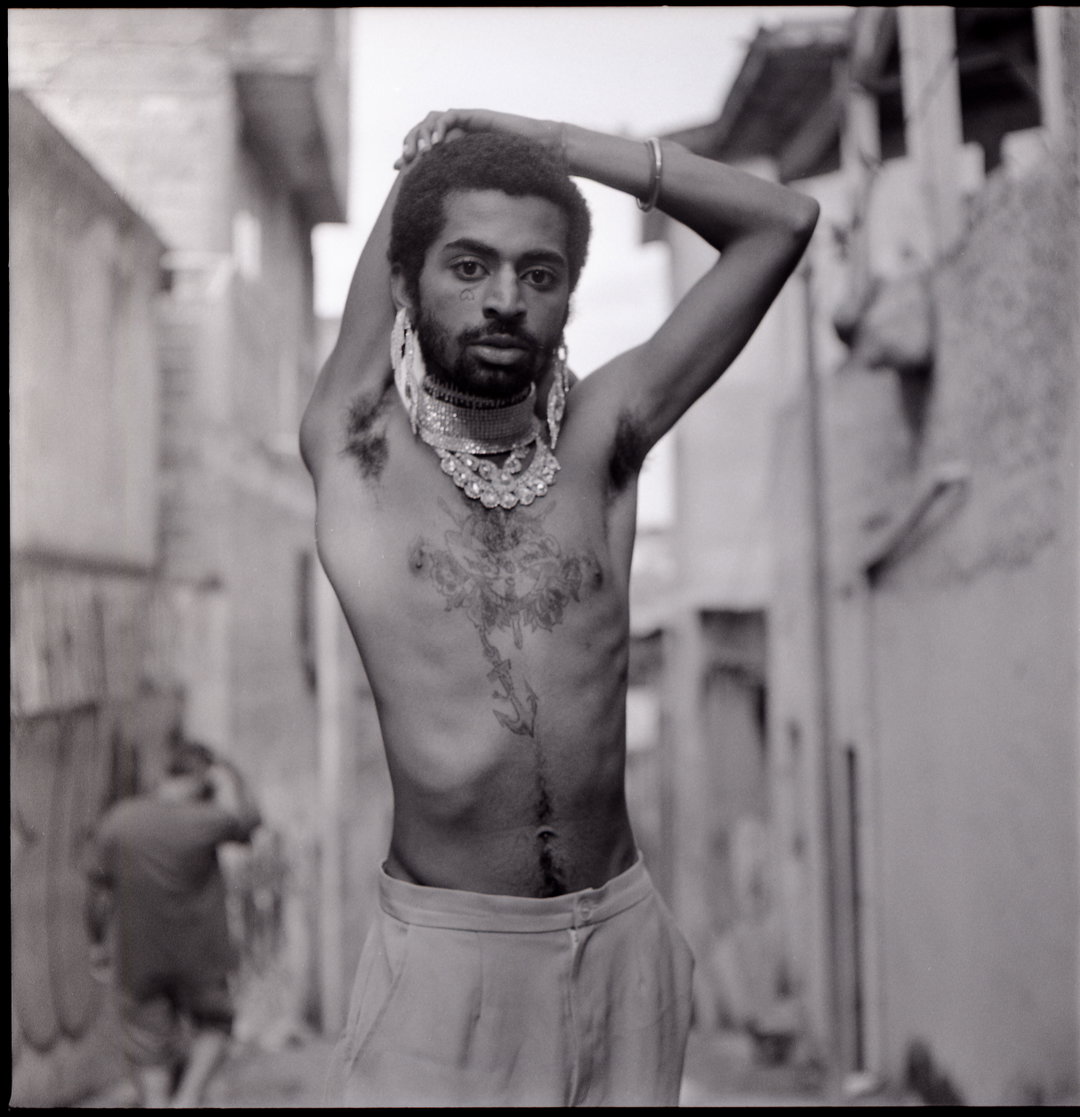
Brasilândia: Florian (Copyright © Brasilândia, 2021)
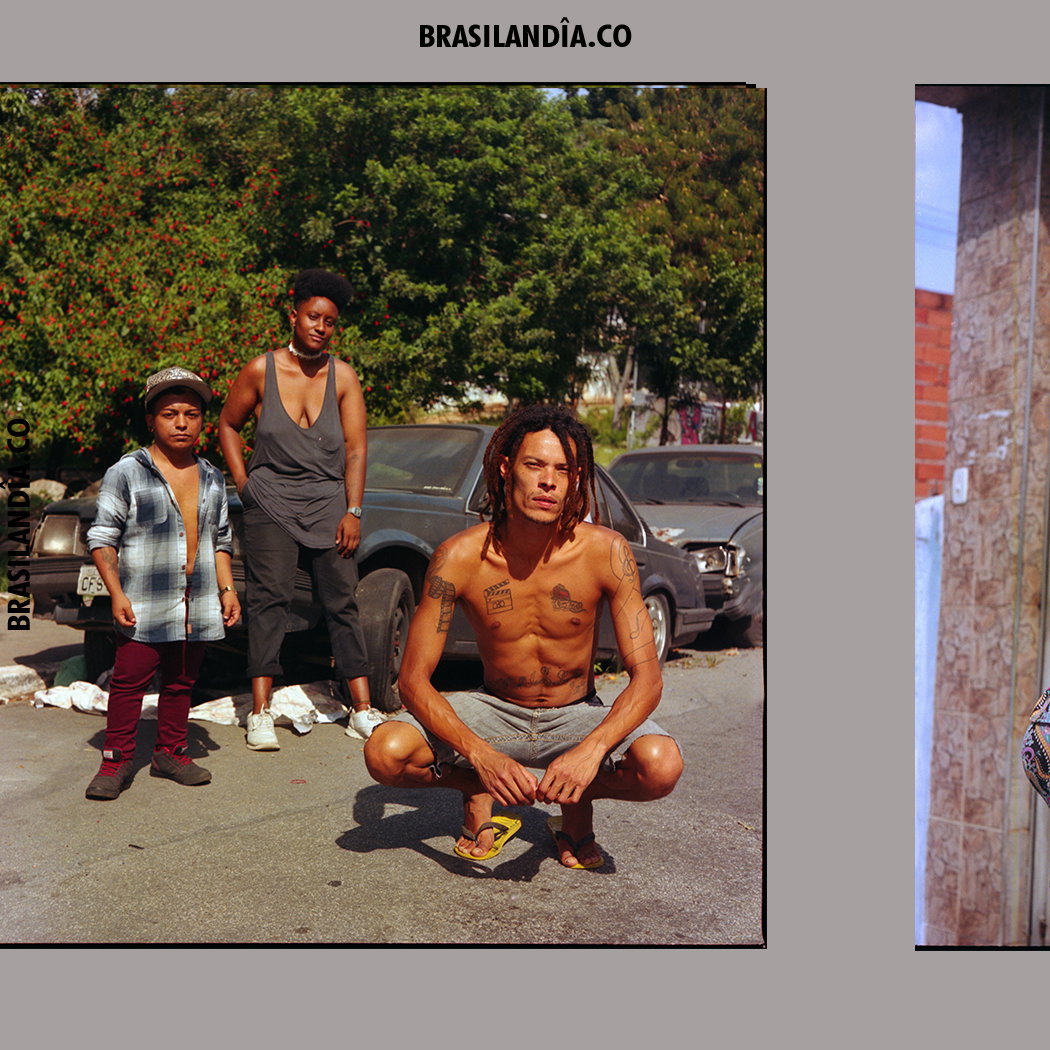
Copyright © Brasilândia, 2021
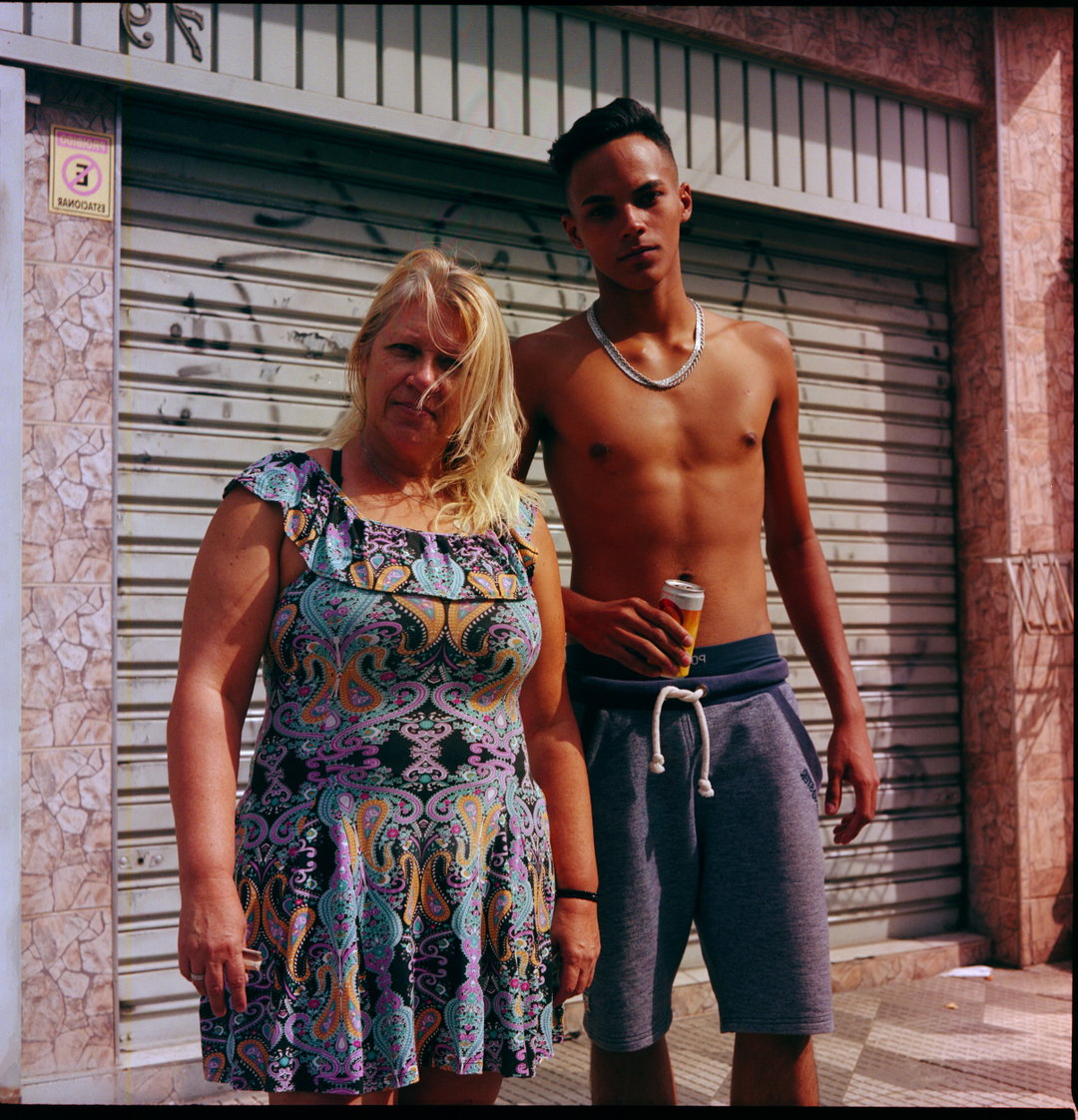
Brasilândia: Florian (Copyright © Brasilândia, 2021)
Brasilândia: Florian (Copyright © Brasilândia, 2021)
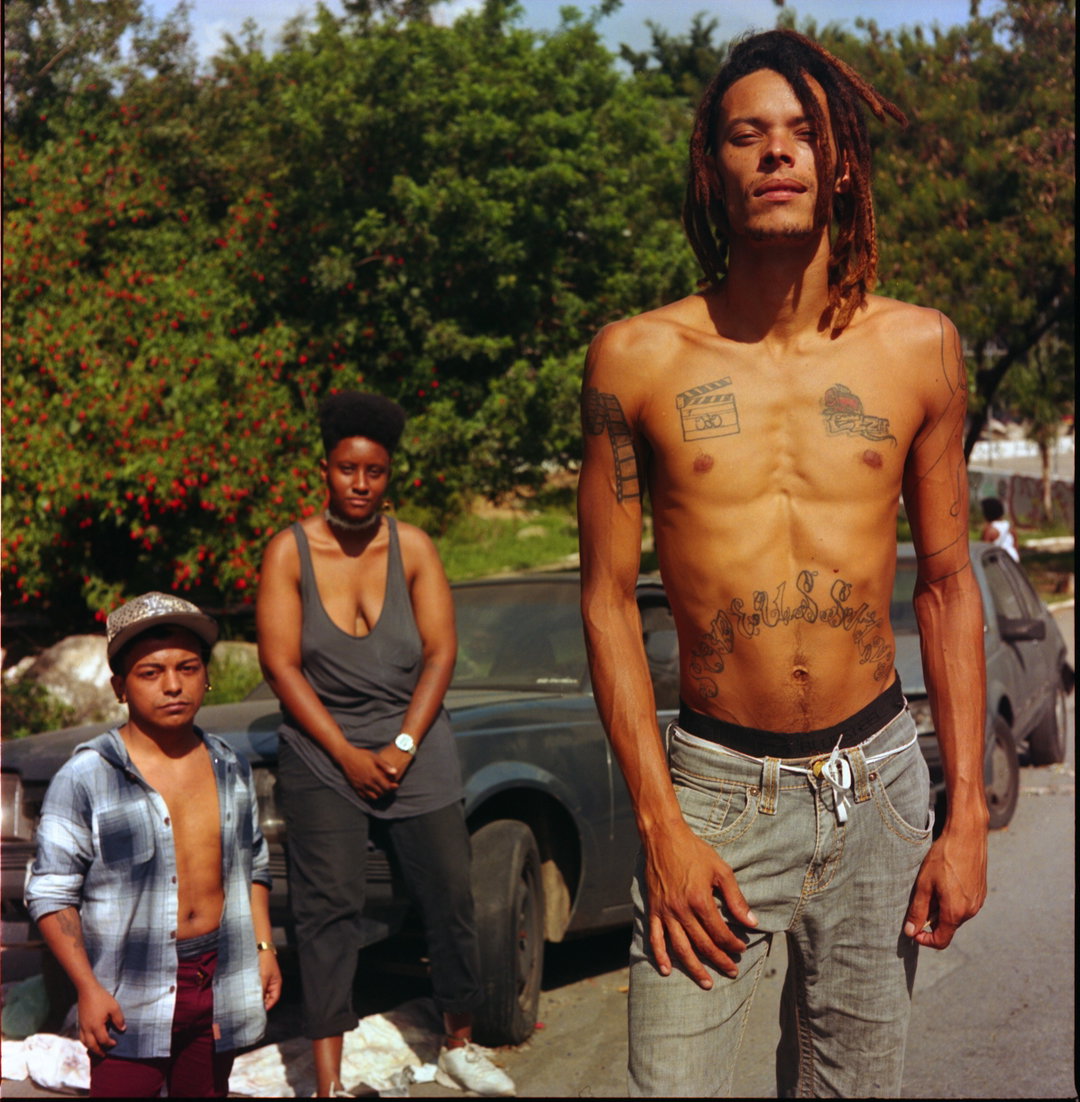
Brasilândia: Florian (Copyright © Brasilândia, 2021)
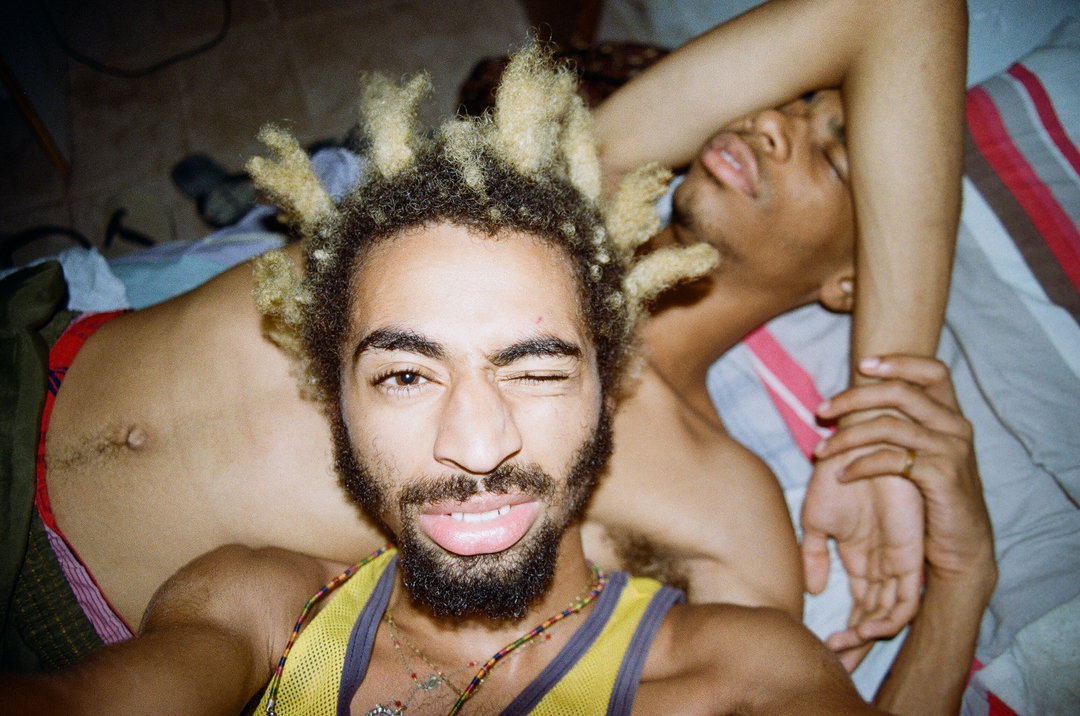
Brasilândia: Salvador (Copyright © Brasilândia, 2021)
Hero Header
Brasilândia: Casa Dcriadores (Copyright © Brasilândia, 2021)
Share Article
About the Author
—
Ayla is a London-based freelance writer, editor and consultant specialising in art, photography, design and culture. After joining It’s Nice That in 2017 as editorial assistant, she was interim online editor in 2022/2023 and continues to work with us on a freelance basis. She has written for i-D, Dazed, AnOther, WePresent, Port, Elephant and more, and she is also the managing editor of design magazine Anima.