Andrea Orejarena and Caleb Stein capture the “memory and legacy” of the Vietnam-American war
Over the course of two years, the two have been documenting the stories of Vietnamese war veterans and their descendants.
Last summer, Caleb Stein’s four-year documentation of the small American town of Poughkeepsie enlightened us with his ability to share the intimate and immersive stories of his subjects. Since then, up until last month, Caleb was based in Hanoi, Vietnam, where he was working on his project Long Time No See, alongside his wife and video artist Andrea Orejarena.
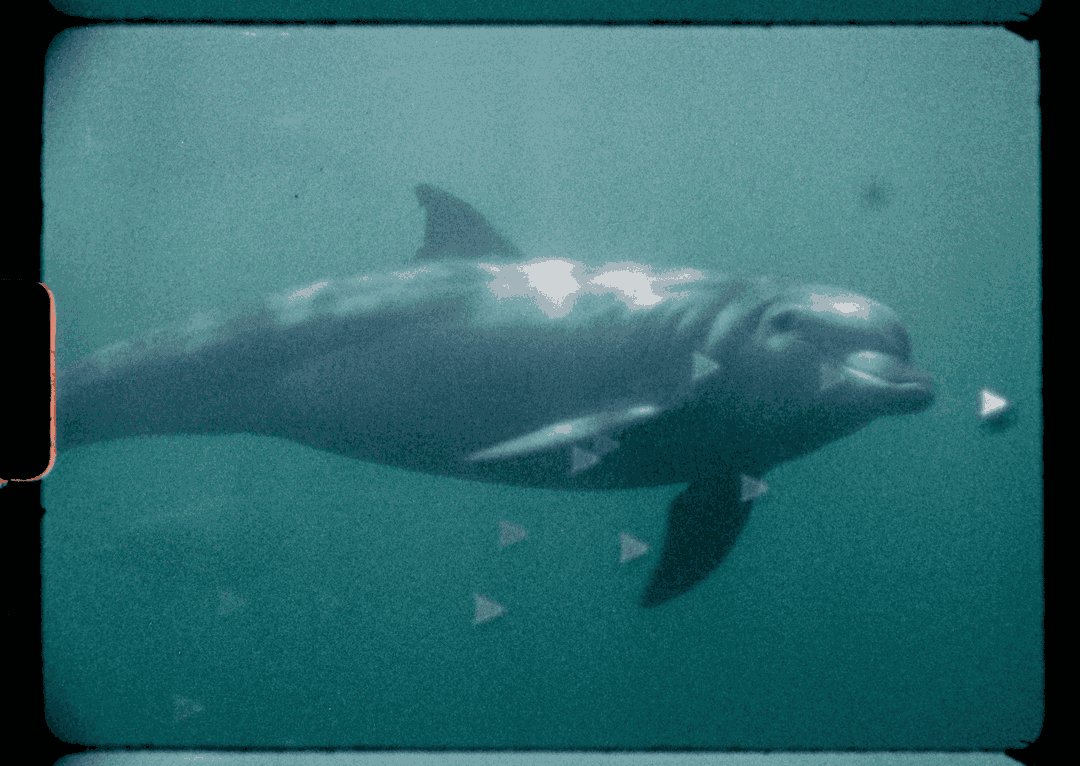
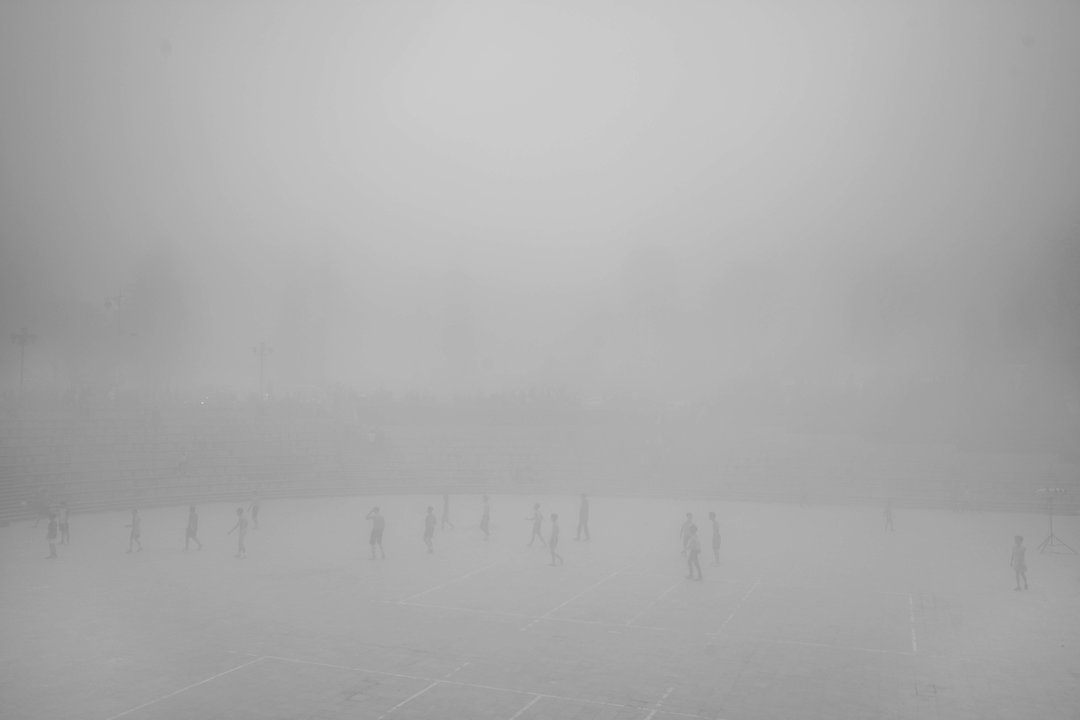
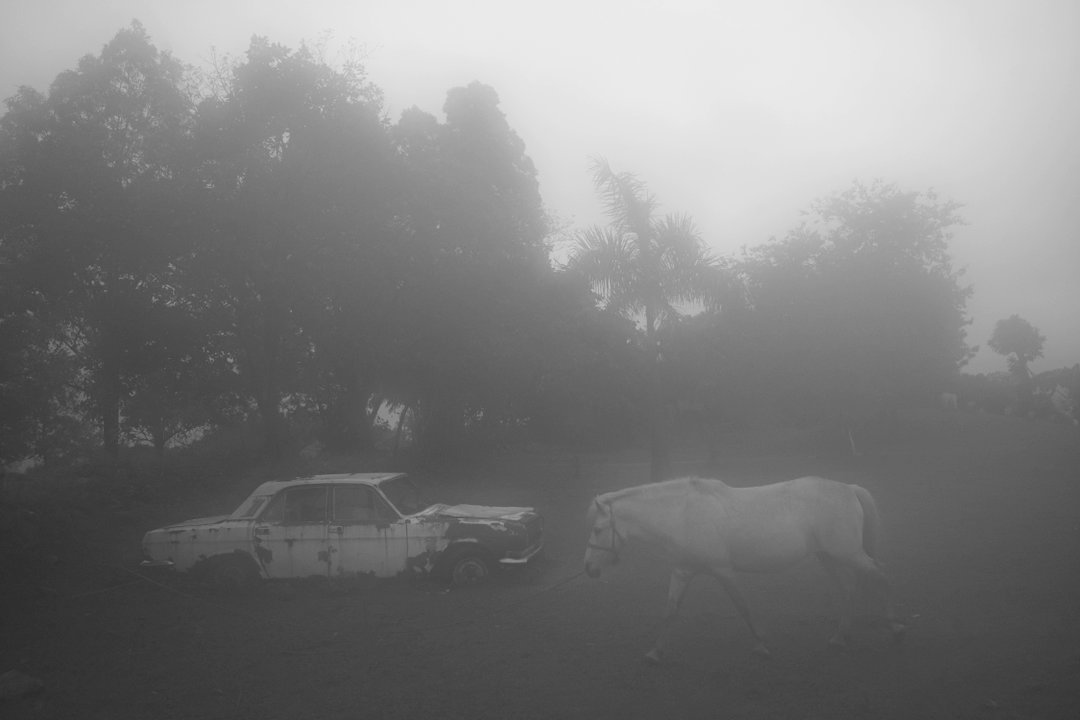
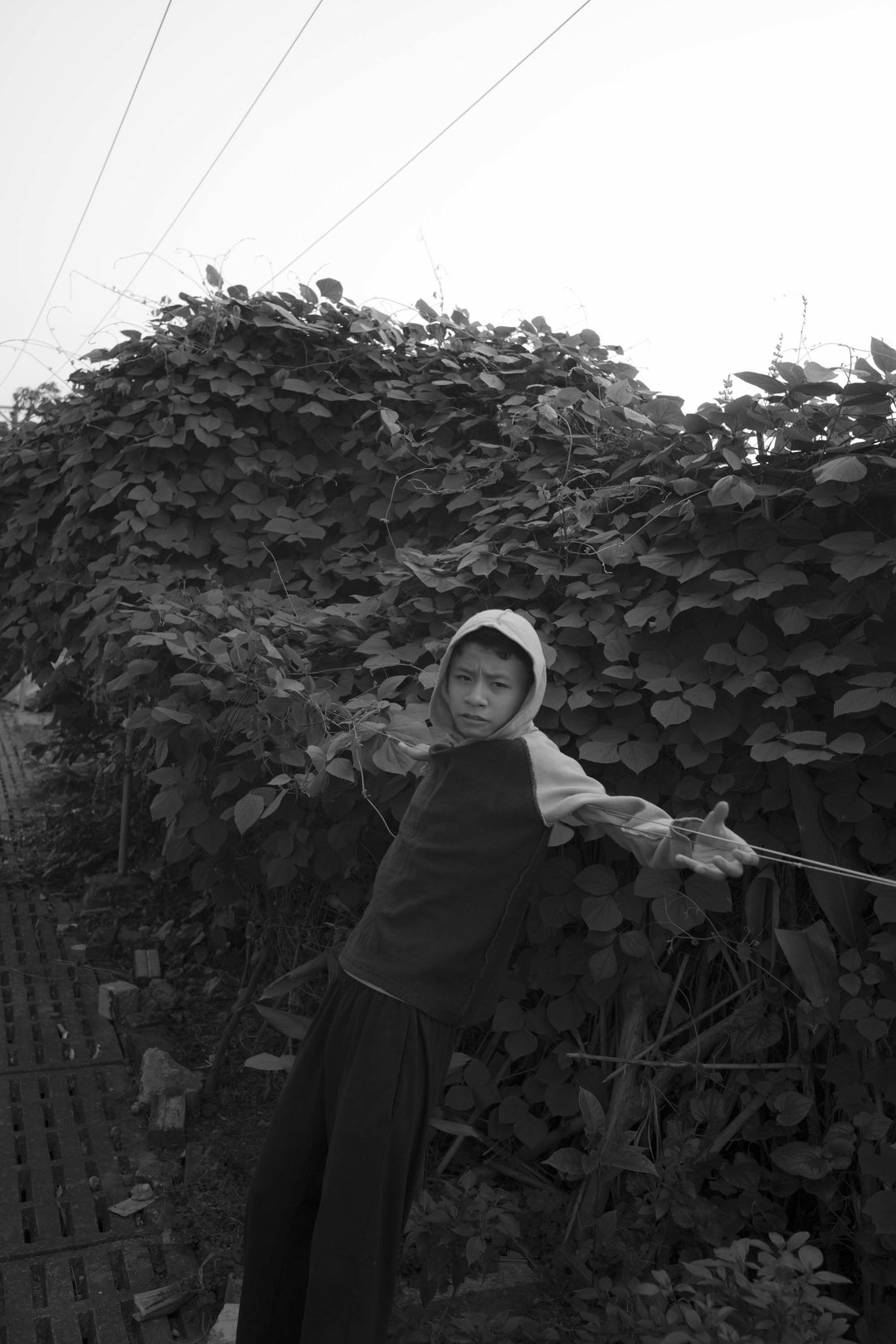
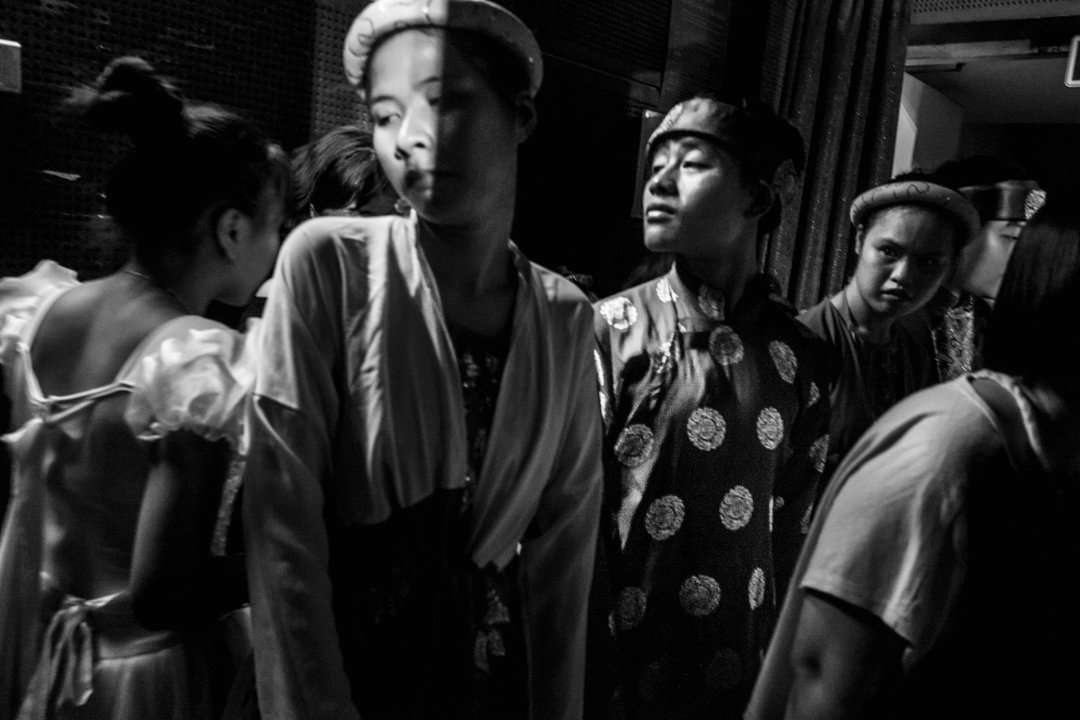
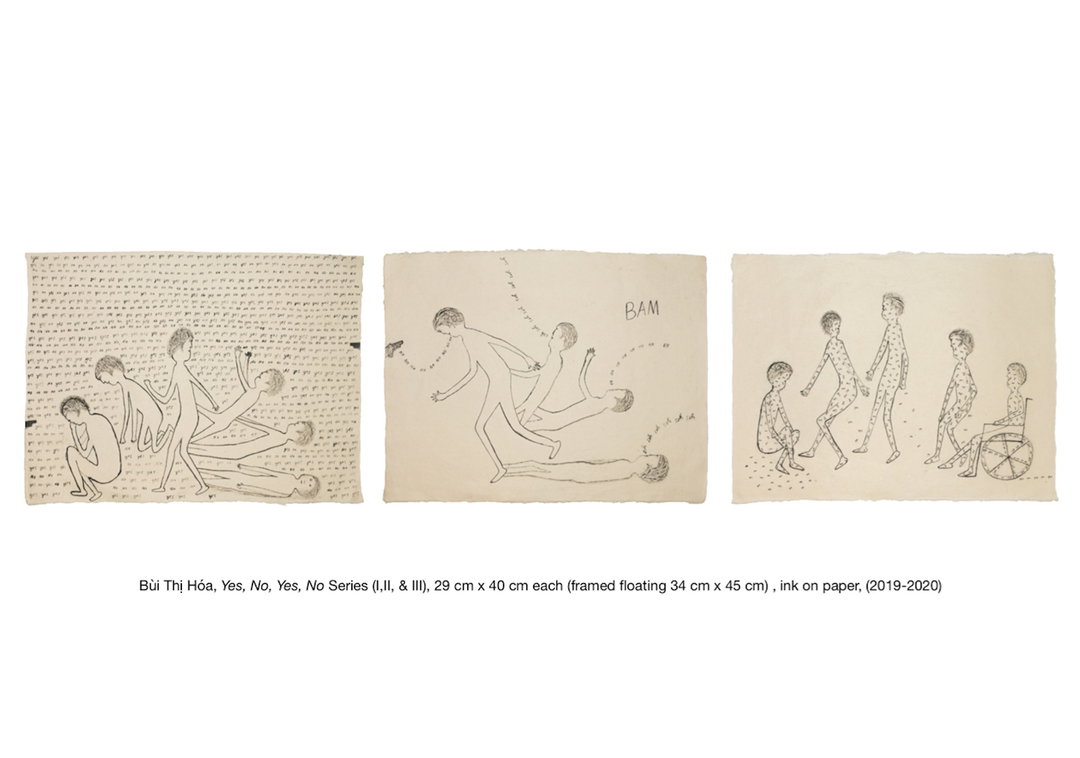
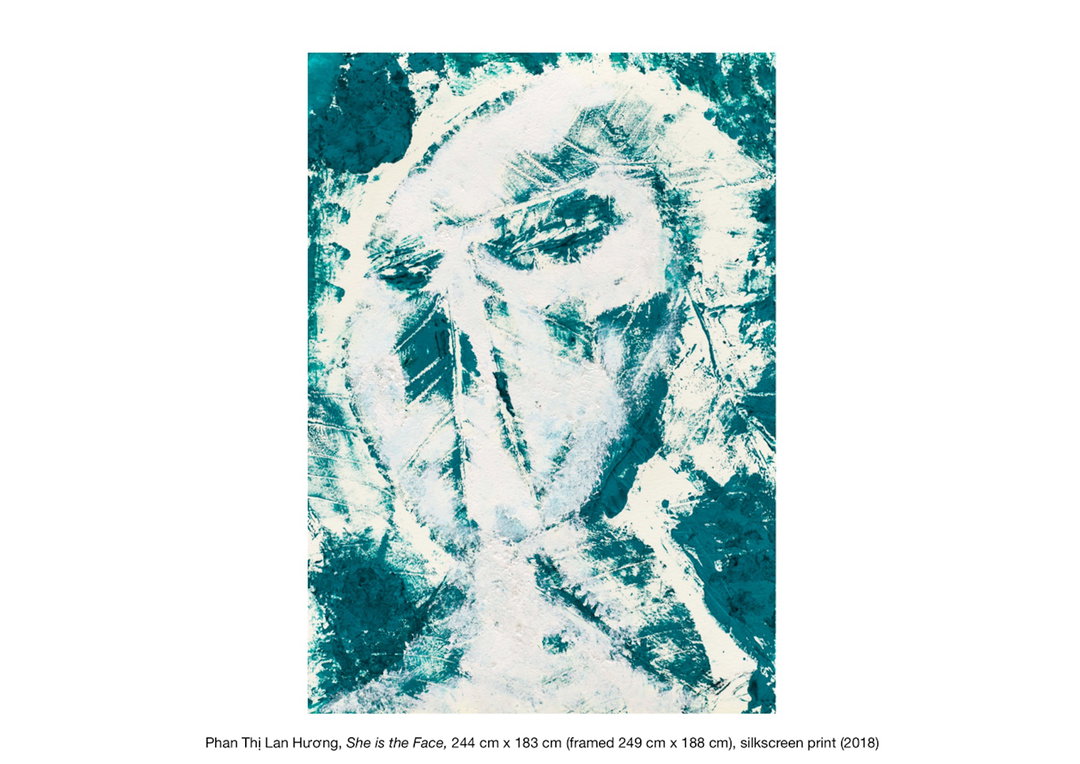
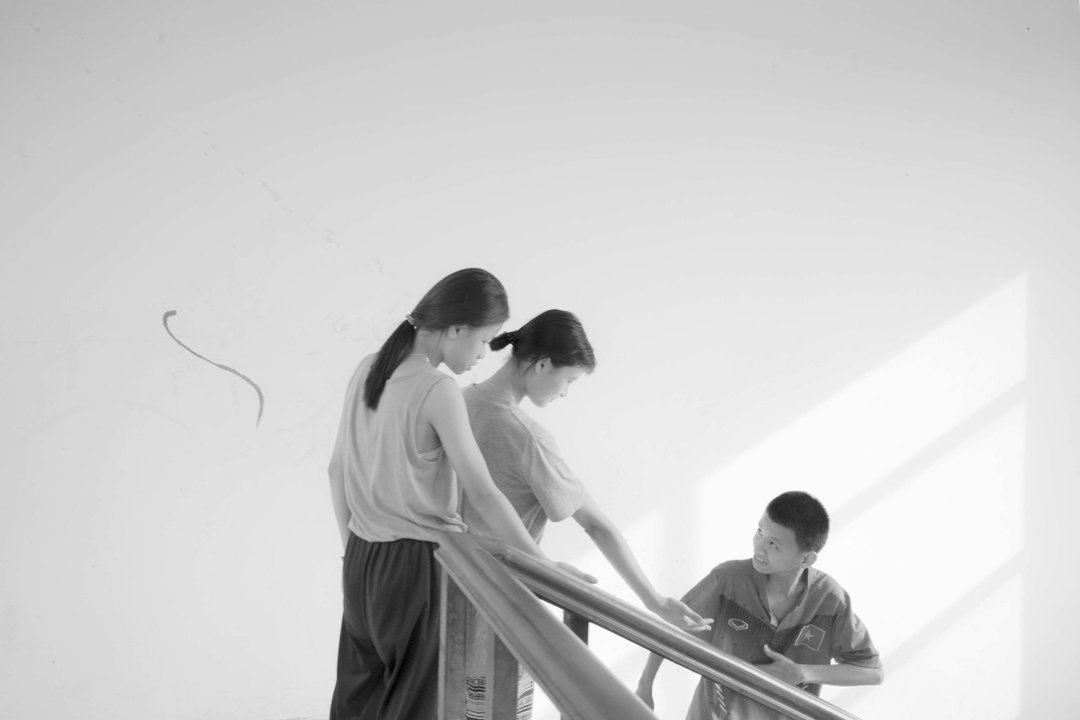
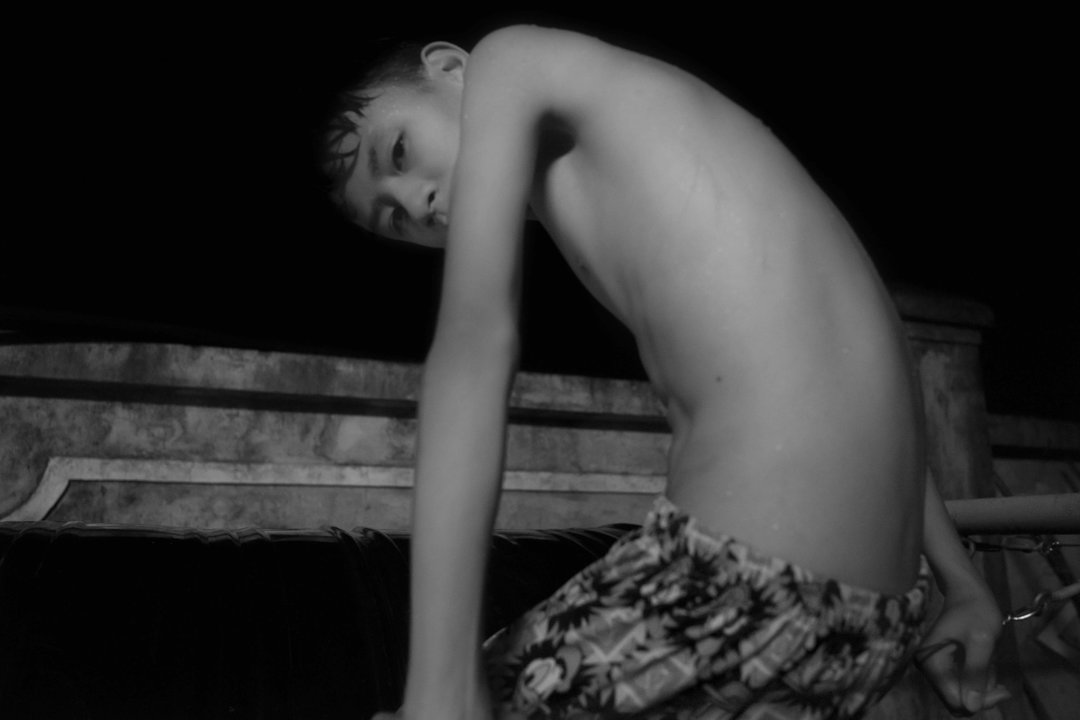
An exploration into the “memory and legacy” of the Vietnam-American war, this series sees the photographer and filmmaker collaborate with Vietnamese veterans who were directly affected by Agent Orange (a military chemical) – plus their younger descendants. “We focused on breaking down the rigid divide between subject and author,” he tells It’s Nice That. Achieved by incorporating drawings and paintings created by the teenagers at Làng Hữu Nghị, plus a video collaboration with the veterans – “we worked with them to co-direct dreamlike vignettes that explore their memories and desires, and our personal responses to them.”
Highly emotive and rooted in history, Long Time No See took two years to complete and it’s clear to see why. Many of the images were taken during the workshop, with drawings and photographs in sight of the camera on bedroom walls. “Often these subjects – like the aftermath of a war or small post-industrial American towns – are dealt with in a heavy-handed sort of way,” continues Caleb. “There tends to be an emphasis on suffering, and while that can be effective in bringing about some sort of policy change at times, it often perpetuates feelings of distance or otherness, and diminishes a person’s humanity to some sort of tabloid headline.”
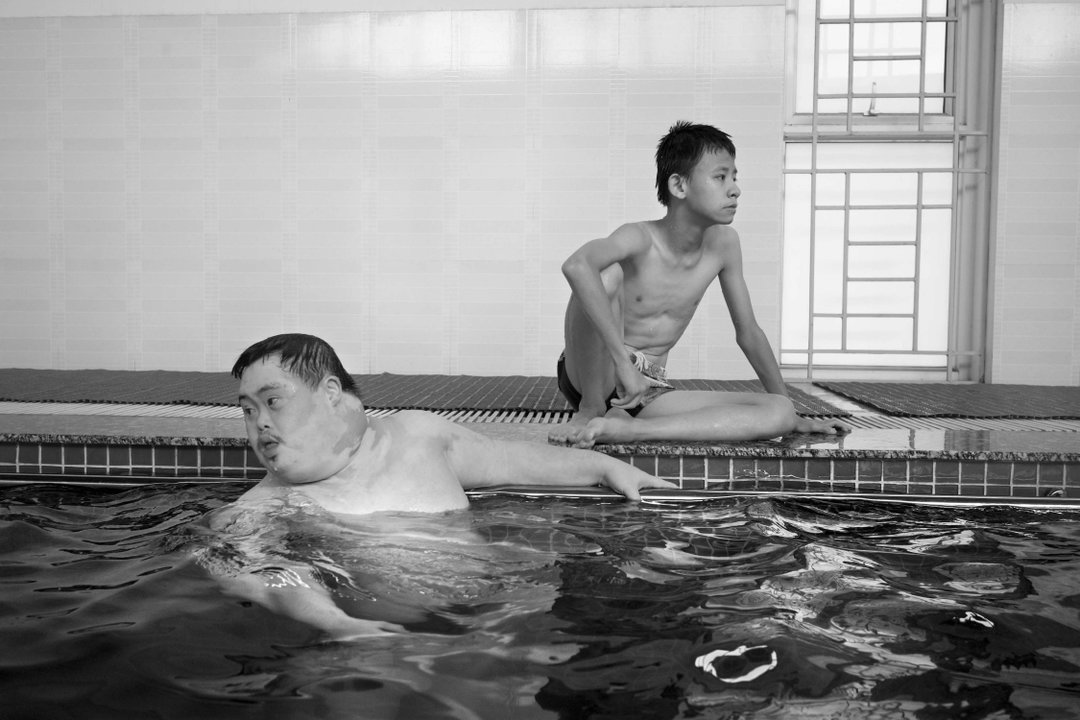
Andrea Orejarena and Caleb Stein: Long Time No See
Caleb’s background is unsurprisingly creative. His family is filled with artists – his grandmother a painter, grandfather an art director, and his father an architect. As a child he would often be found making things, and he first picked up a camera at the ripe age of 15. “It's crazy to think it’s already been ten years," he says on the matter. Following his new-found calling, Caleb pursued art history in Vassar College, Poughkeepsie, and continued to obsessively compile his own archive of imagery. In his second year, he began interning for renowned Magnum photographer Bruce Gilden. Organising his archive, he gained a “real education” and soon enough, his own personal projects began to blossom.
“I’m interested in gracefulness and vulnerability, in intimacy and mystery,” he continues, but most importantly it’s the pictures’ relationship to memory that matters the most – “because they seem like they could’ve been made 100 years ago or tomorrow.” So when dissecting Caleb and Andrea’s reasons for focusing on the memory of the Vietnam-American war, it’s important to raise some context to the surface. Both immigrating to America at a young age, Andrea is from Colombia and Caleb is from London. “I actually arrived in New York a few days before 9/11,” says Caleb, “so that was my first real memory of life in the U.S.”
Frustrated with how history was discussed in the country, such narratives began to itch and it became clear that the Vietnam-American war was a crucial turning point for the U.S, but the crimes the U.S. carried out against the Vietnamese weren’t acknowledged. “Long Time No See is our attempt to open up that conversation,” Caleb continues.
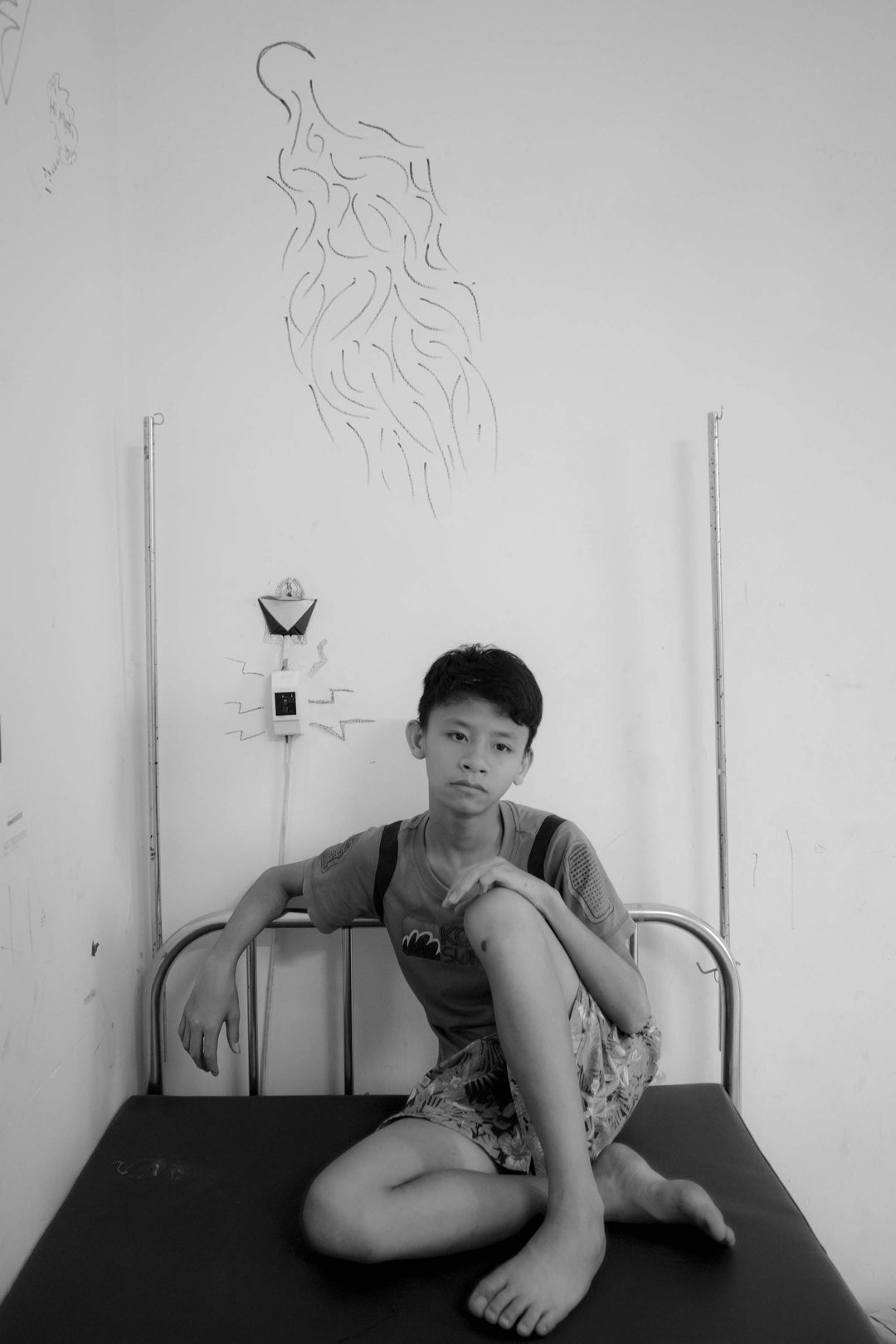
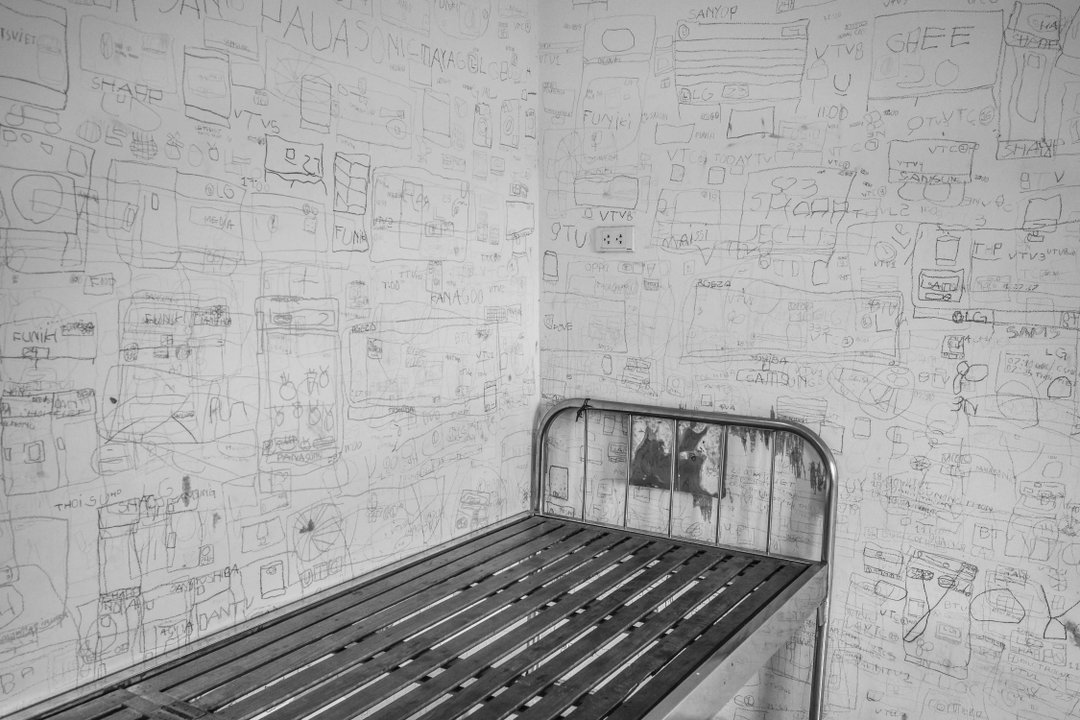
Alongside recordings, expressive drawings and dream-like vignettes, Long Time No See is a deeply personal investigation into the thoughts and observations of those affected. A notable image within the series is a photograph of a young boy’s room [below]. “Everybody asks me about this photo,” says Caleb. “The drawings on the walls were made by Khoa, a young boy with autism who lives at Làng Hữu Nghị. Any time he gets his hands on a pencil or crayon he starts marking up all available surfaces.” But upon closer inspection, you will notice that these drawings are themed on technology. “He’s obsessed with cameras computers and TVs and knows all the brand names. I was fascinated when I saw this – to see the way this one young boy engaged with technology and how he expressed that on his own terms at home.”
Blurring the line between reality and fiction, Caleb’s representation of memory is multifaceted. The inclusion of collaborative work made by the veterans and their descendants is purposeful; Caleb wants to challenge the notion of authorship, creating a historical narrative filled with a range of perspectives.
GalleryAndrea Orejarena and Caleb Stein: Long Time No See
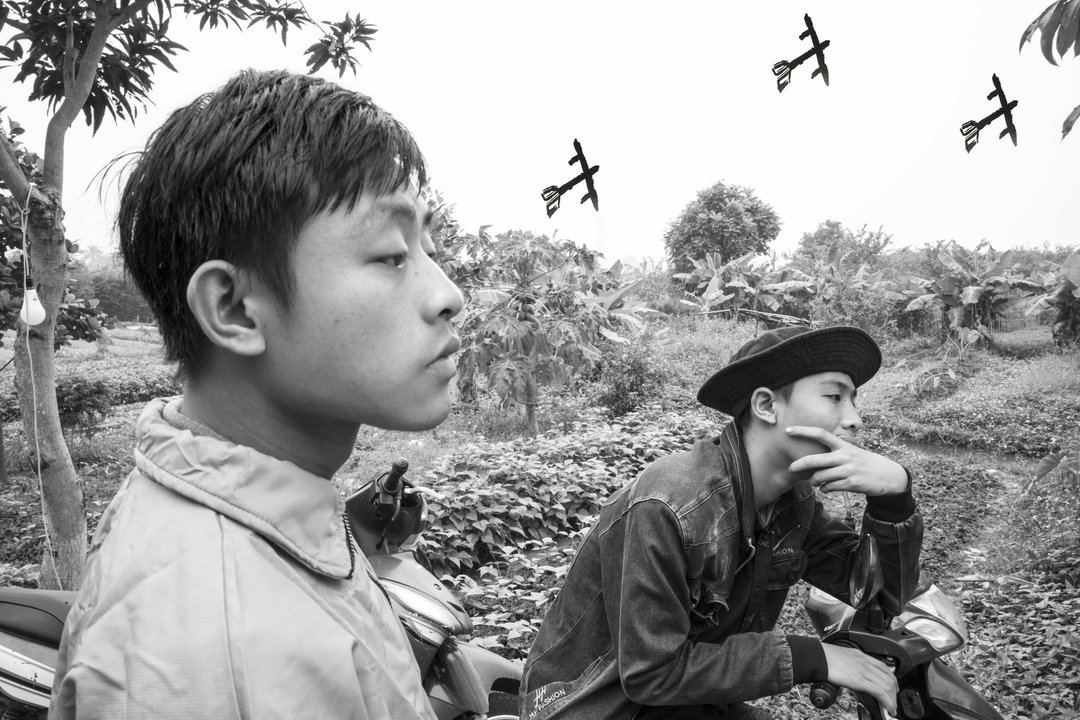
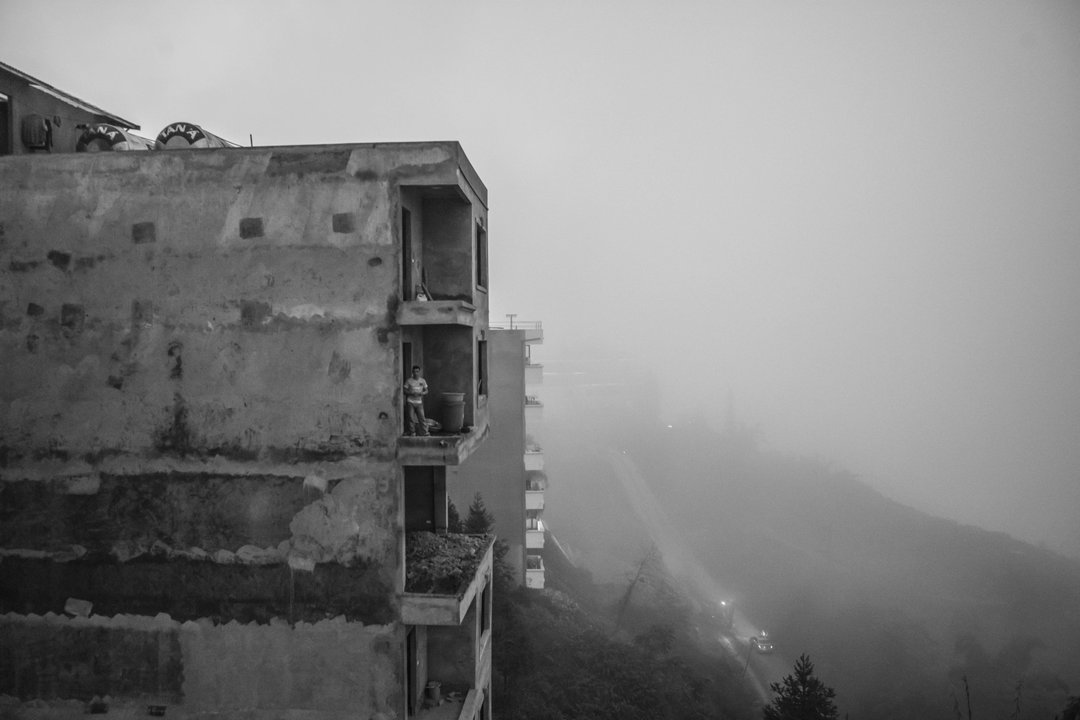
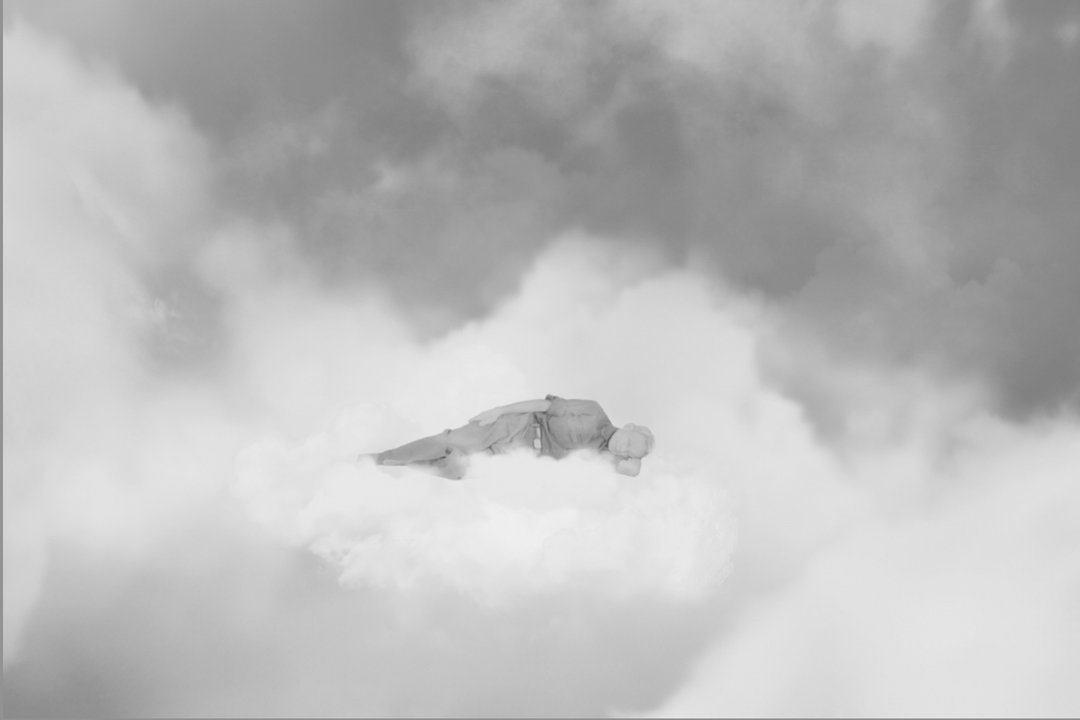
Still from the film Cloud Veterens
Hero Header
Caleb Stein: Long Time No See
Share Article
Further Info
About the Author
—
Ayla is a London-based freelance writer, editor and consultant specialising in art, photography, design and culture. After joining It’s Nice That in 2017 as editorial assistant, she was interim online editor in 2022/2023 and continues to work with us on a freelance basis. She has written for i-D, Dazed, AnOther, WePresent, Port, Elephant and more, and she is also the managing editor of design magazine Anima.