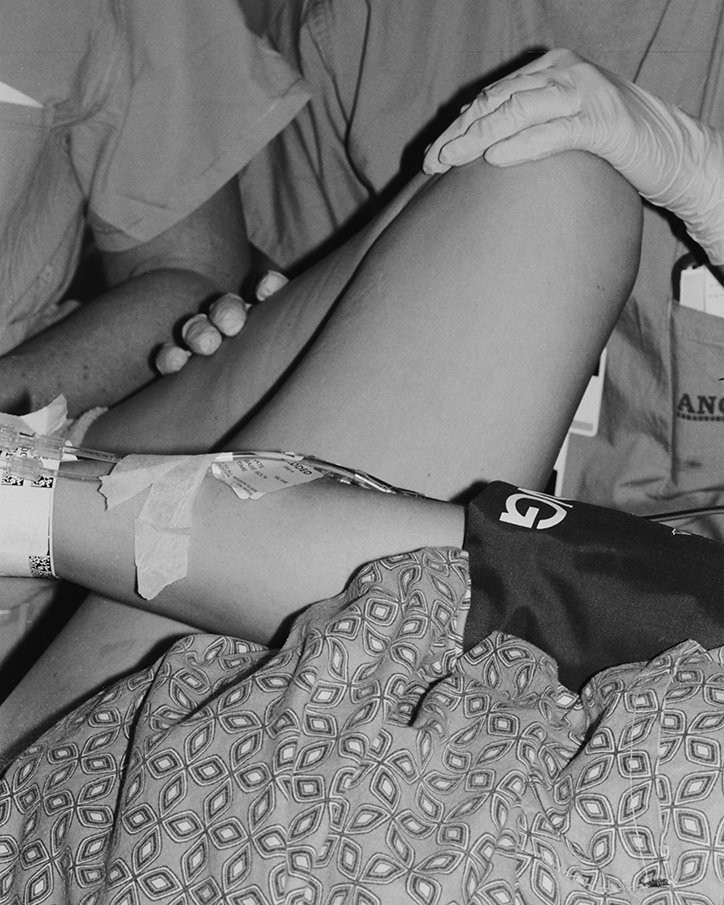
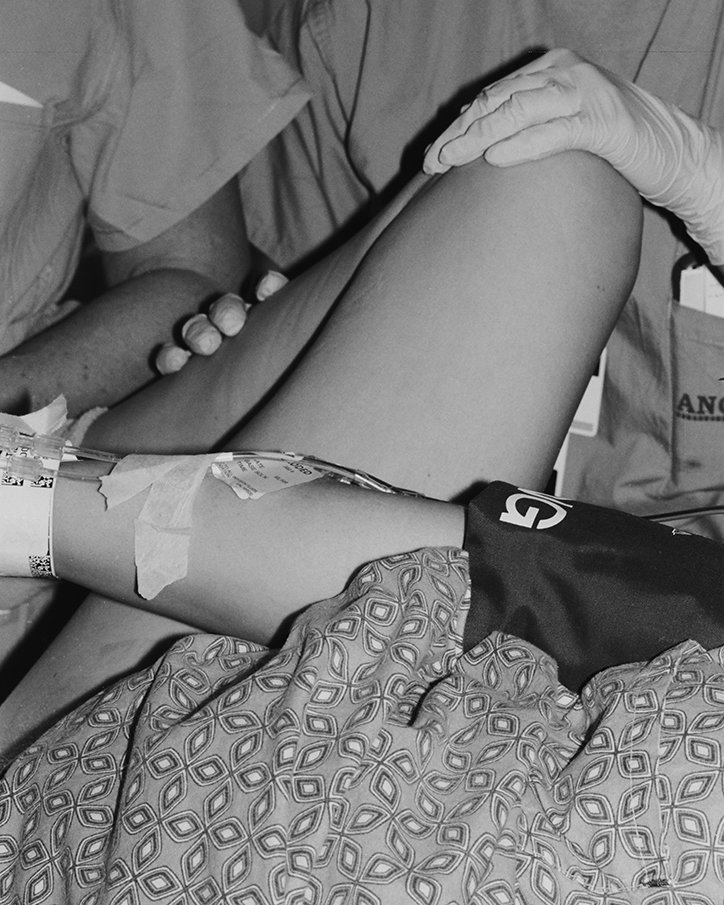
In Stiya, photographer Cole Barash compares a storm and the birth of his first child
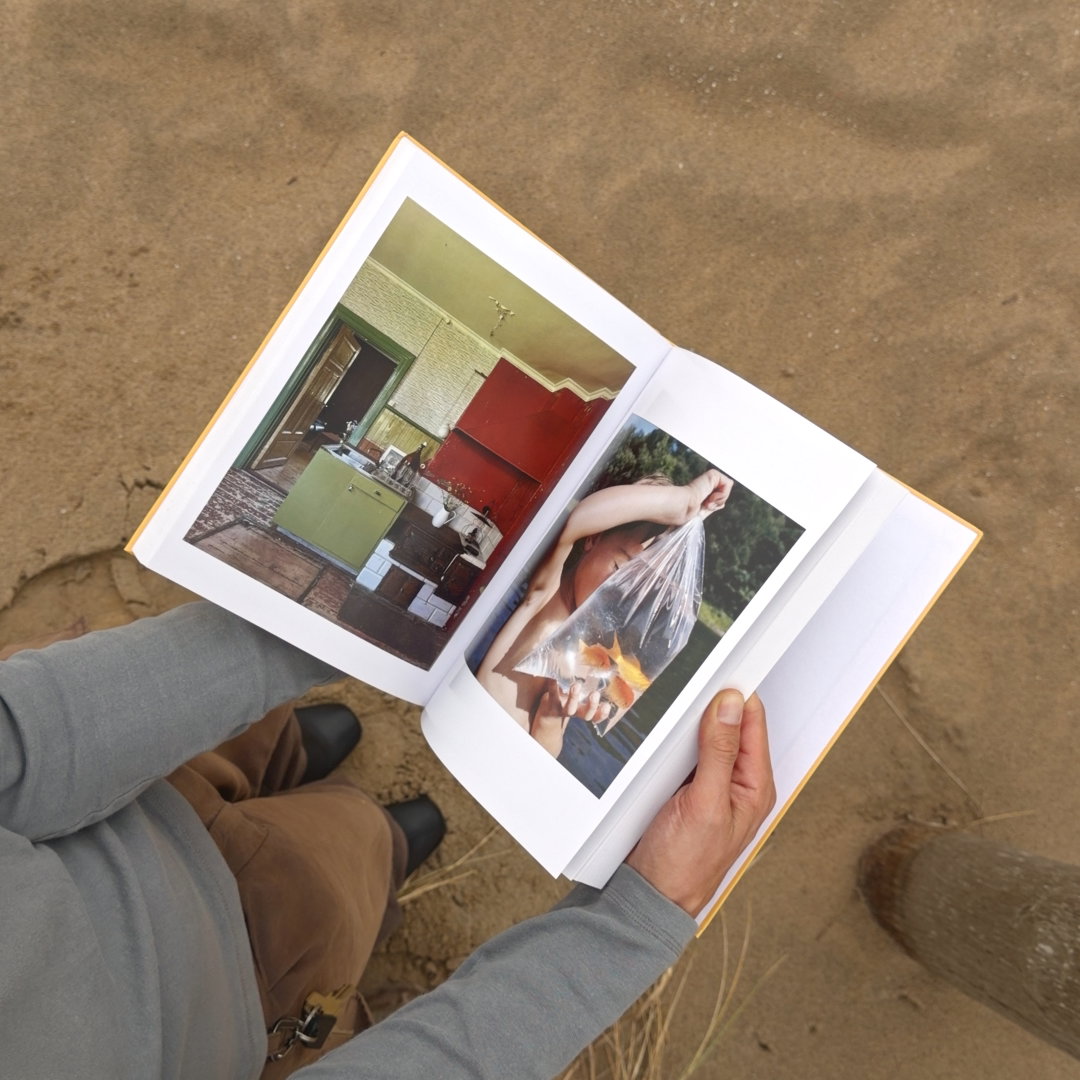
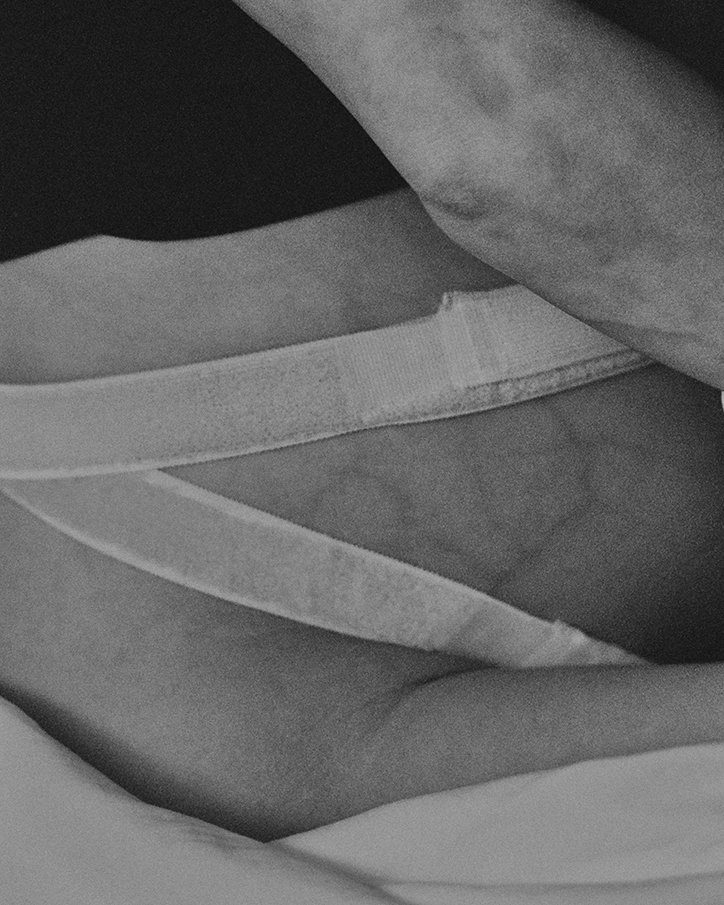
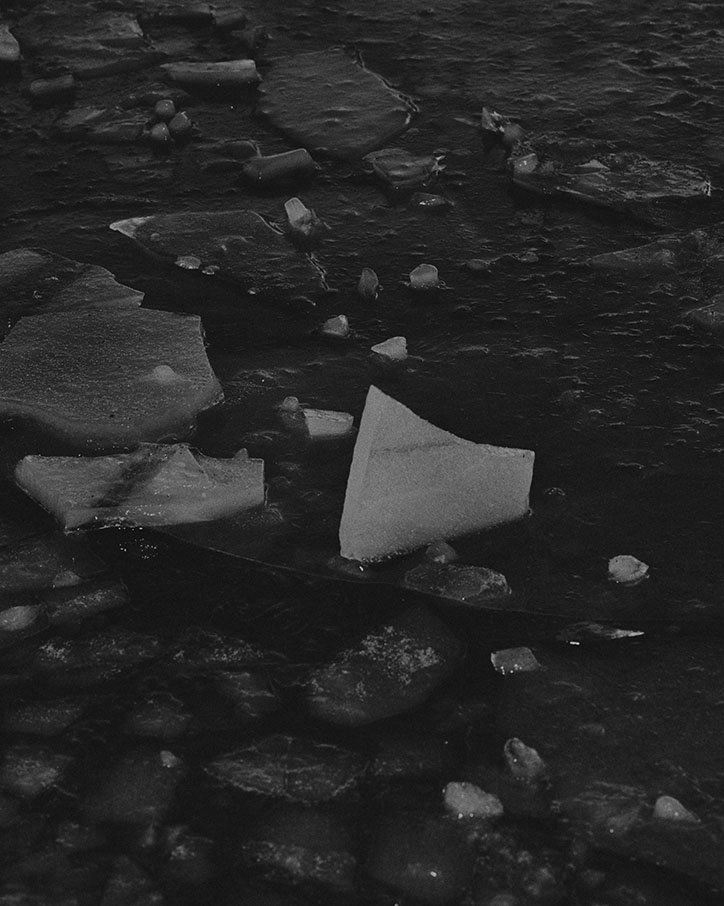
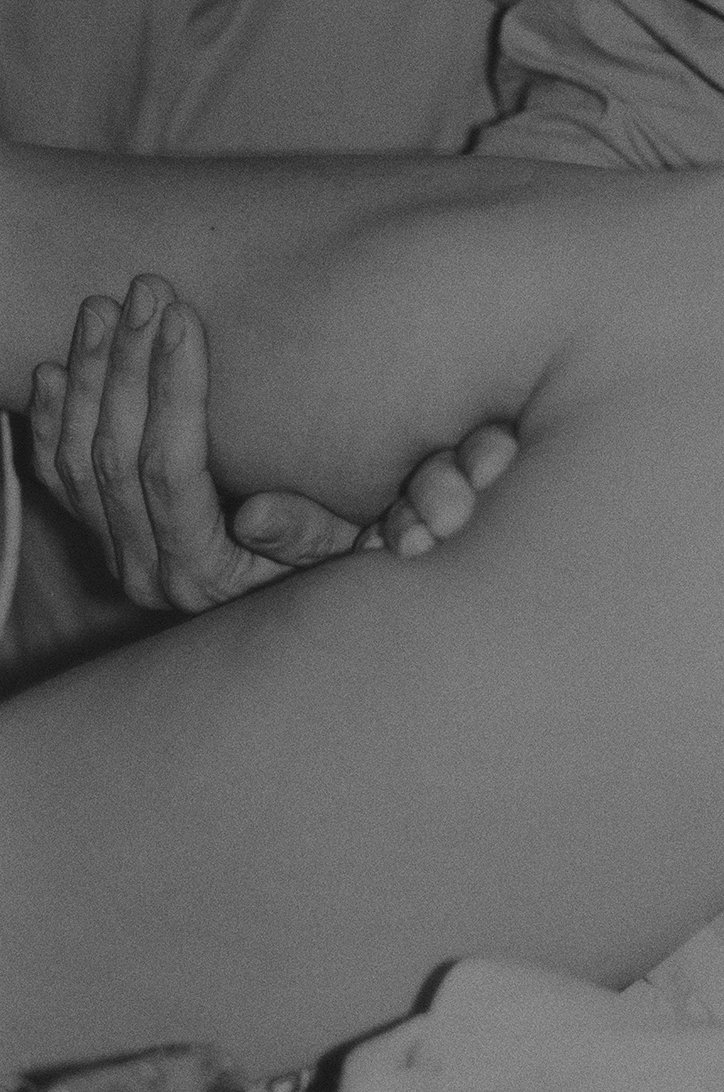
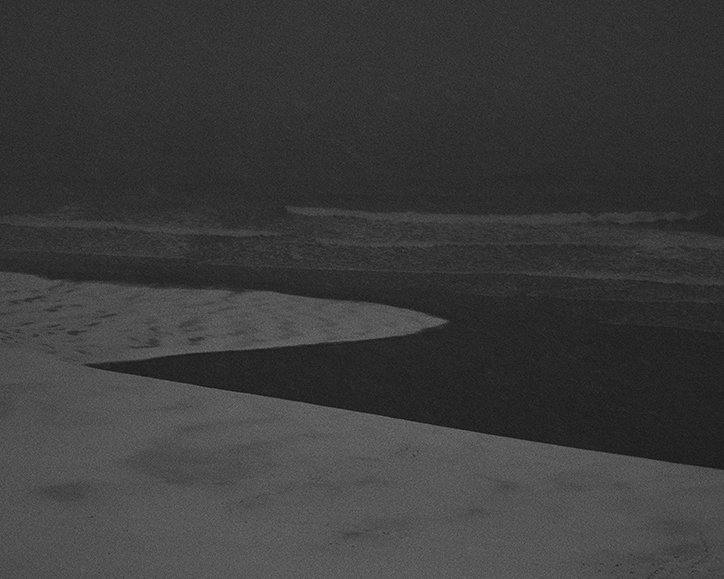
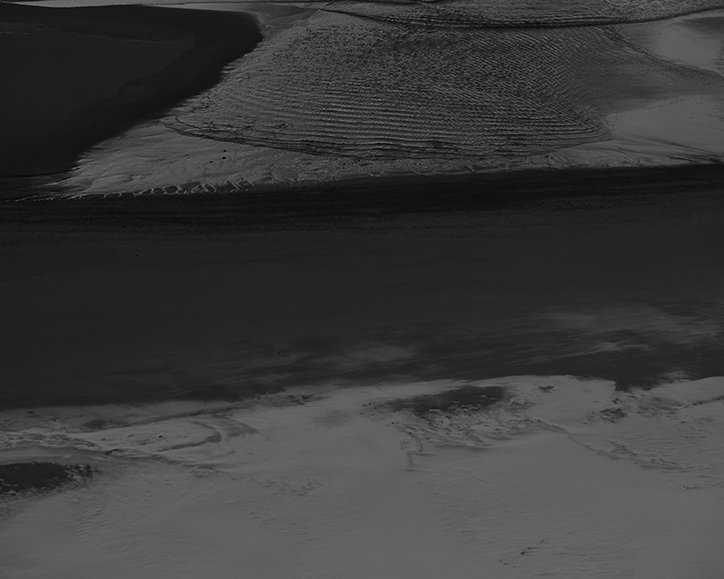
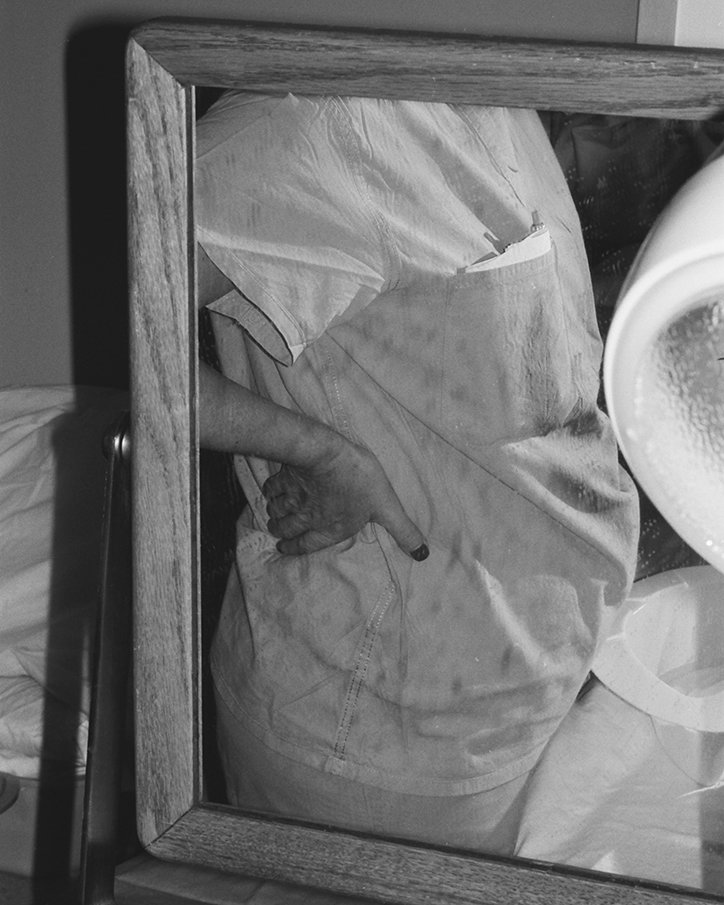
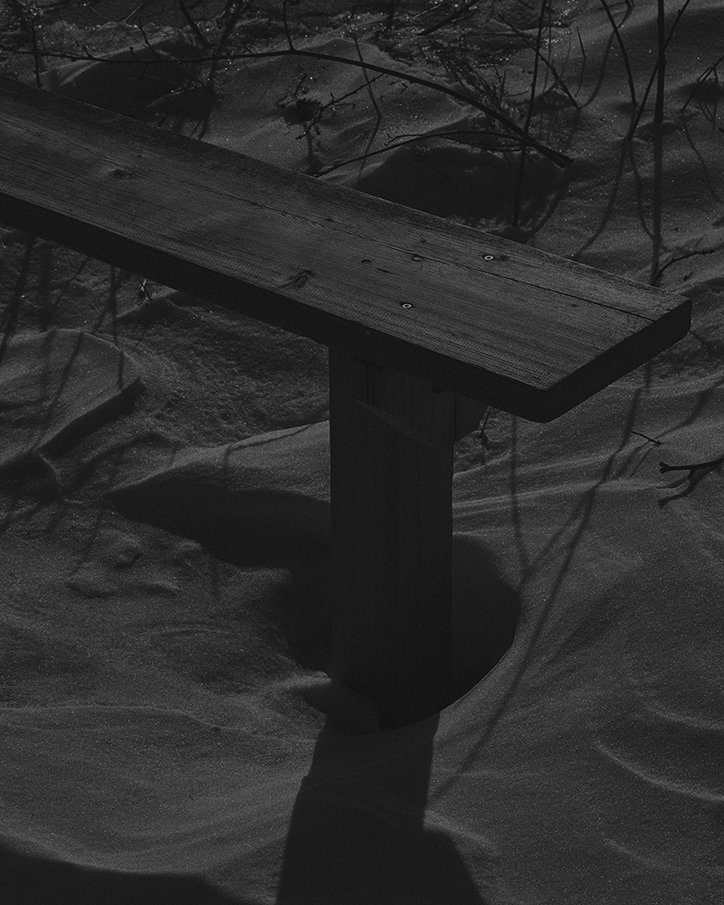
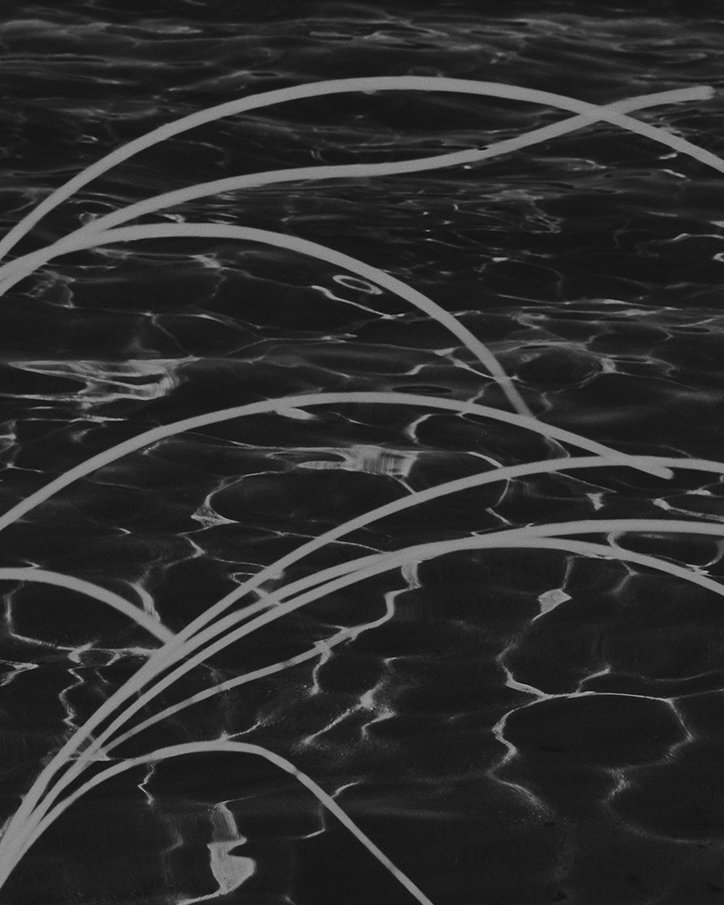
Stiya by Cole Barash is a high stylised sequence of images, recently released as a photo book at LA Art Bookfair, published by Deadbeat Club. A dual series, it tells the story of two events – a storm and the birth of his first child – both which lasted for four days. It’s a book which utilises Cole’s idiosyncratic “hyper-focused” method of photography to closely examine the similarities between the two events, comparing them as spaces exclusive to the elements and ubiquitous with change, seclusion and energy.
“At first,” he tells us, “I hadn’t made the connection between the two events.” When the storm hit, Cole, who is based in Brooklyn, was drawn to photographing it in real time, spending several days “hiking the dunes, the beaches, the ponds and woods, focusing on areas that had been impacted by the storm and areas that hadn’t changed at all.”
This exploratory manner of photographing, particularly in relation to the outdoors is typical of Cole’s practice. “I love going out into nature and attempting to have a conversation with it visually. Going out and reacting to an environment through composition or impulse. This is often the way I digest things in life,” he tells us. “In my practice, I am investigating the relationships of humankind and nature.”
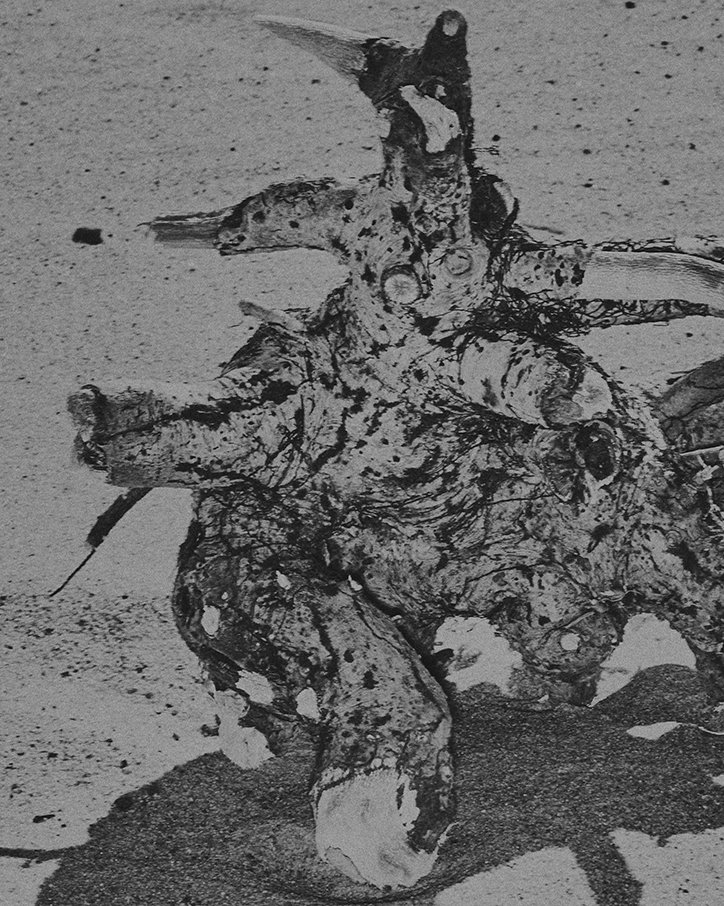
Cole Barash: Stiya
Cole Barash: Stiya
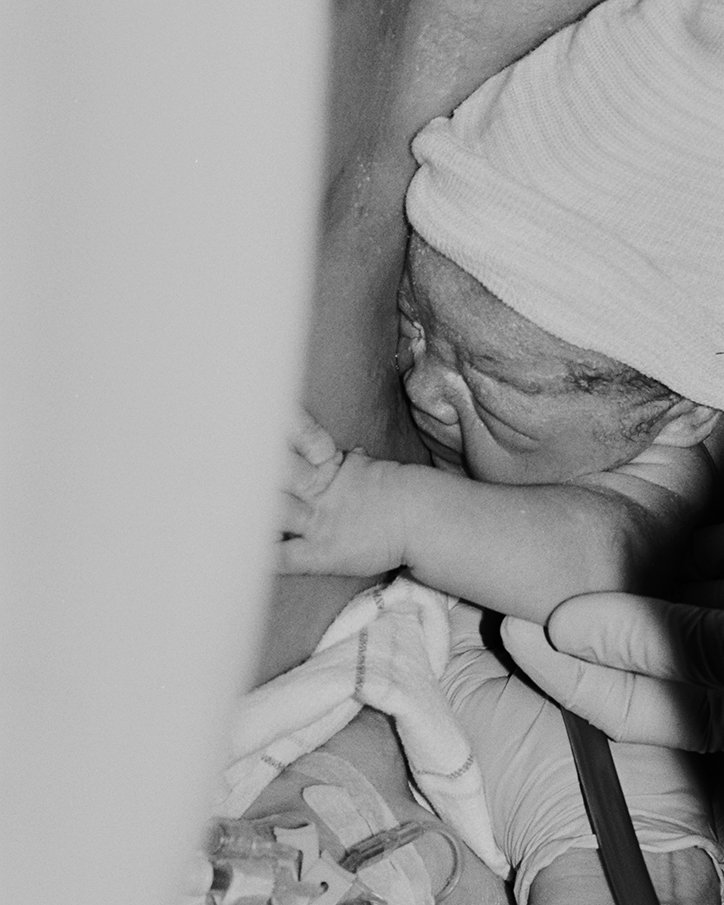
Cole Barash: Stiya
The storm hit 24 hours before Cole’s partner went into labour. During the resulting drawn-out days, Cole found himself similarly drawn to the obscurities in the space as he was with the landscape during the storm, fixated on the notion of the delivery room as a forbidden space “that you hear so much about but never really know until you experience it.” The mirror, he explains, was particularly interesting “providing an alternative perspective to the room and to the relationship between the medical personnel and my wife.”
It wasn’t until two months later when he was examining the prints in tandem at his studio that he noticed a synergy between the storm and the birth. “In both events there’s this element of absolute solitude mixed with beauty,” he remarks. “One that can not be entirely described in words.” Working with graphic designer Tucker Phillips, Cole turned the two series into a photo book which defies traditional photographic book layout, using ample white space, with images only placed on the right-hand page. “We wanted to make something more tangible and unexpected,” Cole adds of these design choices.
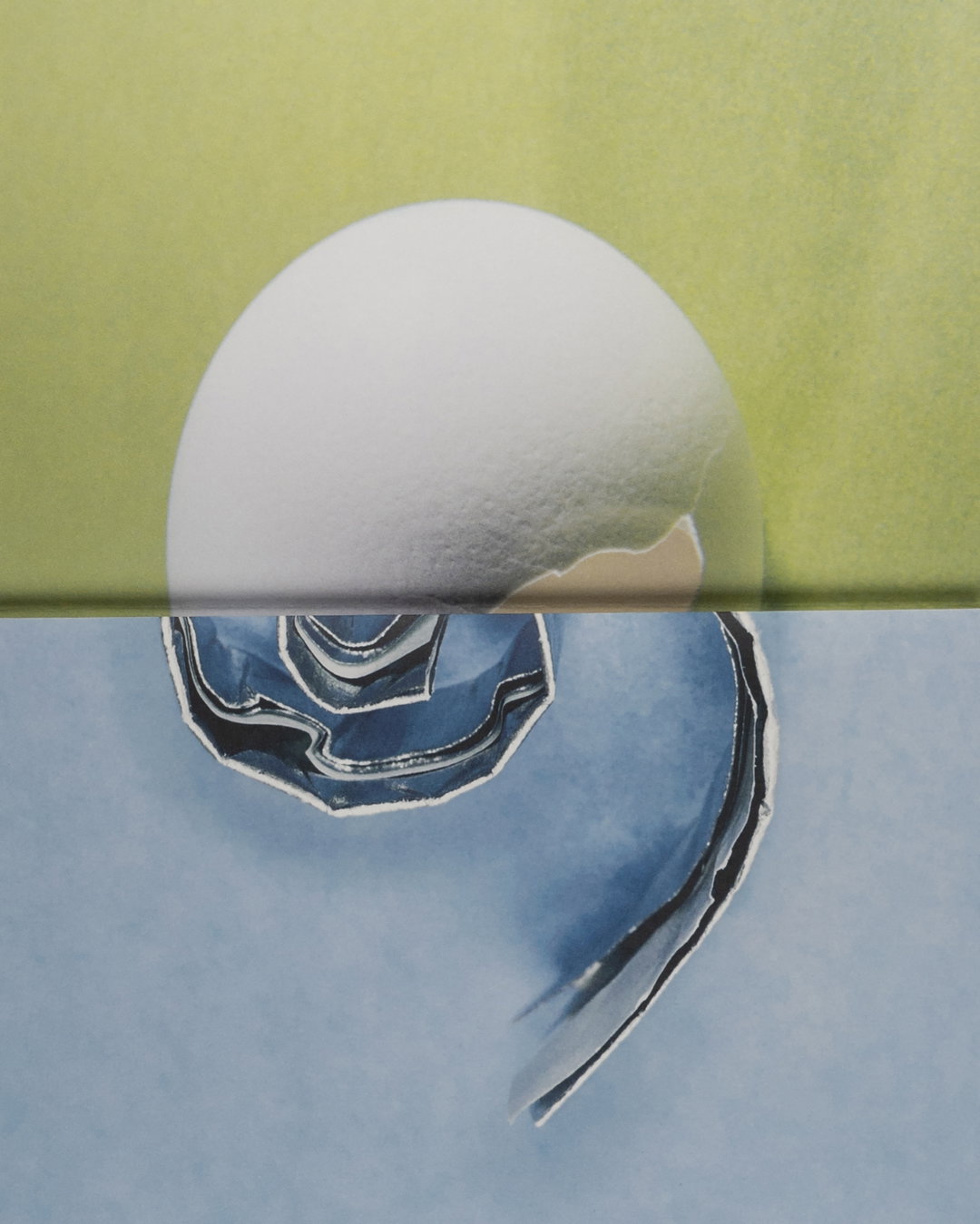
The result is a book with marries two experiences through similarity of editing, composition and tone. In both series, everyday objects and scenarios are rendered unfamiliar through tights crops and a distinct lack of contrast. “To me, the idea of scale is incredibly important for a sequence of visual digestion. It keeps (at least me) intrigued and wanting more when the next photograph or idea within a composition is unexpected in a sequence,” Cole says. While visually the photographs mirror each other, it is also their resonance that matches. A build of energy is present throughout the pages of Stiya; a pandemonium that results in extreme calm and catharsis.
Cole Barash: Stiya
Cole Barash: Stiya
Cole Barash: Stiya
Cole Barash: Stiya
Cole Barash: Stiya
Cole Barash: Stiya
Cole Barash: Stiya
Cole Barash: Stiya
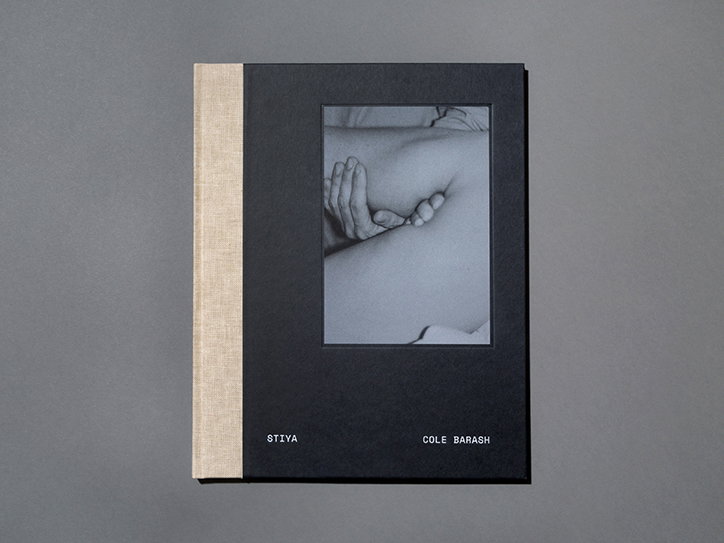
Cole Barash: Stiya
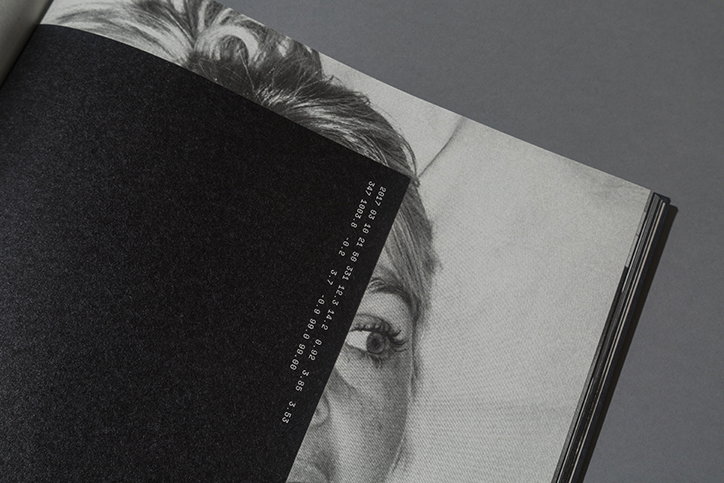
Cole Barash: Stiya
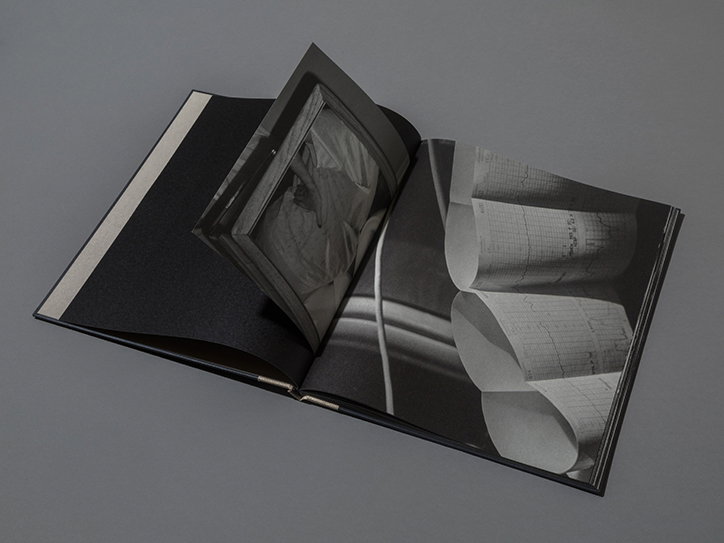
Cole Barash: Stiya
Share Article
Further Info
About the Author
—
Ruby is Senior Creative at It's Nice That, overseeing our visual output across platforms and projects. Before that, she was associate editor on the editorial team, after joining in September 2017 following graduation from Central Saint Martins.