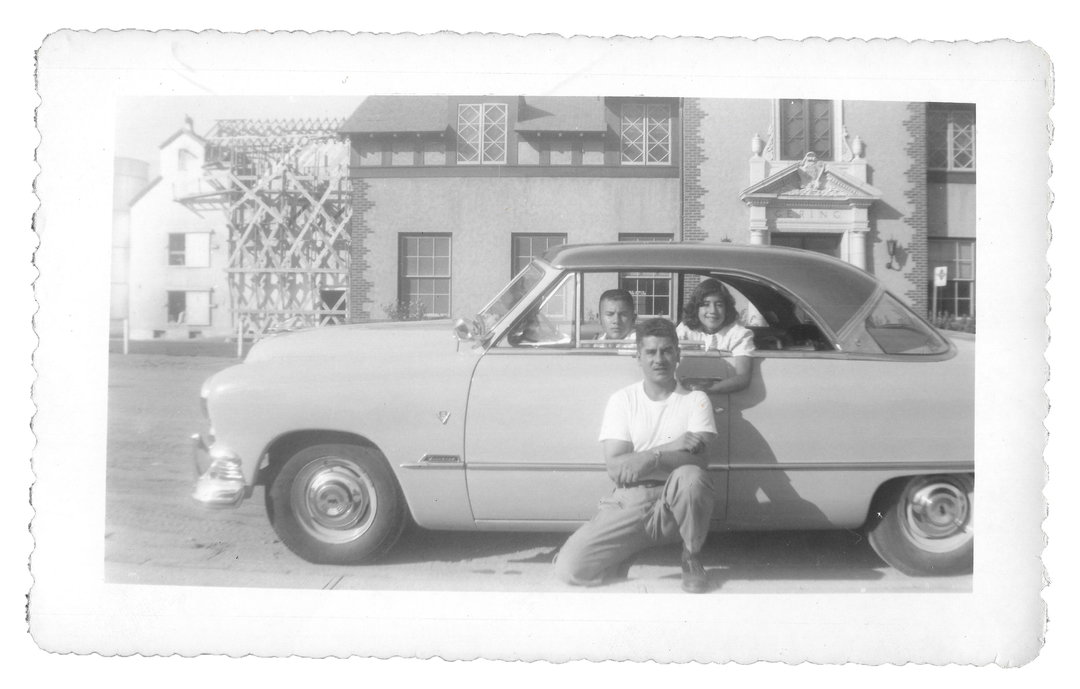
Dominique King gives her great-grandparents’ Mexican heritage new life through this touching archival project
By digitising and organising her ancestor’s photo albums and an old suitcase full of mementoes in Dropbox, the graphic designer was able to preserve their memories and stories for generations to come.
Share
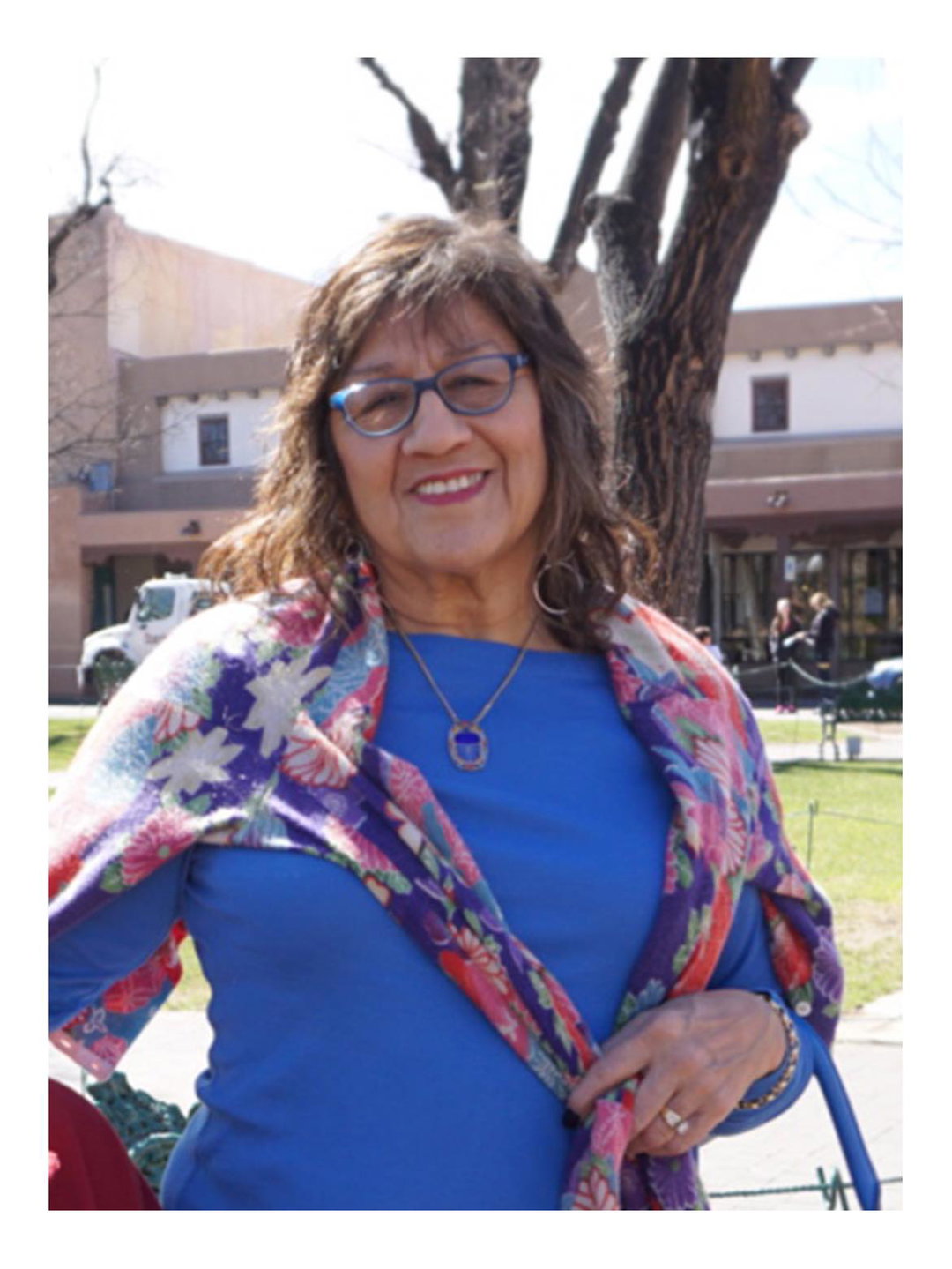
How many of us have a box of photos and keepsakes gathering dust in an attic somewhere, but never get round to sorting through it despite the important histories it holds? For graphic designer Dominique King, the opportunity to do so came in the form of a university project at Portland State, and has seen her uncover a whole side to her family heritage that would have otherwise been forgotten. The project was titled Linking the Generations: Communication and Aging, and – tasked with reconnecting with the older population and telling their stories – Dom chose to interview her grandmother Carmen, a second-generation Mexican-American whose paternal grandparents had left Mexico for the US in search of the American Dream. At that point in her life, Dom admits her ancestry was a “mystery” to her, so this project was a chance to shed light on that aspect of her identity.
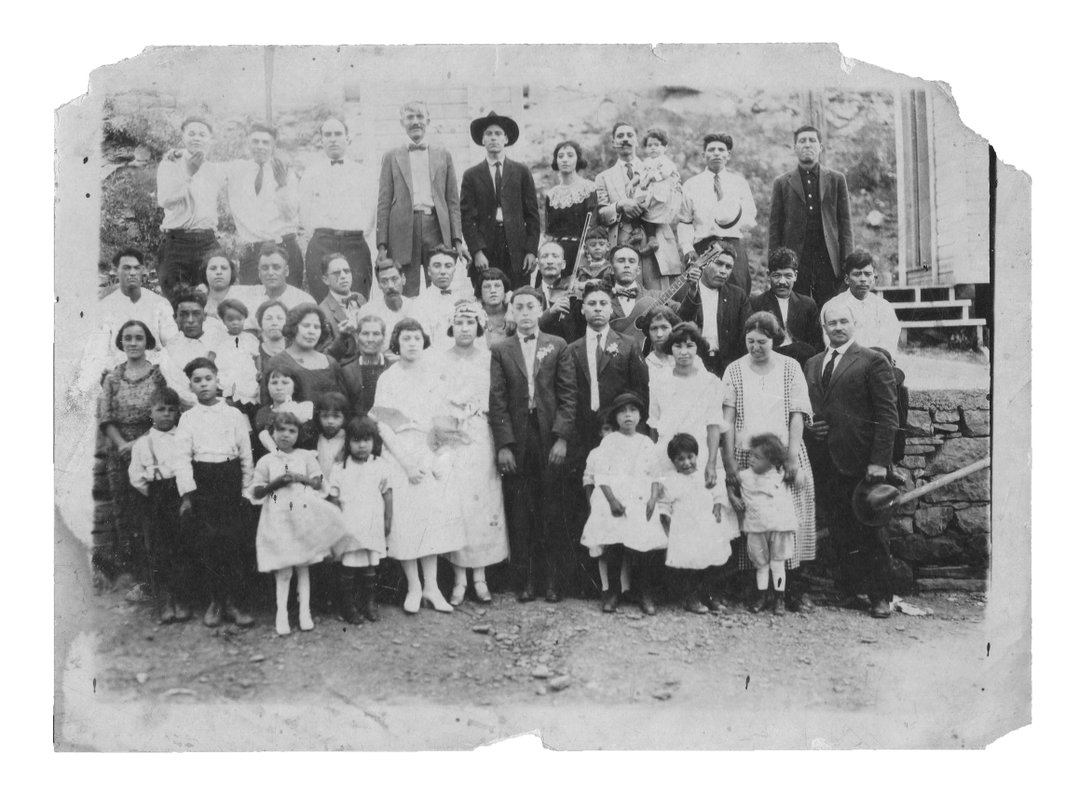
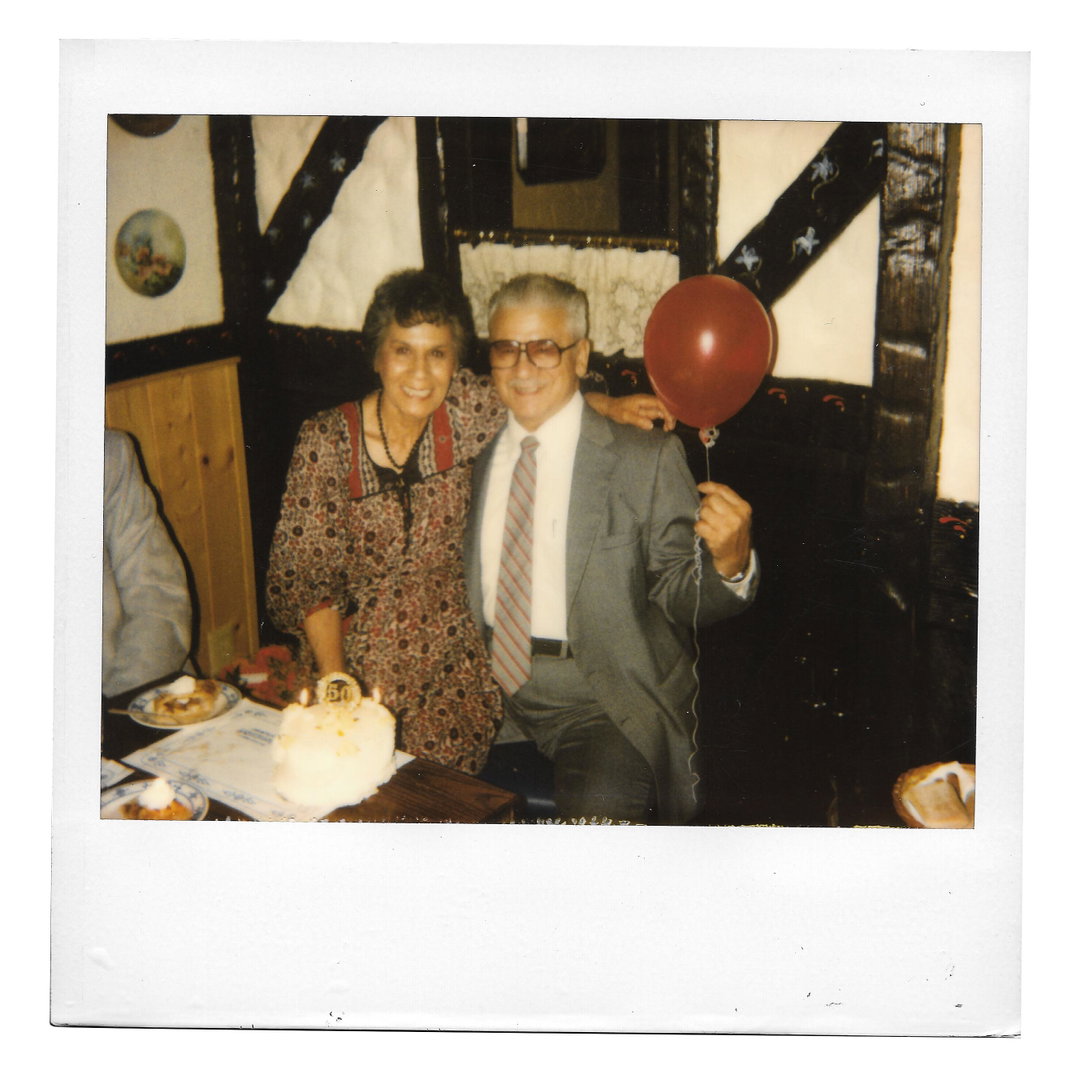
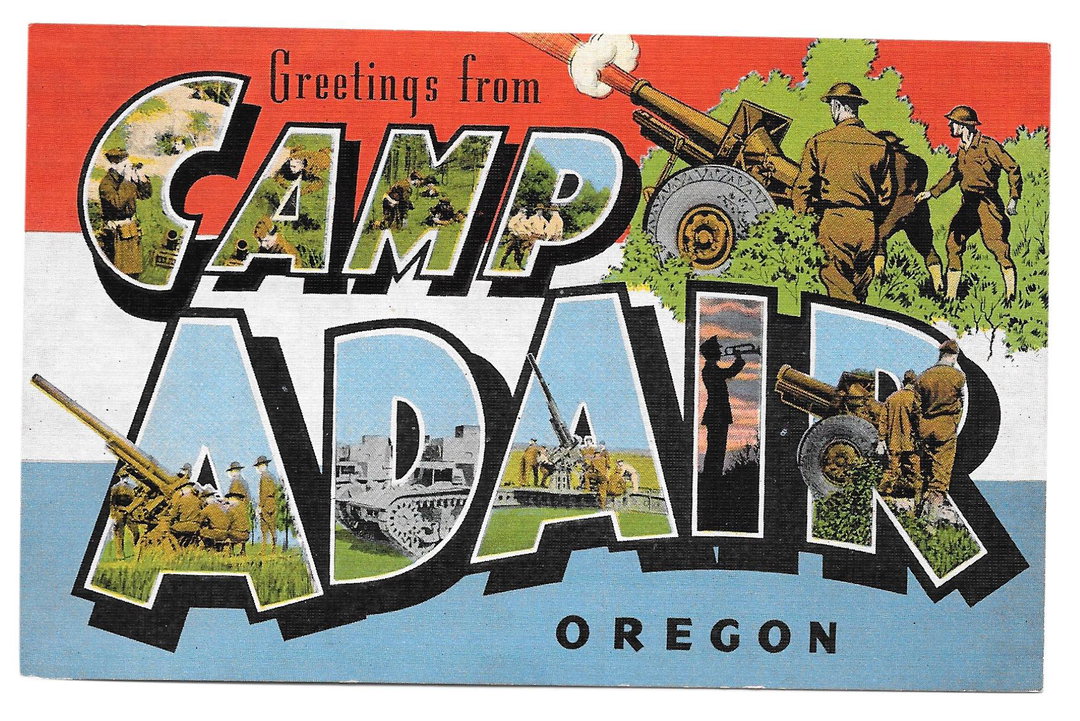
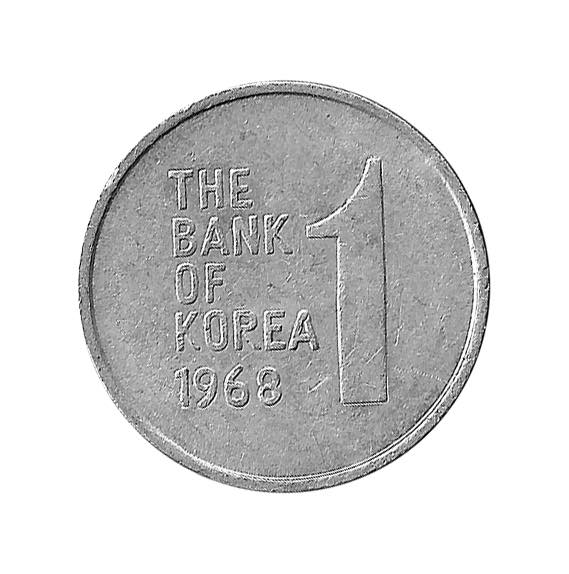
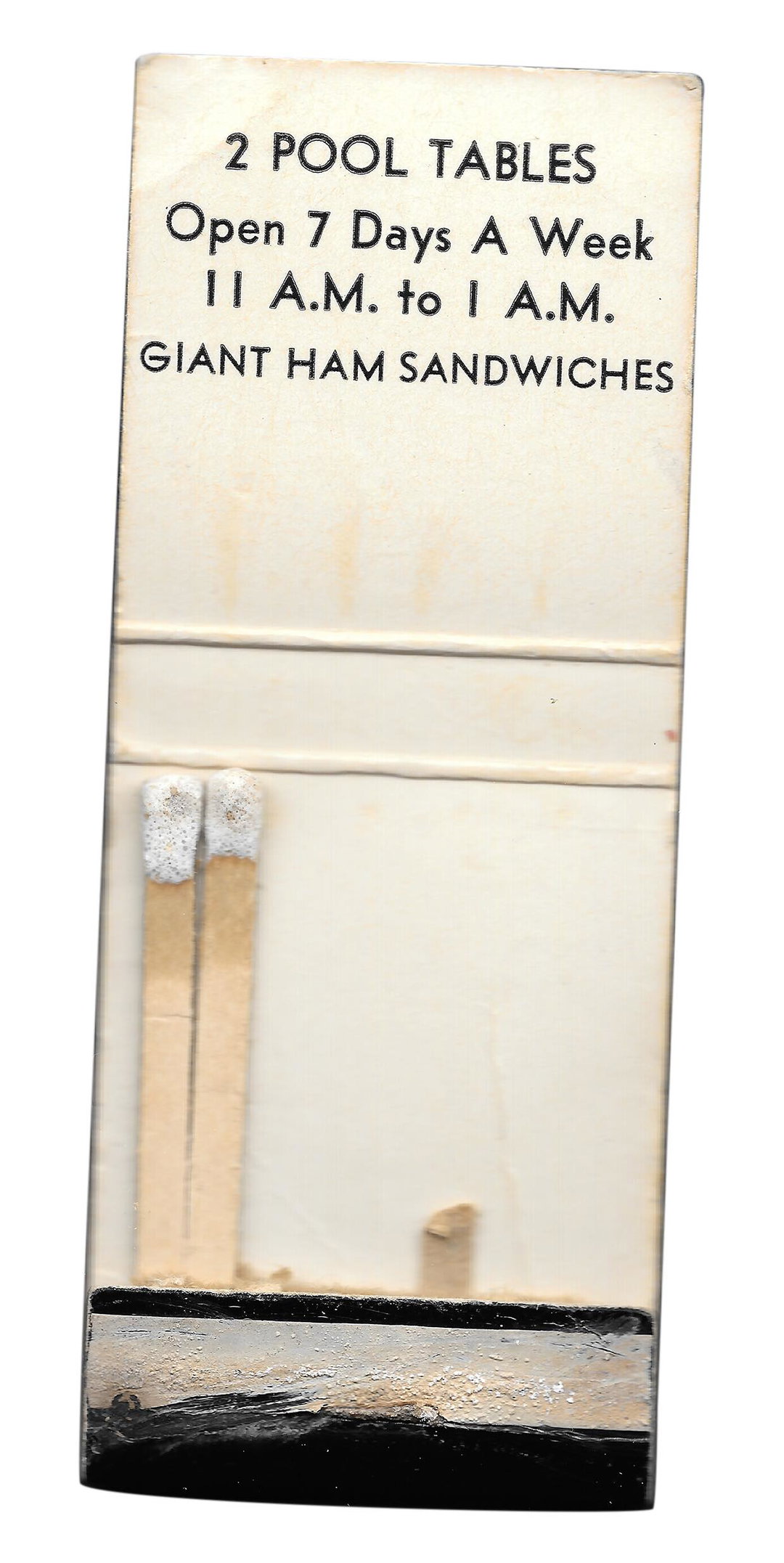
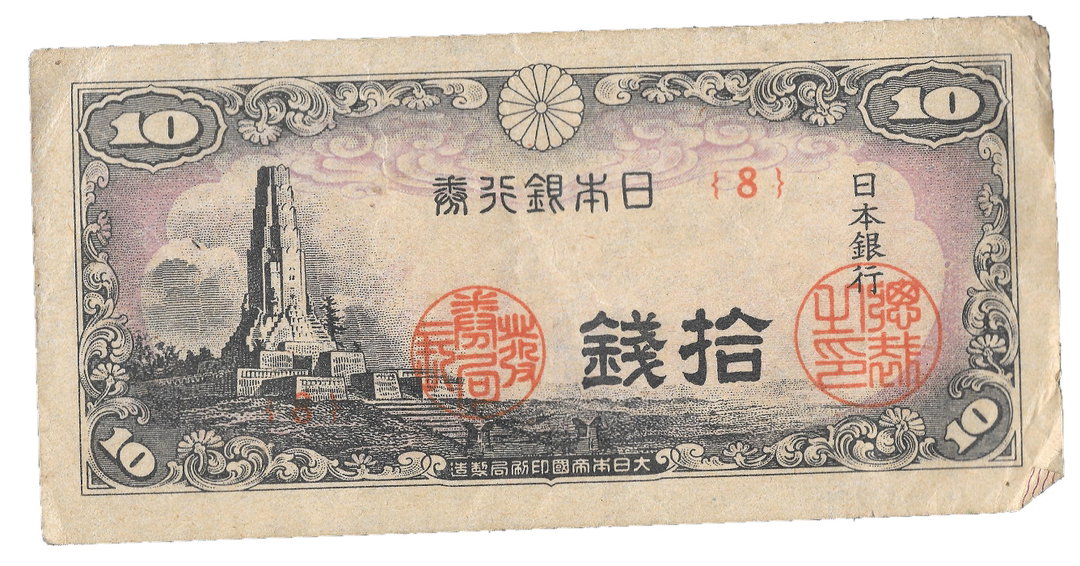
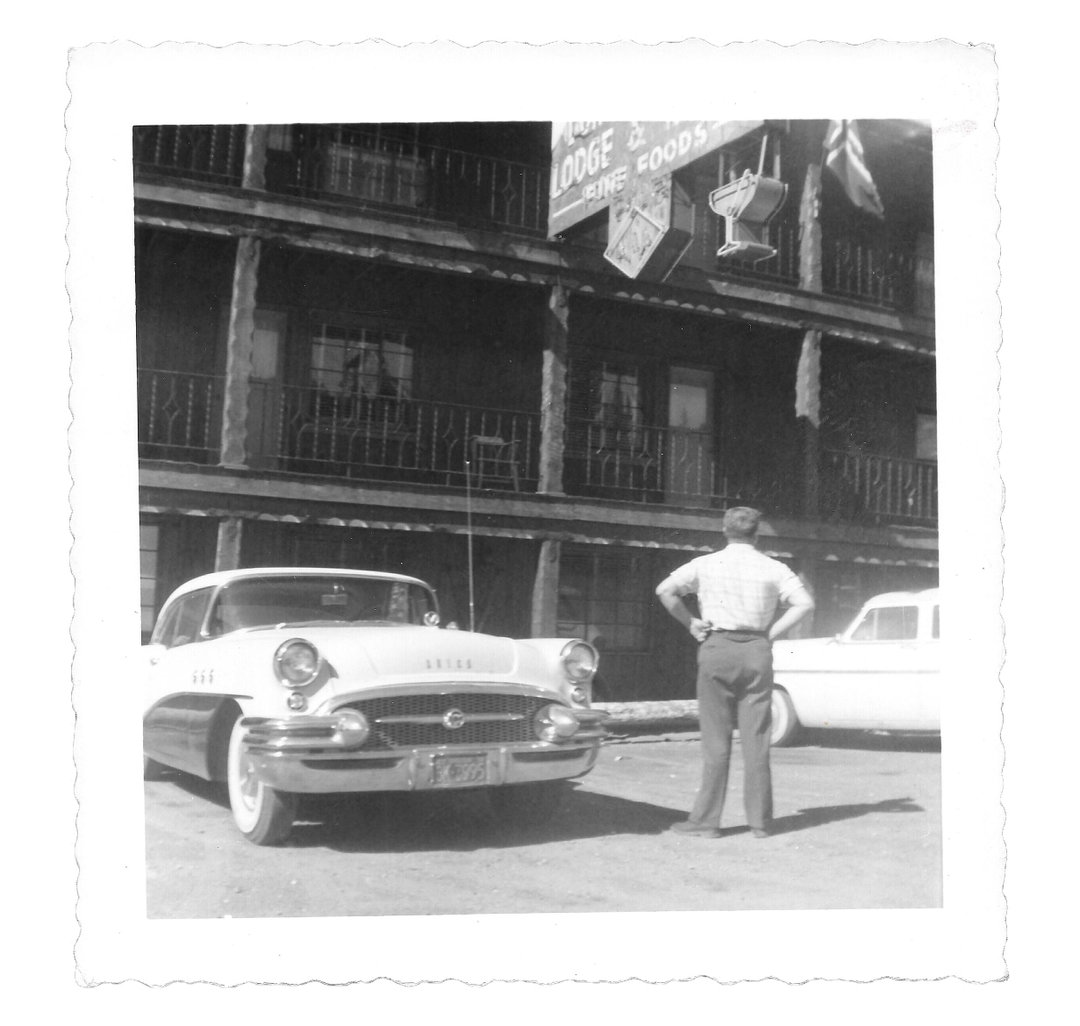
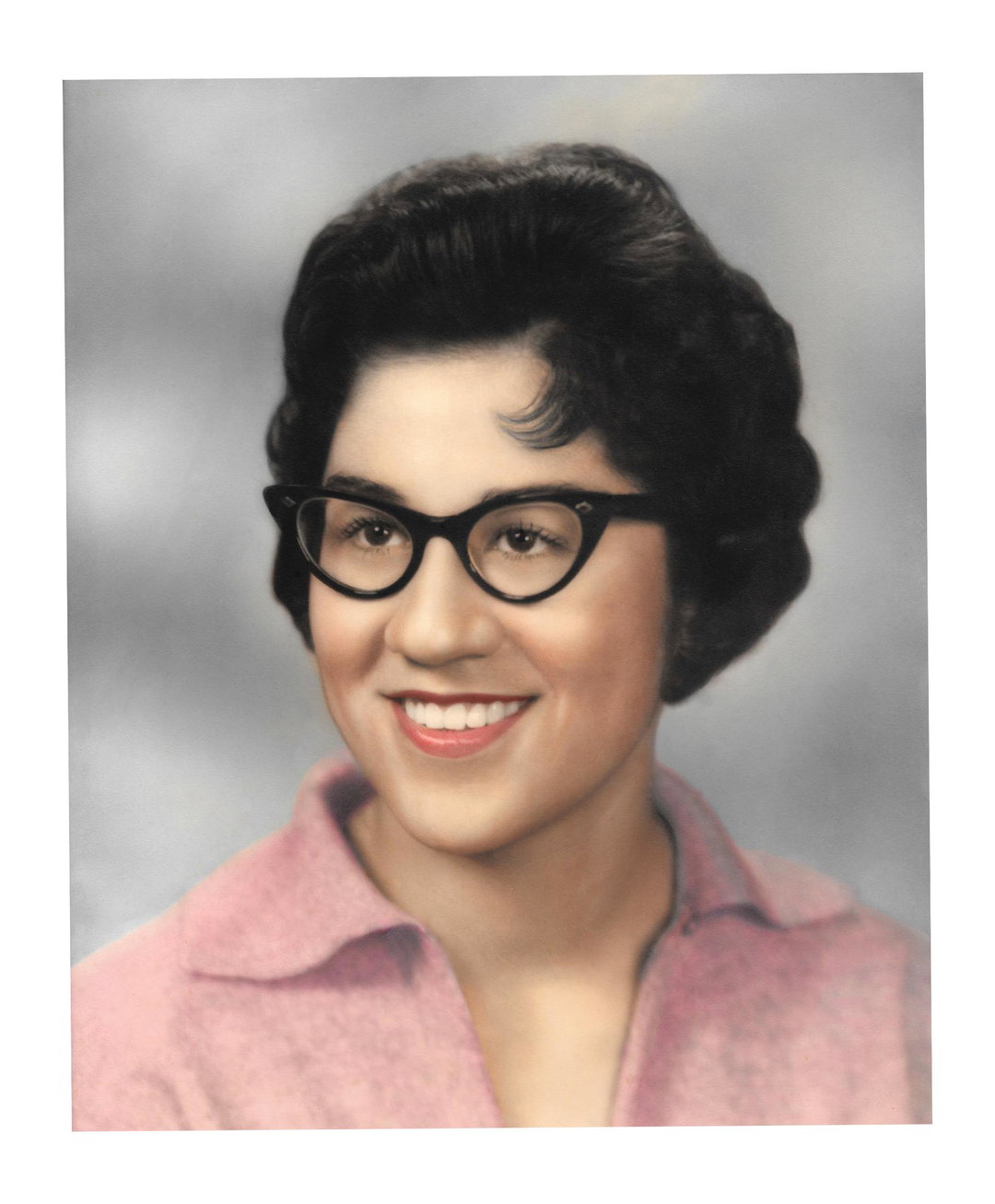
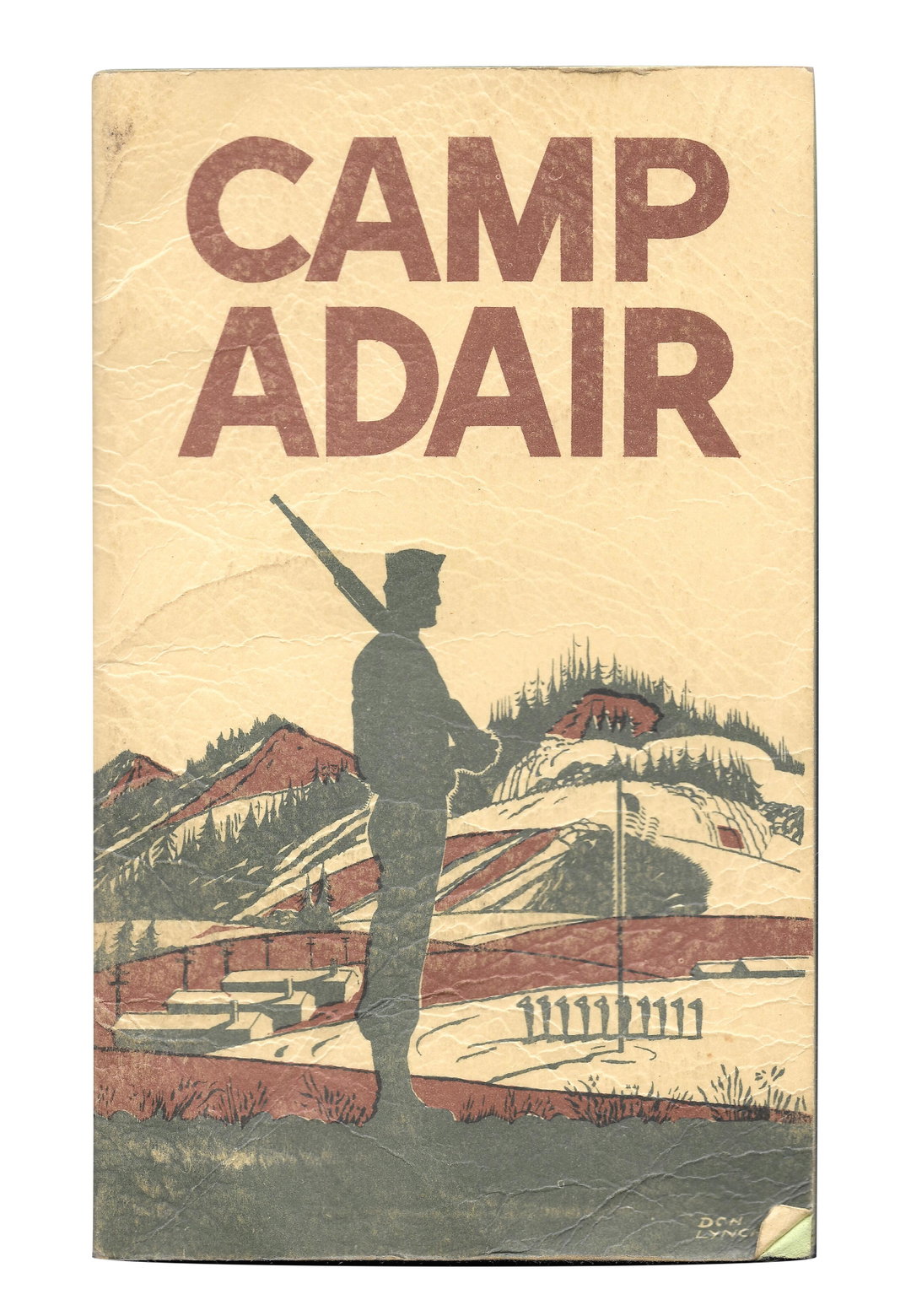
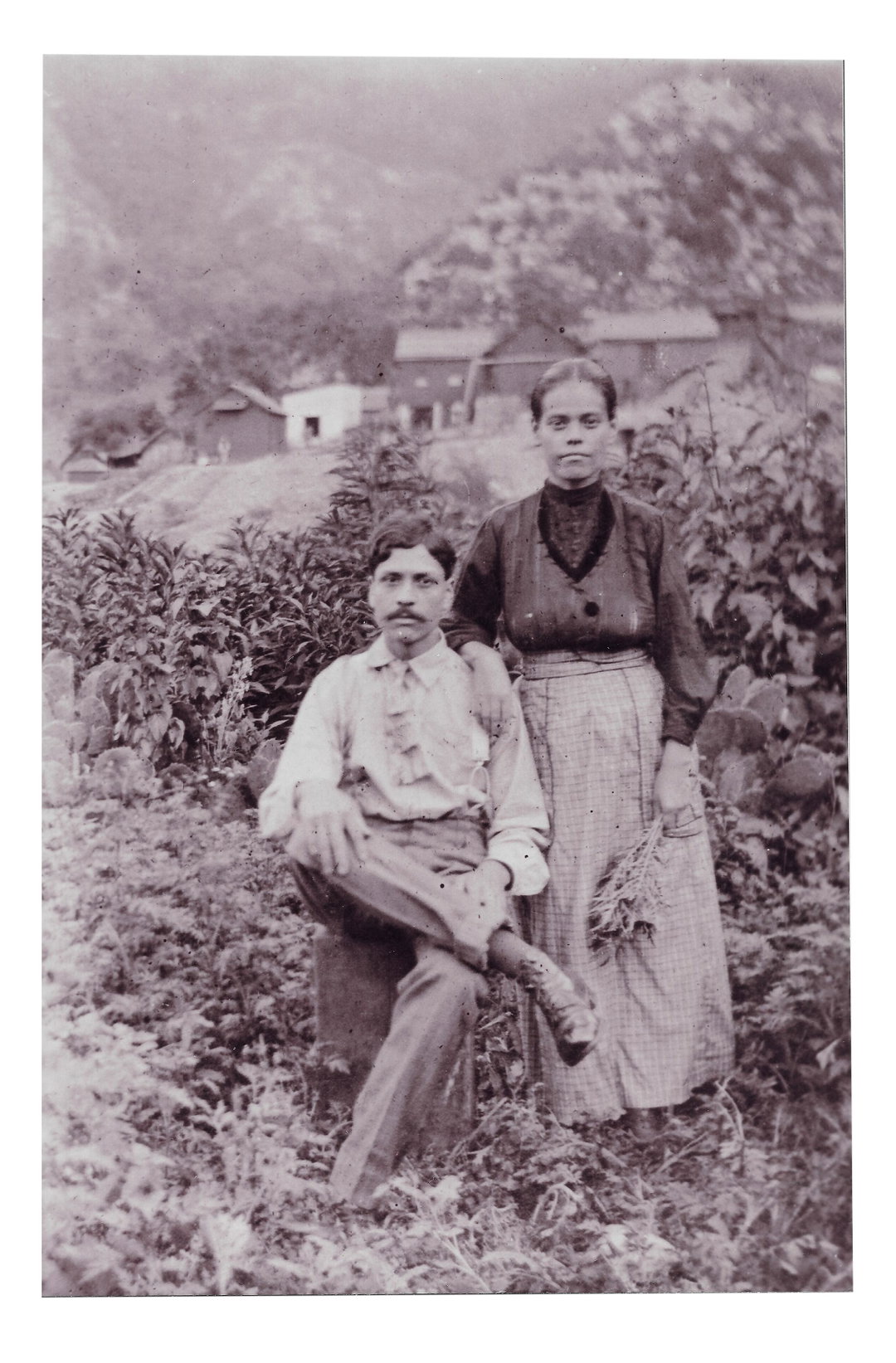
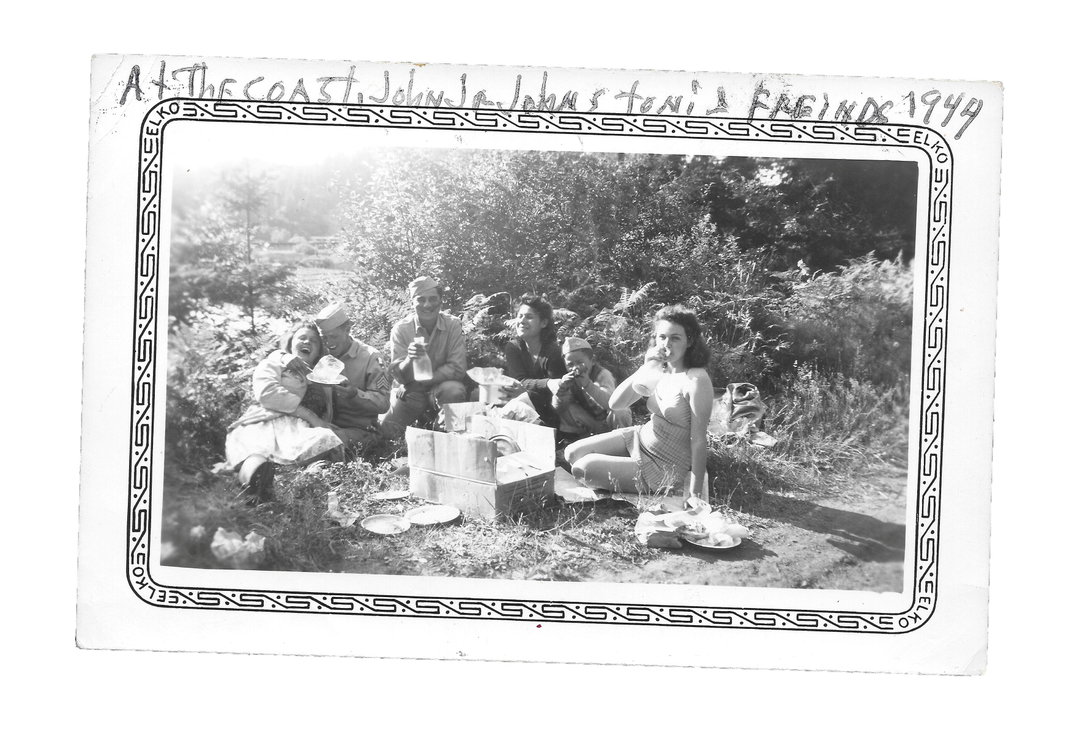
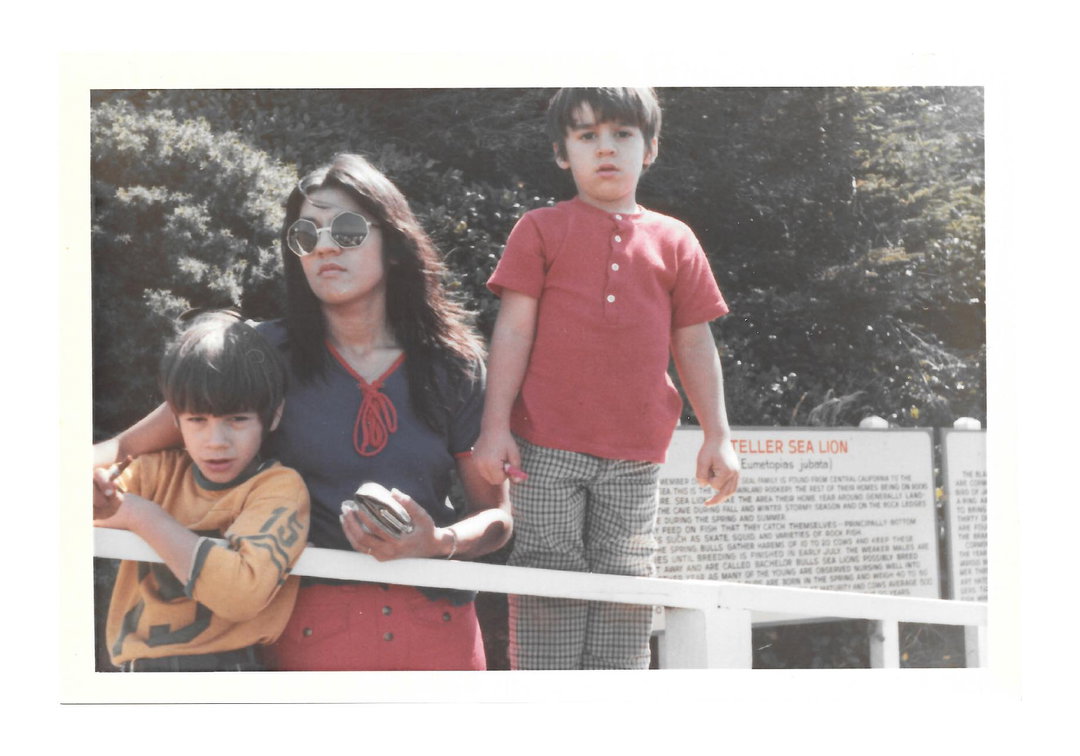
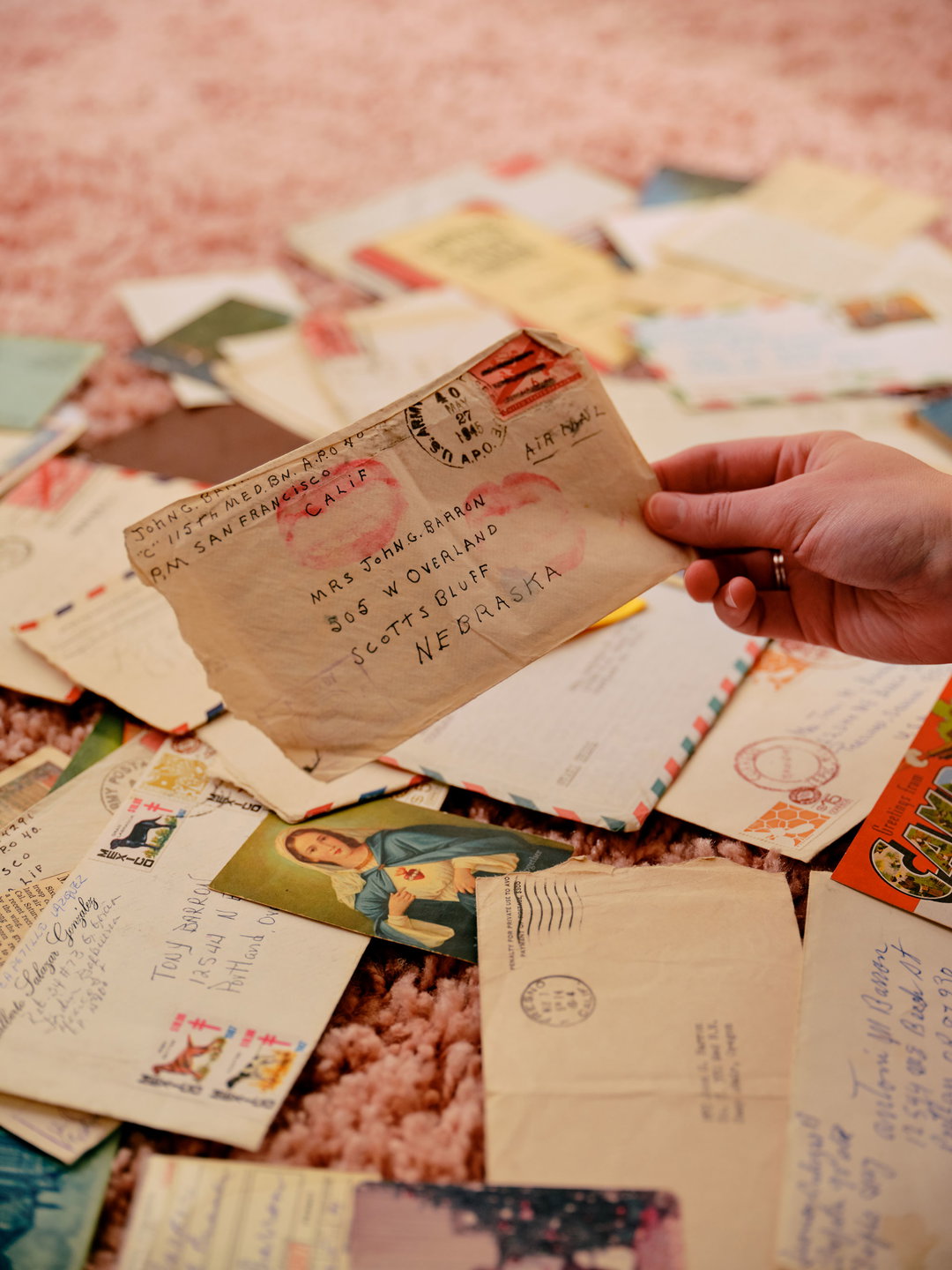
While online genealogy research was only getting Dom so far, interviews with Carmen added humanity to the history. Dom says her grandmother would leaf through a few old photo albums, naming everyone in the pictures and recalling where they were and what they were doing. “It was special because it was all from her point of view.” All the while, Carmen also kept referring to some other lost photos and items belonging to her father, Carmen’s great-grandfather. After a long search through the house, Dom found them in a suitcase at the back of a wardrobe. Inside, she found a treasure trove of her great-grandfather’s souvenirs: his military ID from the Korean war, Mexican and Japanese money, love letters sent between her great-grandparents, photos of his first home, even the matchbox from the bar he bought after serving in the war.
“Finding the suitcase added another story into the mix,” Dom describes. “While [my great-grandfather] wasn’t there to give the kind of details my grandma could with her photos, it was clear the photos, trinkets, and mementoes were kept all these years in a safe space because they meant something to him. It raised plenty of questions, some my grandma could answer and others she couldn’t. It was like we were both discovering the memories for the first time together.”
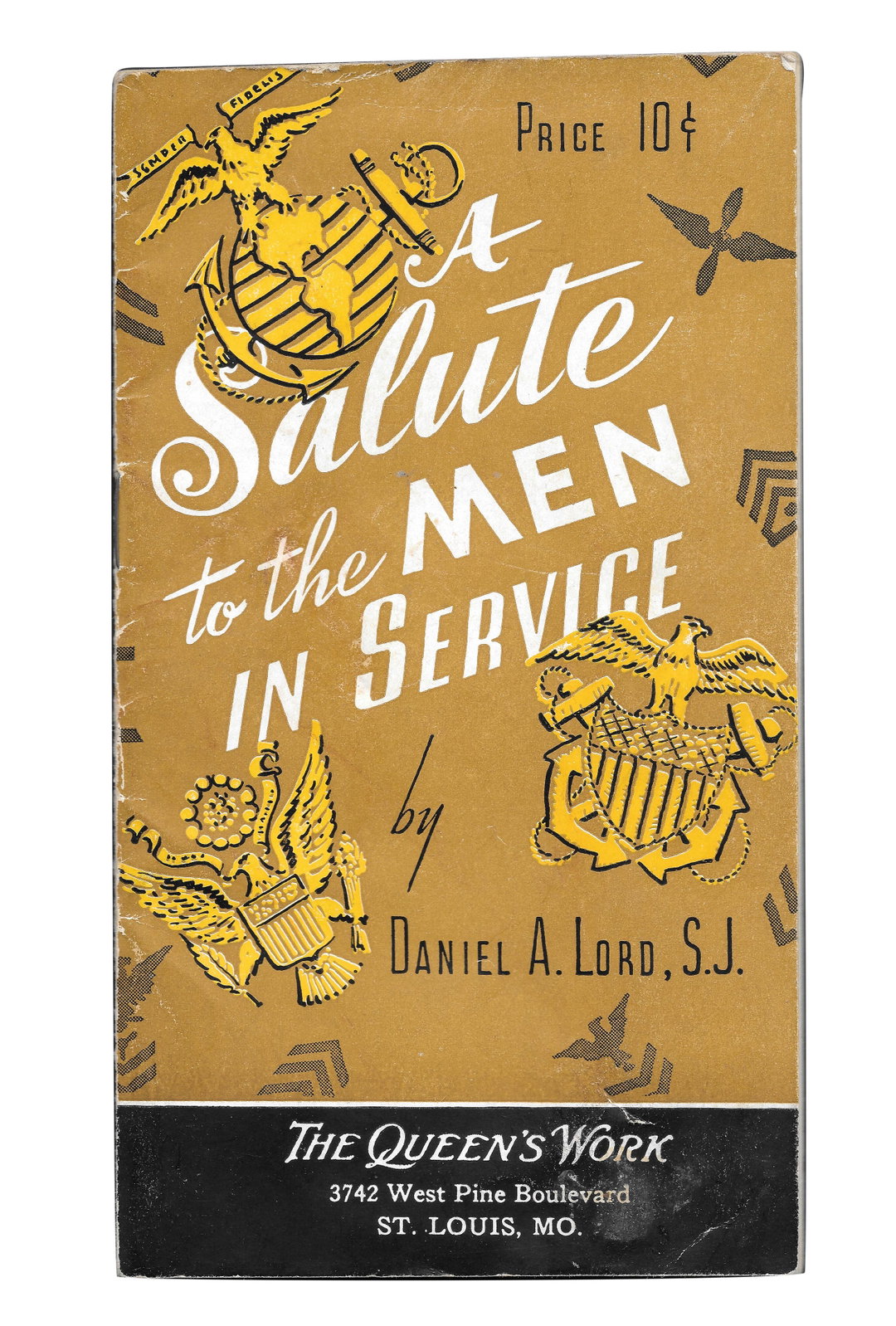
However, discovering the suitcase presented Dom with a new challenge. “I was pretty overwhelmed with what I found,” she remembers. “There was so much to sort through and none of it was organised in any way. I would be looking through a stack of photos and find things like an informational army booklet, comics from an old newspaper, or a Jerome Kersey Trail Blazer playing card.” As she sorted through, she started to categorise the items, “bringing order to the chaos”, before starting the arduous two-week process of scanning them in at high resolution. She ended up with digital folders for each of her family members, allowing her to click through each folder to see that person’s specific mementoes and photos.
GalleryCopyright © Dominique King, 2021
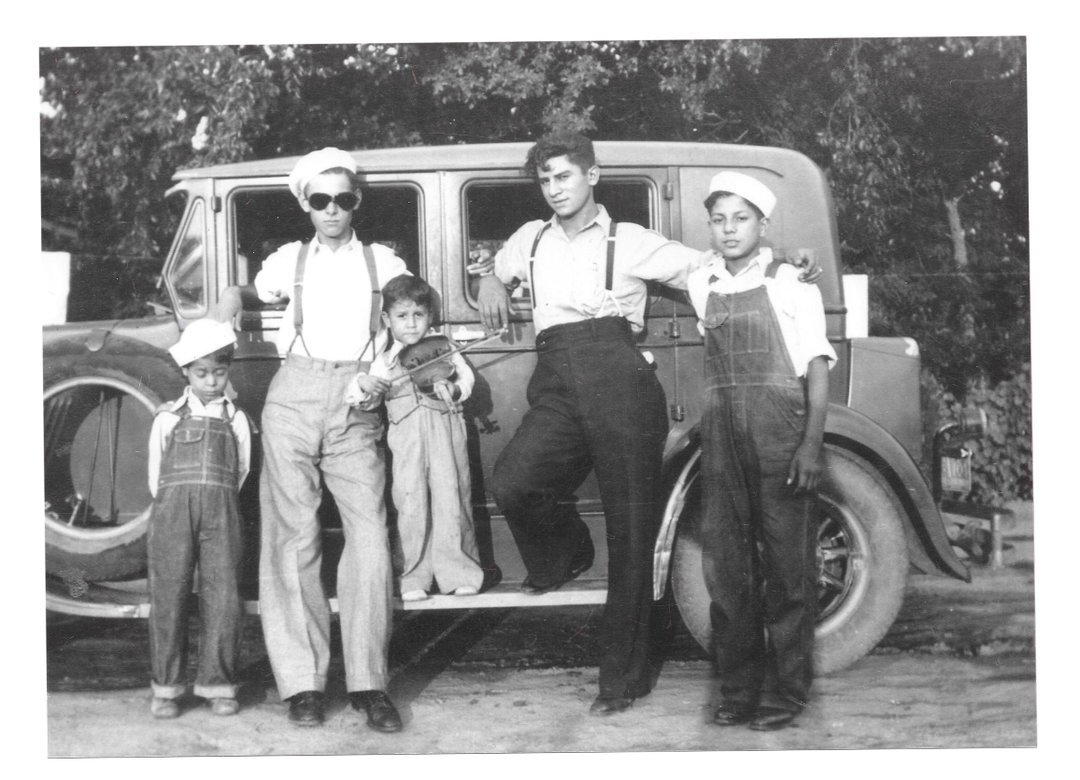
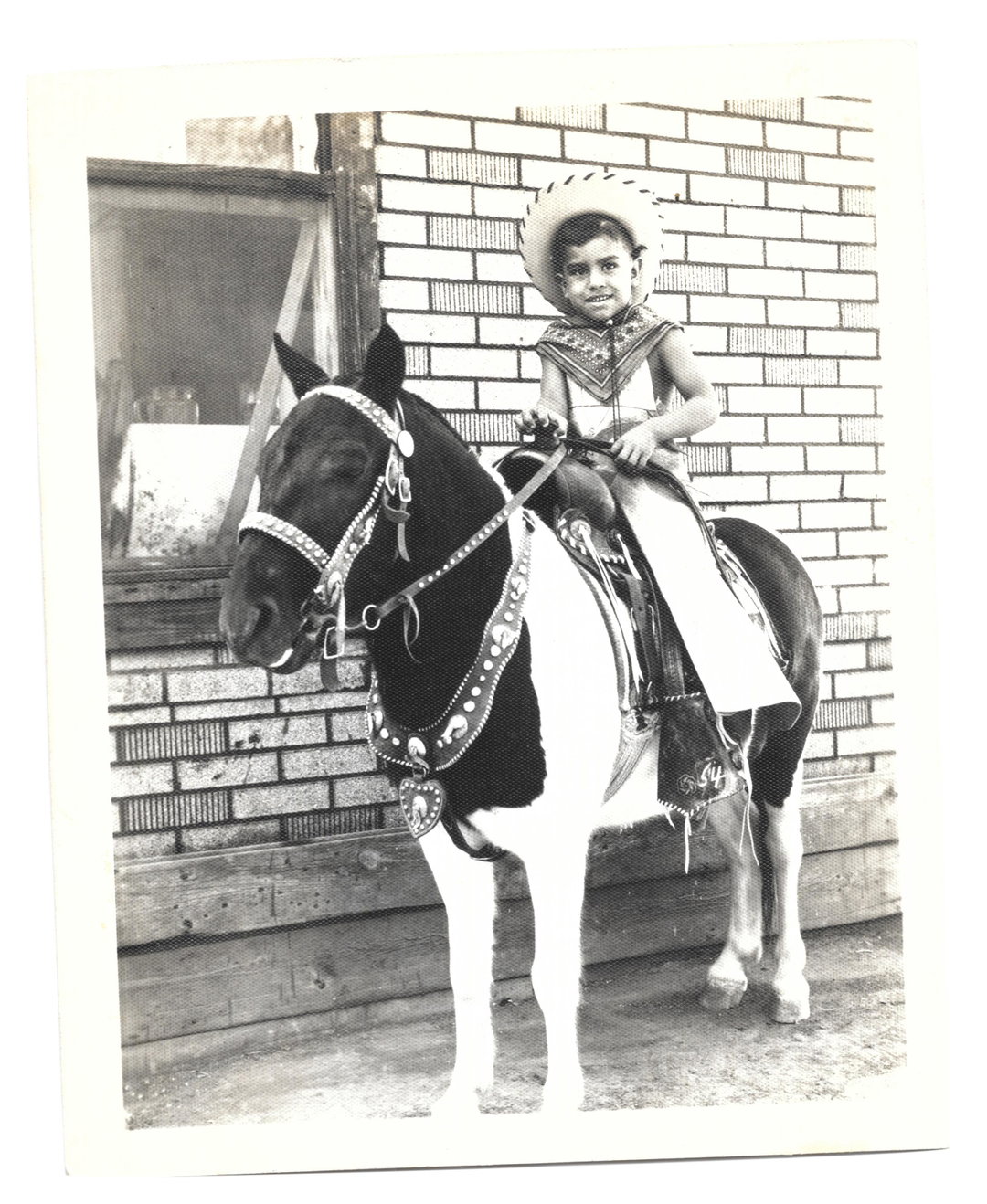
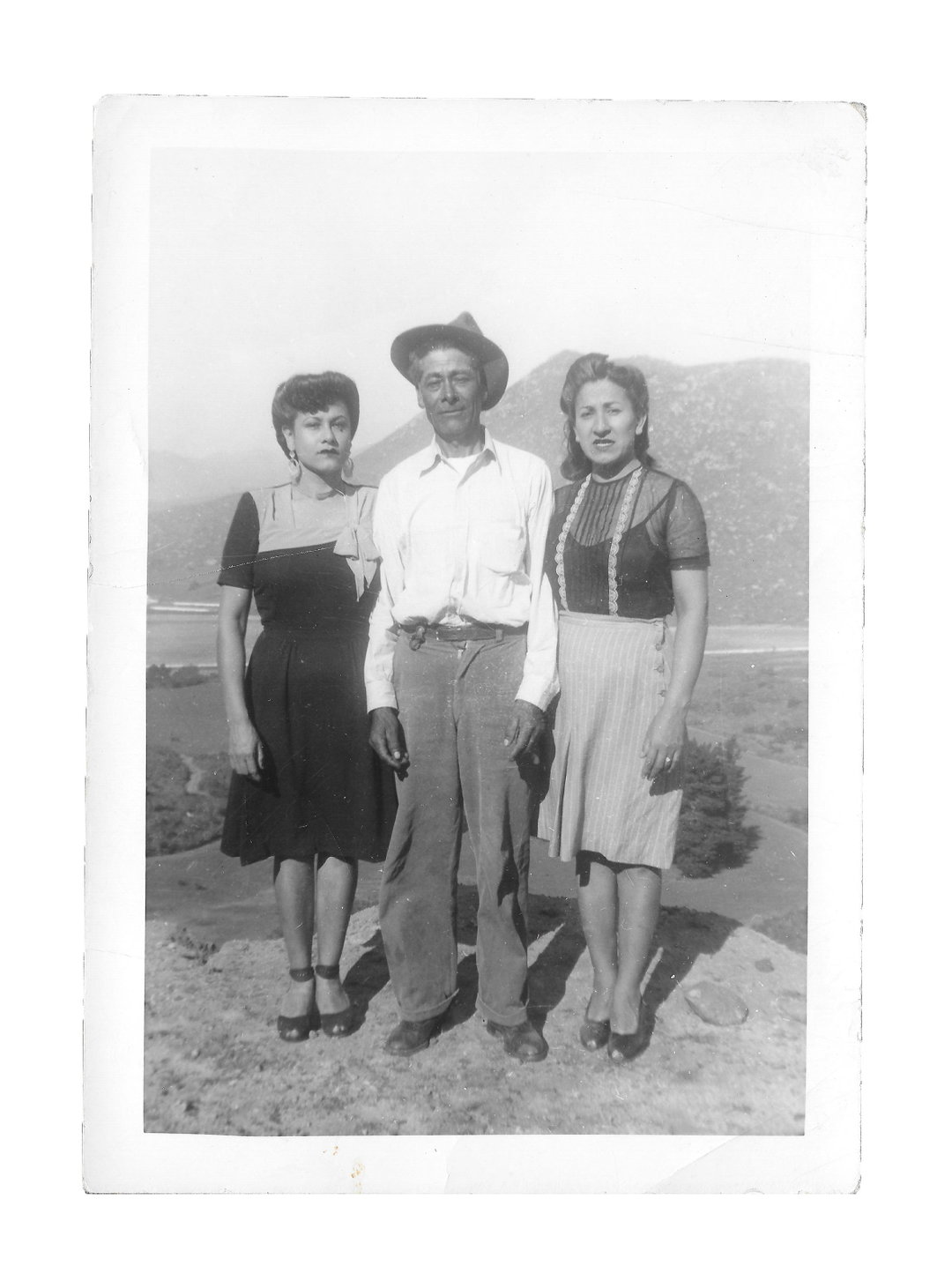
Digitising these items brought the archive to a new level entirely, affording Dom a macro and micro perspective on her family’s memories. She would blow them up on screen to explore the minute details that would have otherwise been missed, zooming in on the backgrounds, their clothes, what they were eating or drinking. Then she could look at the archive from a wider perspective. “Seeing everything together on-screen highlighted how the items were so random but ultimately connected at the same time,” she says. “Looking back, I think this point in the process was when the project really took shape.”
Preserving the photos in digital form also keeps the memories alive, Dom says. “Many of the photos were deteriorating and there’s no way to know how long they’d last. The act of uploading everything to Dropbox was a way to keep them safe and give them a new life.” She says it also connected her more closely than ever with her grandma, and brought back memories that had been forgotten. “It put a face to the many stories of our relatives and how they ended up in the States and what their lives looked like. It gave me a closer look into how my great-grandfather worked hard his whole life to achieve the American Dream through his saved mementoes.”
For the project, Dom created a family tree illustrated by photos from the archive, and a video of herself sharing her experience and the stories she’d uncovered. She also got to share the archive with Carmen before she passed away – a loving tribute to her grandmother that keeps her memories alive to be shared for generations.
While the project seemed dauntingly open-ended when Dom started it, something that can be “a designer’s worst nightmare,” she says, this quality is ultimately what elevated the project in the end. “I let the exploration process and the unknown guide me to a solution,” she explains. “Of course it also helped to be so close to the subject. I was so proud to have this collection about my family and our history.” Dom shared the project on Instagram and was surprised at its hugely positive response. “It showed me that when you’re lucky enough to make work about a subject you’re passionate about, it comes through in the final product.” This lead to a collaboration with Dropbox, sharing her story with an audience who have been inspired by her deeply personal work. So Dom was left with another lesson – “as a creative, you should always share your work,” she concludes. “Even if you don’t think it’s done, or will make you money, or get you a bunch of likes; share work that is meaningful to you because you never know the impact it could have on others.”
GalleryCopyright © Dominique King, 2021
Copyright © Dropbox, 2021
Sponsored by
Dropbox
Dropbox is a leading cloud organization platform that helps people and teams work together to power creative workflows.
Hero Header
Copyright © Dominique King, 2021
Share Article
Further Info
About the Author
—
This article was written by the It’s Nice That team. To find our editors and writers, please head over to our Contact page.