

Elias Hanzer’s portfolio updates demonstrate his varied approach
Berlin-based designer Elias Hanzer adapts his style depending on the project and works best when “everyone involved is excited about the task and is open to new things”. With a series of publications, typefaces and a poster series added to his portfolio since the last time we checked in with the designer, it’s clear Elias has been pushing his approach and experimenting with his methods.
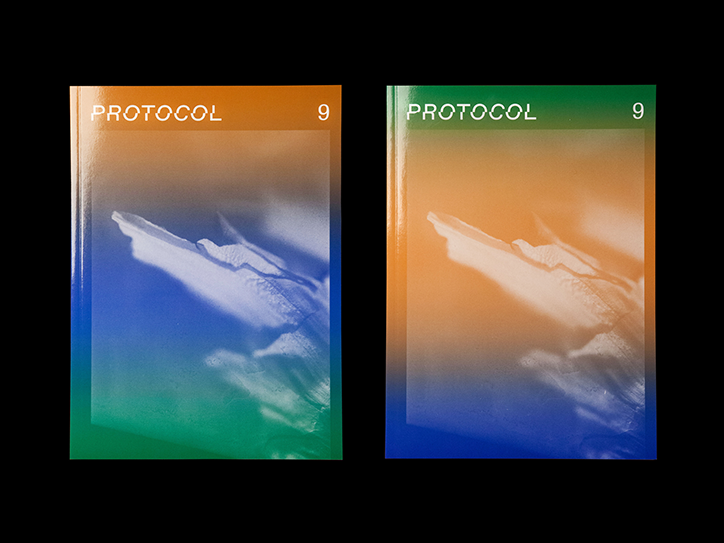
“For a recent project I designed with Nora Holstein and Lucas Liccini, Protocol Magazine Nr.9 issue Fehler. We printed a magazine of over 200 pages completely in Iris on an offset printing machine,” explains Elias. “The Iris-printing technique comes from screenprinting, where colour is mixed directly on the screen itself. This is how every single book of Protocol Nr.9 has a slightly different gradient throughout the magazine. As we designed only in black and white – it was a real thrill to not know what the colours of the magazine would look like until we finally held it in your hands.”
Another project includes a typeface called Fake that combines an eclectic mix of contrasting styles that reminds us distantly of Wingdings, but more legible. Elias sees his role as a graphic designer to communicate the intentions of his client, in relation to type design though he approaches it slightly differently. “With type, you are developing a tool for unknown needs, rather than being limited to a specific project,” says the designer. “A great aspect is about seeing work in a way you didn’t when developing it.”
For a project Elias starts big in terms of possibilities and outcomes, and then scales down if necessary. “This process brings a project down to its essence,” explains the designer. “I think the hardest challenge is actually to not repeat yourself in what you do, which is done through using different techniques or approaches,” says Elias. “This challenge is limiting and enriching at the same time.”
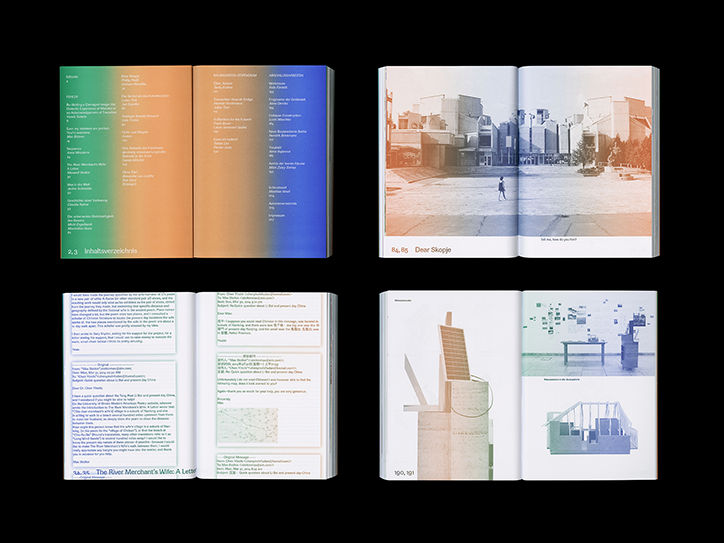
Elias Hanzer: Protocol Nr. 9. Spreads
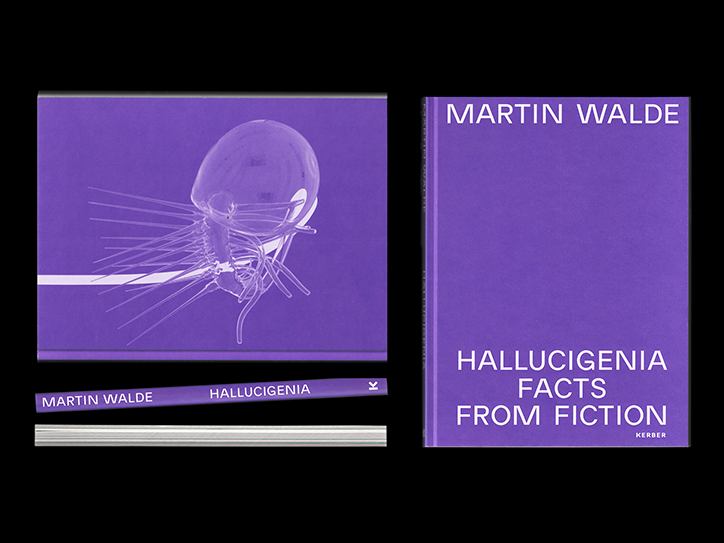
Elias Hanzer: Catalogue for artist Martin Walde, 2017
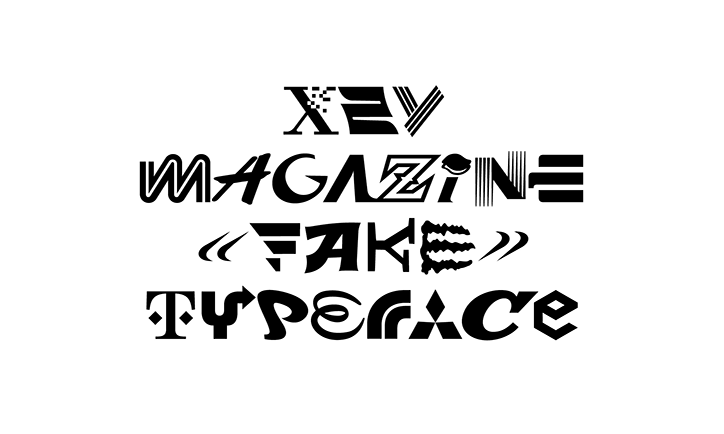
Elias Hanzer: Customized Typeface “Fake” for XZY-Magazine. Design with Lucas Liccini and
Louise Borinski, 2017
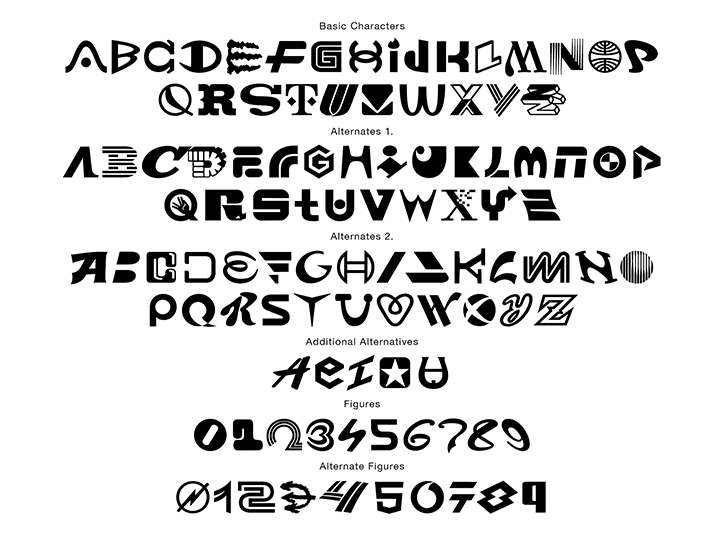
Elias Hanzer: Customized Typeface “Fake” for XZY-Magazine. Design with Lucas Liccini and
Louise Borinski, 2017
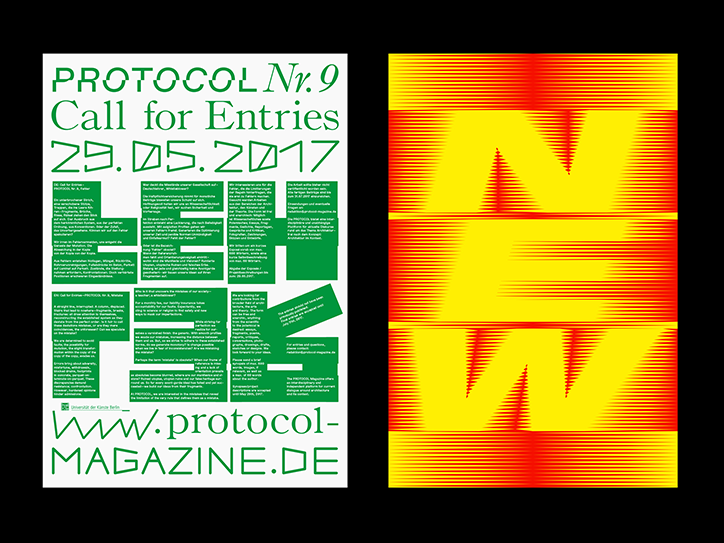
Elias Hanzer: Protocol Nr.9, Call for Contributions, Design with Lucas Liccini (left)
Poster for NRML Festival 2017 (right)
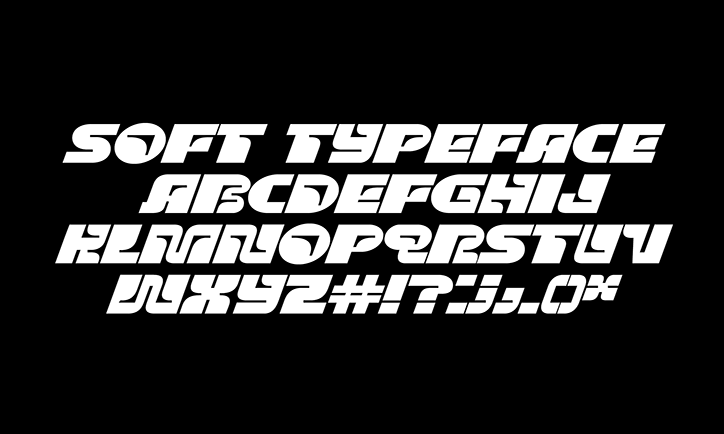
Elias Hanzer: Soft Typeface. 2017
Share Article
Further Info
About the Author
—
Rebecca Fulleylove is a freelance writer and editor specialising in art, design and culture. She is also senior writer at Creative Review, having previously worked at Elephant, Google Arts & Culture, and It’s Nice That.