Emily Graham photographs the longest running unsolved treasure hunt in the world
Over 25 years ago, golden treasure was buried somewhere in the landscape of France, and it is yet to be found. But Emily’s series is about much more than a trail gone cold.
Share
Photography is a medium Emily Graham describes as “slippery”, in a “strange position between art and document”. Based in east London, Emily’s photographic work is rooted in this concept. It’s documentary but it’s hard to describe it as “straight documentary” as there’s always an element of manipulation involved. “Someone recently referred to it as crooked documentary, a term which came from the critic Lucy Soutter, who wrote about a more expressionistic, looser kind of documentary practice, and that feels more fitting,” Emily explains.
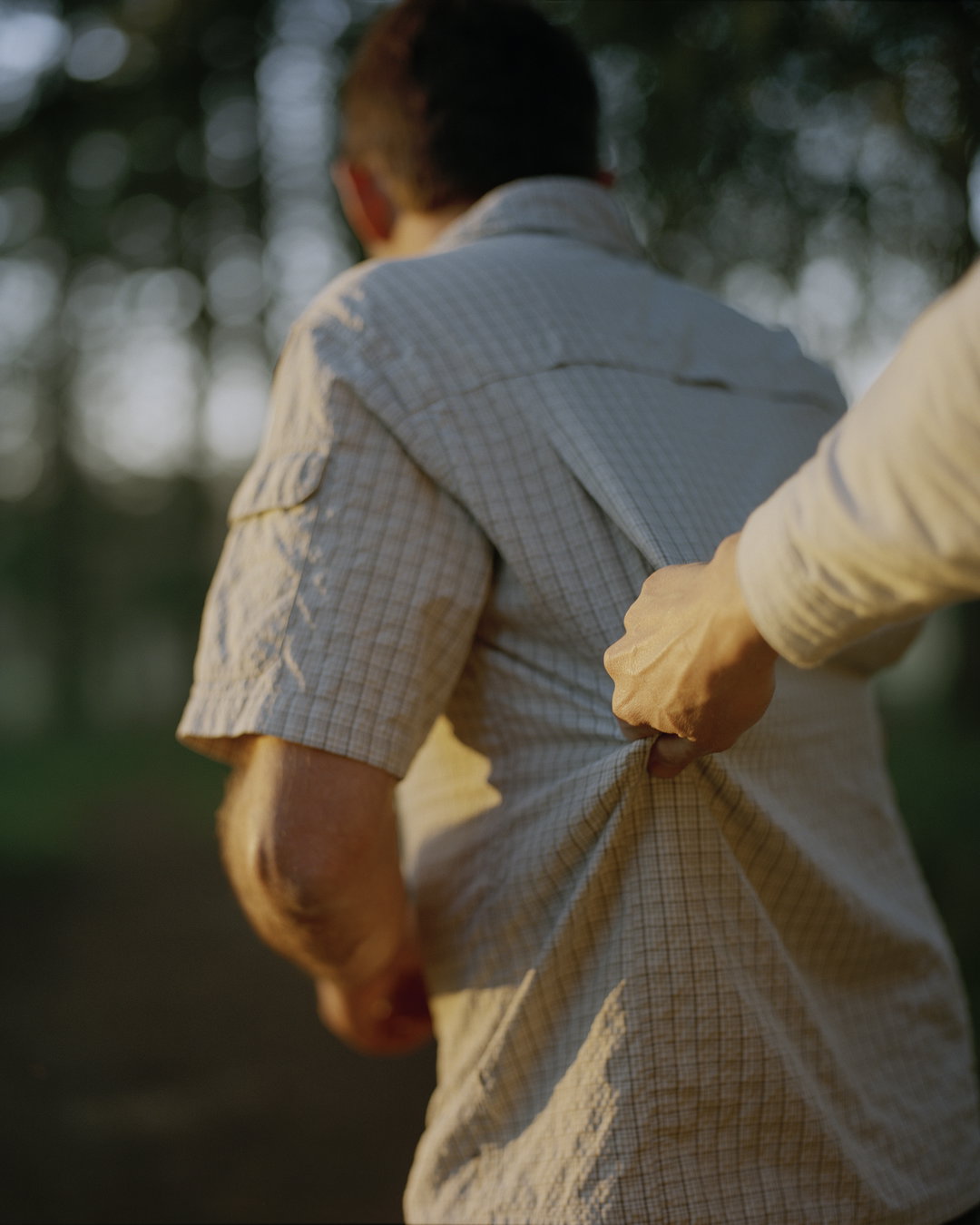
This is very much the case with one of Emily’s most recent projects, The Blindest Man, a series based on the story of a real life unsolved treasure hunt. Far from a linear narrative documenting those enraptured with the story, it is “about searching and the biases of looking, about people obsessed with their own projects, the difficulties of finding what you are looking for and getting lost in the looking.” In turn, “it’s also about photography,” Emily adds.
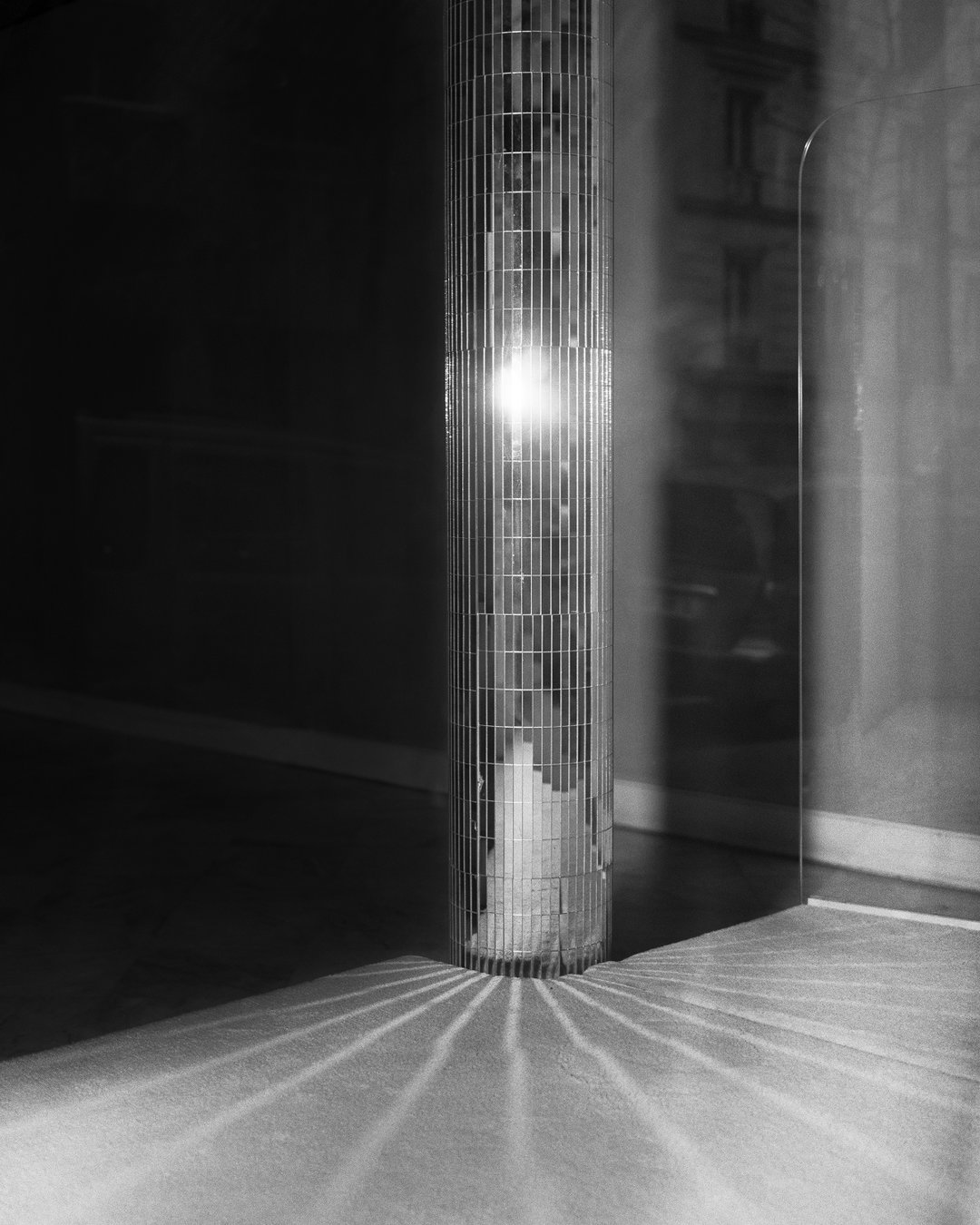
Looking at photography as a medium is something Emily does a lot in her practice: “I’m interested in the suggestive power of the photograph, and in the medium of photography itself… With The Blindest Man, it was exactly the photographs’ limitations that were interesting to me in working with a subject (an unsolved treasure hunt) where the main event – the treasure – was invisible; hidden in an unknown location underground.”
The Blindest Man first began when Emily was in-between other long term projects and was spending her time going for long walks with her camera. “I’d find myself going to places with specific ideas in mind of what I might find, either from prior research, or from books that I’d read (often fiction) that were set in said places,” she recalls. “I was looking for a framework for these wanderings, and started thinking about how much of what I photograph was influenced by what I had in mind – what I was looking for.”
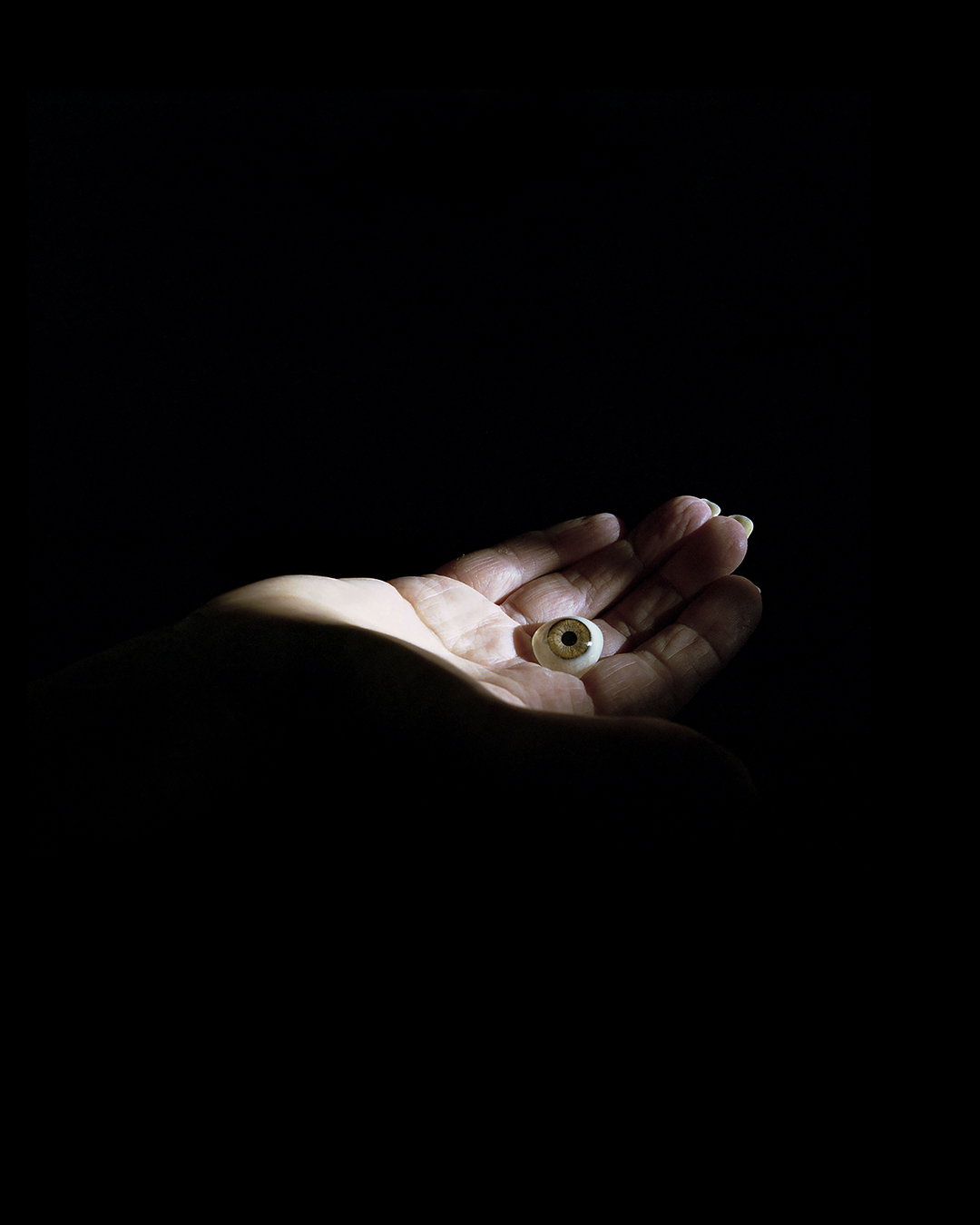
Emily Graham: The Blindest Man
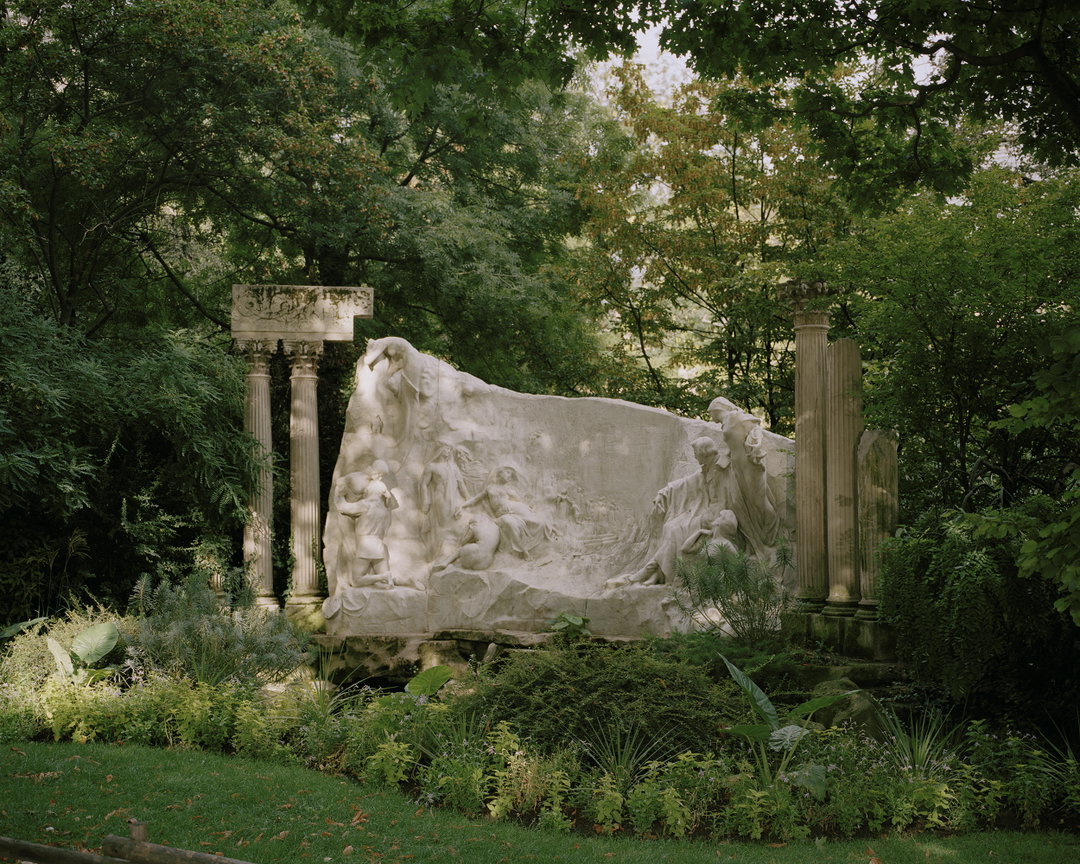
Emily, therefore, began to look at these walks as scavenger hunts, a revelation which sparked her to start researching real life treasure trails. After a while, she came across a hunt in France that was unsolved, and which claimed to be the longest running unsolved treasure hunt in world. While it was difficult to find exact information on the hunt, as it was sprawled across the internet on blogs and chat forums, what Emily did find was compelling: “over 25 years ago, a golden treasure was buried somewhere in the landscape of France, and it is yet to be found.”
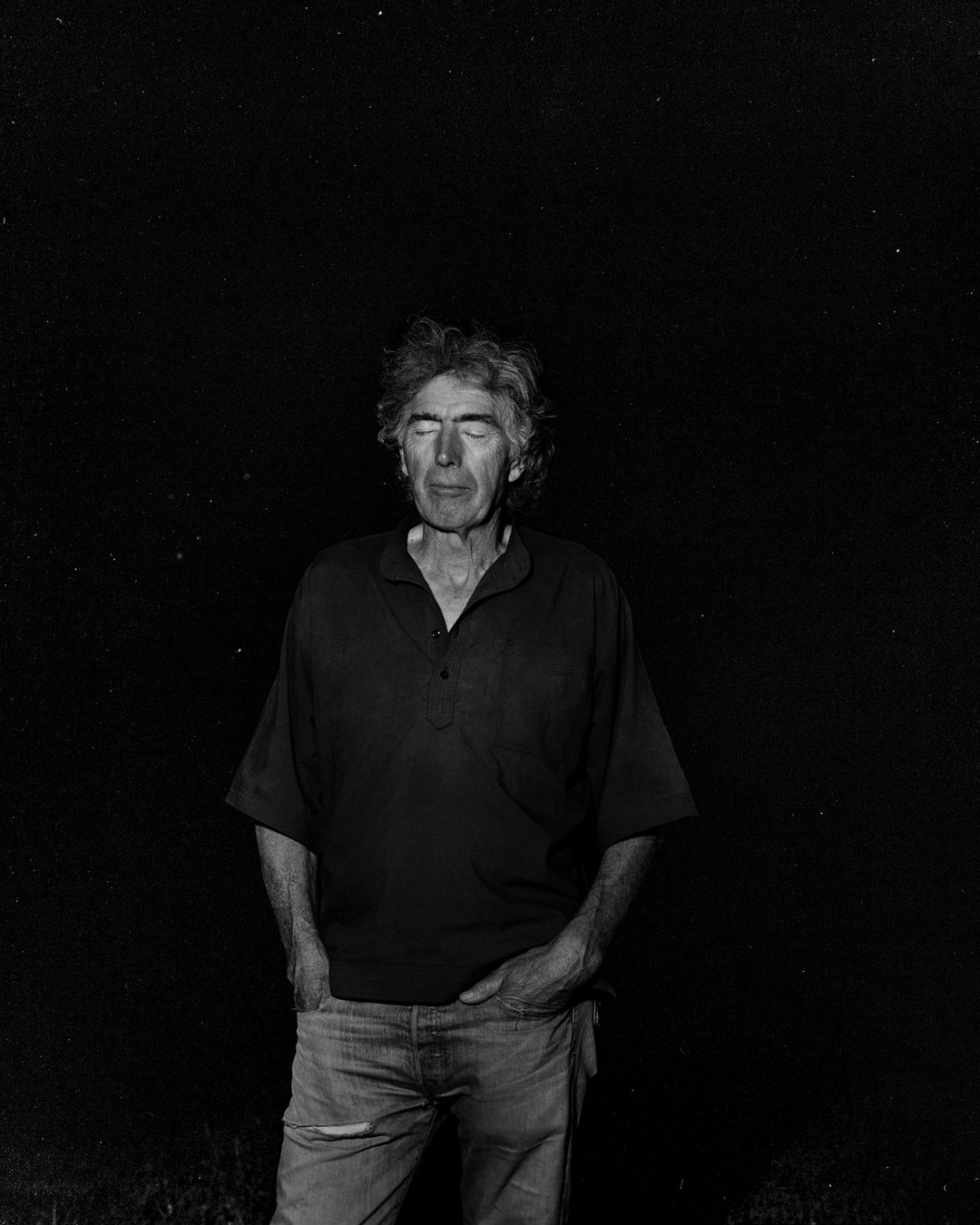
A community of people exists who search for the hidden treasure, guided by a book of allusive clues, released by an anonymous author. “The author is now dead. Still hundreds search on, committing hours, weeks, and years to the hunt,” Emily explains.
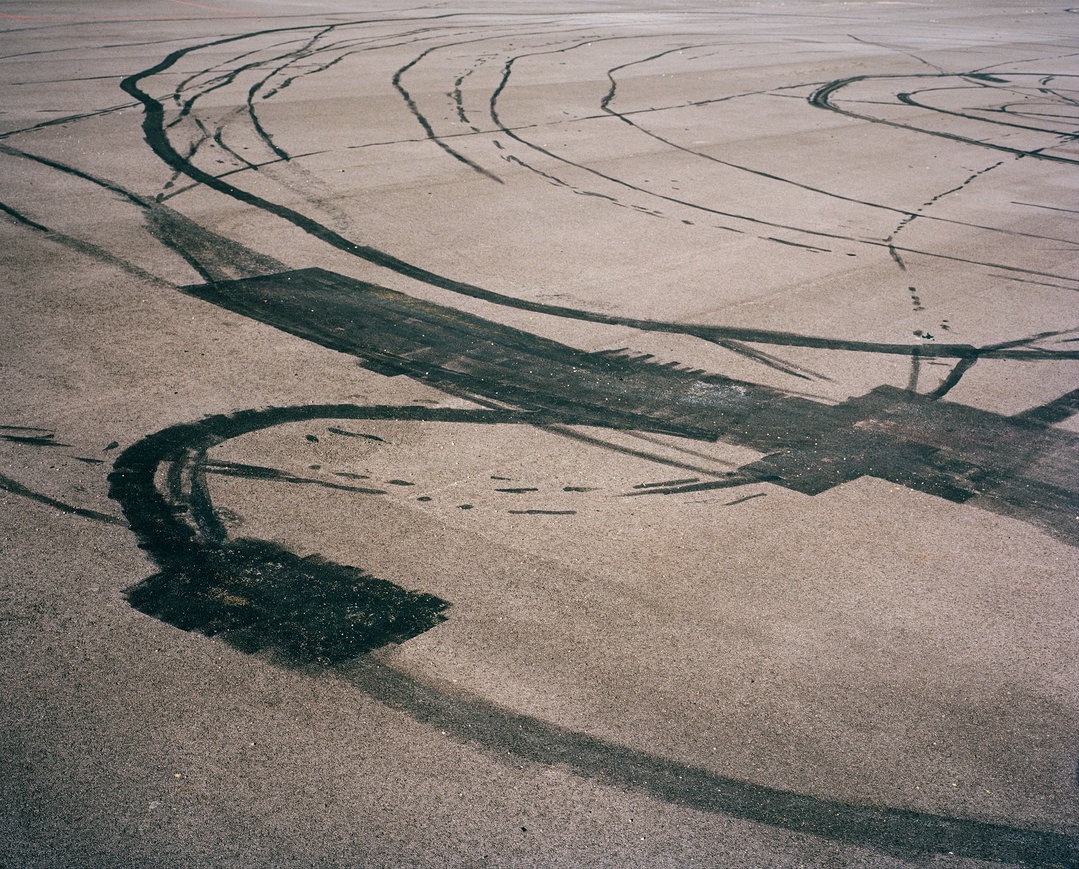
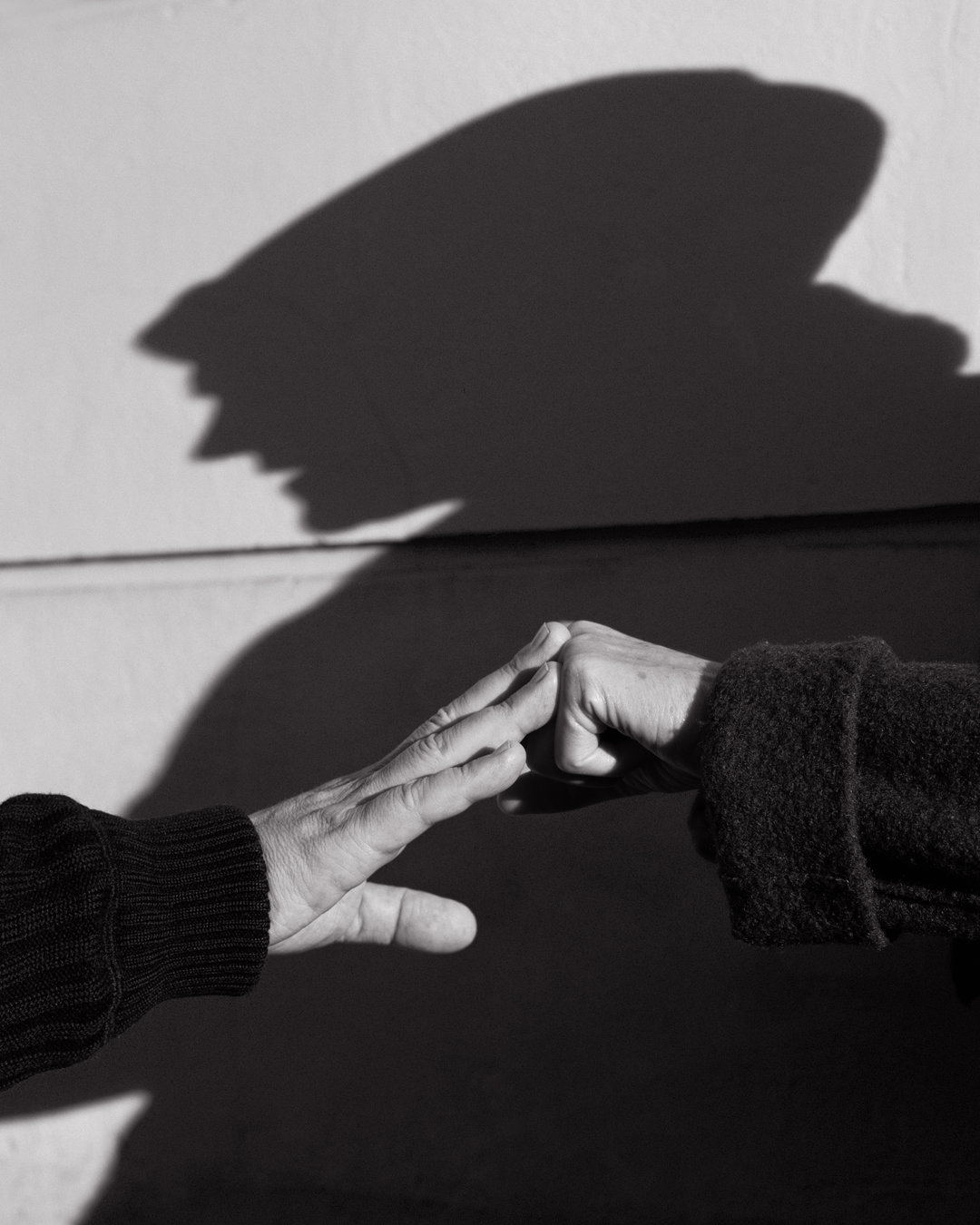
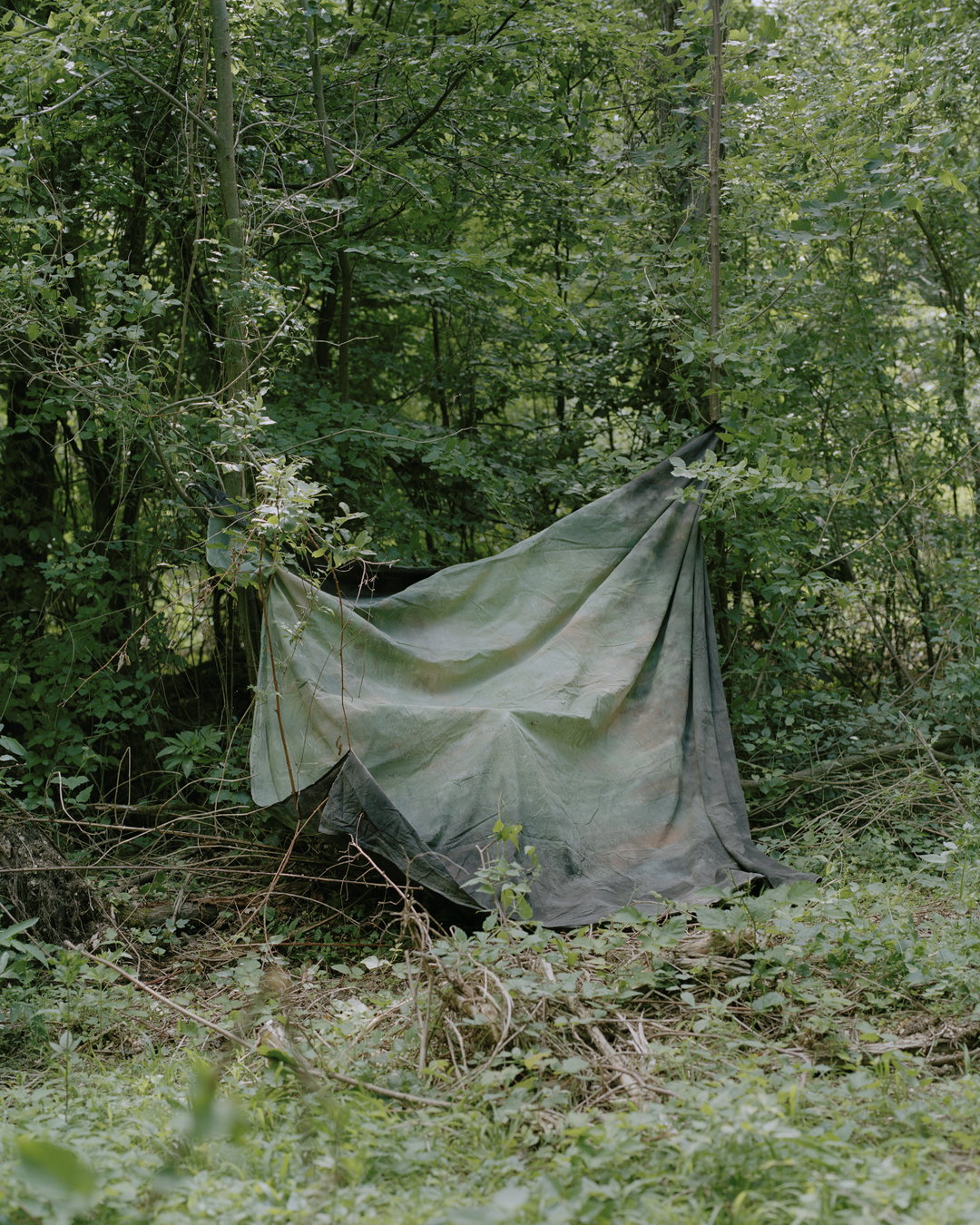
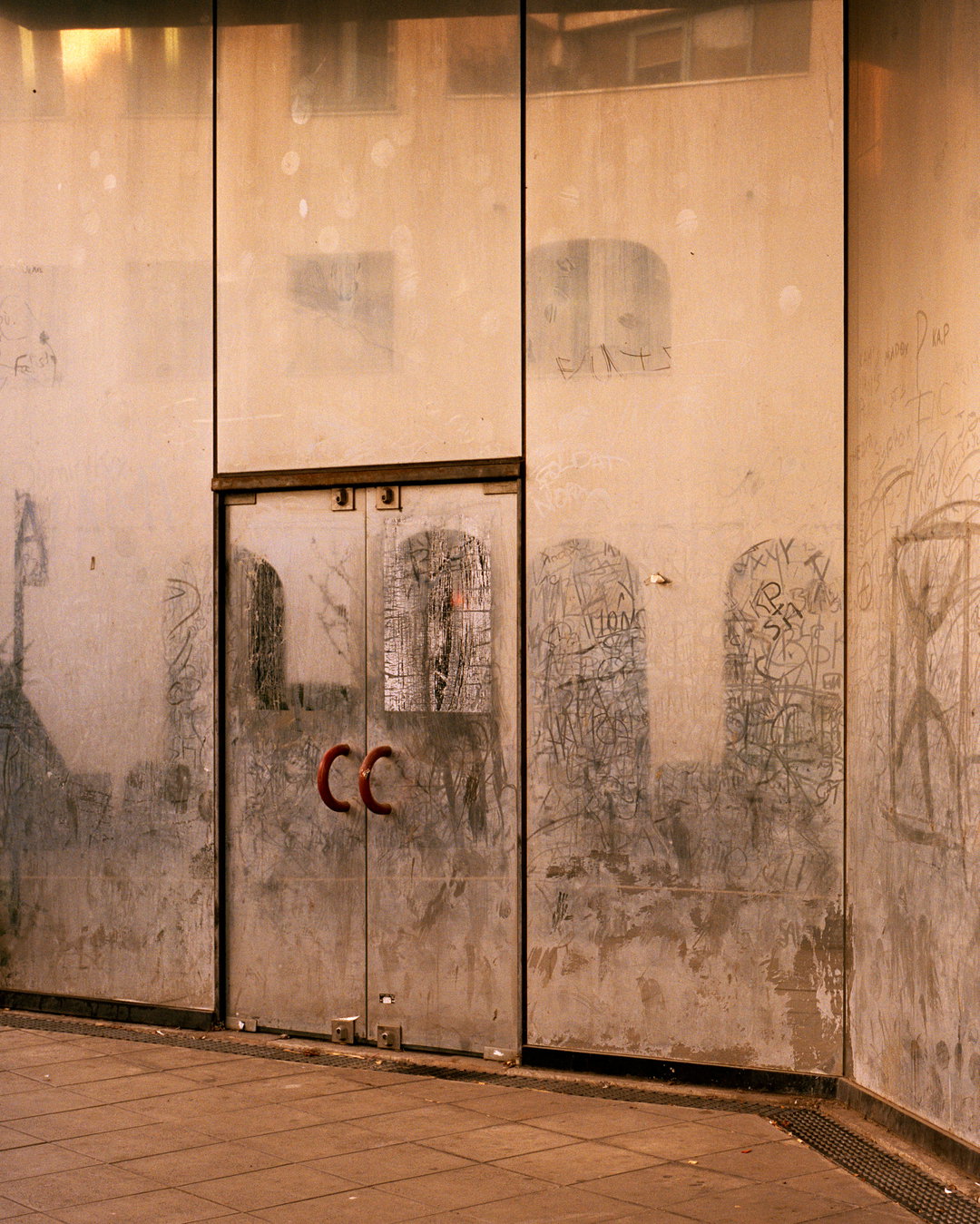
While it’s a story which could easily form a fascinating documentary film, or a photojournalistic series, what Emily has created on her travels throughout France, often following the failed routes of scavengers, is far more subtle. The Blindest Man toys with the very notion of a photograph – what can be seen, what can’t be seen. “The way I made the pictures was influenced by this idea of obfuscation – deliberately making things unclear,” she outlines. “I used light and shadow within pictures to emphasise this, to link back to an idea about the partiality of perception.”
The project exists primarily as a book, the structure of which is designed to create “a feeling of going on a wild goose chase not reaching the desired point, failing, having to start again,” Emily tells us. And in exhibitions of the work, she’s created “a kind of treasure hunt of pictures, encouraging people to actively look and search.”
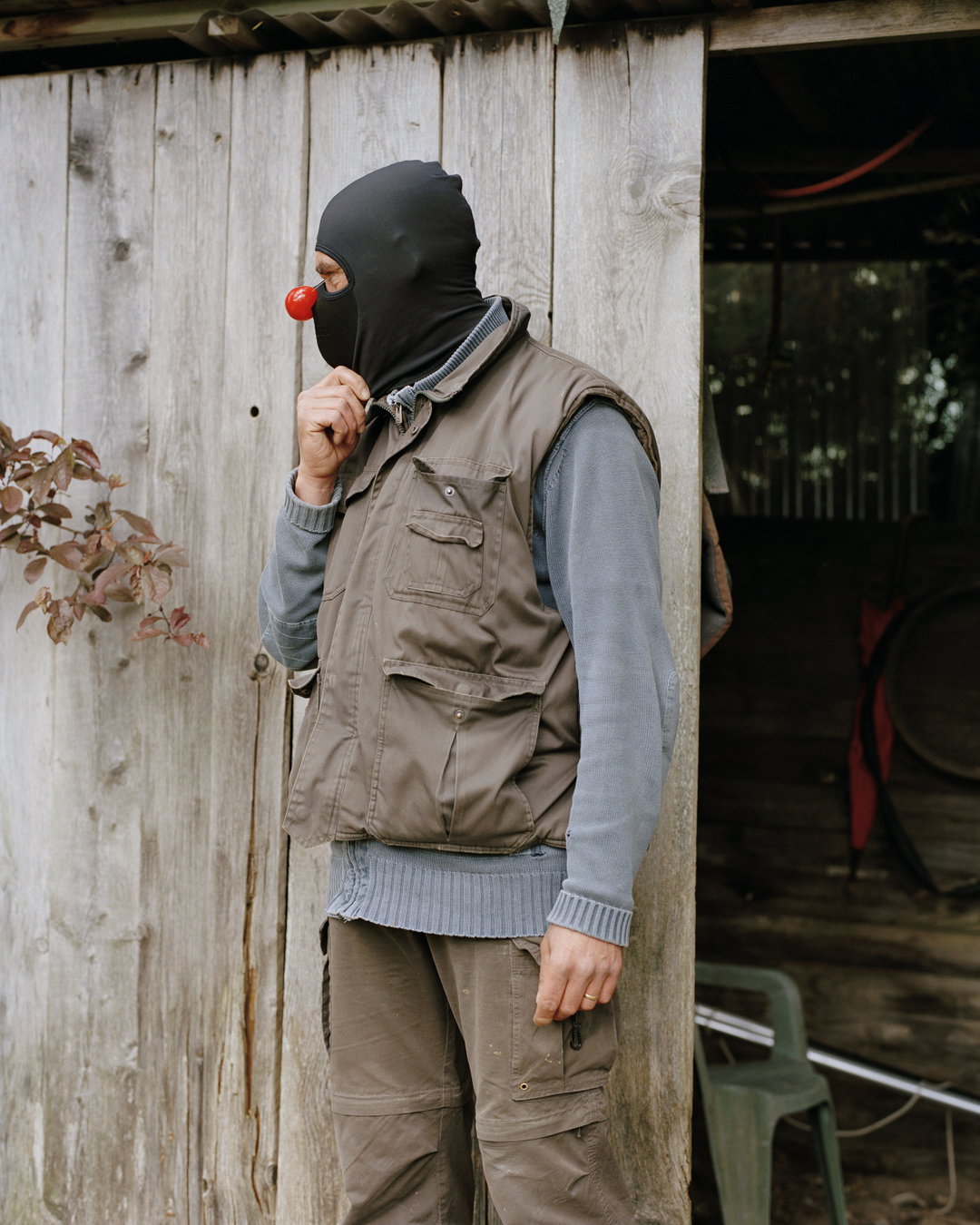
Ultimately, The Blindest Man is one of those series that, as you find out more, the more you want to find out. It throws up questions – who are these people? And do they really believe there’s treasure to be found? What Emily does, and manages to do, is make you the subject of the series itself, another participant on the hunt for clues and, hopefully, a pot of treasure at the end of it all.
GalleryEmily Graham: The Blindest Man


Share Article
Further Info
About the Author
—
Ruby is Senior Creative at It's Nice That, overseeing our visual output across platforms and projects. Before that, she was associate editor on the editorial team, after joining in September 2017 following graduation from Central Saint Martins.