Unearthing the pioneering print designs of the all-women Folly Cove Collective
A new book celebrates the Massachusetts creative group, who worked together in the 1940s-70s, using pattern design to express their distinct personal view.
Share
A first glance over the block-printed fabric works of the Folly Cove Collective might make you think of William Morris, but look closer at the subject matter and you’ll find altogether more modern imagery. Baked bean suppers, square dancing, local architecture and skiing feature in the pattern designs – scenes drawn directly from the artists’ lives, making the works at once timeless and a unique window into a fascinating era and niche of society. Elena M. Sarni, the author of the first comprehensive book on the collective, says the group’s work “conveys personal and regional narratives through the compelling language of pattern”.
The designers of the grassroots collective were all women, and mostly had no previous artistic training, except for their leader Virginia Lee Burton Demetrios. Virginia studied printmaking as a teen, under printmaker Robert Hestwood, attended California School of Fine Arts, and became a published author and illustrator before she founded the Folly Cove Designers in 1941. She set out to create a group that gave women artistic training, creative independence and community, inviting her friends and neighbours to join, and teaching them techniques that Elena says “allowed even artistic novices to achieve incredible designs”. This included encouraging them to “draw what they knew” and sketching their subjects over and over again, until their “made them their own”.
“Virginia made it clear from the start that you didn’t have to be an artist to join the group,” the author explains. “You just had to be willing to do the work. Some designers with art backgrounds described Virginia as the best teacher that they ever had, while one designer described her as having the rare ability to bring out something that had been lying dormant in people, which she considered ‘a special gift’.”
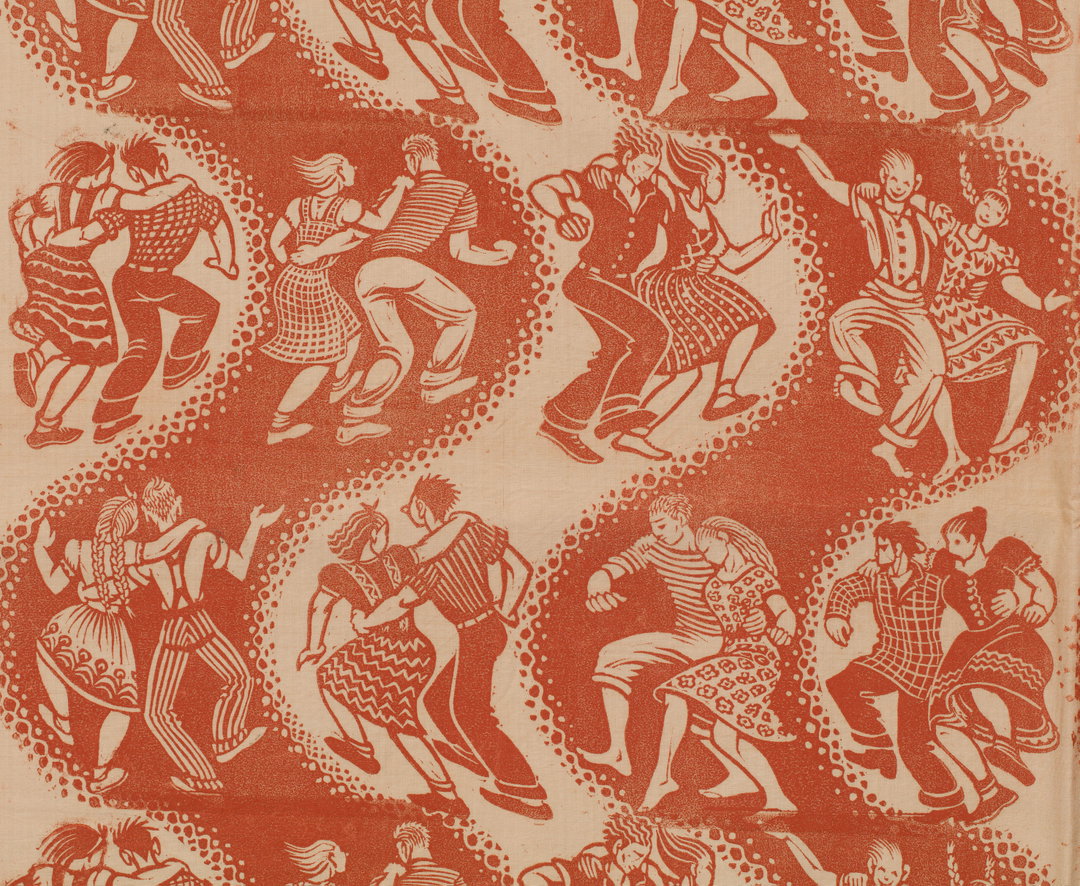
Virginia Lee Burton Demetrios: Finnish Hop (Photograph by Gary Lowell. Courtesy of Sandy Bay Historical Society.)
Elena says that, from her research, she found many of the women in the group were college-educated, professional, working mothers at a time when research indicates that most women spent fifty hours a week on housework. “Like other women, they did set the table for their families every night, only they did so while wearing aprons that they had personally designed, carved into linoleum blocks, printed, and sewn themselves. The women of the Folly Cove Designers forged their own roles in the world, something that today's female printmakers find highly relatable.”
A proponent of personal expression as a way to absolute creativity, Virginia encouraged her fellow Folly Cove designers to draw from real life and what they knew in their surroundings. Some “could be seen as a naturalist’s guide to Cape Ann”, Elena comments, since many of the designs featured the local flora and fauna; where others, such as Atomic Age by Aino Clarke, is a rare topical design. “Overall, although they exhibited with other printmakers and textile designers at craft exhibitions, they were as one Folly Cove Designer described the community ‘a thing unto ourselves’. Their individuality was part of their appeal and continues to be.”
From 1941–1969 the collective produced over 300 designs, making it one of America’s longest-running artist collectives. At the time, they received international fame through commercial contracts with US retailers, and articles in magazines such as Life, but eventually decided to disband, and – beyond the printmaking community – remain under the radar. Elena hopes that through the book, which includes many rediscovered and never seen before Folly Cove prints, she can help “expose a whole new audience of pattern lovers to their incredible work”.
Trailblazing Women Printmakers: The Folly Cove Designers by Elena M. Sarni is out now, published by Princeton Architectural Press.
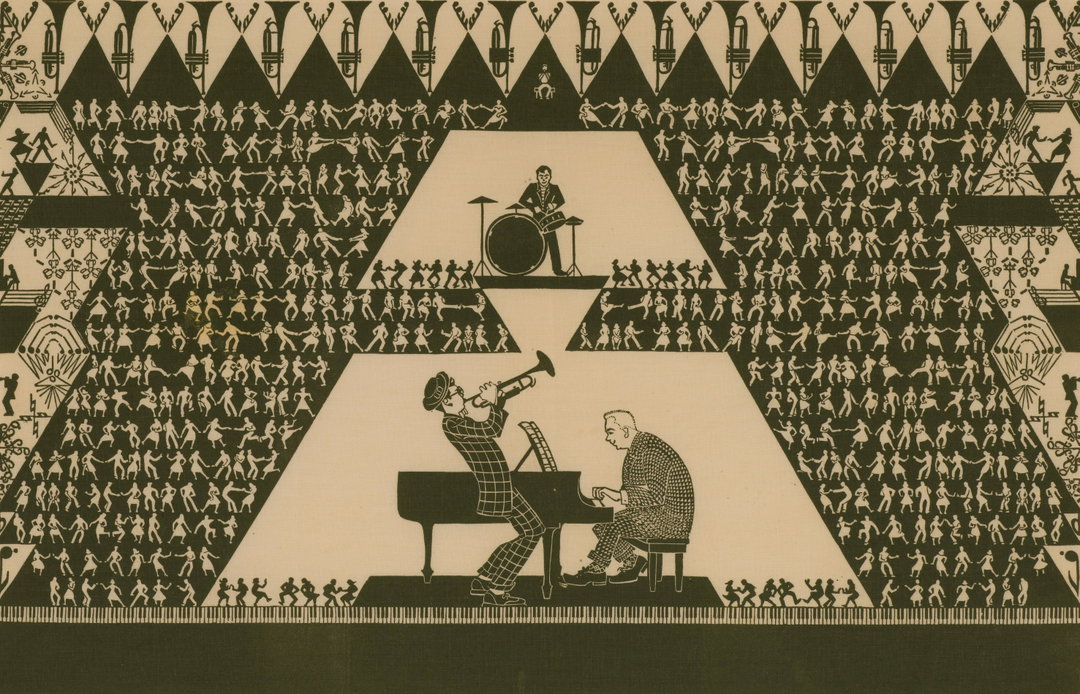
Aino Clarke: Jazz Age (Photograph by Peter Morse, image courtesy of Peter and Bobbi Kovner)
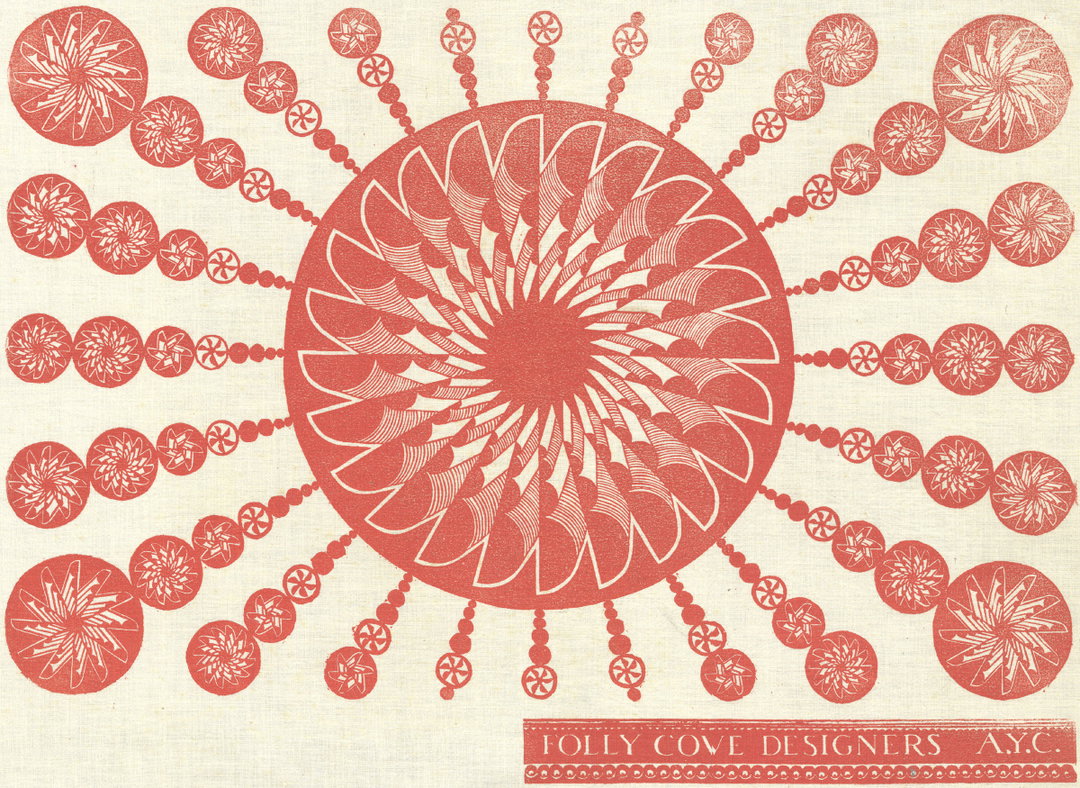
Aino Clarke: Atomic Age. (Courtesy of Cape Ann Museum)
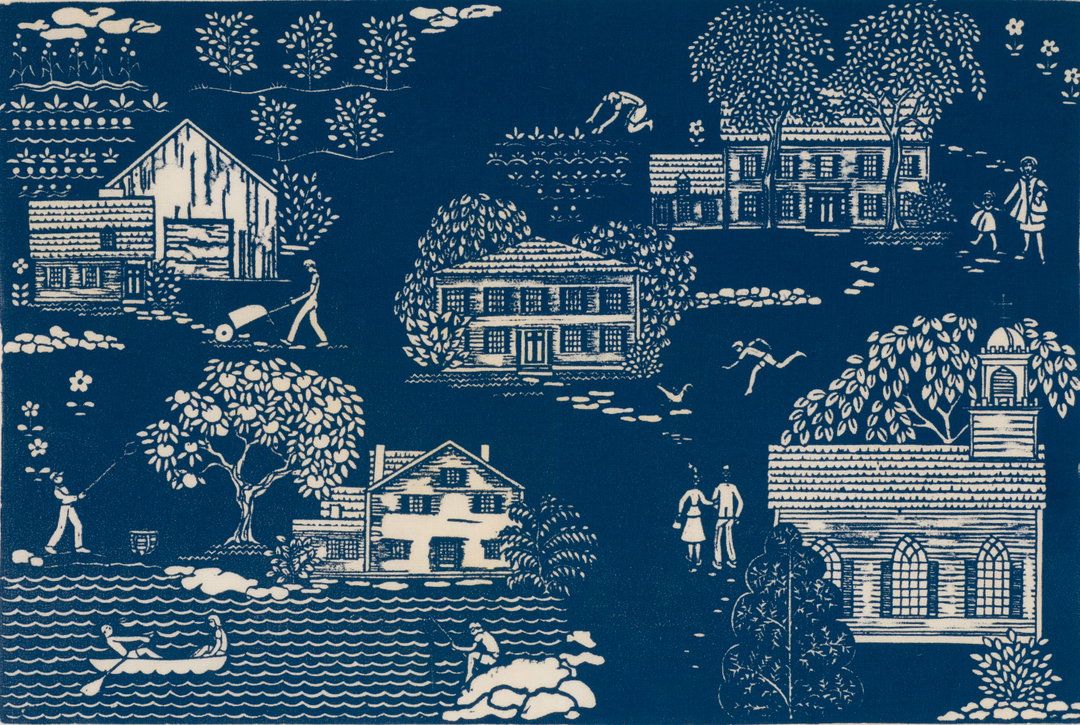
Louise Kenyon: Head of the Cove (Photograph by Peter Morse, image courtesy of Peter and Bobbi Kovner)
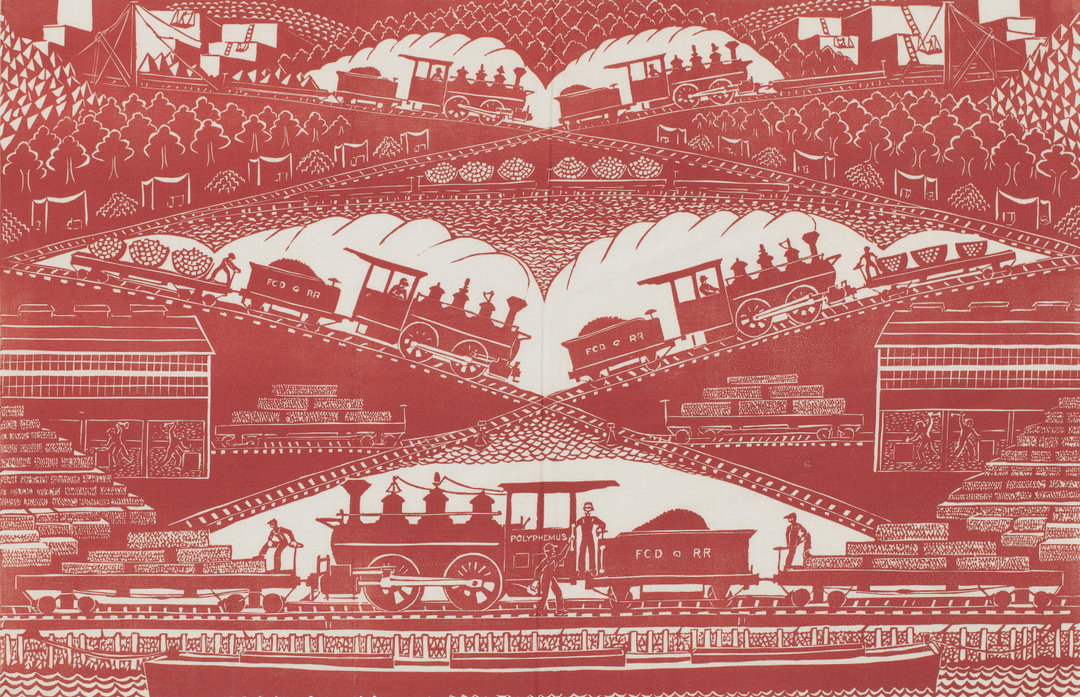
Eino Natti: Polyphemus (Gary Lowell/Courtesy of Sandy Bay Historical Society)
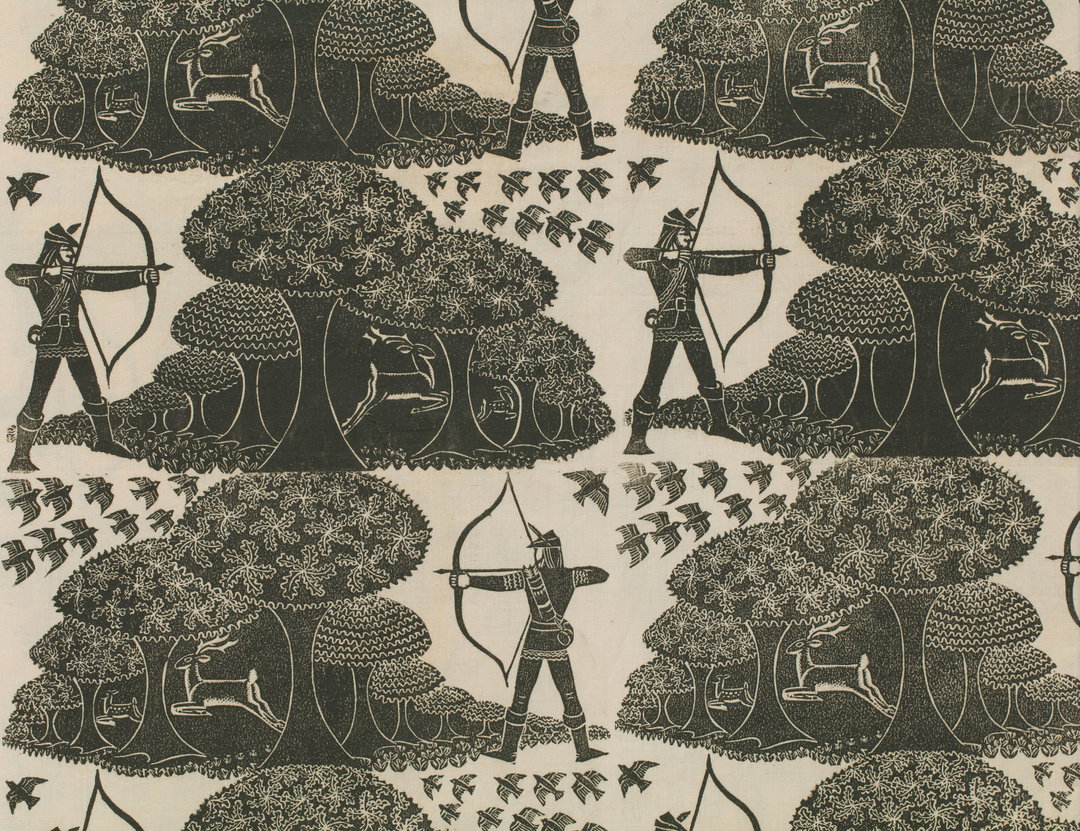
Virginia Lee Burton Demetrios: Robin Hood (Photograph by Gary Lowell/Courtesy of Sandy Bay Historical Society)
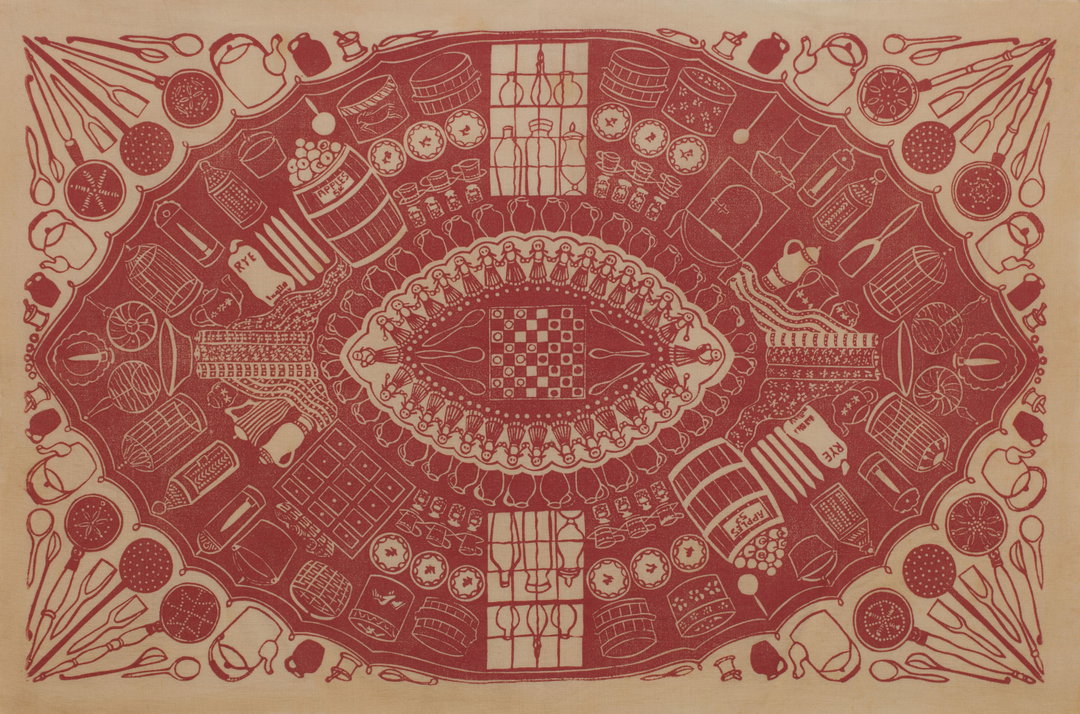
Lee Natti: Old Sturbridge Country Store (Photograph by Gary Lowell/Courtesy of Kathryn Soucy)
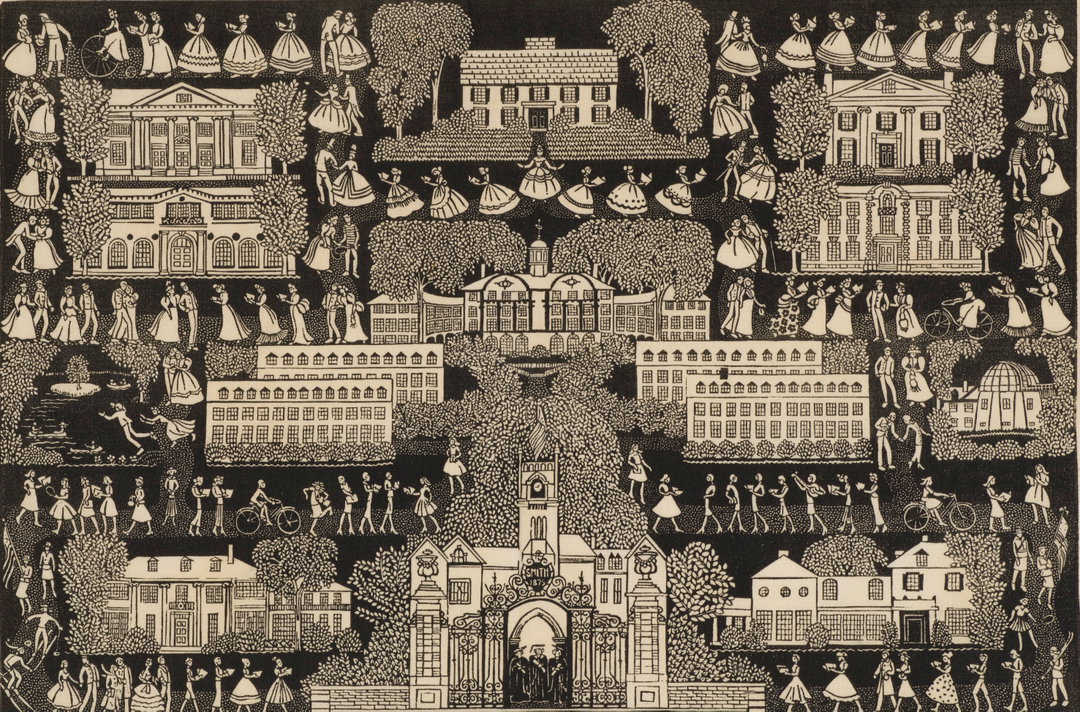
Louise Kenyon: Smith College (Photograph by Peter Morse/Courtesy of Peter and Bobbi Kovner)
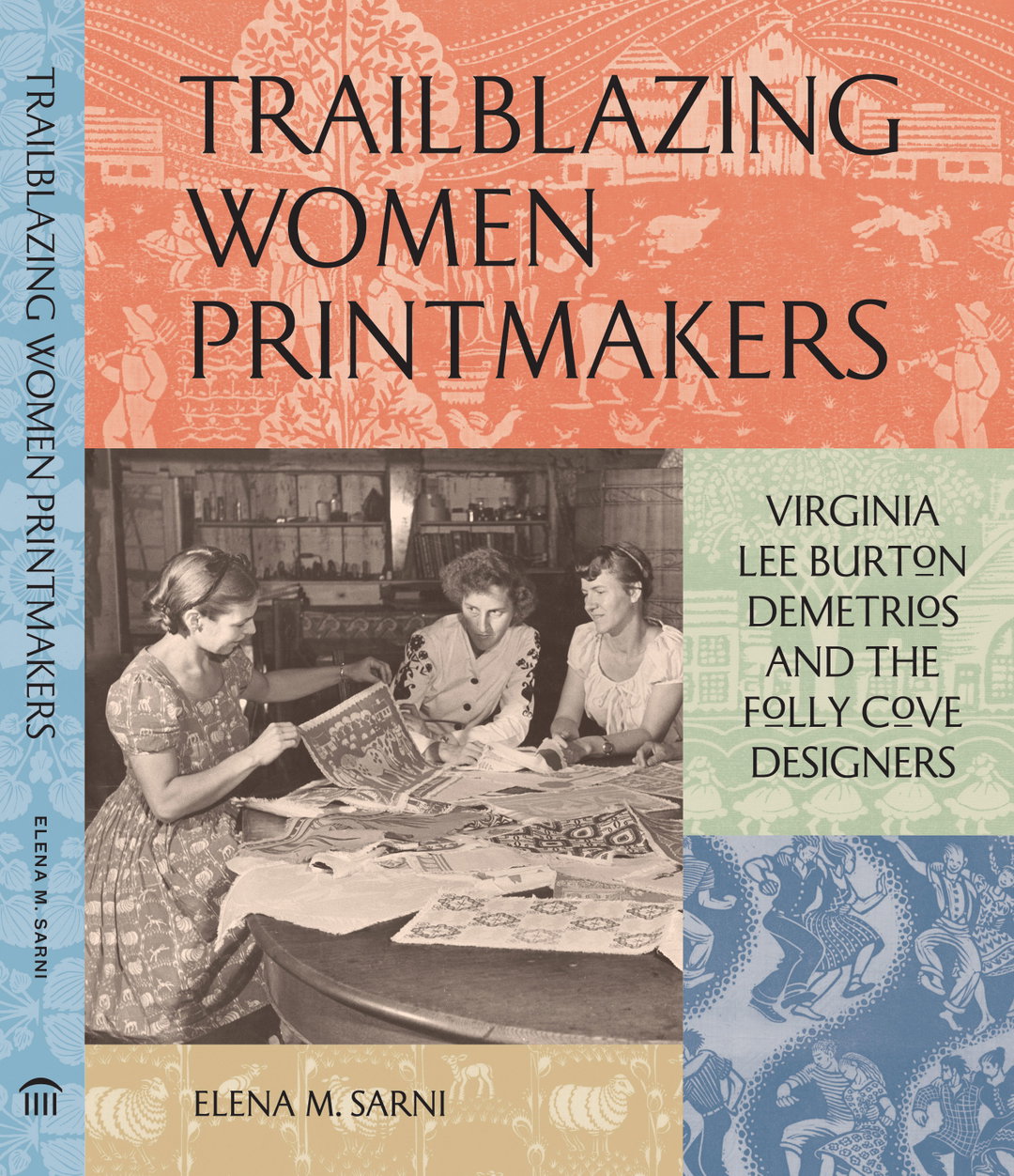
Elena M. Sarni: Trailblazing Women Printmakers: The Folly Cove Designers cover
Mary Maletskos: Barn invite (Photograph by Peter Morse/Courtesy of Ann and Sue Kenyon)
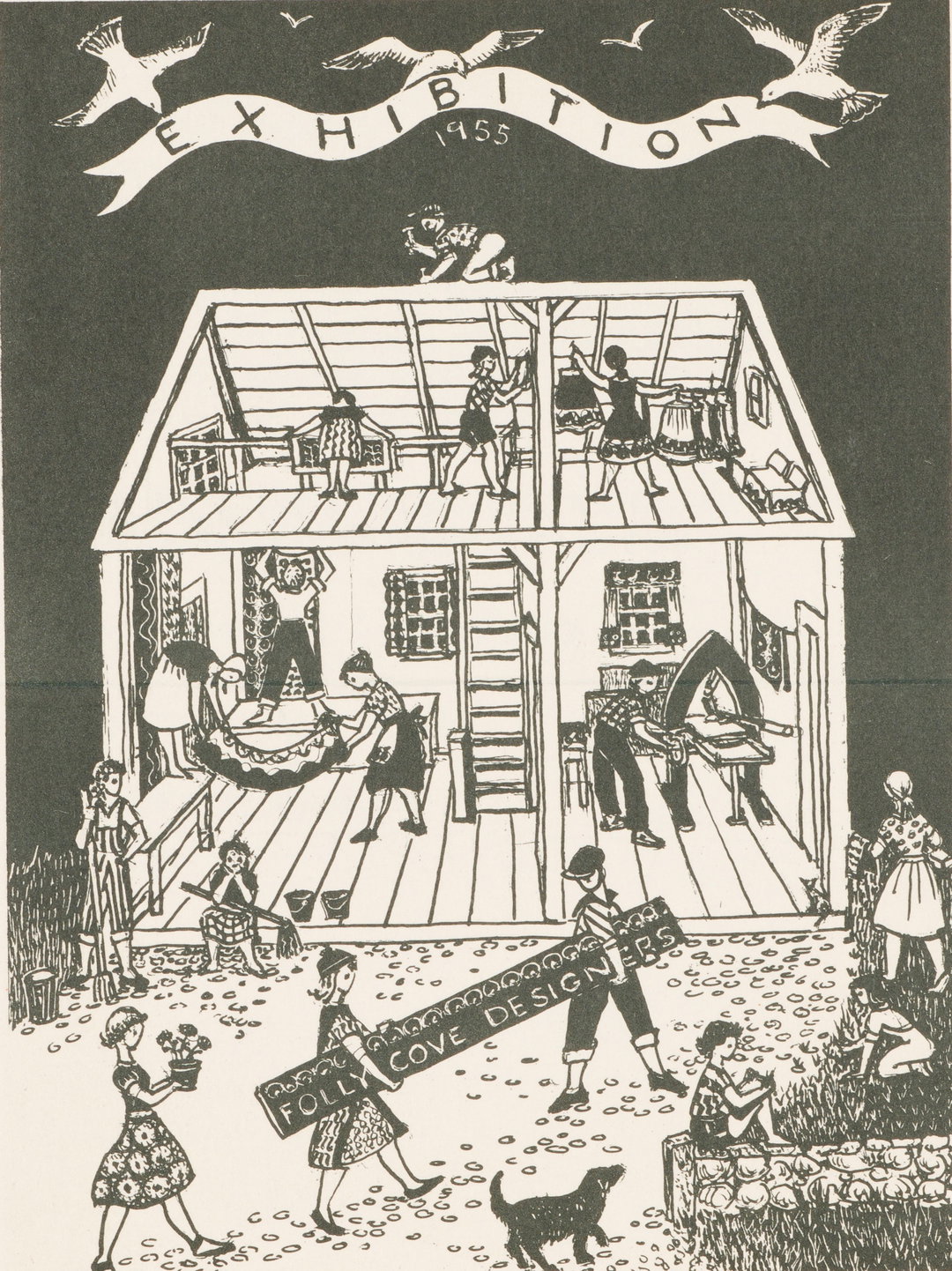
Mary Maletskos: Barn invite (Photograph by Peter Morse/Courtesy of Ann and Sue Kenyon)
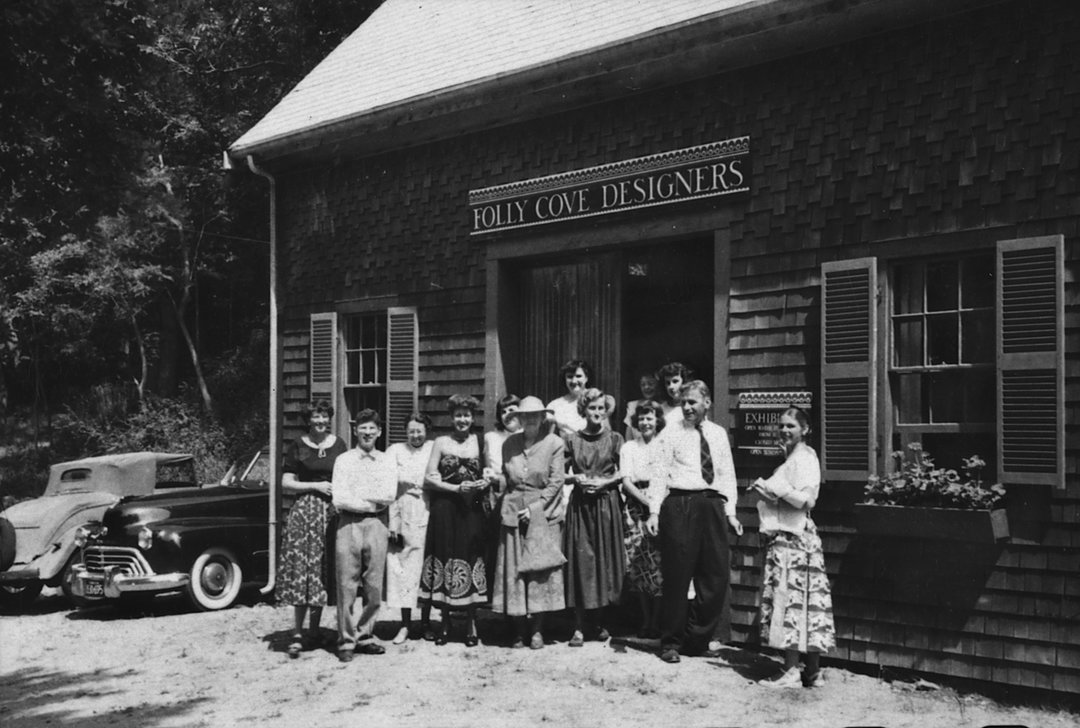
Group portrait of the Folly Cove Designers (Courtesy of Cape Ann Museum)
Hero Header
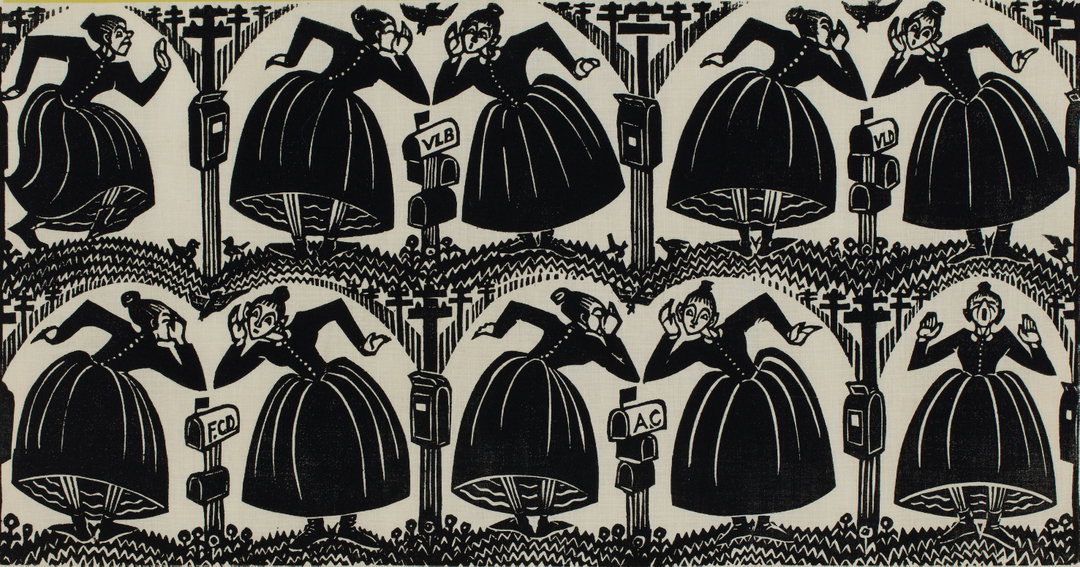
Virginia Lee Burton Demetrios: Gossips (Photograph by Gary Lowell/Courtesy of Alex and Angela Subach)
Share Article
About the Author
—
Jenny oversees editorial output across It’s Nice That. Get in touch with writing pitches for features or opinion pieces, big creative story tips, or questions about all things editorial. jb@itsnicethat.com
To submit your work to be featured on the site, please see our Submissions Guide.