Painter Julie Curtiss explores the representation of women in art history
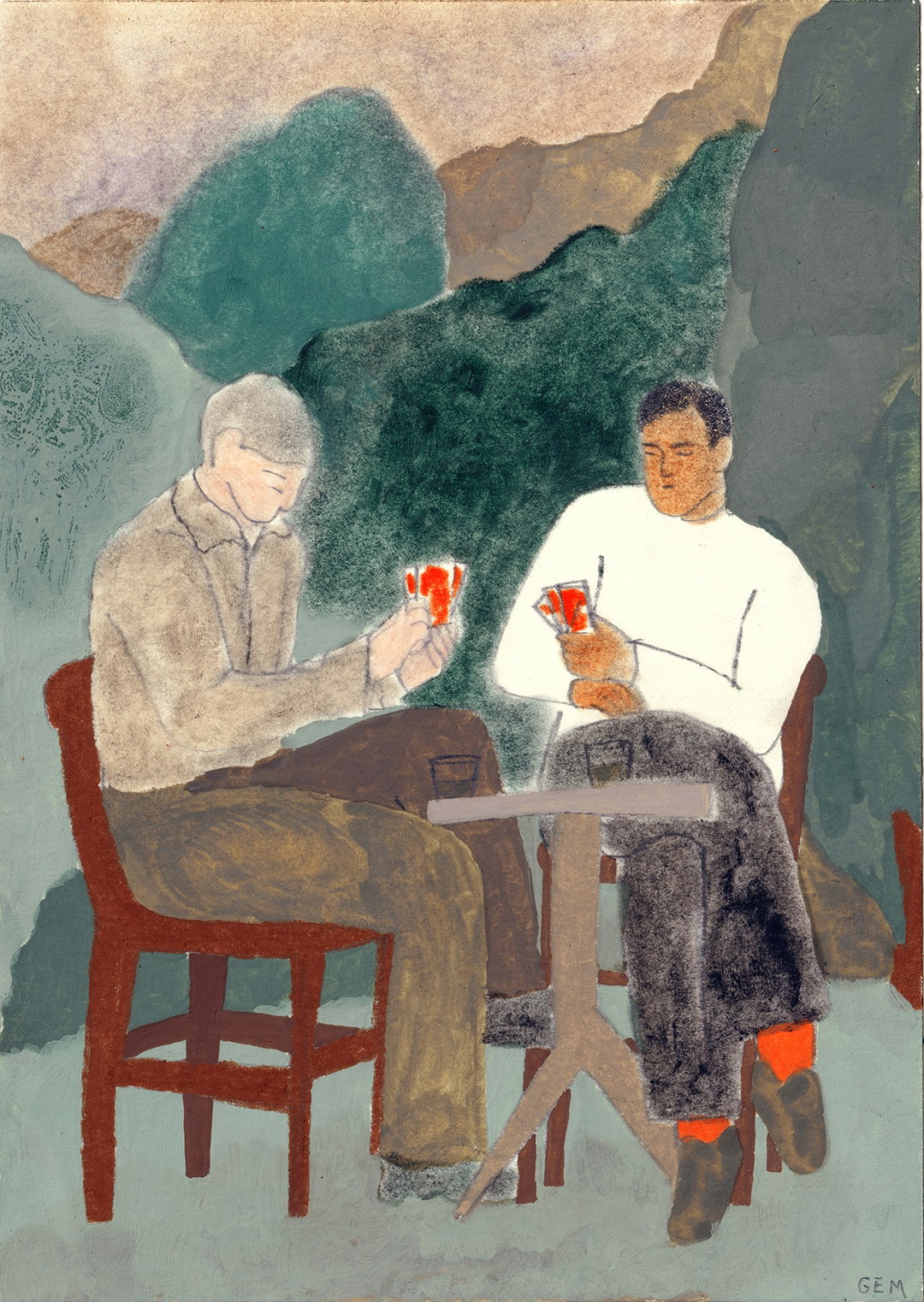
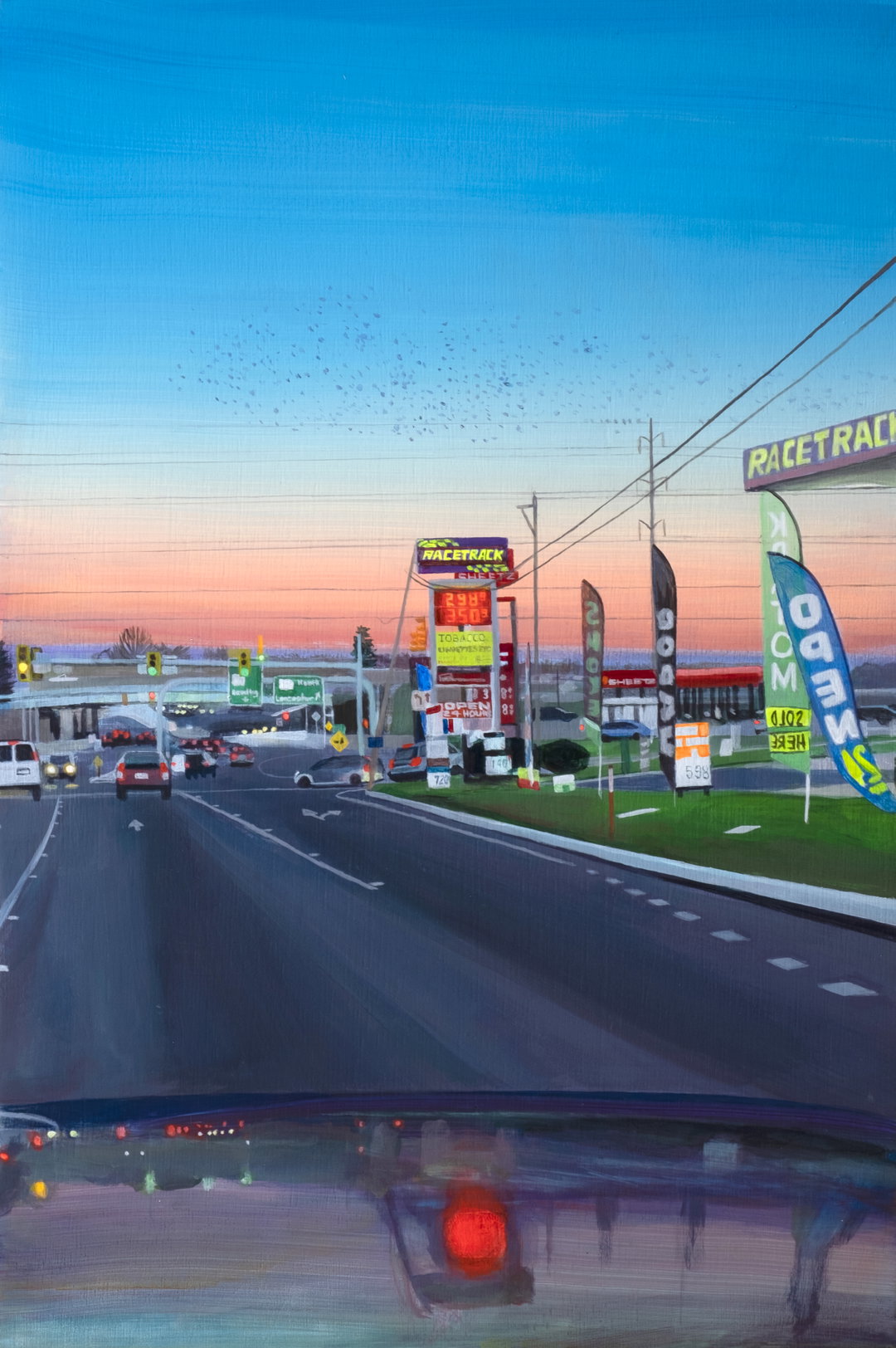
“If the Chicago imagists and the surrealists had a baby, I think it would look a little like my work,” says Brookyln-based painter Julie Curtiss of her style. Working with a vivid colour palette between oils, acrylics, vinyl and gouache on paper, she explores themes of culture, nature and female-focused art narratives.
Growing up in Paris to a Vietnamese father and French mother, Julie filled her days with drawing. This pastime soon became a cathartic process she used to deal with the anxiety and fears of adolescence. “It may sound cliché but I really had a rough time during those years,” she tells It’s Nice That. However, her interest in the arts later became more than just a creative outlet for her emotions, as she decided to pursue a career in it. “I thought what I really wanted to do was illustration, but after a year of prep school I quickly understood that painting was for the best way for me to freely express my thoughts.”
Over the years Julie’s style changed drastically as her practice progressed and her dad’s house became a way to track this progression: “My dad has always hung my art on the walls since I was a kid and it’s everywhere in the house, which is so uncomfortable but so sweet too,” she says fondly. “When I go back home, I get to remember all the phases I went through and witness my search for a personal visual language.”
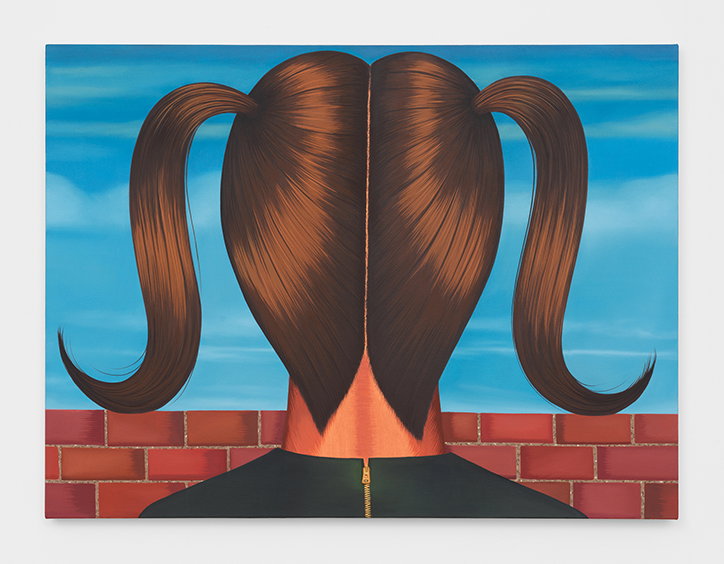
Julie Curtiss: At Tail End
It’s a search that, over time, has seen Julie hone her skills as a painter and establish a strong stylistic identity. “I think my work has become more defined over the years; it use to be sprawled aesthetically, but I have refined my artistic vocabulary in the past few years to make it more specific and unique,” she explains. This is certainly true of her recent work, with its trademark motifs of hair, nails and limbs.
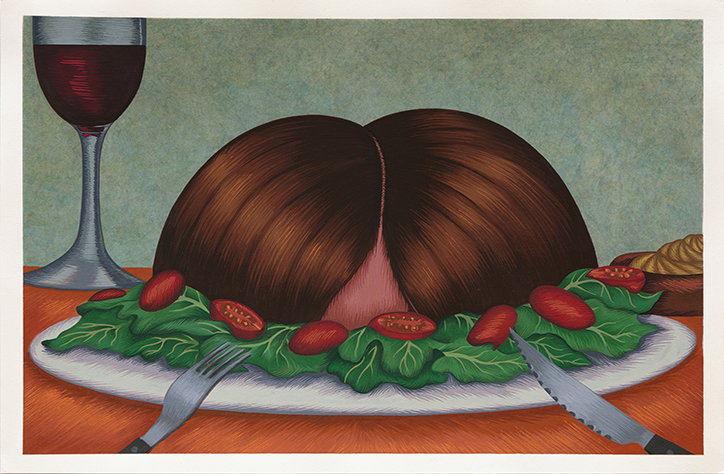
Often mysterious and occasionally grotesque, Julie is consistently intrigued not just by the female figure, but by the female experience too. “I am fascinated by female archetypes and their representations throughout art history,” she says. Reoccurring focal points on hair in her paintings investigate its position in society and how if it’s worn by women on their head, it is a crown, but anywhere else on their body and it is an eyesore.
Her own position as a woman in the art world is also a source of interest and frustration to Julie, who insists that female art, along with black art and transgender art, should not be viewed as a way to box up and label her own or others’ work through assigning it a genre:“I understand there is a common effort to democratise the art world and shed light upon under-represented artists at the moment,” she says. “However, for me, artists being labelled according to social groups could be more damaging than helpful.”
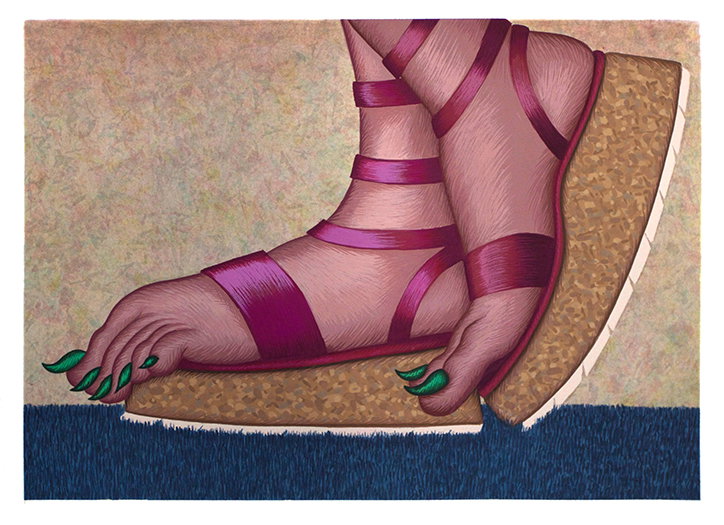
Julie Curtiss: Leaky Toes
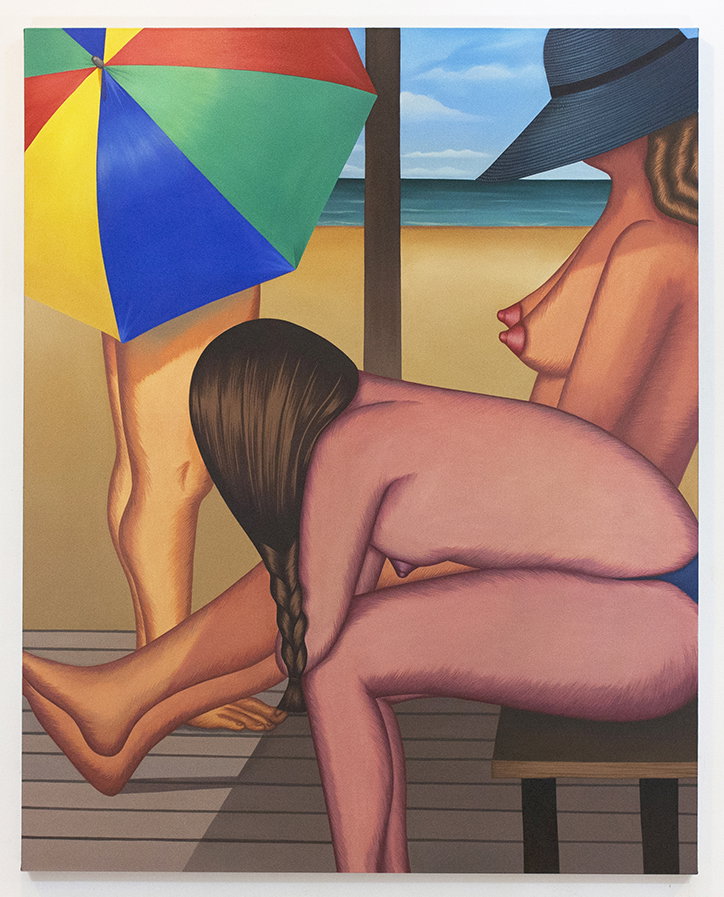
Julie Curtiss: Beach Trip
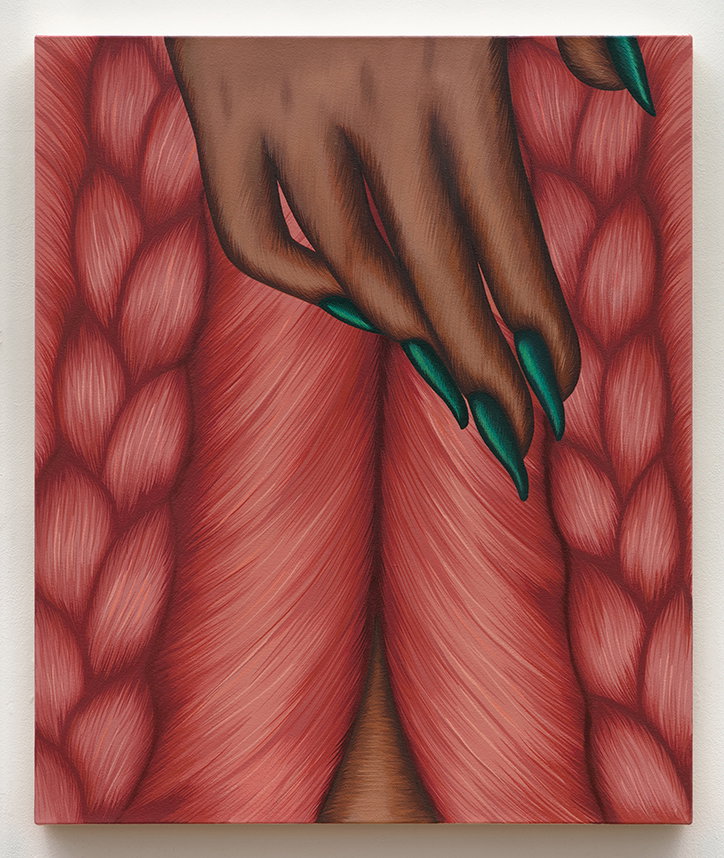
Julie Curtiss: Caress
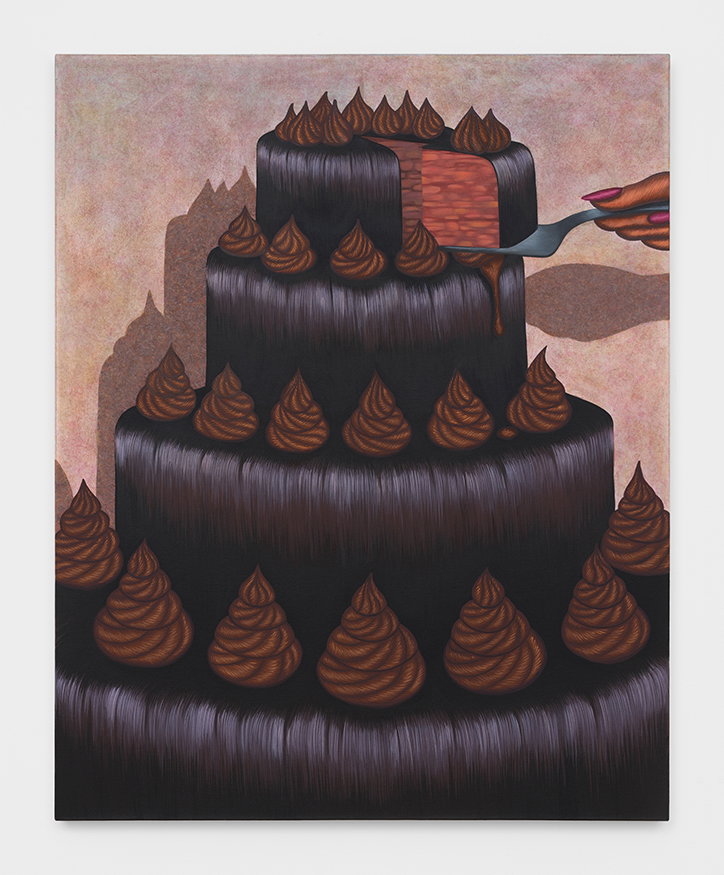
Julie Curtiss: Piece of Cake
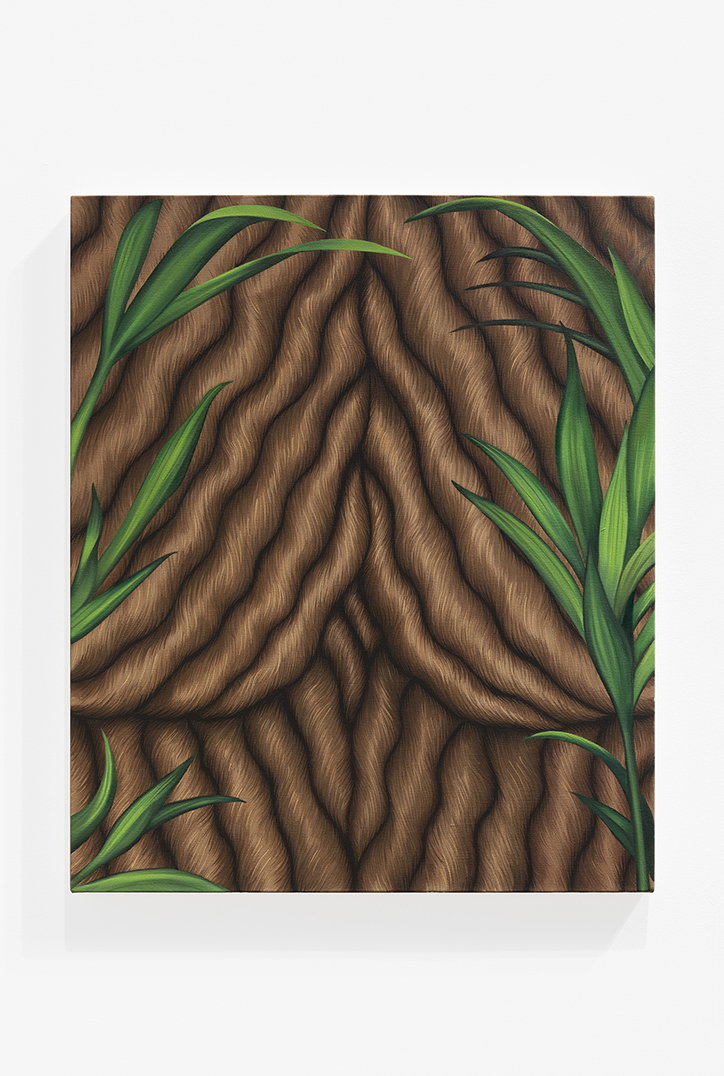
Julie Curtiss: Coil Small
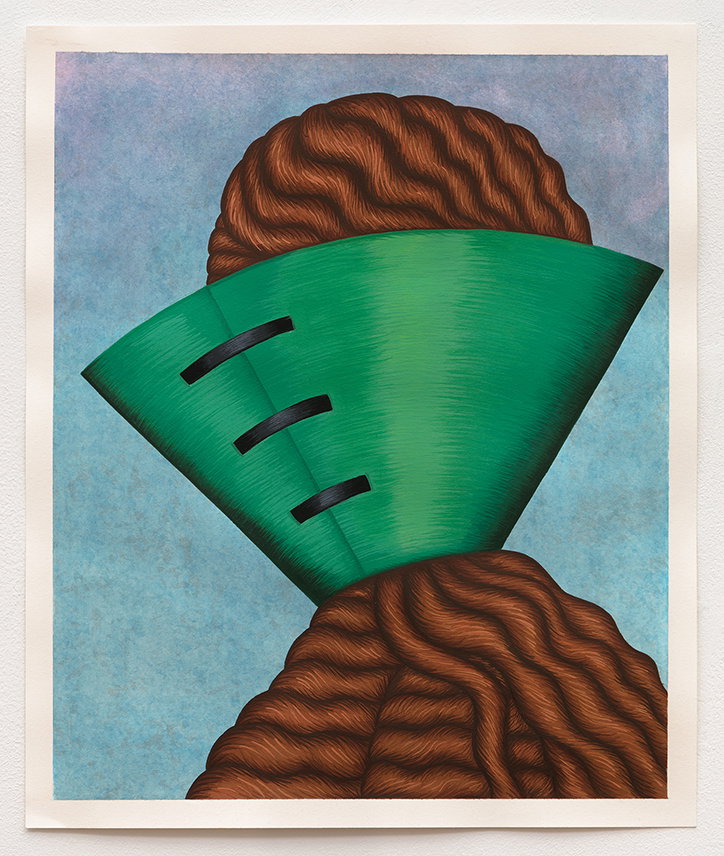
Julie Curtiss: Collar of Shame
Share Article
Further Info
About the Author
—
Daniel joined It’s Nice That as an editorial assistant in February 2019 and continues to work with us on a freelance basis. He graduated from Kingston University with a degree in Journalism in 2015. He is also co-founder and editor of SWIM, an annual art and photography publication.