Balam is a contemporary photography magazine championing Latin American artists
The latest issue, the second one to appear in print, challenges perceptions of established beauty and aims to spark conversations about patriarchal white heteronormativity.
Share
Luis Juárez became interested in photography at a very early age. Growing up in Honduras, his father always had a camera on him, documenting his son’s childhood. At 14, the young Luis attended his first photography workshop and the following year was selected for a photography contest organised by the Museum for National Identity in Honduras. “I didn’t understand what it meant,” he recalls today, “but seeing my photograph on a wall along with other works, being seen by other people, excited me.”
Like so many creatives, he was guided towards a more stable yet less artistically fulfilling career, moving to Buenos Aires to study advertising. Although he wasn’t particularly interested in the subject, the new city offered a fresh start. “The experience of changing cities was the escape that allowed me to find my identity,” he says. “In Buenos Aires, I was able to develop freely and start meeting artists and photographers with different points of view from the ones I’d known in Honduras.” Soon afterwards Luis started organising group shows in galleries and cultural spaces across the city.
Today Luis is a key player in Buenos Aires’ art and culture scene as the founder of MIGRA, the city’s Art Book Fair, and INFO, the Buenos Aires Independent Art Photography Fair. He is also the founder of a truly brilliant magazine: Balam. Luis describes it as “a contemporary photography magazine that speaks about and shows issues related to minorities and dissent through its open call, where we receive applications from emerging and established artists around the world”. The majority of these artists are from Latin America, so the magazine is a powerful showcase of the region’s photography talent.
While it started as a digital publication in 2015, two years ago Balam made the leap into print with its fifth issue, under the theme of Metamorphosis. Now, Luis and his team are releasing issue six with a new and intriguing theme: Mestizx. With its open call, the magazine explained the thinking behind this theme: “We see individuals as mixed beings, mestizx in blood, skin, inspiration and gender. We would like to ask in what ways you see our generation as mestizx. This issue seeks to empower the concept of mestizx and all those working with it.”
Explaining this statement in more detail, Luis says he wanted to create a magazine that would “unleash a kind of excitement” and “mobilise us, or at least endure in the memory of a generation that manifests in its identity and gender determination an act of freedom and of resistance”. From the submissions, over 100 artists were eventually selected, whose work challenges what Luis terms a “world dominated and repressed by the heterosexual norm”.
GalleryBalam magazine
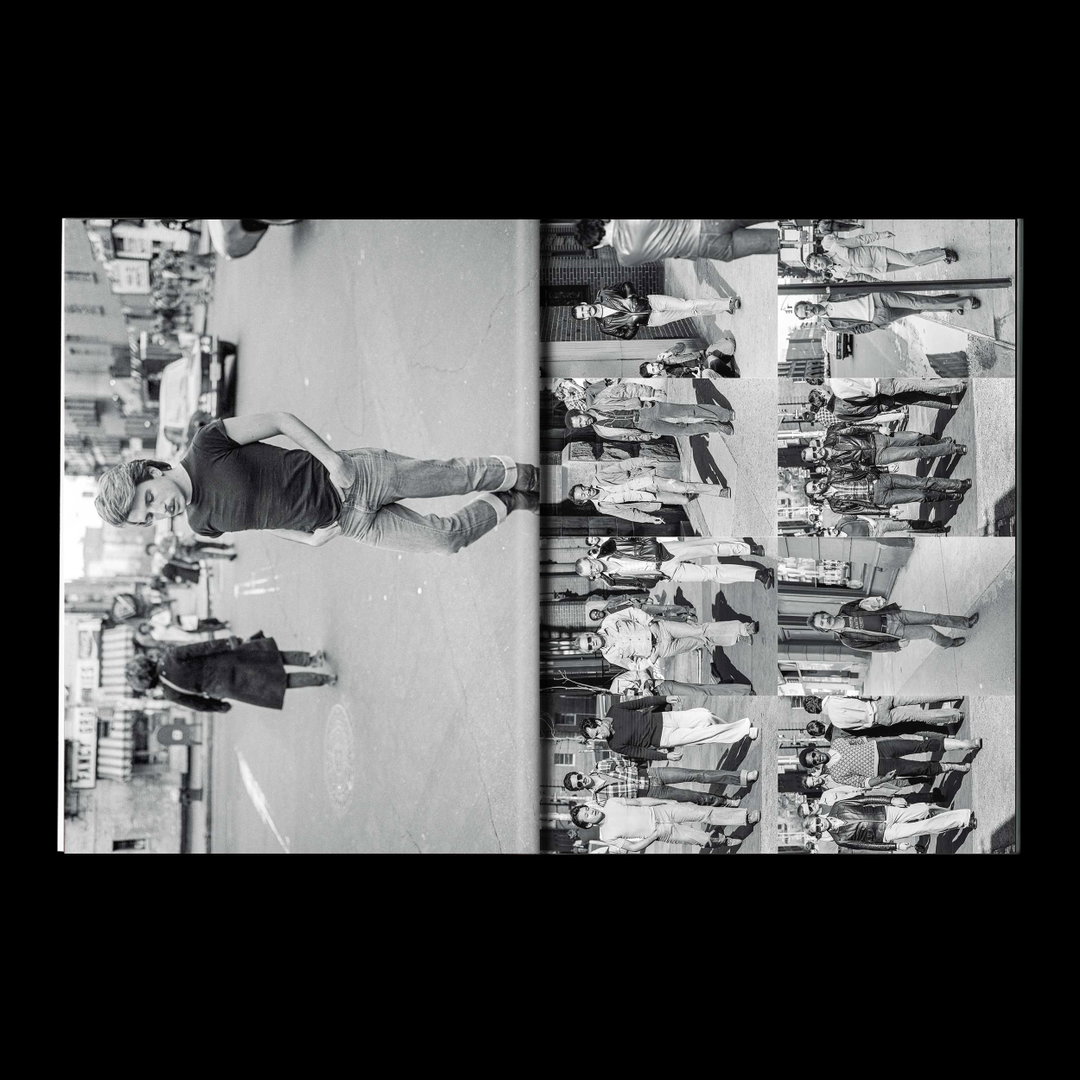
Sunil Gupta
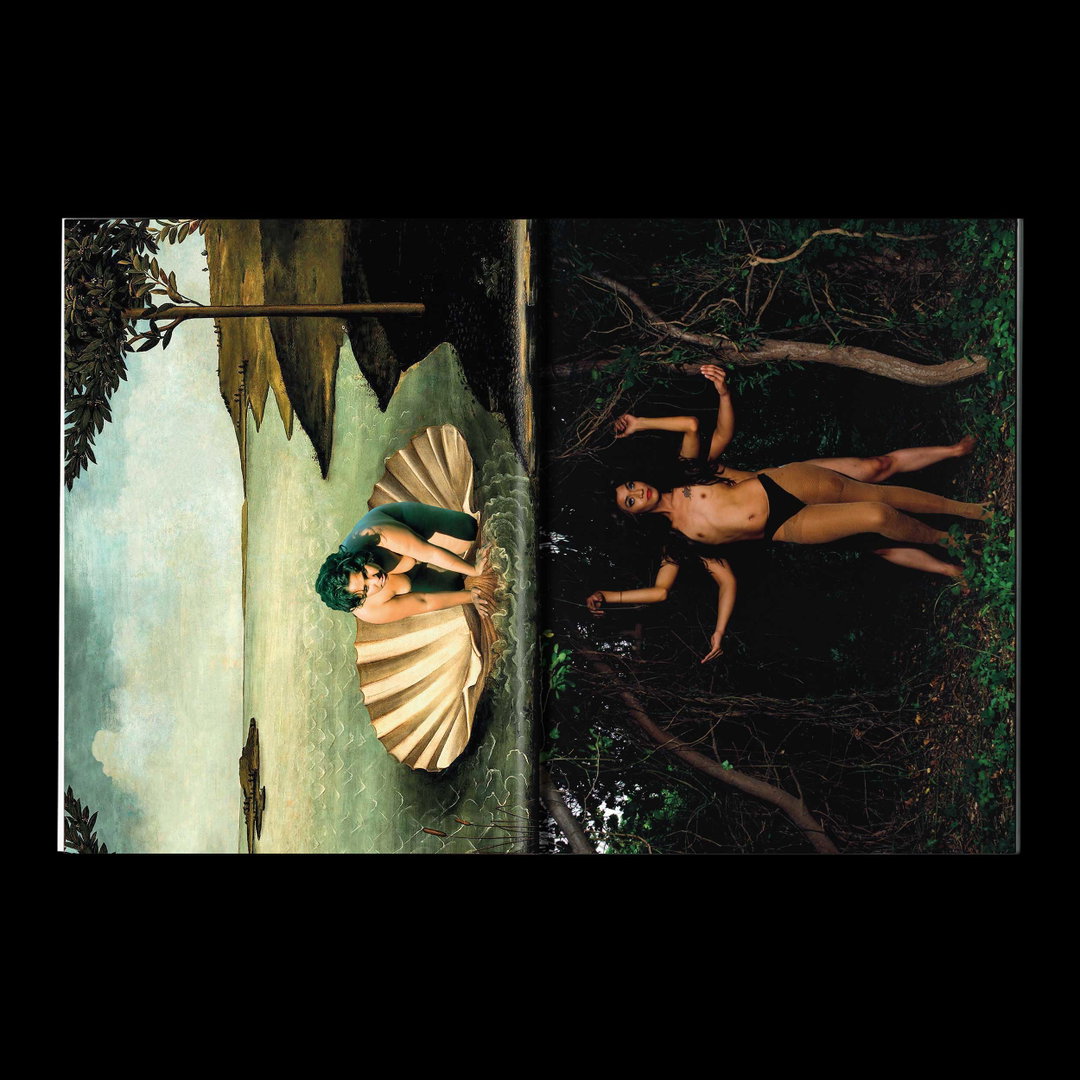
Left: Carol Espindola, Right: Nelson Morales
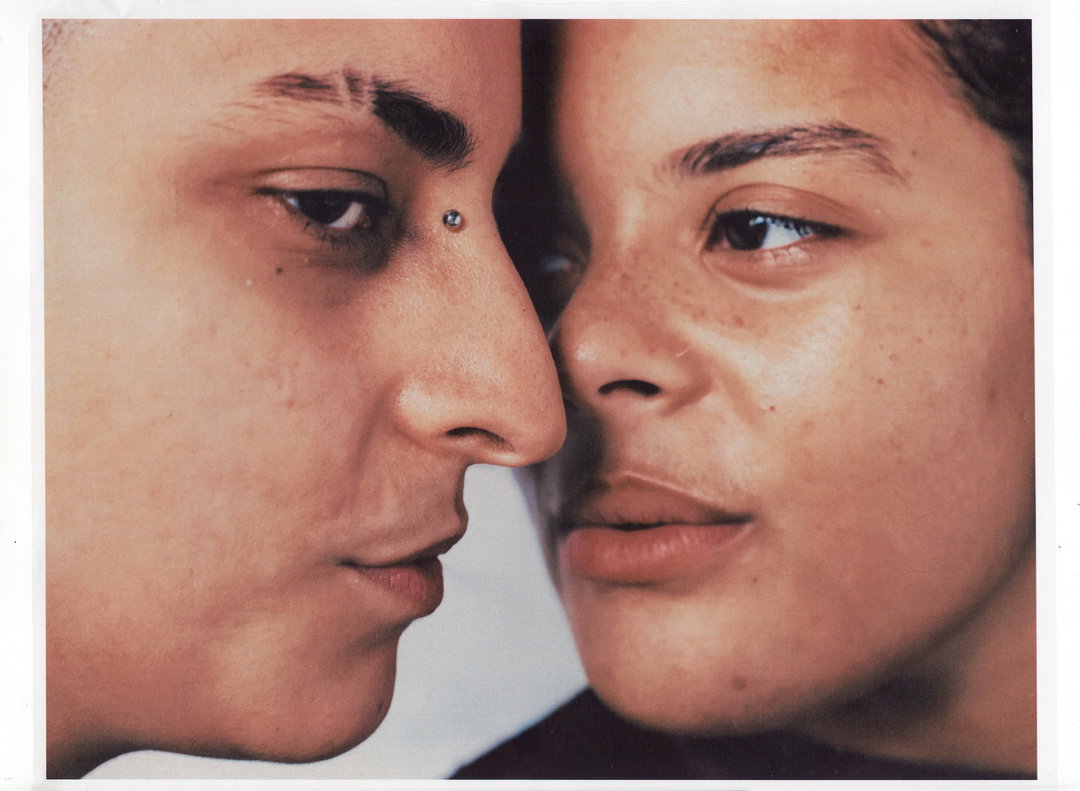
Looking through issue six of Balam, there are countless spreads that take your breath away, both with the quality of their images and the curation and juxtapositions. One of Luis’ favourite spreads pairs a photo by Carol Espindola with one by Nelson Morales, both Mexican photographers (see second image above). Both images capture themes surrounding “the body, identity and the roles of Mexican people in relation to the inequality of life experienced in the country,” Luis says.
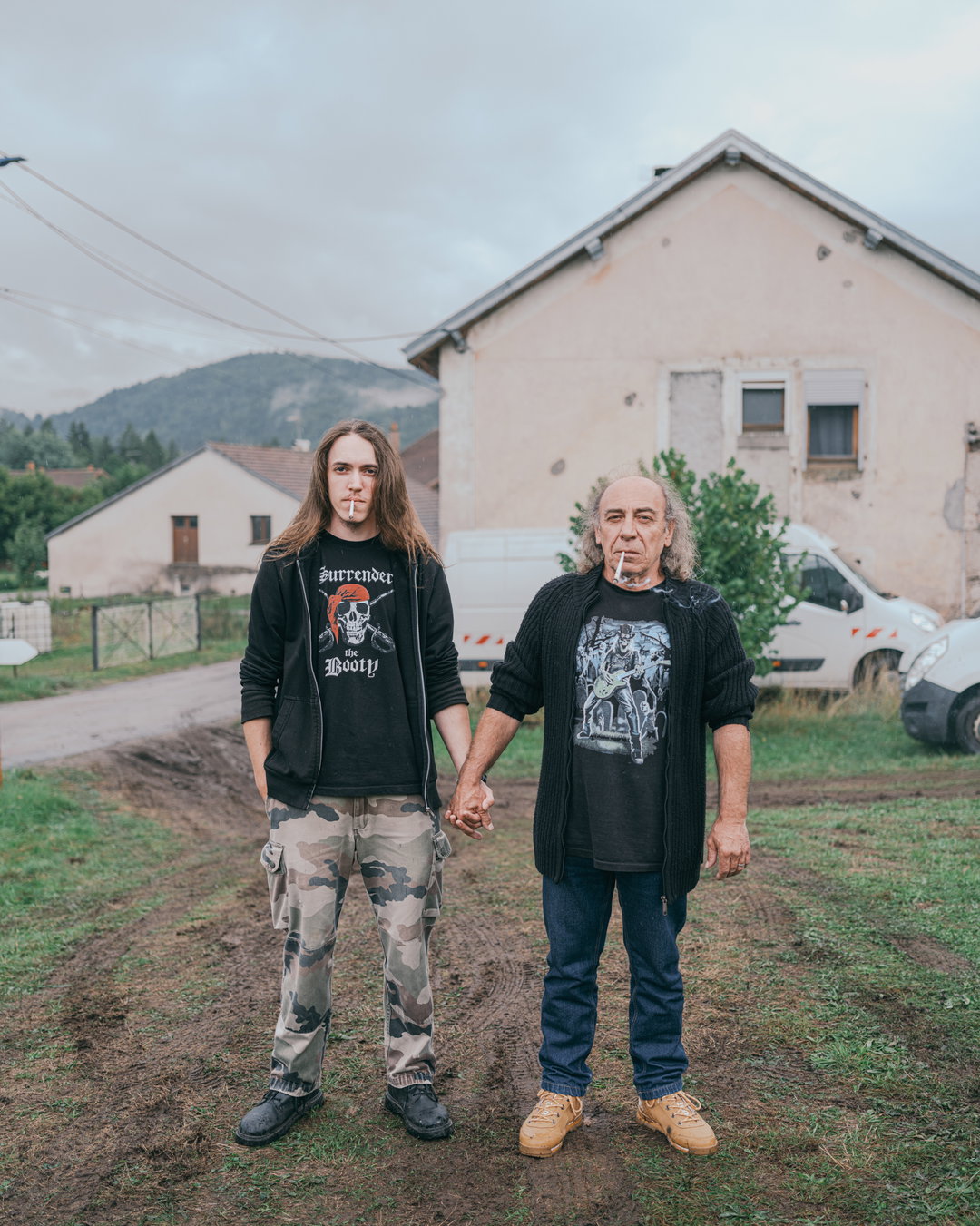
Another spread he loves depicts two images from Sunil Gupta’s 1976 series, Christopher Street (first image above). “This series is an investigation of Sunil searching and portraying homosexuals walking Christopher Street in New York City, where he shows us what the gay community was like at that time after Stonewall and before AIDS,” Luis explains. “The images represent the liberation of a movement and above all are affirmations of how beautiful and important it is to be homosexual. Nostalgic and iconic images from a very important moment in Gupta’s and LGBT+ history.”
Luis is clear that he wants Balam to be an object that lasts over time. “Leaving the traditional way of making ‘fast’ magazines, our objective is to generate a kind of photobook-magazine and thus be able to give formal value to the work of the photographers in each issue,” he says. The magazine was made in collaboration with Luis’ friend Verónica Fieiras, an editor and book maker, and designed by Lamasburgariotti Studio (whose work we wrote about in 2018).
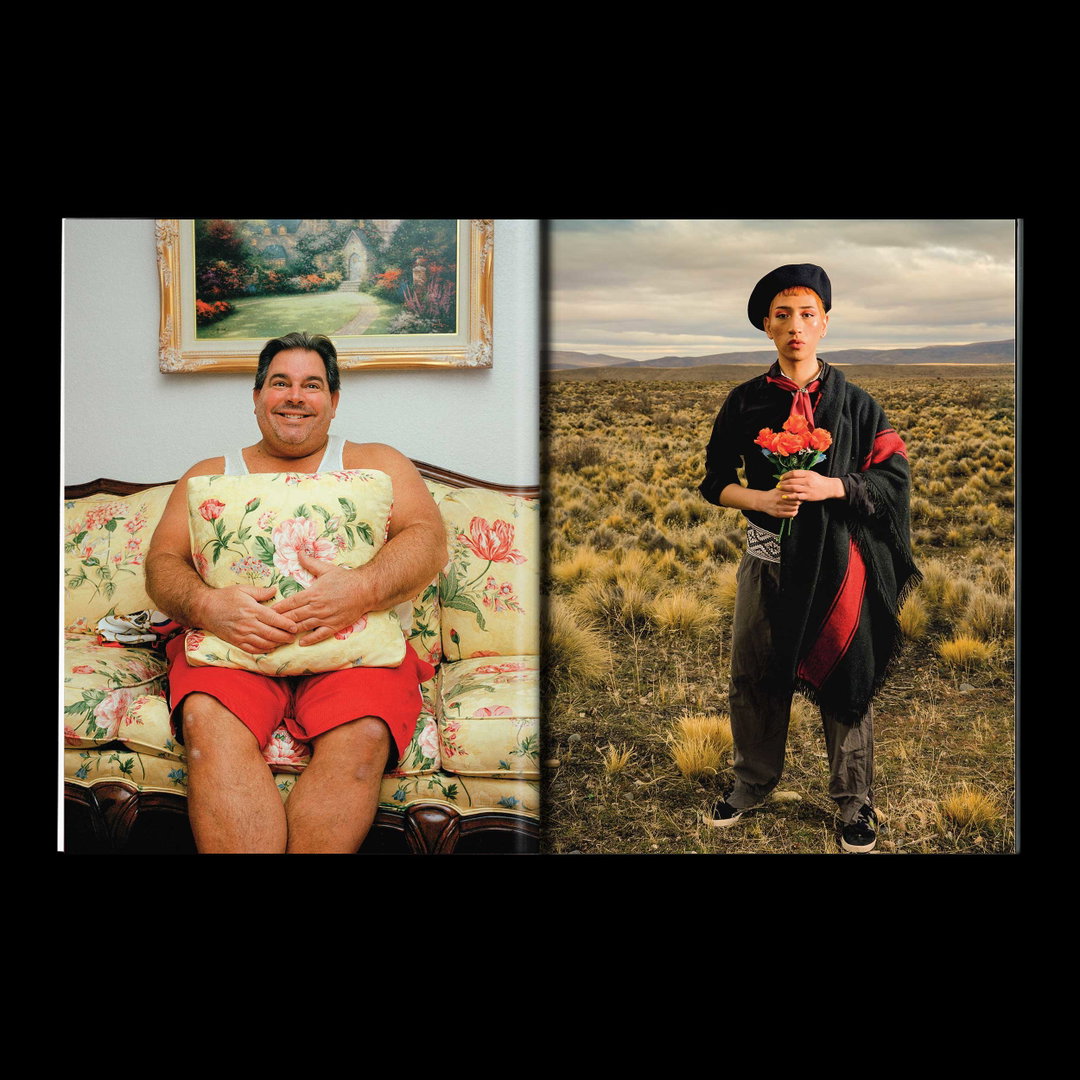
The concept of Mestizx was also applied to the magazine’s design, which seeks to mix and intertwine all the works in a free-flowing way. “The idea was to get out of the static and have a kind of a party inside this edition,” says Luis. “In the end, the images play with each other and talk to each other, and this is what we wanted to reflect.” At the same time, he says, all of the images in a way look to “challenge perceptions of established hegemonic beauty” and “generate a conversation with the viewer about the eye colonised by patriarchal white heteronormativity.”
GalleryBalam magazine
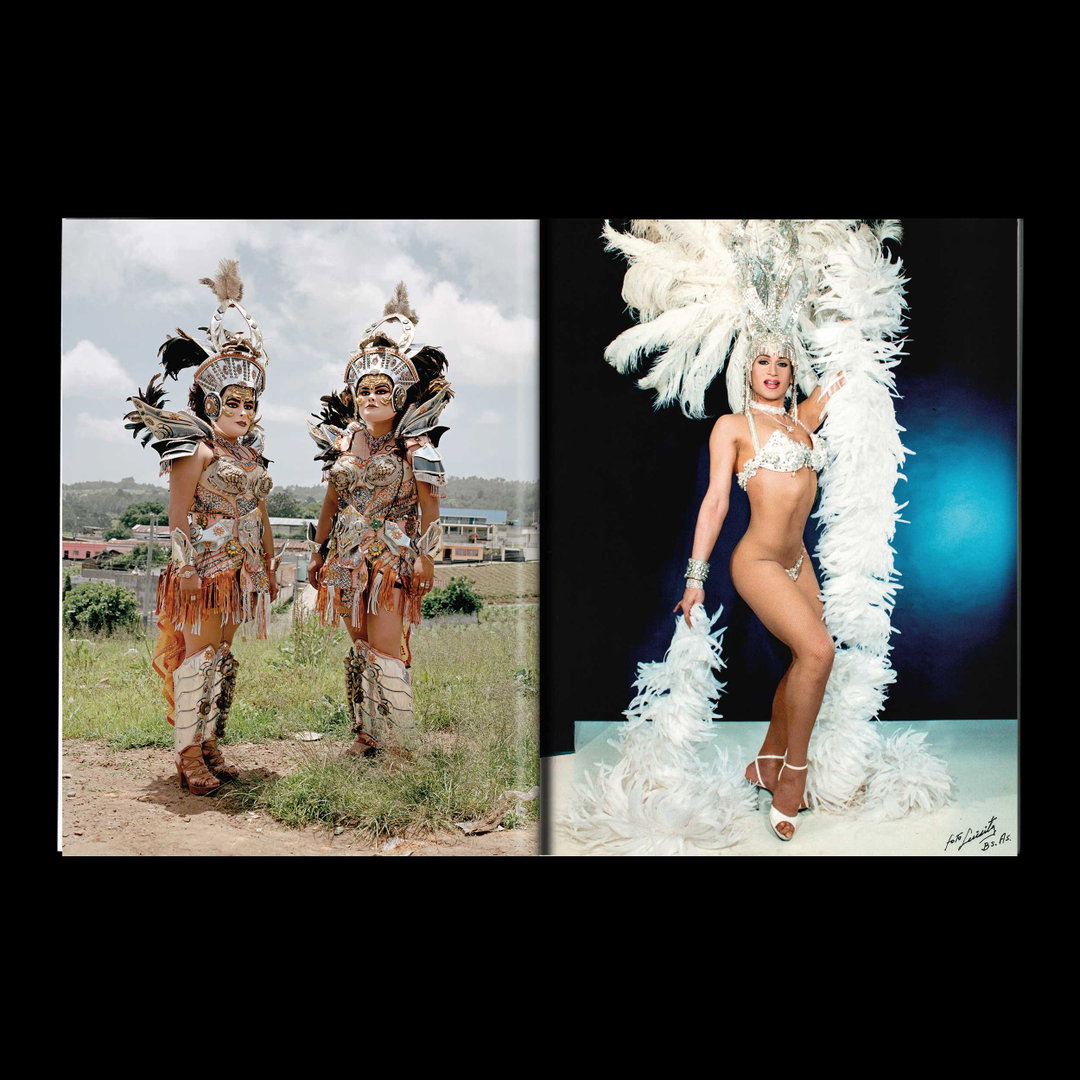
Left: Juan Brenner, Right: Foto Estudio Luisita
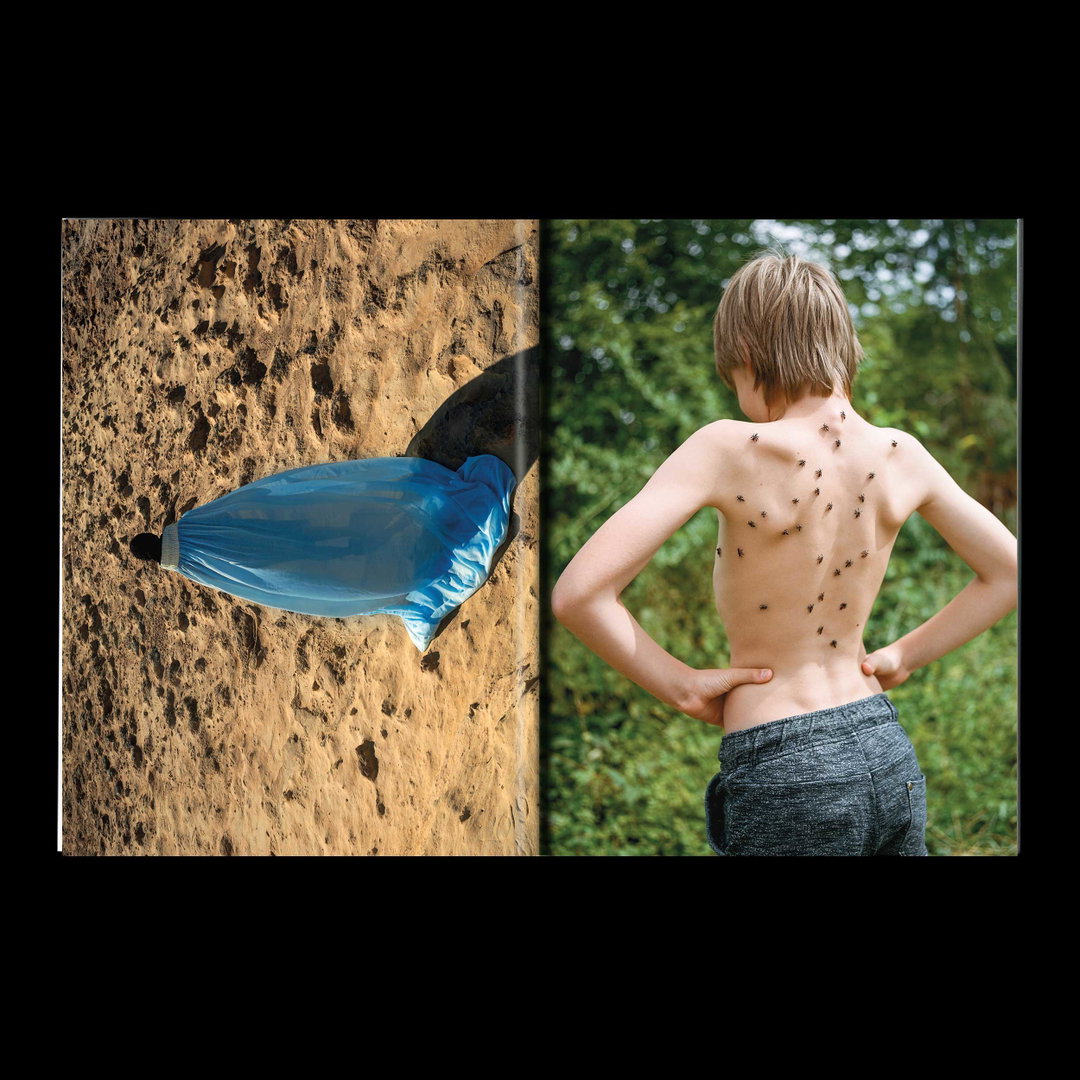
Left: Alessia Rollo, Right: Simon Lehner
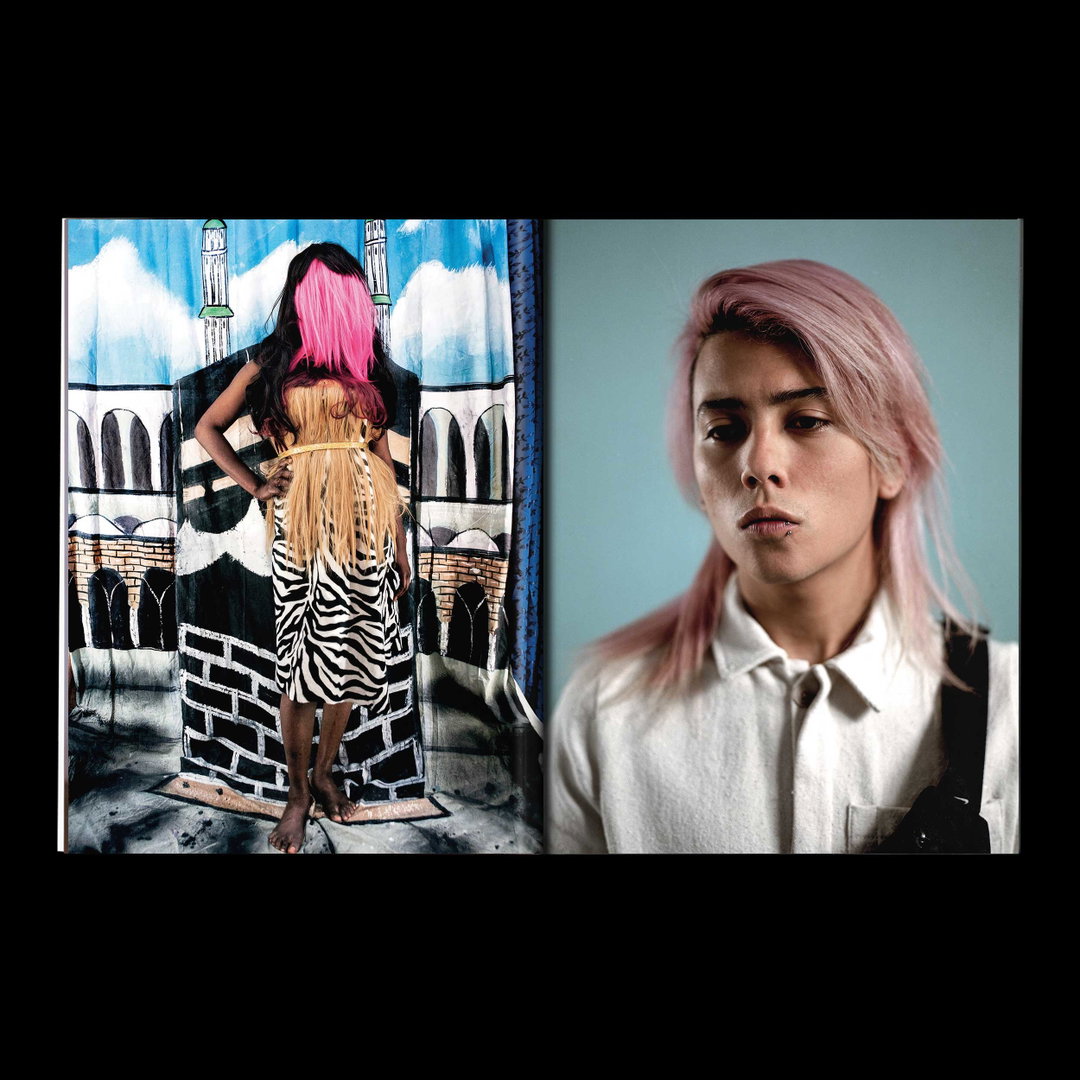
Left: Gloria Oyarzabal, Right: Juan Brenner
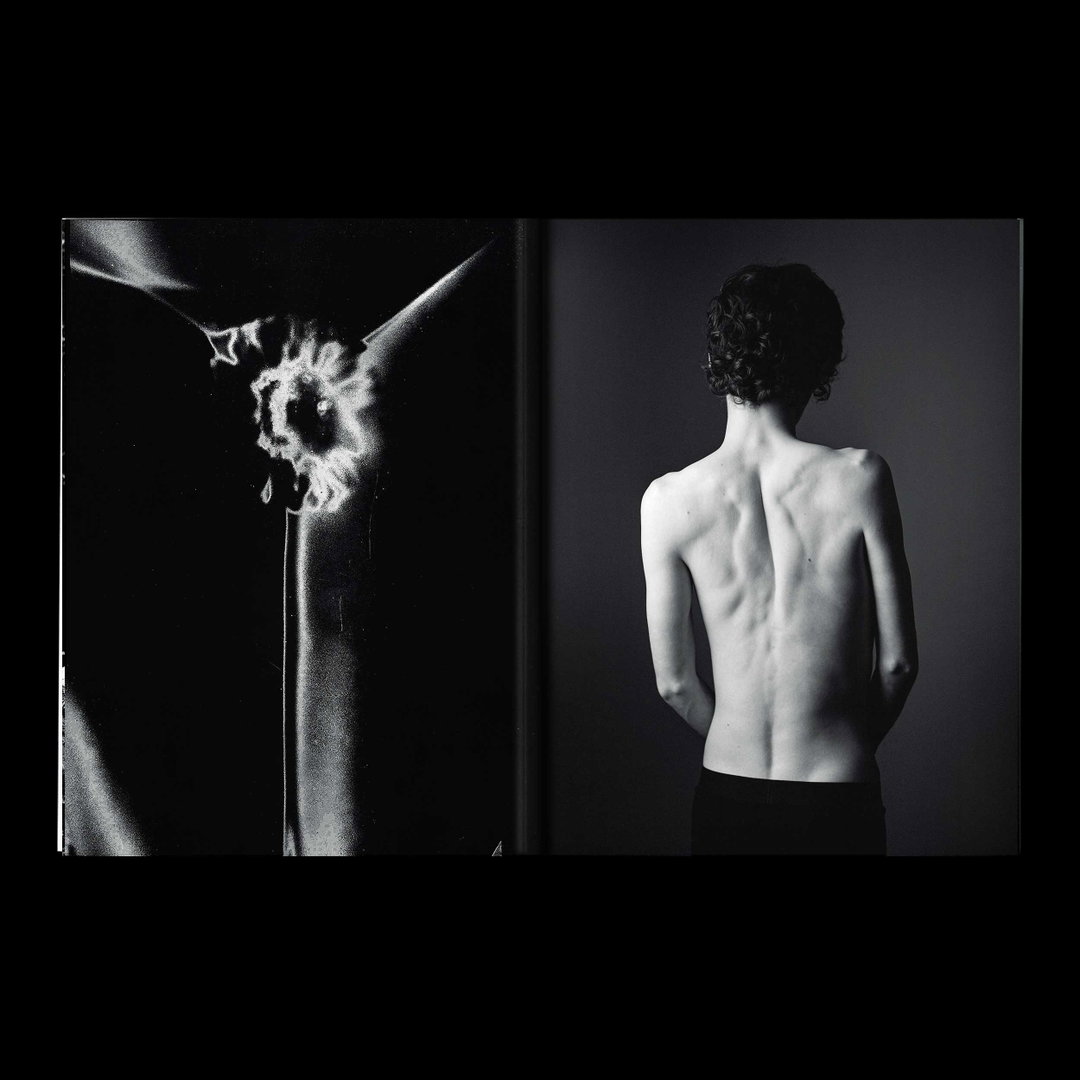
Left: Harshini Karunaratne, Right: Daniel Rampulla
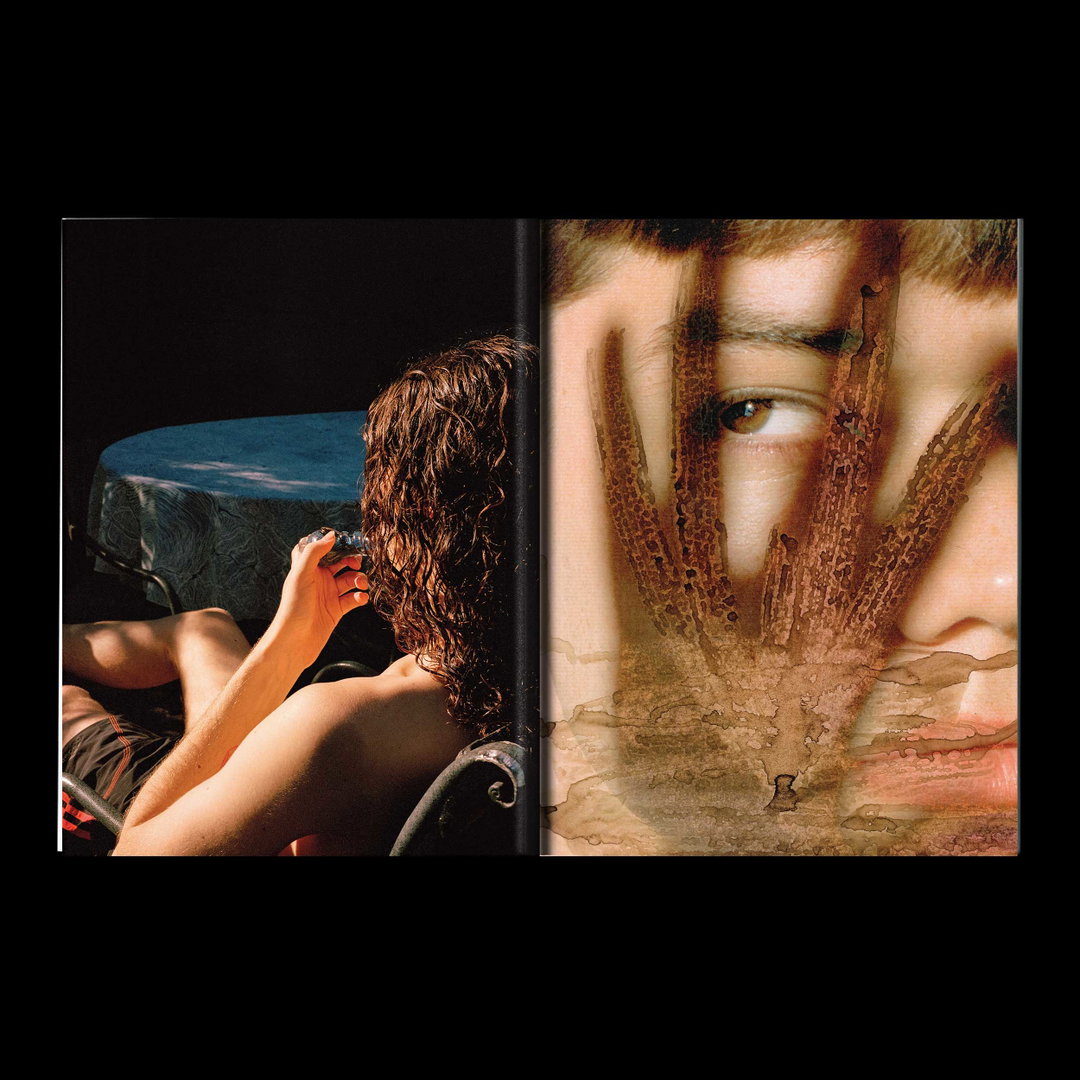
Left: Shaun Lucas, Right: Karla Voleau
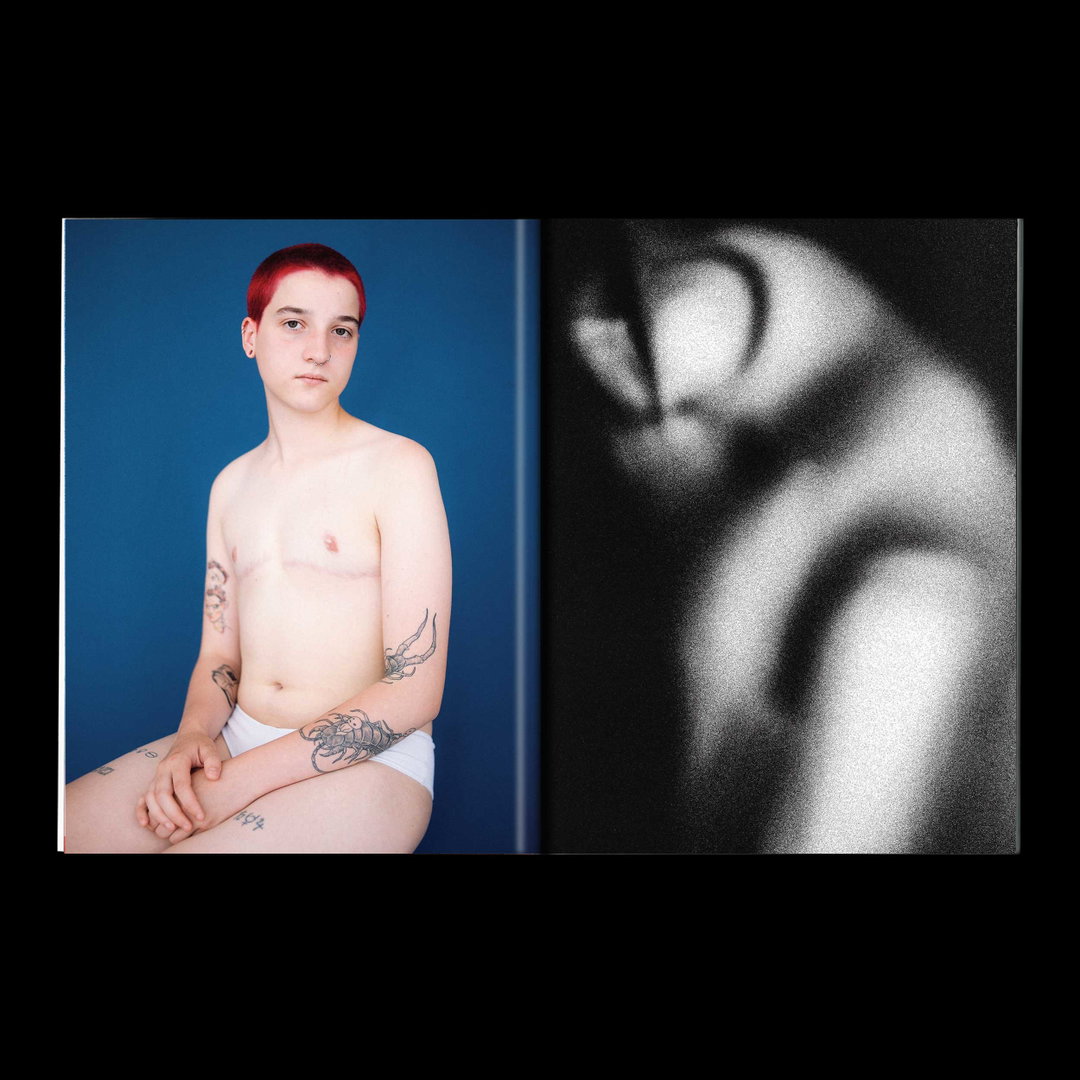
Left: Agostina Valle, Right: Asadur Rahman
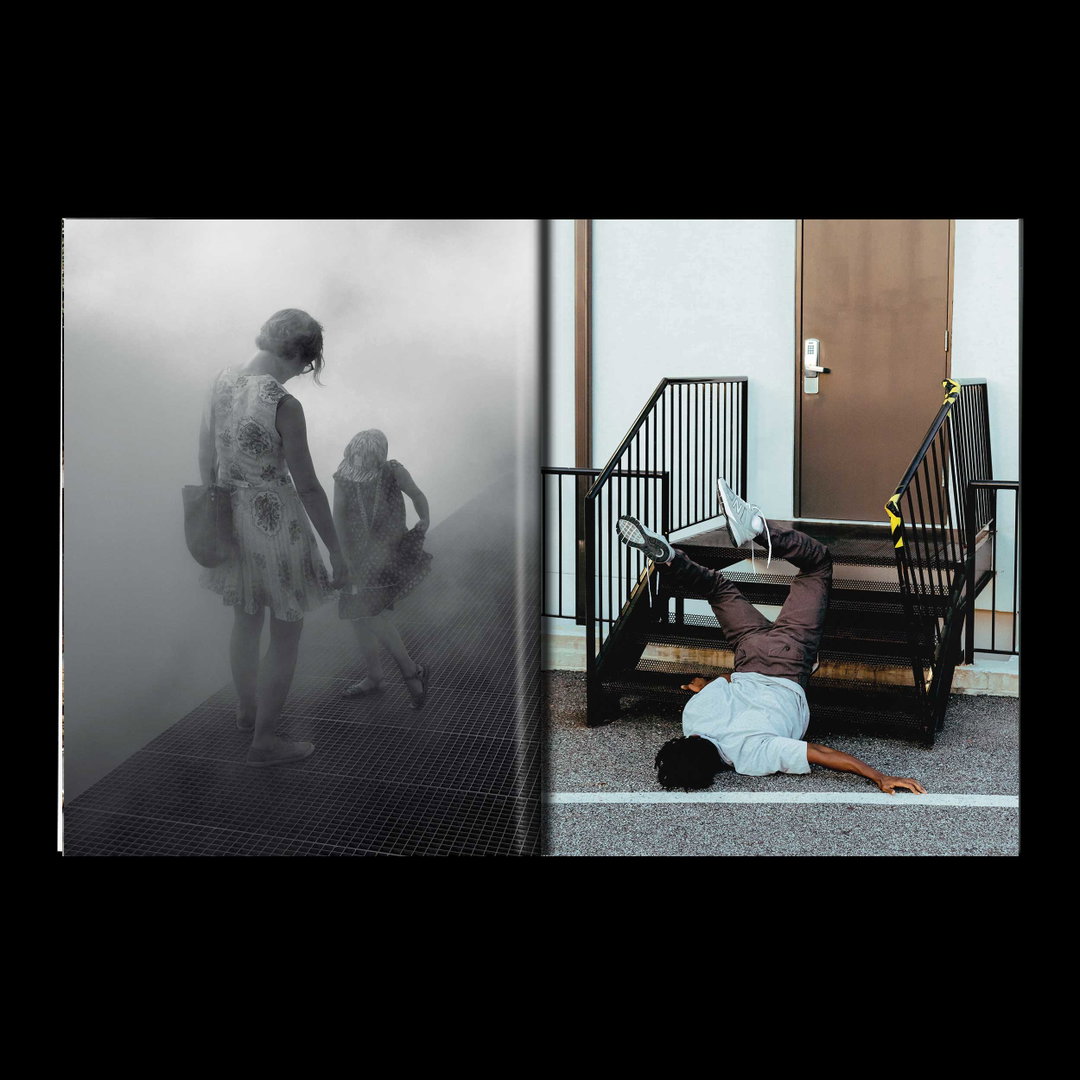
Left: Carlo Rusca, Right: Aaron Ricketts
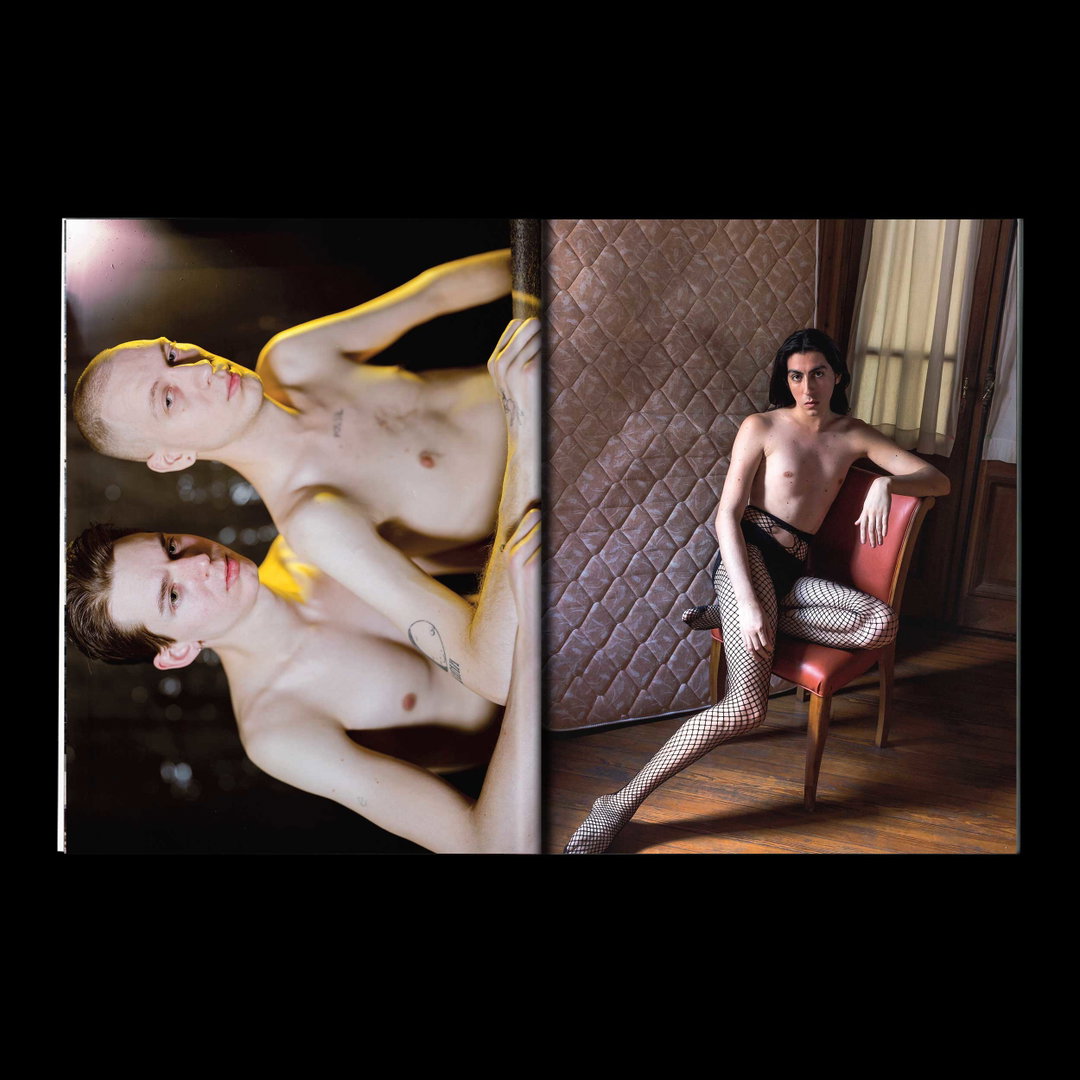
Left: Daniel Rampulla, Right: Diego Nuñez
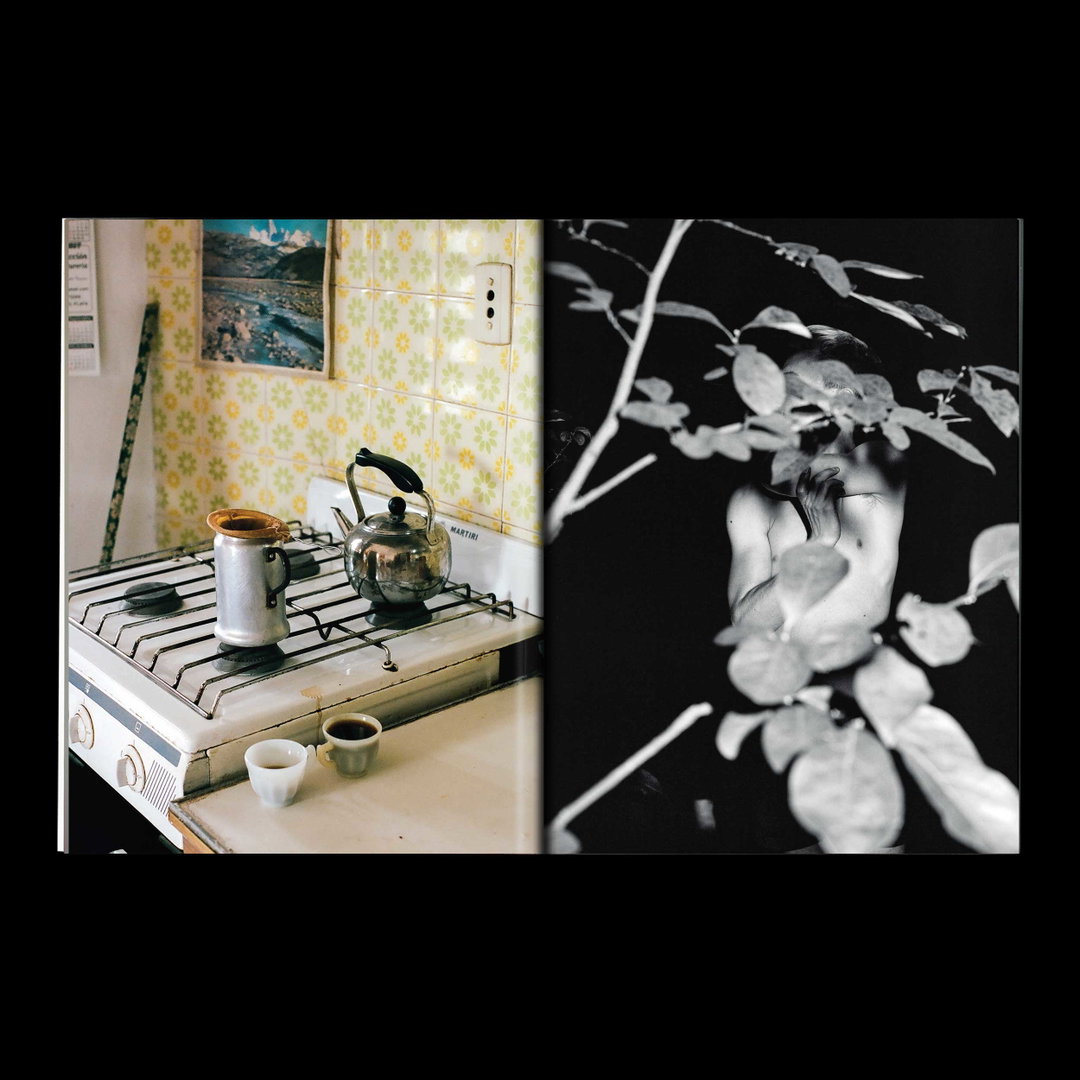
Left: Violeta Capasso, Right: Daniel Rampulla
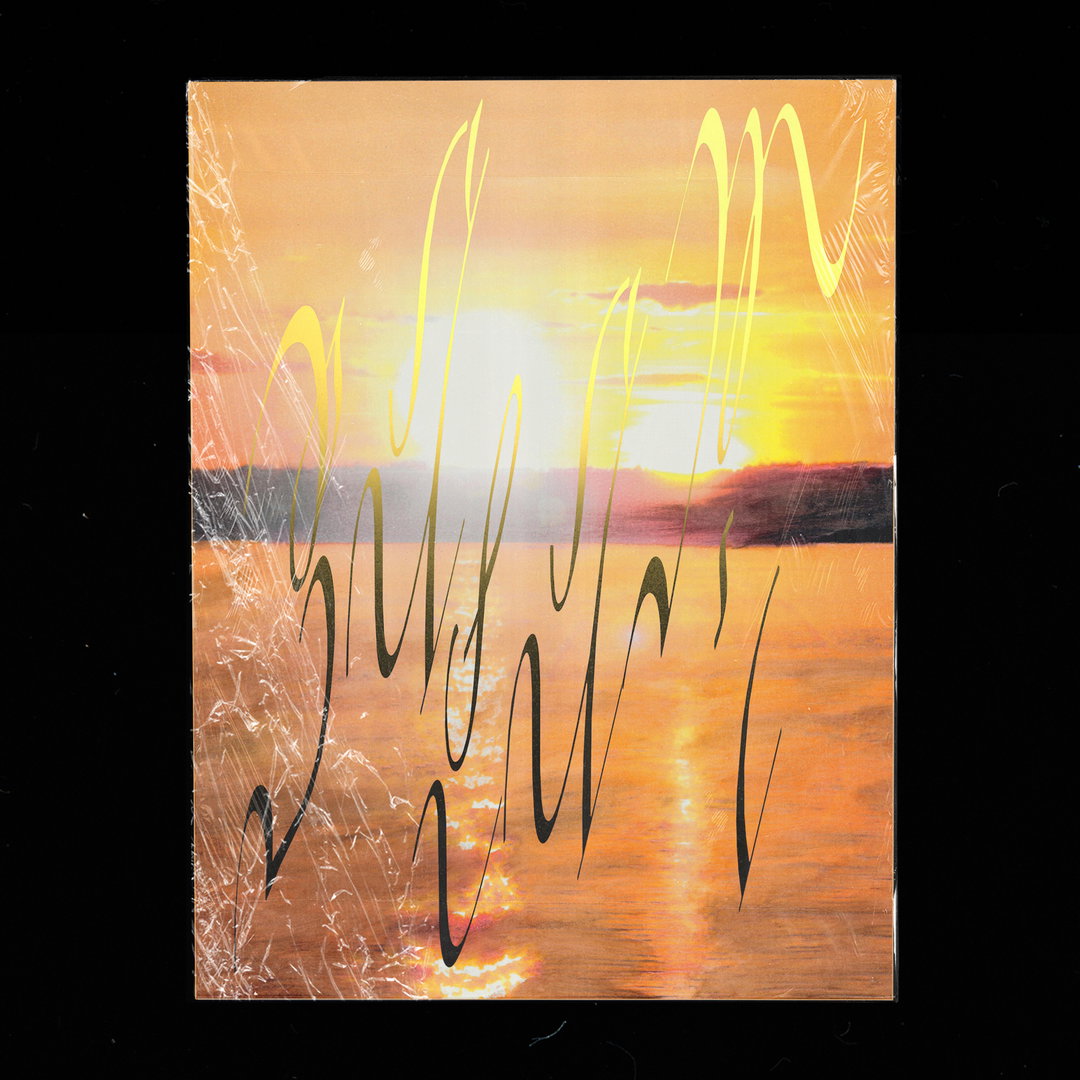
Cover version 2: Gregory Eddi Jones
Hero Header
Left: Shaun Lucas, Right: Andrés Jorgensen
Share Article
Further Info
About the Author
—
Matt joined It’s Nice That as editor in October 2018 and was editor-in-chief in September 2020–2024. He was previously executive editor at Monocle magazine. He is now a freelance writer and editor.