LDF 2012: Wonder cabinets exploring the pan-European design generation
European Union border agreements might not be the most obvious starting point for a design showcase but when you think about it they have been integral to the new generation’s creative education. With such free movement between European countries, designers have been able to absorb different cultures and approaches far more easily than their predecessors, boosted by exchange programmes like Erasmus.
At this year’s London Design Festival Maria Jeglinska and Livia Lauber have invited some of their friends to host a wonder cabinet as part of their exploration of the newly heterogenous creative landscape. “Many of us pursued our education in countries where we did not grow up, many of us work in cities we did not grow up in. This willingness to pursue their passions across borders is linked to their openness and willingness to try novel approaches,” the organisers say.
The show features eight designers of seven different nationalities and acts as a sort of “diary” of Maria and Livia’s travels. “Each cabinet is conceived as an exhibition within the exhibition — an atomized gallery space."
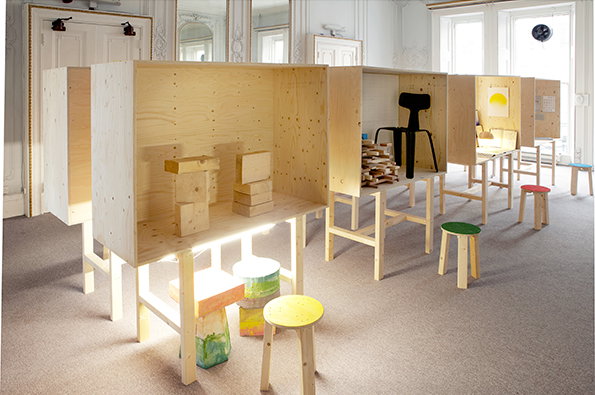
Wonder Cabinets of Europe (photo by Sam Scott-Hunter)
“We hope that the cabinets provided the designers with an opportunity for introspection, stimulating them to reflect upon their own praxis and the driving elements behind their approaches. Interestingly, each “wonder designer” (as we started to call them), zoomed in on the very essence of their process.
“They responded with very precise thoughts about what makes up their identity as designers, what constitutes their design DNA.”
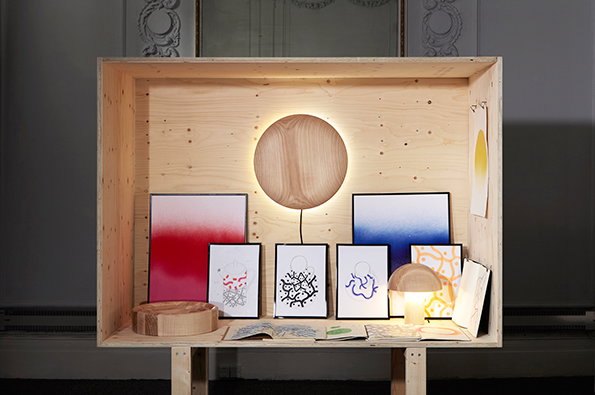
The work on display ranges from Kueng Caputo’s Indian-inspired sand sculptures to the re-imagined everyday objects of Oscar Diaz, from Harry Thaler’s reflections on his RAC project Pressed Chair to Judith Seng’s experimental videos.
This is a great use of the cabinet-style exhibition set-up and a perfect example of curators valuing the experience of being at a show as much as the work itself.
The EU never looked so sexy.
Wonder Cabinets of Europe runs until Sunday at 4 Cromwell Place.
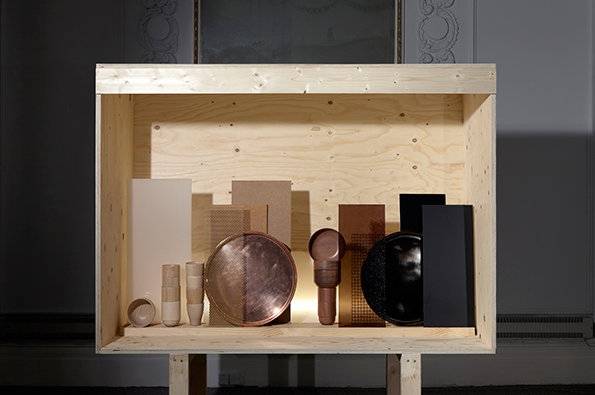
Wonder Cabinets of Europe: Pauline Deltour (photo by Sam Scott-Hunter)
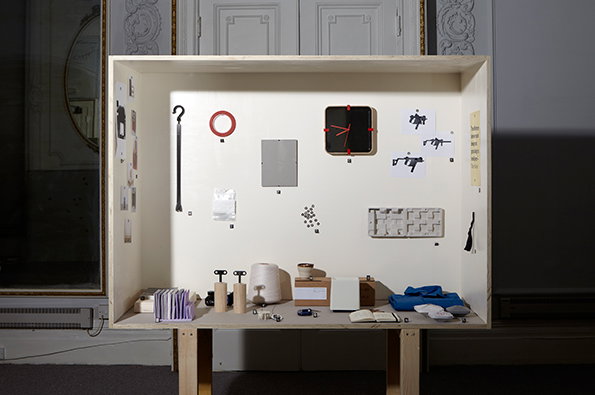
Wonder Cabinets of Europe: Oscar Diaz (photo by Sam Scott-Hunter)
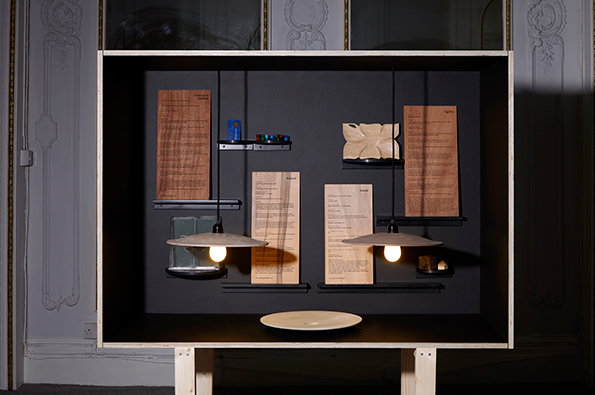
Wonder Cabinets of Europe: Lloris Livia (photo by Sam Scott-Hunter)
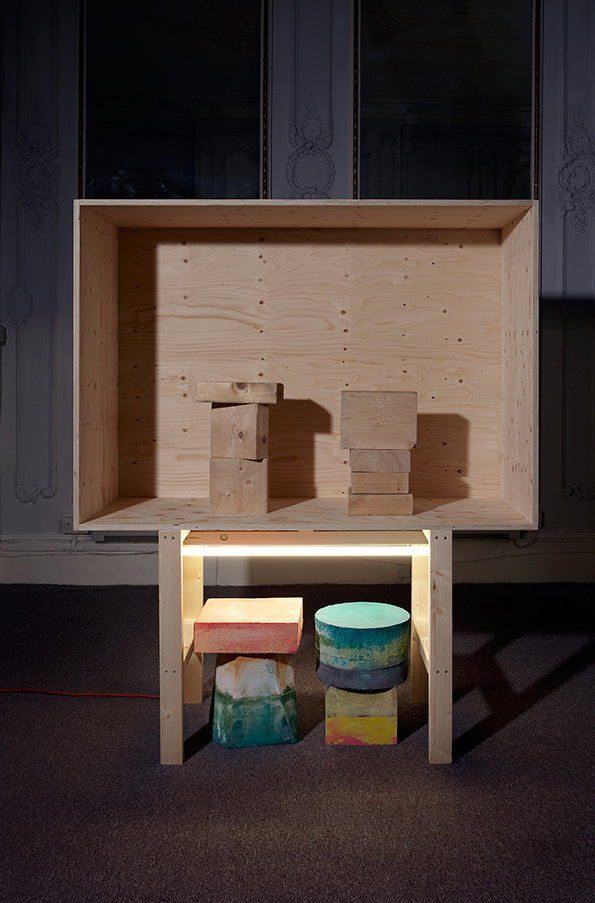
Wonder Cabinets of Europe: Kueng Caputo (photo by Sam Scott-Hunter)
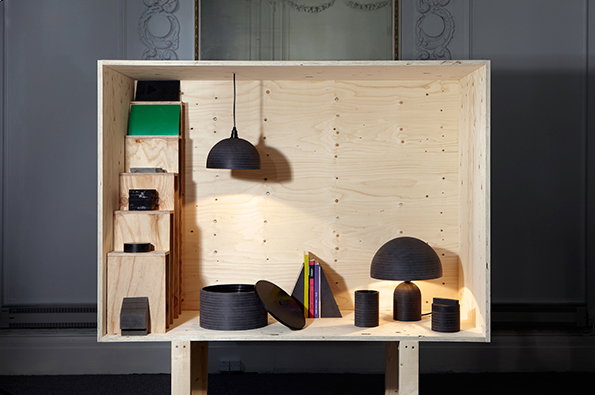
Wonder Cabinets of Europe: Philippe Malouin (photo by Sam Scott-Hunter)
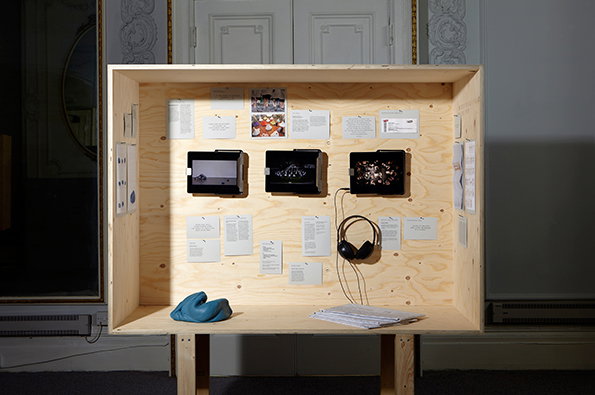
Wonder Cabinets of Europe: Judith Seng (photo by Sam Scott-Hunter)
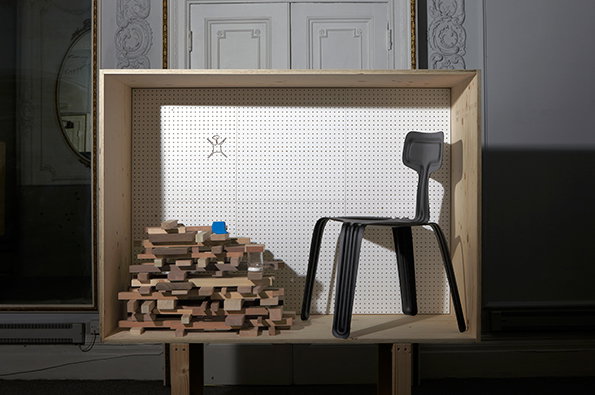
Wonder Cabinets of Europe: Harry Thaler (photo by Sam Scott-Hunter)
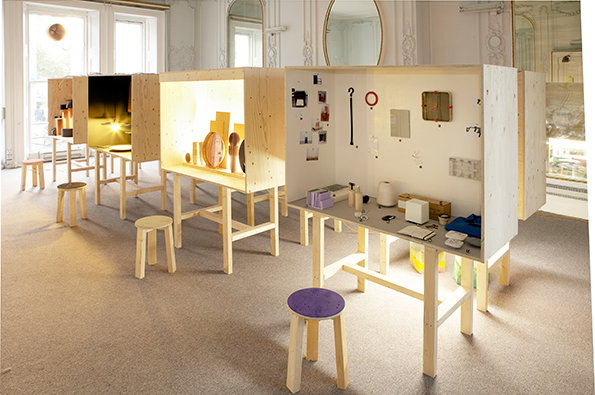
Wonder Cabinets of Europe (photo by Sam Scott-Hunter)
Share Article
Further Info
About the Author
—
Rob Alderson is a freelance writer, editor and strategist. He was previously editor-in-chief of It’s Nice That and WePresent, and editor of Design Week. He publishes the newsletter Undo, which tries to make sense of how AI is changing design work, the design process and the design industry.