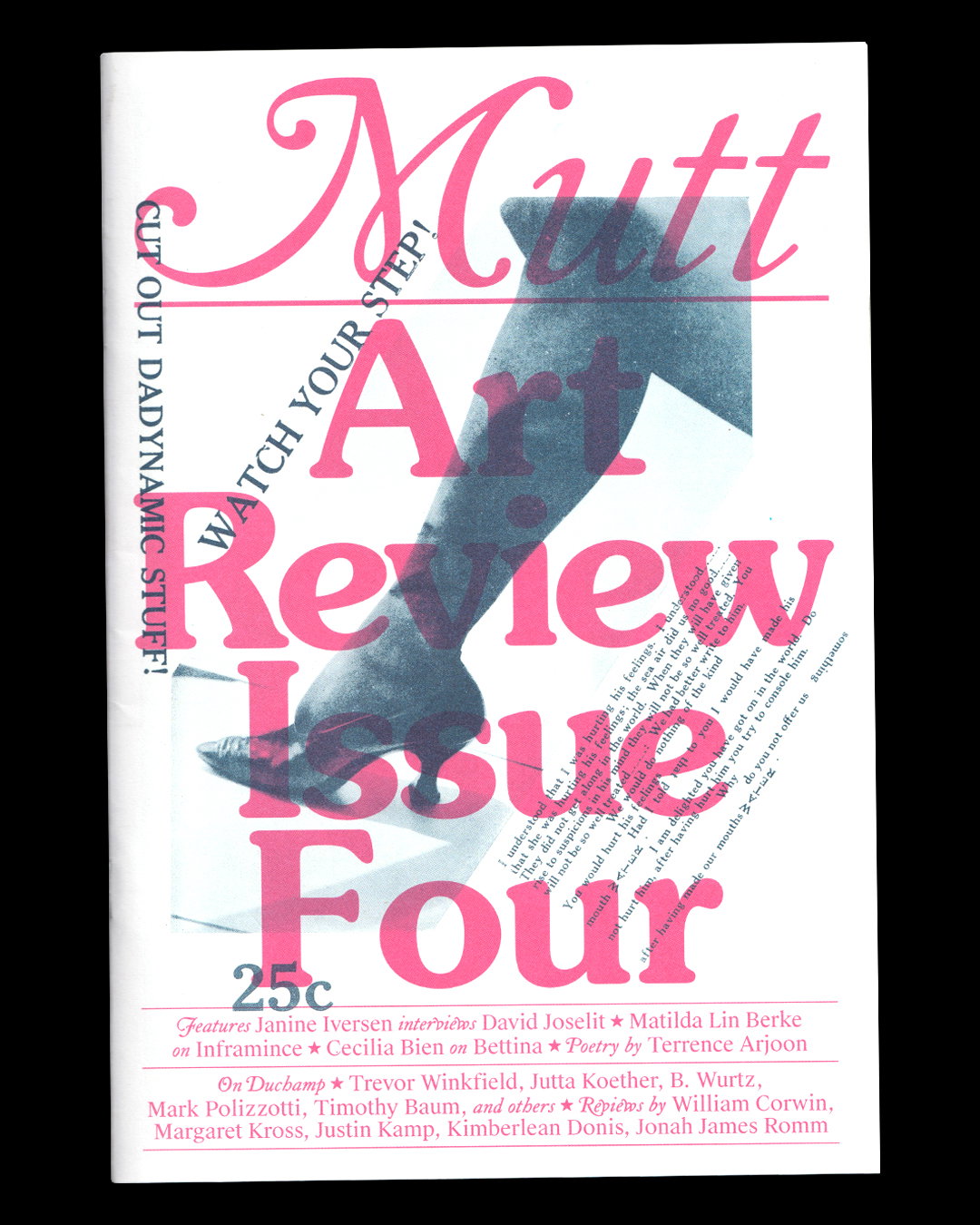
Riso vibrance and nostalgia makes Chutney Magazine a “nicely wrapped treat in your hands”
A vessel for sharing stories of culture and identity, Chutney skips theme-based issues for a recipe of: “Chop, mix and preserve.”
Share
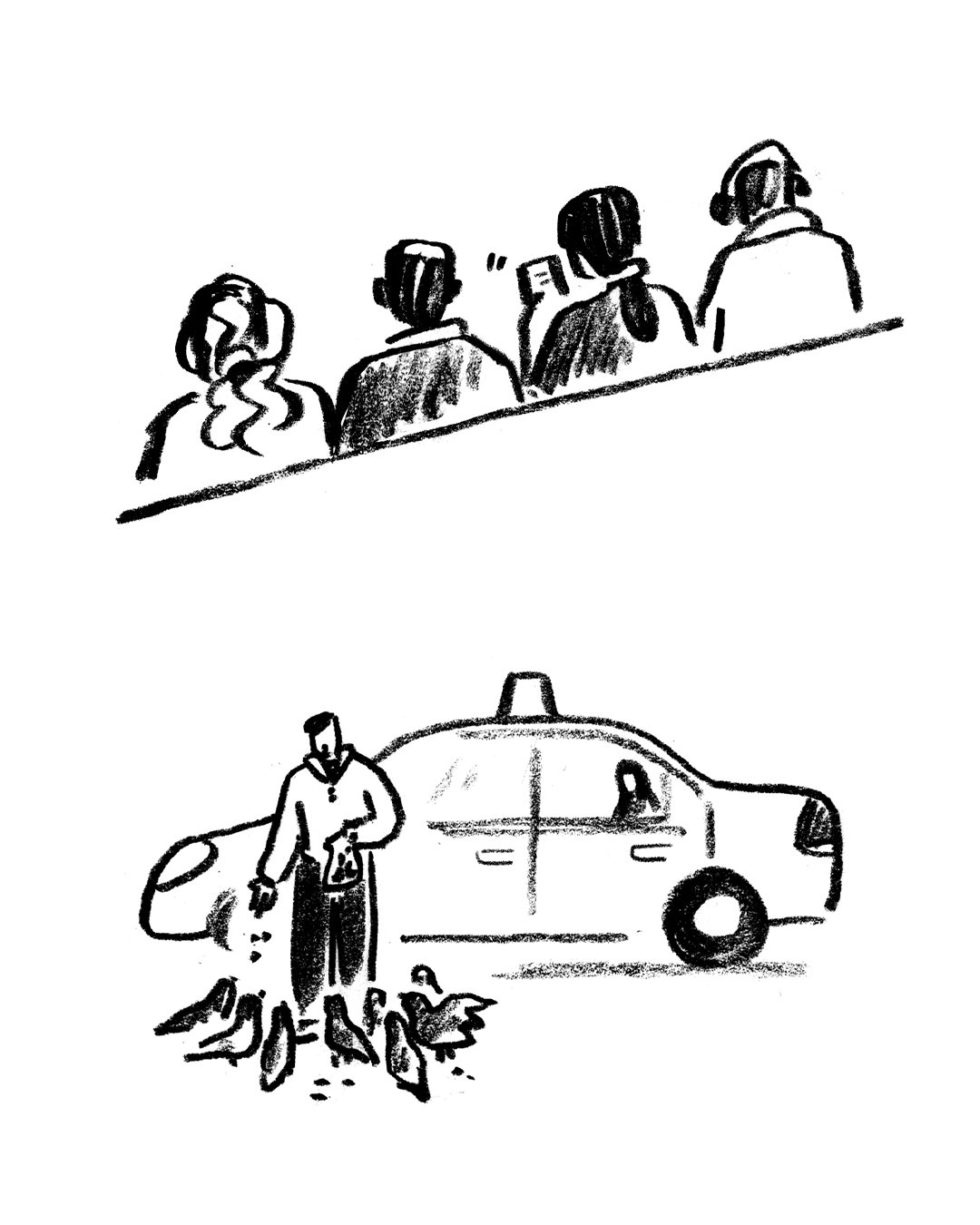
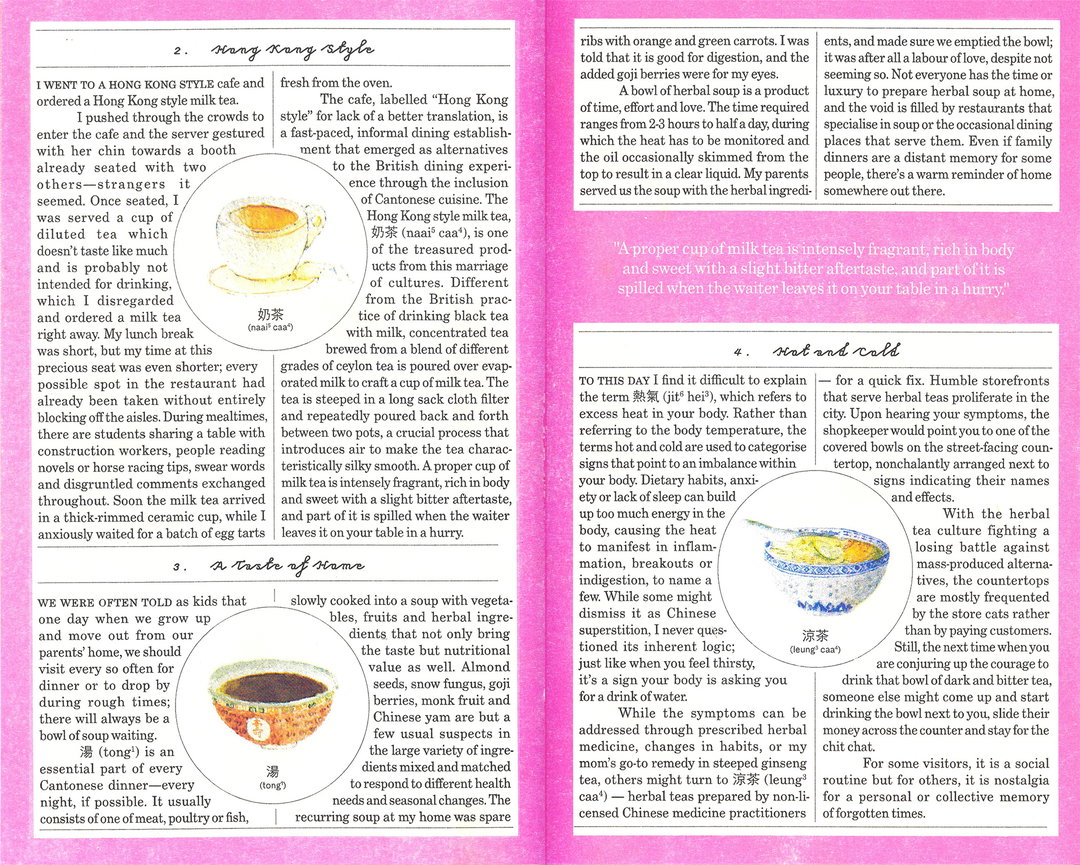
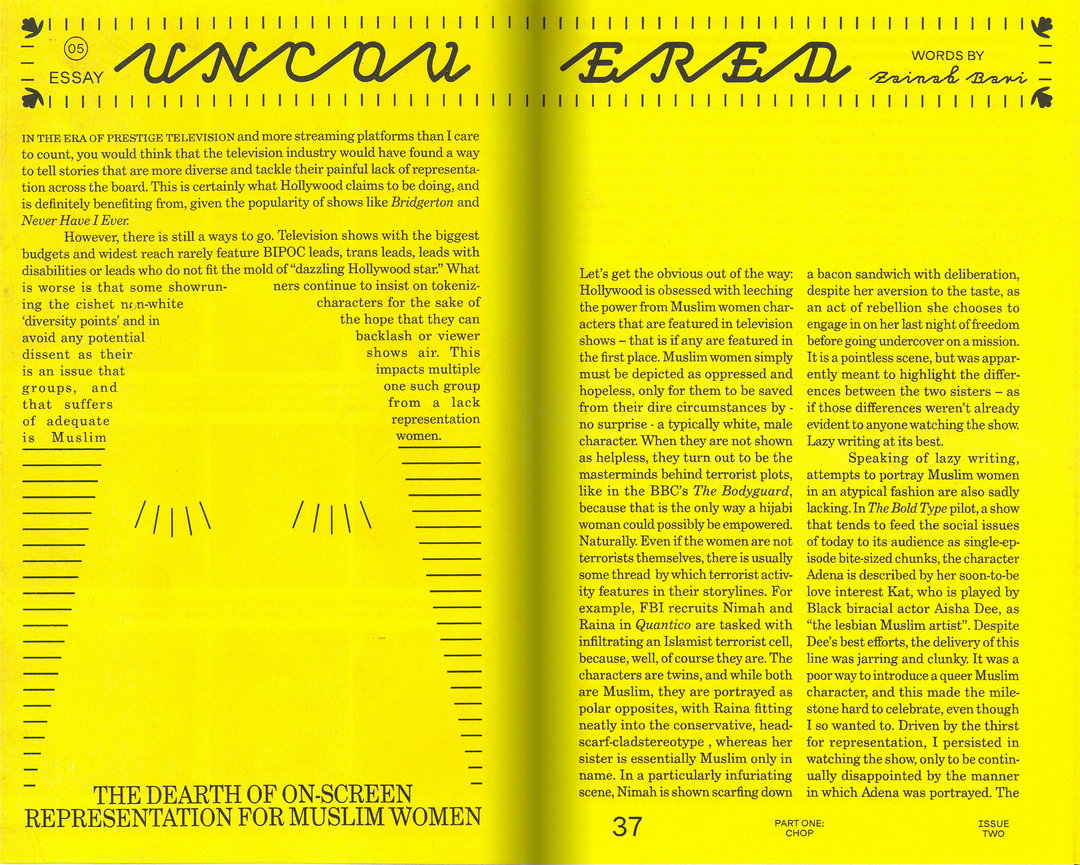
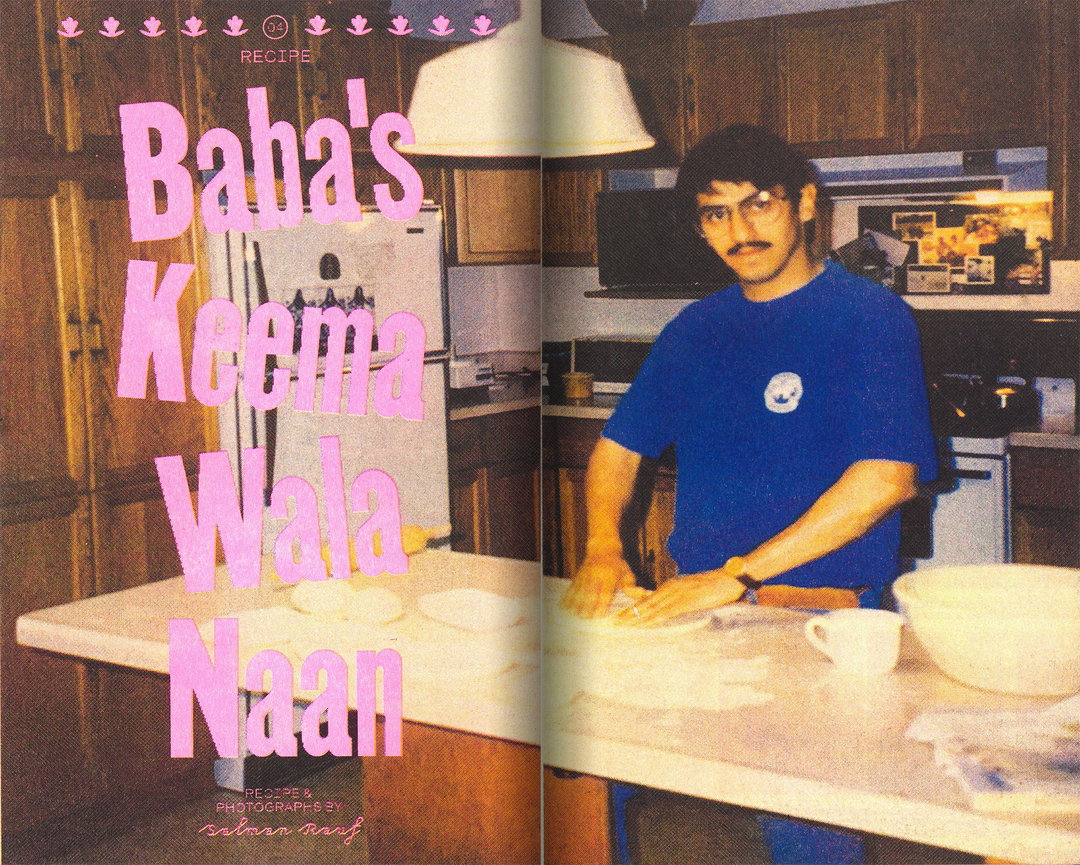
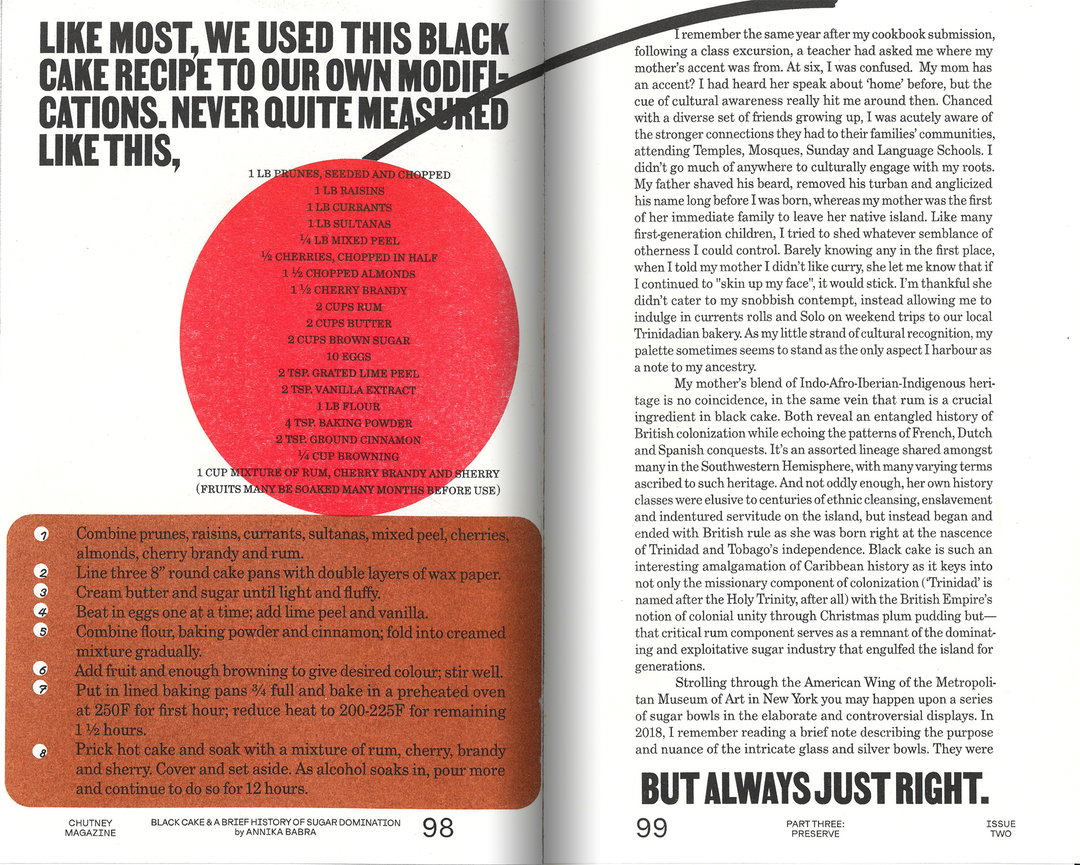
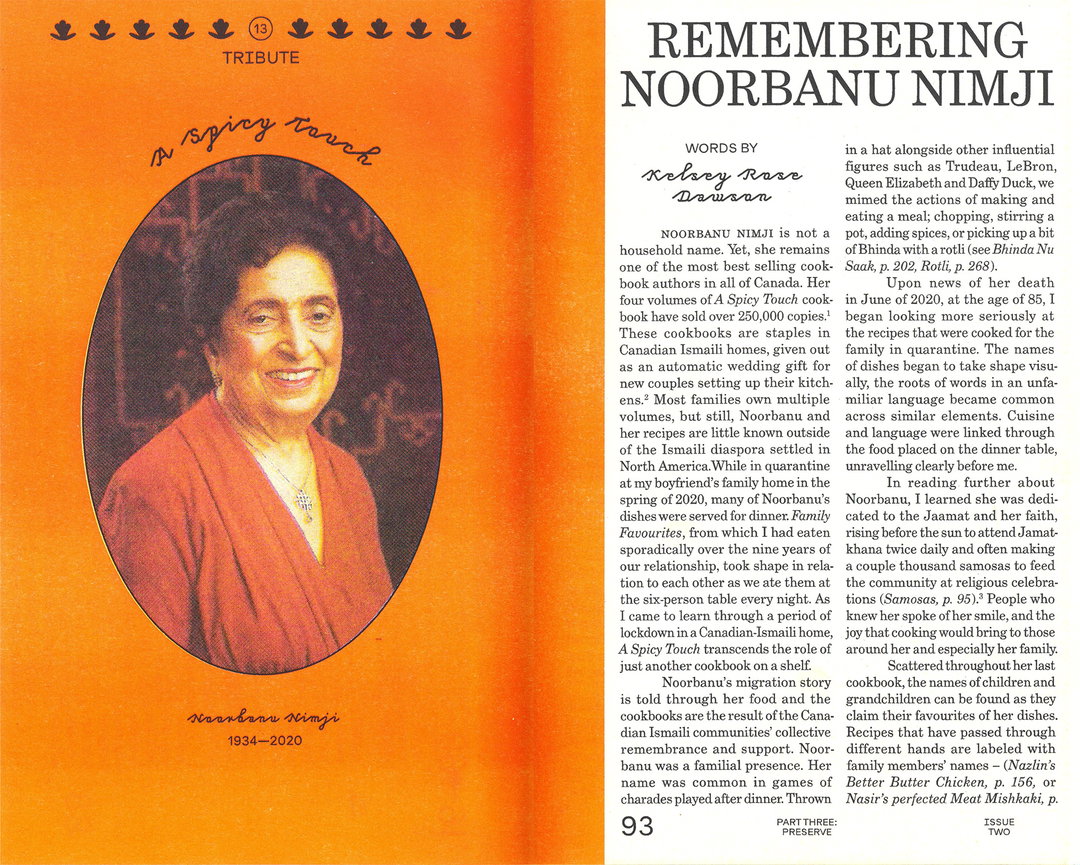
If you were to flip through Chutney Magazine’s recent issue – although it would be sacrilege to skim – you would find submissions on steel pan music videos, grandmothers, a history of marijuana, a recipe for black cake, and vignettes on Chinese dining experiences. The independent magazine, designed, edited and founded by Osman Bari, is a publication that shares everyday stories of culture and identity, specifically told by marginalised and underrepresented voices. While not an activist publication, Osman says he aims for Chutney to help “enrich” our understanding of another – a playful publication with a “defiant, serious” subtext.
He also has a refreshing approach to constructing a magazine. Issues of Chutney (we’re two in so far) aren’t grouped by theme. Instead, its content is divided into three sections: “Chop, mix and preserve”, using the steps for making actual chutney as a recipe for its own structure. Chop is for stories that subvert stereotypes, Mix covers submissions exploring cross-cultural influences, and in Preserve, you’ll find lesser-known histories. However, common themes do flow between the pages; “Food is obviously a popular one,” Osman notes, “but at the heart of most stories are traces of colonialism and nostalgia.”
GalleryOsman Bari: Chutney Magazine issue two (Copyright © Chutney Magazine, 2021)
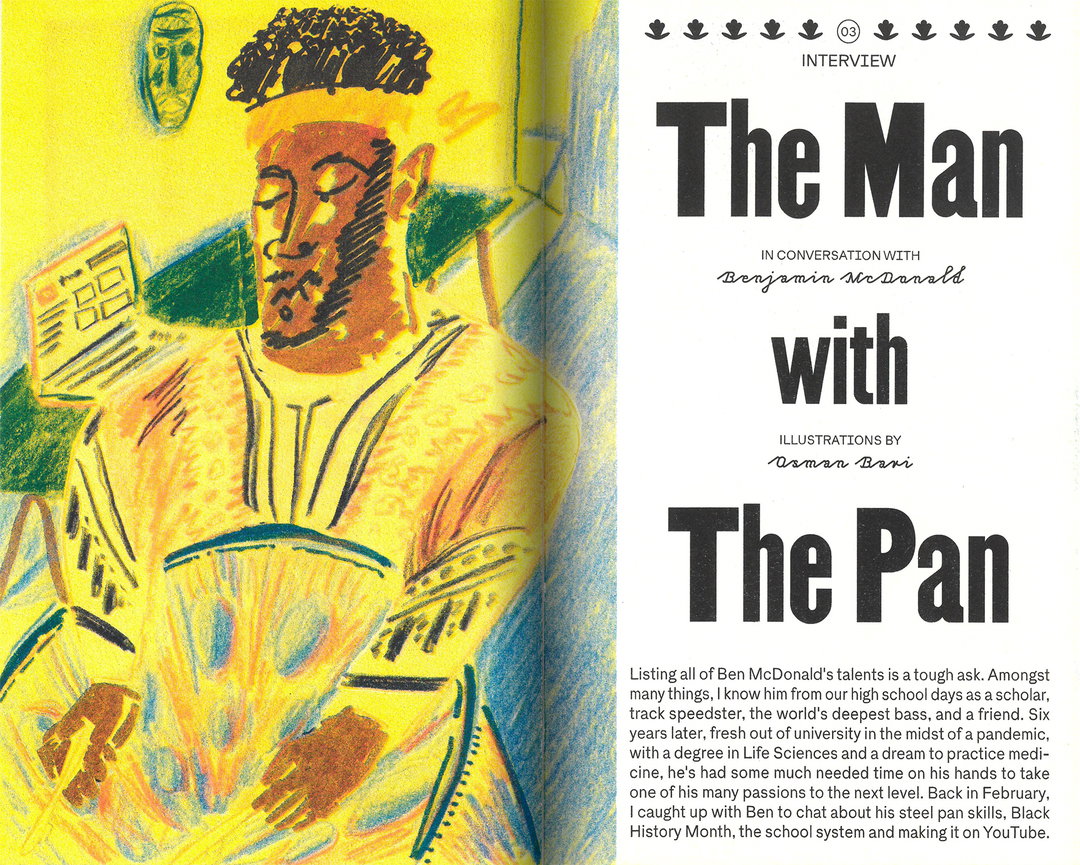
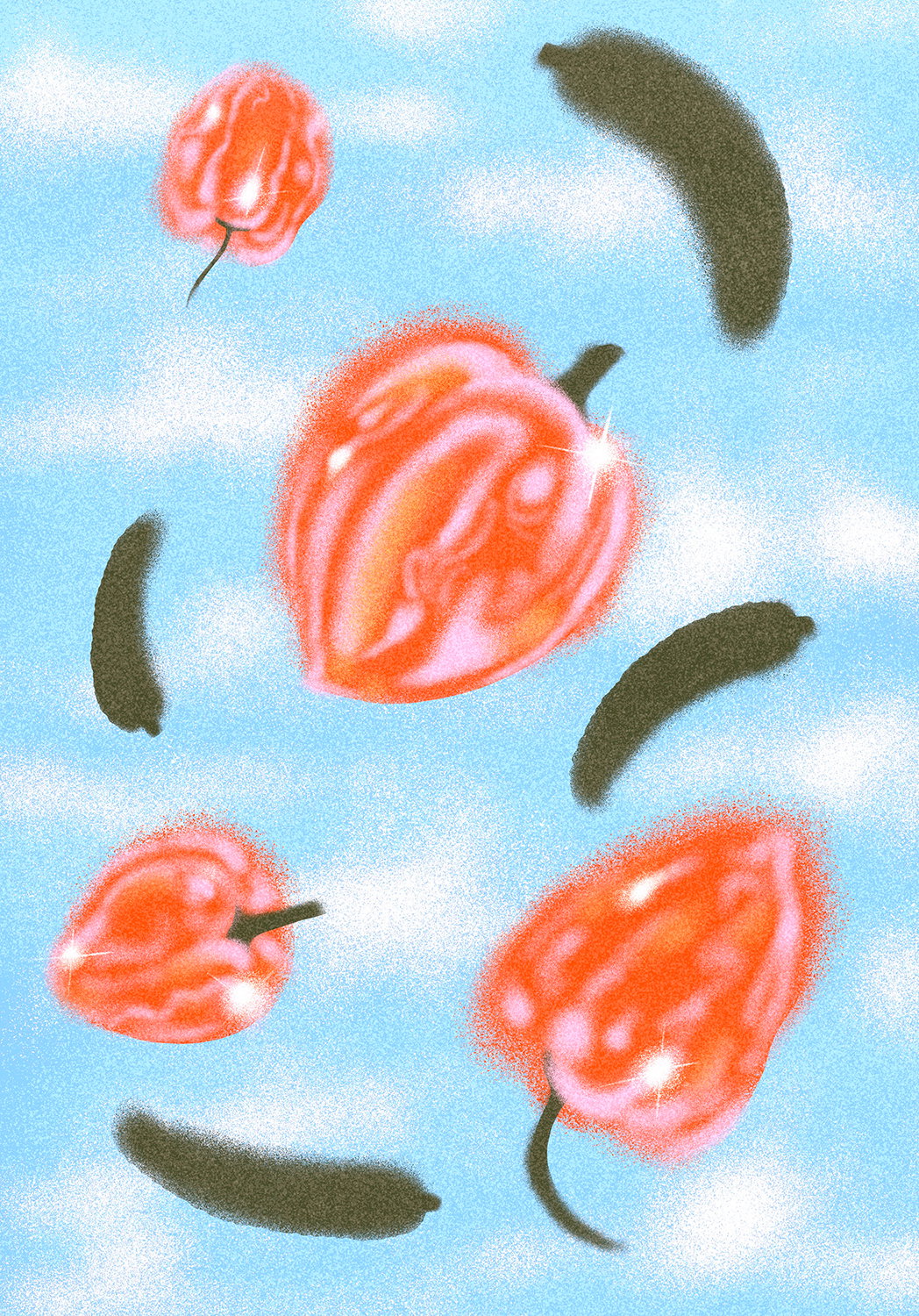
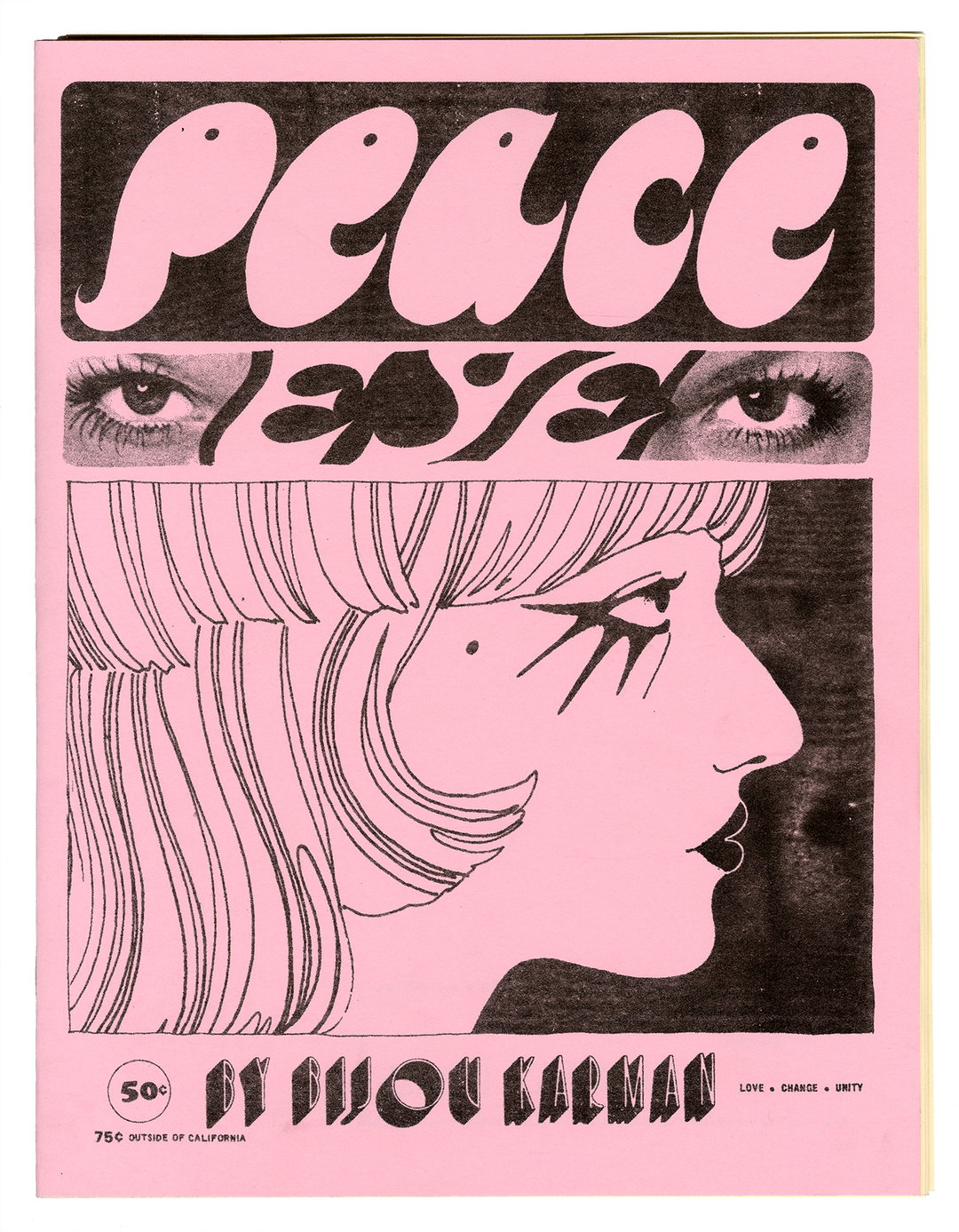
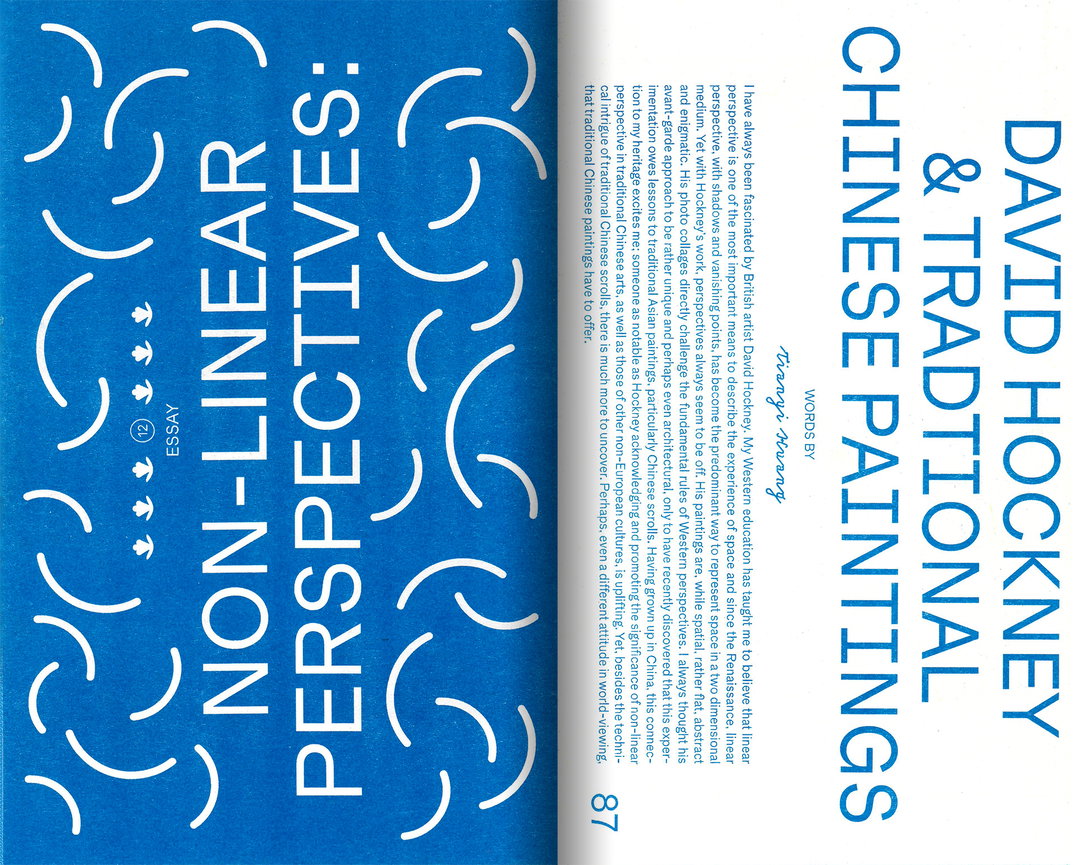
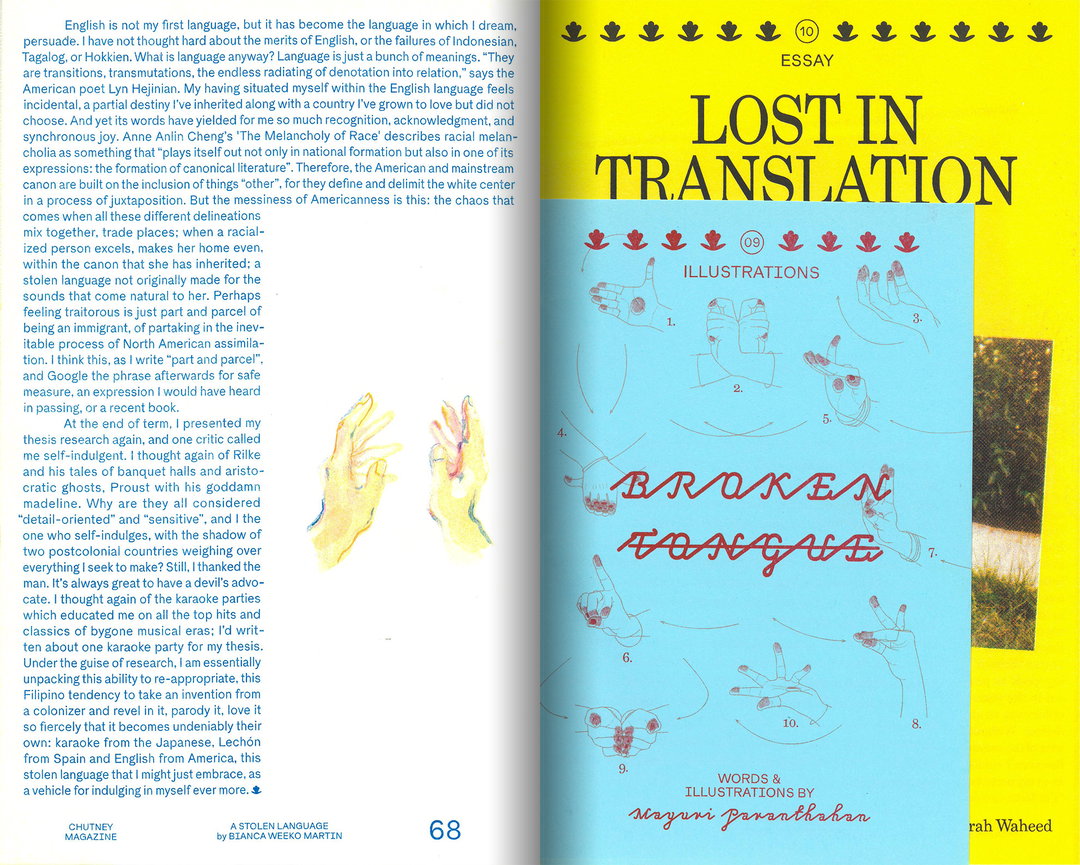
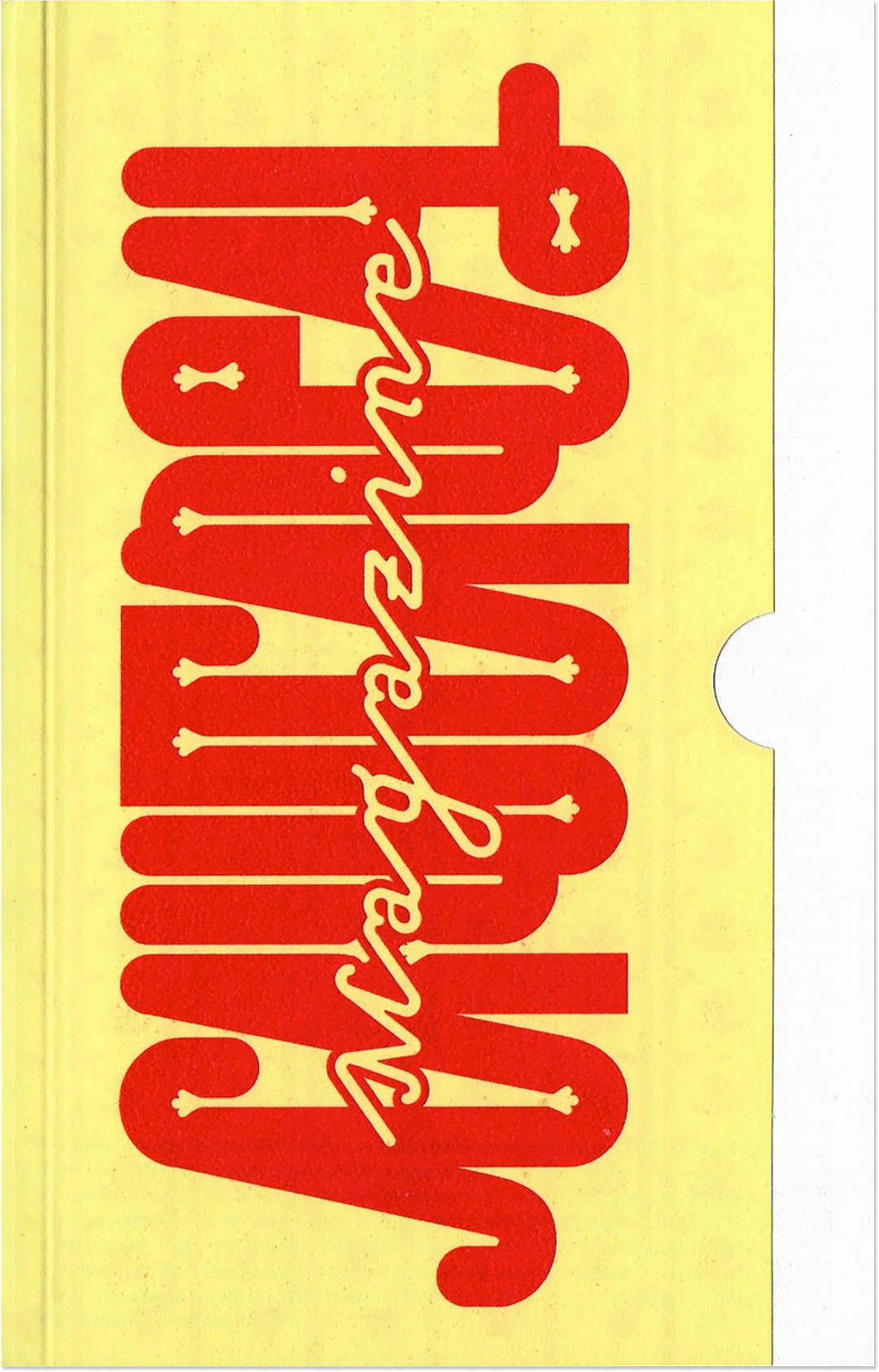
As for the visuals, Chutney Magazine, particularly issue two, does away with minimalism or reservedness and feels all the more tactile and want-able for it. “I always wanted the magazine to convey the satisfaction of having a nicely wrapped treat in your hands,” Osman tells us, “like sweets I’d receive from my grandparents as a child in Pakistan.” Osman has absolutely achieved this; childhood bakeries, cursive handwriting, and a smack of 70s disco all come together in Chutney, with beautiful results. Kitsch and slightly retro, the design leans into the textures and fluorescence of its Risograph format. As a fan of colour masters like Hassan Hajjaj and Olimpia Zagnoli, Osman says the tones of the Risograph inks inform how he structures things too, with each story assigned a key colour or two from the issue’s limited palette.
In 2019, when Osman first began Chutney, the project was a result of the “disillusionment” Osman was feeling, “as a Muslim immigrant and person of colour, towards the systemically Eurocentric nature of the media that was prevalent around me”, he explains. “Historically marginalised communities such as my own were either grossly misrepresented or hardly featured at all, whether that was in academia, the arts or mainstream news coverage.”
When it came to naming the publication, Osman turned to “a classic retort” that his mother has often said to him in Urdu, which roughly translates to “don’t make chutney with my brain!” For him, the condiment with such rich origins in South Asia, even featuring in a colloquial idiom, and holds a story which plays a part in the lives of many. “This is representative of the kinds of stories the magazine hopes to share,” Osman summarises. For the future, Osman hopes Chutney Magazine can continue to share these stories, connecting with a wider range of communities, as well as collaborating with storytellers whose work he is yet to come across.
GalleryOsman Bari: Chutney Magazine issue two (Copyright © Chutney Magazine, 2021)
Hero Header
Osman Bari: Chutney Magazine issue two (Copyright © Chutney Magazine, 2021)
Share Article
Further Info
About the Author
—
Liz (she/they) is the senior editor at Insights, a research-driven department within It’s Nice That. They previously ran the news section of the website. Get in contact with them for potential Insights collaborations or to discuss Insights’ public-facing reports.