




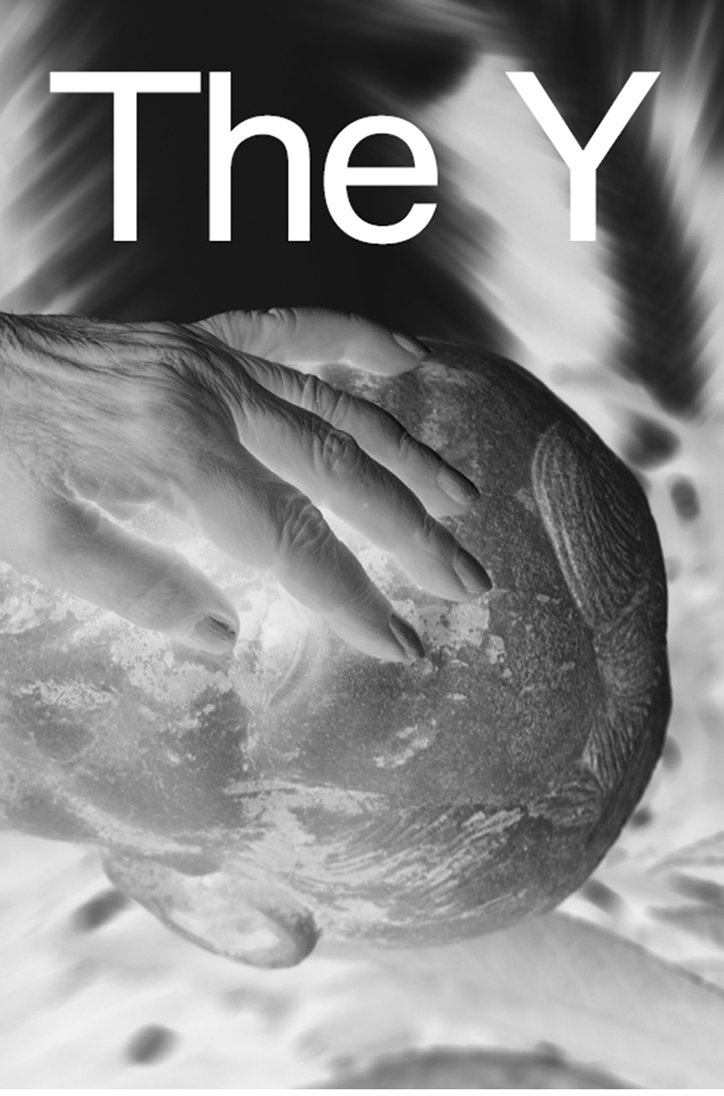
The Y: Alba Zari’s “photographic quest” to discover the identity of her biological father
With a background in cinema criticism, documentary photography and visual design, Alba Zari works on projects that employ visuality and visual representation as tools for understanding, expressing and coming to terms with personal experience. “Through images,” she says, “I write a sort of diary while, at the same time, creating a healthy distance – putting what has happened in some order and attributing meaning to things by cataloguing them.” Her project and publication, The Y, documents her journey in attempting to find out the identity of her birth father. What she discovered during the process was not her father, but a sense of acceptance.
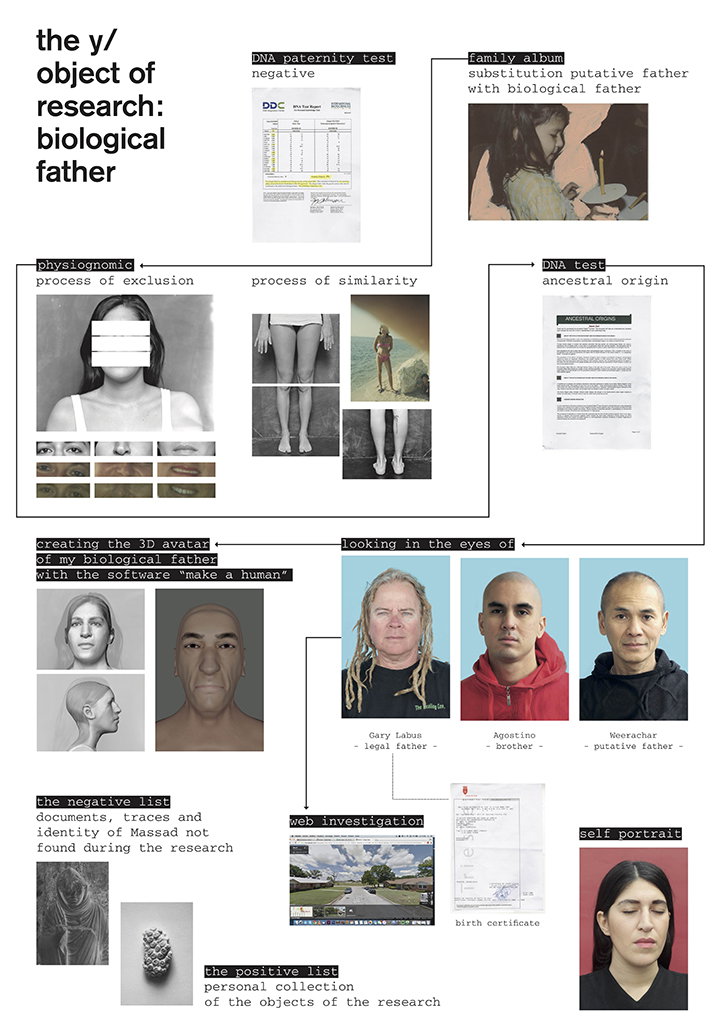
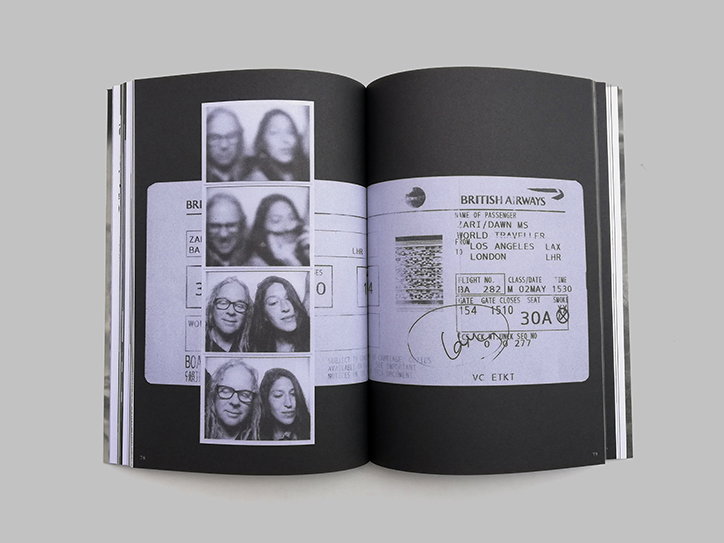
Describing how the project began, Alba tells us: “At the age of 25 I found out that I had a different biological father to my Thai brother. Once the truth was revealed I began a journey in exploring my own identity with the sole purpose of finding my father. It all started with a DNA paternity test which proved that Weerachart, the man who had lived with us in Thailand until I was four years old, was not my biological father – in fact, he was the biological father of my younger brother, Agostino. The only thing I know about the identity of my father is that his name is Massad, and that he was probably working for Emirates Airlines – he could be from Iraq, Iran or Kuwait. From that day I felt the urgency to find out where I came from and where I belong.”
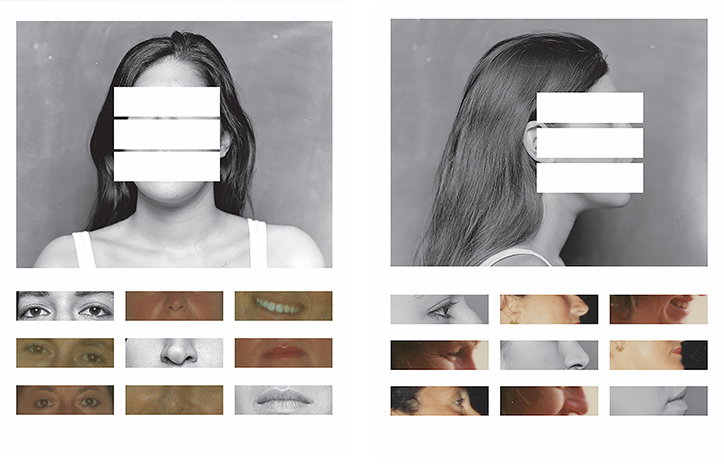
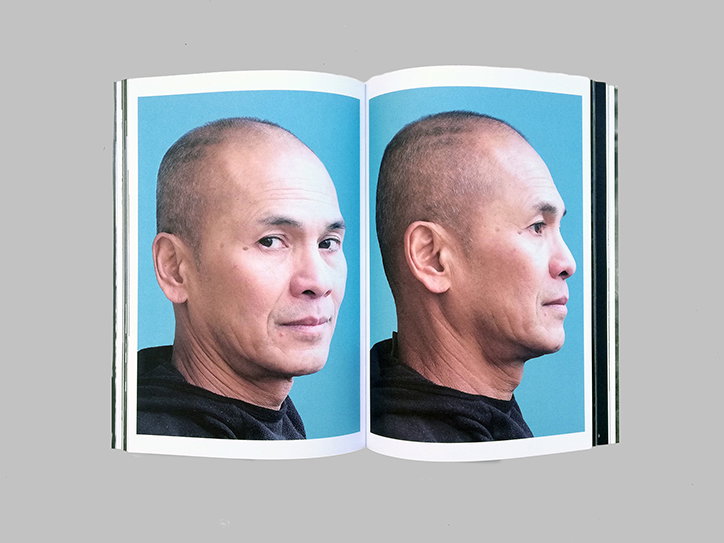
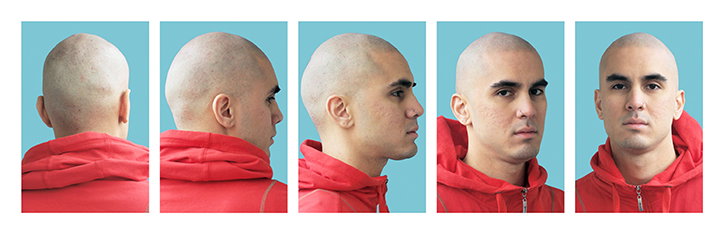
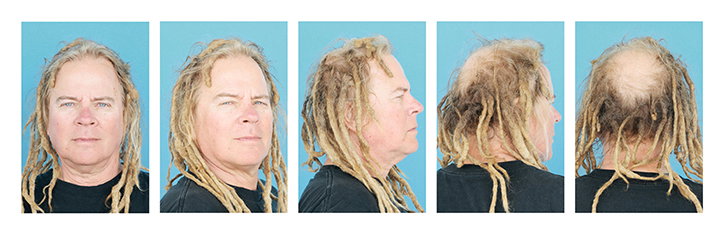
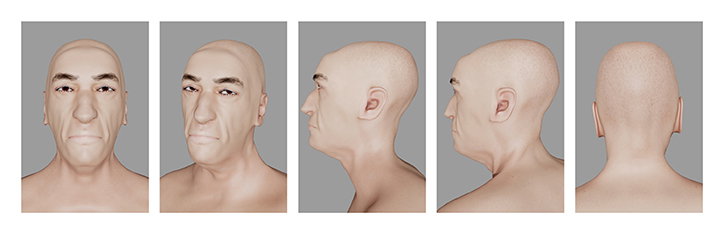
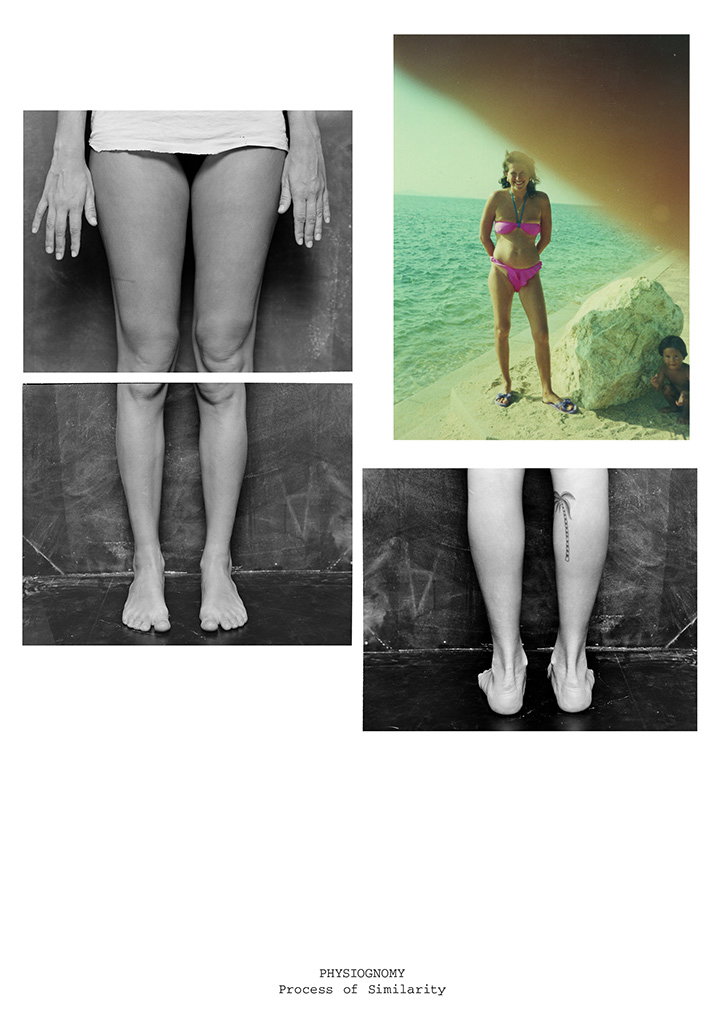
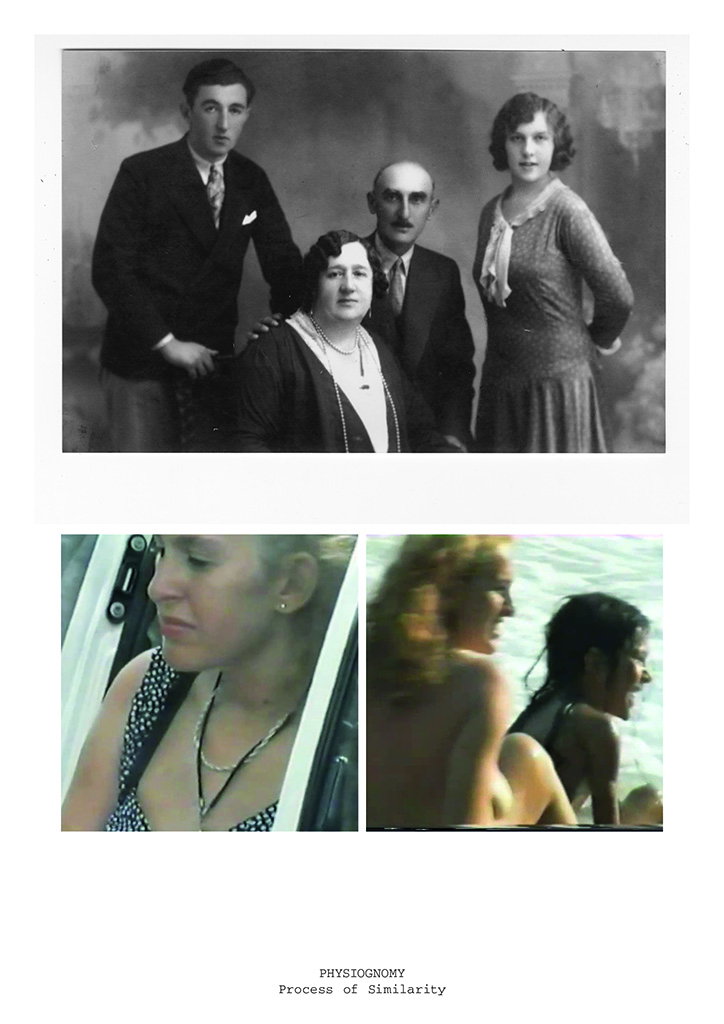
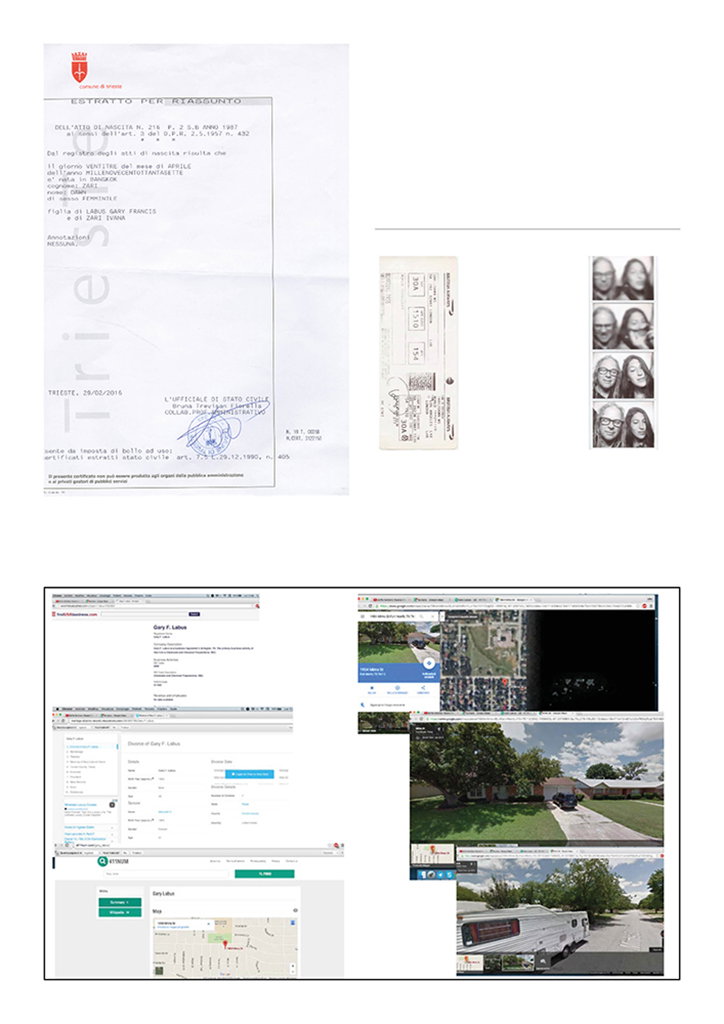
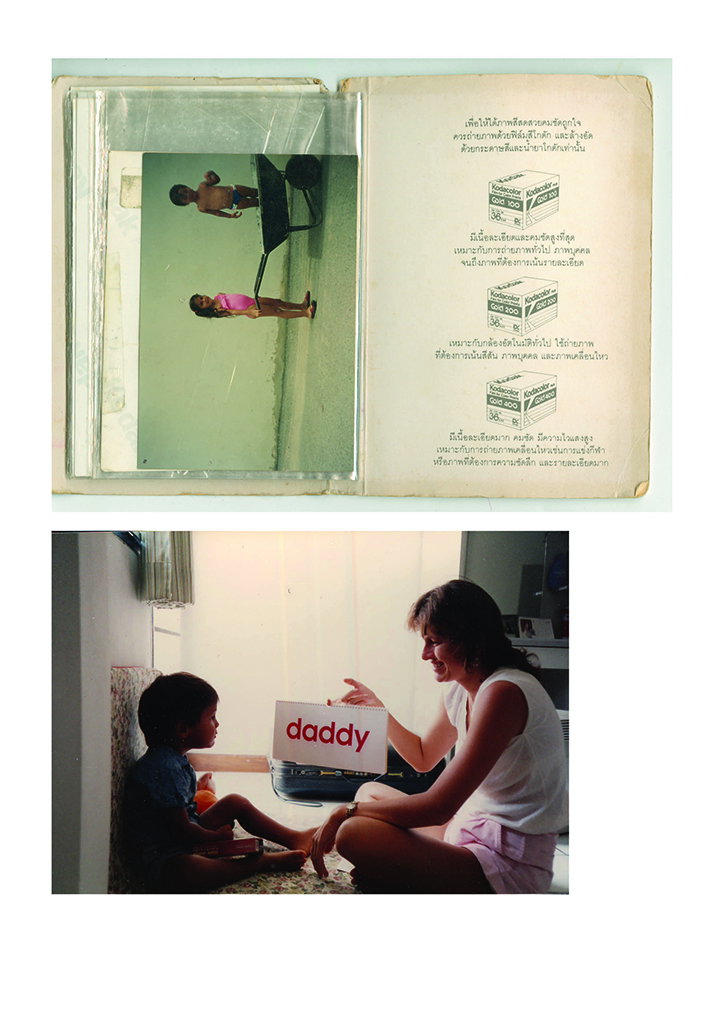
The title of Alba’s project and book implicitly poses a question, but it also refers to the biological basis of Alba’s search. In her words: “Women inherit two X chromosomes, so in my DNA I am missing the Y chromosome, the element needed to find my father’s ethnic origins. I had to work with the information that existed within my family. I collected documents and evidence relating to who could be my father, and I took portraits of Weerachart, my putative father, of Agostino my brother, and of Gary Labus – a man I had never heard about before, but nevertheless was the person who had signed the paternity on my birth certificate. I travelled to Santa Barbara to take a portrait of him. All the portraits are silhouetted against a light blue setting, a popular backdrop for IDs in the 1980s in Italy. I needed to look at them from every angle to gather an organic perception of who my father was and to explore his features further.”
Alba Zari: The Y
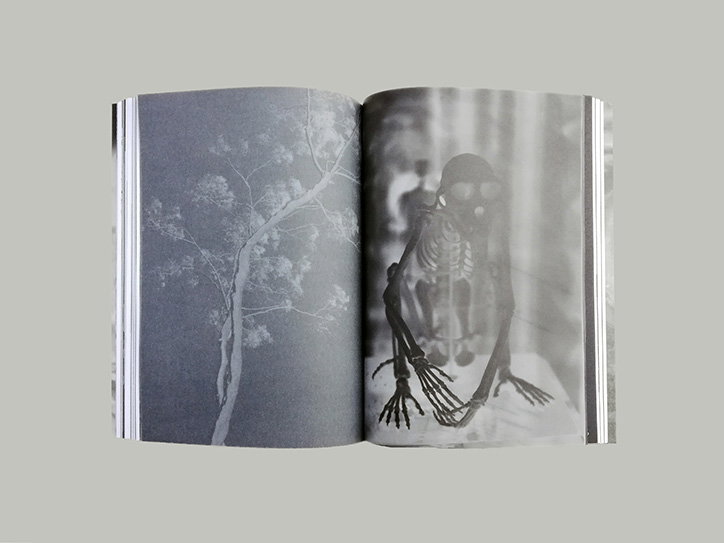
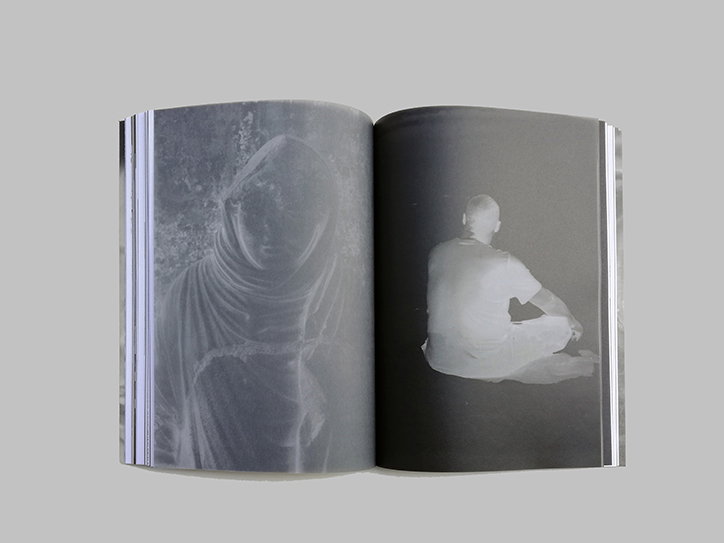
The Y takes the form of a vast stock of biographical material, biological information and visual documentation. As well as Alba’s own photographs, there are copies of DNA reports, archival family portraits and documents, photographed objects of significance for Alba’s research, 3D models and representational self-portraiture. The whole is collated in a book published by Witty Kiwi and designed by Studio Iknoki, which contains undeveloped negative prints that were not included in the exhibitions showcasing the project. “The pictures,” Alba notes, “are evocative, and they balance the analytical process of the project.” She states: “I have always thought of this project as a photobook. I have collected every little trace and piece of evidence in a folder that holds the chronological journey of the research. The photobook gives a sense of completeness to the project, even though I believe that a part of me will always think of The Y as an ongoing process. It is incredibly important for me to have the ability to close the chapter at a certain point, even if I didn’t achieve what I set out to.”
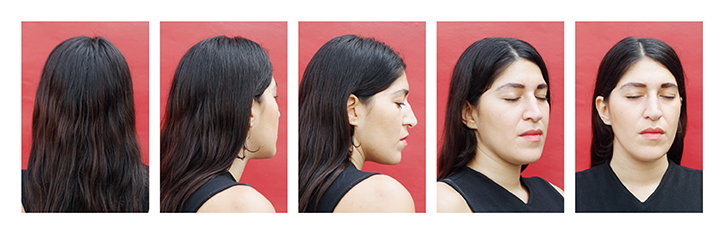
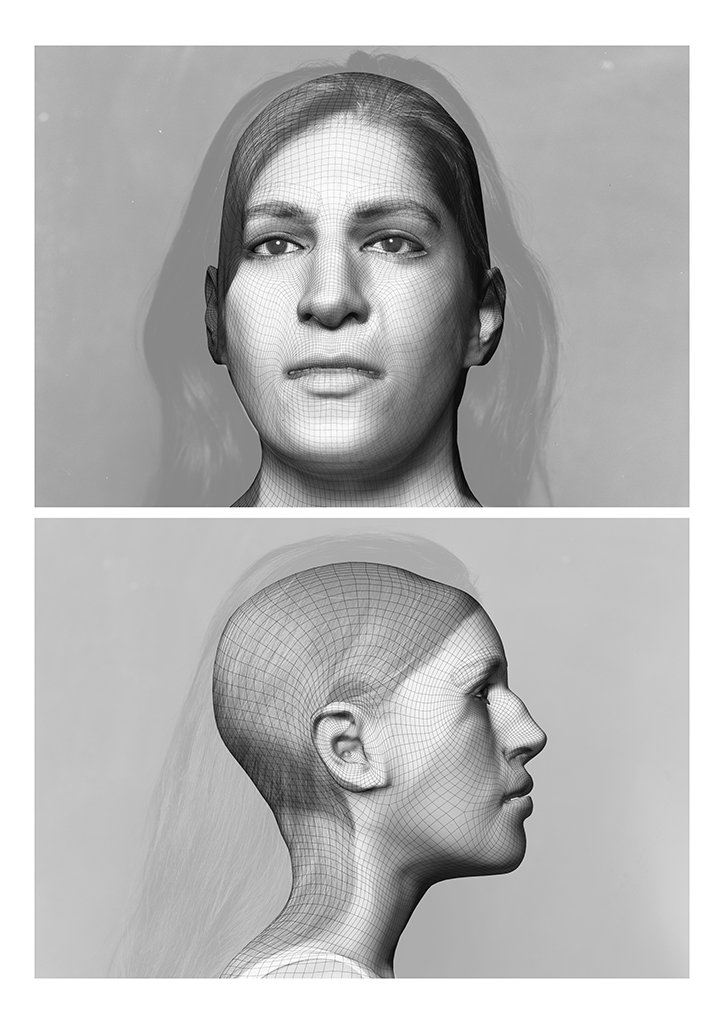
Alba’s project demonstrates the potency of digital visual technologies in exploring and mapping personal history and identity. She states: “What I really wanted was to have an image of my father. I worked with the information I had, and with the results of the physiognomic analysis I created a 3D avatar with the program ‘Make a Human.’ I used a scientific approach to get as close as I could to the truth. A consequence of this method was that I formed an emotional distance, allowing me to organise my feelings. The project ends with a self-portrait in Bangkok with my eyes closed against a red background, in reference to blood and to an indissoluble bond in the face of my father’s physical absence.”
The book is a physical archive of Alba’s journey. In her words: “Every single piece of material present in the project was a tool to support my research, every image was useful in finding the truth and trying to reveal the identity of my missing father. Speaking of the visual nature of her research, Alba says: “Photography can aid in creating a version of reality that helps others to understand. This project speaks about identity, belonging and coming to terms with the absence of my father, accepting the reality as it is after conceptualising and ordering it. Using scientific methods helped me to work through this deeply emotional journey – every discovery and failure got me a step closer to finding my missing father. I think anyone who might follow my journey can relate to the feeling of the grief of having a parent or someone you love missing in your life.”
Although The Y does not end with the fulfilment of the objective she had in mind when she set out, she says: “With this project I came to terms with my past and the reasons I did not know the identity of my father. I found myself accepting the mystery of my family history after doing everything possible to find him. The journey was the most important thing to me.”
Alba Zari: The Y
Alba Zari: The Y
Alba Zari: The Y
Alba Zari: The Y
Alba Zari: The Y
Alba Zari: The Y
Alba Zari: The Y
Alba Zari: The Y
Alba Zari: The Y
Alba Zari: The Y
Alba Zari: The Y
Alba Zari: The Y
Alba Zari: The Y
Alba Zari: The Y
Share Article
About the Author
—
Rowe joined It’s Nice That in the summer of 2019 as an editorial assistant. She wrote many fantastic stories for us, mainly on hugely talented artists and photographers.