


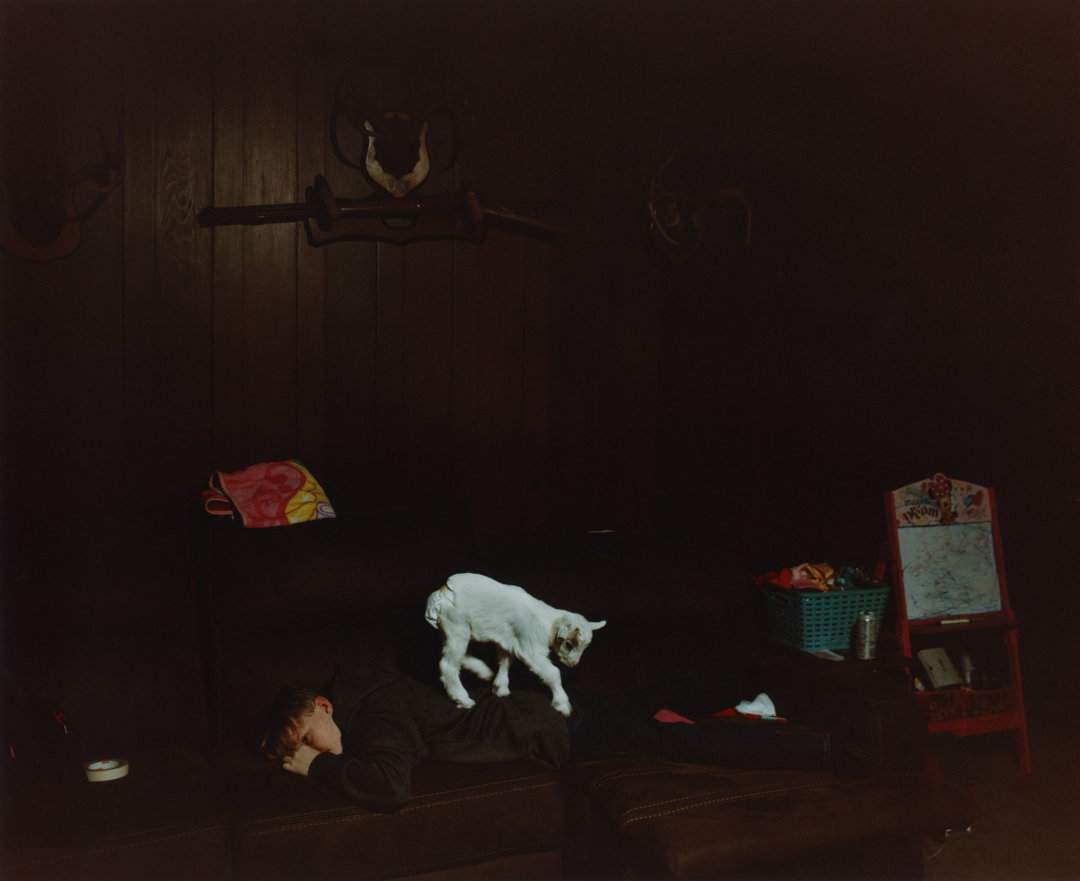
Anthony Wilson’s Mawmaw is a tender photobook on the grandmothers who became mothers again
Mawmaw is as much of an education as it is an absorbing narrative on West Virginia’s grandfamilies – families in which grandparents become primary caregivers again. Photographer Anthony Wilson shoots them in all of their complexity.
When North Carolina-based photographer Anthony Wilson was temporarily living in a friend’s West Virginia treehouse during Covid, he would take lonely drives down barren, winding roads listening to local Appalachian podcasts to immerse himself in the area. When he came around one show about “grandfamilies” (a family type where grandchildren live in the legal custody of their grandparents rather than their parents, who may be absent for reasons such as drug abuse, death, poverty, mental illness and many others) Anthony felt like he had tapped into the heart of the state, yet there were no photos of it.
Shortly after, he reached out to the founder of a program called Healthy Grandfamilies and asked if he could sit in on a meeting. Fast forward some years, a few meetings and a travels across a couple of counties, Anthony had found the grandfamilies that would become central to his newest photo-documentary Mawmaw (published by Pomegranate Press and Guest Editions). It’s eye-opening, tender and above all, important.
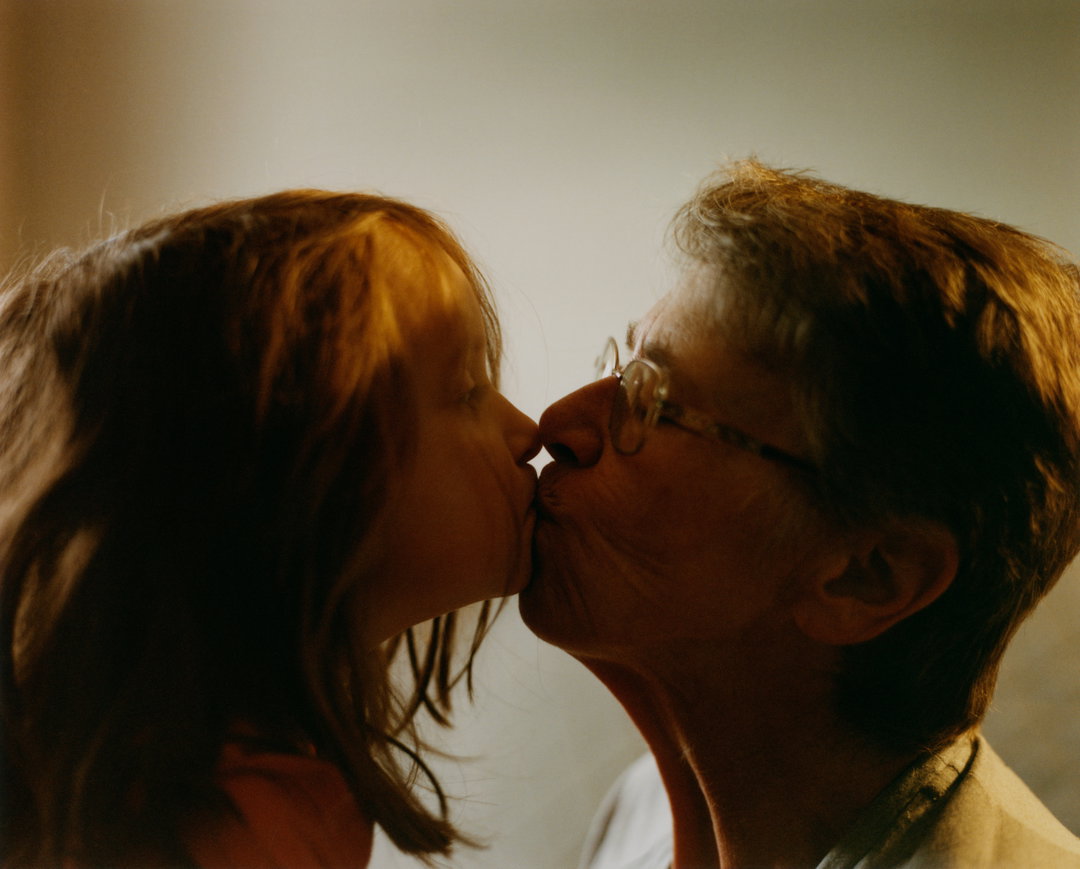
Anthony Wilson: Mawmaw (Copyright © Pomegranate Press & Guest Editions, 2026)
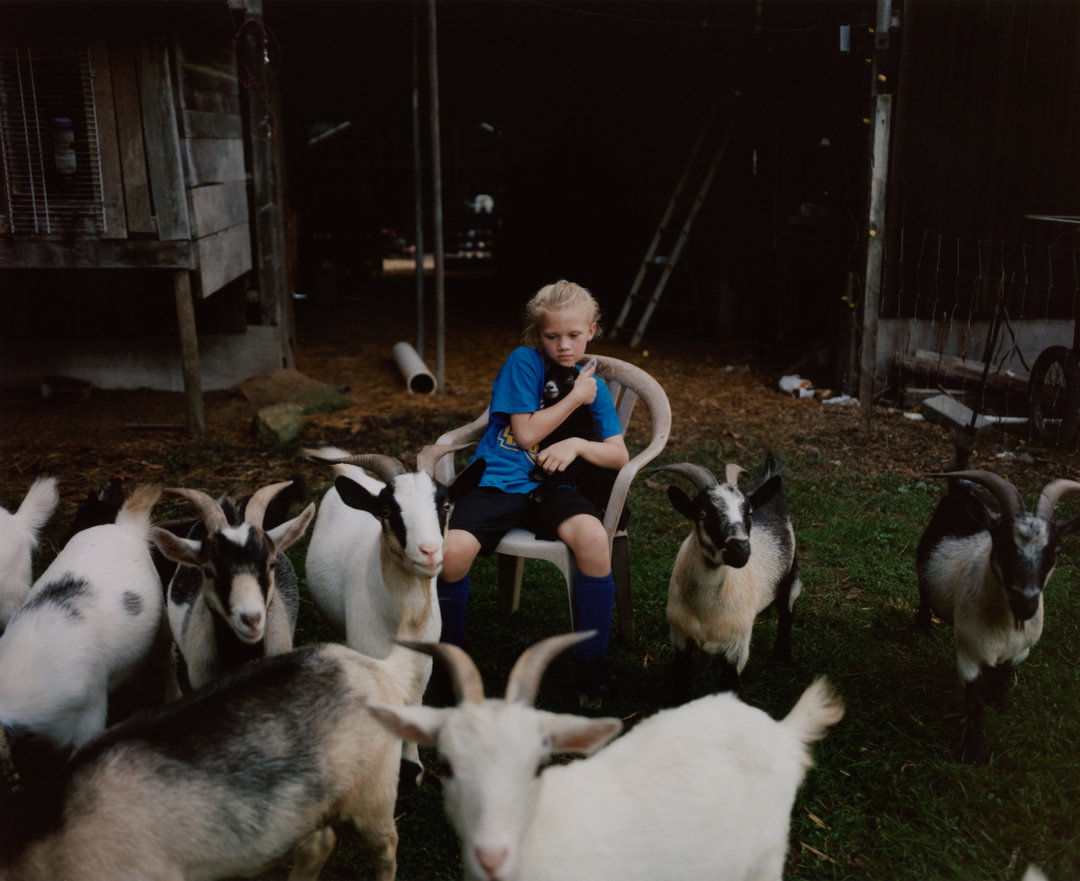
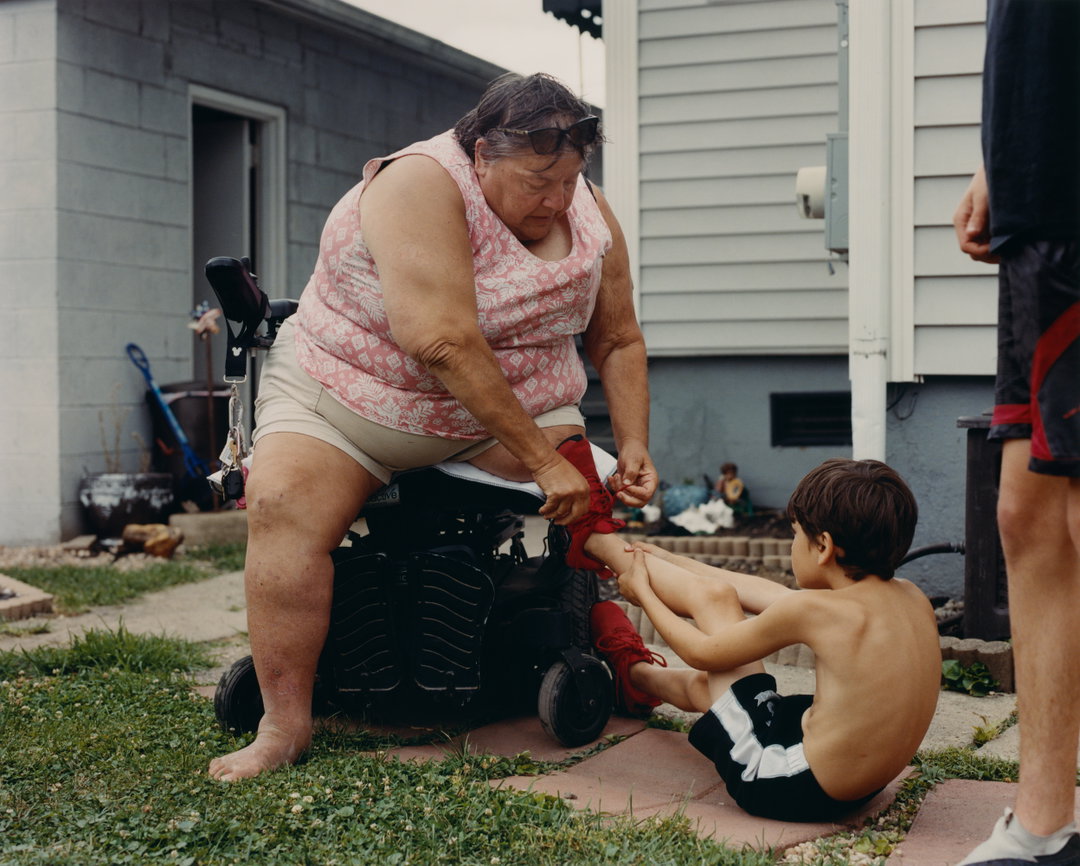
Some parents never stop being parents. Whereas some see their children grow up and fly the coop for independence, work, further education or family, some may never come back. For a startling amount of Appalachian grandparents, the only kid they see step back through the door is a much smaller, younger, softer child in need of a home. Before they know it, they’re running around, juggling personal responsibilities and raising a child, as if they’re 35 all over again. What one can call this is Maw’s love – an old-fashioned, gritty type of perseverance, guardianship and obligation to love and care. And it’s all over these pages.
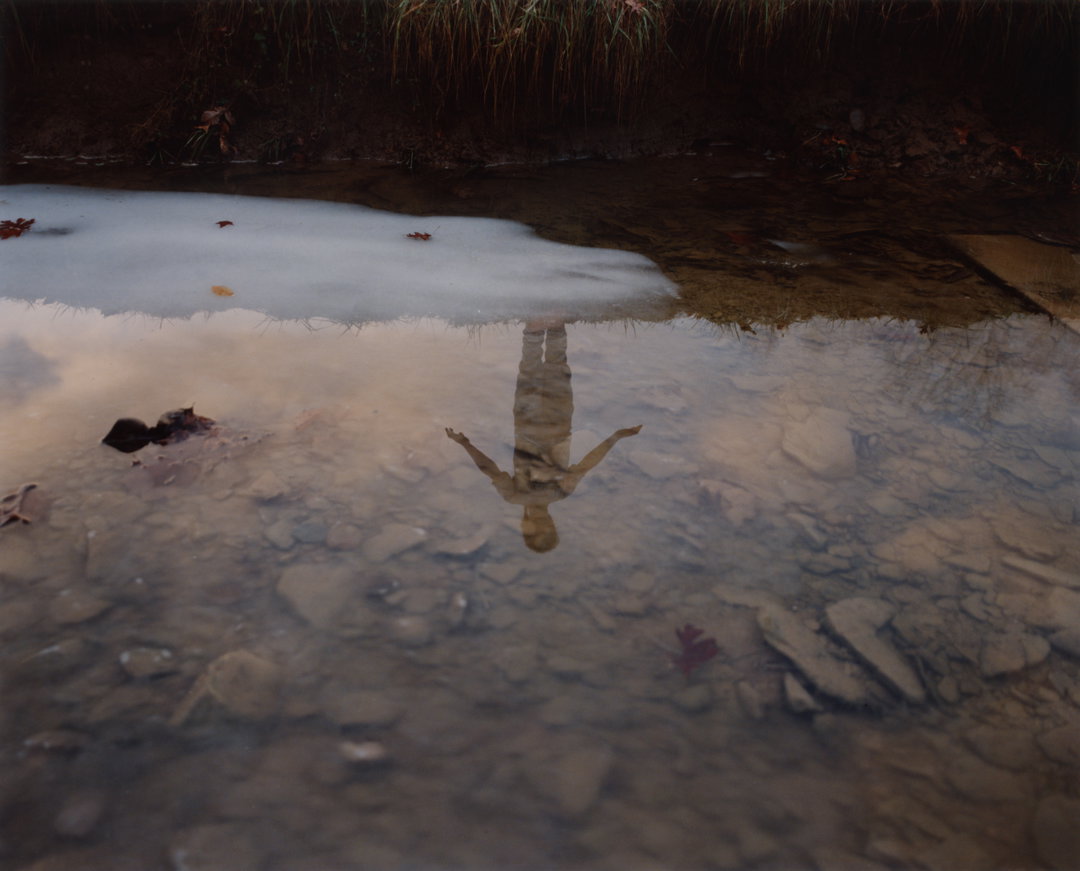
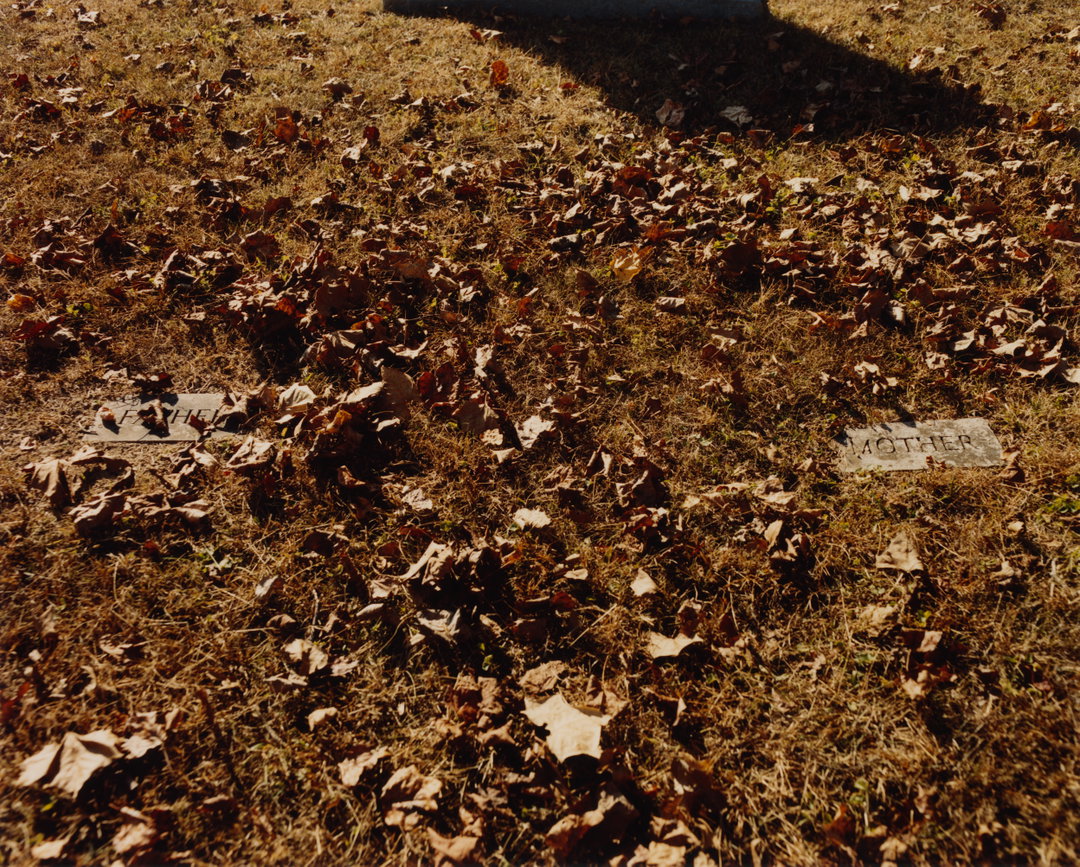
“With everything I do in my work, I like to stick around long enough until I see every side of the story and the people within it. I met some of these families during their hardest chapters, some during their happiest times, and sometimes that would even shift,” says Anthony. “I was a friend, even considered a family member to some of them, so it was hard to frame an image of a loved one going through a hard time. It definitely weighed on me.” It’s not always about capturing a feeling in real-time with Anthony – sometimes he would walk away from a visit without taking a single photograph, but on the drive back he would catch a flickering moment in flowing rivers, autumnal graveyards, abandoned buildings that would represent grandfamilies in metaphorical, spiritual ways.
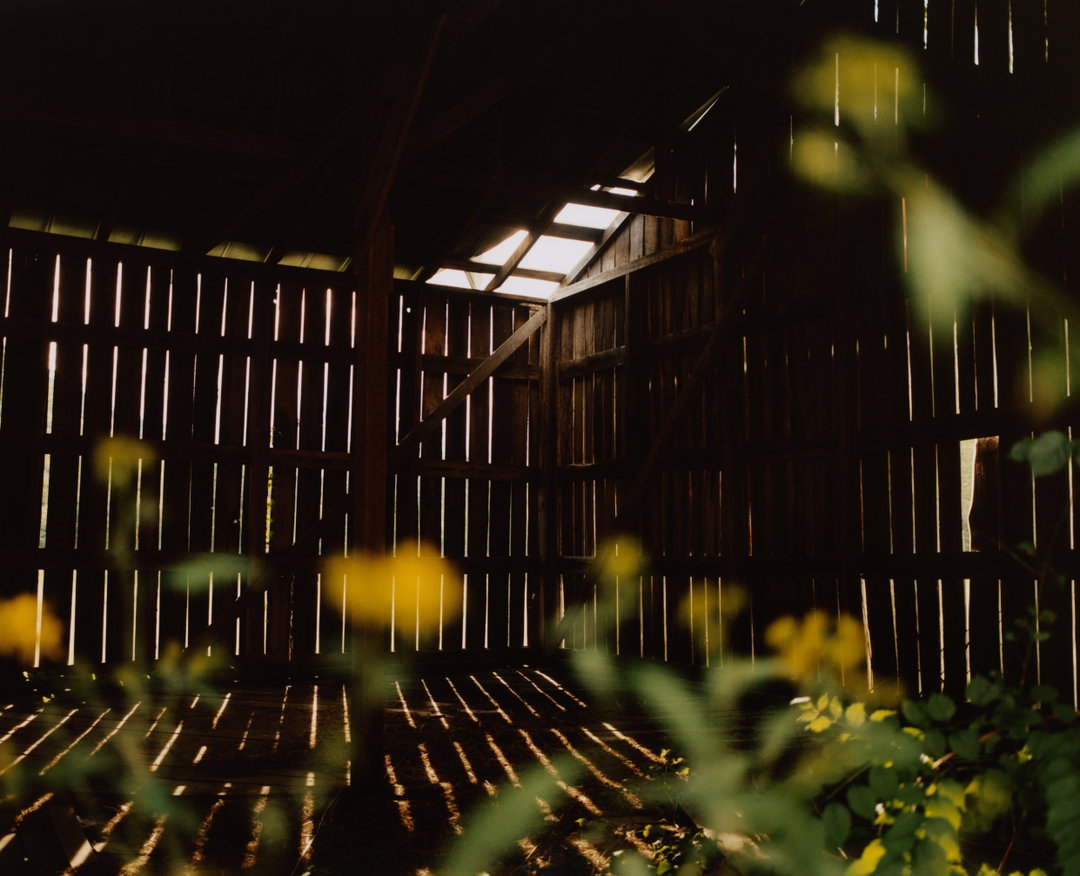
Anthony Wilson: Mawmaw (Copyright © Pomegranate Press & Guest Editions, 2026)
Anthony doesn’t put too much pressure on distance and separation, like some photographers. He immediately became a character in the grandfamilies’ lives and therefore his photos came naturally, organically. Whatever distance he exercised was never about methodology, but basic decency. “I had an open dialogue with almost every family about the importance of capturing moments that are hard just as much as moments that are light and warm,” says Anthony. “When I did photograph something difficult, I always told them they had final say when they saw the project’s full sequence. I think what really helped me feel comfortable photographing emotionally tough moments was when I opened the project up to the grandmothers writing their own journal entries and letters. I’d see something written on the page and tell them I want to try to capture this feeling if it comes up. That changed something for me.”
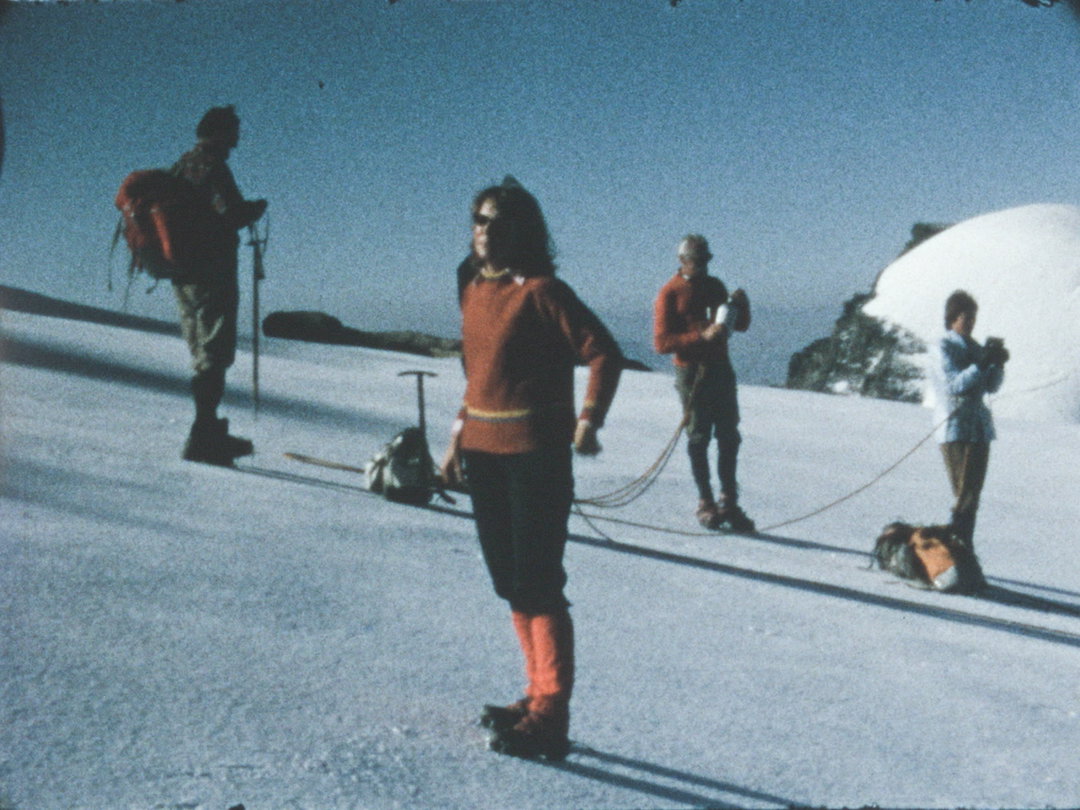
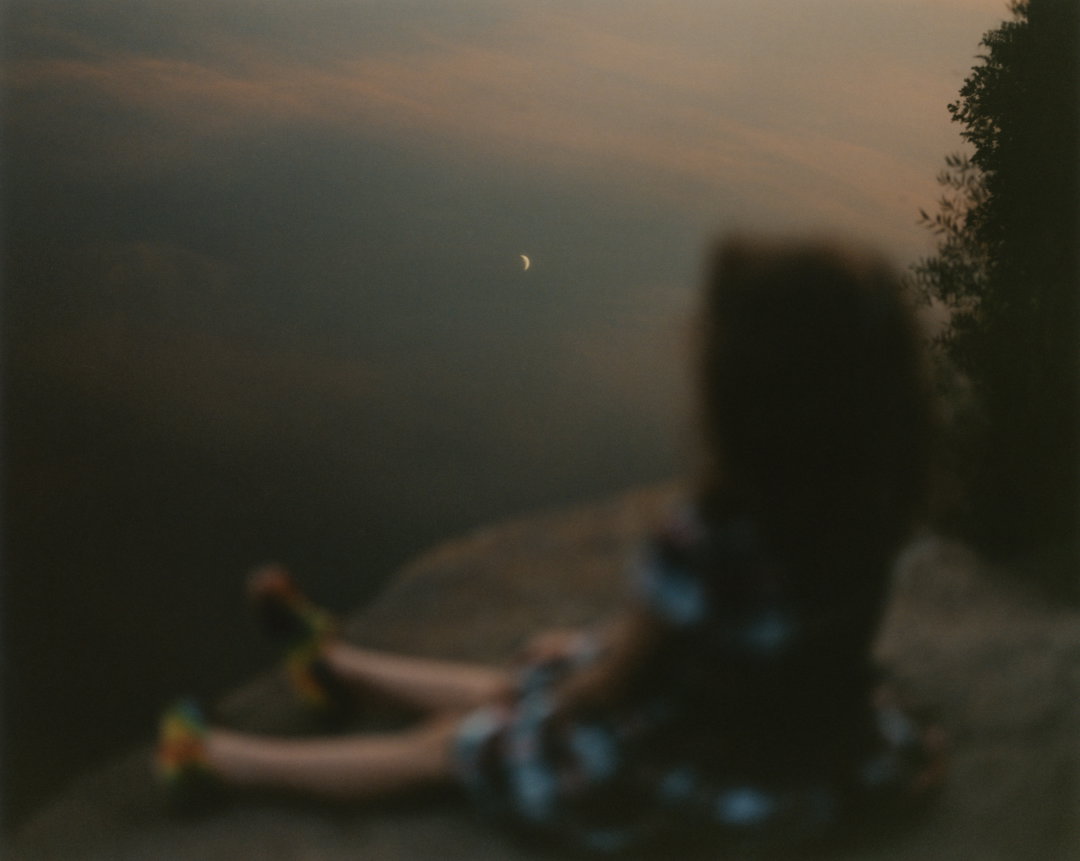
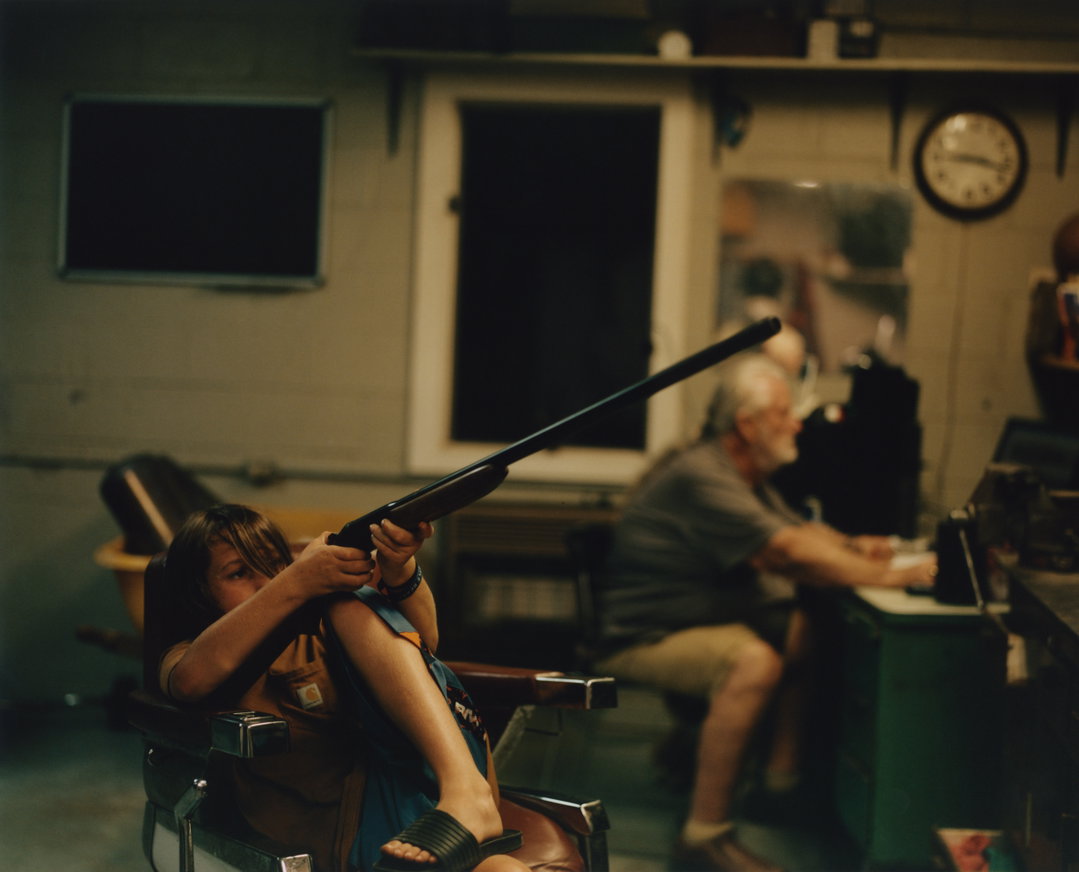
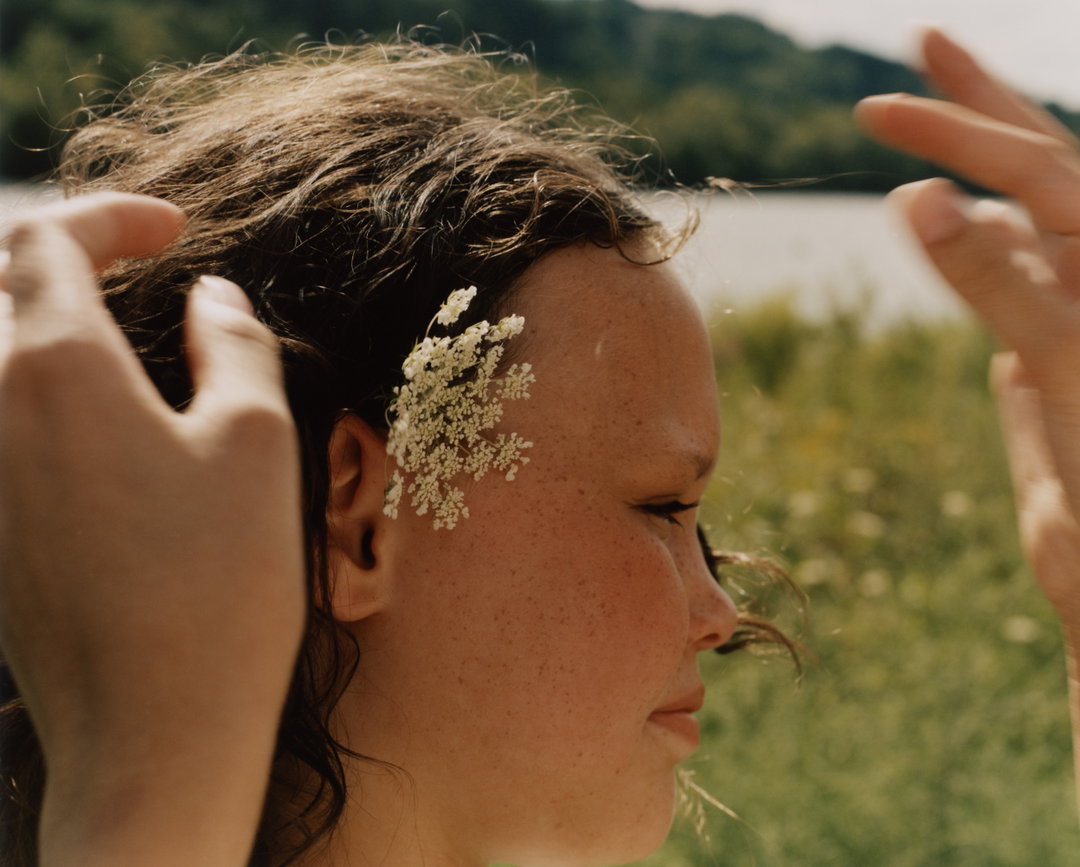
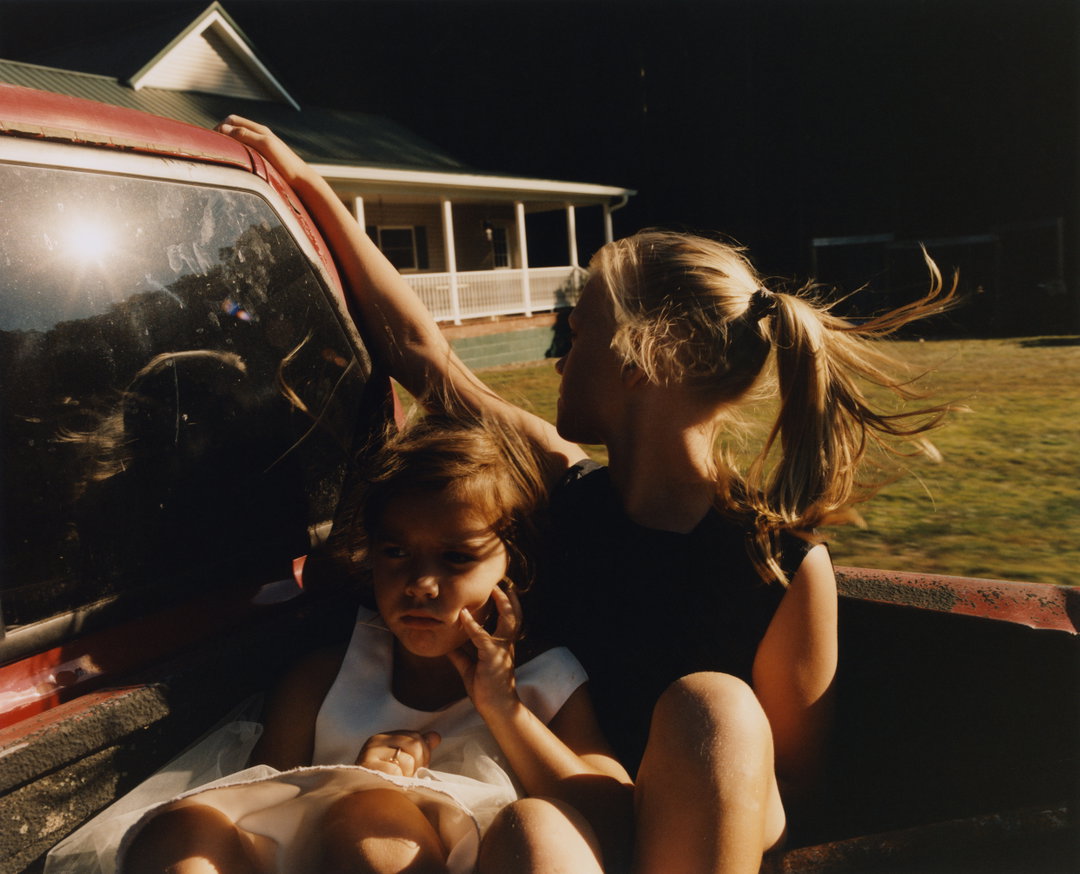
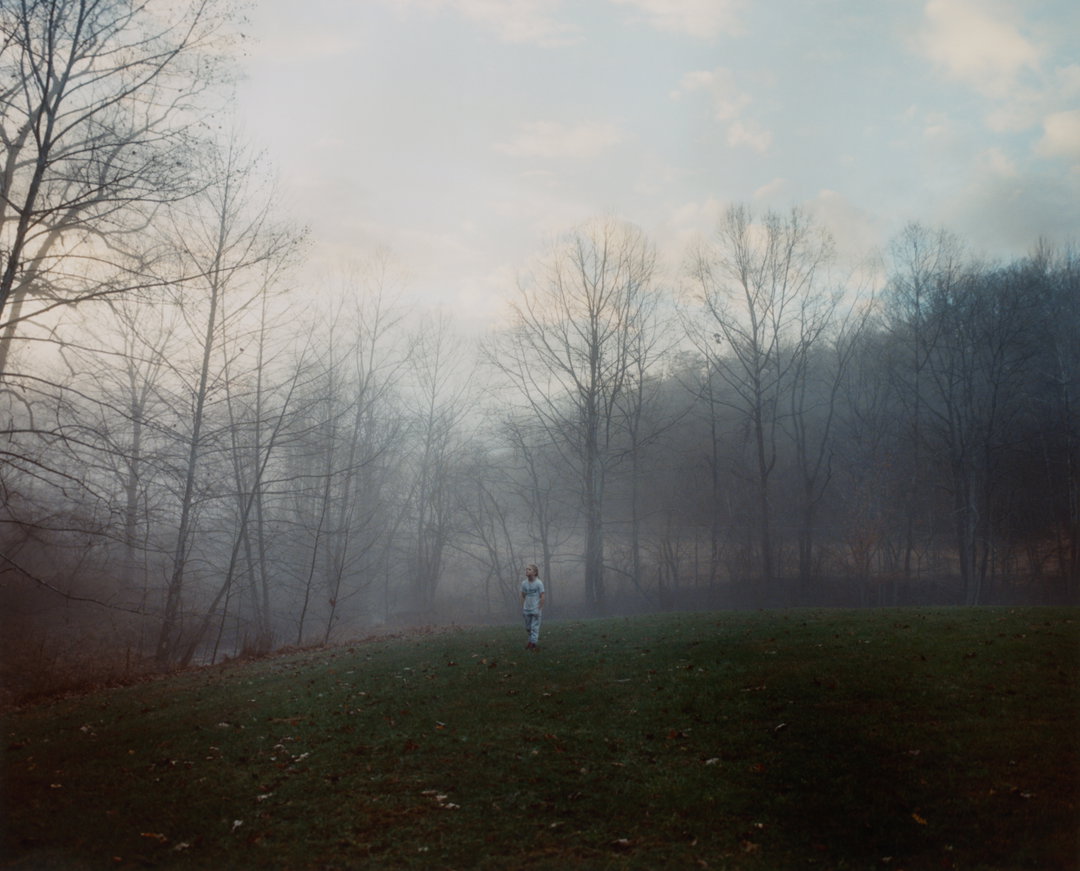
With six families shot over five years, Anthony figured out with publishers (such as Thomas Coombes from Guest Editions) and friends that organising by family was the best way to tell the sprawling narrative. Mawmaw was shot entirely on the Mamiya RZ67, Anthony’s favourite camera. With access to a darkroom for a musical project he was working on, he found his images for Mawmaw benefitted hugely from the colours, tactility and third dimension afforded by darkroom printing. As the editing process unfurled, Anthony began to see exactly how West Virginia feels in a visual form – the gloom of forest fogs, children playing with rifles, blonde ponytails whipping in the back of a pick up truck, crescent moons emerging in a milky dusk, sun kissing the brown leaves on two graves reading ‘mother’ and ‘father’. With each page landing on a new chapter in the grandfamilies’ stories, coaxing forth a hidden image from overlooked Appalachian households, Anthony Wilson’s Mawmaw is a very special document. Whatever family is made of, Mawmaw is made out of the same material.
GalleryAnthony Wilson: Mawmaw (Copyright © Pomegranate Press & Guest Editions, 2026)
Hero Header
Anthony Wilson: Mawmaw (Copyright © Pomegranate Press & Guest Editions, 2026)
Share Article
About the Author
—
Paul M (He/Him) is a Junior Writer at It’s Nice That since May 2025. He has a strong interest in graphic design, digital kitsch, multimedia painting, collage, nostalgia, analogue technology and all matters of strange stuff. pcm@itsnicethat.com
To submit your work to be featured on the site, see our Submissions Guide.