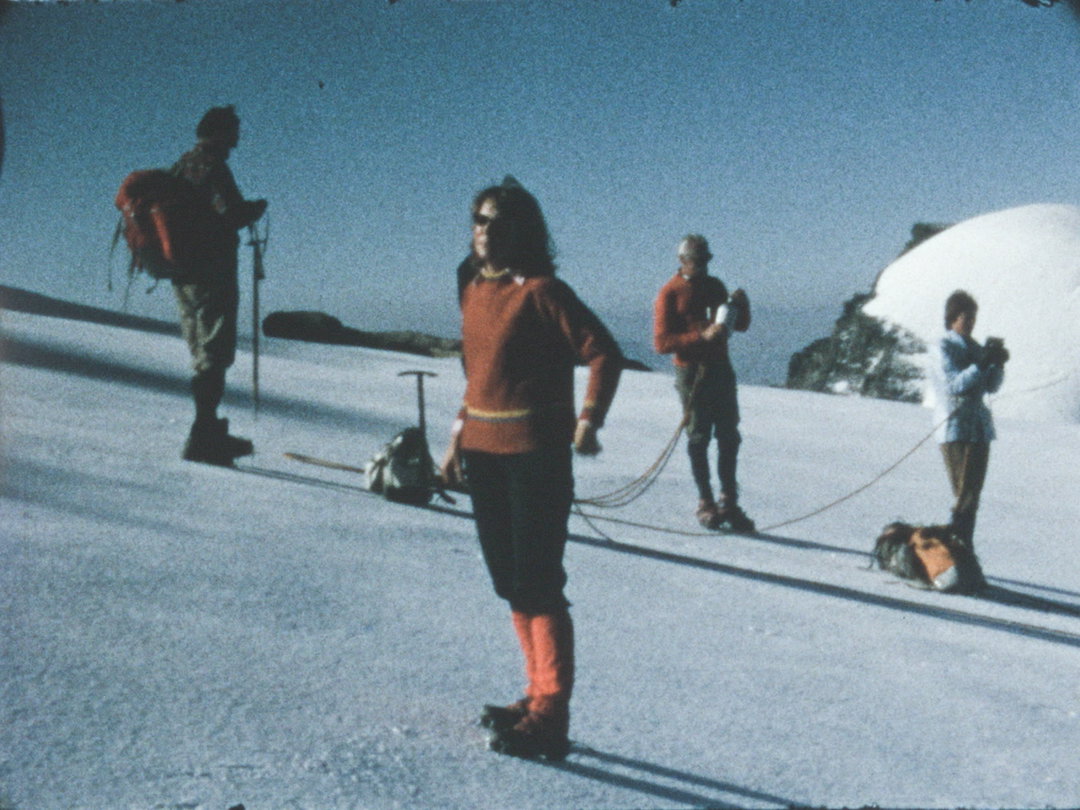


What 1980s novelty Garfield phones tell us about our rampant consumerism
This independent documentary from Back Market, directed by Zack Grant, dives into the mystery of novelty Garfield landline phones appearing on the French coast and asks what it says about our consumerist inclinations.
- Date
- 22 June 2026
- Words
- Sponsored Content
Share
The documentary short Silly Little Plastic Cat, directed by Brooklyn-based filmmaker Zack Grant, has been released by Back Market – the online marketplace for refurbished tech – and its subject matter is rather intriguing: the 1980s novelty Garfield landline telephone. Specifically, how said novelty phones have been washing up on the shore of Brittany, France, for over three decades.
As it turns out, in the 1980s, a shipping container containing these Garfield phones was lost at sea, and it took over 30 years for its contents to slowly wash across the Atlantic and onto Brittany’s beaches. “The Garfield phone story is truly stranger than fiction and exactly the type of documentary work that I enjoy the most,” Zack tells It’s Nice That. His interest was also piqued after he found the media’s portrayal of the story incomplete (if not ignorant). In his research he saw that coverage was incredibly matter-of-fact and didn’t consider the broader picture that the bizarre event painted. “Garfield’s weird and unexpected appearance on the shores of Brittany is the hook,” he says, “but at its core this film it’s also a cautionary tale about rampant consumerism.”
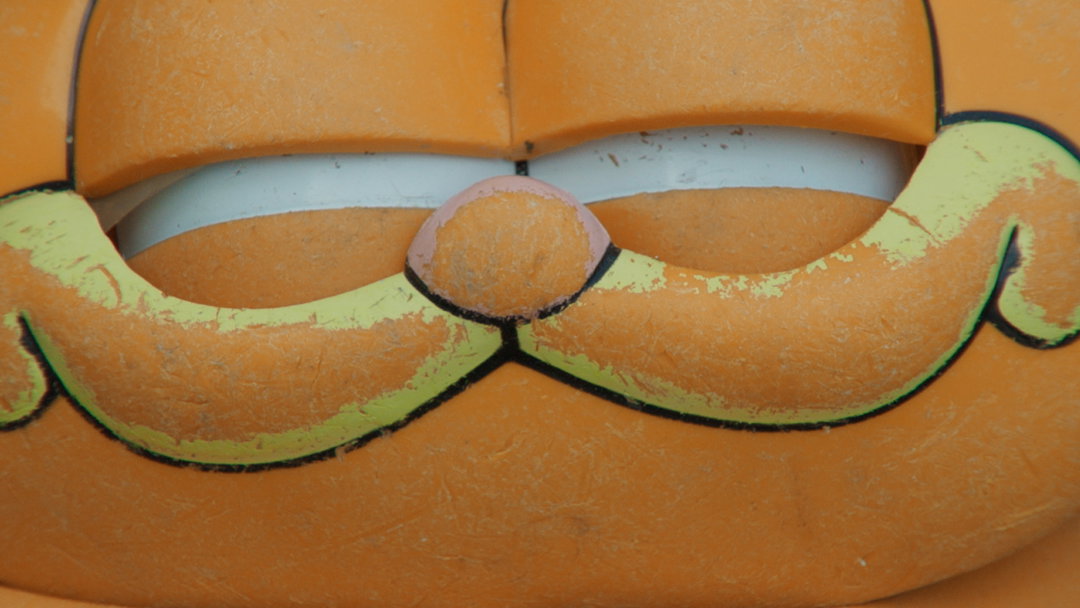
Silly Little Plastic Cat (Copyright © Back Market, 2026)
At the time, once the oddity of the story had worn off, the news lost interest, considering the “case closed and the issue solved”. But in creatively and objectively looking over the scene, it’s not hard to see how this internationally-recognised cartoon cat embodies how our over-consumption affects smaller communities. “It became really clear that for the local Brittany community, the Garfield story was still ongoing and representative of the present day issues of ocean pollution,” Zack says, “[alongside] rampant global consumerism and a lack of commitment to sustainability.”
From the get-go, Zack and his producer, Eleonore Voisard, wanted to work closely with the community to see how it dealt with the bright orange waste. “Eleonore was crucial in convincing our key subjects, who were certainly cynical of the media’s fascination with the Garfield phones, that we weren’t just another media entity looking to leverage the novelty of the story,” Zack recalls. Following their investigations, Zack found adoration for the community, as well as – perhaps counterintuitively – optimism for the planet as a whole. “I often believe that in today’s smartphone world, where everyone is so aware of being filmed, that it’s nearly impossible to get people to let their guard down on camera,” he says. A reality he regularly faces, considering his job as a documentary filmmaker.
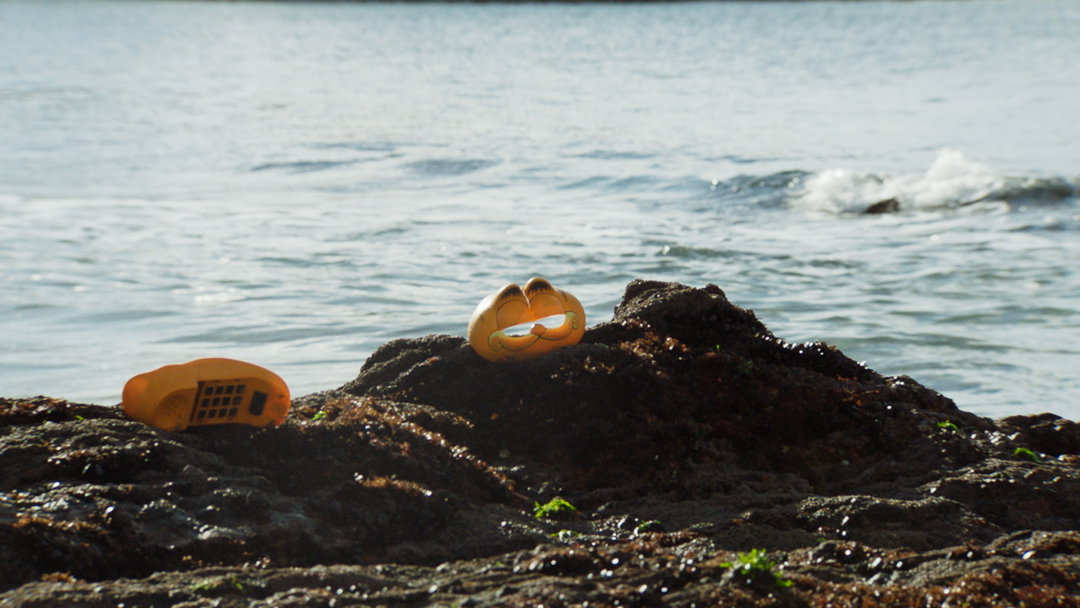
Silly Little Plastic Cat (Copyright © Back Market, 2026)
But, in this case, Zack found that, “the Brittany community was so refreshingly candid and generous that it gave me renewed hope for the power of true humanity in film,” he says. Brittany’s undeterred pursuit of environmental sustainability in the face of bigger foes was palpable. “I soon understood that for the Brittany community, protecting their coastline and natural world is central to their way of life,” Zack continues. From Gilbert – a man who shares the rubbish he collects from the beach – to local children who once were gleeful at the appearance of the phones, but now, as adults, comprehend the situation’s severity.
Silly Little Plastic Cat is an environmental tale, and Zack wanted the story to be told differently to other environmentally focused films – with the latter either being unintentionally depressing or, as he puts it, “particularly insurmountable”. “I think that reflects a general sense of ambivalence about the state of the environment.” With that in mind, Zack saw the opportunity to use this story and subject as a way of portraying global issues on a local scale. “Perhaps this is naive, but I’ve always found hope is a more powerful emotion than despair,” he says, “my goal with this film was to highlight the efforts of the Brittany community,” all the while showcasing how ingrained sustainability is within their lives. Hopefully, the film will leave the audience considering their own consumerist habits, all via a silly plastic cartoon cat. “As local resident Claire Simonen so eloquently says,” Zack ends, “‘the Garfield case is not over, and that’s a good thing because the message continues too’.”
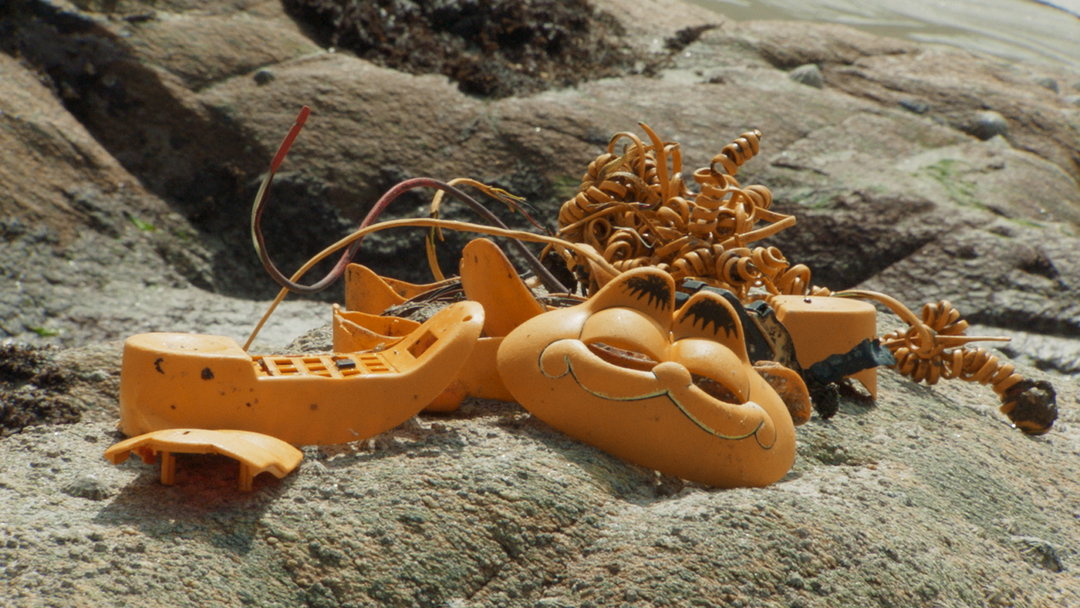
Silly Little Plastic Cat, Photographer: Zack Grant (Copyright © Back Market, 2026)
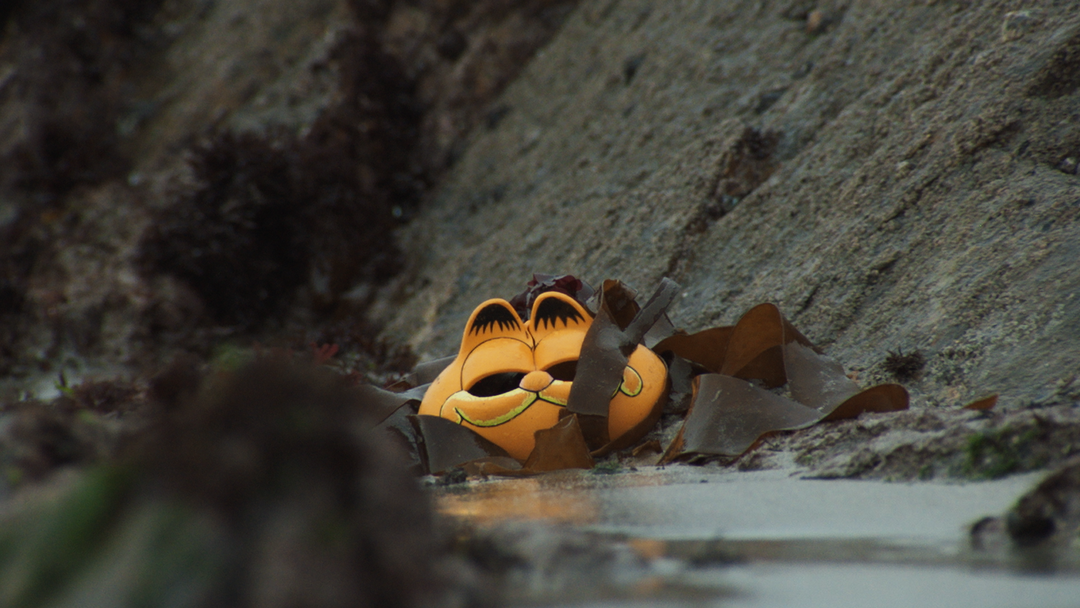
Silly Little Plastic Cat, Photographer: Zack Grant (Copyright © Back Market, 2026)
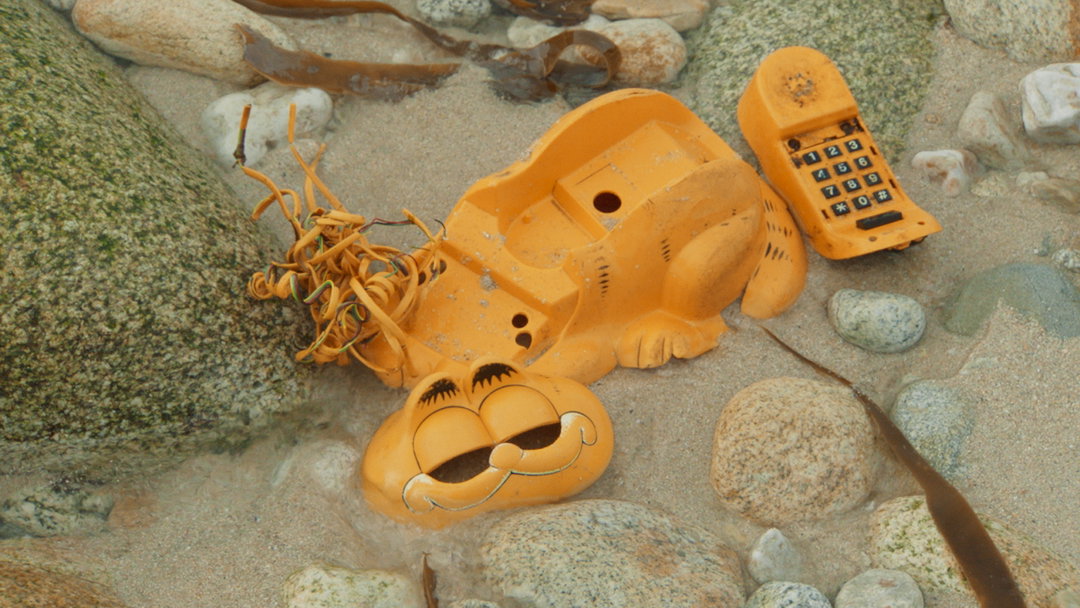
Silly Little Plastic Cat, Photographer: Zack Grant (Copyright © Back Market, 2026)

Silly Little Plastic Cat, Photographer: Zack Grant (Copyright © Back Market, 2026)
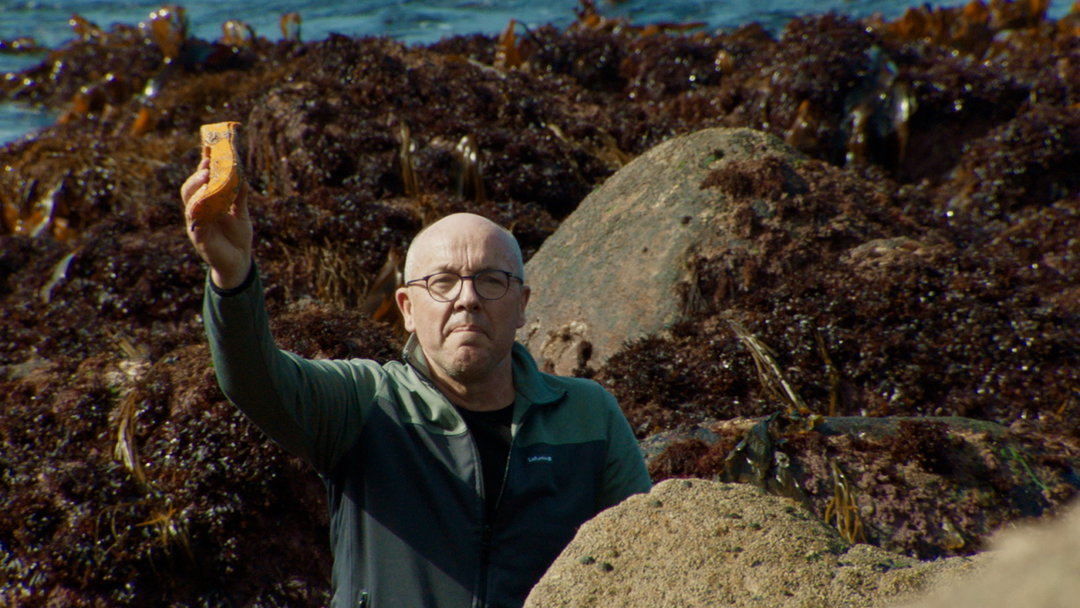
Gilbert Mellaza, Photographer: Zack Grant (Copyright © Back Market, 2026)
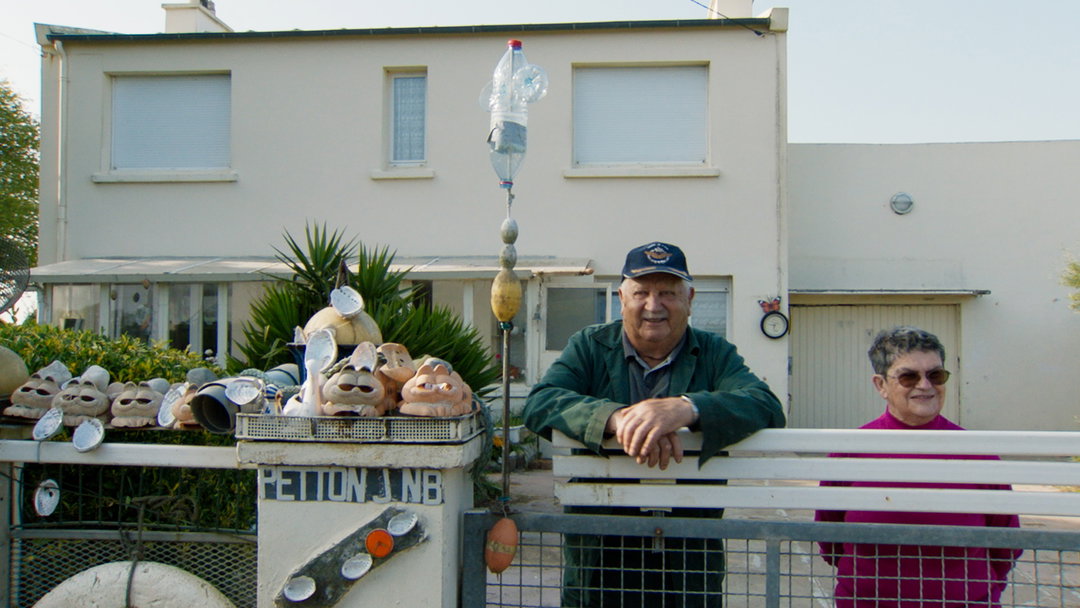
Jean-Marie and Yvan Petton, Photographer: Zack Grant (Copyright © Back Market, 2026)
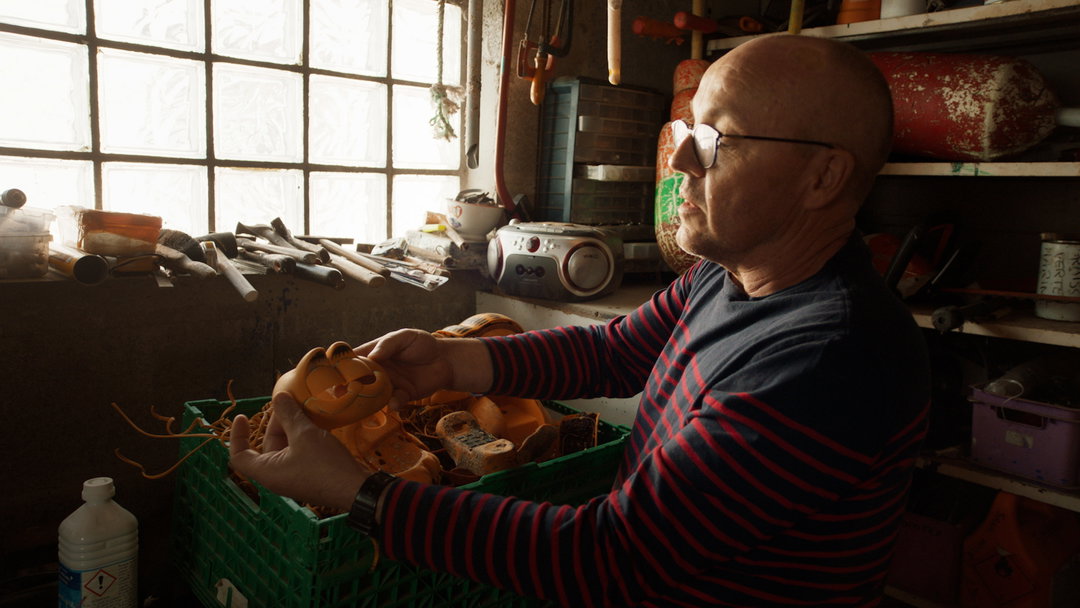
Gilbert Mellaza, Photographer: Zack Grant (Copyright © Back Market, 2026)
Sponsored by
Back Market
Back Market is the leading global marketplace dedicated to professionally refurbished technology. Our mission is to create a world that does more with what we already have by prolonging the lifespan of electronic devices through circularity and repair.
Hero Header
Silly Little Plastic Cat, Photographer: Zack Grant (Copyright © Back Market, 2026)
Share Article
About the Author
—
This article was sponsored by a brand, so is marked up by us as Sponsored Content. To understand more about how we work with brands and sponsorships, please head over to our Work With Us page.