“You can decide your fate”: David Nana Opoku Ansah discusses his journey into photography
The Ghanaian photographer tells us of his path into image-making – one that involved a search for freedom and a world filled with endless possibilities.
David Nana Opoku Ansah’s journey into photography can be traced back to his childhood. “Coming from a place where parents feel like they’re against the world made them very strict on where I go and who I interact with,” says the Ghanaian photographer. “I had few friends and people around me growing up, which made it really difficult to communicate how I feel.” He therefore turned to image-making “after a long search through various mediums”, specifically for its ability to transport him into other worlds filled with endless possibilities.
Born and raised in Accra, David now uses his lens to document and explore what he terms a “new aesthetic of blackness and community”, achieved through a complementary medley of film and photography. David recalls first laying eyes on the photography of Alex Webb and Deana Lawson, seeing it as a defining moment in his decision to pursue the medium. Alongside the freedom and evocative storytelling that their work offered, it was the sense of intrigue that really captivated him. “I was left with so many questions,” he says. “Also, I think [film and photography] help to archive so many memories compared to other forms, where you just have to imagine what has been written or said. With image-making you see the actual moment and wonder what was really happening.”
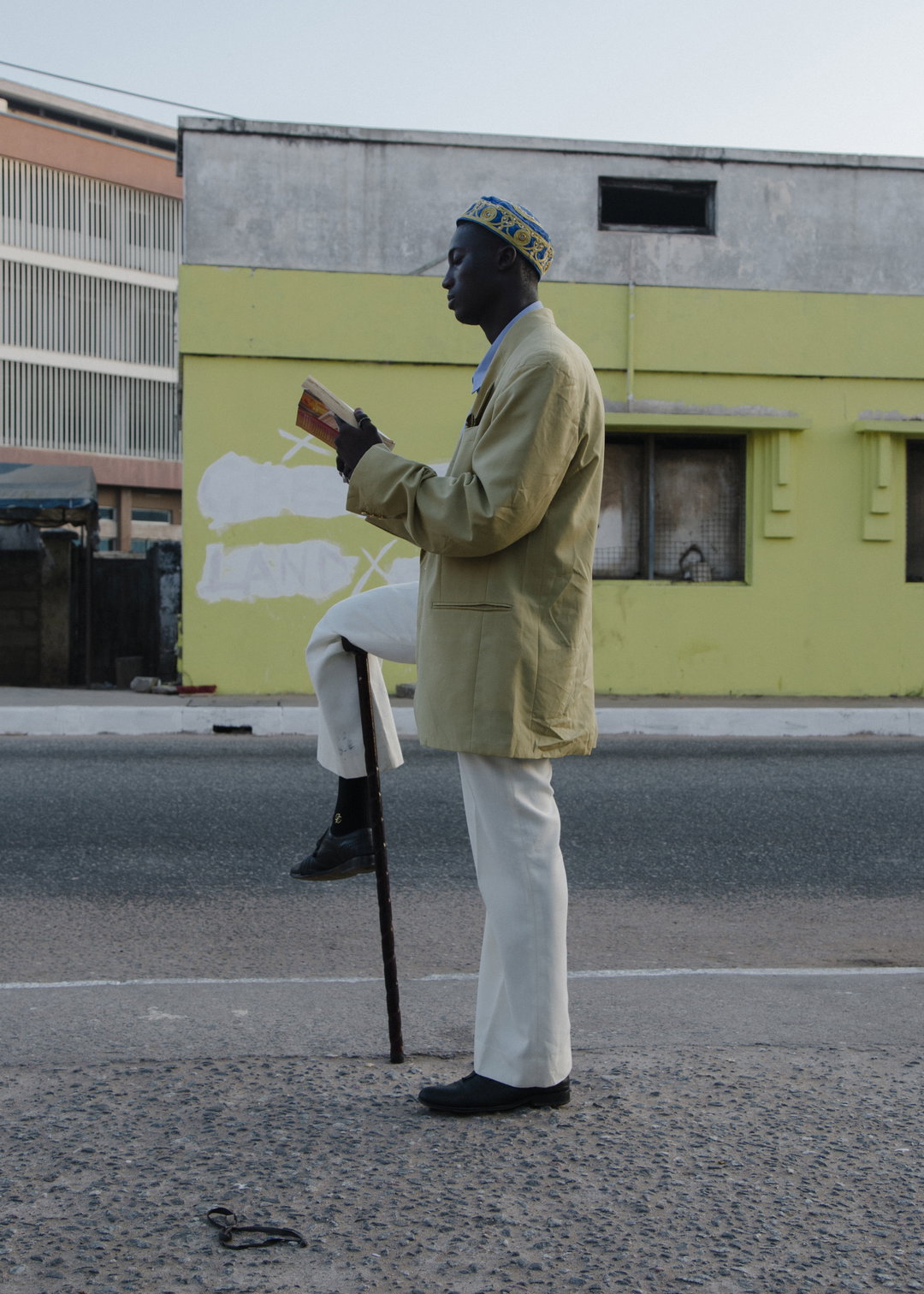
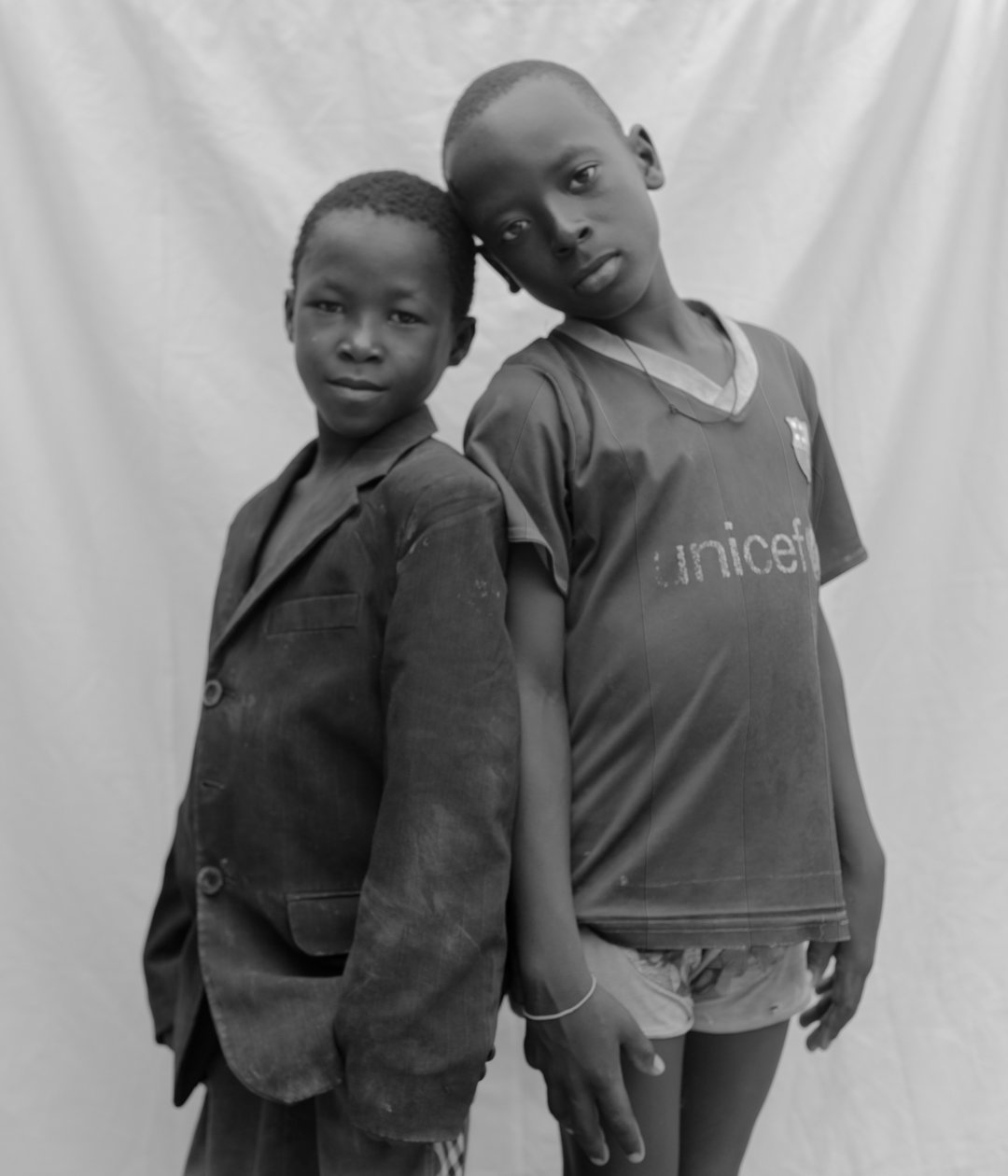
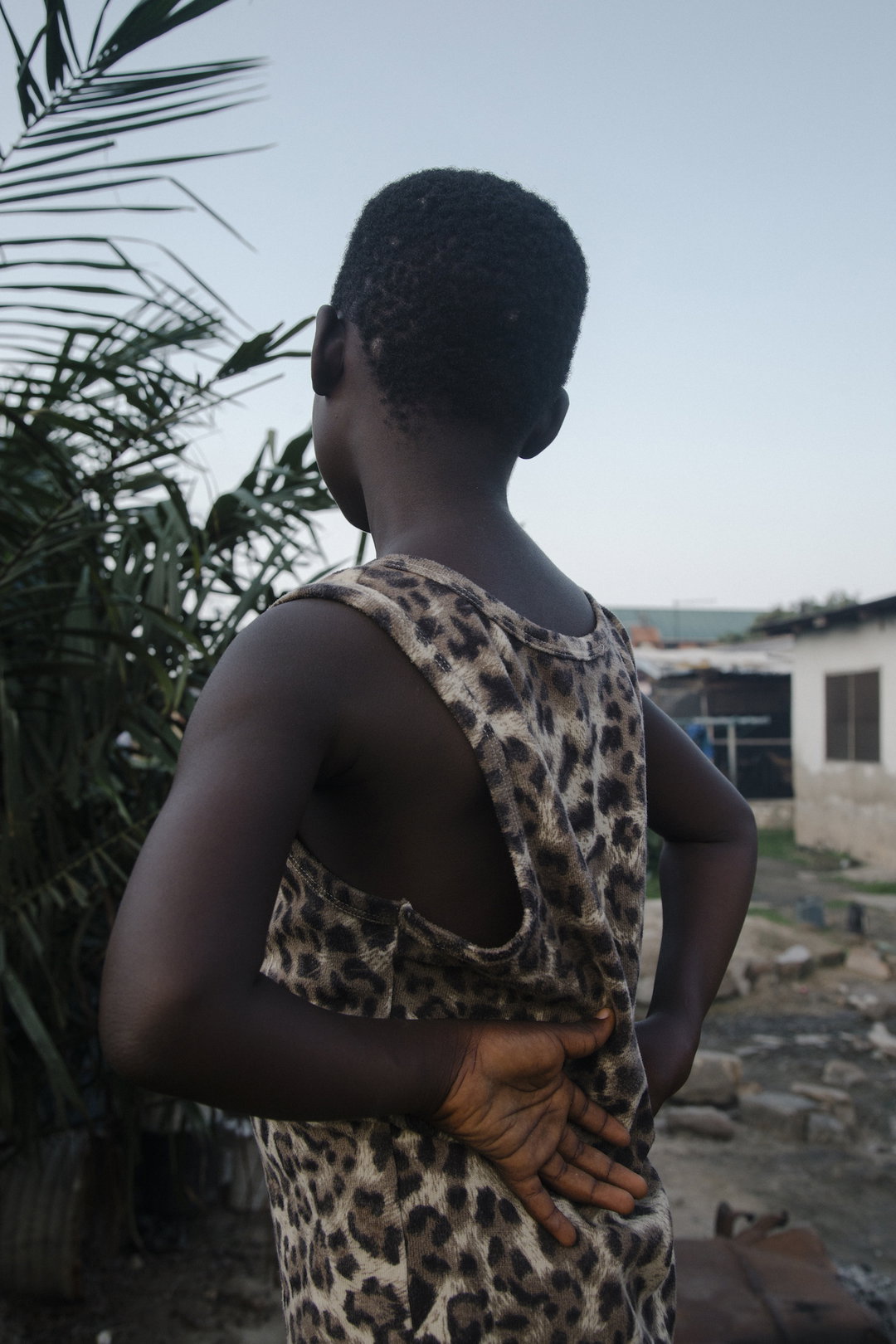
GalleryDavid Nana Opoku Ansah: Area Boys & Brotherhood
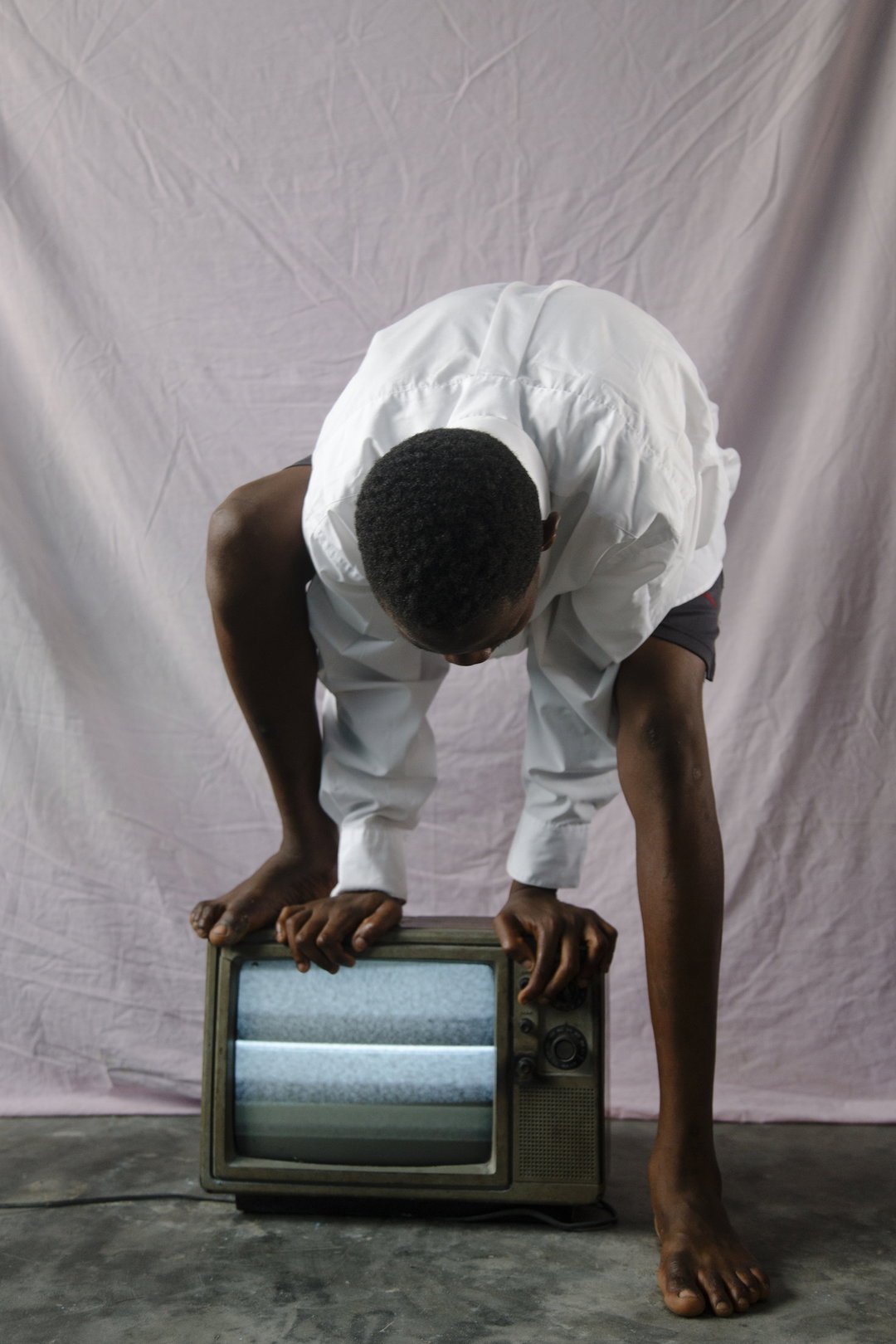
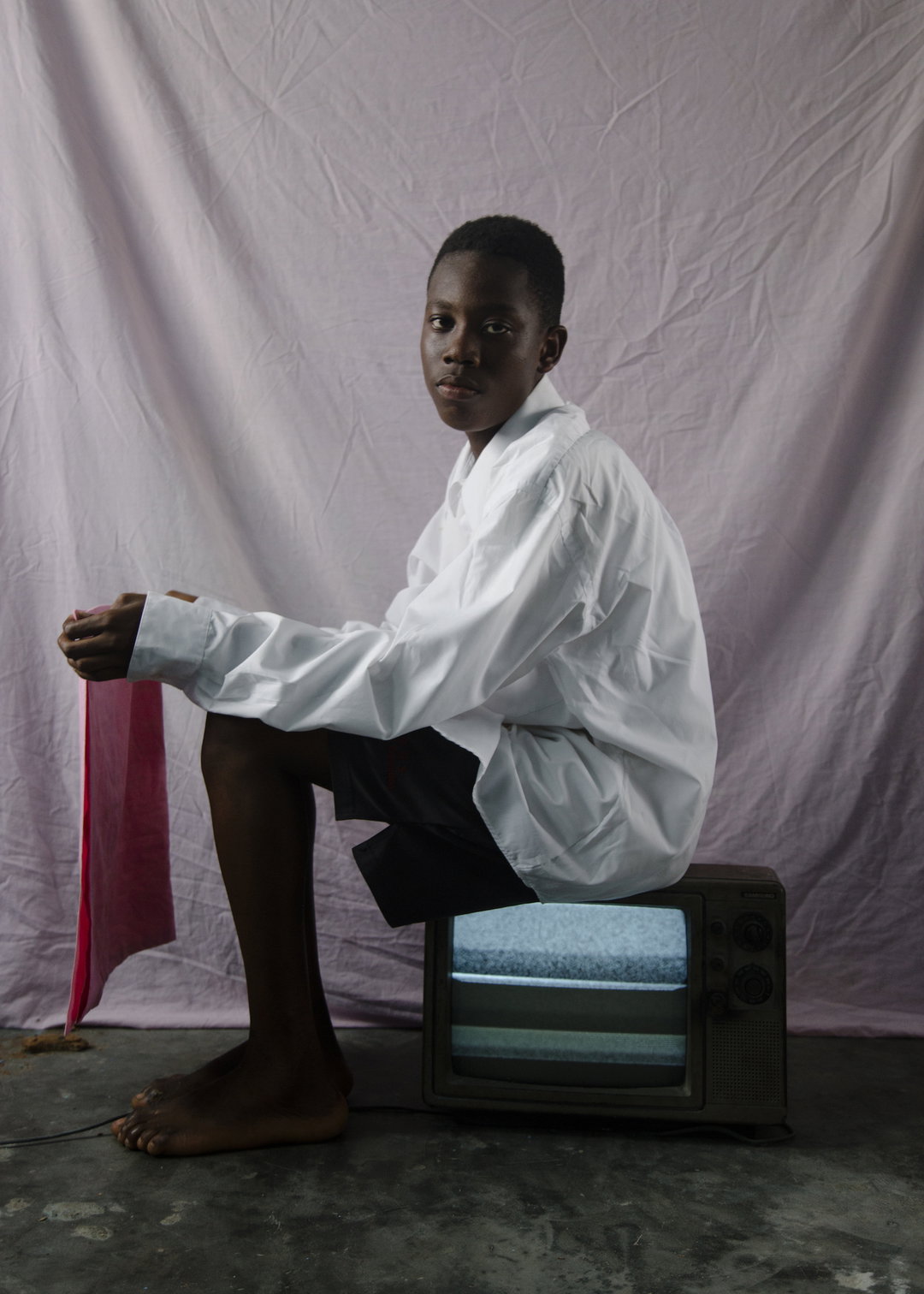
Besides this, David also refers to Alex Soth, Harley Weir, Tyler Mitchell, David Fincher and Charles Burnett as his key influences. Yet his sources change regularly and really depend on how he feels at any given time, or on what he wants to achieve. “My childhood plays a major role because my inner child screams at me all the time, saying: ‘Why are you in a hurry to grow?’” In this case, youth culture and the friends around him also play a huge part throughout his practice. “It’s so mad what people my age are doing now; they are really changing the world and it makes me feel so warm.”
Continuing to reveal the details behind some of his favourite recent projects, David brings to light a campaign for Nike, his series Brotherhood and The Together Project. The first was an important project for David, as it marked a “very big” milestone for him, with it being the first sneaker campaign to ever happen in Ghana – a campaign he directed with a few “dreamer friends” and an all-Ghanaian team. “I wanted to show what Accra really looked and felt like; I wanted it to be as raw as possible.”
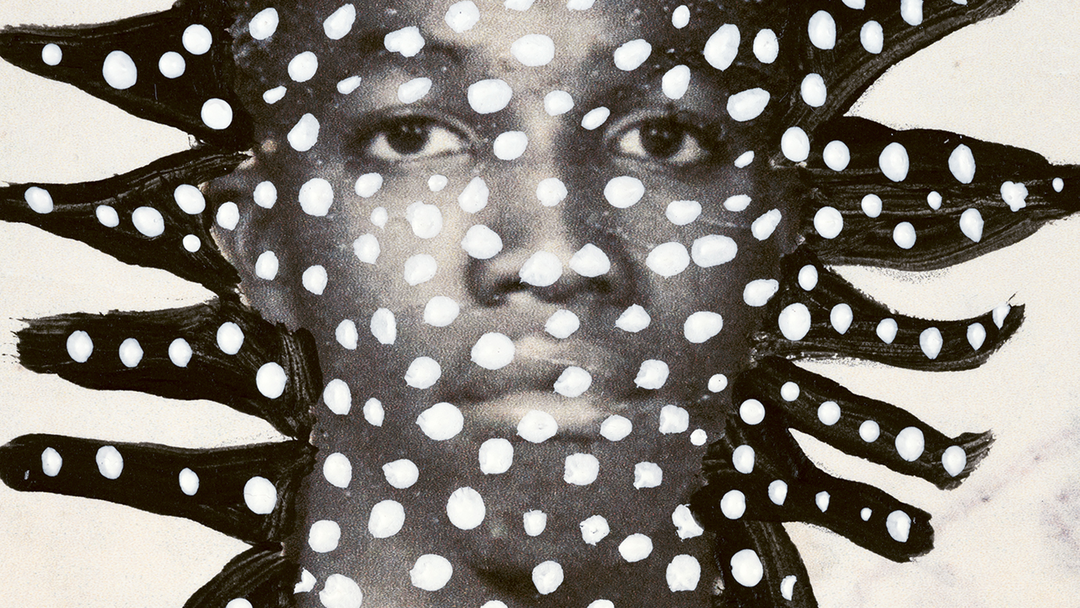
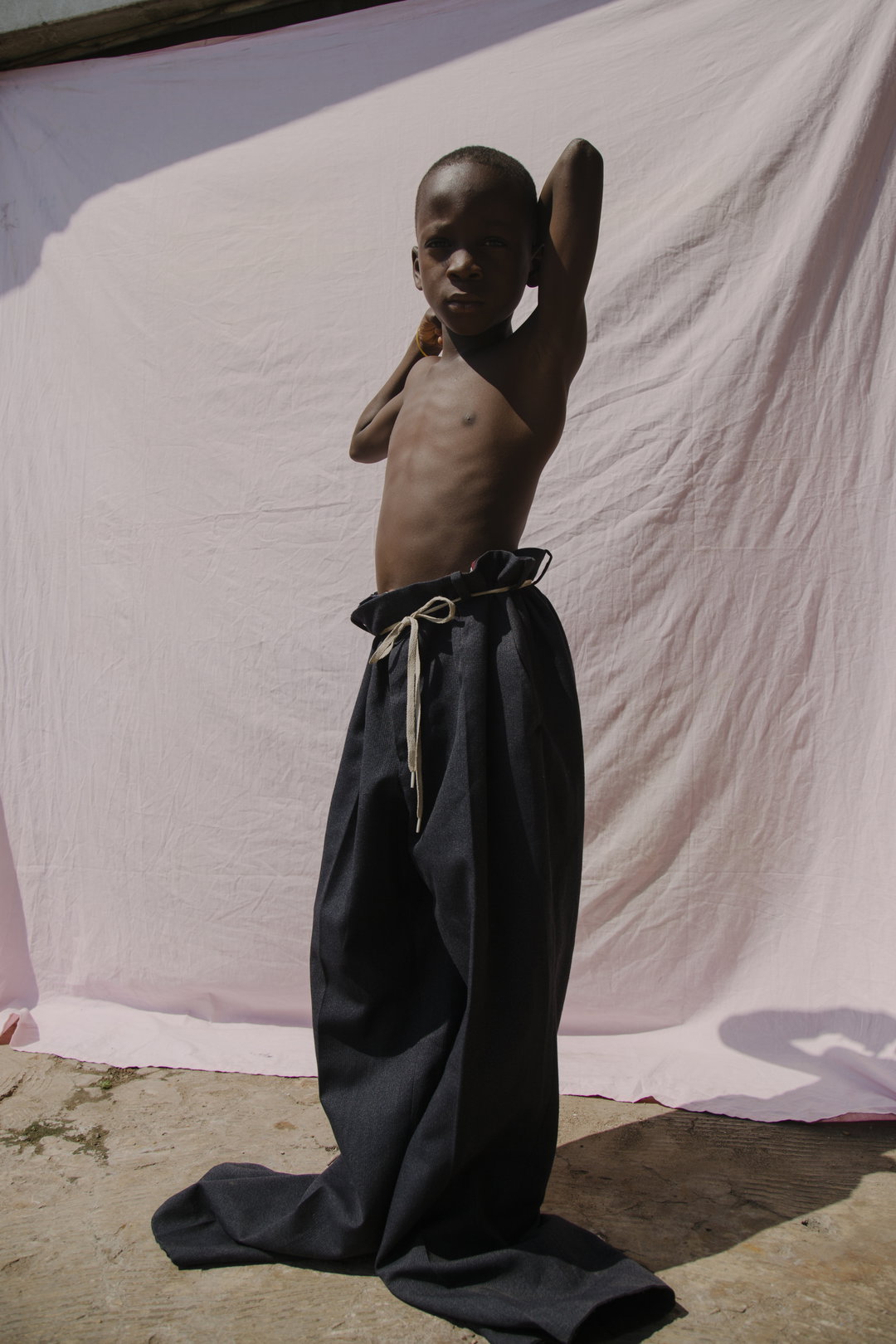
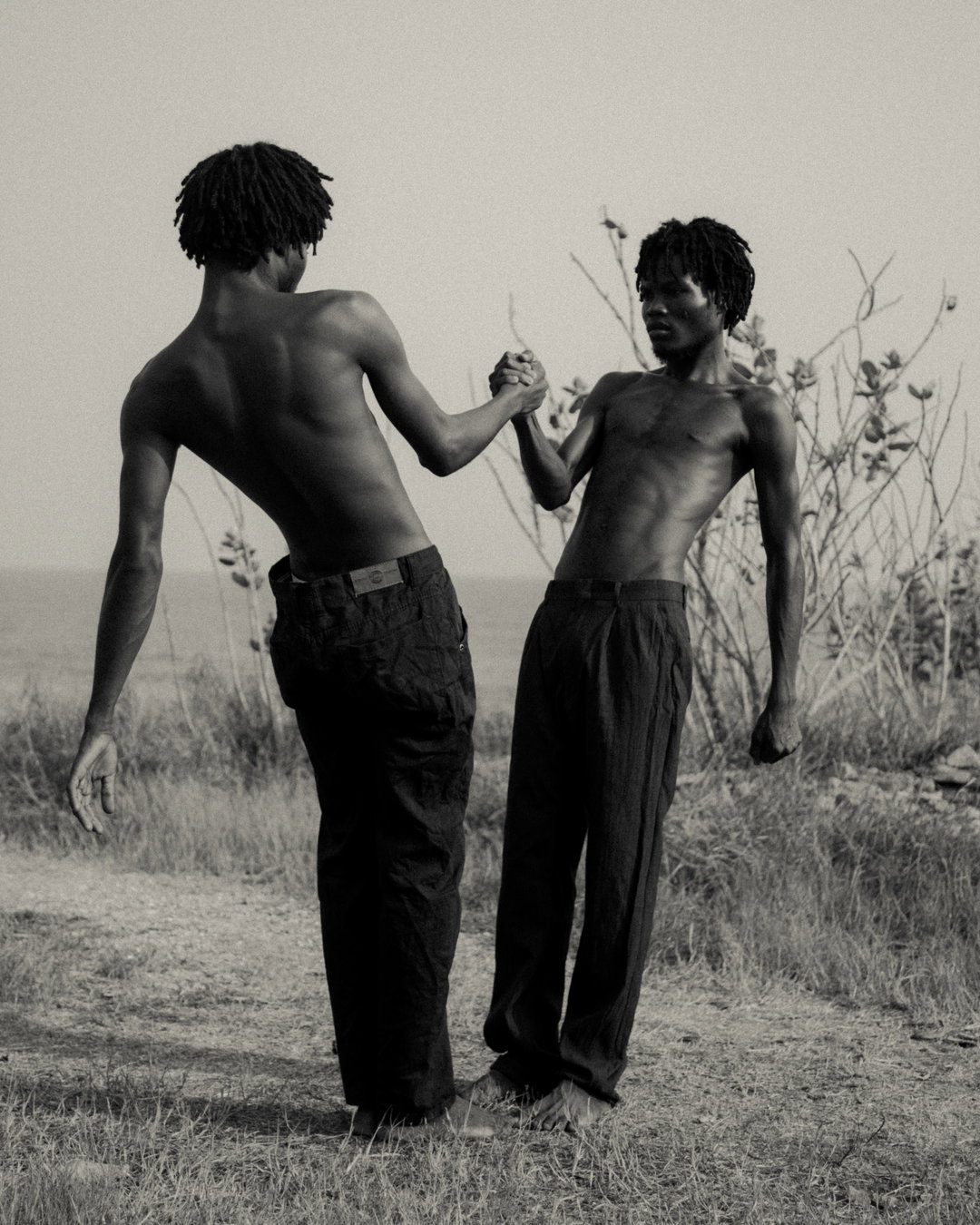
Brotherhood, on the other hand, was more of a reflective piece, unpacking how he wishes things were different for him – “how I wish I had freedom to live and so many things I wish I could change.” To solidify his concept, he turned to both relatives and strangers to tell his story, especially those that reminded him of himself while growing up. “Some were lost and confused, some felt vulnerable and some were just happy but don’t look like it,” he says. “All this I felt when growing up.” The result is a softly toned series, almost sepia-like in colour and radiance, where he used old garments from his deceased relatives’ wardrobes to give an essence of nostalgia and to symbolise his own journey into the past.
Alongside future plans that may involve further collaborations, more film projects, a book and an exhibition, David’s main aim is to induce a sense of freedom and curiosity among his audience. “Not everything is real because society tells you it is,” he says. “Once you wander around and get the answers for yourself, you can decide your fate. I want people to feel something; I want to make people feel uncomfortable and also change the narrative and knowledge of how an image should look and feel.”
GalleryDavid Nana Opoku Ansah
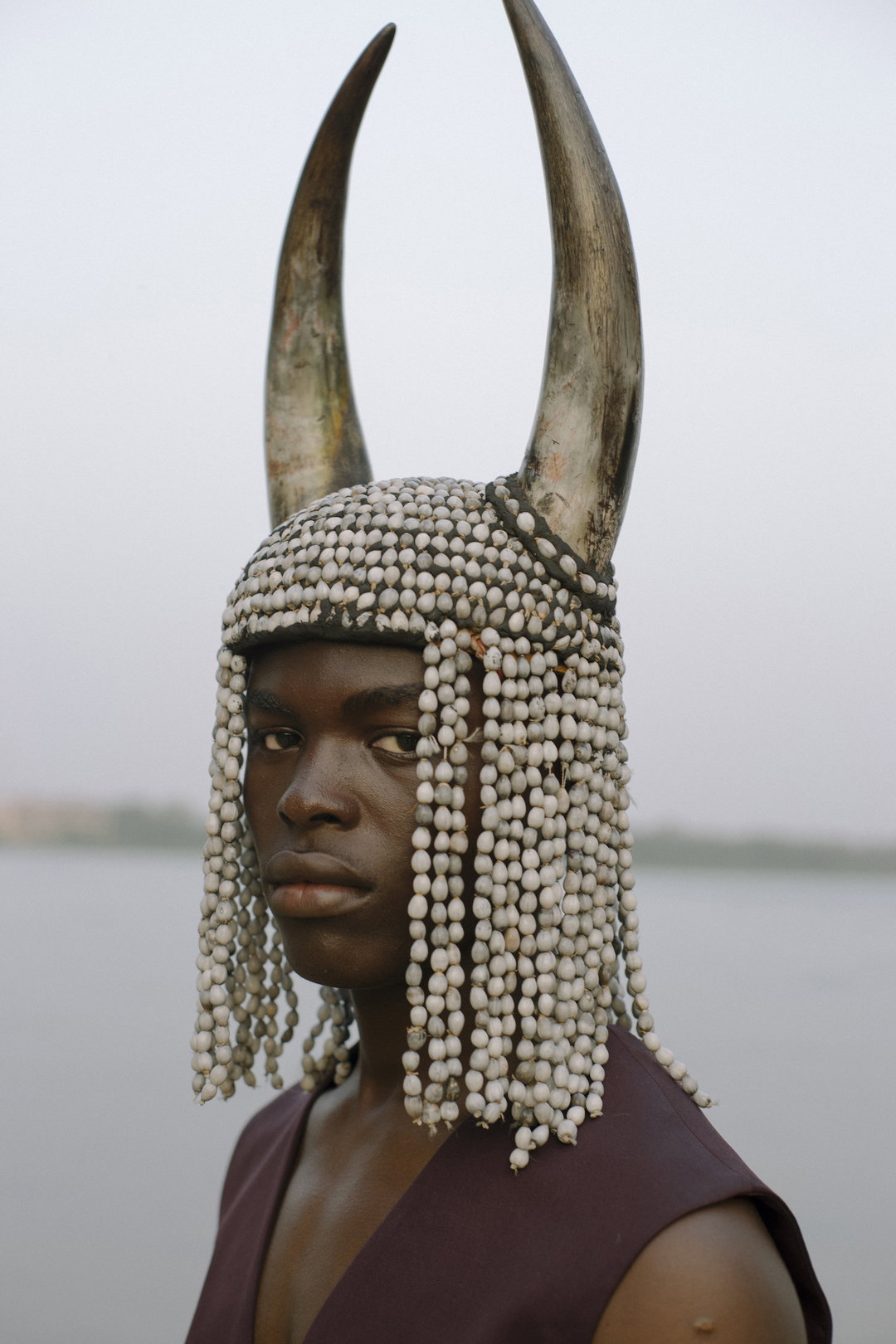
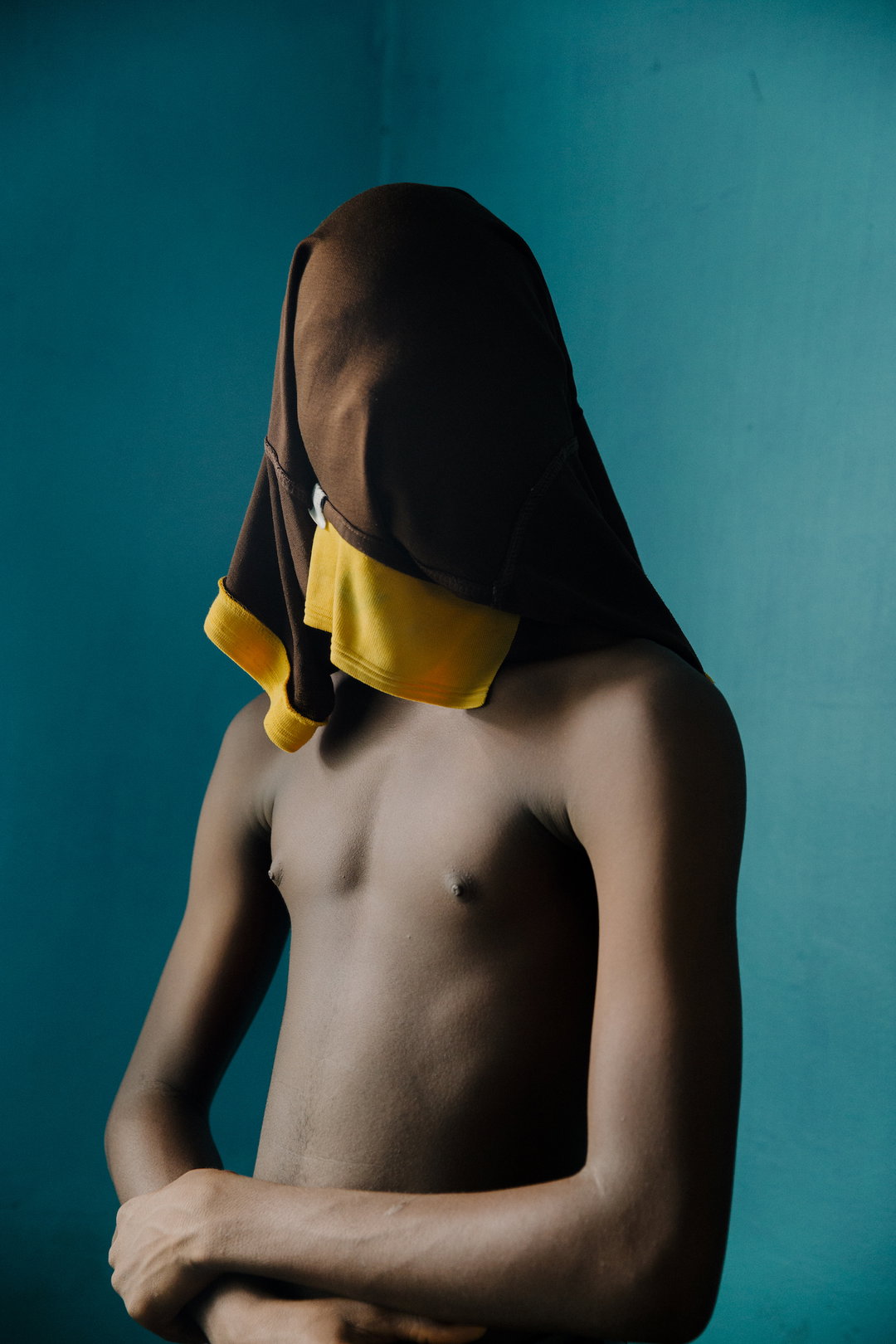
Area Boys & Brotherhood
Area Boys & Brotherhood
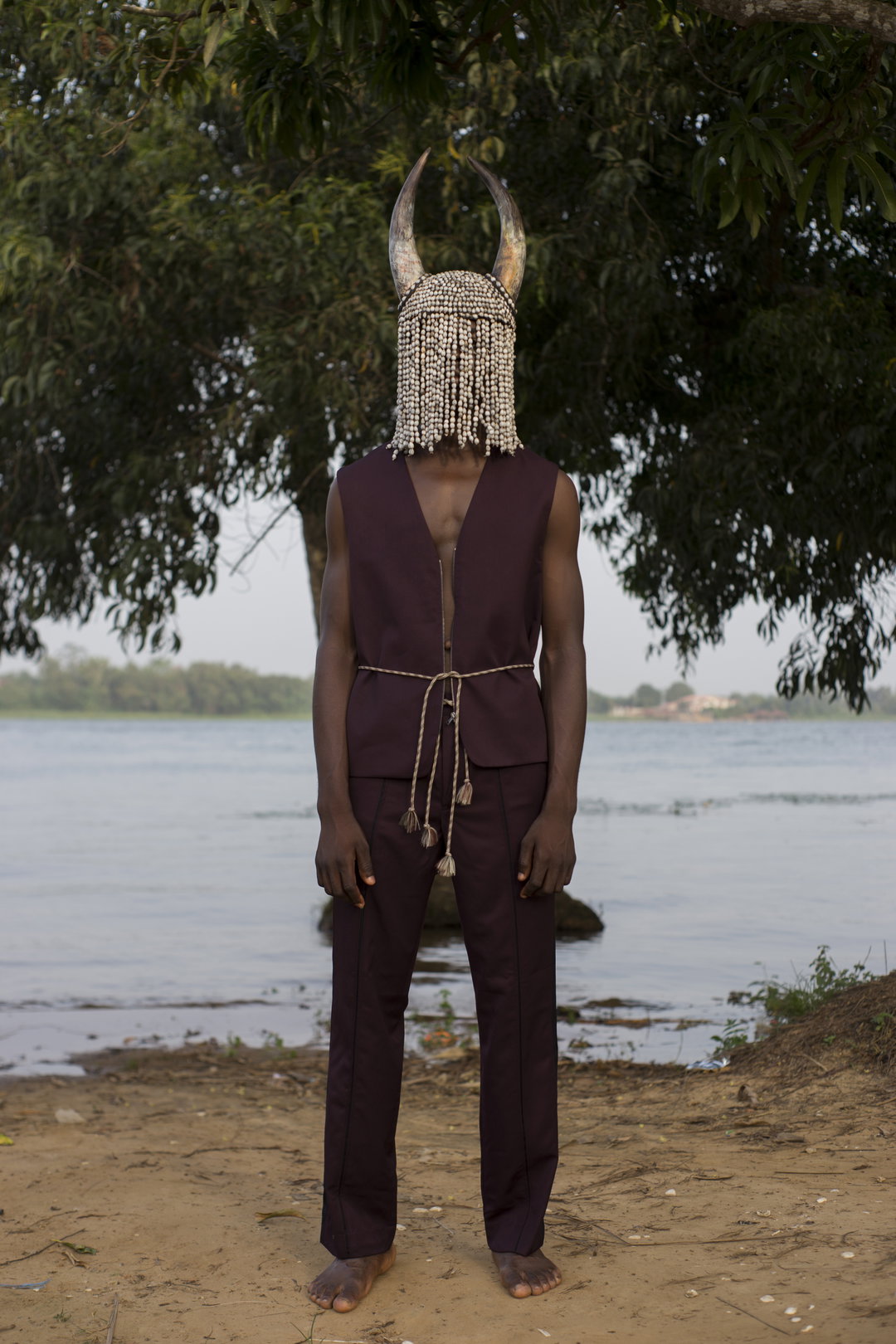
Me Nya Ntaban
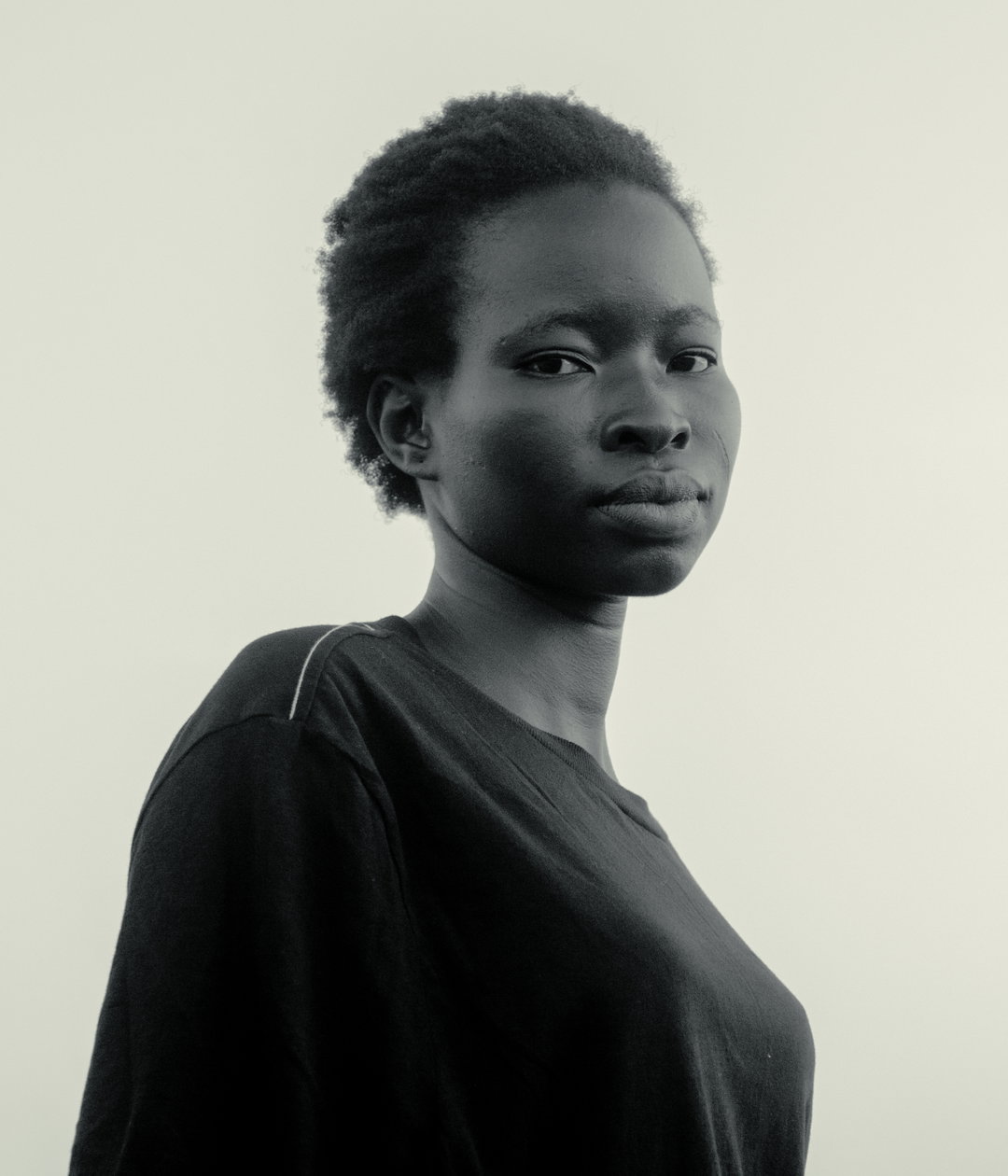
Northern Faces
Share Article
Further Info
About the Author
—
Ayla is a London-based freelance writer, editor and consultant specialising in art, photography, design and culture. After joining It’s Nice That in 2017 as editorial assistant, she was interim online editor in 2022/2023 and continues to work with us on a freelance basis. She has written for i-D, Dazed, AnOther, WePresent, Port, Elephant and more, and she is also the managing editor of design magazine Anima.