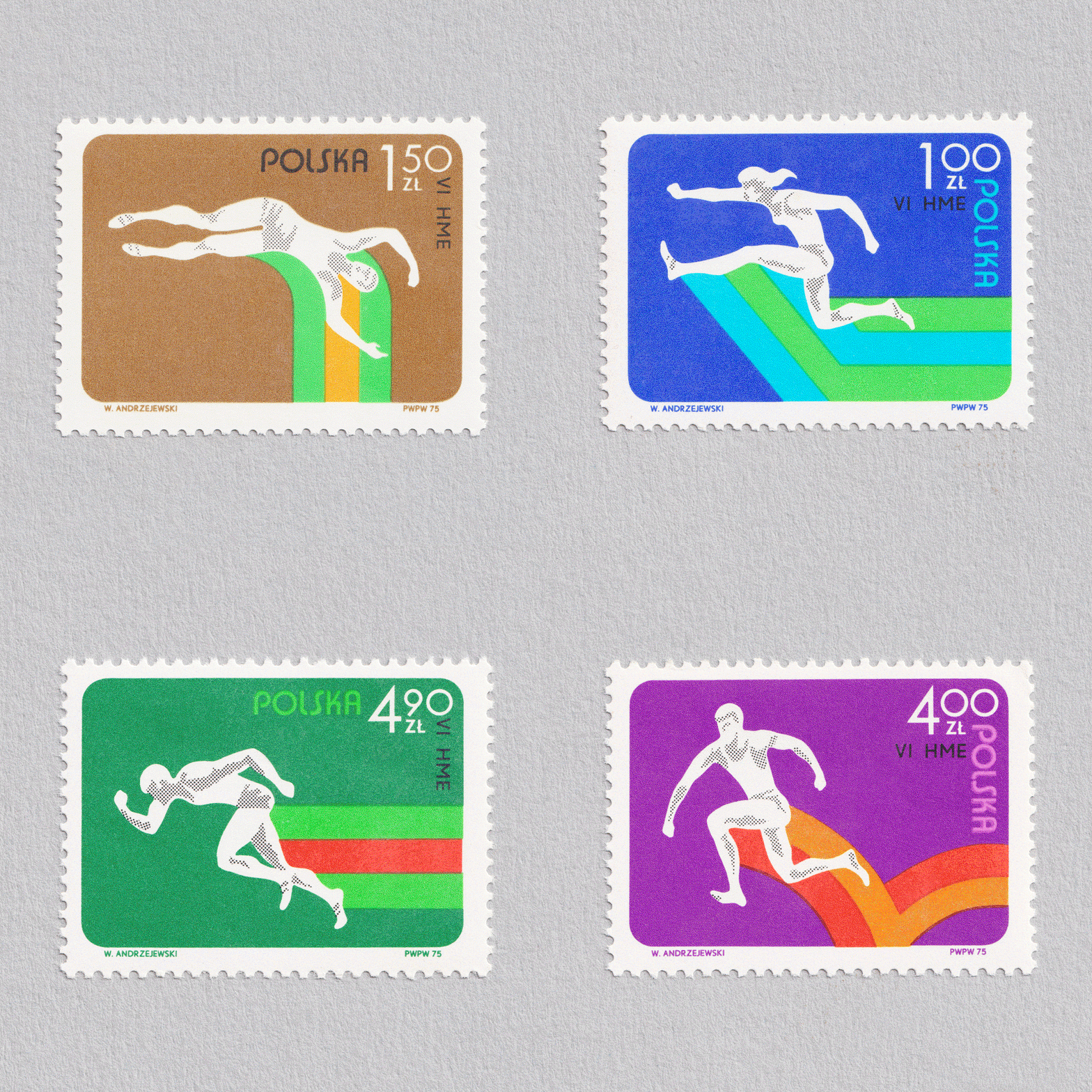
Filatelia Grafica’s archive of sports stamps is a treasure trove of design history
The platform is run and expertly curated by London-based graphic designer and archivist Diego Bucciero, who has brought the collection out of an old shoebox for everyone to enjoy.
If you love beautifully presented graphic design history, and stamps, then the Filatelia Grafica platform on Instagram is the place for you (and all of us too, for that matter). From the recurring Olympics theme to the colourful modernist designs and complementary background motif, the bold curation of brand and graphic designer Diego Bucciero makes this particular design archive stand out from the crowd.
Art, design and culture have always been at the forefront of Diego’s interests, and a journey to Camden, London some 15 years ago ignited his love for collecting these stamps. Initially hoping to find letterpress posters on the trip, he instead ended up spending the majority of the time at a small stall, sifting through boxes of both used and taintless Olympic stamp sets. “Until then, I had absolutely no interest,” he tells us. “But I found the beauty and graphic boldness charming and appreciated how simple yet thoughtful design could command attention on such a tiny medium,” he adds. So much so that he even remembers his first stamp haul, including pieces from the 1968 Mexico Olympic Games designed by American graphic designer Lance Wyman and the 1984 Los Angeles Olympic games set from Cuba.
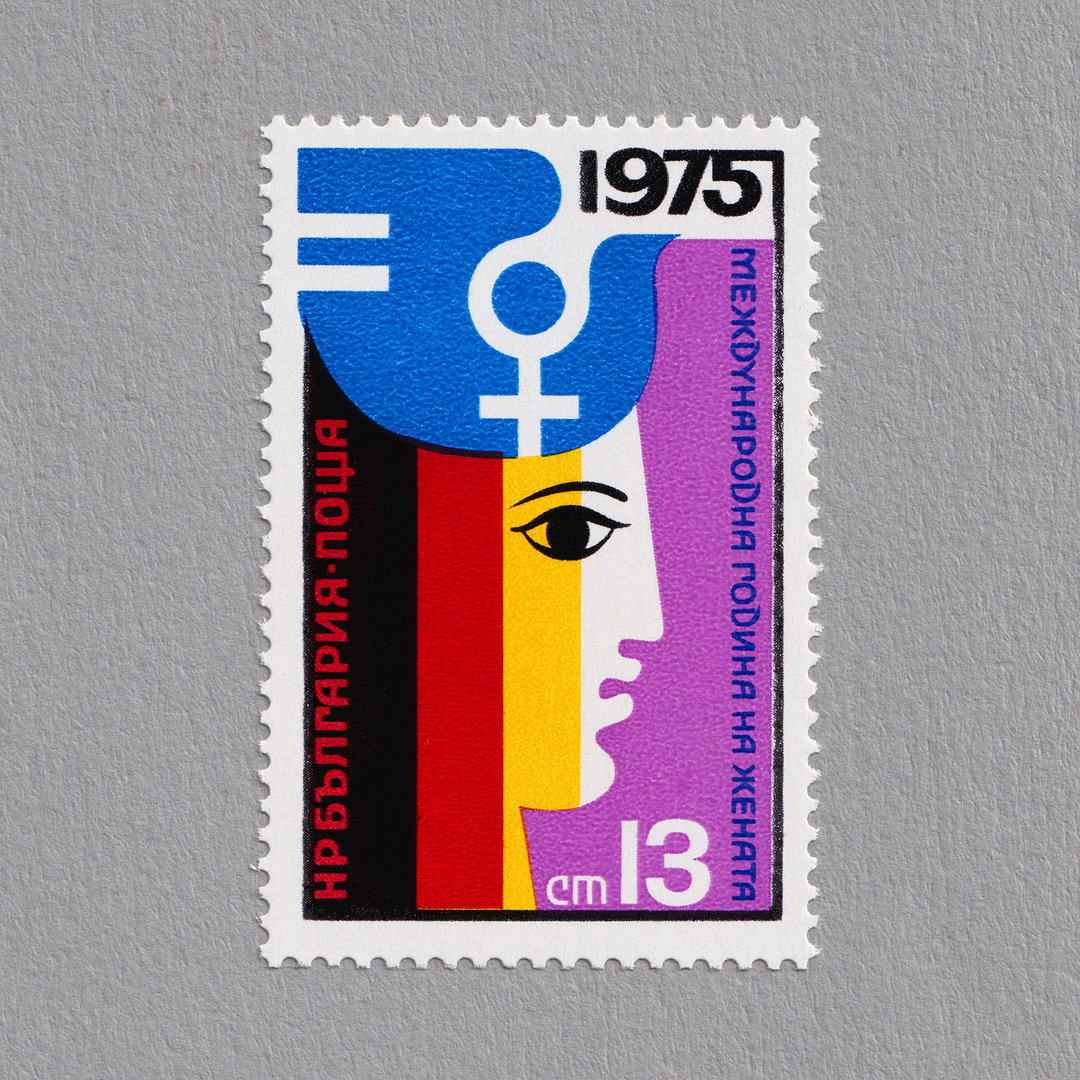
Filatelia Grafica: International Women’s Year. Bulgaria, 1975. Design by Stefan Kanchev
Throughout Filatelia Grafica, Diego’s modernist design influences are beautifully prevalent. “Stamps that catch my eye? The ones with clean typography, bold geometry, playful iconography or simply a strong graphic idea visualised in a simple or timeless way,” he tells us. But, what’s also particularly formidable about the archive is that Diego also researches and traces the designers, providing a greater context for the history of the stamps and design as a whole. “I’ve even gotten to the point where I seek out designs by some of my favourites, including Bulgarian designer Stefan Kanchev and Polish graphic artist Waldemar Świerzy,” he adds. With the former being known for his logo design work and the latter for his contributions to the Polish school of posters, each time he researches and credits this history, a stamp becomes an opportunity for the audience to delve deeper into the periods of art and design and its bleeding into these miniature pieces of art.
Diego’s process for collecting and collating the stamps has evolved a lot over the years. “It’s become a lot more meticulous,” Diego shares. “I initially stored the stamps in my shoebox. It wasn’t until the Covid lockdown started that I began sorting and sharing my collection on Instagram as a small project to keep me occupied.” Growing tenfold since then, with a dedicated following and interaction from other stamp archives such as the Philately Bulgaria, he now sets aside time weekly to pick up new additions and create a selection of stamps to add to the archive. And in terms of the presentation, he has perfected his approach, allowing the audience to examine the graphic beauty of the stamps up close. “I derive real enjoyment from the discovery and research, and then archiving the stamps in a beautiful and organised manner,” he adds.
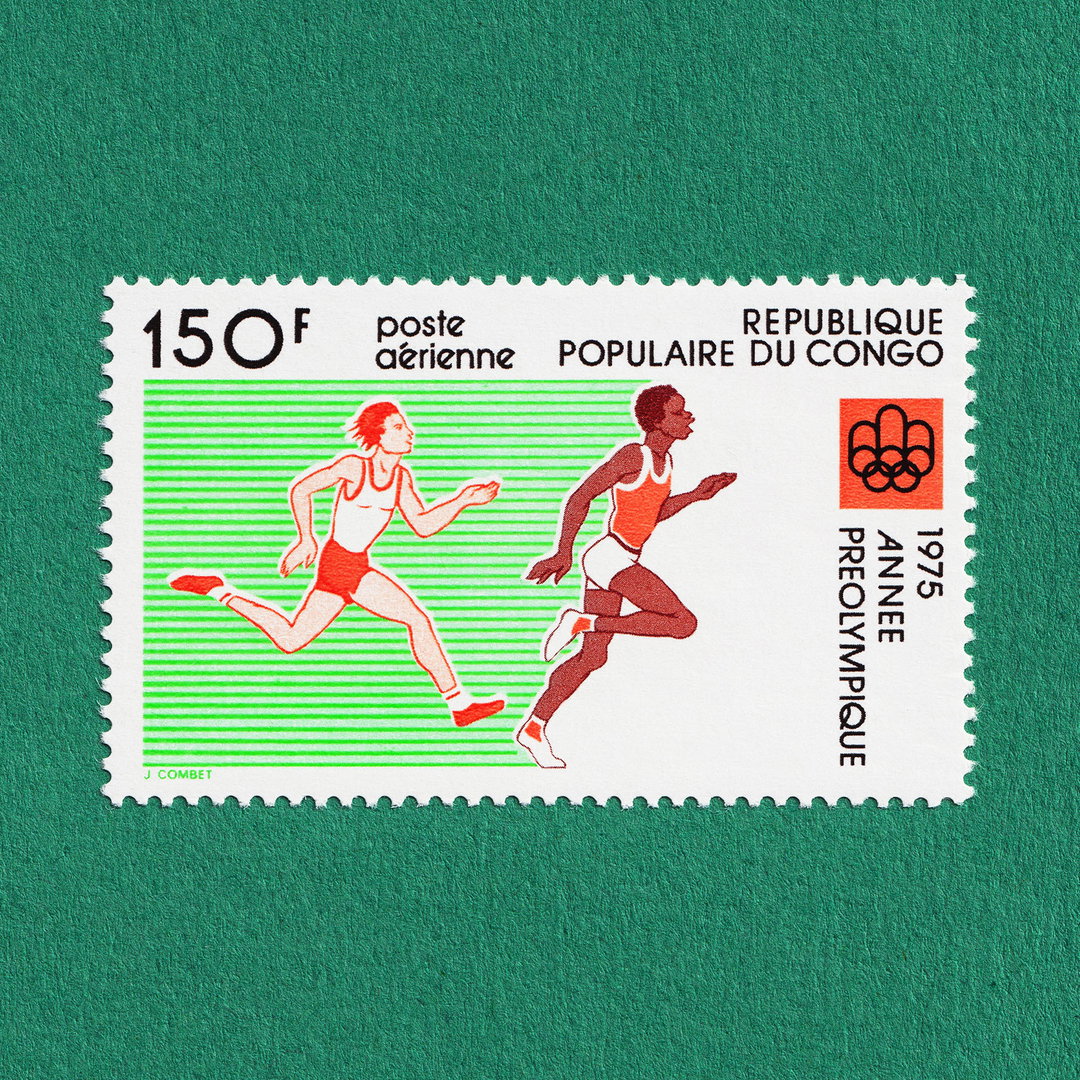
Filatelia Grafica: Pre-Olympic Year, Montreal Olympic Games. People’s Republic of the Congo, 1975. Design by Jacques Combet
All in all, Diego collects with the hope of showcasing the impactful and enduring quality of many of these designs. “And they also reflect my personal design philosophy when approaching my own design.” With the growth of the Filatelia Grafica platform being a given as Diego gives us a peep into elements of cultural and national identity throughout many of the designs, he also hopes to curate a physical exhibition of the designs in the future. But in the meantime, the designer and archivist is busy designing and editing a series of zines from his collection focusing on a different theme, bringing us physically closer to the best of stamp designs. “Curating physical material artefacts and design that inspires you is a great way to cultivate and enrich your design tastes, especially in today’s digital-first mindset.”
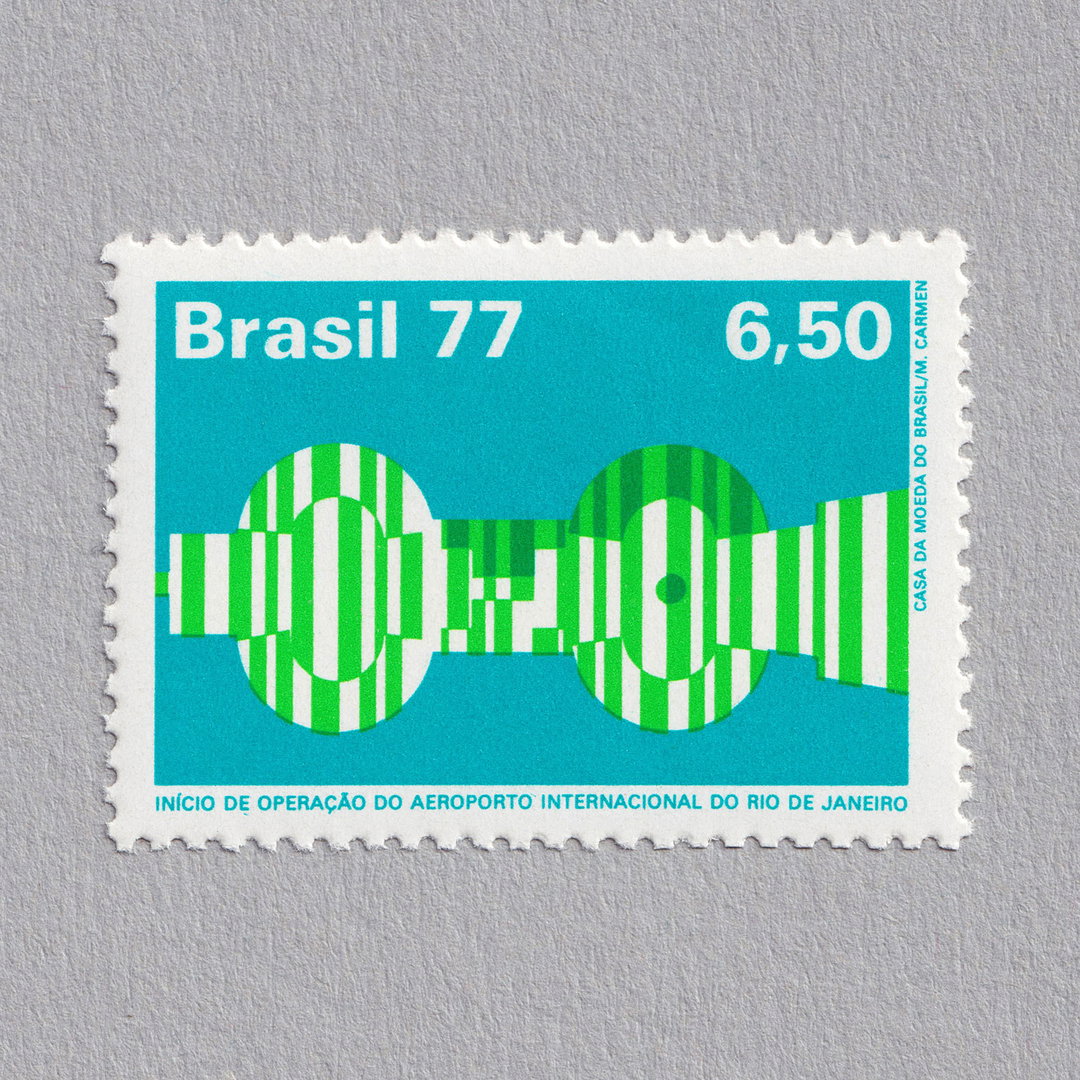
Filatelia Grafica: Inauguration of Operation of International Airport Rio de Janeiro. Brazil, 1977. Design by M. Carmen
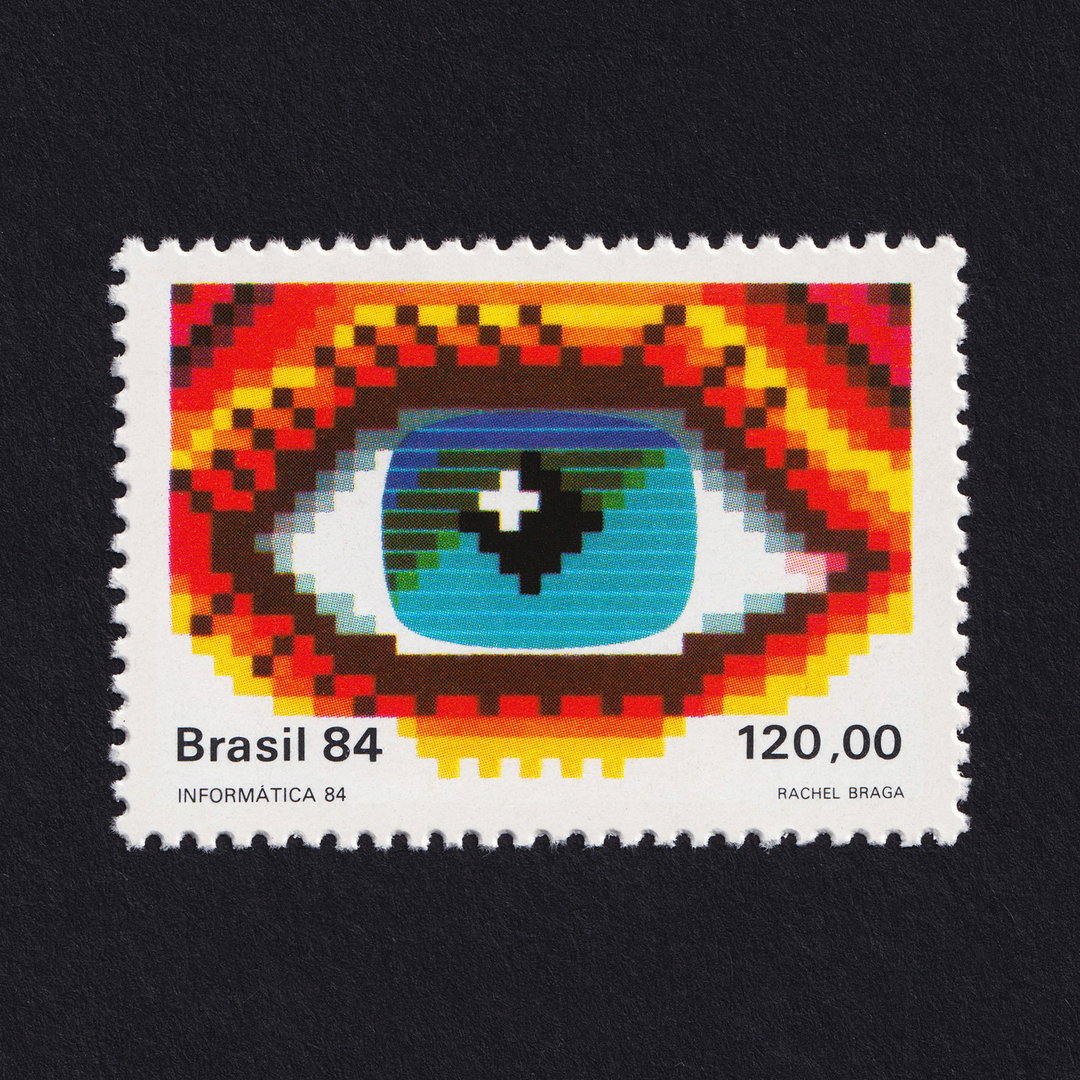
Filatelia Grafica: Informática ‘84. Brazil, 1984. Design by Rachel Braga
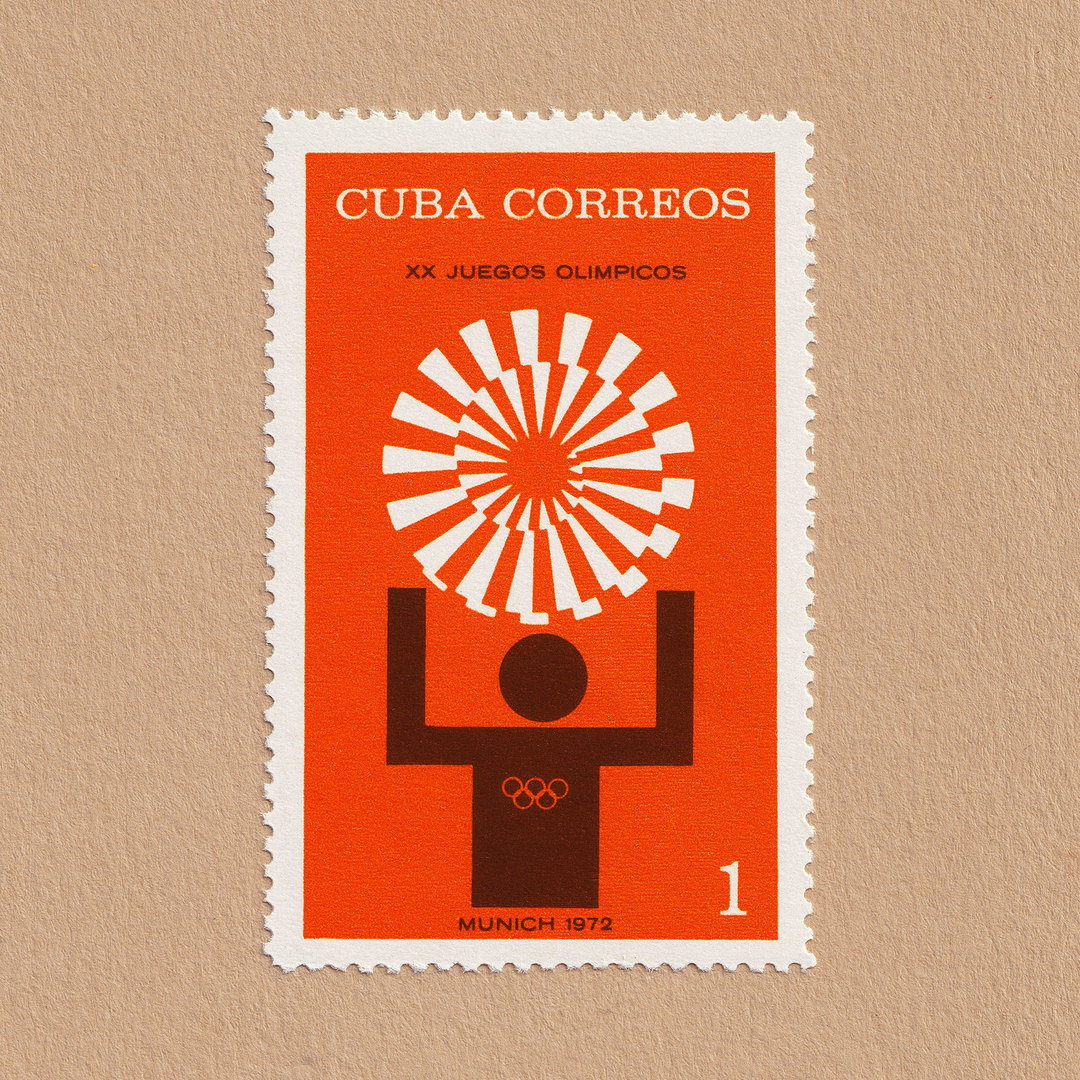
Filatelia Grafica: 1972 Munich Olympic Games. Cuba, 1972. Design by Unknown
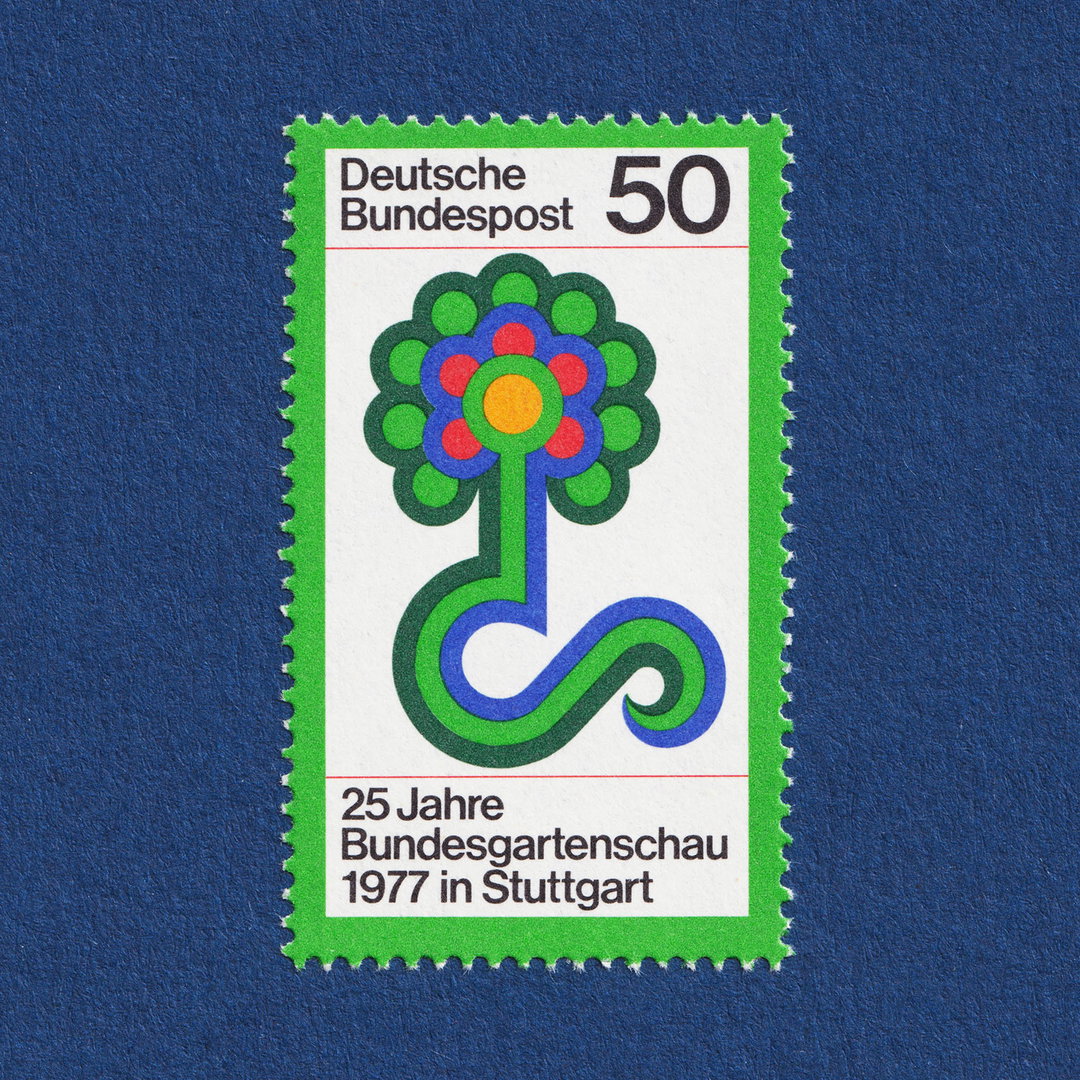
Filatelia Grafica: 25 Years of the Federal Horticultural Show, Stuttgart. Germany, 1977. Design by Otto Rieger
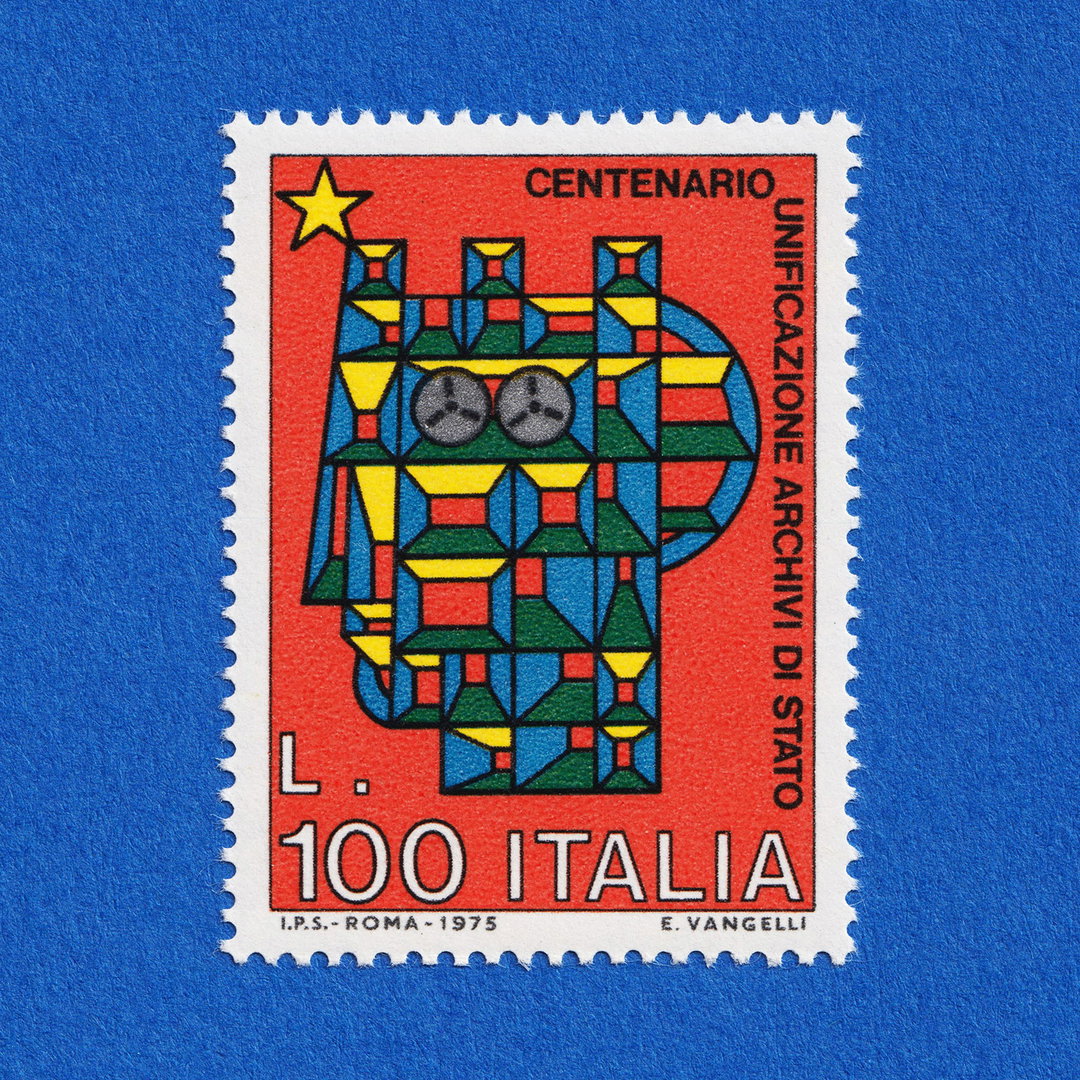
Filatelia Grafica: Centenary of State Archives Unification. Italy, 1975. Design by E. Vangelli
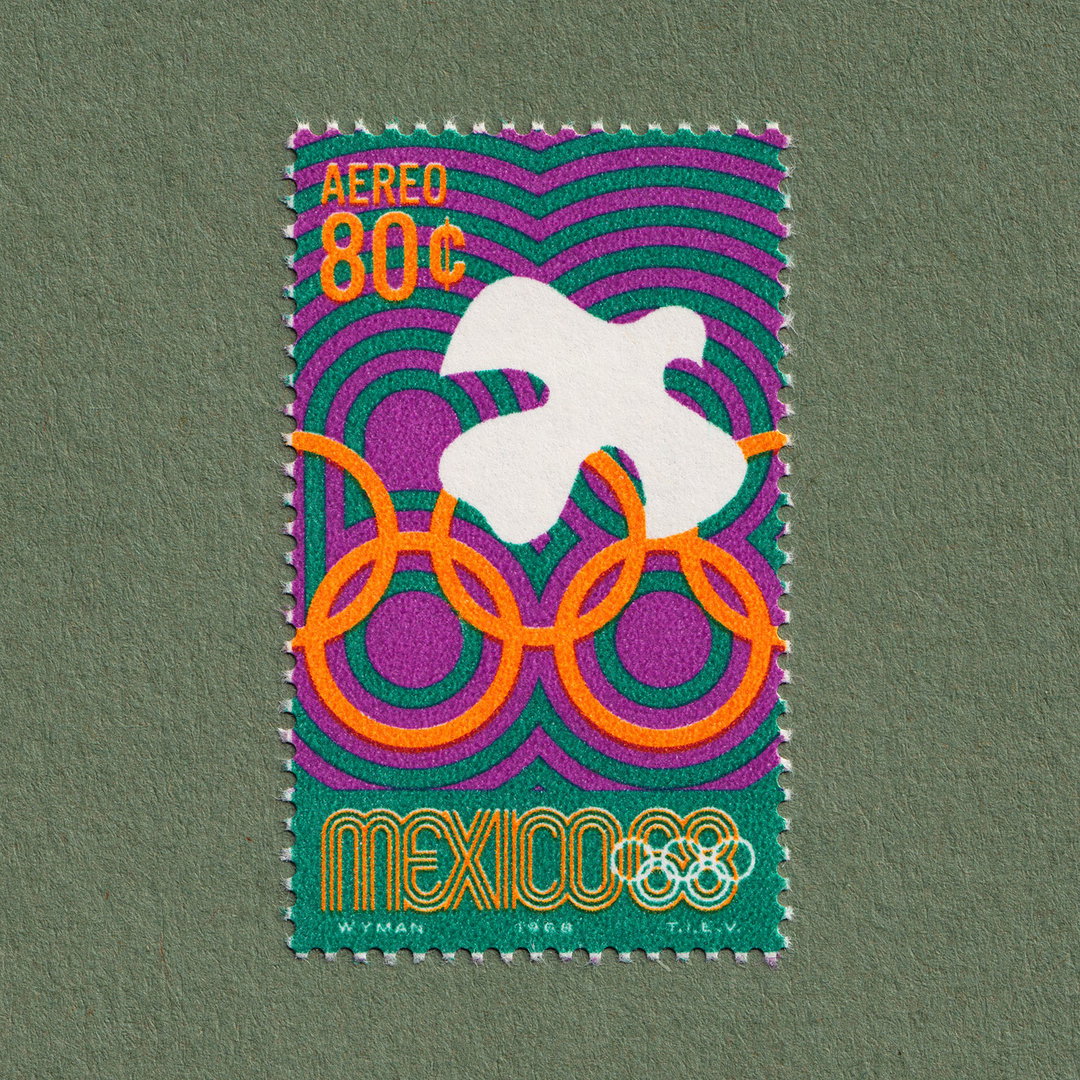
Filatelia Grafica: 1968 Mexico City Olympic Games. Mexico, 1968. Design by Lance Wyman
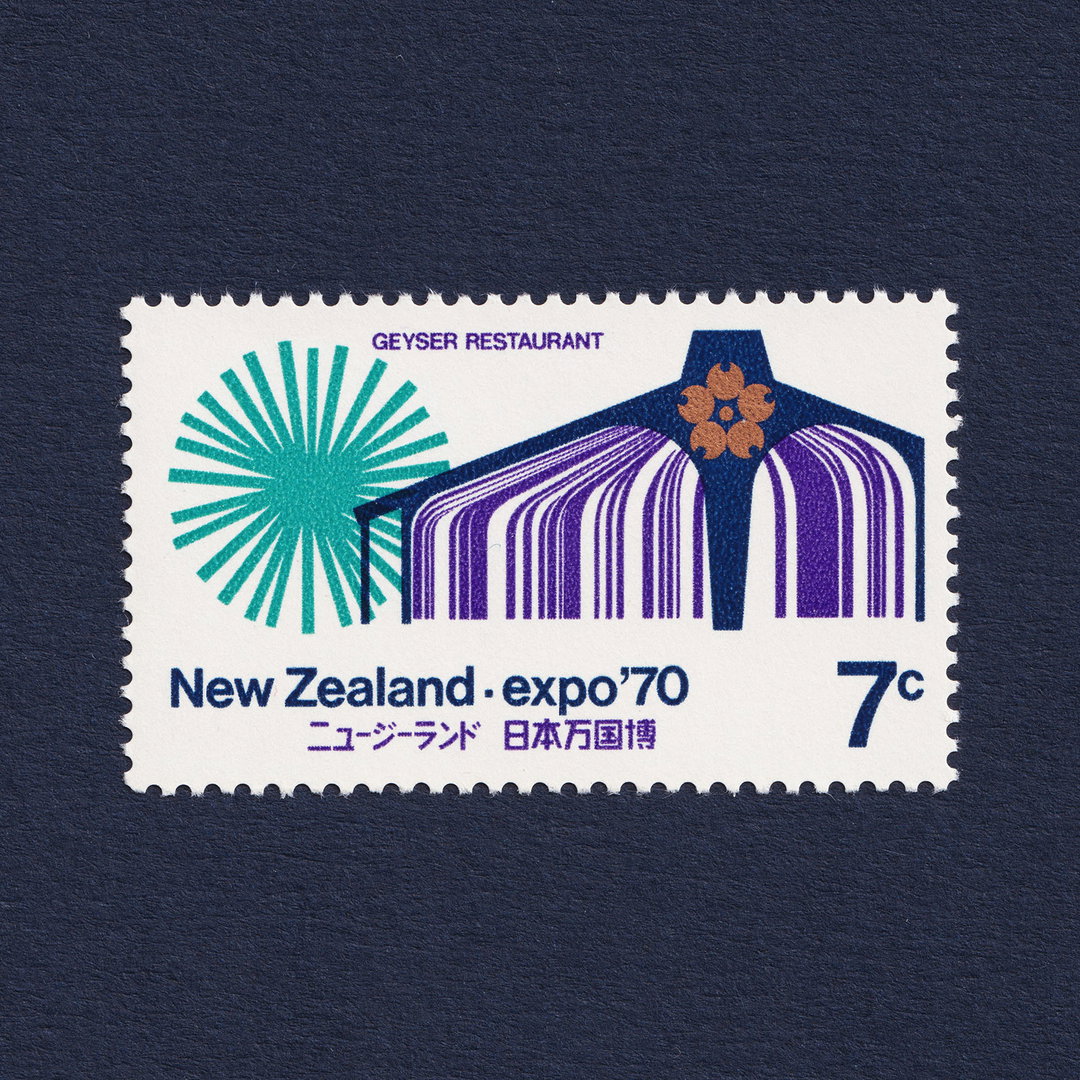
Filatelia Grafica: Expo ‘70. New Zealand, 1970. Design by Mark Cleverley
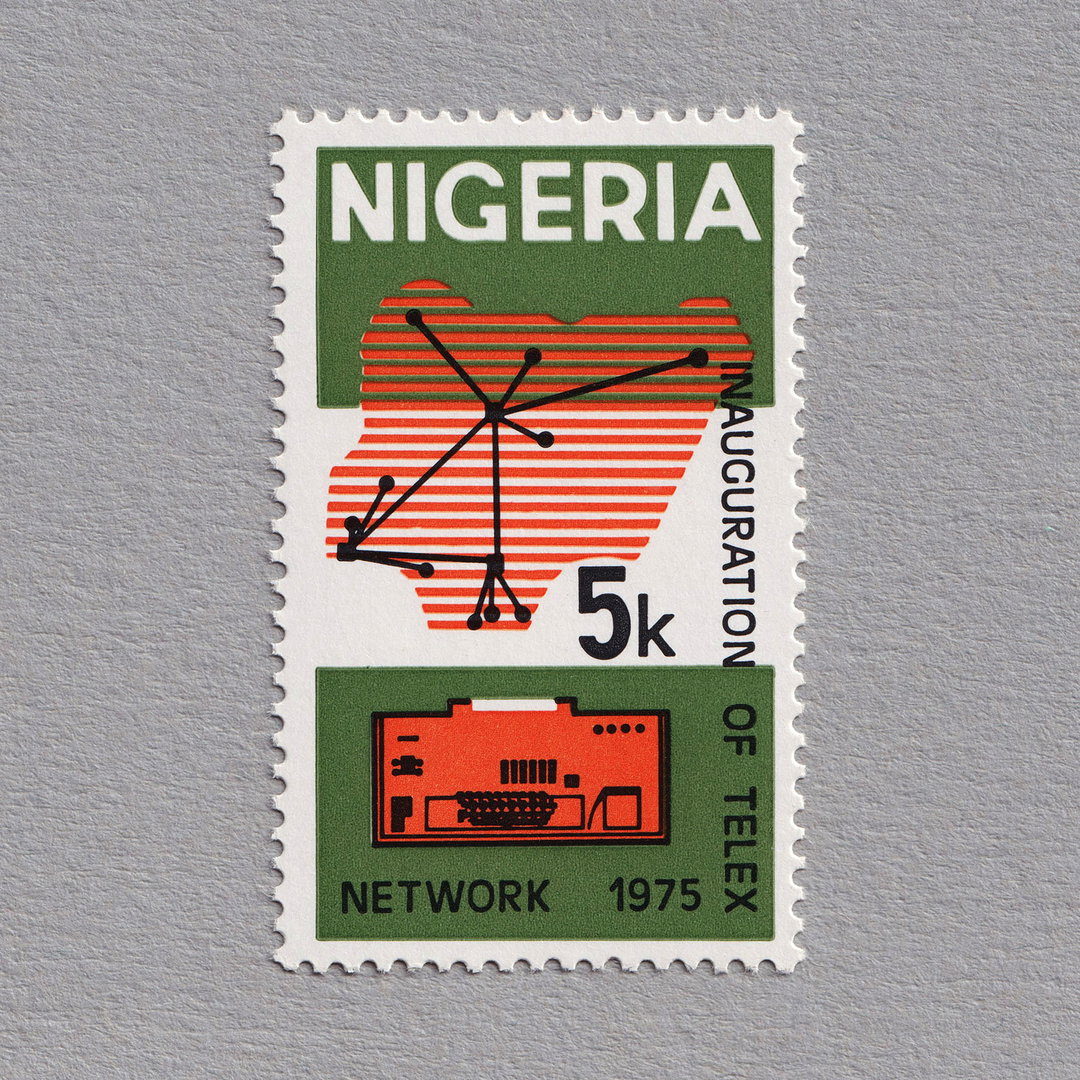
Filatelia Grafica: Inauguration of Telex. Nigeria, 1975. Design by S. Eluare
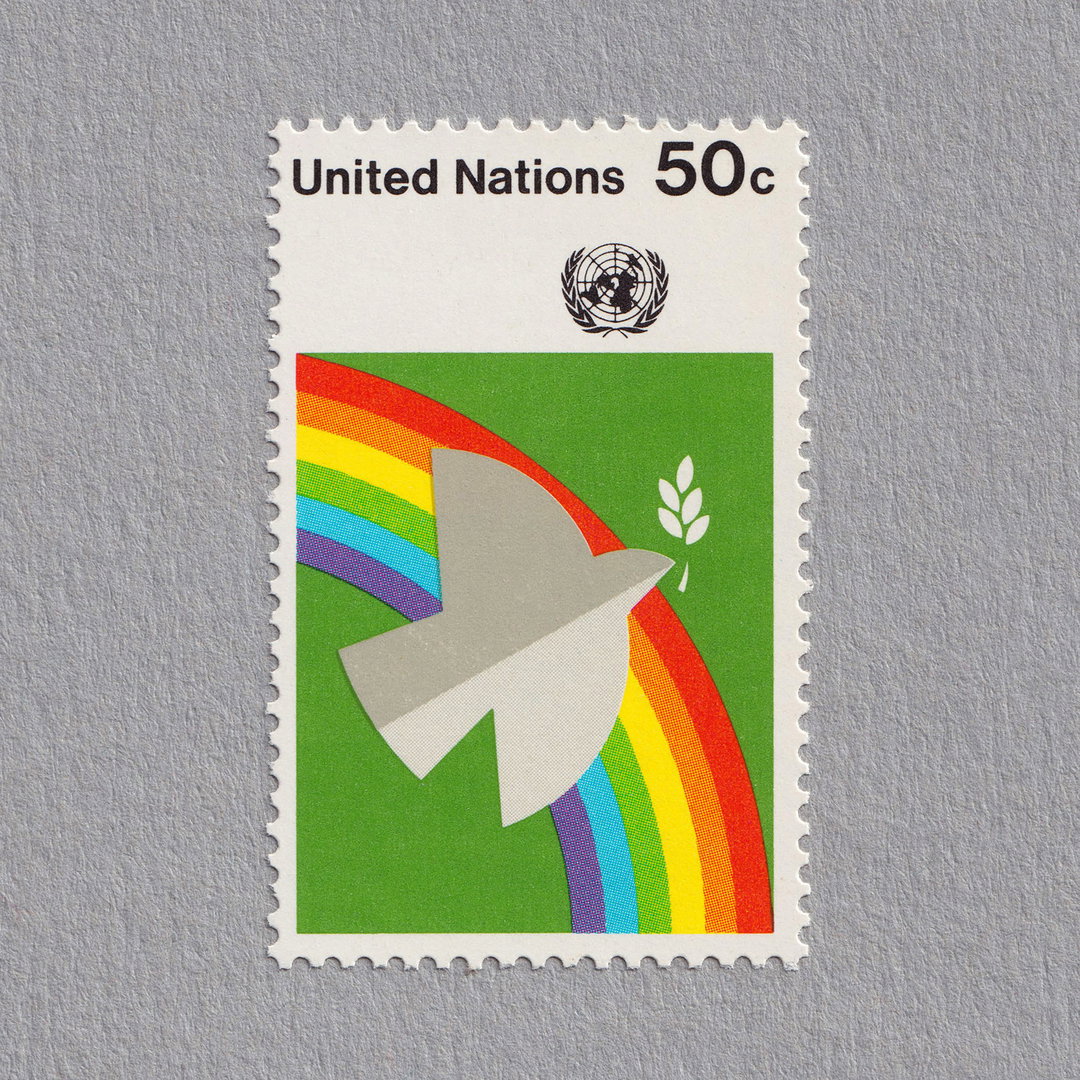
Filatelia Grafica: Peace. United Nations, 1976. Design by Unknown
Hero Header
Filatelia Grafica: 6th European Indoor Athletic Championships, Katowice. Poland, 1975. Design by Waldemar Andrezejewsk
Share Article
Further Info
About the Author
—
Yaya (they/them) was previously a staff writer at It’s Nice That. With a particular interest in Black visual culture, they have previously written for publications such as WePresent, alongside work as a researcher and facilitator for Barbican and Dulwich Picture Gallery.