Dinamo premieres its new serif typeface with a children’s book for adults
Designer and writer of Otto, Sam de Groot, expands on the pleasure of bringing a typeface to “its natural habitat: telling a story”.
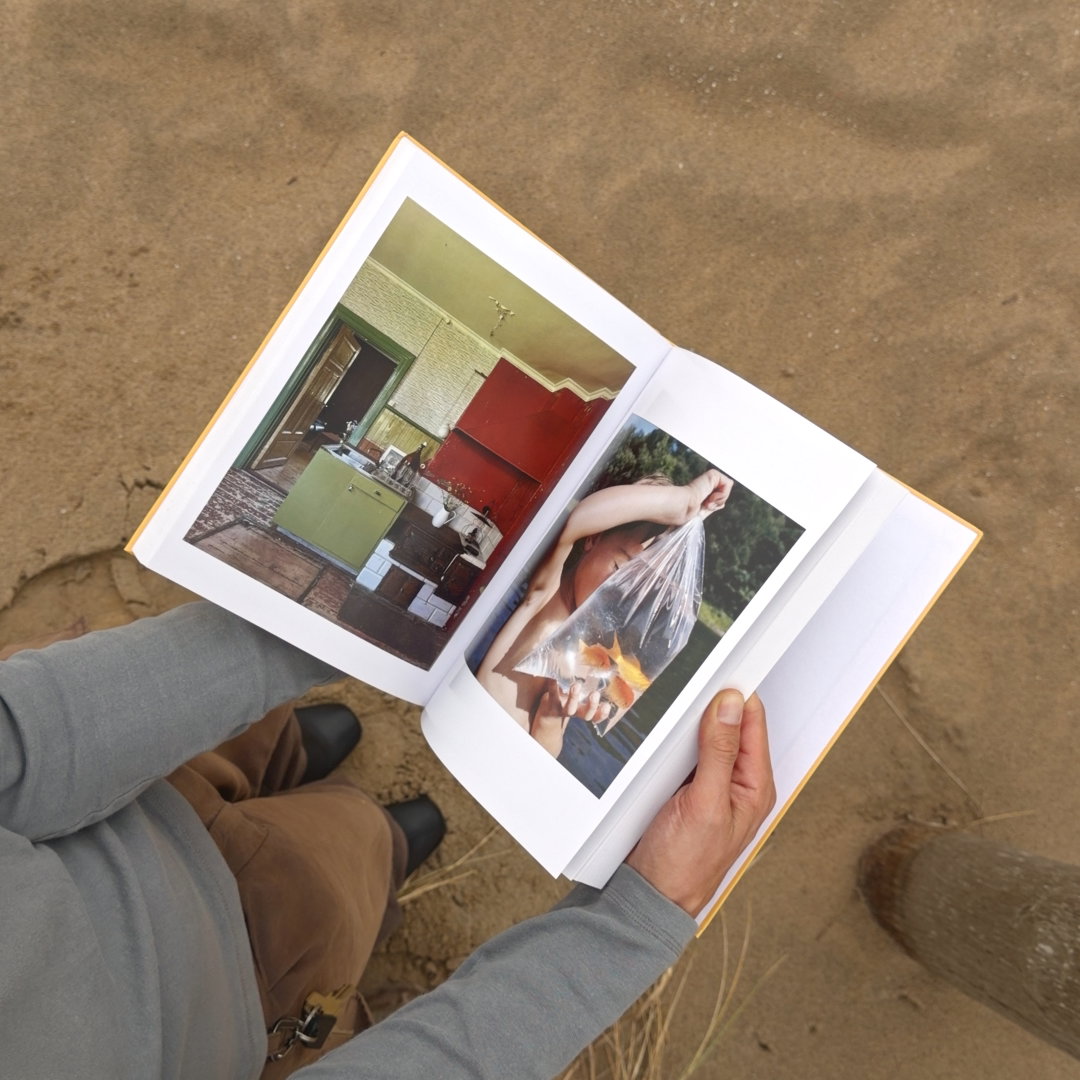
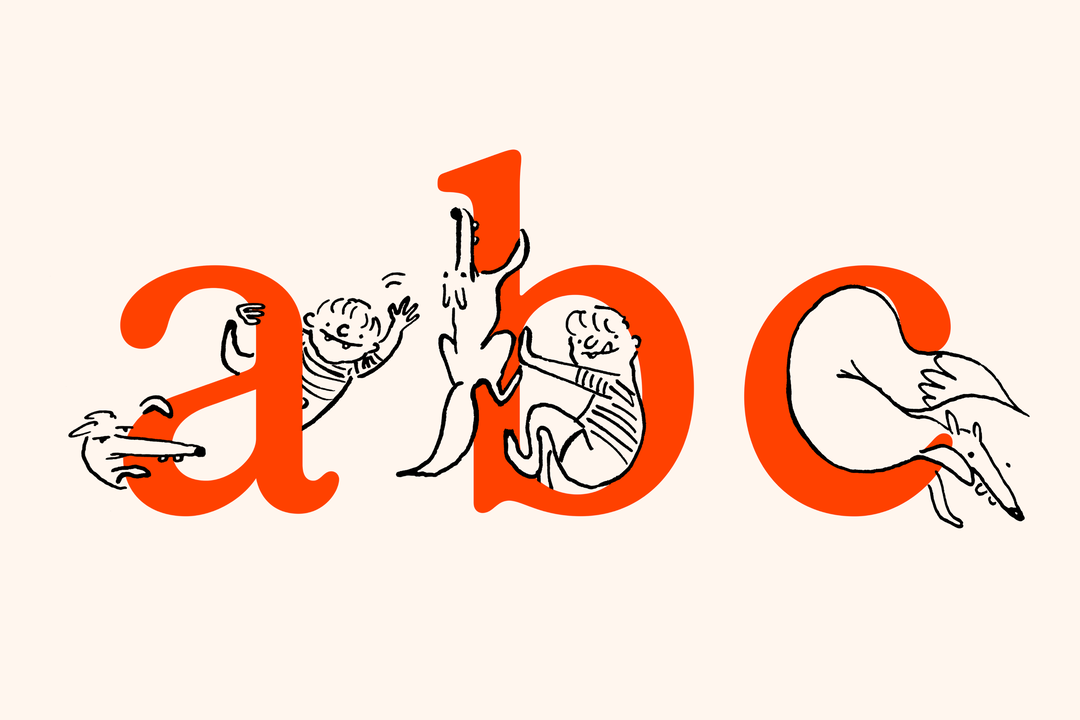
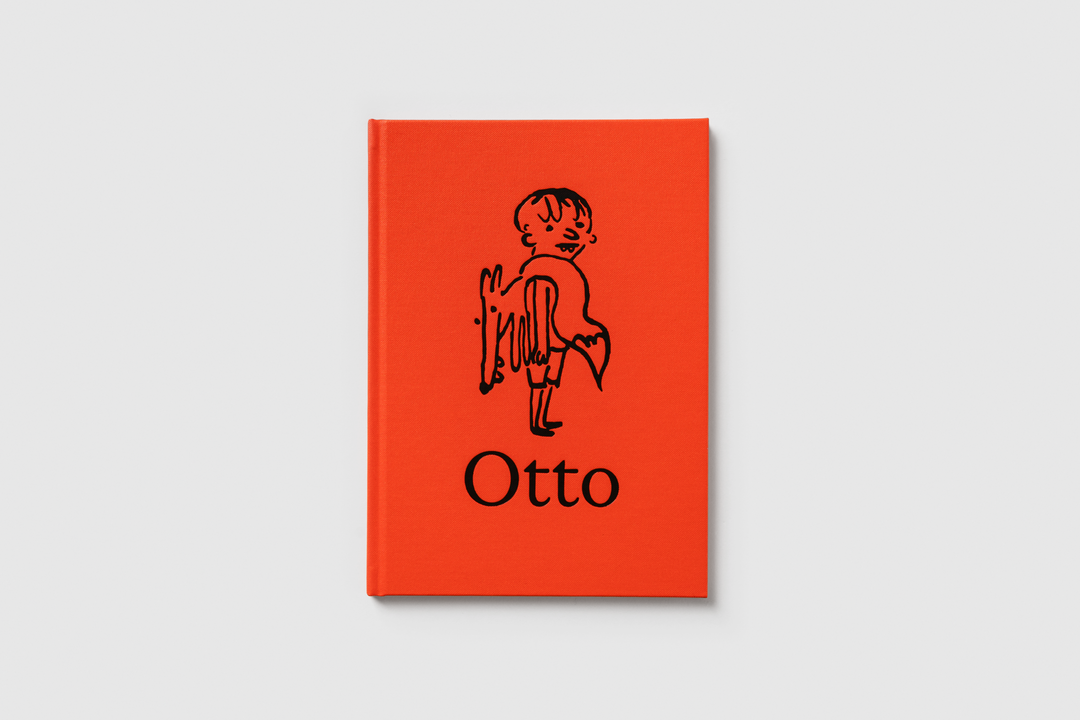
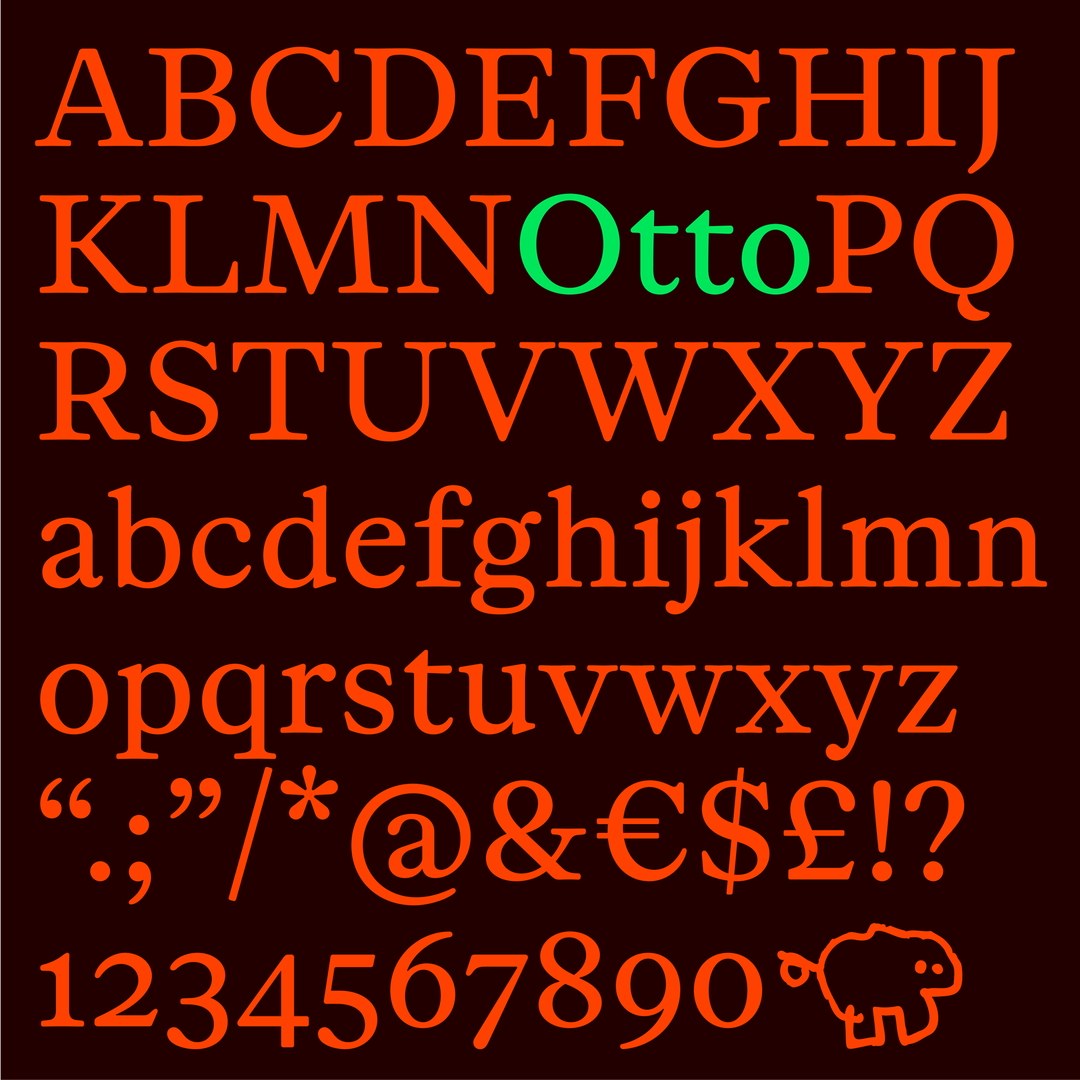
The type design studio Dinamo has become well known for the unique and sometimes wacky ways it presents and celebrates its typefaces, from a classic internet challenge throwback, to a collection of toothbrushes celebrating its ten years. Now comes its first book, Otto, a children’s story for adults. The sweet fable is a means of plugging its new typeface of the same name – a contemporary reimagining of 17th century Dutch Baroque type.
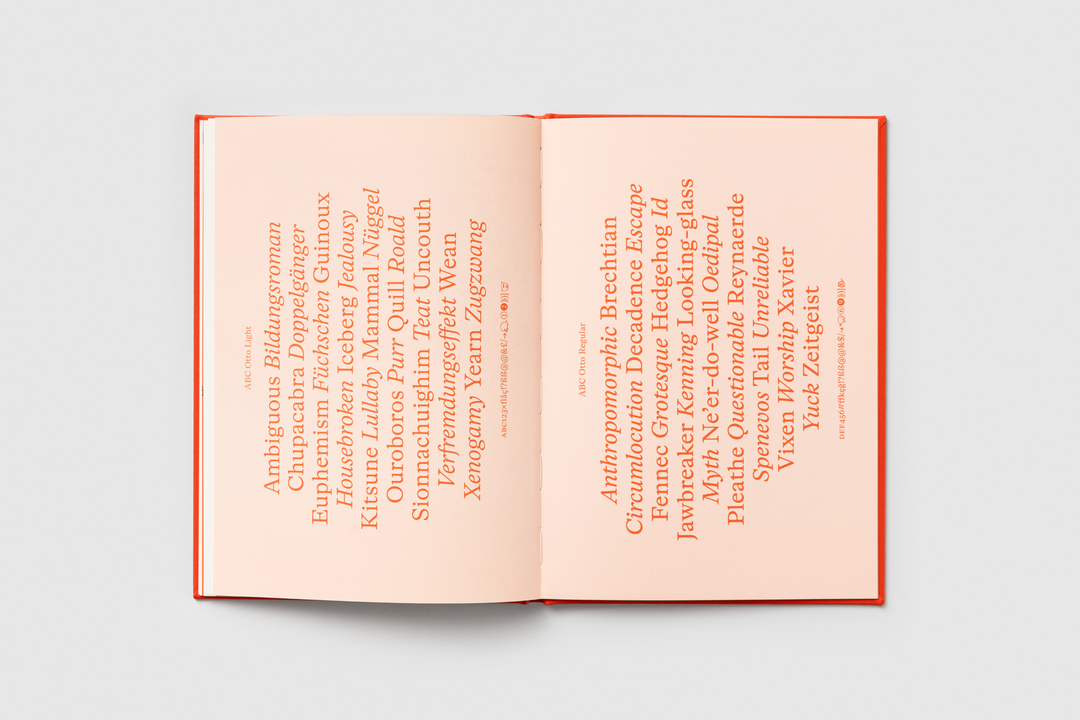
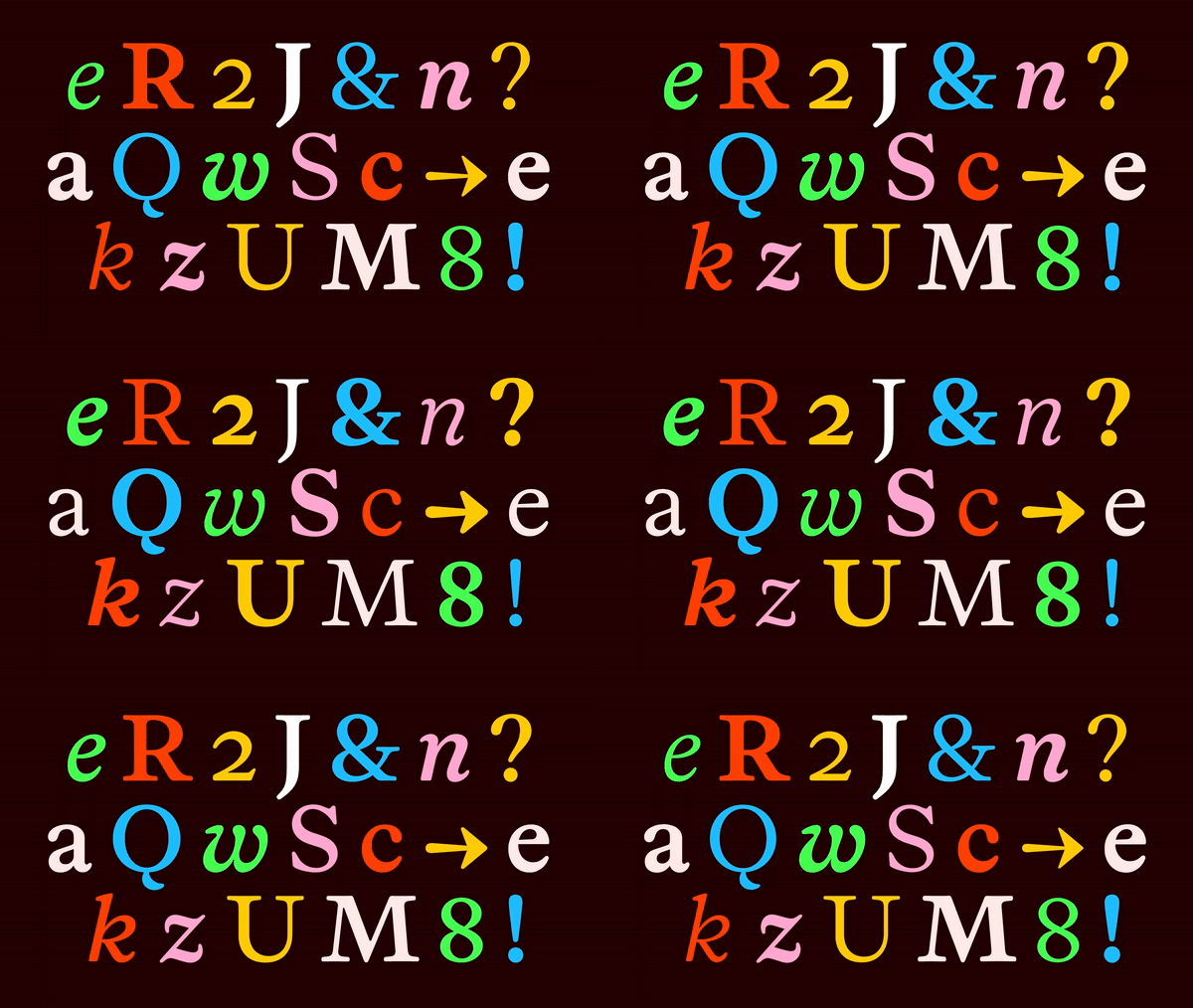
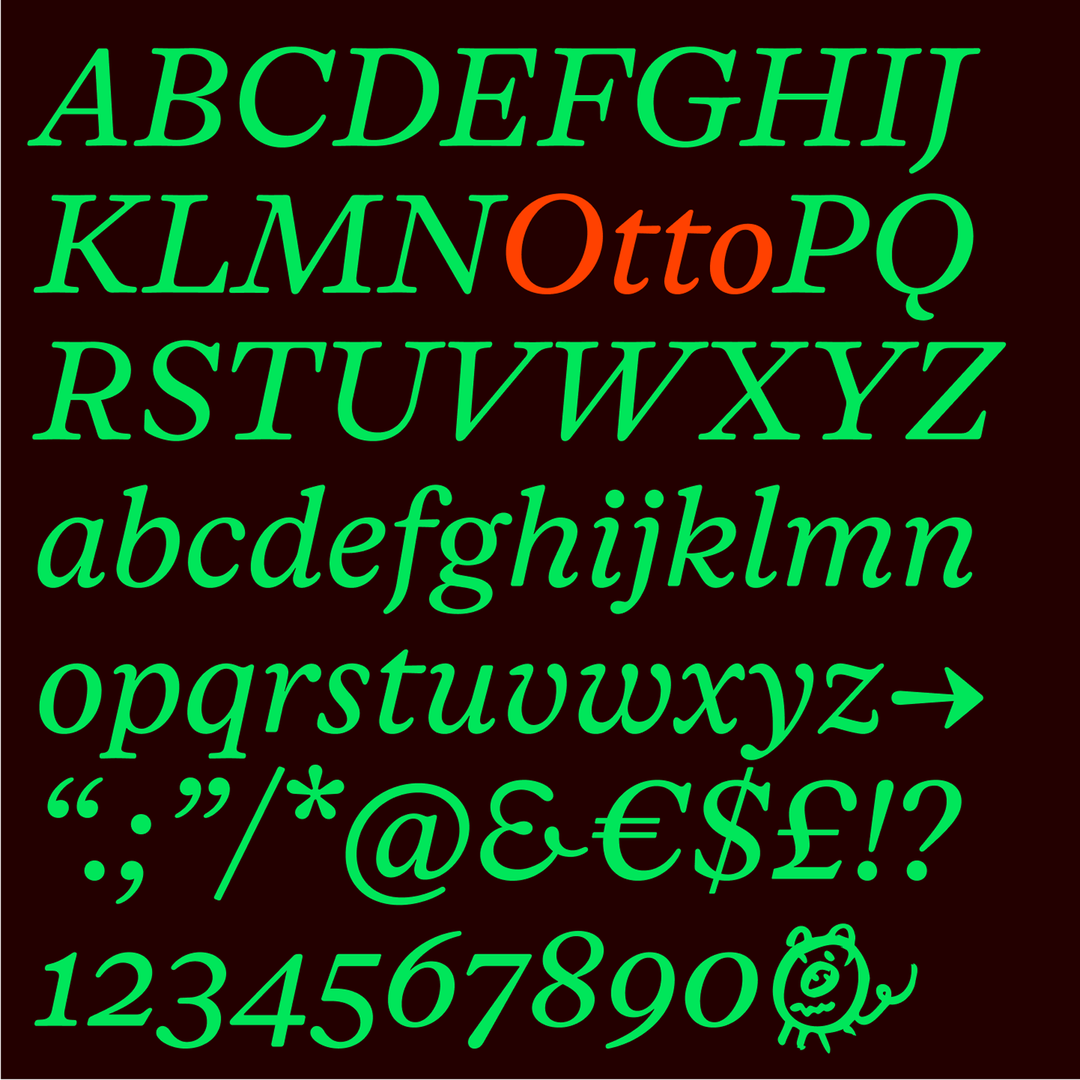
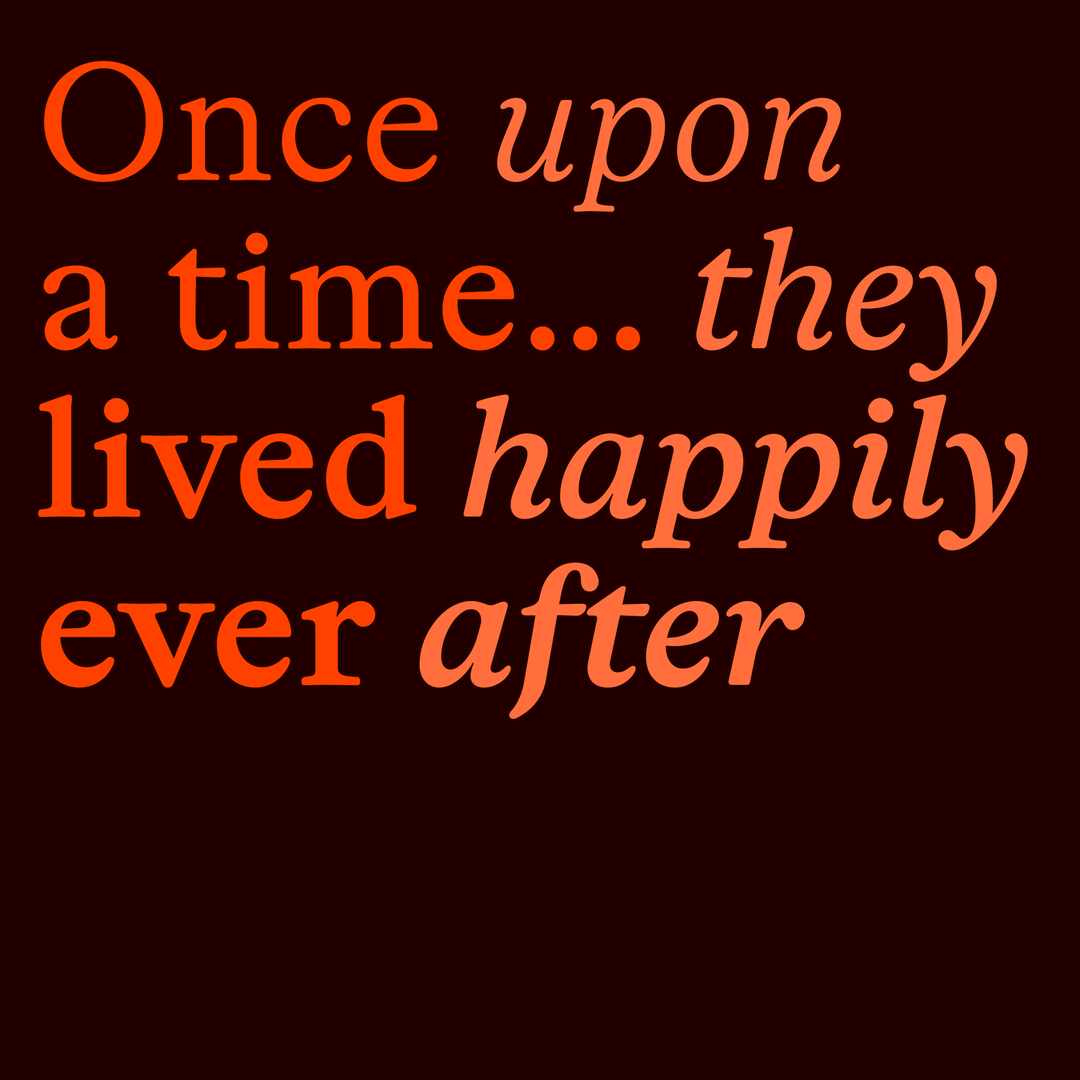
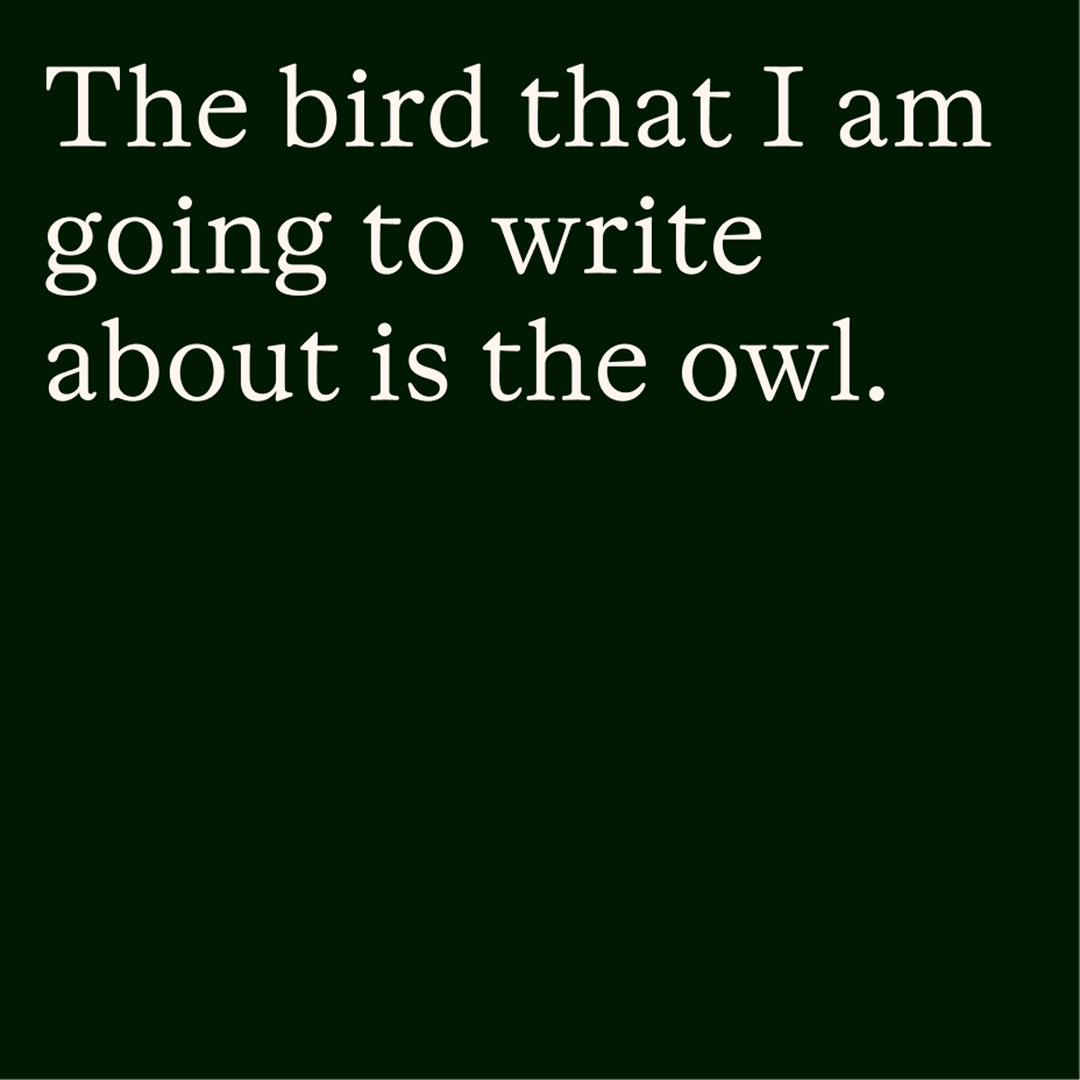
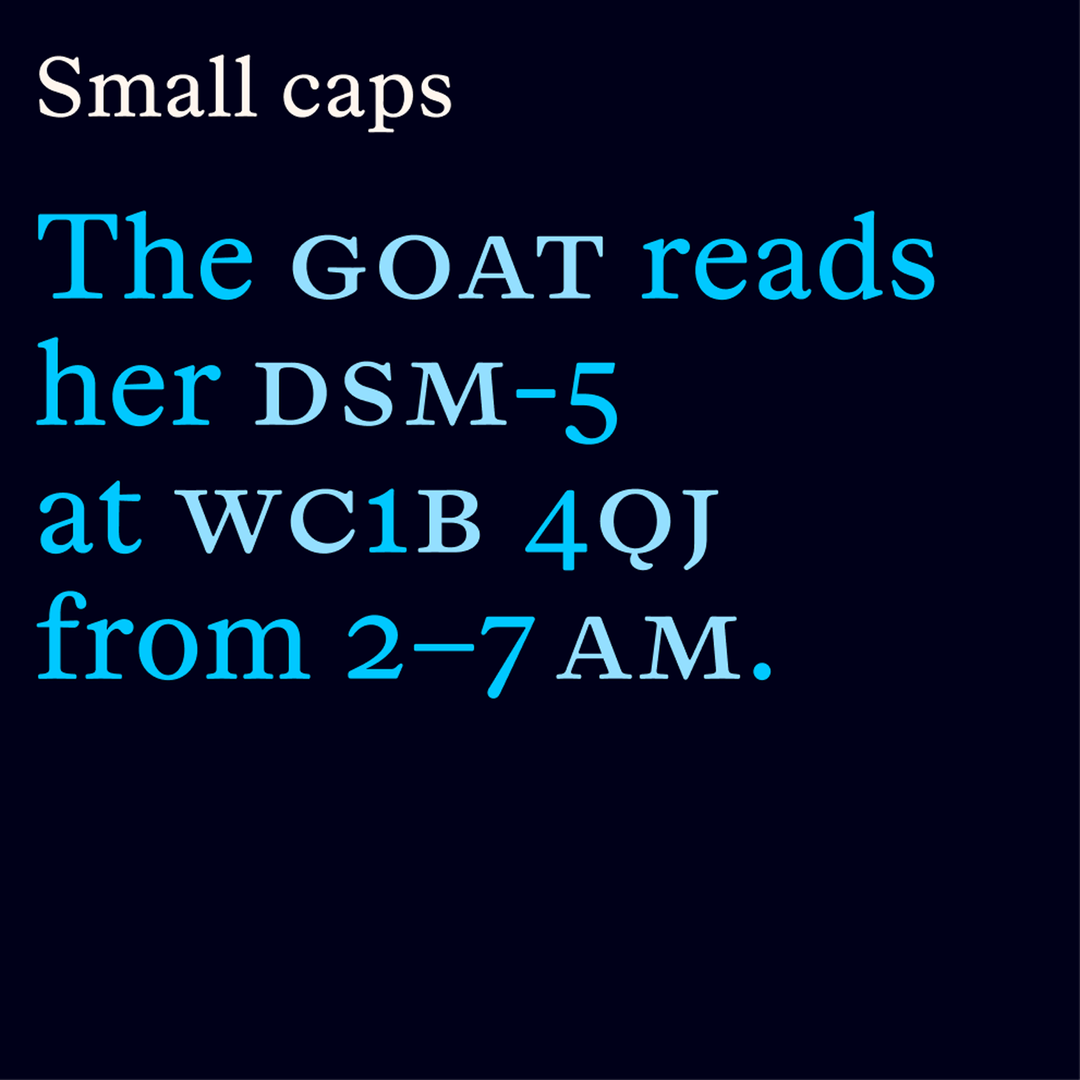
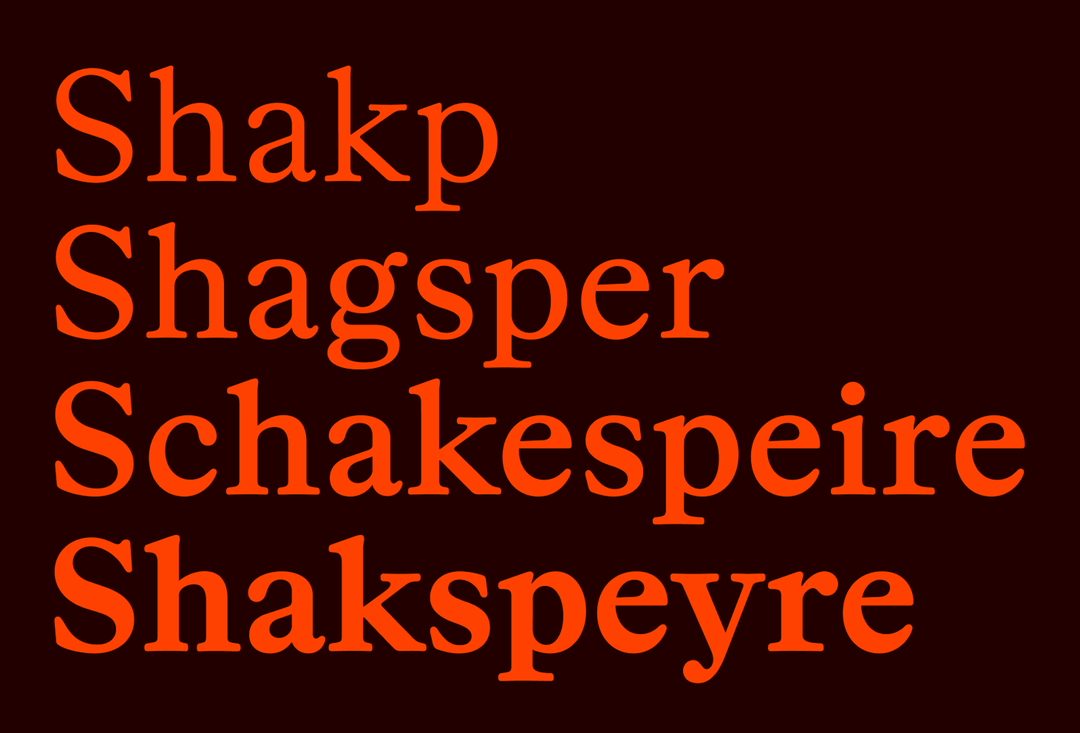
Never a tangential decision from Dinamo, the book has a clear connection to the design. Coming in four weights, Otto is optimised for text (with some moderate display uses), and has wide rhythms, soft details, and an elegant italics option. These considered features, alongside its historical references, ground it in type tradition. “I knew I wanted to present Otto the typeface in a framework of storytelling and literature,” says Sam de Groot, designer of Otto alongside Laura Opsomer Mironov and writer of the book. “Typography as a way of delivering words with meaning – to me that’s what it all comes down to, and I wanted to get close to that essence.”
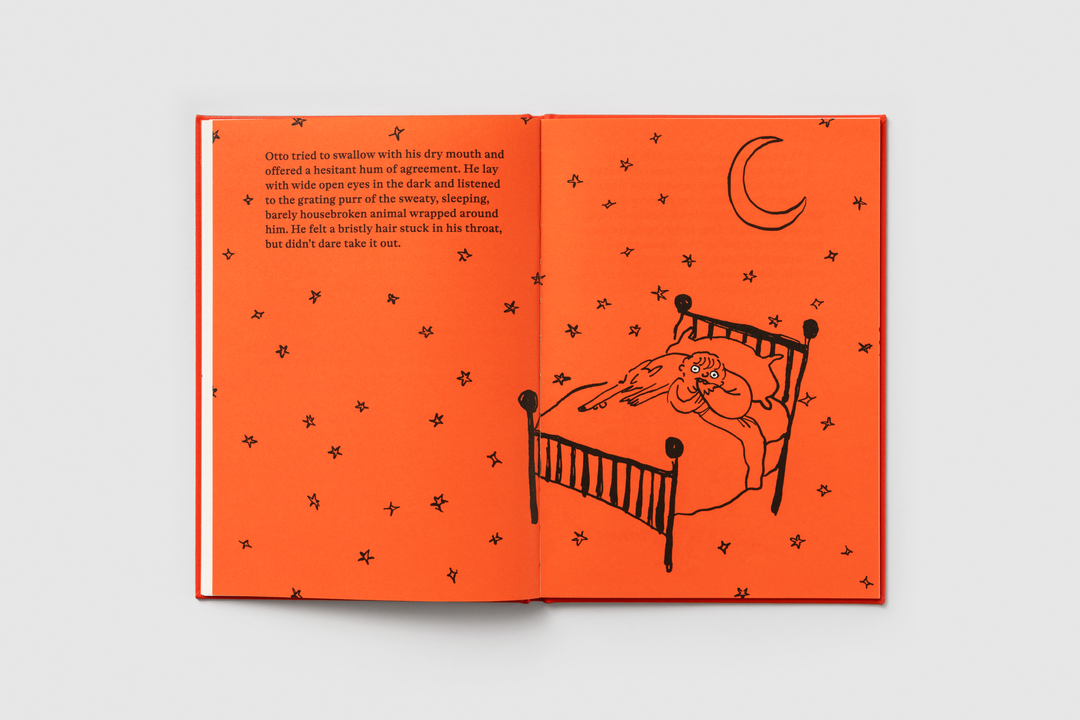
Dinamo: Otto (Copyright © Dinamo, 2024) / Illustration: Hannah Robinson / Photos: Michelle Mantel
The desire to write a book also arose from factors close to home for Sam – reading many books with his children (one of whom happens to be called Otto) over the past eight years. “I came to appreciate how fairytales and quality children’s books manage to explore huge existential themes in concise and creative ways. Fear, desire, loss, shame, curiosity – these are things that everyone deals with, adults and children alike,” he says. “Just like in design, there are so many conventions and cliches that you can use and play with to your advantage.” The story is fittingly allegorical; it follows a boy called Otto, who has fits of rage, much to the dismay of Otto’s parents. A mystery fox comes along to offer comfort, but it turns out to be an arrangement too good to be true. It’s well summarised by Dinamo’s head of publishing Madeleine Morley as a “fable of modern parenting”.
Much like the typeface (which took years to perfect), Sam was surprised at how long the story took to write. “With so few words, every detail matters greatly, and it took me a few months to arrive at some odd balance of moralism, humour and a kind of uncanny mystery.” Once he’d crafted a “coherent” storyline, Sam worked with Madeleine to edit the story, tweaking bits here and there. In a blog post about the typeface and book, the editorial team writes: “This book might be one of the best things we’ve worked on.”
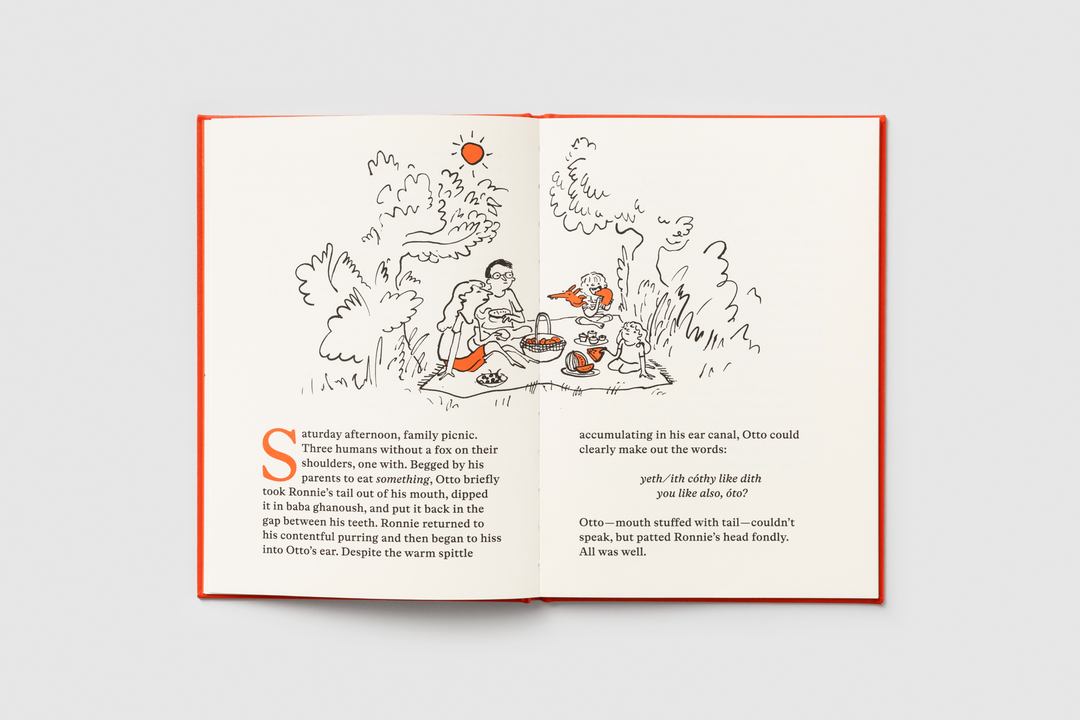
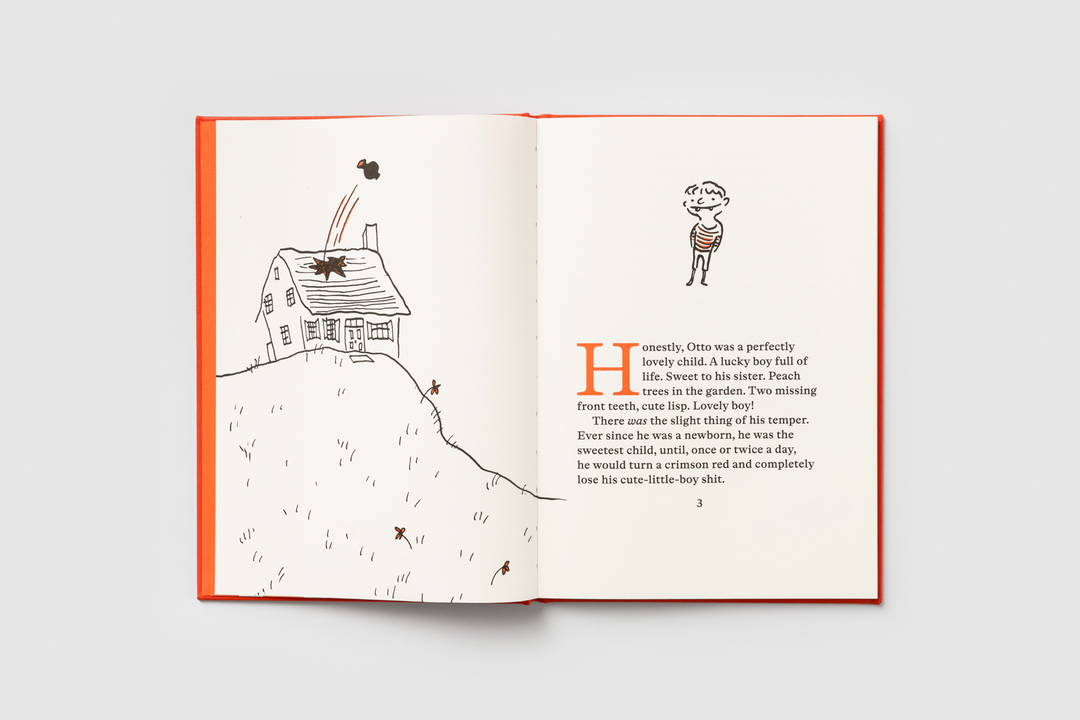
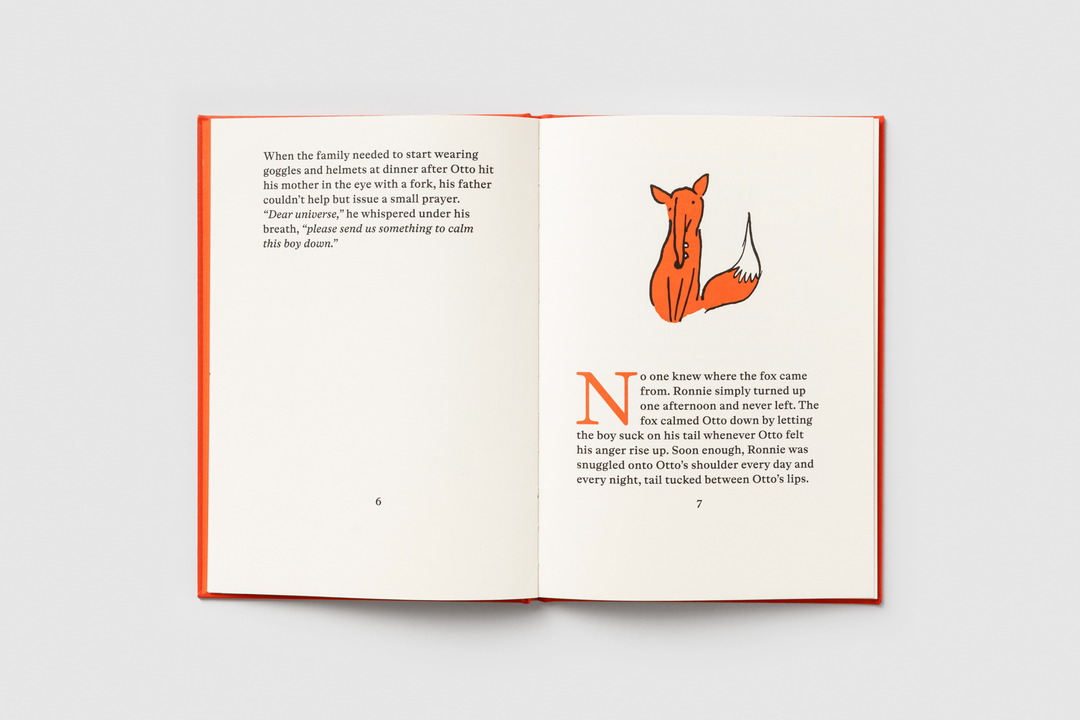
The book is illustrated by Hannah Robinson, a London-based illustrator whose visual wit and energetic lines made her the perfect person for the job. “Hannah has a great way of drawing expressive, exaggerated, bendy characters,” says Sam. “There’s some wild stuff in the story and for me it was really important to have a sense of movement in the drawings.” Albeit infused with the weird edge of the story (in Hannah’s depictions, Otto and the fox’s teeth never seem to remain in their mouths), the classic feel of Hannah’s illustrations also further roots the book and typeface within the 20th century tradition of visual storytelling and publishing.
Sam hopes that the tangible nature of the book and story might help people to emotionally connect with the typeface. And, now it’s out in the world, he’s excited to see the ways other designers might now use it. Sam concludes: “It’s great to see that typeface in its natural habitat: telling a story.”
GalleryDinamo: Otto (Copyright © Dinamo, 2024) / Illustration: Hannah Robinson / Photos: Michelle Mantel
Hero Header
Dinamo: Otto (Copyright © Dinamo, 2024) / Illustration: Hannah Robinson / Photos: Michelle Mantel
Share Article
About the Author
—
Olivia (she/her) is associate editor of the website, overseeing the day-to-day editorial projects as well as Nicer Tuesdays events. She joined the It’s Nice That team in 2021. ofh@itsnicethat.com
To submit your work to be featured on the site, see our Submissions Guide.