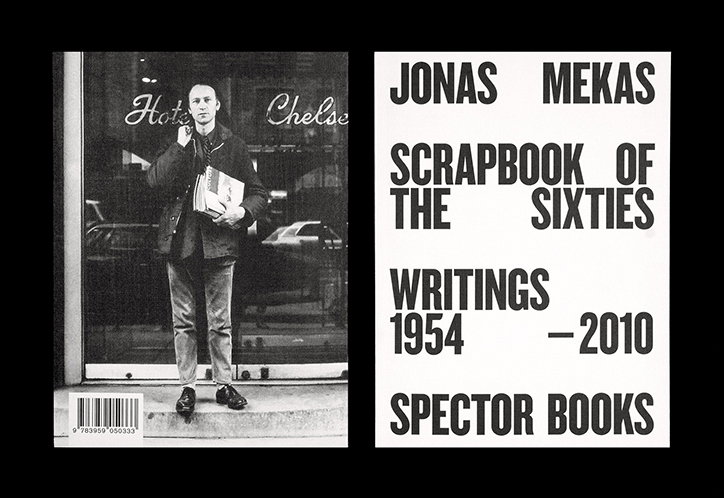
Fabian Bremer and Pascal Storz design monochrome Jonas Mekas anthology
German designer Fabian Bremer and Swiss designer Pascal Storz have designed Scrapbook of the Sixties, a collection of published and unpublished texts by Jonas Mekas, the filmmaker, writer, poet, and co-founder of the Anthology Film Archives in New York. Commissioned by Spector Books, the publisher first approached Jonas Mekas at one of his readings, a year later the team was sent a folder containing a manuscript of the book, with a handwritten label. “Jonas had assembled and organised heterogeneous materials consisting of diary entries, essays, reviews, conversation and images in a visually striking manner,” explain Fabian and Pascal. “The brief was to turn all of this into a publication that should be cheap in production as there was no funding for the project. There were no guidelines concerning the design and Jonas gave us free reign.”
At first the pair immersed themselves into the works of Jonas, watching his films and reading his writings. “We didn’t really know his work that well at the time and had just become aware of him a year and a half earlier at the Venice biennial, where he had a showing at a local Burger King,” the designers say.
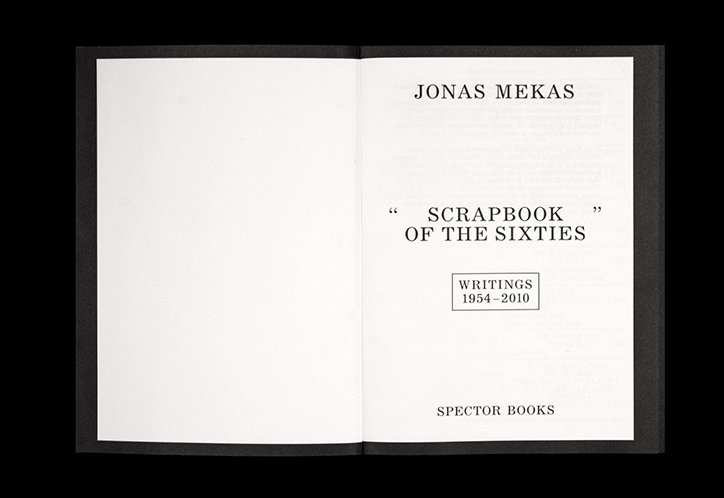
Fabian Bremer and Pascal Storz: Scrapbook of the Sixties
American newspaper designs of the 50s and 60s were an important influence for Fabian and Pascal, in terms of typography and composition. “Jonas had published a column called Movie Journal in the Village Voice for many, many years and the book also contains quite a few of his articles. Also we wanted to keep the personal and more intimate character and look of the original manuscript and decided to ask Jonas to write all the titles by hand.”
The body text is set in Corona and the headlines in Franklin Gothic, providing a distinctive contrast between the white pages and heavy black copy. The typography used on the cover is different to what’s inside the book and other nuances in the book can be seen in the different layouts for the texts. “The layout of conversations alludes to the form of a movie script, previously published texts like reviews or essays are set in two columns and more introverted texts like diary entries are set in one column,” explain Fabian and Pascal.
The key aesthetic for the monochrome tome book is that it retains that scrapbook feel, and looks like curated collage of materials. “We wanted to keep the book dense and without too much of a hierarchy, we decided to design it as one continuous stream, which seemed really fitting with Jonas’ approach to filmmaking and his restless and driven character.” This is echoed with text and images layered on top of each other with ease like “photographs inserted into a notebook”.
Fabian and Pascal are set to work together again for Spector Books on a second Jonas Mekas publication later this year, titled Conversations with Filmmakers.
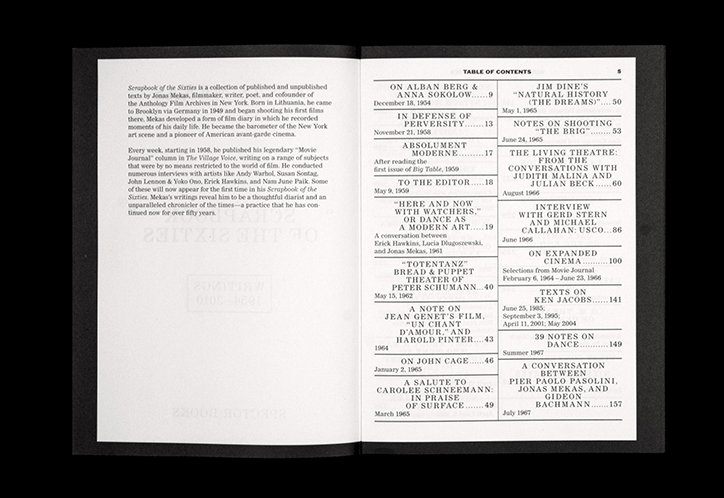
Fabian Bremer and Pascal Storz: Scrapbook of the Sixties
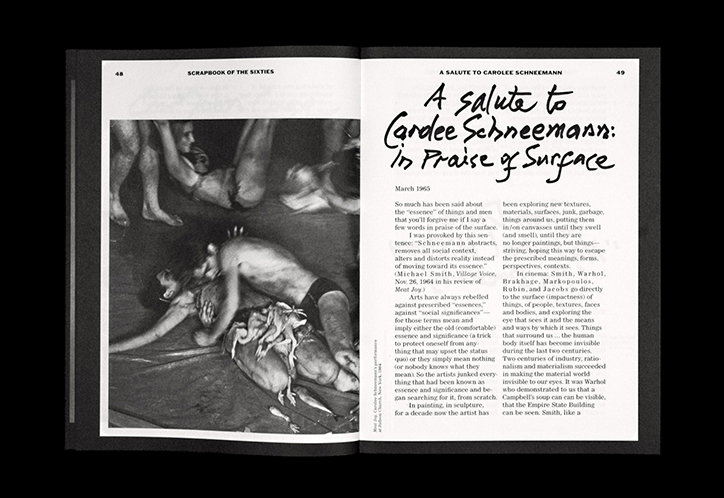
Fabian Bremer and Pascal Storz: Scrapbook of the Sixties
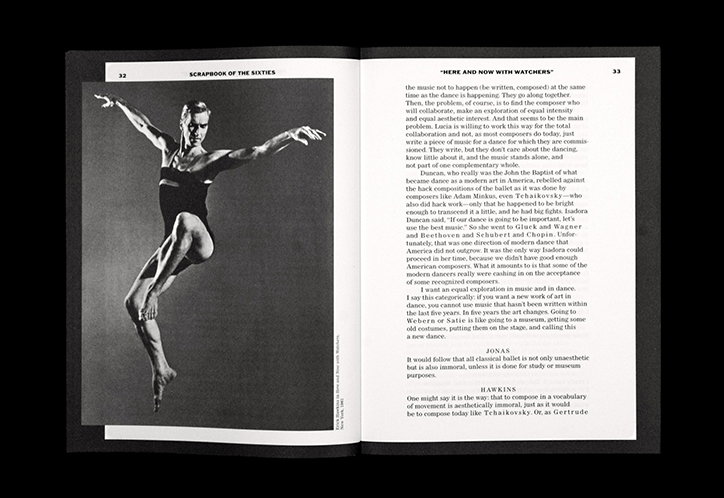
Fabian Bremer and Pascal Storz: Scrapbook of the Sixties
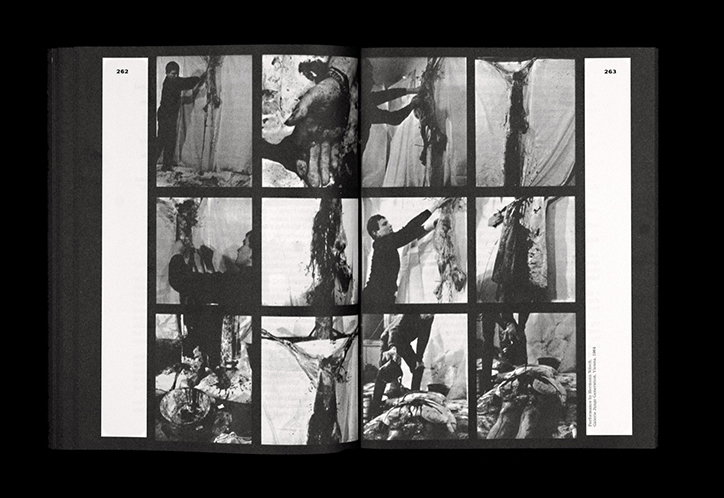
Fabian Bremer and Pascal Storz: Scrapbook of the Sixties
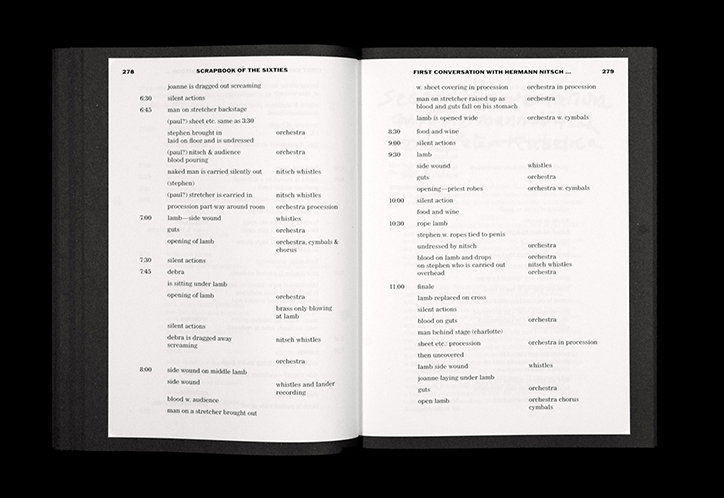
Fabian Bremer and Pascal Storz: Scrapbook of the Sixties
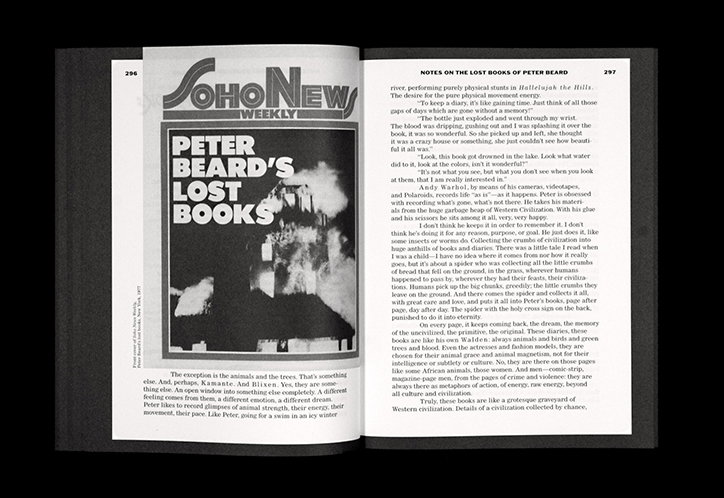
Fabian Bremer and Pascal Storz: Scrapbook of the Sixties
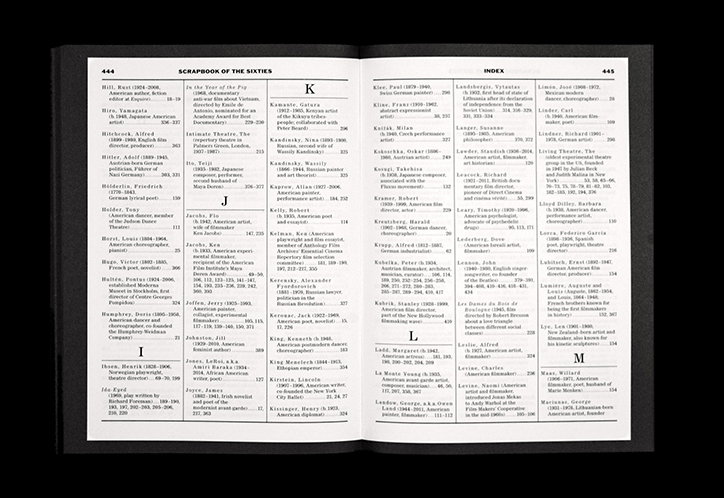
Fabian Bremer and Pascal Storz: Scrapbook of the Sixties
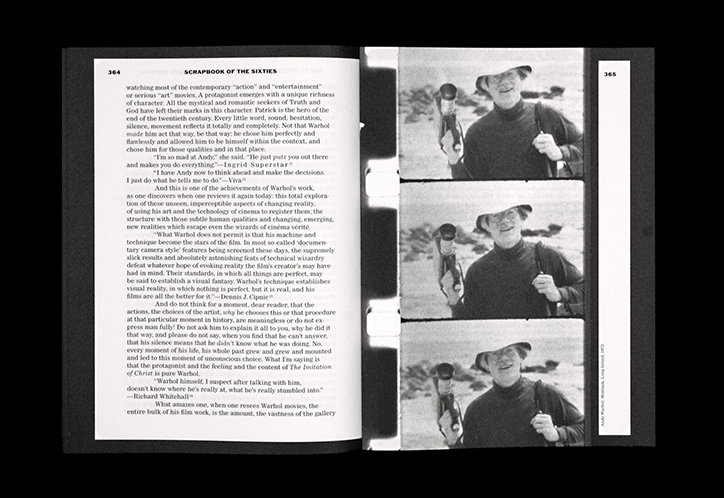
Fabian Bremer and Pascal Storz: Scrapbook of the Sixties
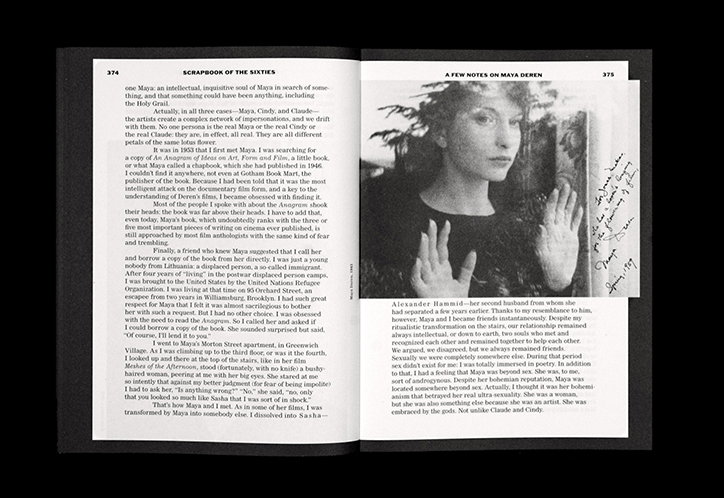
Fabian Bremer and Pascal Storz: Scrapbook of the Sixties
Share Article
Further Info
About the Author
—
Rebecca Fulleylove is a freelance writer and editor specialising in art, design and culture. She is also senior writer at Creative Review, having previously worked at Elephant, Google Arts & Culture, and It’s Nice That.