Kavi Pujara’s thoughtful photo series This Golden Mile challenges anti-immigrant sentiment
After returning to his hometown of Leicester after 27 years in London, the photographer set himself on reconnecting with his roots through lens-based media.
There were two events that provided the impetus for Kavi Pujara’s photo series This Golden Mile: his relocating to Leicester after 27 years living in London, and the 2016 EU referendum. As Kavi puts it, “both the personal and political occurred within the space of a few weeks”. Prior to the referendum, Kavi had simply wanted to reconnect with the community he had grown up in, using photography as a tool to do so. But quite soon after returning back to his hometown, he realised “it was becoming impossible to ignore the societal turn toward anti-immigration populism”.
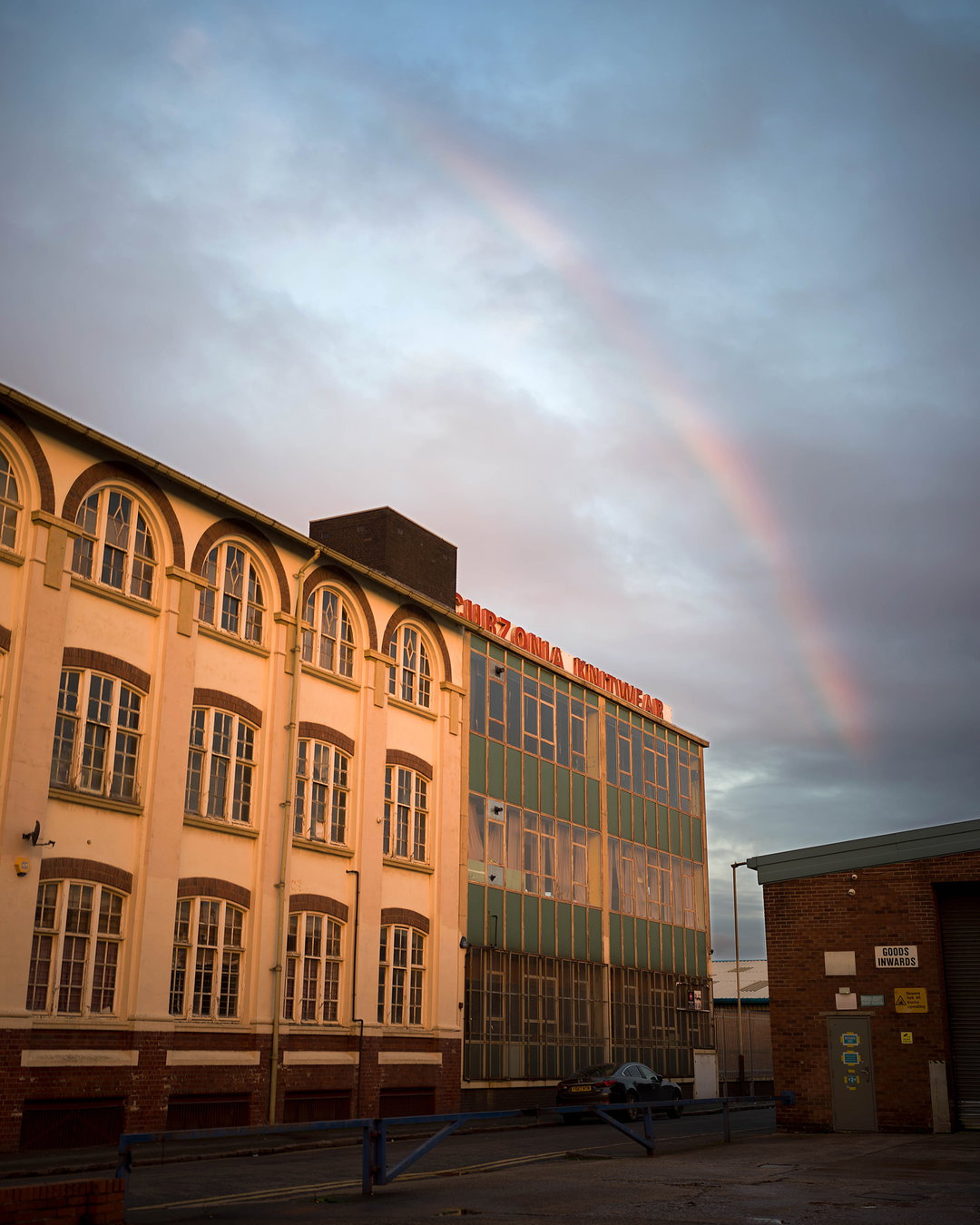
The project takes place along The Golden Mile – a one-mile stretch of road which has sar shops, Indian restaurants, jewellers – just 10 minutes away from where Kavi grew up. “It’s about the arteries and veins that come from it, giving life to the parts of a neighbourhood away fro, the central commercial thoroughfare,” Kavi says. “The Golden Mile is both an entry point and an ending, the last mile of a long journey to Britain.”
Kavi first got into photography back in the 80s, when he was 12 years old. This was also a time when the National Front, racial slurs and being told to “go back home” were rife, Kavi explains. It was during a council-subsidised two week summer photography workshop that he learned how to develop, expose and make black and white prints. “I found the whole process, from shooting to having the final works displayed in a gallery enthralling, and from then on, I was hooked,” Kavi recalls. Now, Kavi both works as a film editor for the BBC as well as independently making personal, long-term documentary projects.
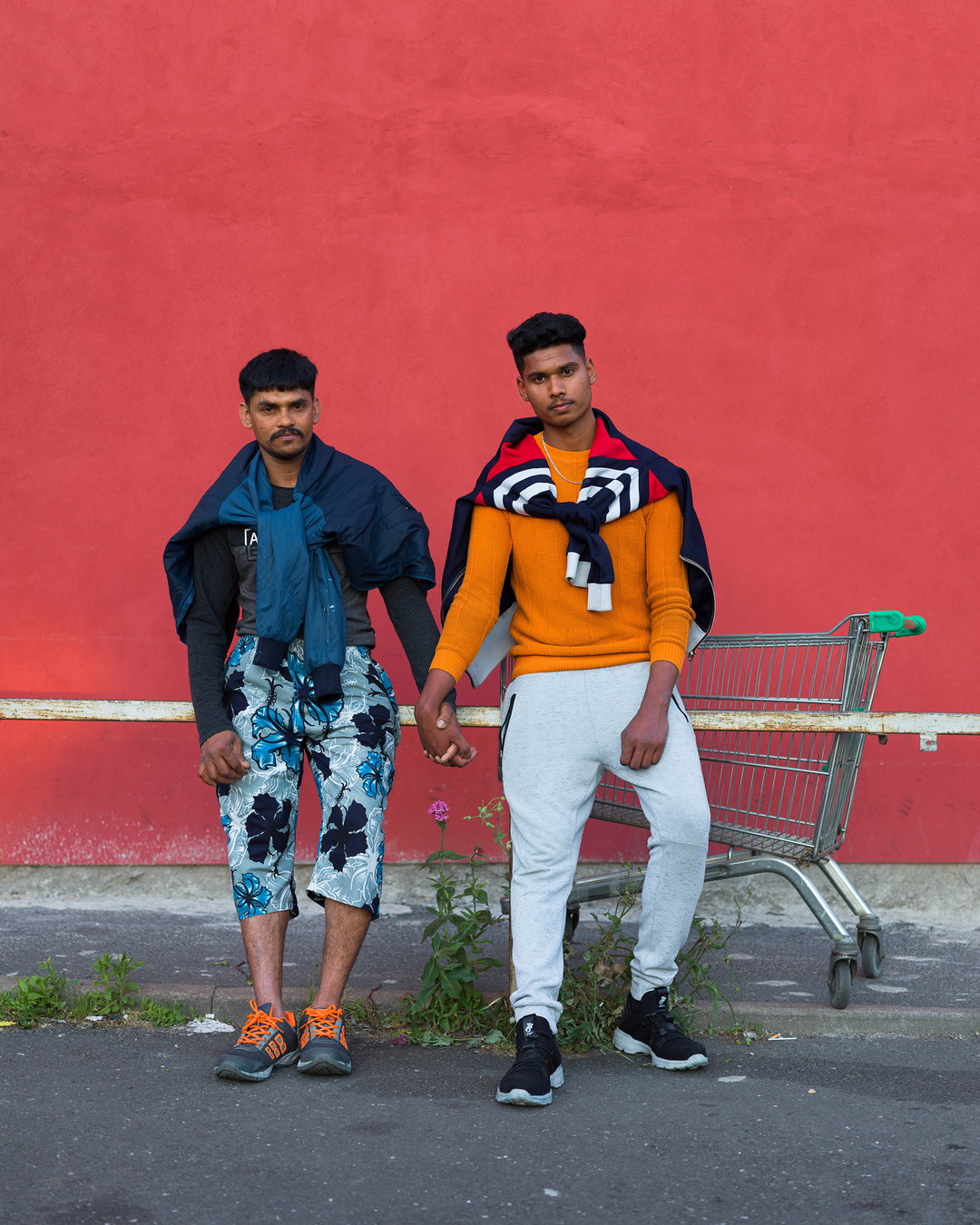
Kavi Pujara: This Golden Mile (Copyright © Kavi Pujara, 2022)
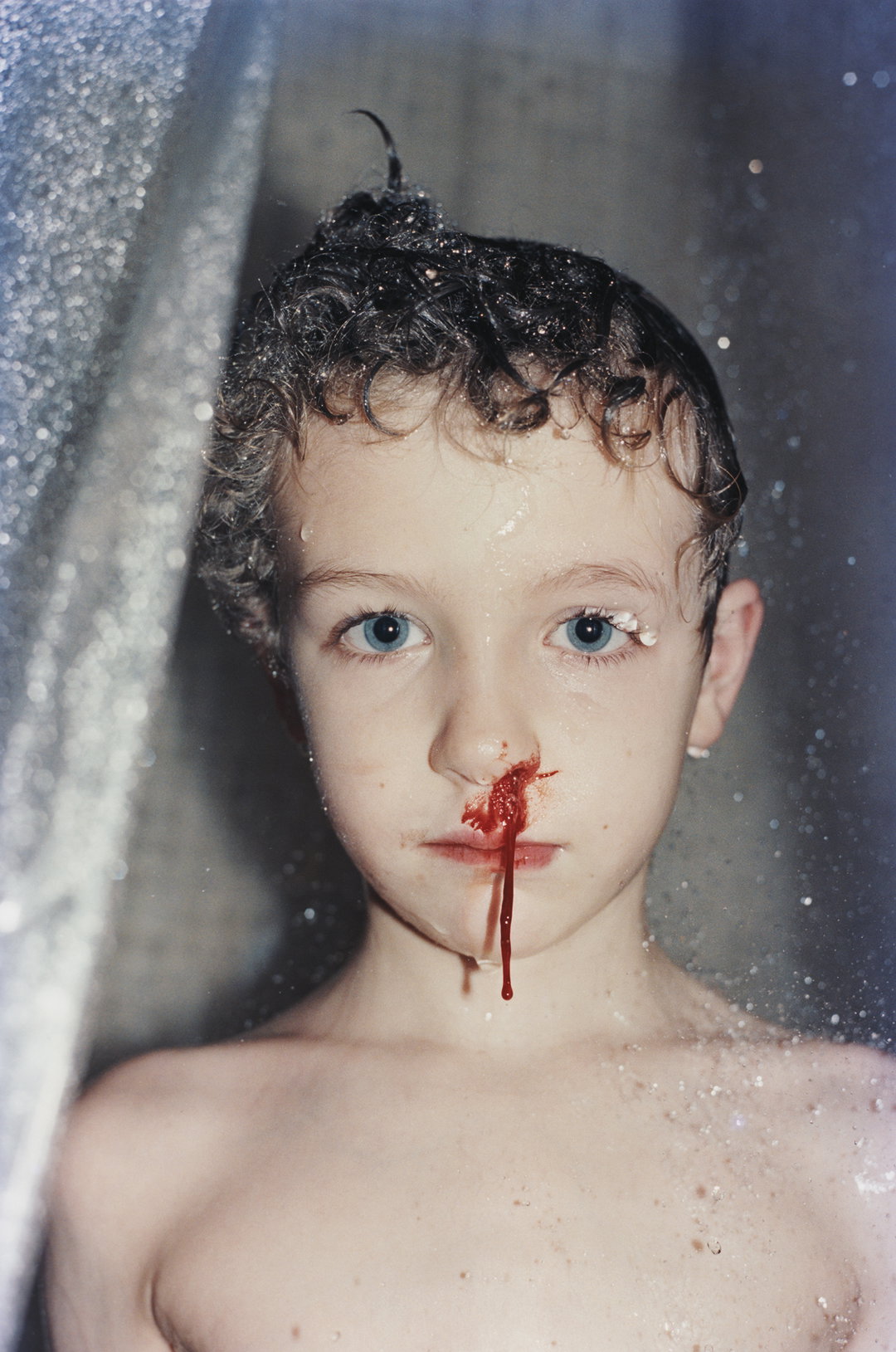
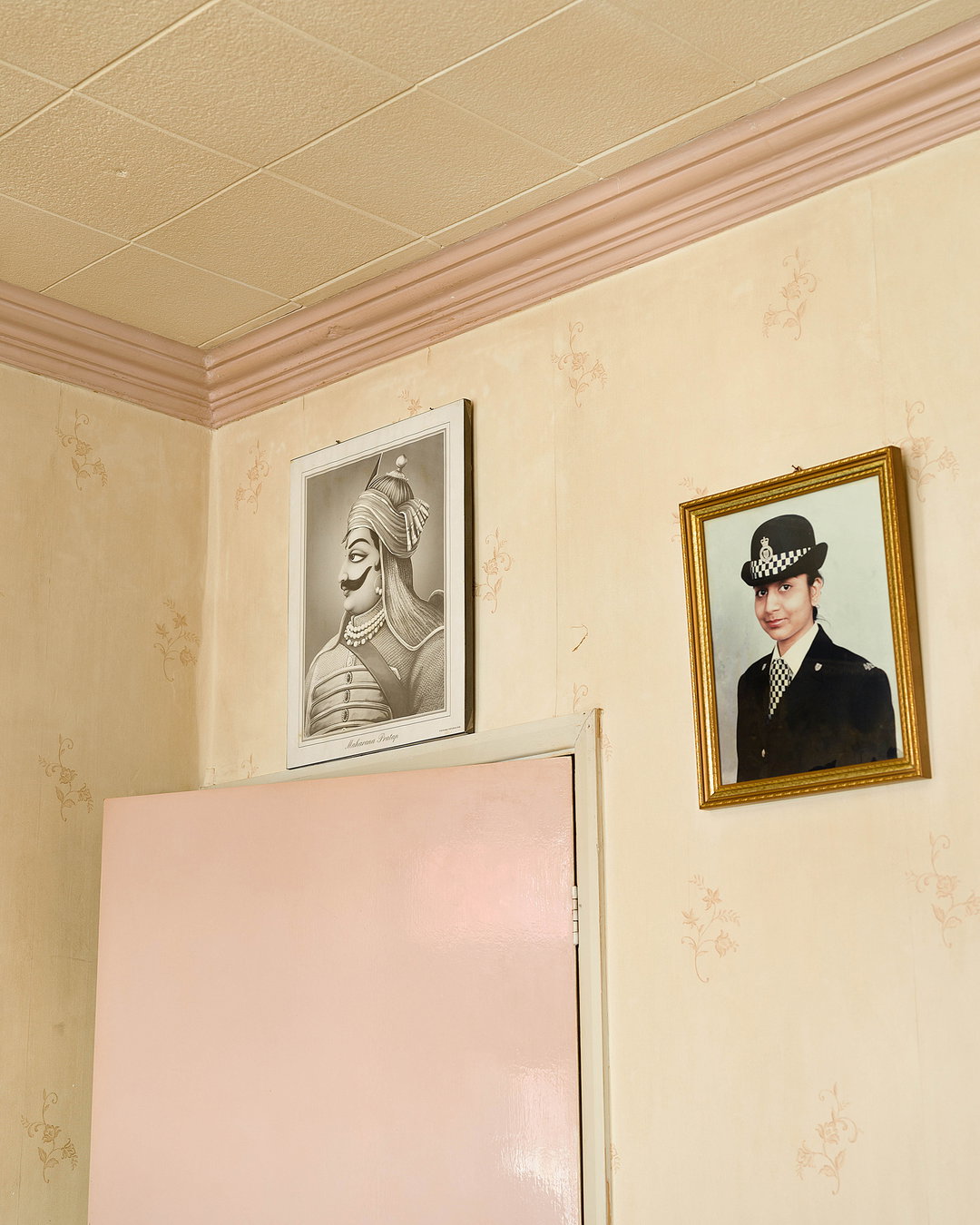
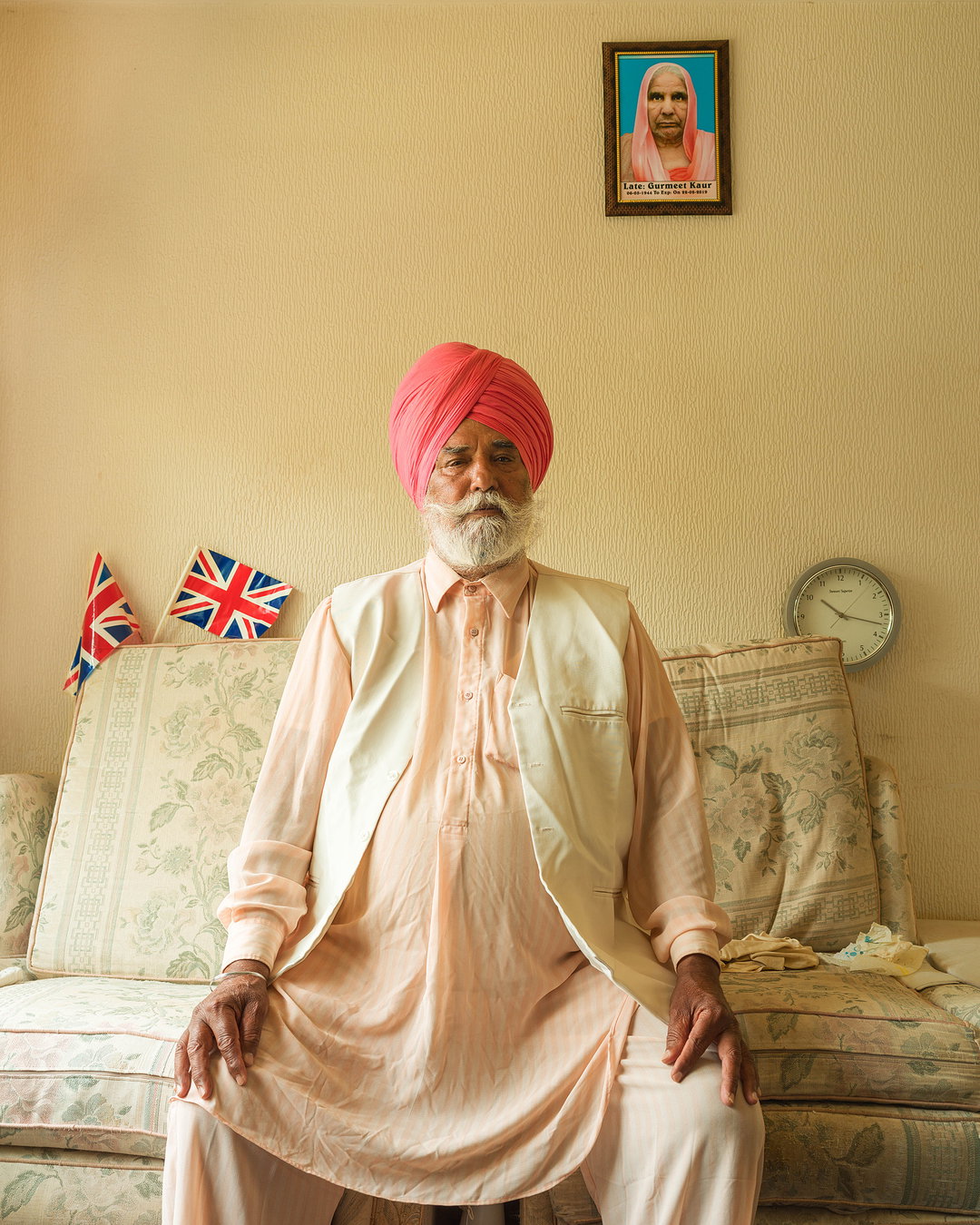
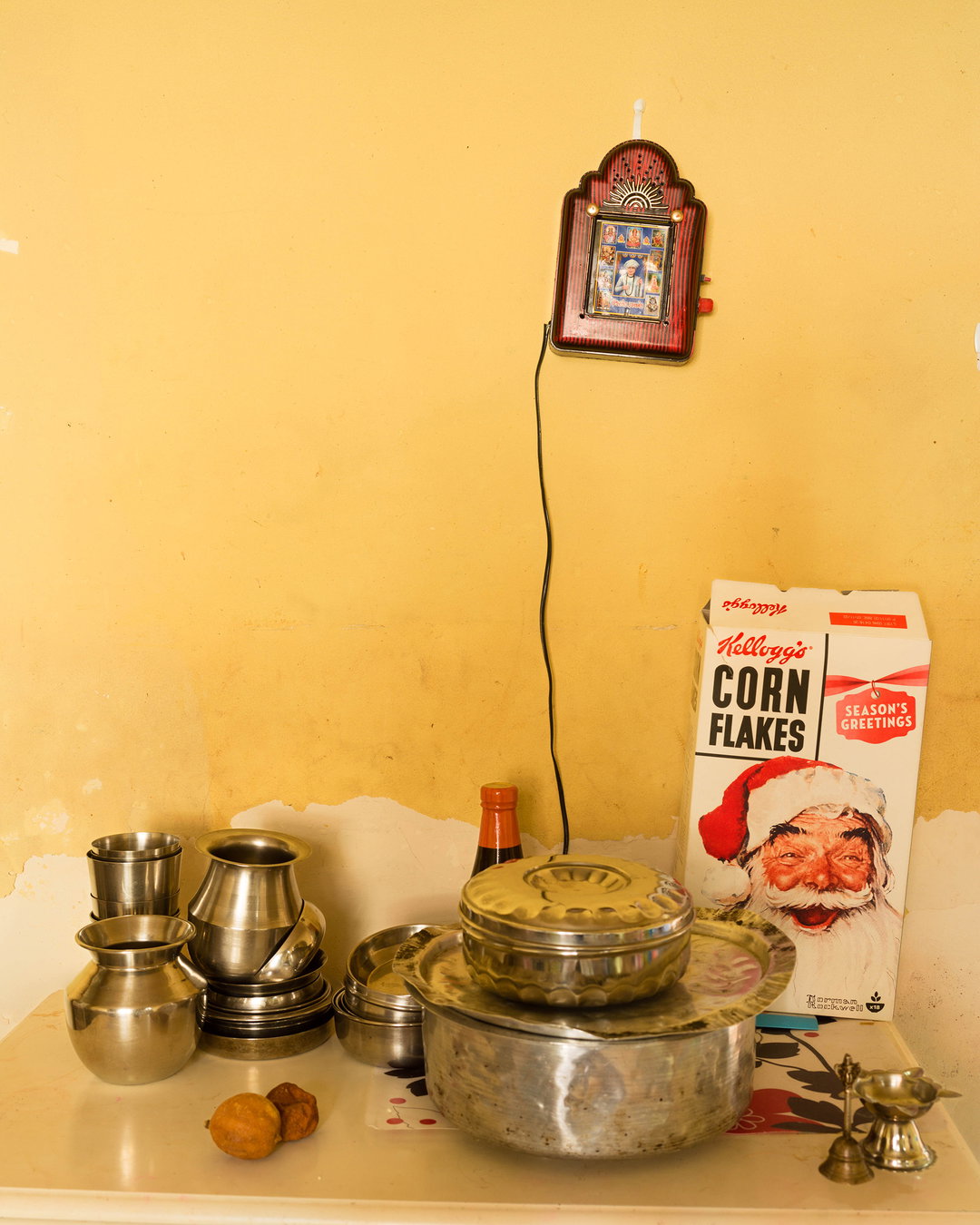
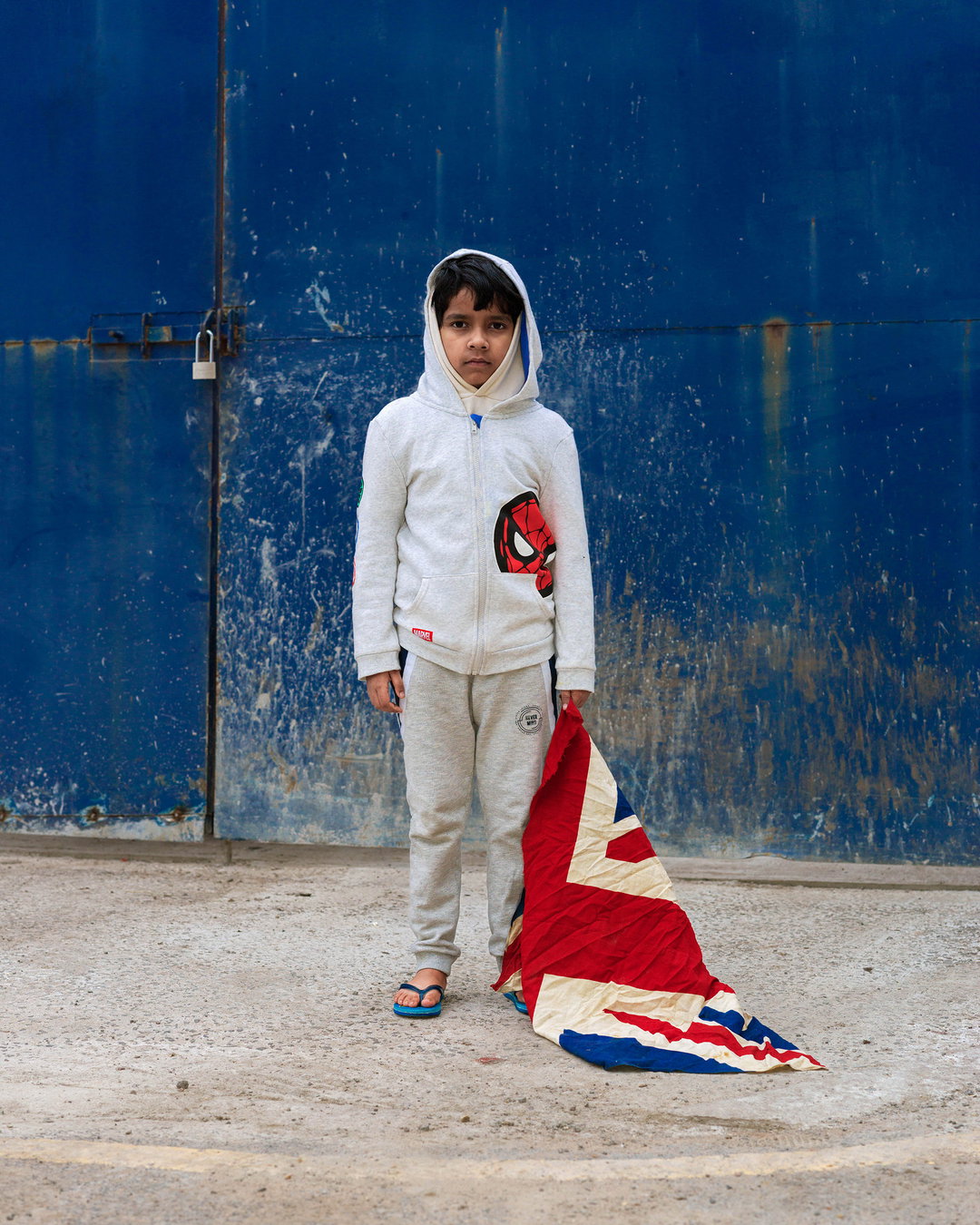
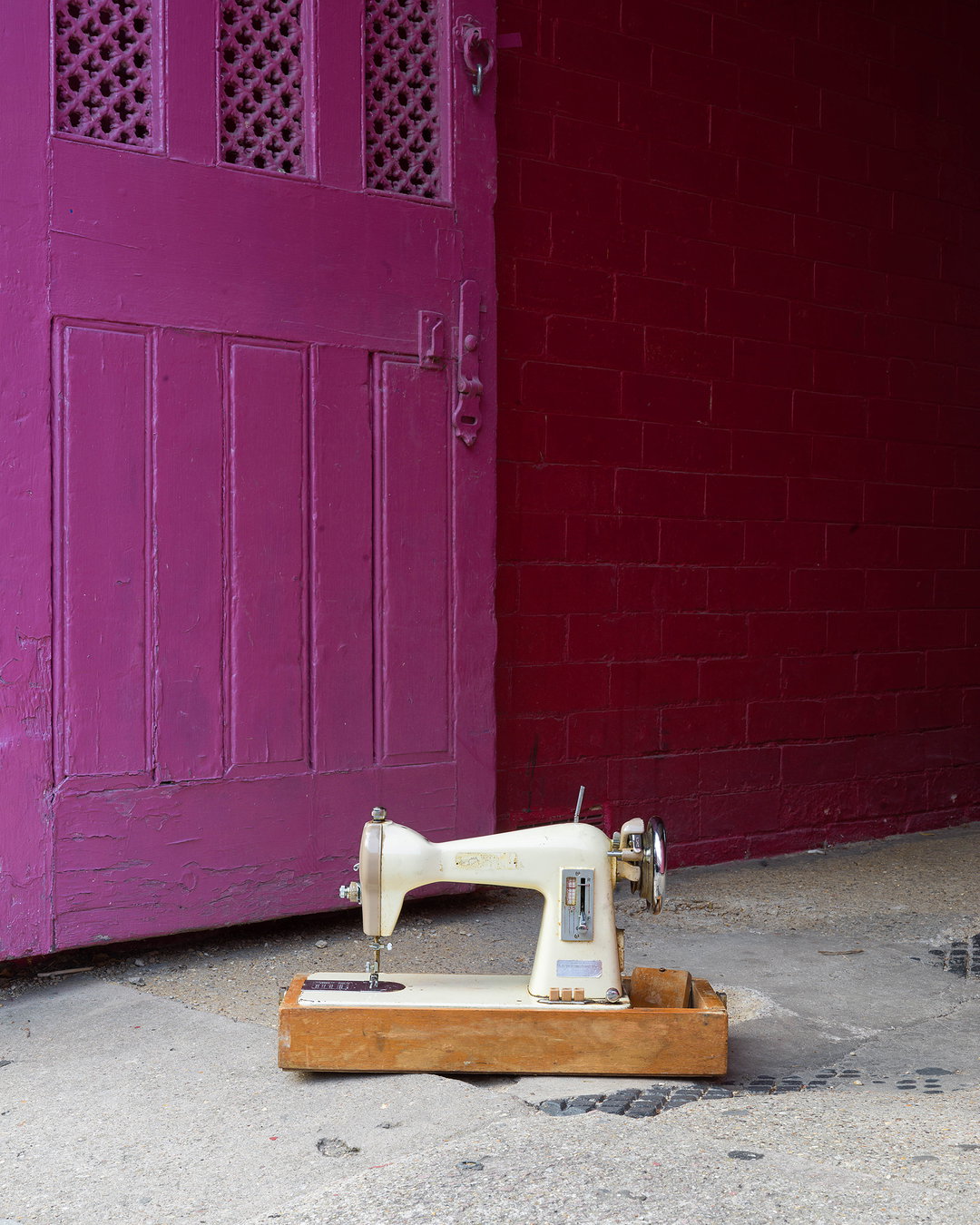
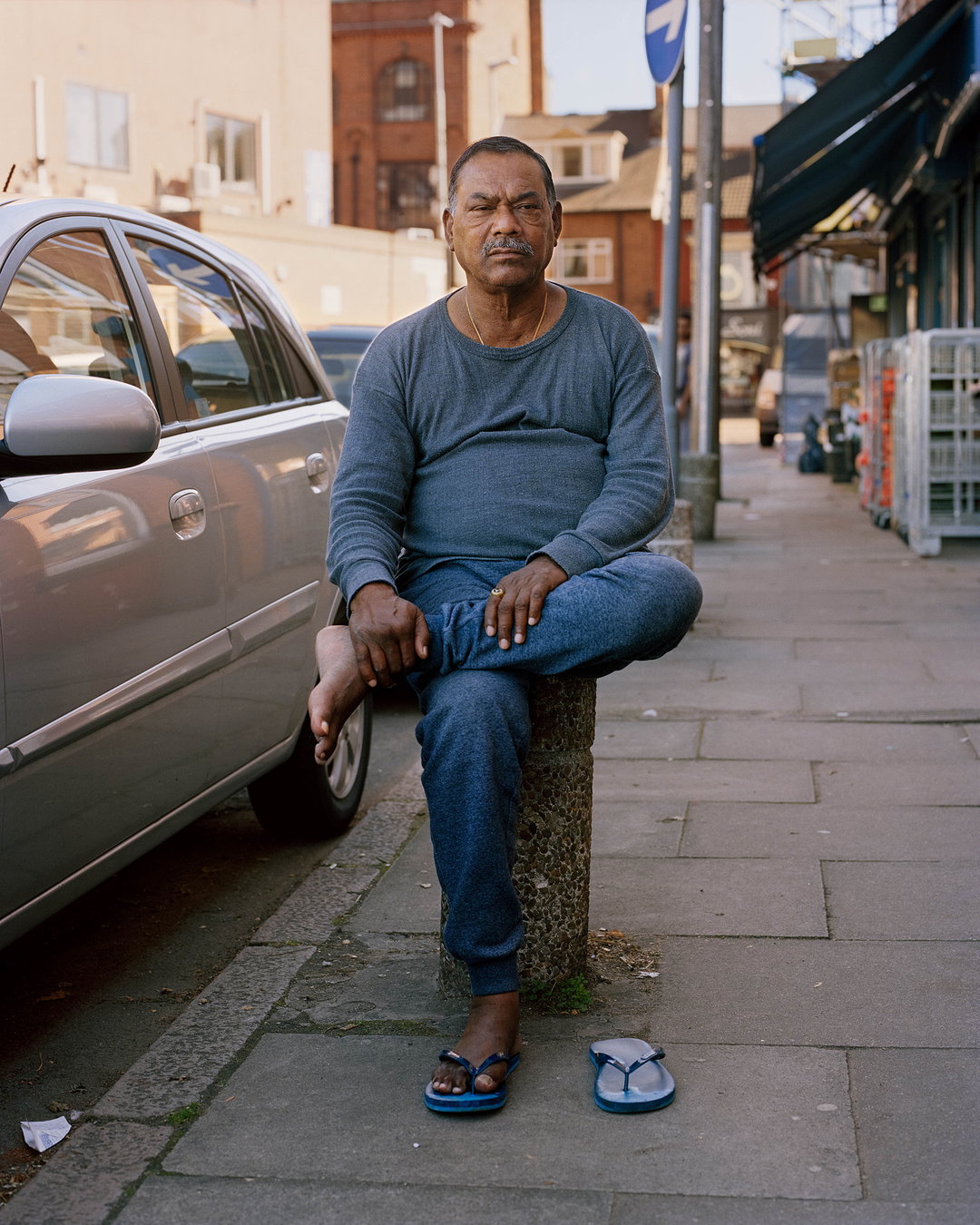
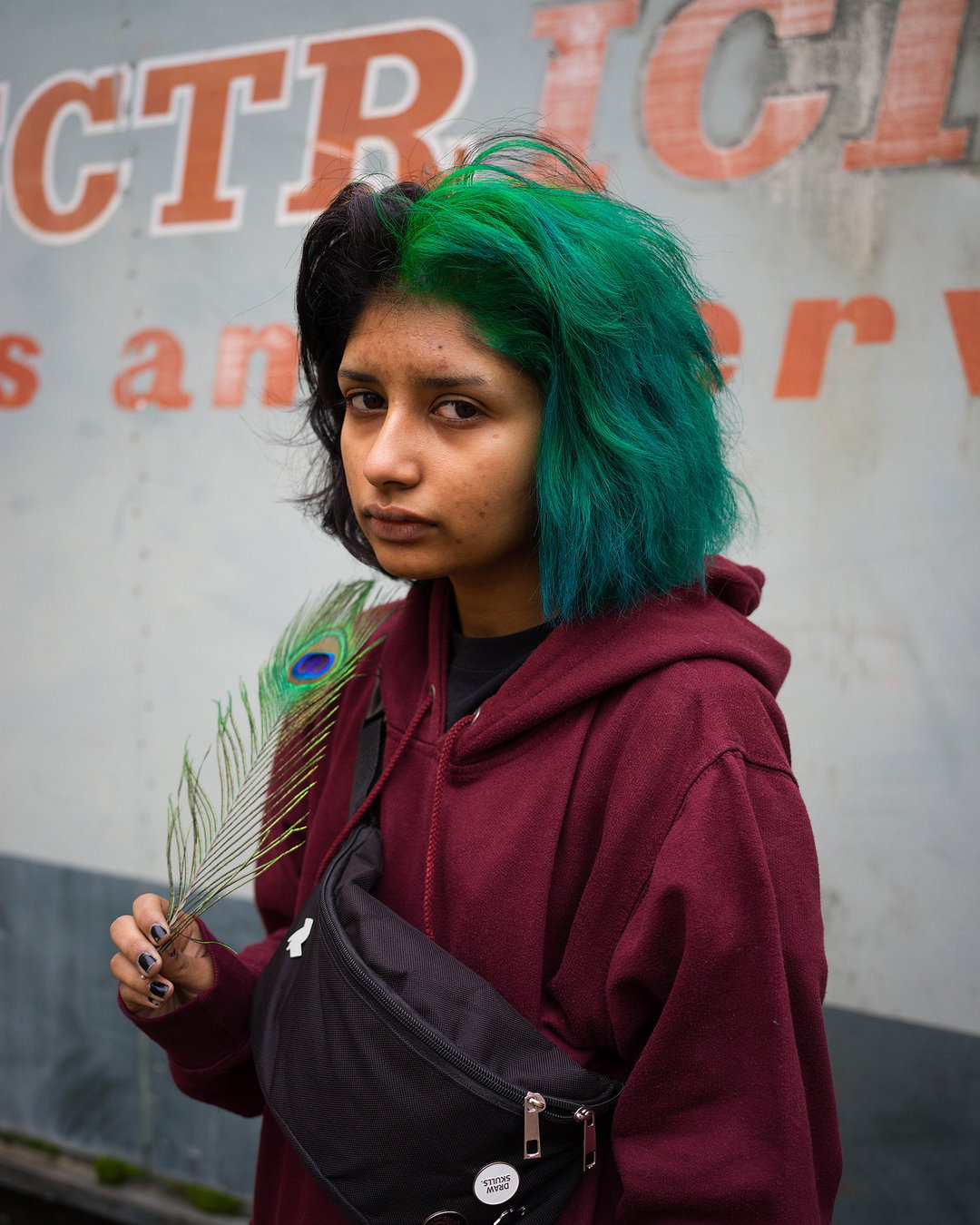
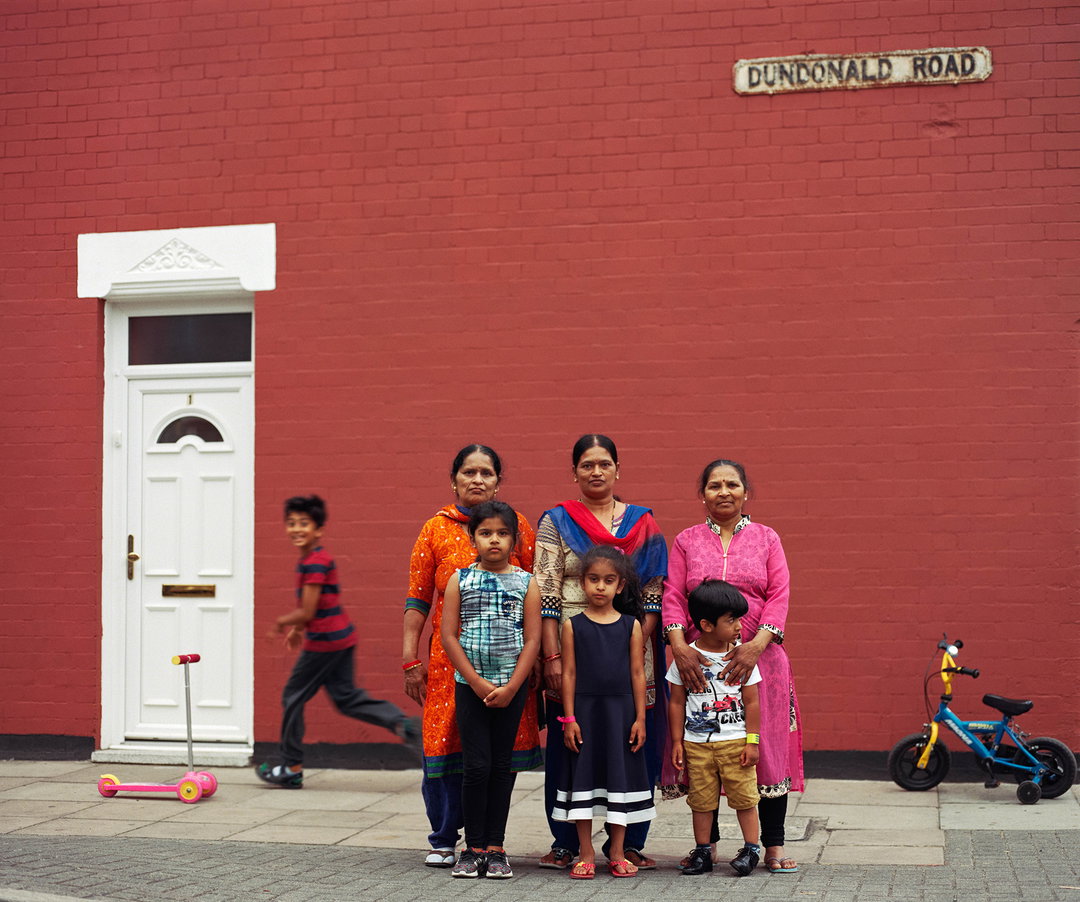
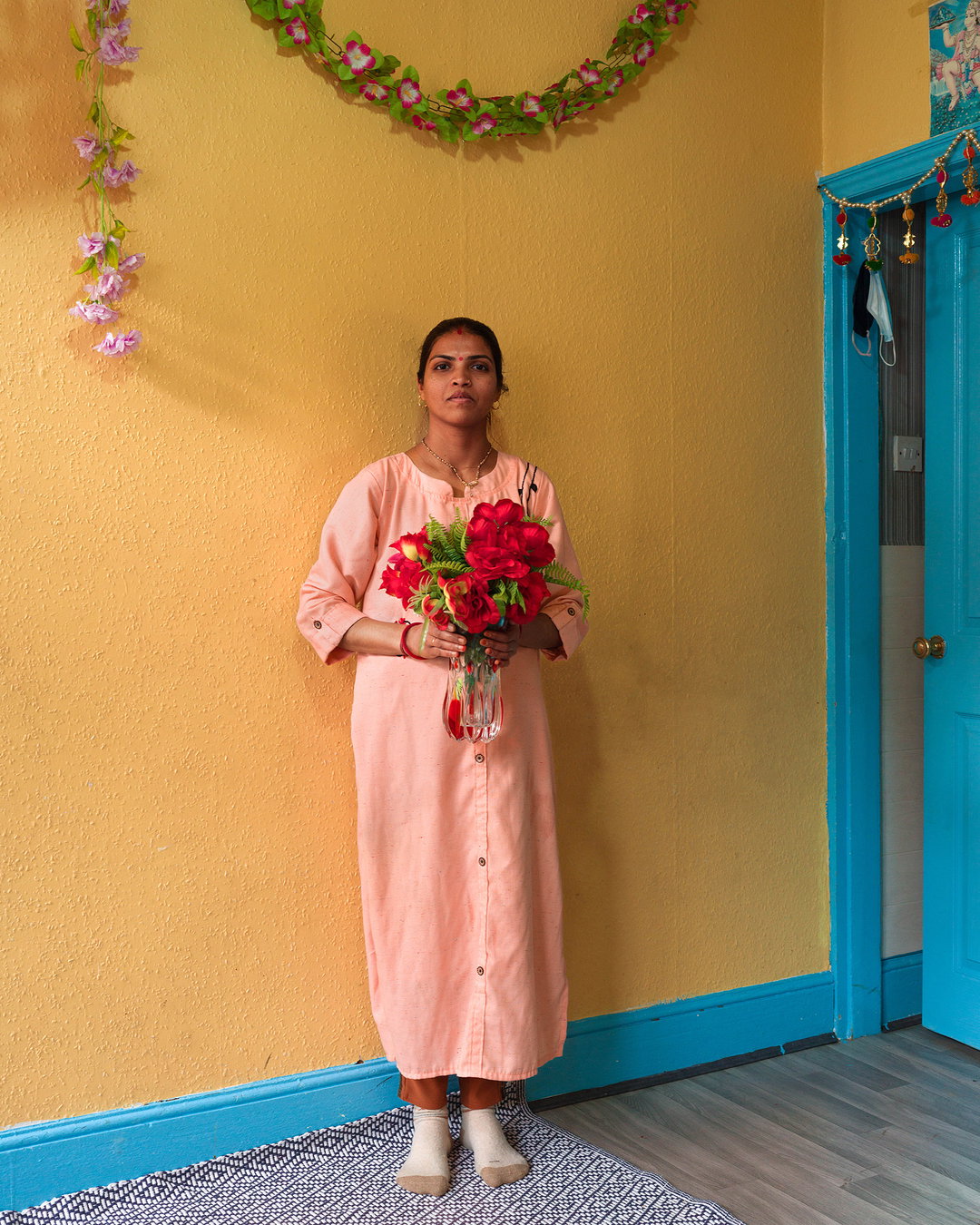
Perhaps the most palpable feelings coming from The Golden Mile is the sense of warmth and openness. From the streets of the The Golden Mile to the houses of its inhabitants, the images sensitively show the faces and places of the unique, multicultural area. For the project’s first year, Kavi tells us that he took candid photographs. But, interestingly – as candid photos are often perceived to be more ‘honest’ – Kavi found that they “didn’t yield any connection”. So, instead, he switched to a larger format and worked with a tripod. “This helped me slow down, talk to people and, to a degree, dictate the aesthetics of images I could make,” Kavi details.
One image that stands out in particular for Kavi is the picture of Haresh and Ashik on Syston Street. Leaning against a railing outside a specialist Asian supermarket, the duo are standing in front of the backdrop of a warm red wall, looking calmly into the camera lens and holding each other’s hand. Lit by the last of the summer light, the image resonates deeply, not only for its striking composition but for the story of the two young people. “Haresh and Ashik are old friends from back home in Diu and had only arrived in the UK a few months earlier,” Kavi explains. “They were finding their feet, still casually holding hands platonically, still learning the cultural codes of their new home.”
Importantly, the project has helped Kavi to reconnect with his roots; he has “re-started a lapsed conversation” through portraiture. “Letting go of my London life, practising my Gujarati, listening to stories and making new friends has shown me that, while I may no longer be part of this neighbourhood, I am of it.” But Kavi also has hope for the vital message he wishes This Golden Mile to convey. “This month marked the 50th anniversary of the arrival of Ugandan Asian refugees to Britain, almost 6,000 of whom settled in Leicester – a community celebrated for its contributions to British life,” Kavi says. “Yet, also this year, The Nationality and Borders Act was passed into law, the most significant reform to immigration policy in a generation and a direct legacy of Brexit. As a result, we now send refugees to Rwanda because their presence here somehow erodes our imagined definition of Britishness.”
And so, Kavi wants people to see the project and to question our current definition of society, and who it does (and doesn't) include. “We have a multicultural society because Britain is the product of a multicultural empire,” he concludes. “Communities like this are not an erosion of British values or its culture, but a vital part of our intertwined colonial histories.”
The series has now been complied into an eponymously titled book, released this coming October by Setanta Books and will be on display at the Martin Parr Foundation from 6 October - 18 December 2022.
GalleryKavi Pujara: This Golden Mile (Copyright © Kavi Pujara, 2022)
Hero Header
Kavi Pujara: This Golden Mile (Copyright © Kavi Pujara, 2022)
Share Article
Further Info
About the Author
—
Olivia (she/her) is associate editor of the website, overseeing the day-to-day editorial projects as well as Nicer Tuesdays events. She joined the It’s Nice That team in 2021. [email protected]
To submit your work to be featured on the site, see our Submissions Guide.