Margaret Mitchell re-shoots her family over 20 years since she last photographed them
Over 20 years after her initial project, Family, created in 1994, Margaret Mitchell has returned to photograph her sister’s three children decades after the story left off. “Family first began as a project about my sister and her children. At the time I was a final year photography student at Napier University in Edinburgh and the work was a very small part of a wide-ranging project on identity and stigma,” explains Margaret. “At that time, my sister lived in one of the most (statistically) deprived areas in Scotland, the Raploch in Stirling. My mum also moved there to be close to her. The Raploch at this time had an unfair, negative reputation in my opinion and the life and the people there were just like anywhere else. Mostly good, a few bad. There was a good community and my sister was part of that.”
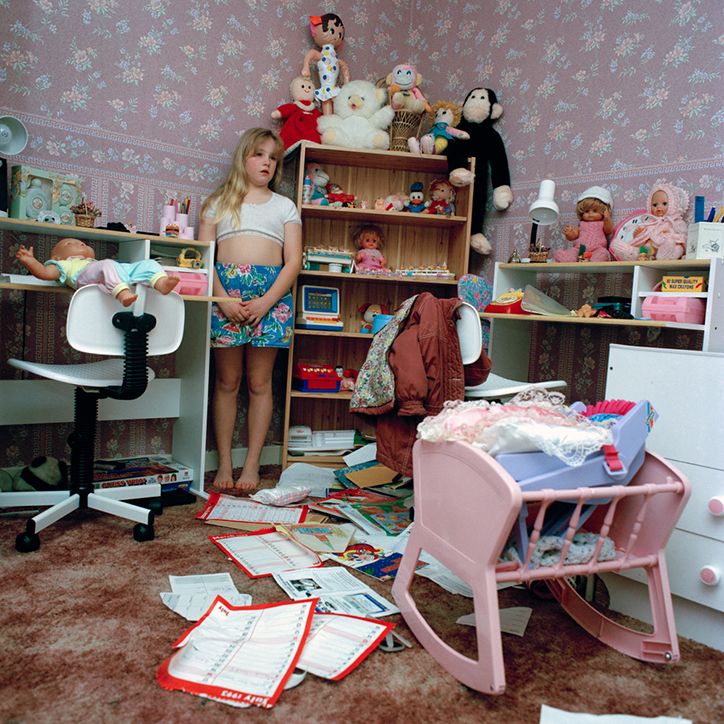
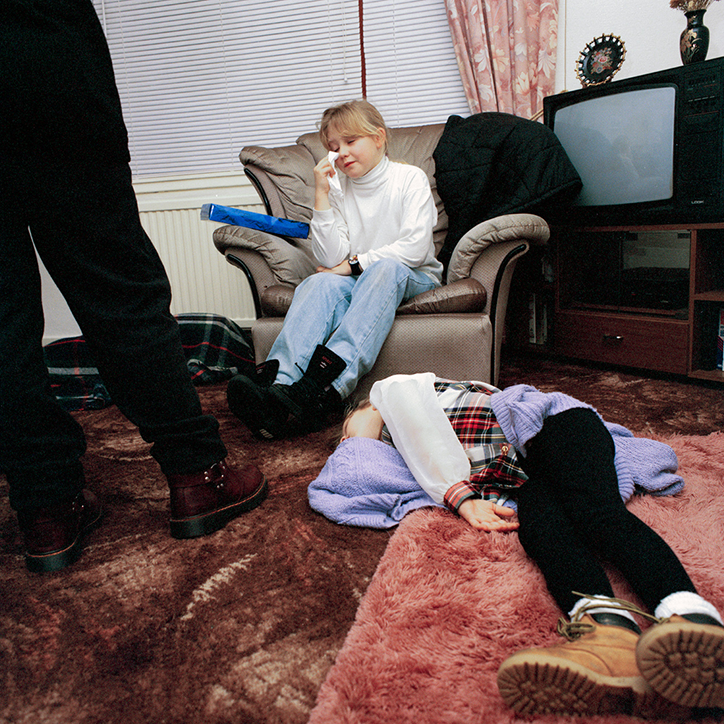
For Family, Margaret had planned on photographing her sister’s life and experiences, starting with a preconception of what she wanted to do. “This is the wrong way to approach a documentary project,” Margaret says. “As the work progressed, it was the childhood world and also the relationship between the siblings that became important. Their bond was very strong (and still is) with a palpable sense of reliance on each other.” The series is a mix of portraits and documentary photography with tell-tale signs of the period they were taken in with toys, food packaging and decor all dating the images to the 90s.
Margaret Mitchell: Family
The children were aged between five and 11 years old and the photographer felt their ease at being photographed was aided by how well she knew them. “I had a close relationship with my sister and saw her on a regular basis as I was often at my mum’s on weekends and holidays. We lived in and out of each other’s houses, in fact some of the photos were taken in my mum’s house,” explains the photographer.
Margaret felt she wanted to revisit the project for a long time. “I was apprehensive because my sister had died in 2008 and I knew the challenges her children had faced emotionally, economically and personally,” she says. “But I also felt a growing disconnection after my sister’s death with them and thought maybe updating the project was a way of letting me back into their lives, that we could strengthen our family bond.”
The updated work is called In This Place and it sees the children having moved from one estate poised to undergo urban regeneration to another. “There was a definite socio-economic backdrop attached to the first project but it became much more important in the second one, precisely because of what had, or more importantly, had not changed within the children’s social landscape in the past 20 years,” explains Margaret.
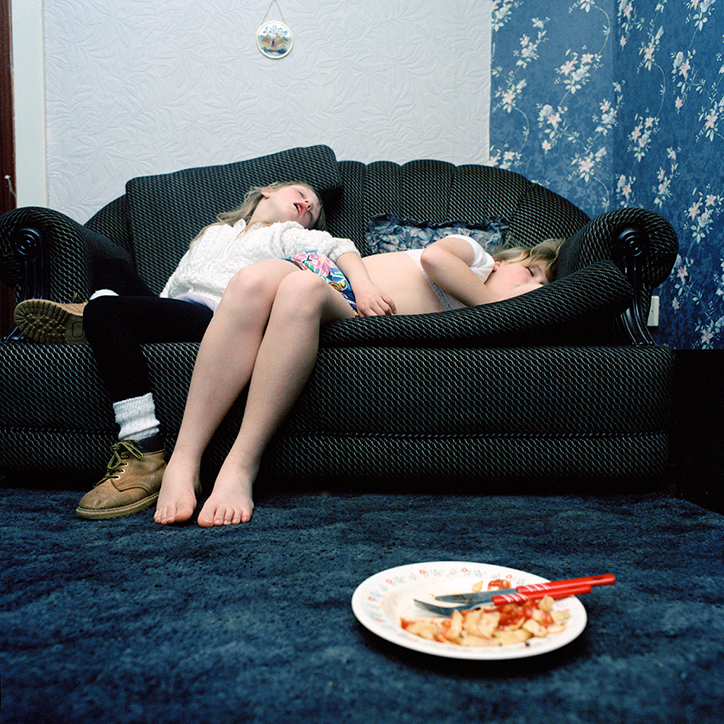
Margaret Mitchell: Family
There’s a slight change in tone with this series, and Margaret portrays the reality of growing up through candid, sombre shots. One big difference is the way in which Margaret has chosen to focus on the exterior of the buildings they live in. It’s in contrast to Family, where the photographer shot indoors to make it “less about the place, but more about the children and their interior world”.
One of the challenges for Margaret was to represent the people and the place truthfully and both projects culminate into a personal story of family, loss, love and survival. “It is about looking at where my nieces and nephew – and now their own children – have ended up in life and asking some questions as to how that happens. Where they live now is a direct ride on a circular bus route from their childhood home to their current estate that also scores high in statistics on multiple deprivation including housing, income, health and opportunities,” explains the photographer. “I want the viewer to maybe ask themselves a question about how society operates, how choice is related to opportunity and environment. To see that lives are complex, as are wants and needs, and that sometimes people choose what they do because actually, not much has been offered in the first place.”
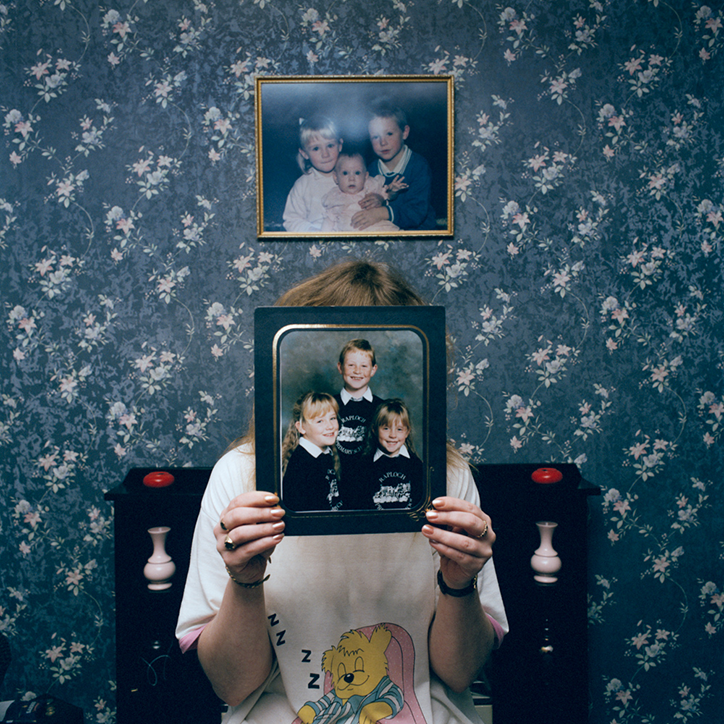
Margaret Mitchell: Family
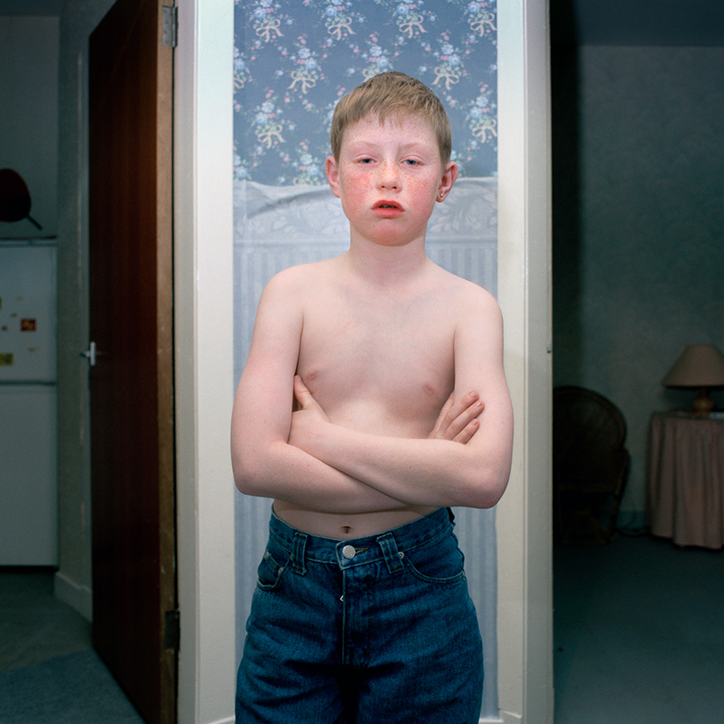
Margaret Mitchell: Family
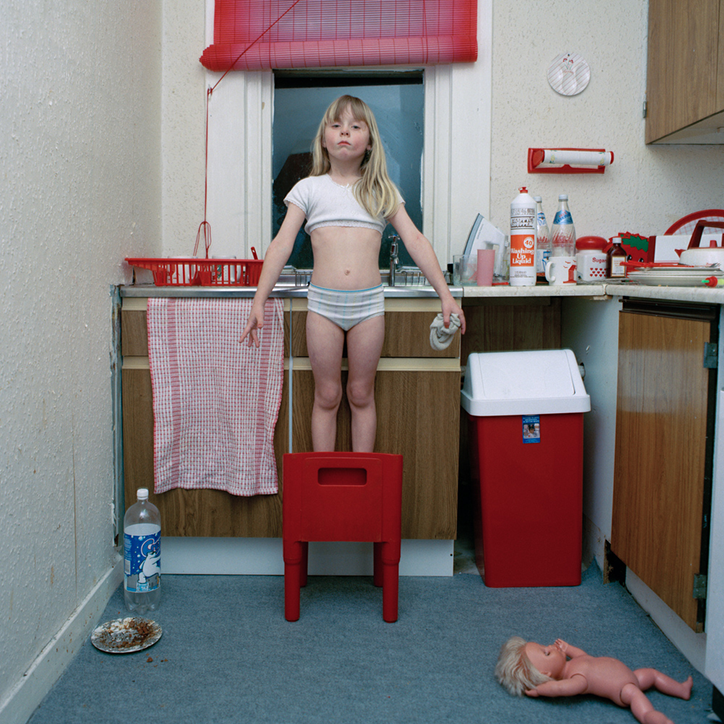
Margaret Mitchell: Family
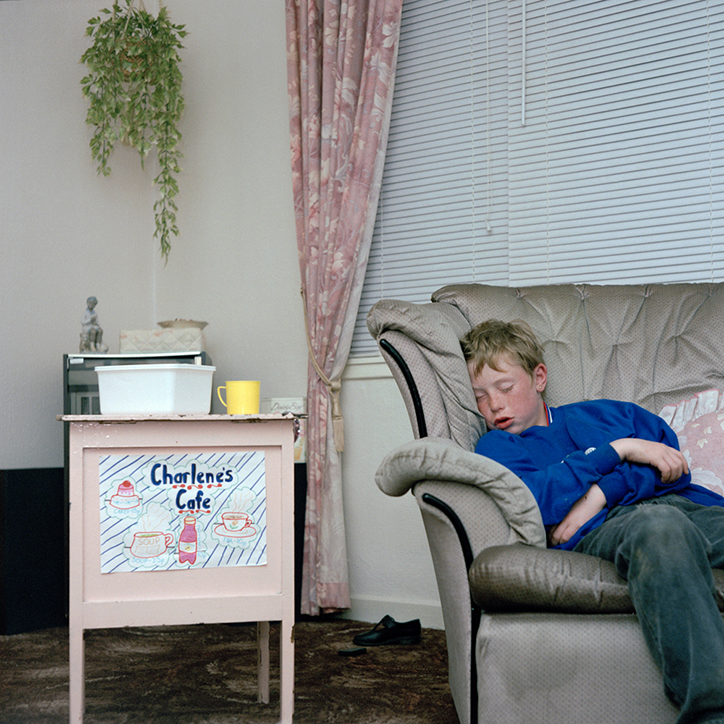
Margaret Mitchell: Family
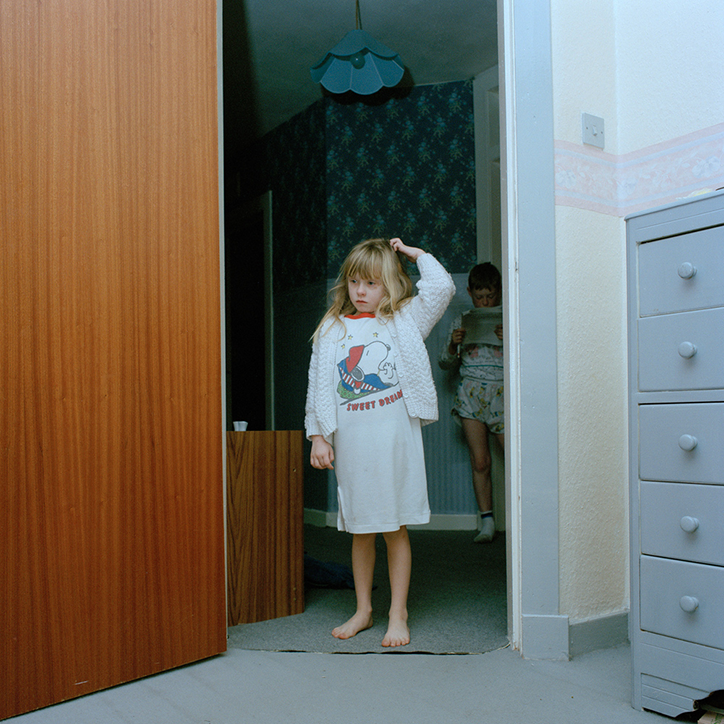
Margaret Mitchell: Family
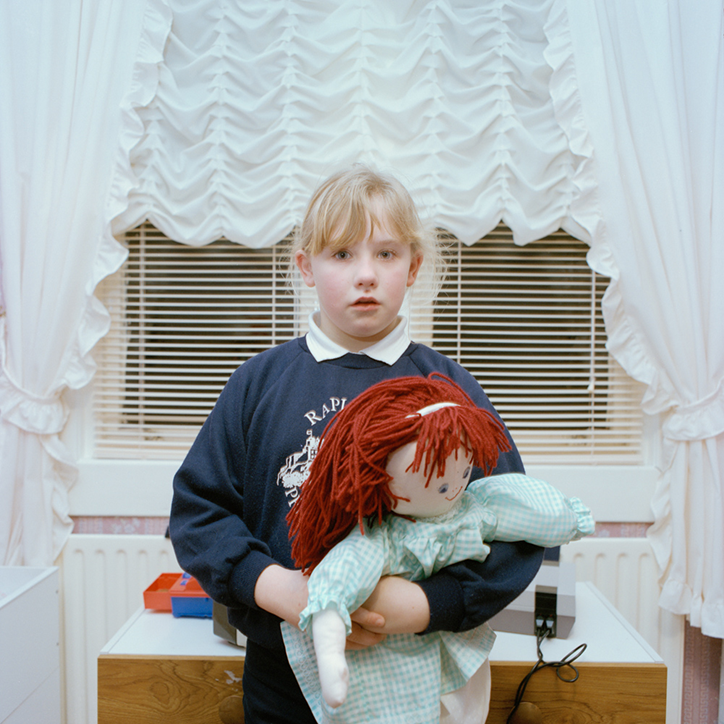
Margaret Mitchell: Family
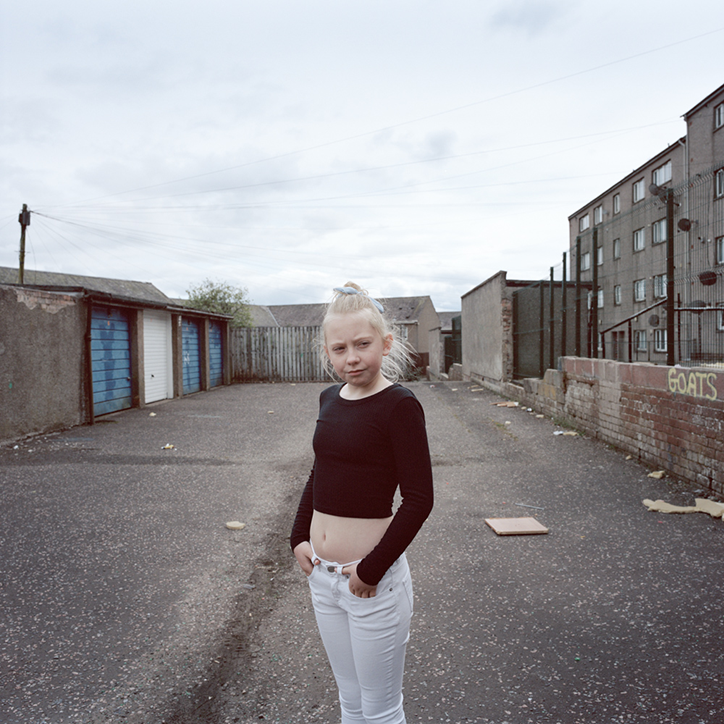
Margaret Mitchell: In This Place
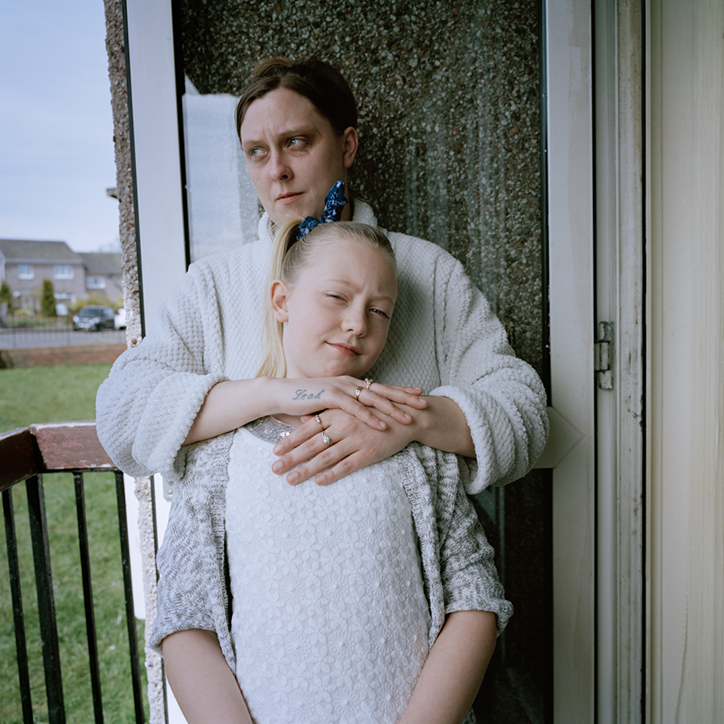
Margaret Mitchell: In This Place
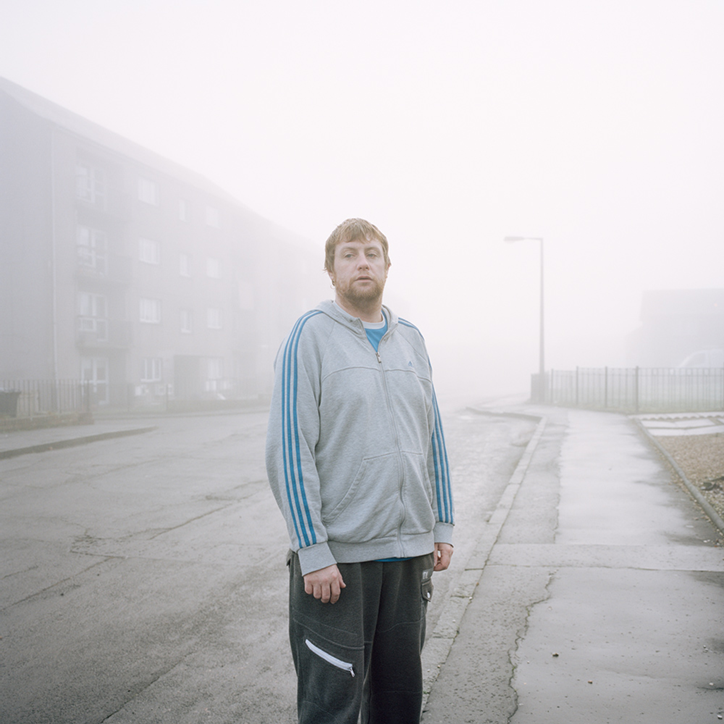
Margaret Mitchell: In This Place

Margaret Mitchell: In This Place
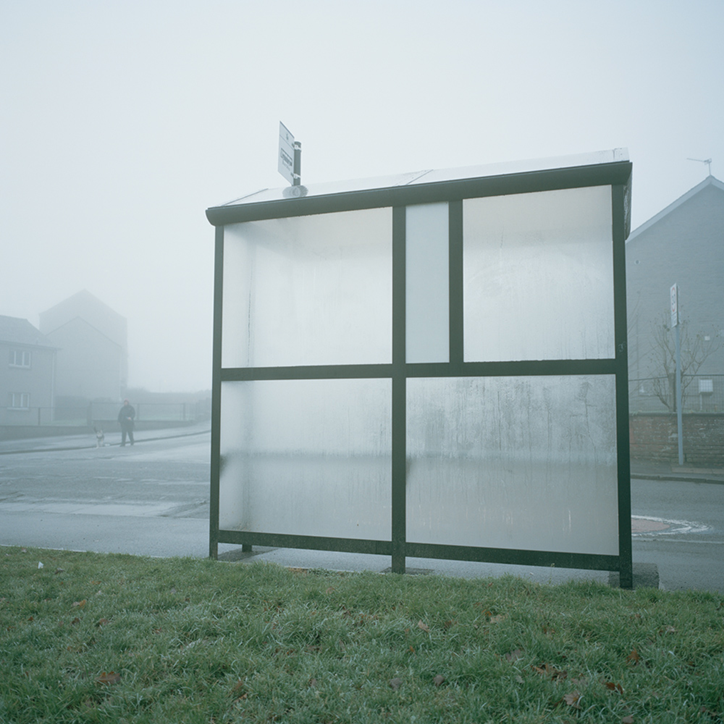
Margaret Mitchell: In This Place
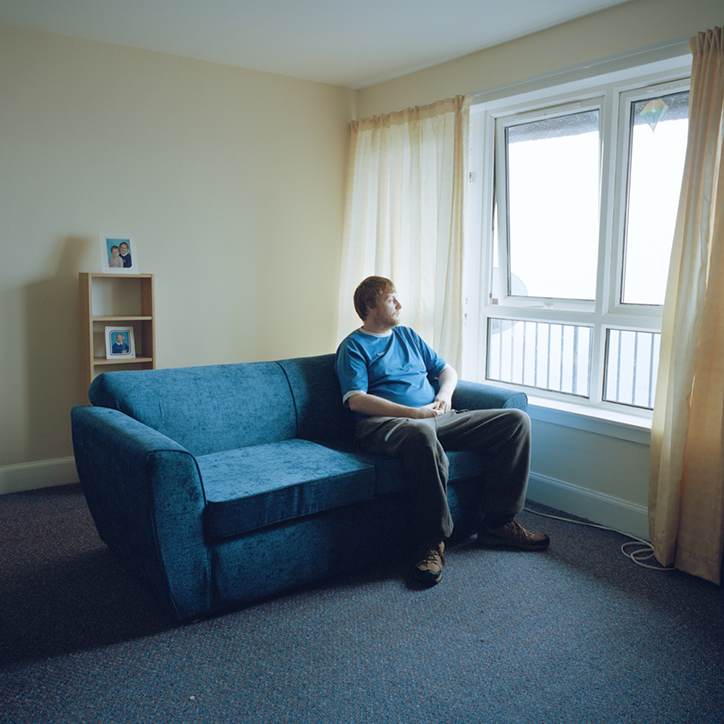
Margaret Mitchell: In This Place
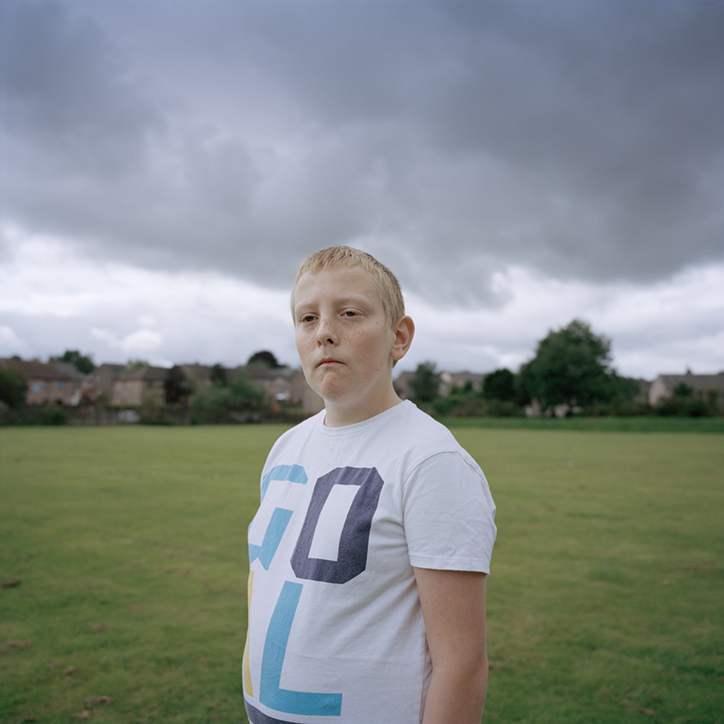
Margaret Mitchell: In This Place
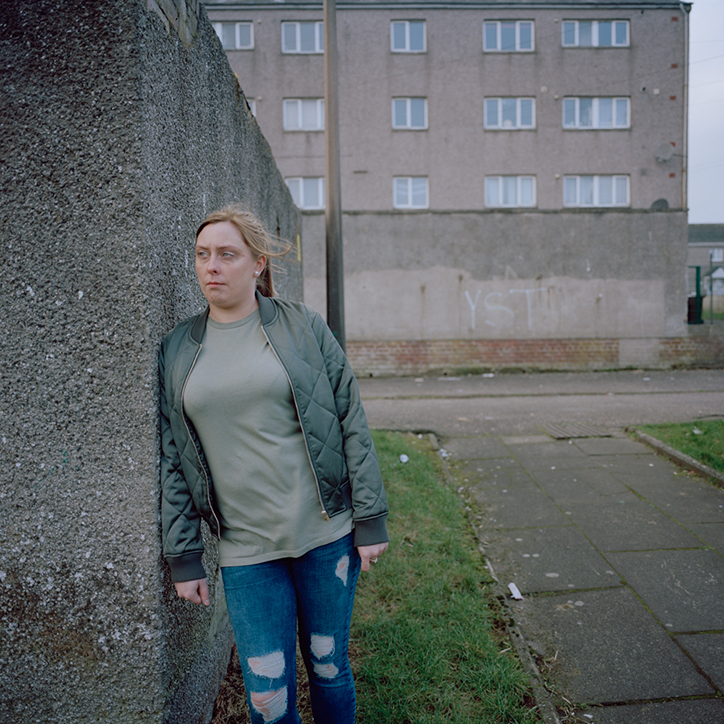
Margaret Mitchell: In This Place
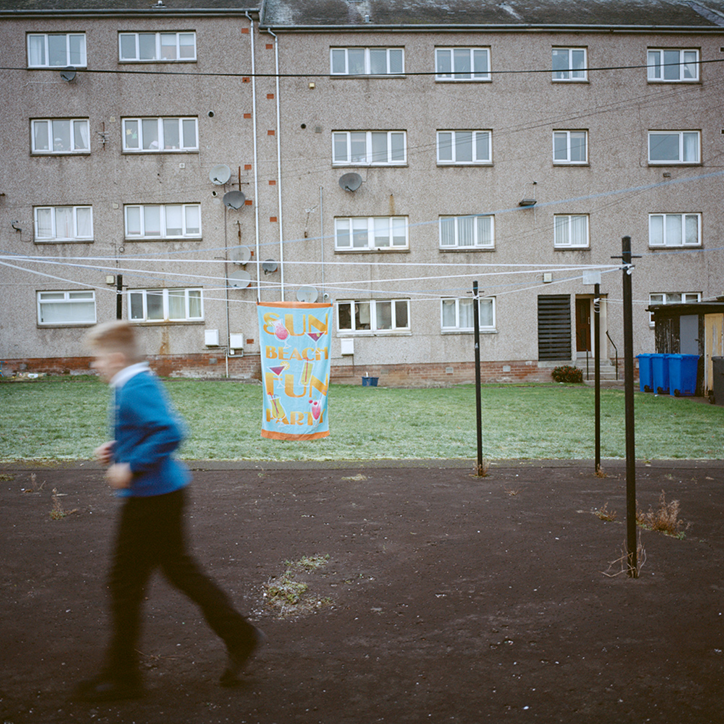
Margaret Mitchell: In This Place
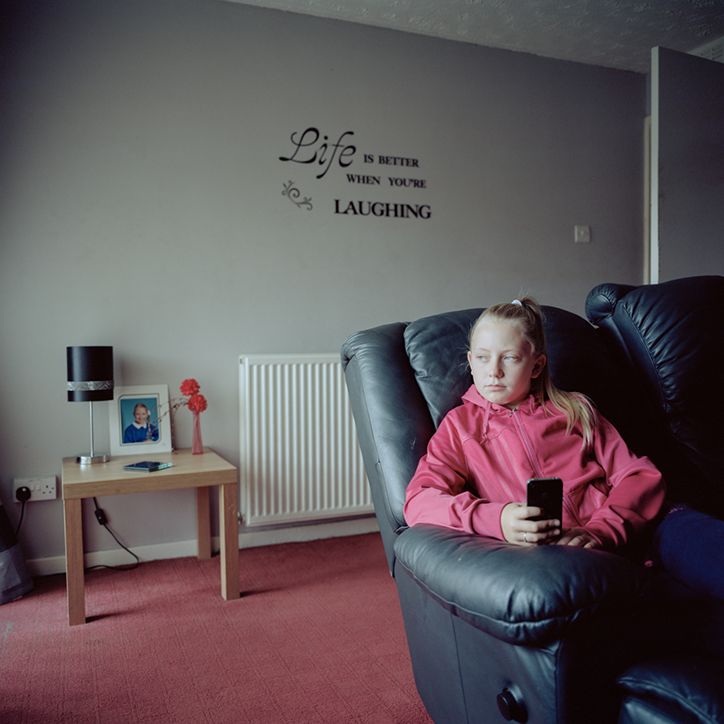
Margaret Mitchell: In This Place
Share Article
Further Info
About the Author
—
Rebecca Fulleylove is a freelance writer and editor specialising in art, design and culture. She is also senior writer at Creative Review, having previously worked at Elephant, Google Arts & Culture, and It’s Nice That.