How Nicolas Polli fabricated an entire space exploration programme
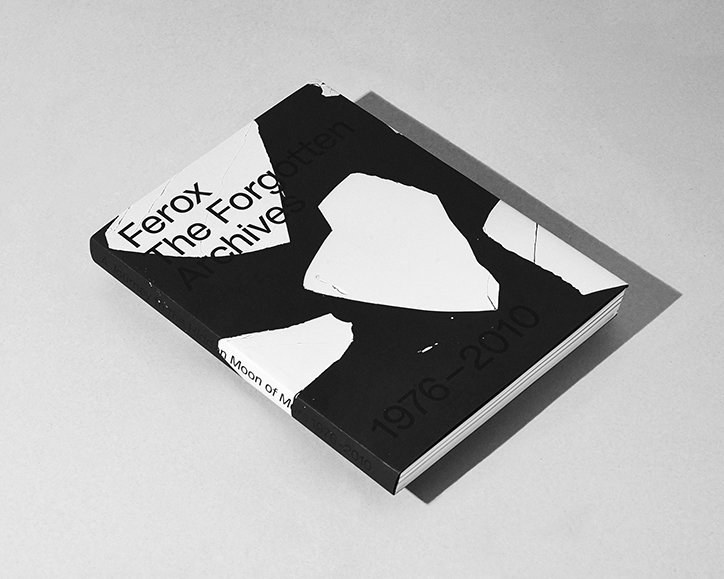
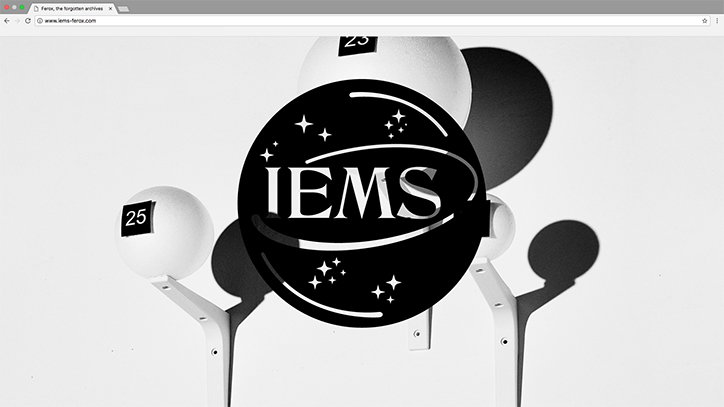
“The International Exploration for the Mars Surrounding (IEMS) is a united program responsible for the civilian space program as well as aeronautics research for the surface of Ferox. Between 1976 and 2010, scientists around Europe worked for IEMS in order to determine the presence of water on Ferox. After their third failure the mission disappeared,” reads the blurb of Ferox, The Forgotten Files: A Journey to the Hidden Moon of Mars 1976–2010.
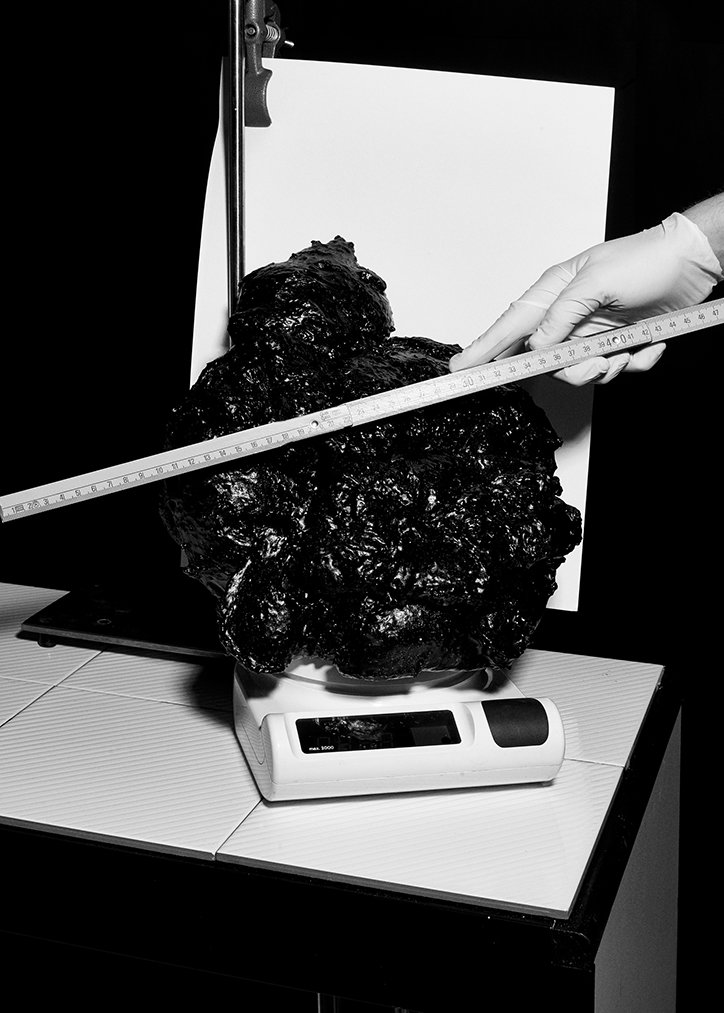
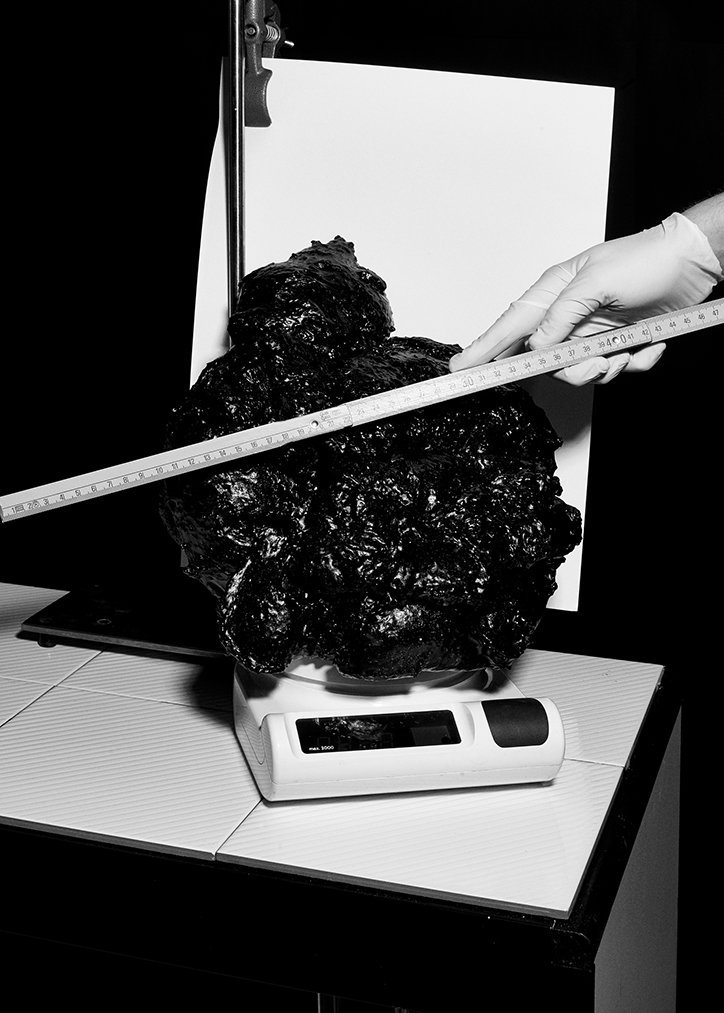
The files exist as both an online archive with images available to use “for educational or informational purposes, including photo collections, textbooks, public exhibits, computer graphical simulations and Internet Web pages,” and as a textbook contextualising the research through essays, data and diagrams. This abundance of free-to-use information sounds incredibly useful and educational but there’s one issue – it’s all fake. The IEMS never existed and the meteorites pictured have never even left Switzerland, let alone been anywhere near Mars.
Nicolas Polli: Ferox, The Forgotten Files: A Journey to the Hidden Moon of Mars 1976–2010
Nicolas Polli: Ferox, The Forgotten Files: A Journey to the Hidden Moon of Mars 1976–2010
The project is the realisation of Swiss photographer and graphic designer, Nicolas Polli’s fascination with our lack of criticality when it comes to ascertaining whether what we see is real or fake. “The internet opens communication channels and gives almost anyone the possibility to express their point of view,” explains Nicolas, however “all this generates is an intricate web of bullshit where the filters of trustful media have all but disappeared.” It was this revelation that led him to question whether it is now easier to fake reality – what information do we require to trust an image?
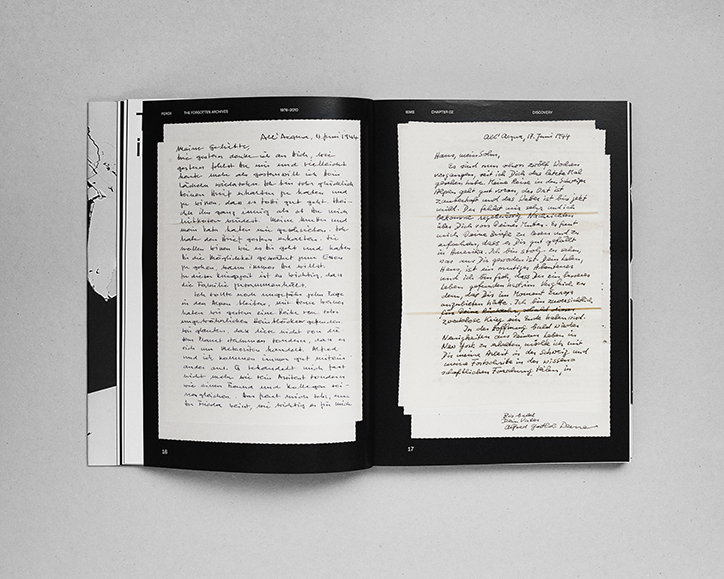
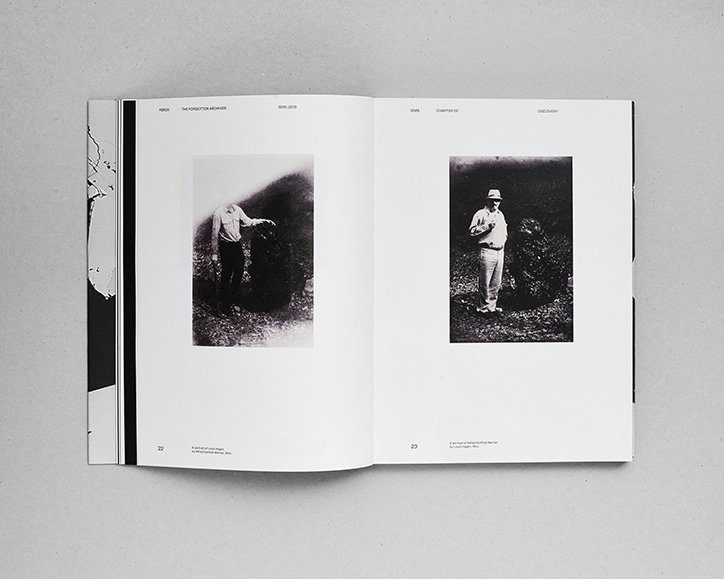
As a means of demonstrating his opinions that as a generation we have lost our ability to discern, Nicolas set about fabricating a completely fictional world (a fact he hasn’t let slip until today). Space seemed an appropriate choice for its mysterious yet altogether appealing qualities but also because it’s a topic that remains largely out-of-reach to the masses. “It’s a subject matter where we completely trust the words of a few scientists because we will never have the chance to actually visit Mars or the Moon to verify any information,” he tells It’s Nice That. The archives tell the story of two geologists who, during WWII, found a series of meteorites in the Swiss Alps and documents their supposed process of tracing where they came from and their hopes of finding water on a new planet.
Nicolas Polli: Ferox, The Forgotten Files: A Journey to the Hidden Moon of Mars 1976–2010
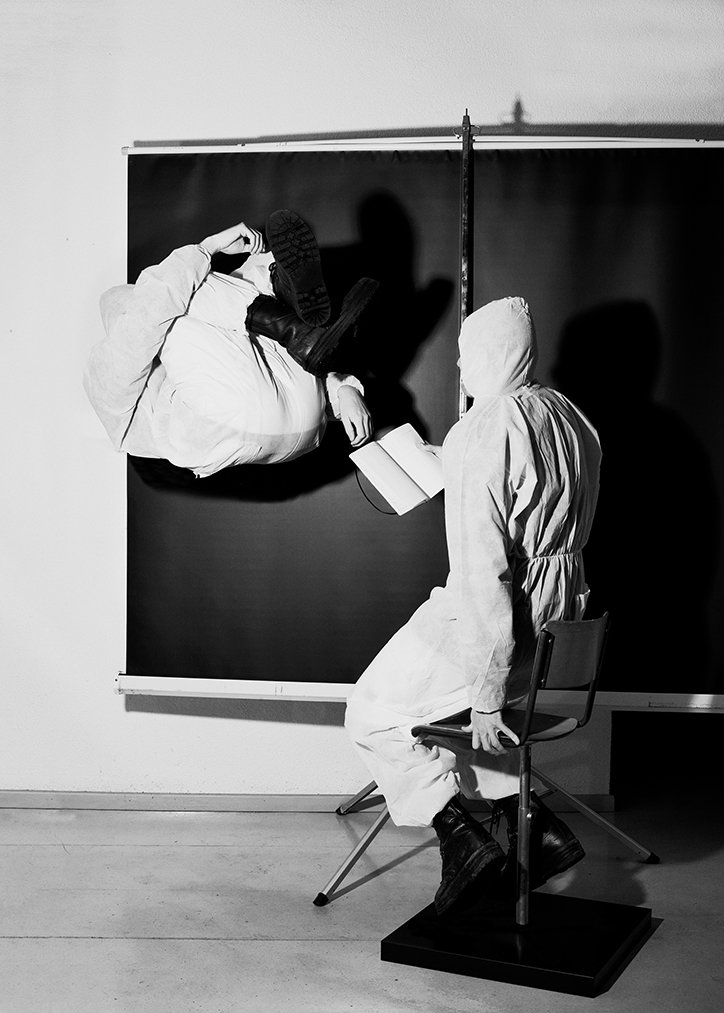
Nicolas began by creating a fake visual archive, shooting nearly all of the images in his studio. He had the help of a geologist to shoot the images that required an electronic microscope and he utilised programs like Google Earth to generate other material. The meteorites are not rock at all but props made by the photographer and the “planet” is merely a photographic trick using scale.
Instead of leaving the project there, Nicolas felt it was important to “contextualise it and create a real platform in support of the archive.” This manifested as a website and a book. The website functions as an open source archive, available to all as visual material for both academic and artistic projects. The book, on the other hand, is more in depth featuring research papers, diagrams and falsified data. All of the included texts incorporate lexicons from the scientific world in order to make them convincing and the diagrams stem from Nicolas’ in-depth scientific research prior to undertaking the project.
Ferox, The Forgotten Archives clearly embodies Nicolas’ mission to inform his photography with graphic design and vice versa. The two mediums are used in conjunction to create an altogether convincing proposition, dropping subtle hints which only reveal themselves if you take the time to question what is in front of you.
Nicolas Polli: Ferox, The Forgotten Files: A Journey to the Hidden Moon of Mars 1976–2010
Nicolas Polli: Ferox, The Forgotten Files: A Journey to the Hidden Moon of Mars 1976–2010

Nicolas Polli: Ferox, The Forgotten Files: A Journey to the Hidden Moon of Mars 1976–2010
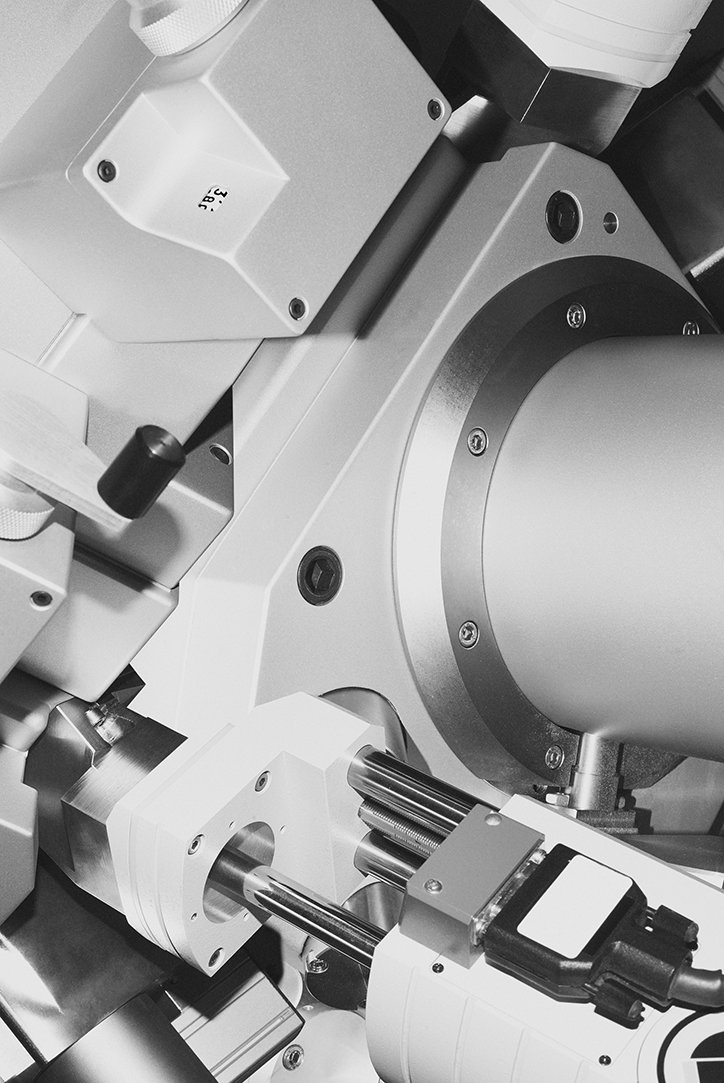
Nicolas Polli: Ferox, The Forgotten Files: A Journey to the Hidden Moon of Mars 1976–2010
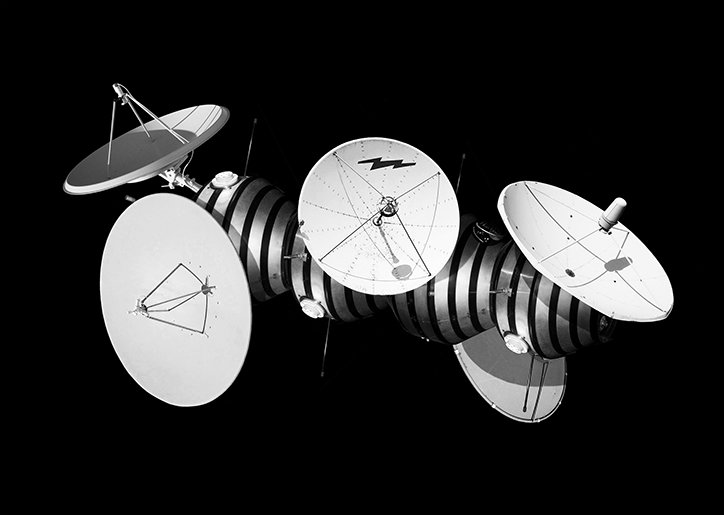
Nicolas Polli: Ferox, The Forgotten Files: A Journey to the Hidden Moon of Mars 1976–2010
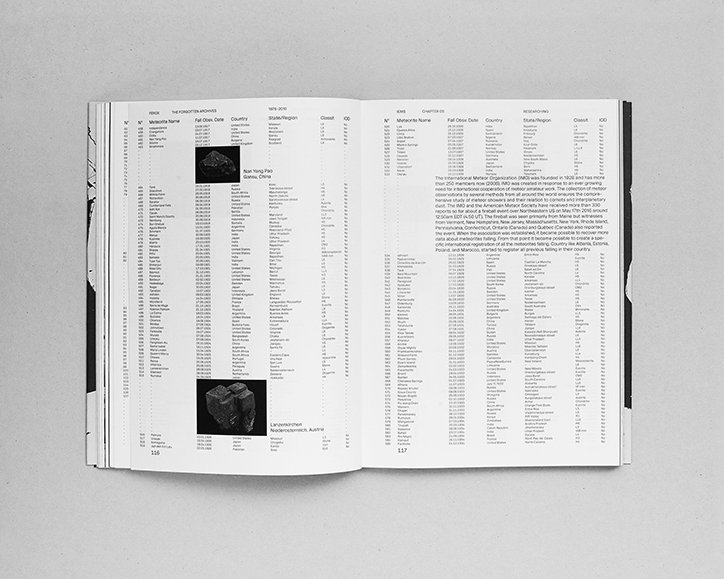
Nicolas Polli: Ferox, The Forgotten Files: A Journey to the Hidden Moon of Mars 1976–2010
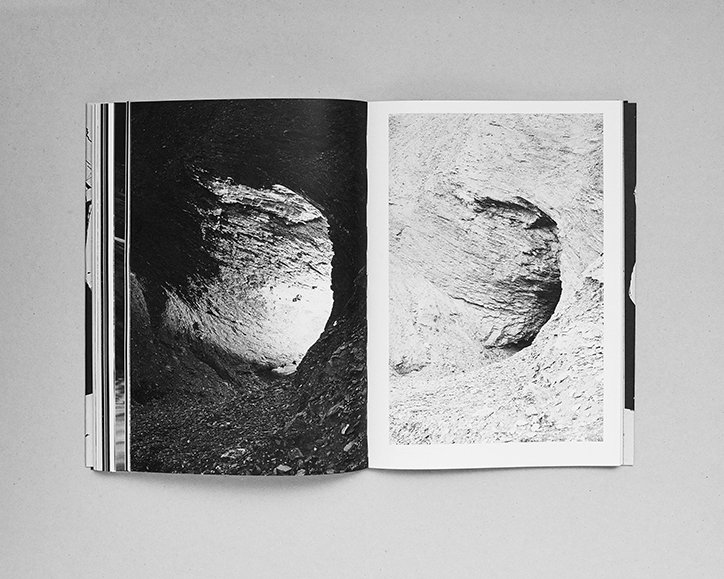
Nicolas Polli: Ferox, The Forgotten Files: A Journey to the Hidden Moon of Mars 1976–2010
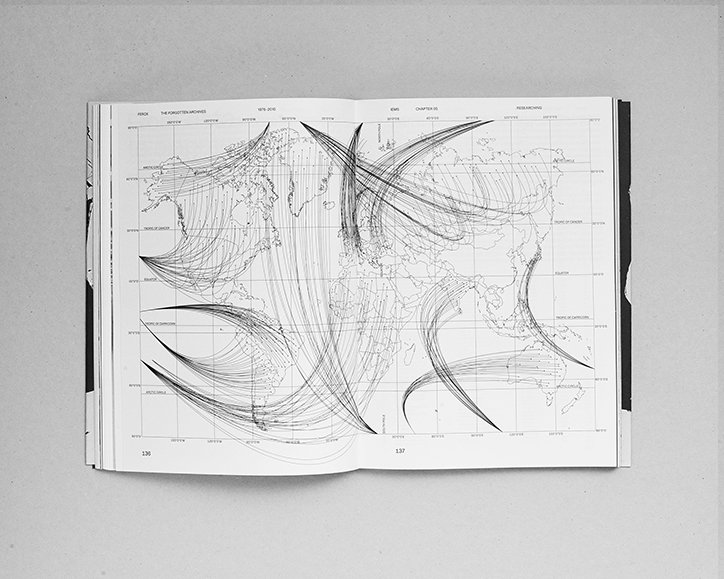
Nicolas Polli: Ferox, The Forgotten Files: A Journey to the Hidden Moon of Mars 1976–2010
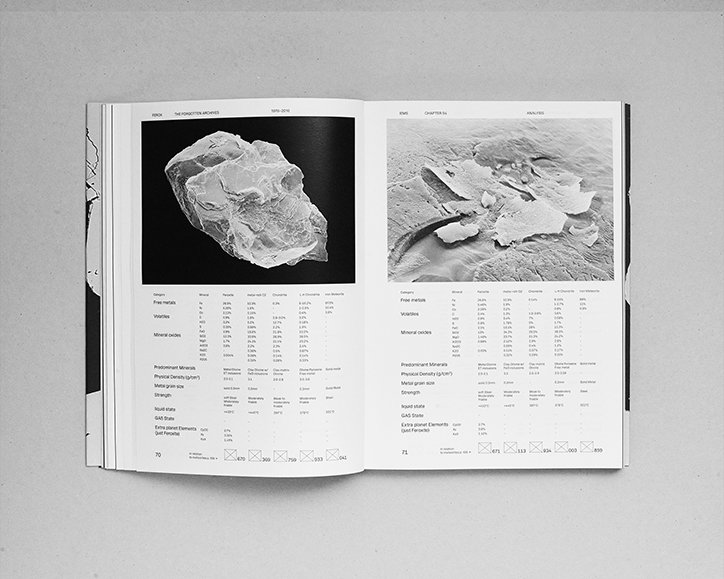
Nicolas Polli: Ferox, The Forgotten Files: A Journey to the Hidden Moon of Mars 1976–2010
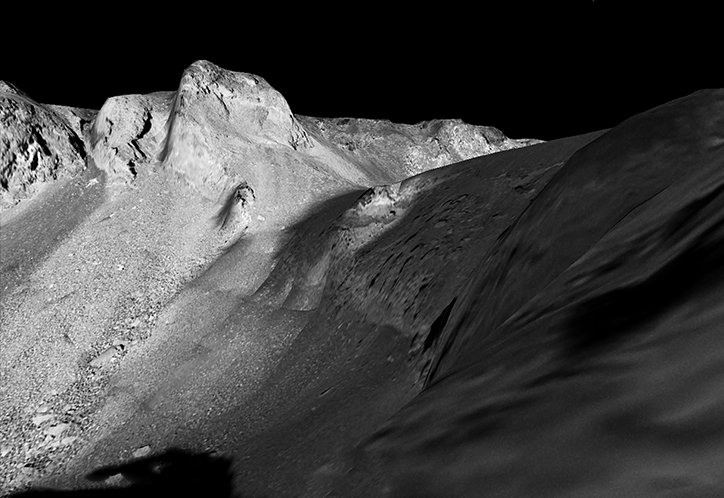
Nicolas Polli: Ferox, The Forgotten Files: A Journey to the Hidden Moon of Mars 1976–2010
Share Article
Further Info
About the Author
—
Ruby is Senior Creative at It's Nice That, overseeing our visual output across platforms and projects. Before that, she was associate editor on the editorial team, after joining in September 2017 following graduation from Central Saint Martins.