



Locating and anticipating trend patterns in type is key to Pangram Pangram’s creative process
The Montreal-based type foundry talks us through its latest type designs. First off, Hatton, a collaboration with Two Times Elliott which was created in homage to London's famous jewellery district. Second, Editorial New, which arose out of today's technological needs.
For all you graphic designers out there, imagine that, once upon a time, free font trials didn't exist. Founded in 2018, the Montreal-based type foundry Pangram Pangram latched onto its importance, deciding to make a free trial for all its typefaces so designers can see how the letterforms fit in with the layout before buying it. “I wanted to provide quality fonts for designers,” says the foundry’s founder Mathieu Desjardins.
Prior to establishing the foundry, Mathieu worked as an art director for several ad agencies in his native Canadian city. Somewhere along the way, he started picking up freelance work and Pangram Pangram was born, eventually becoming a full-time endeavour just last year. “As a graphic designer, I am constantly in contact with fonts,” he tells us. “They are part of the designer’s landscape of tools and I play with them and rearrange them to fit my needs. Always adjusting, always tweaking” he continues.
He recalls his first venture into type design; a significant turning point in his practice four years ago back in 2015. A friend gifted him Karen Cheng’s Designing Type, and being a “super hands-on, self-taught person”, the book resonated with Mathieu for its humanism rather than its technical details. “It’s less about theory and more about the characters and their relationships with each other,” he says on the importance of the book. Powering through the publication in just a couple of days, once he turned the last page, he was motivated to start work on his first typeface design.
Now, whenever he starts a new type design, he starts off by researching and understanding trend patterns in fonts. “Finding that trend, or, even better, anticipating it, is the key to my creative process,” says Mathieu. It helps him define exactly what he is looking for in terms of inspiration; whether it’s a specific detail in the curve of a letter or a fully realised character. Throughout his creative process, he oscillates constantly between research and drawing, and eventually, the other characters evolve naturally from the shapes and lines of the initial glyphs outlined.
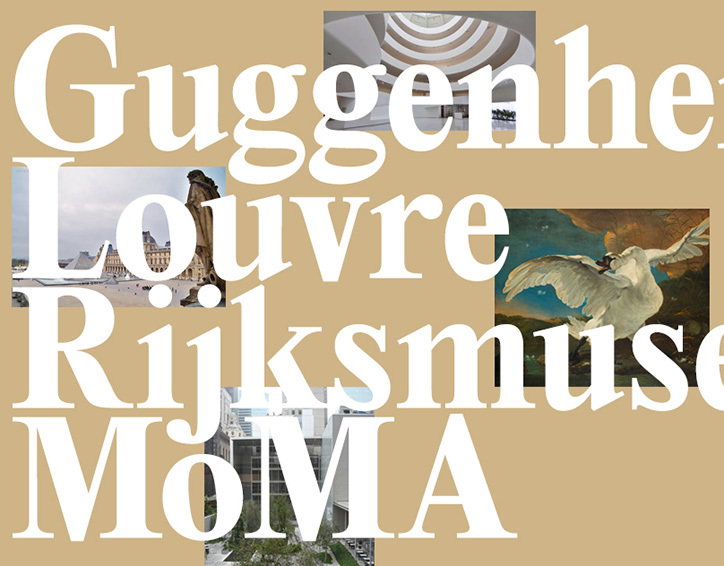
Pangram Pangram: Editorial New
Recently, Pangram Pangram collaborated with the London-based studio Two Times Elliott for a custom typeface created in homage to the historic London district; Hatton Garden. Together, the studios designed a typeface, Hatton, expressing the local nuances of the famed jewellery quarter, paying particular attention to the imperfect hand renderings throughout the area. Distilling the character of the local signage, shop fronts and landmarks into an eclectic typeface, the end result captures Hatton Garden’s history of craft through character, ligatures and glyphs.
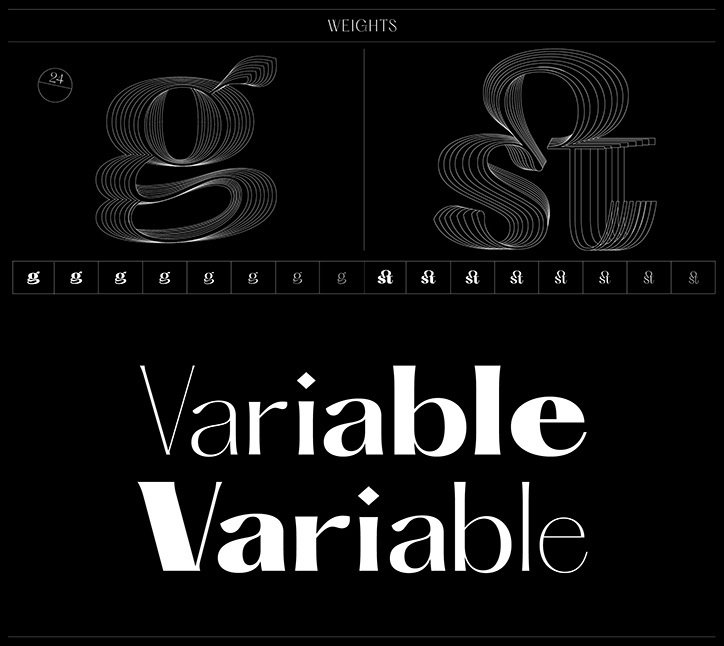
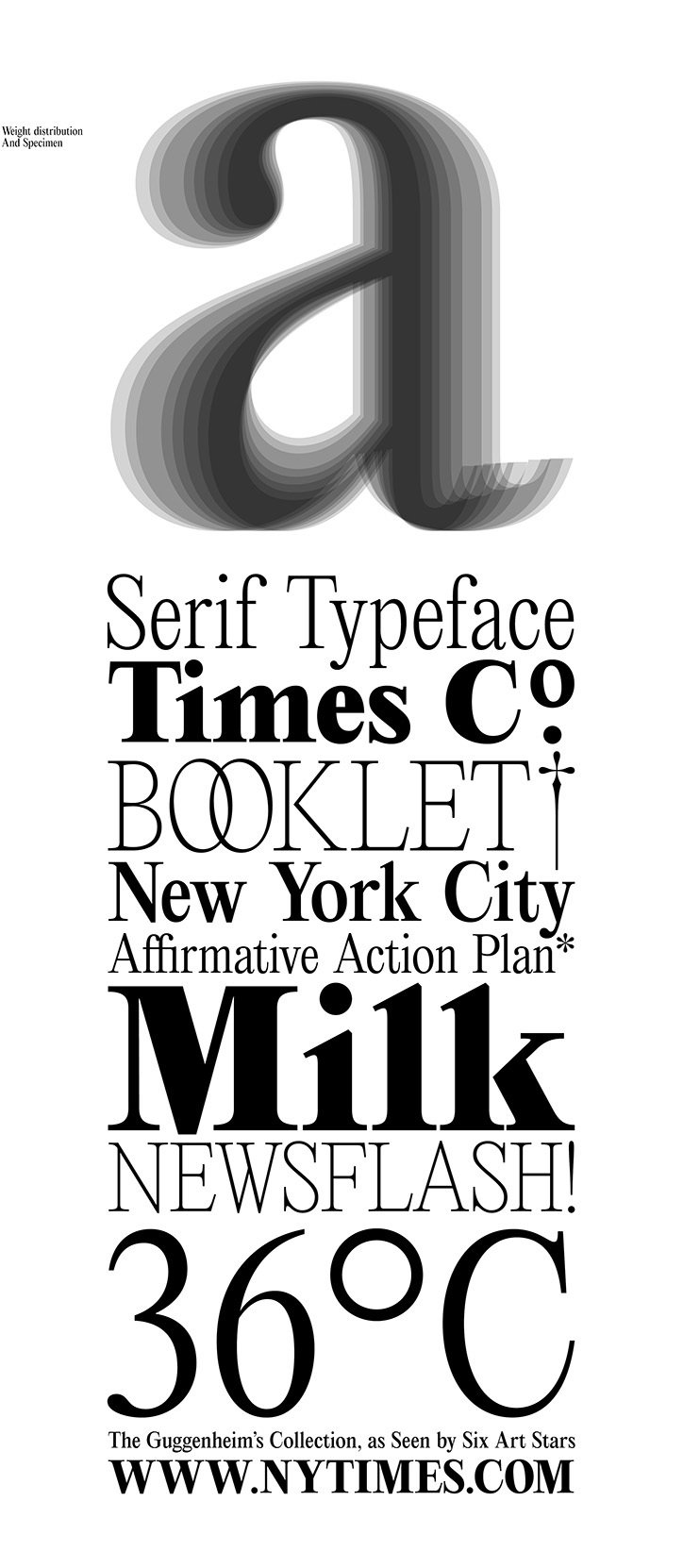
In another design, Editorial New, Mathieu looks to computers and cards from the 70s and 80s to create his latest design. The project started out from a small idea, “a sense of trend” in his words. “I got a feel for what could become a strong trend in the near future: elegant, clean, robust, legible narrow serifs,” adds the designer. “The narrow fonts have their place in today’s technological world. With all the small screens, space is of great value for designers and advertisers, and in that sense, a narrow font comes in handy.”
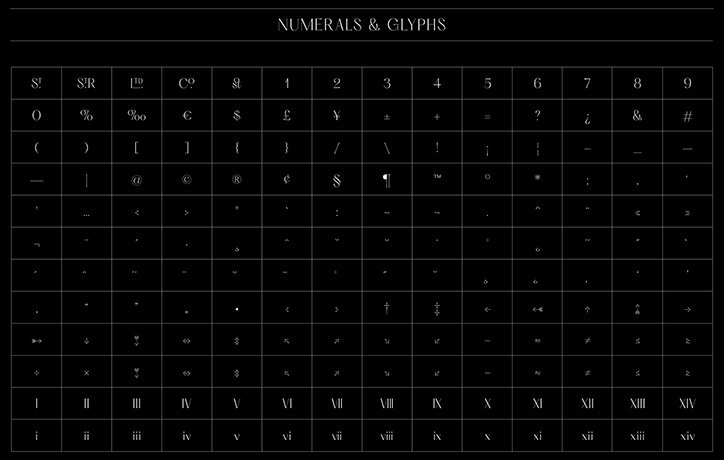
Though all Pangram Pangram’s designs feel universal in both its design and function, Editorial New additionally hints to our future needs. As screens become increasingly high tech, cramming in more and more pixels than ever, on-screen text has never appeared so sharp. Editorial New appeals to these intricacies, adopting a beautifully designed serif which is proven to be easier to read. “Every curve, stem, blow, horizontal and diagonal line was drawn with mathematical precision to make sure this font would withstand the ever-evolving designer’s needs,” Mathieu goes on to say on his latest labour of love. With a bespoke website designed by Locomotive, the digital creative agency then created a compelling experience for us viewers, showcasing the essence of Editorial New and exemplifying why it is such a versatile and powerful typeface.
GalleryPangram Pangram
Editorial New
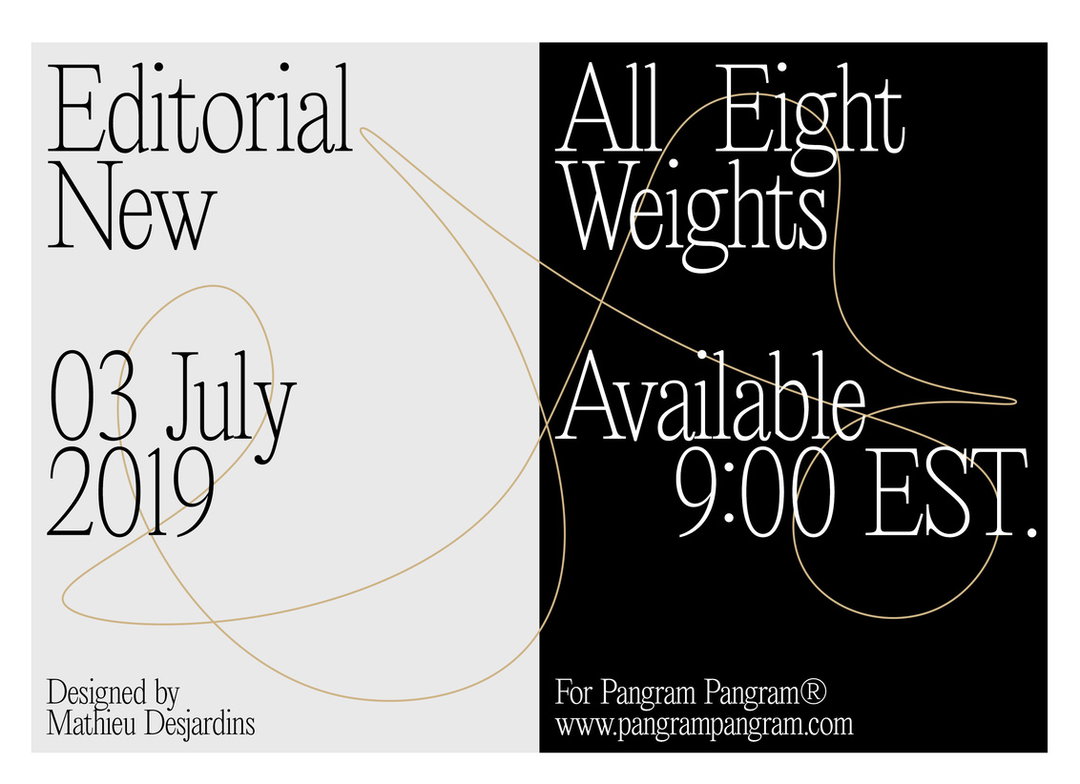
Editorial New
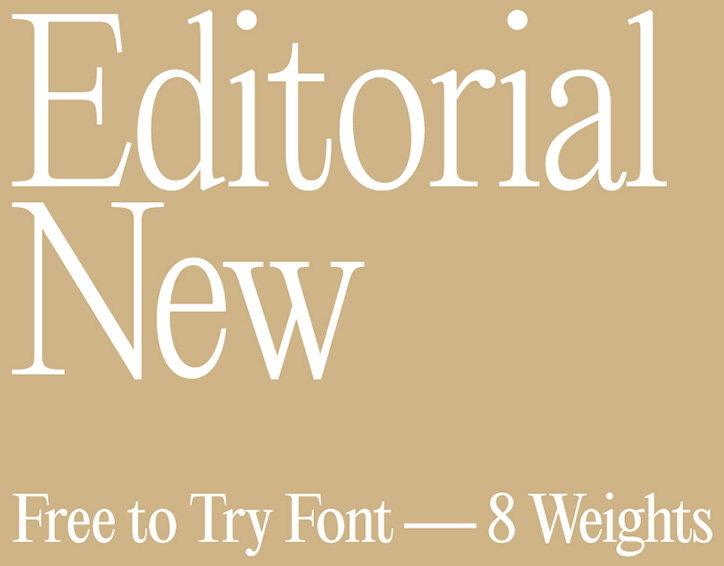
Editorial New
Hatton, in collaboration with Two Times Elliott
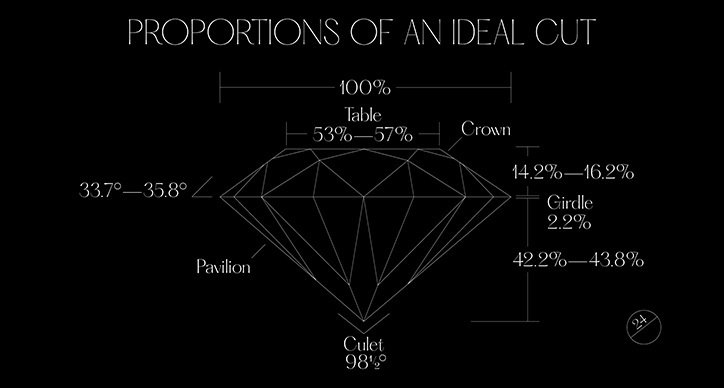
Hatton, in collaboration with Two Times Elliott
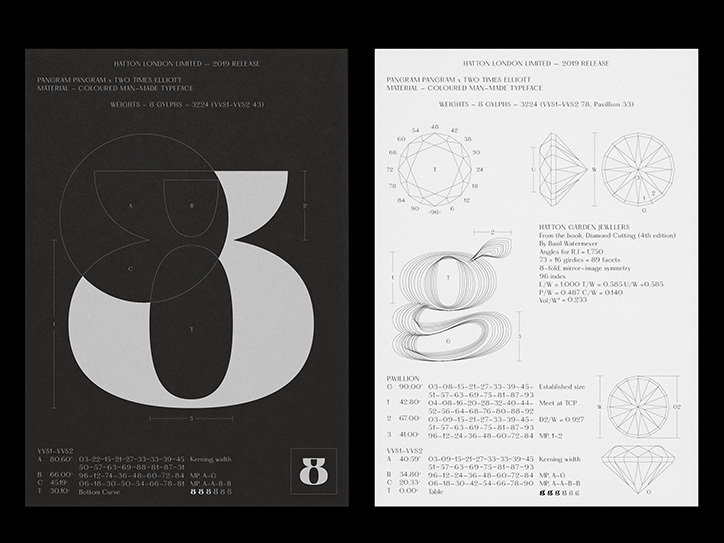
Hatton, in collaboration with Two Times Elliott
Hatton, in collaboration with Two Times Elliott
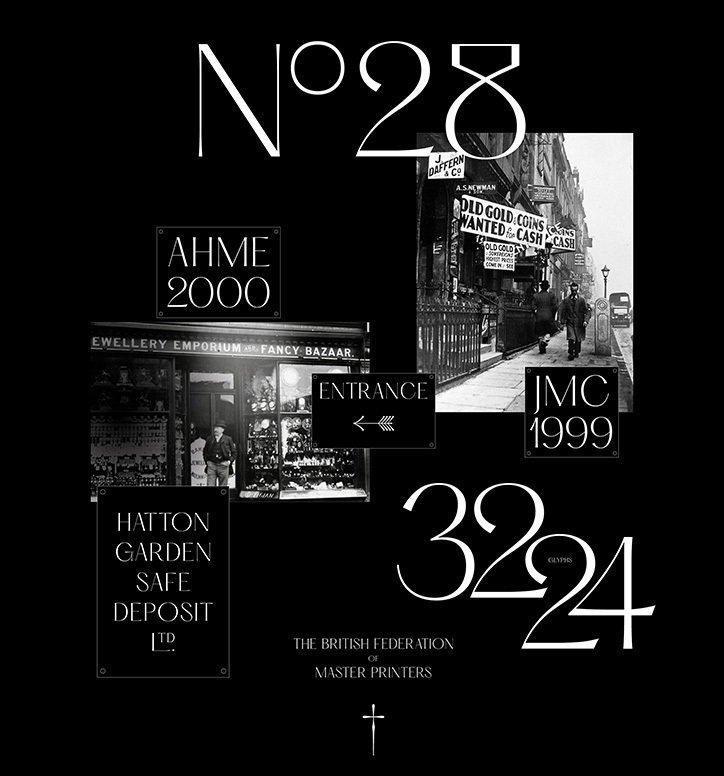
Hatton, in collaboration with Two Times Elliott
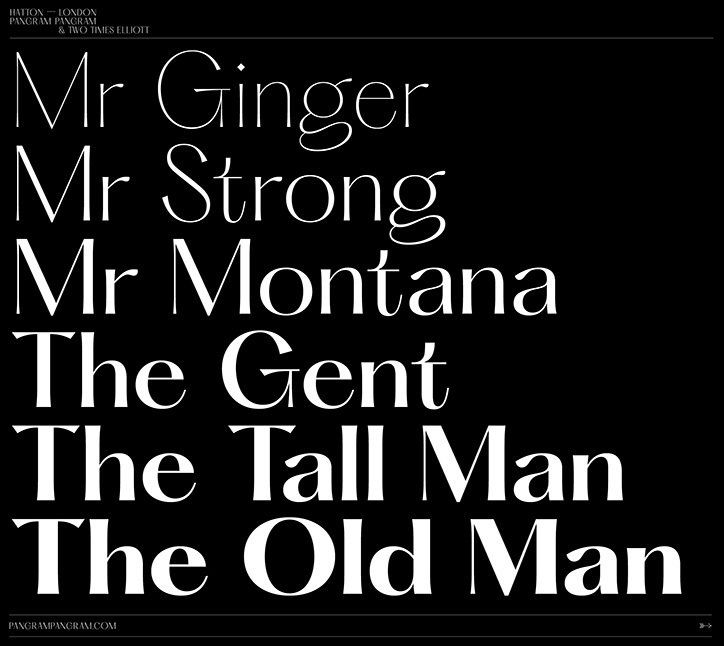
Hatton, in collaboration with Two Times Elliott
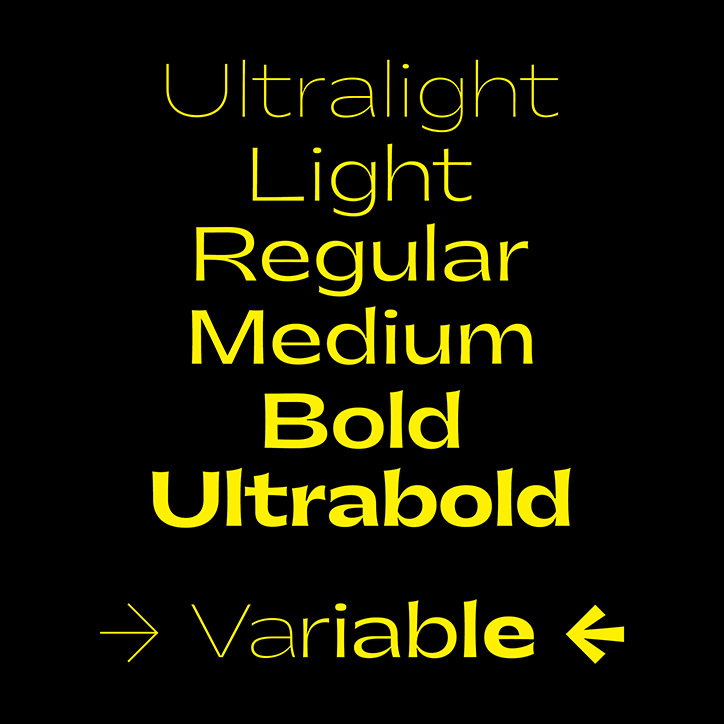
Gatwick
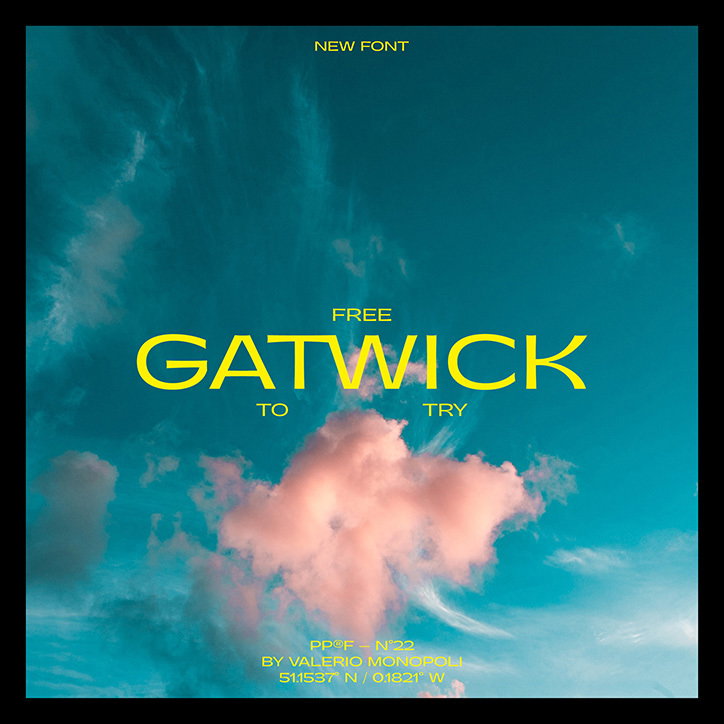
Gatwick
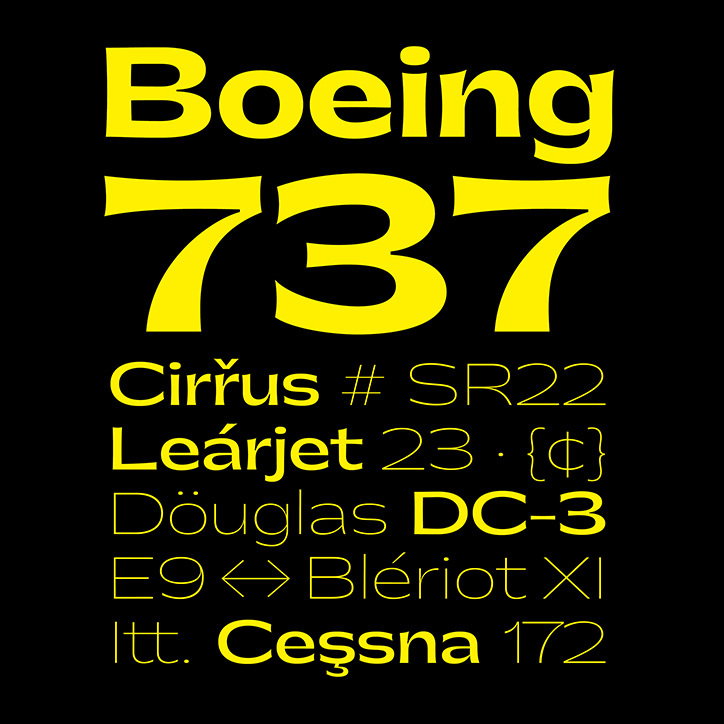
Gatwick
Share Article
Further Info
About the Author
—
Jynann joined It’s Nice That as an editorial assistant in August 2018 after graduating from The Glasgow School of Art’s Communication Design degree. In March 2019 she became a staff writer and in June 2021, she was made associate editor. She went freelance in 2022.