Meet Rob Headley, the third of our Graduates and one heck of a talented young designer
It’s a brave undertaking to create your own typeface at any stage of your design career, let alone when you’re a student, but Rob Headley threw himself into the process and wound up creating something truly unusual – a deconstructed font that progresses through various stages of legibility. He’s also designed some beautiful book covers for Ian M Banks’ sinister oeuvre and produced an experimental animation project that teaches users the animation process though analogue printed media. In fact there was so much variety on show in his graduate portfolio that we knew almost immediately that we had to name the Liverpool School of Art student as one of this year’s It’s Nice That Graduates.
Rob Headley: Comp
Rob Headley: Comp
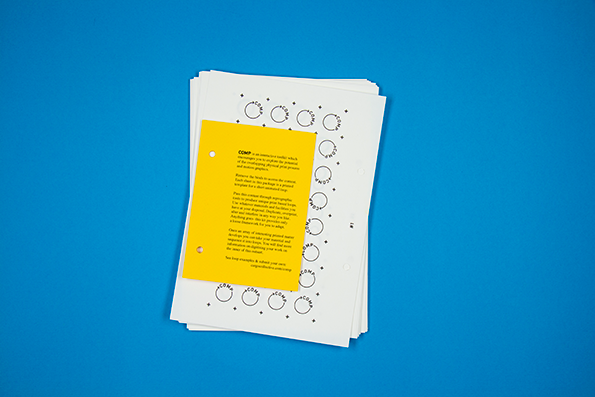
Rob Headley: Comp
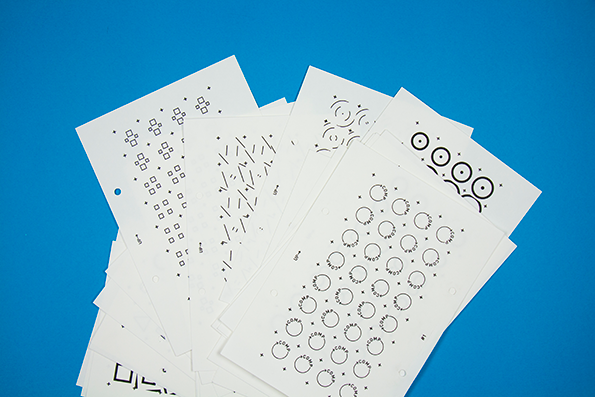
Rob Headley: Comp
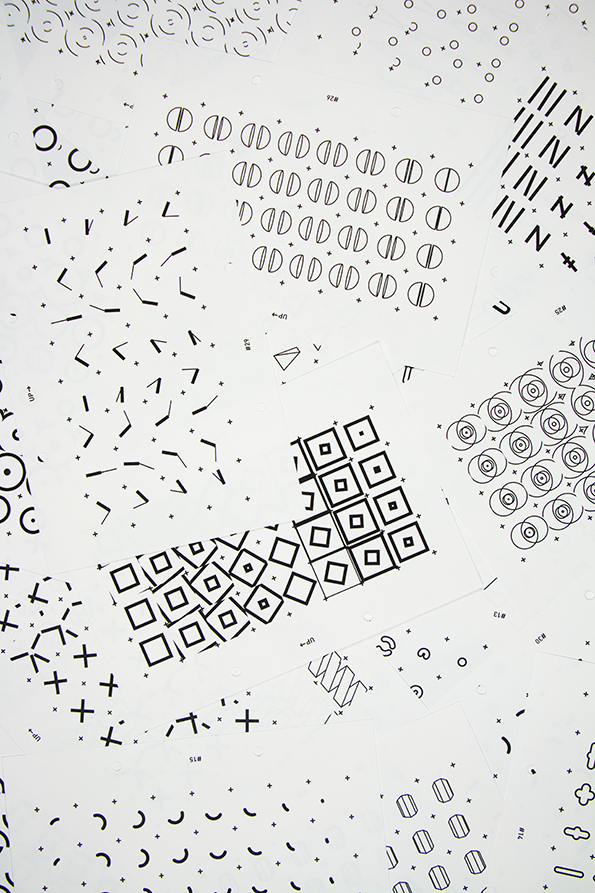
Rob Headley: Comp Workbook
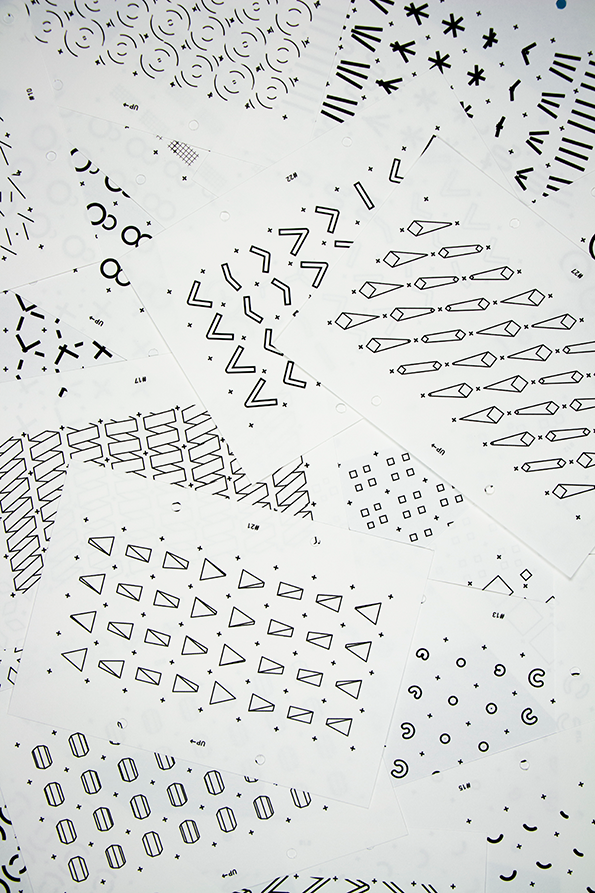
Rob Headley: Comp Workbook
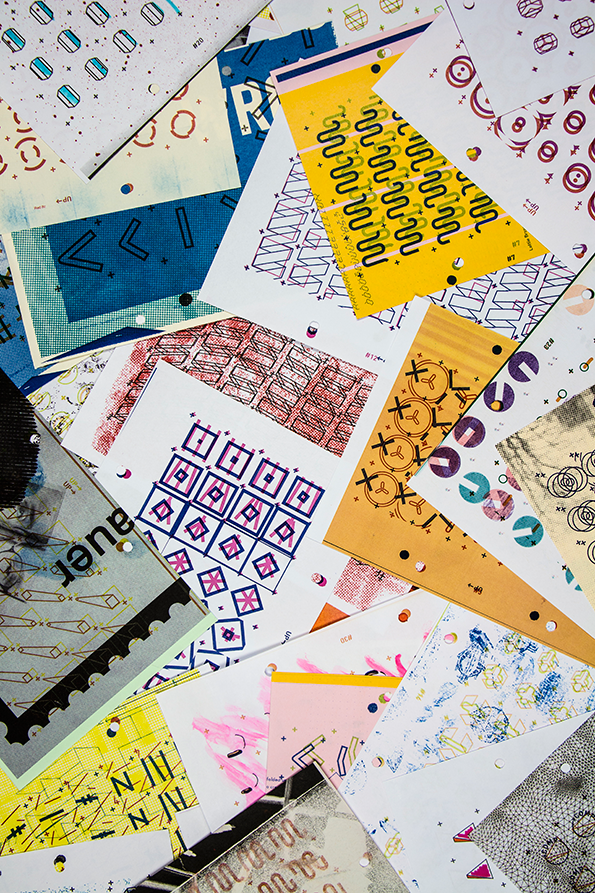
Rob Headley: Comp Workbook
Why or who or what made you go to art school?
It was a pretty straightforward progression from a graphics A level course I thoroughly enjoyed. In retrospect I had no idea what I was getting myself into! Not that I regret it, of course.
Tell us about your best project
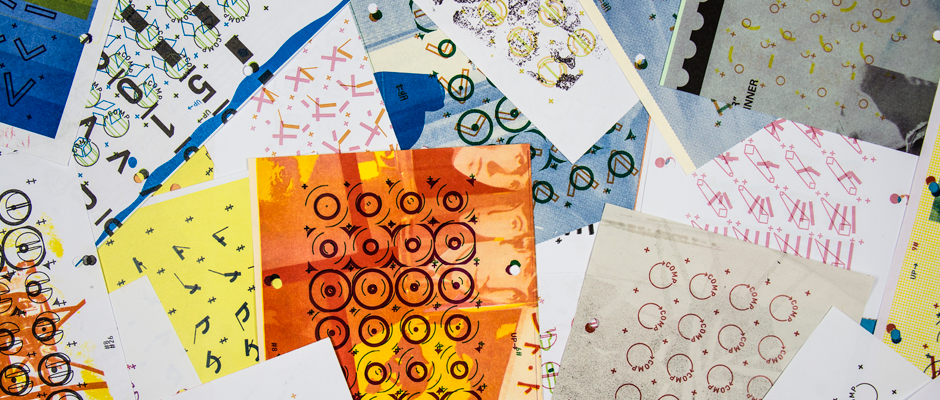
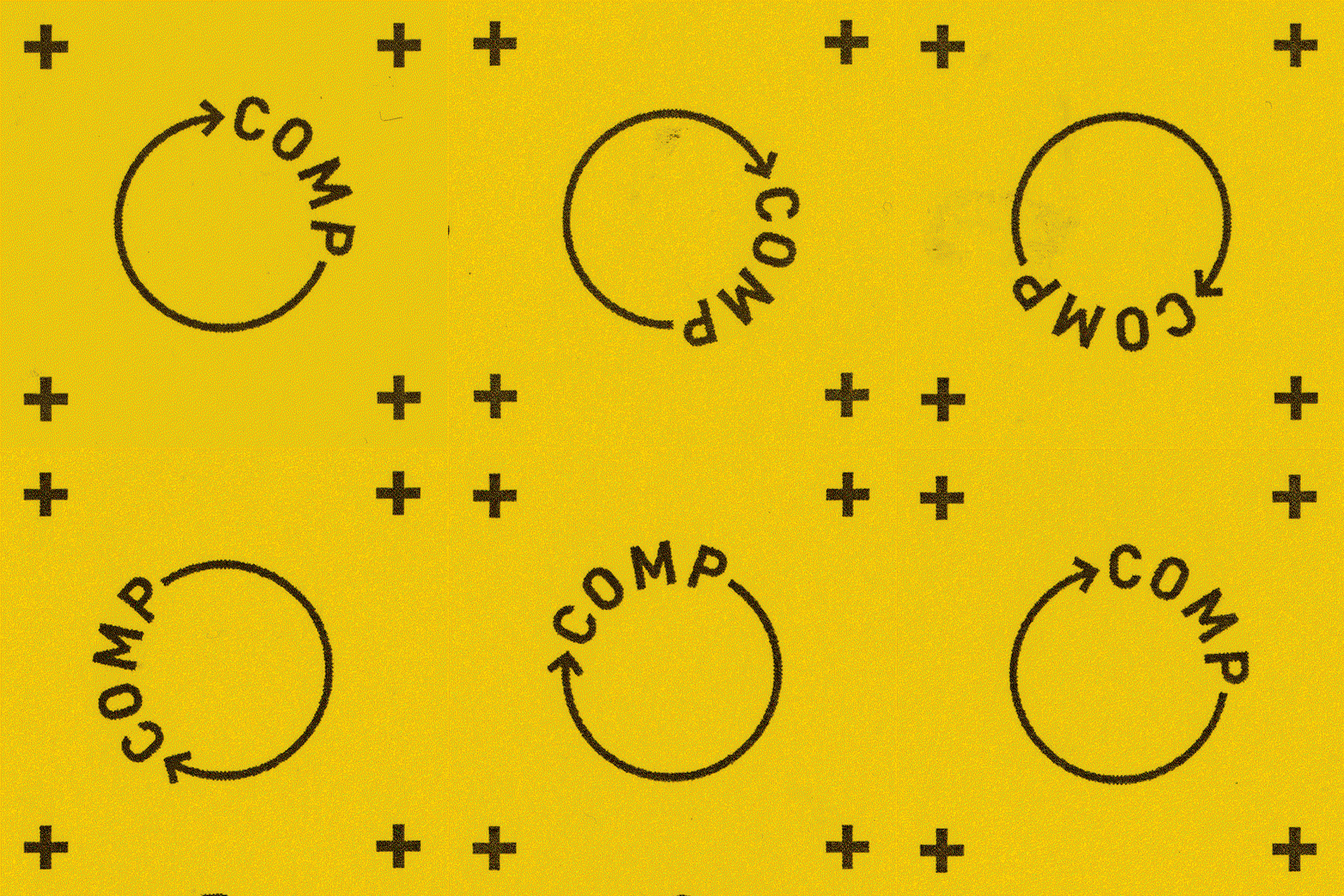
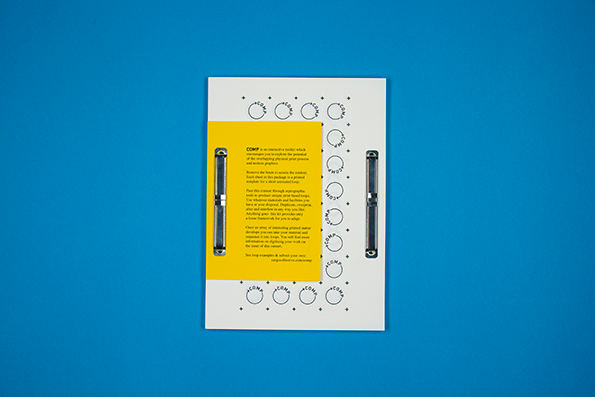
Comp probably acts best as an intersection of my recent interests. I produced a publication which acts as a toolkit for producing short animations through the filter of reprographics. It consists of a package of printed sheets of frames for people to manipulate with a scanner, a printer, or any other physical image-making process. The products of this experimentation are then digitised and sequenced to produce unique animated gifs that celebrate the quirks of printing through motion graphics.
Tell us about your worst
I’m happy with all the work I have in my portfolio currently as I’ve been rather selective – I have more projects that I’m revisiting before I feel happy to put them out there. If I had to choose, a criticism of my Impermanence typeface is that it is inherently useless in some ways. One of my tutors tried using it for the school degree show branding but found infuriatingly that the level of disintegration at which he wanted to use it bordered on illegible.
It’s failure by design though I guess – it was always my intention to stage a transition from legible typeface to meaningless glyphs, and I am proud of it. It was a great learning experience, it does what I wanted it to do and I look forward to dabbling more in typeface design in future.
If you could show one person your portfolio, who would it be and why?
I’d like to see if Karel Martens would have any feedback for me on Comp. His letterpress work was a major inspiration for that project.
Eike König is also someone I’d love to have a chat to as Hort’s work really broadened my definition of what graphic design could be. I went and had a nosy at their studio when I visited Berlin and it was great. A highlight was seeing an angry note stuck to a printer – it’s always nice to remember that no one is immune to printing issues.
What was the best moment of your three years at uni (extra curricular included)?
I was lucky enough to spend two-and-a-half weeks in Sardinia on an animation and infographic-themed Erasmus trip. It was an amazing experience. I met some fantastic people from various European art schools, worked hard, played hard, and ate large quantities of pizza and pasta. If Liverpool School of Art could be relocated anywhere in the world then Sardinia would get my vote.
A lot is changing – would you recommend art school to someone who is considering going?
I think some people are prone to see art and design subjects as easy things to study but that couldn’t be further from the truth. The level of inherent subjectivity means you can easily spend a lot of time doubting yourself. The workload is as substantial as you make it – it’s a “get what you put in” affair. It all depends on where you set the bar. Art school has altered my perspective and shaped my tastes and I’ve met some good friends with similar interests. I’d absolutely recommend it to someone if they were serious about the subject.
Finally, if your dreams come true, where will you be in a year’s time?
I’m keeping an open mind for now. All I know is I want to get some commercial experience under my belt as soon as possible. In parallel I’ll be making a conscious effort to keep working on new projects in any spare time. As long as I’m doing something intellectually and creatively stimulating in 12 months time then I’ll be more than happy. I’m excited to make a contribution to a progressive design environment. I have got a couple of things lined up for the summer already but I am open to any suggestions!
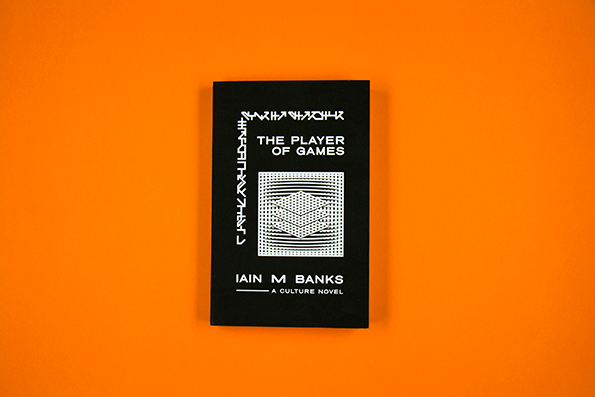
Rob Headley: Culture
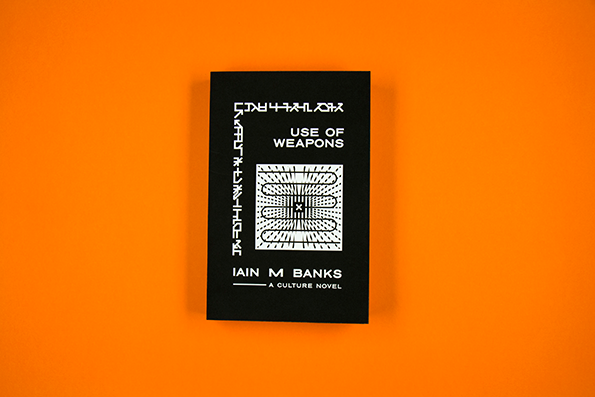
Rob Headley: Culture
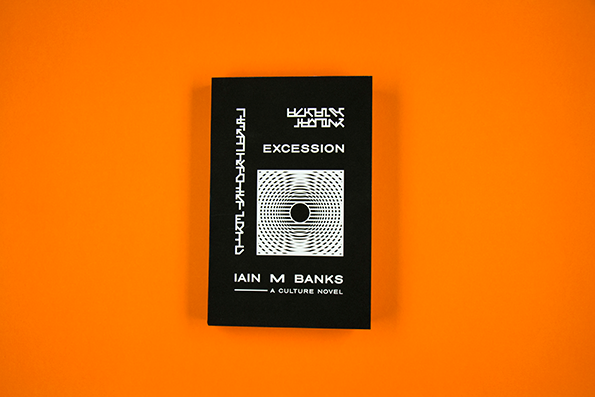
Rob Headley: Culture
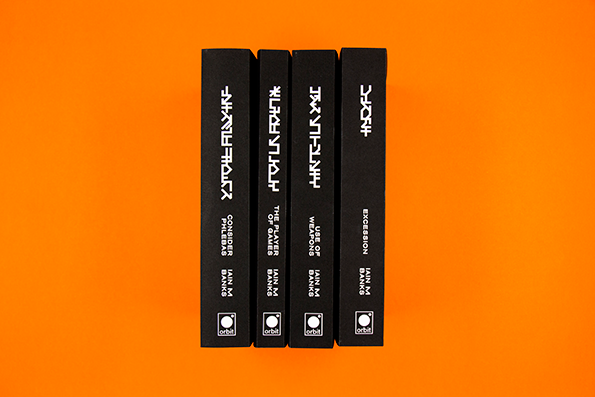
Rob Headley: Culture
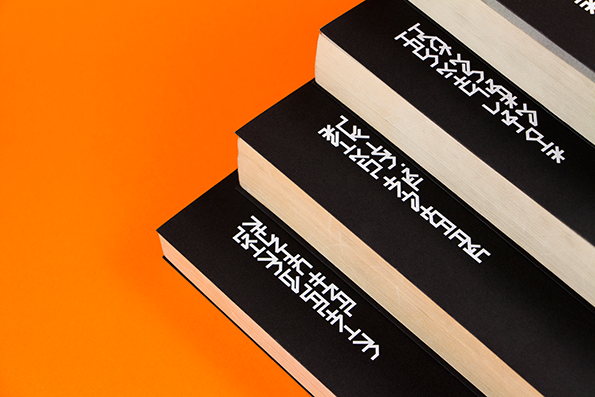
Rob Headley: Culture
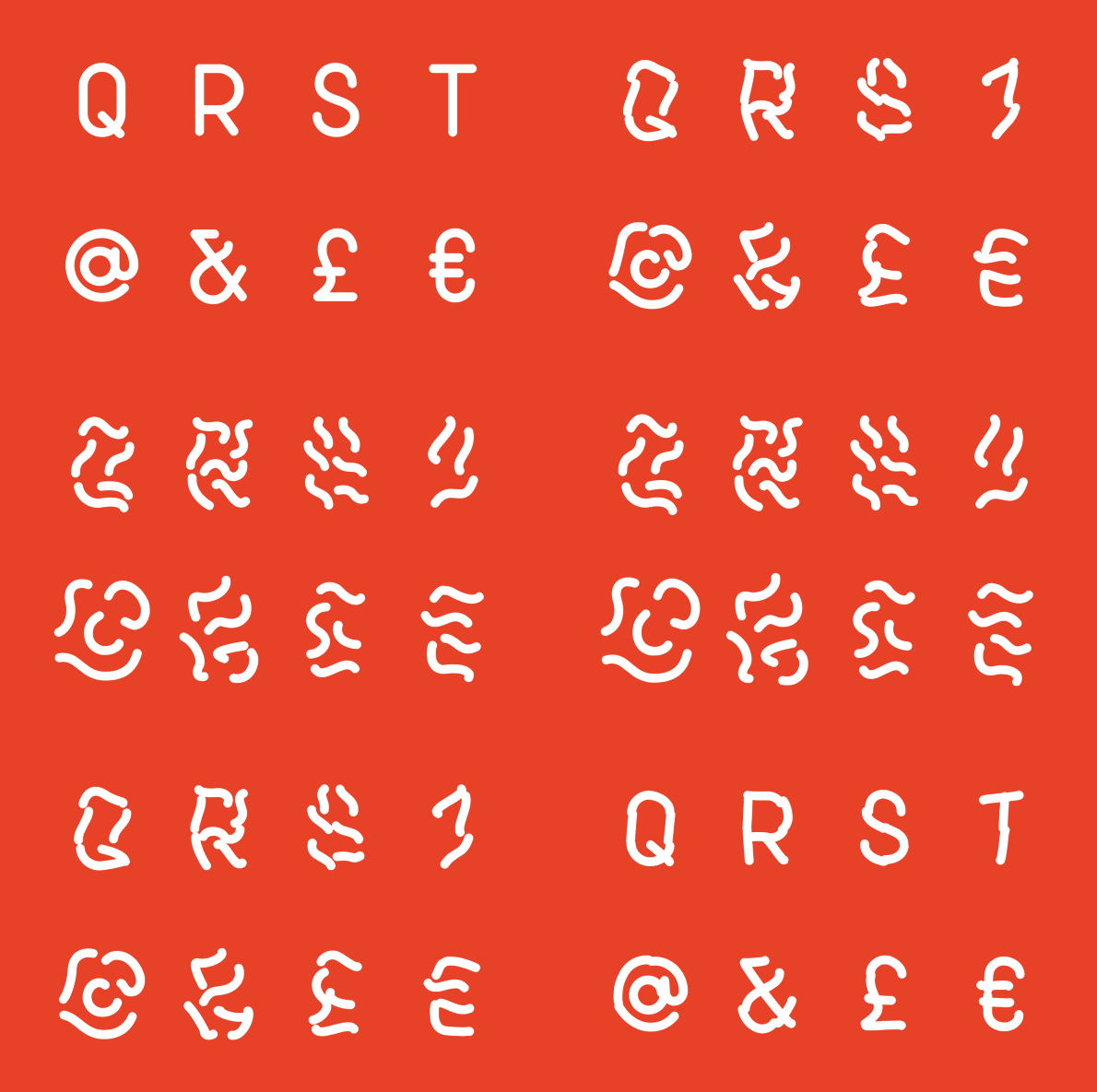
Rob Headley: Impermanence
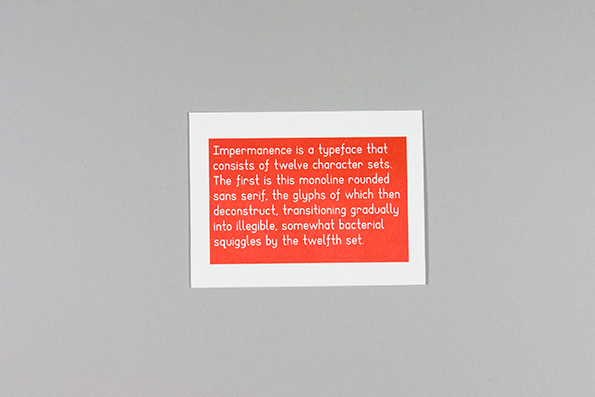
Rob Headley: Impermanence
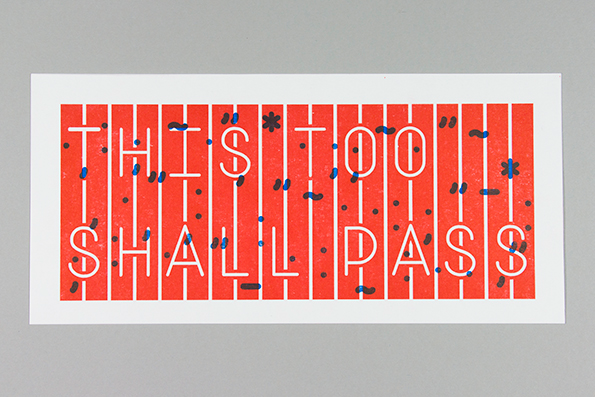
Rob Headley: Impermanence
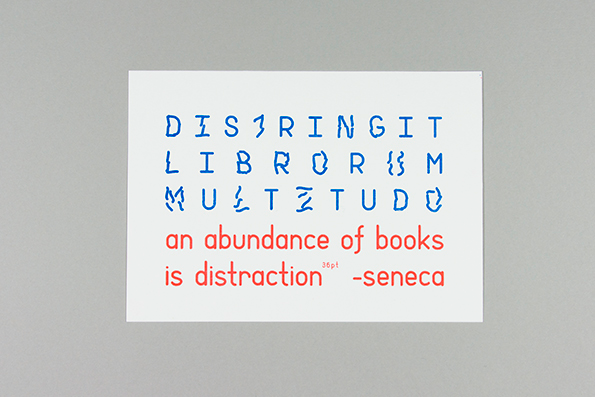
Rob Headley: Impermanence
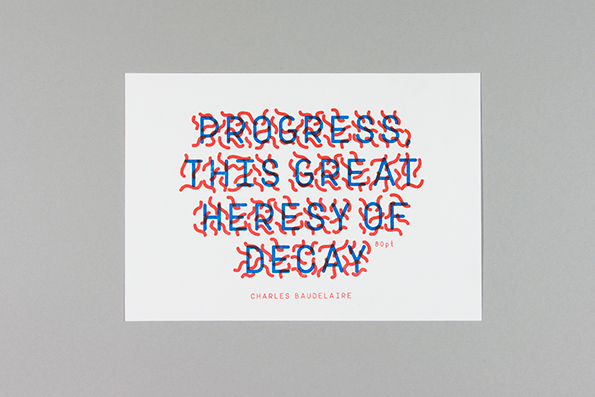
Rob Headley: Impermanence
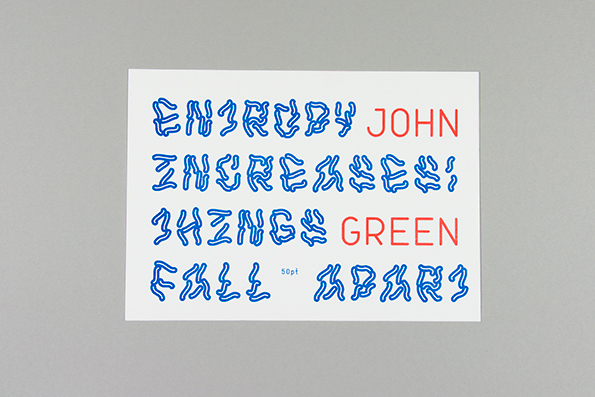
Rob Headley: Impermanence
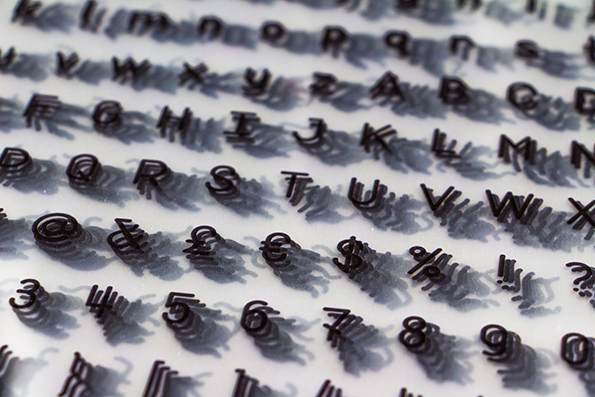
Rob Headley: Impermanence
Supported by Represent
We are very pleased that The It’s Nice That Graduates 2014 will once again be supported by Represent Recruitment. The graphic design recruitment specialists have developed a peerless reputation working with designers of all levels and matching them up with the right positions in some of the top agencies around. Represent’s support has helped us grow the Graduate scheme over recent years and we are thrilled they have partnered with us again in 2014.
www.represent.uk.com
Share Article
Further Info
About the Author
—
James started out as an intern in 2011 and came back in summer of 2012 to work online and latterly as Print Editor, before leaving in May 2015.