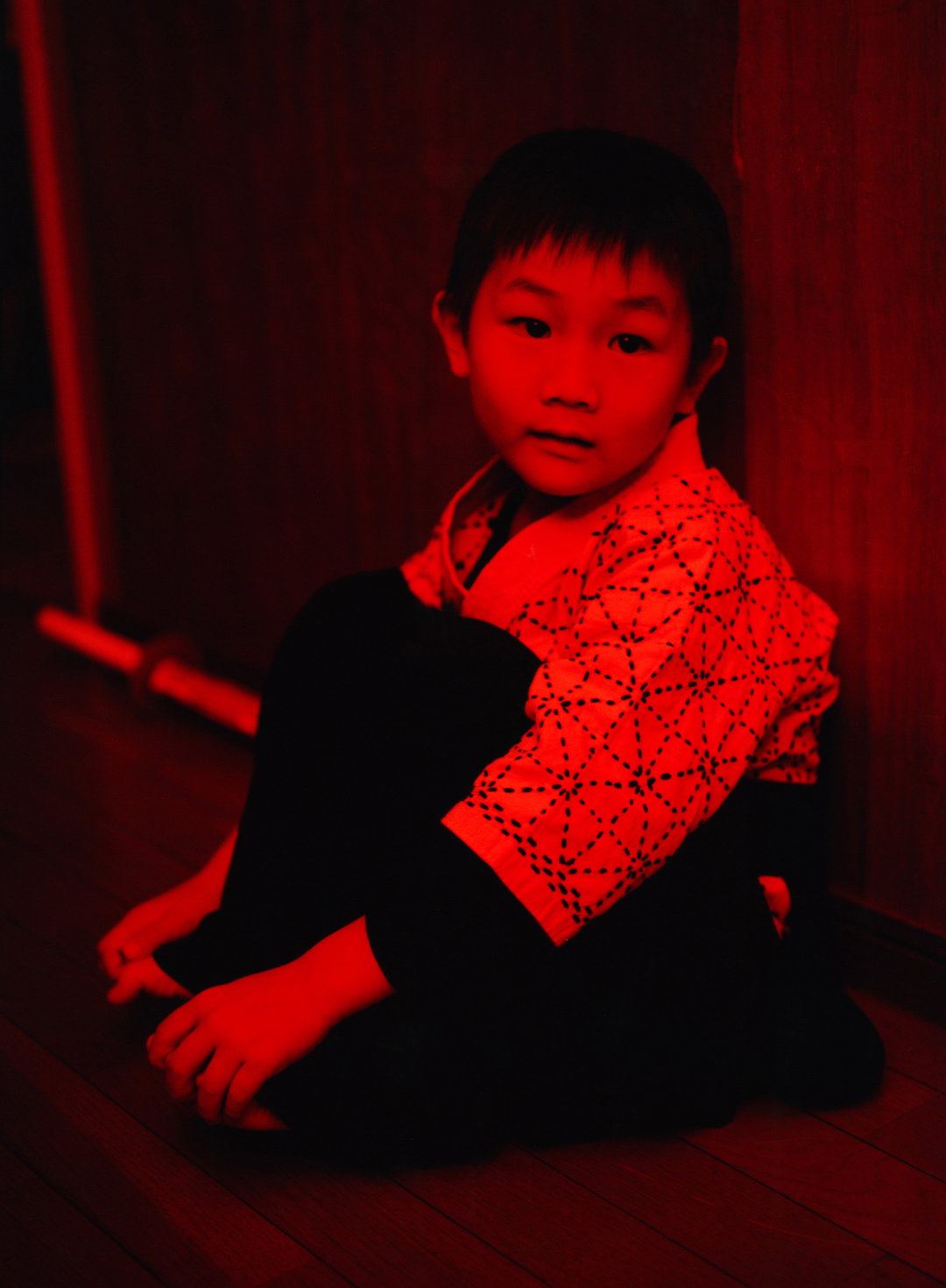
Theo Cottle pays tribute to the slow dancing of Japan’s youngest samurais
The photographer captures the stillness and respect of the young people who practice one of Japan’s most beautiful sports: kendo.
In 2023, London-based photographer Theo Cottle was shooting a commercial project in Tokyo when he encountered some older members of the Yakuza, resulting in a publication called 893 Yakuza: The Setting Sun, showing the fragility of what’s recognised through pop culture has one of the most violent organised crime groups in the world. Hot off the heels of this experiment in empathy, Theo found himself inside a similar, but inversive parallel: the world of kendo, a beautiful form of samurai swordsmanship which was once mandatory in Japanese schools and has persisted into the modern day as a character-building sport for all ages. “It’s a martial art that is heavily based on restraint and discipline rather than violence, which the Yakuza are known for,” says Theo.
In particular, Theo’s new book Kendo Kodoma is about the new wave of kendōka: the children who partake in the historical sport. Theo’s objective is to capture the unheard and the unseen – and there’s no better place for it than these dojos that practice the principles of the katana, a sword widely used by samurai. In 1975, the All Japan Kendo Federation developed and published The Concept and Purpose of Kendo, a manifesto of sorts for kendo – and it says that once someone has mastered the art of kendo, one will be able to “to love one’s country and society” – it’s through these principles that we see how important kendo is for youth of Japan.
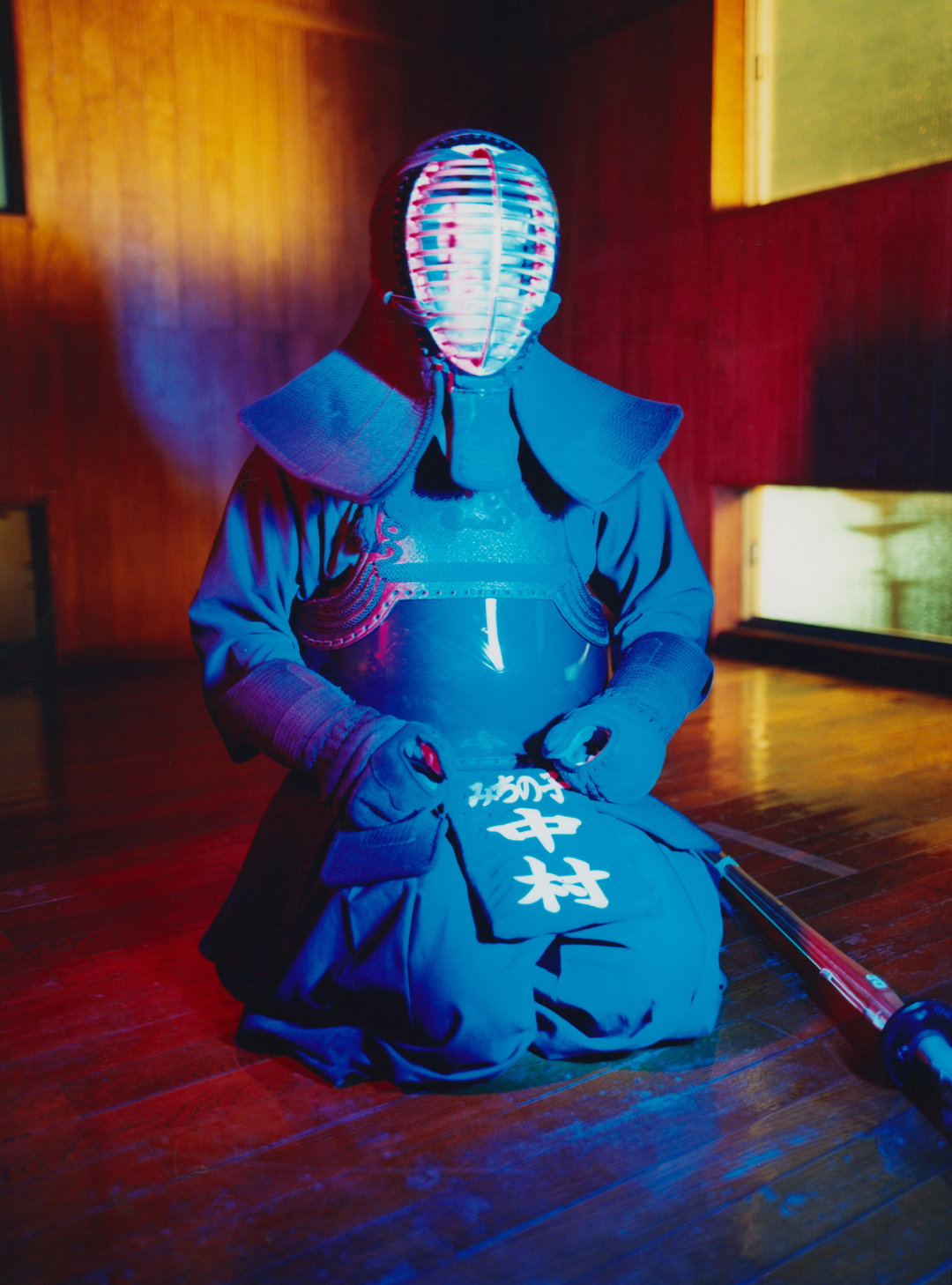
Theo Cottle: Kendo Kodama (Copyright © Theo Cottle, 2025)
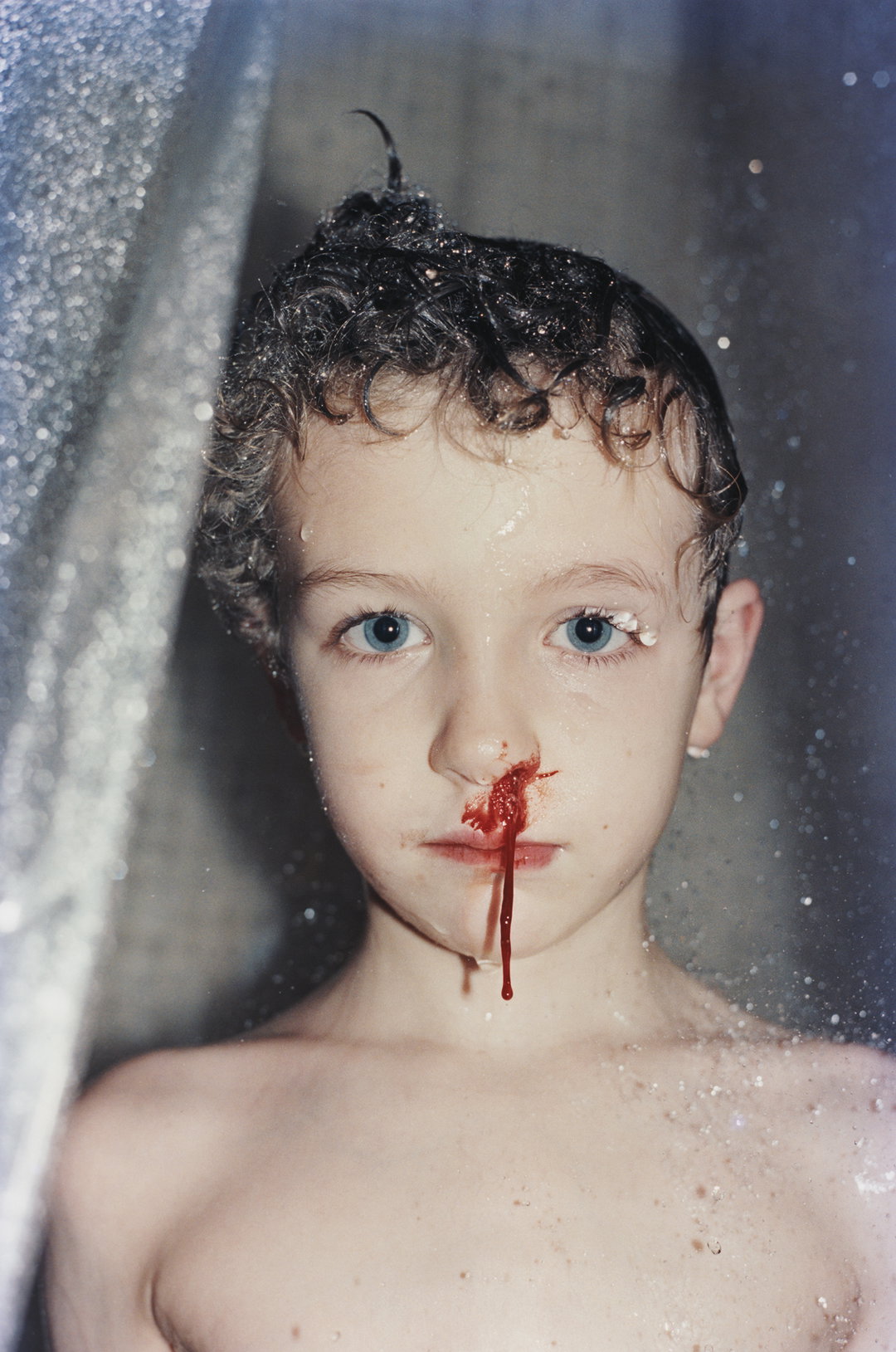
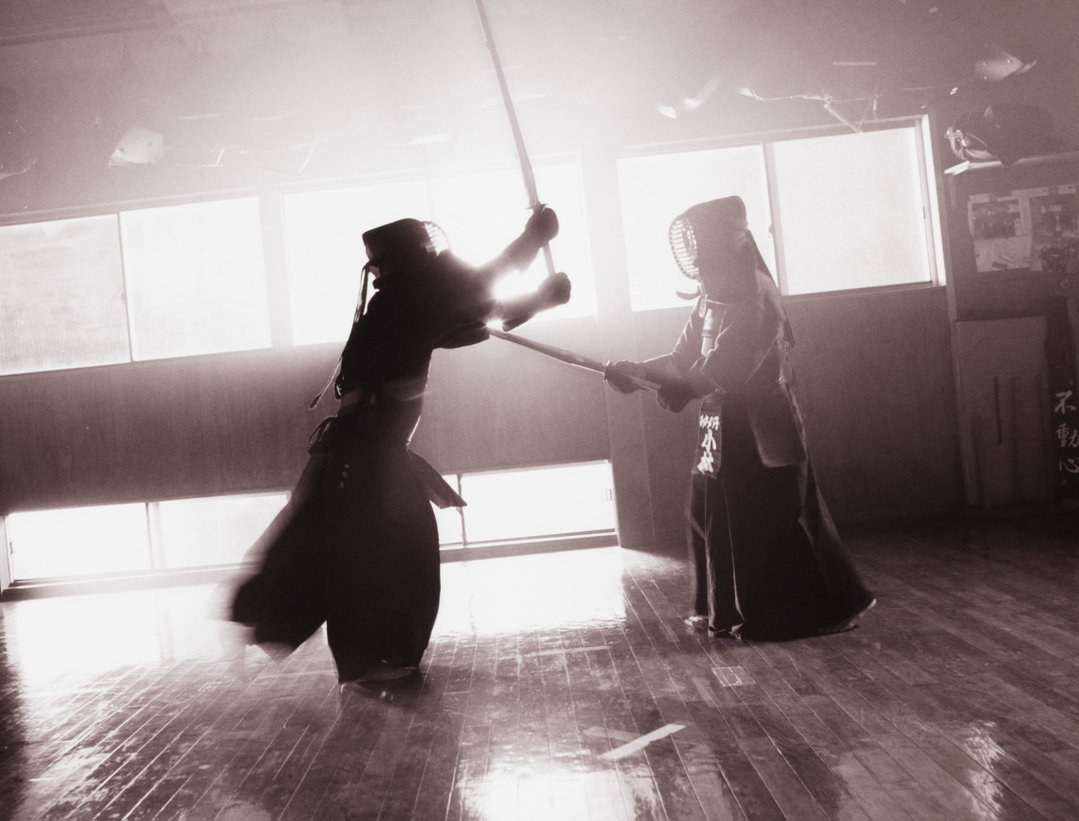
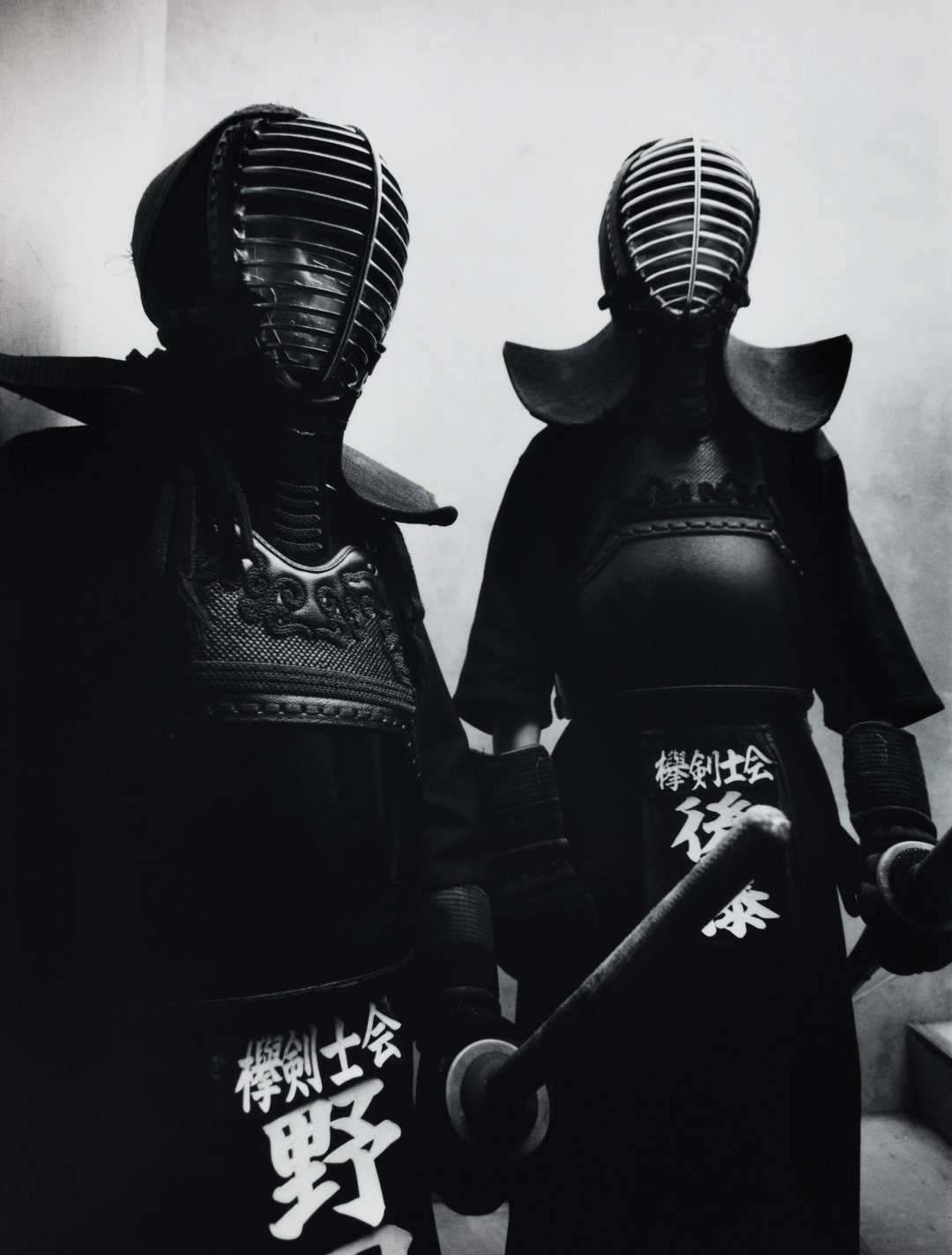
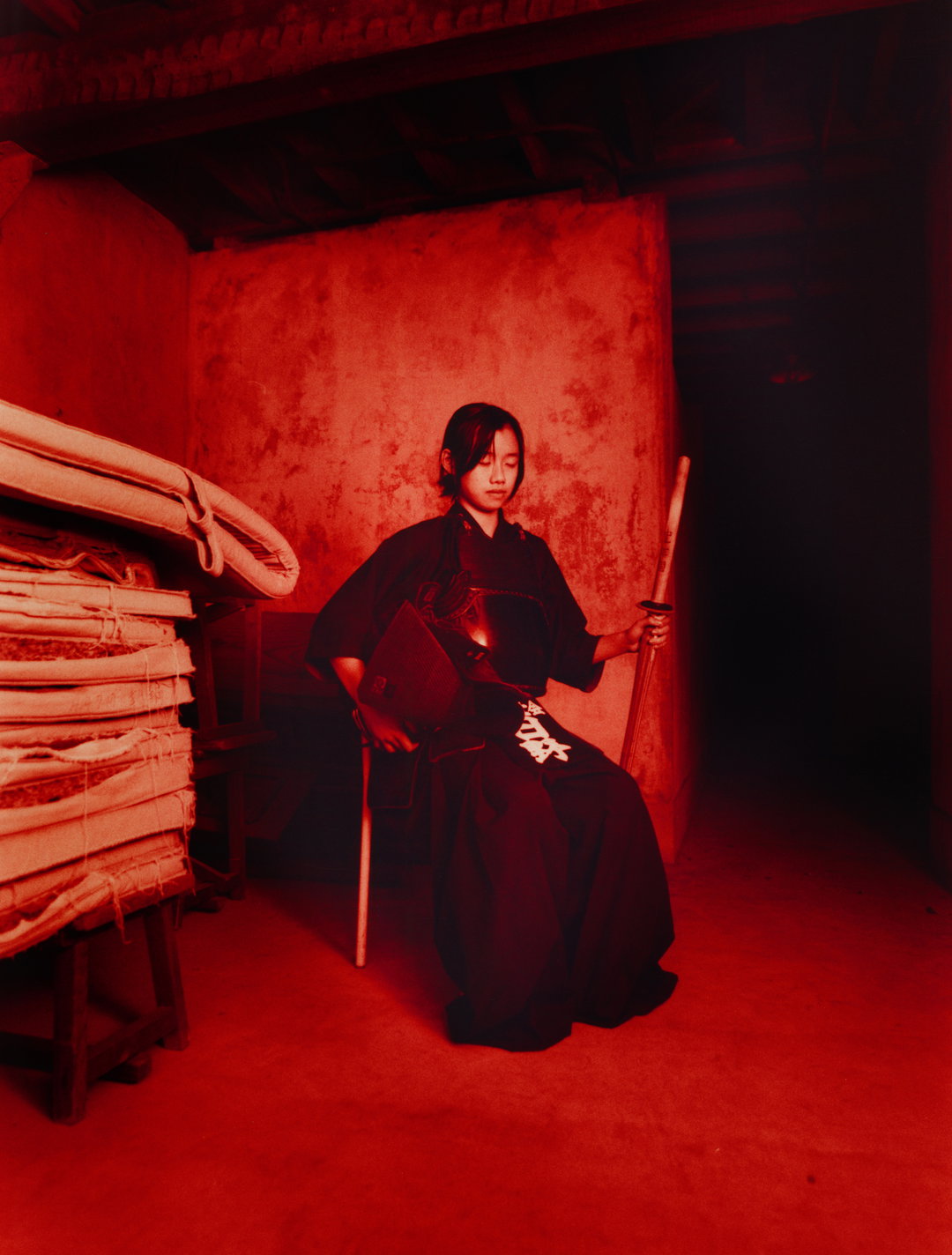
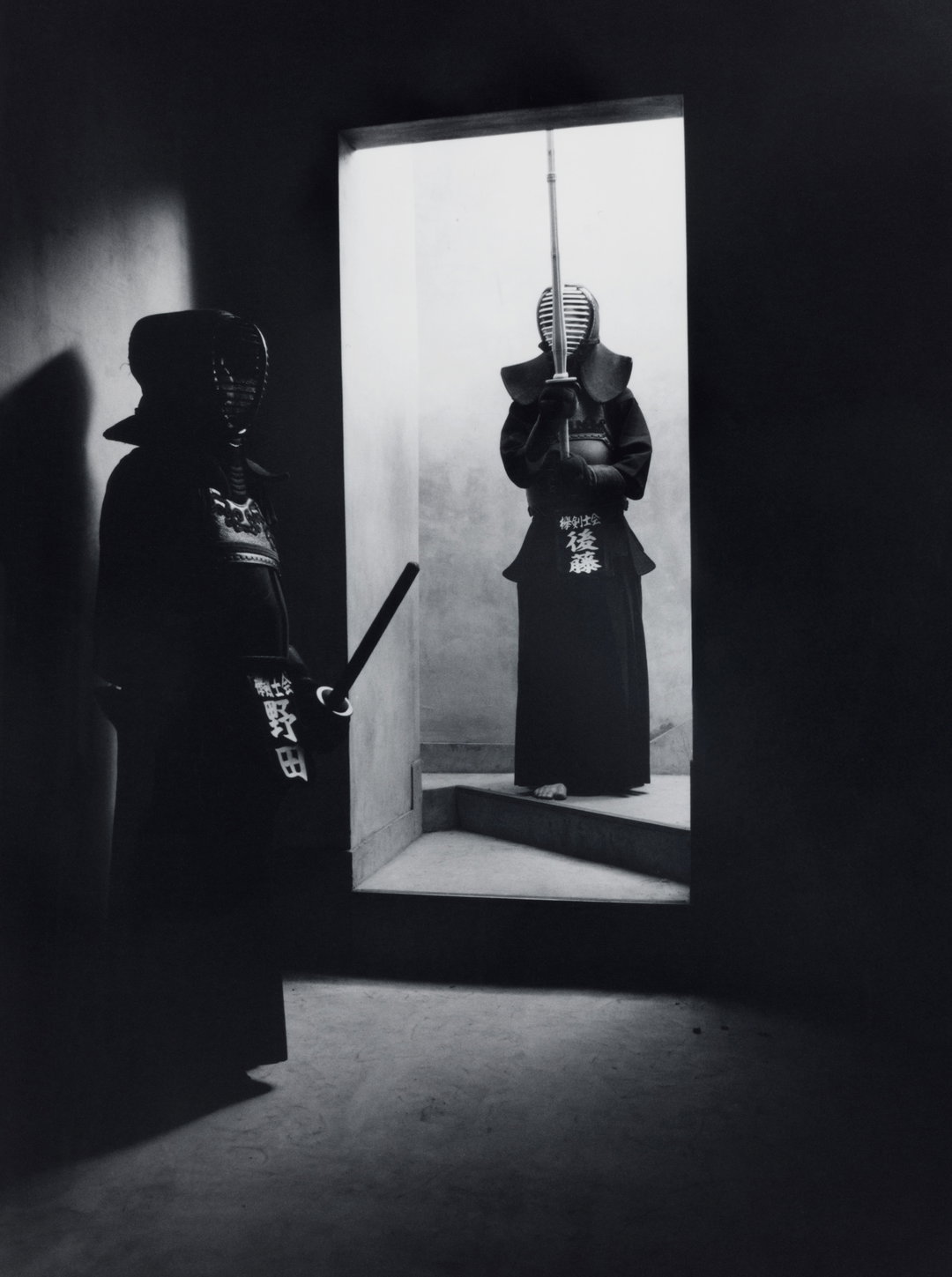
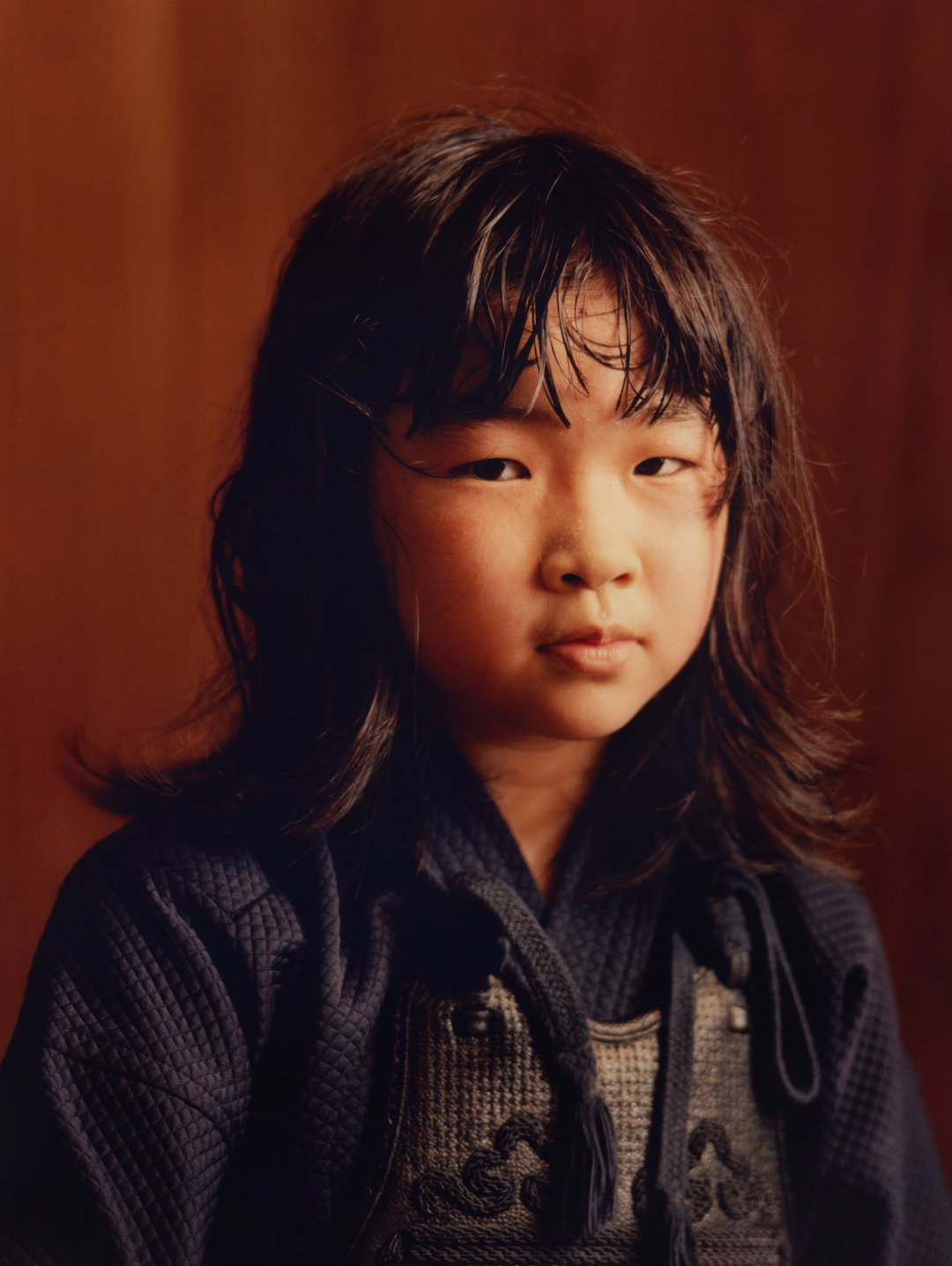
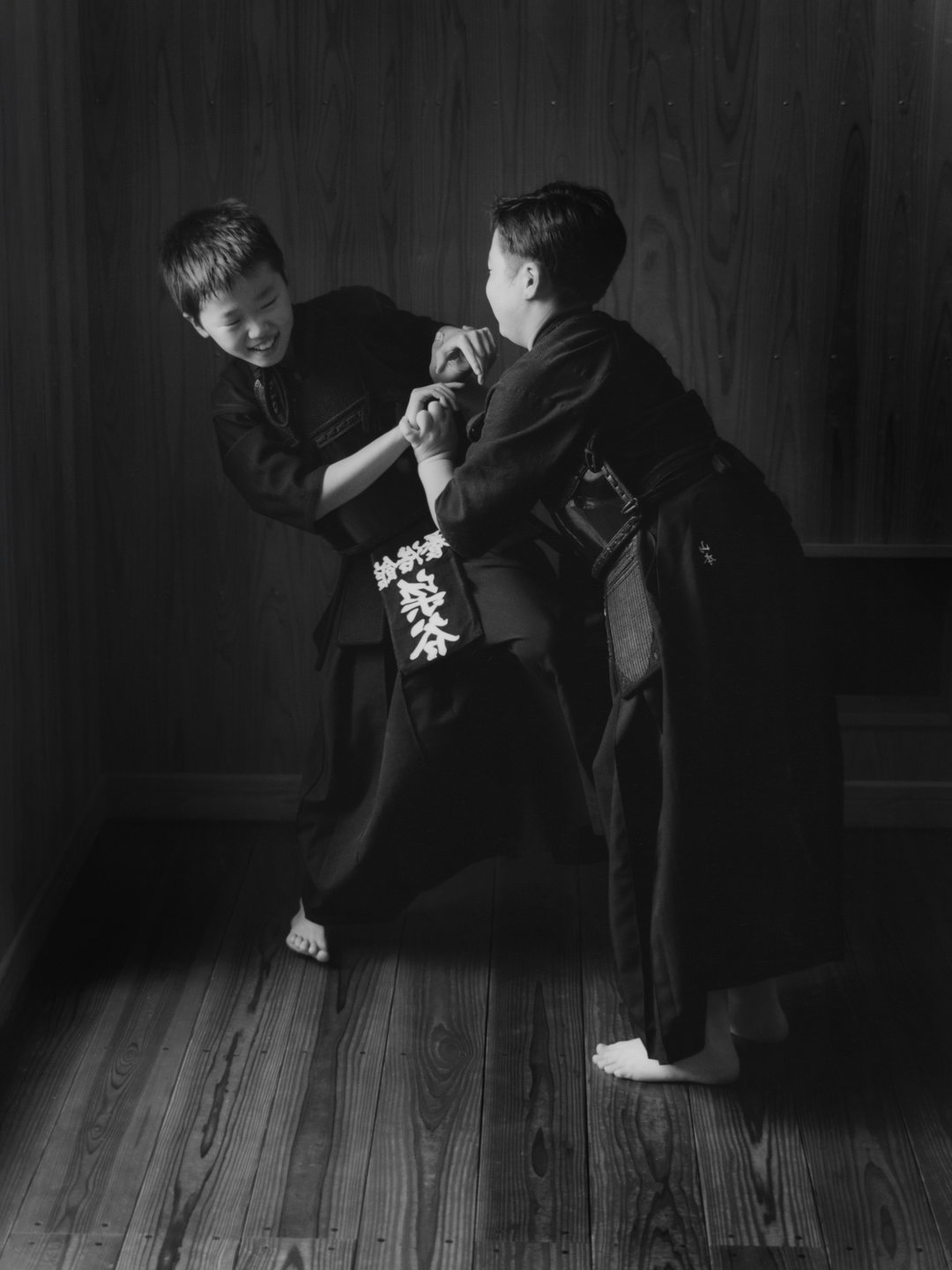
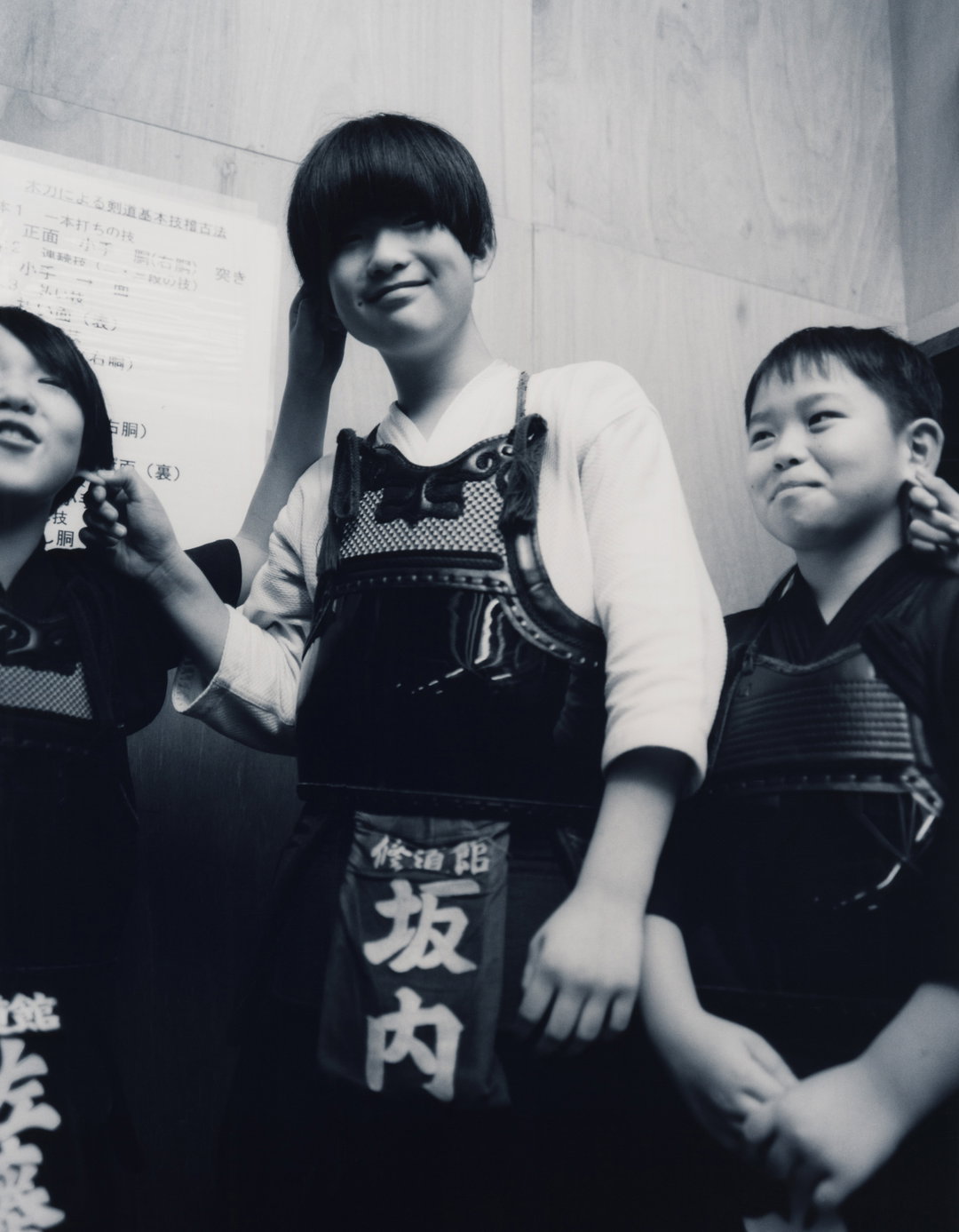
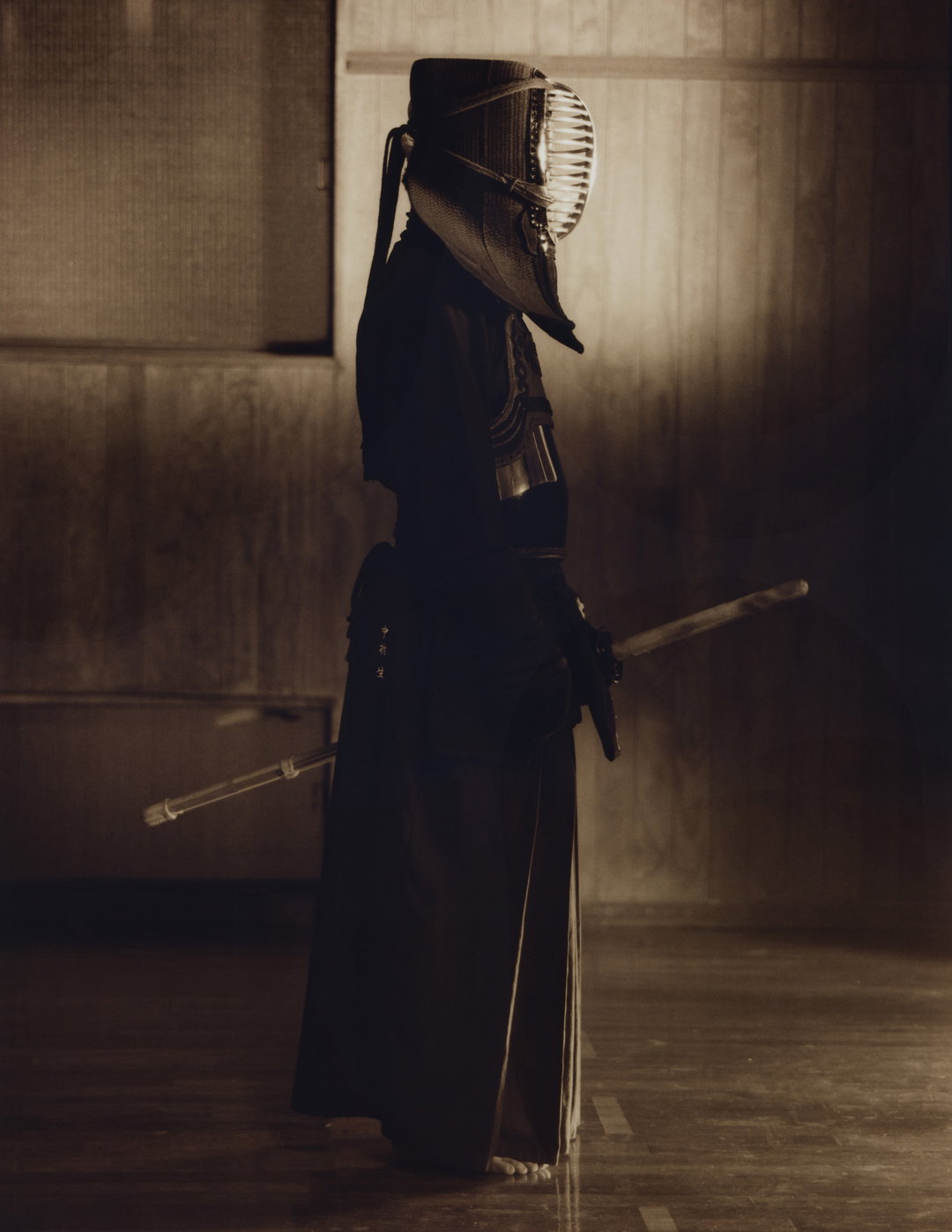
Theo achieves such an empathetic eye through portraiture, colour and distortion. His shots are sometimes stylised with the same neon vibrancy as a Nicolas Winding Refn film, lighting a kendōka up like a firefly, their spirit and stillness manifesting into light and colour. Theo also captures kendōka armour, the Bōgu, in dusty black-and-white that accentuates the smoothness and gorgeous motion of the garment’s design. “Points are scored through strikes but there is an emphasis on control, fairness and etiquette, not aggression,” says Theo. “That is what I wanted to capture, the focus and discipline inside the training and how controlled it is even at full intensity.”
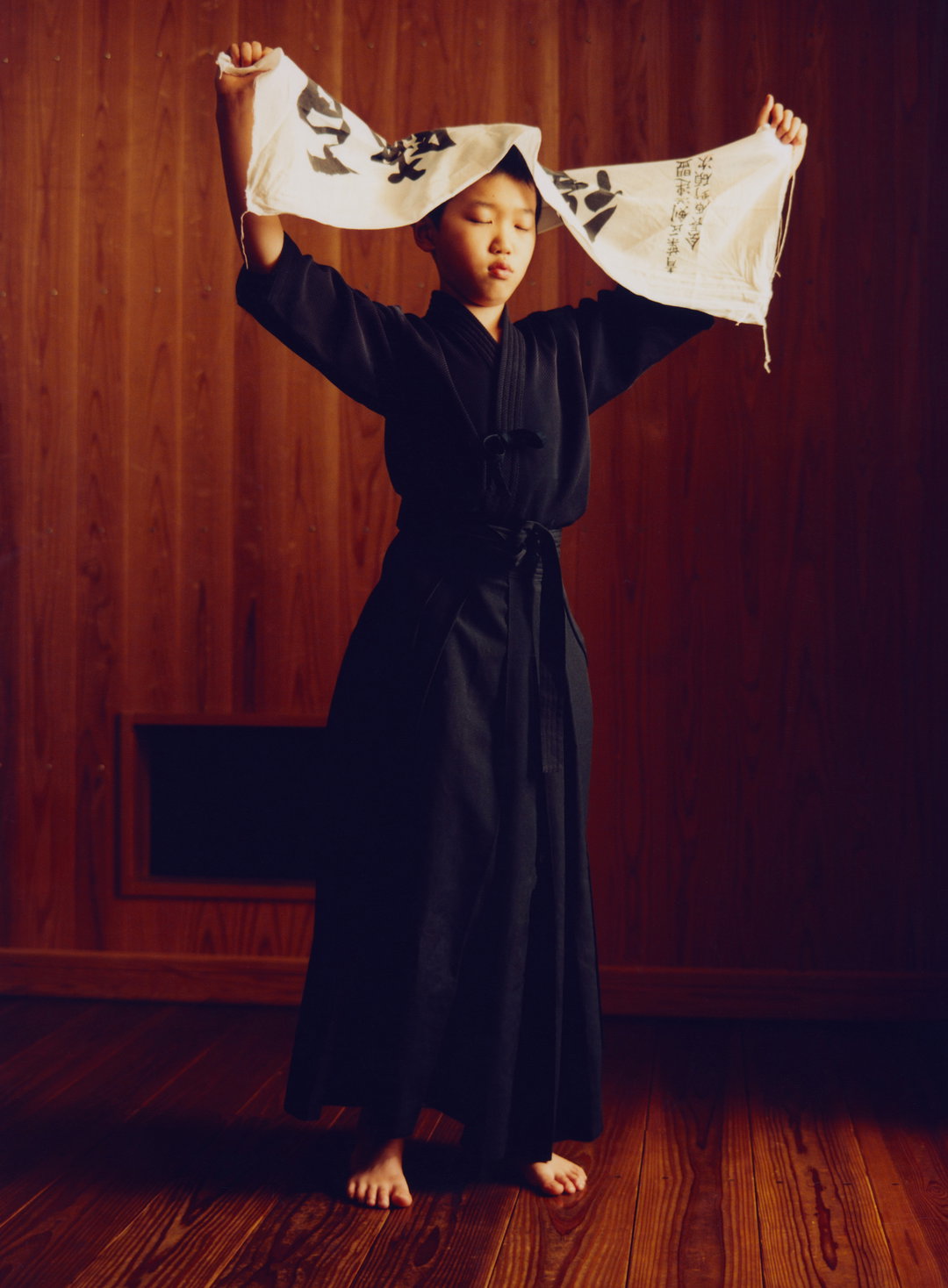
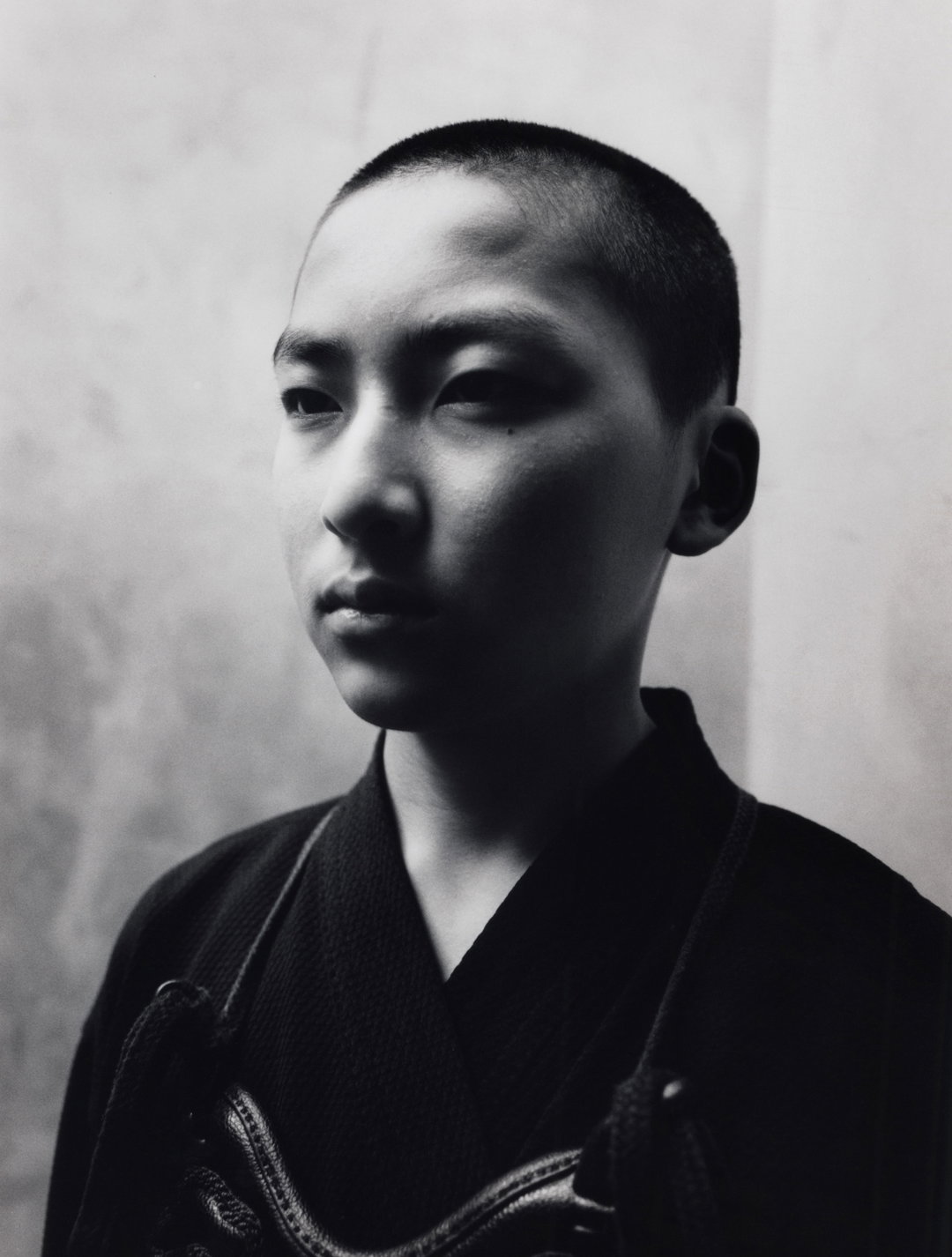
There is a great feeling of community in these photographs, especially how the youth of Japan channel the deep history of their nation. “I spent time in various dojos around Tokyo, some of which were in schools. I was fascinated by how children of such a young age had such discipline and respect in that environment,” says Theo. “When putting on the armour some of them would take on an almost different persona and embody a different character. That transformation is a big part of what I wanted to document.” In Kendo Kodoma, sparring is shown with the expressive motion of a cathartic dance, and faces are shown deep in contemplation, the slow processes of change murmuring beneath the surface.
Theo’s photography mimics the respect and peacefulness of kendo itself, never feeling intrusive, never feeling like its hounding for action. It’s just floating, sometimes capturing light or reflection, moments of embrace or seriousness. What Kendo Kodama does so well is capture something like Japanese sword fighting, shown in Western samurai homages as stylised violence, and represents it as something beautiful, even therapeutic.
GalleryTheo Cottle: Kendo Kodama (Copyright © Theo Cottle, 2025)
Hero Header
Theo Cottle: Kendo Kodama (Copyright © Theo Cottle, 2025)
Share Article
Further Info
About the Author
—
Paul M (He/Him) is a Junior Writer at It’s Nice That since May 2025. He has a strong interest in graphic design, digital kitsch, multimedia painting, collage, nostalgia, analogue technology and all matters of strange stuff. [email protected]
To submit your work to be featured on the site, see our Submissions Guide.