Xinmei Liu takes inspiration from vintage Shanghai advertisements and Chinese propaganda posters
The incredibly talented illustrator, known online as Cat Mover, is strikingly adept at adapting a variety of cultural references from her childhood into her editorial work.
Share
Born in Shanghai and now based out of New York, Xinmei Liu (AKA Cat Mover) is an illustrator with a whimsical and canny eye for the Asian diaspora and China’s socio-political landscape. Her slightly eccentric characters and objects come to life with an impish aesthetic, often evoking Xinmei’s memory of culture and creativity from her childhood. “I don’t remember much but I think drawing was one thing that I always enjoyed doing,” Xinmei says on looking back to where it all began. “In middle school I got a sketchbook and started drawing illustrations inspired by pop song lyrics with colour pencils and that continued up to when I applied to art schools for college.” Taking inspiration from Taiwanese artist Jimmy Liao and picture books for adults in China, Xinmei developed her craft as she moved through her BFA and MFA. “I got into small independent publishing in college, and was introduced to Riso printing as well,” she tells It’s Nice That. “I was generally interested in books as an art form, and during the two years after college when I was in Shanghai I got to know a lot of Chinese cartoonists and illustrators who were also self-publishing comics and zines.” From there, Xinmei found her groove in Paradise Systems (an independent publisher in Brooklyn) where she could continue her craft with cartoon and art books.
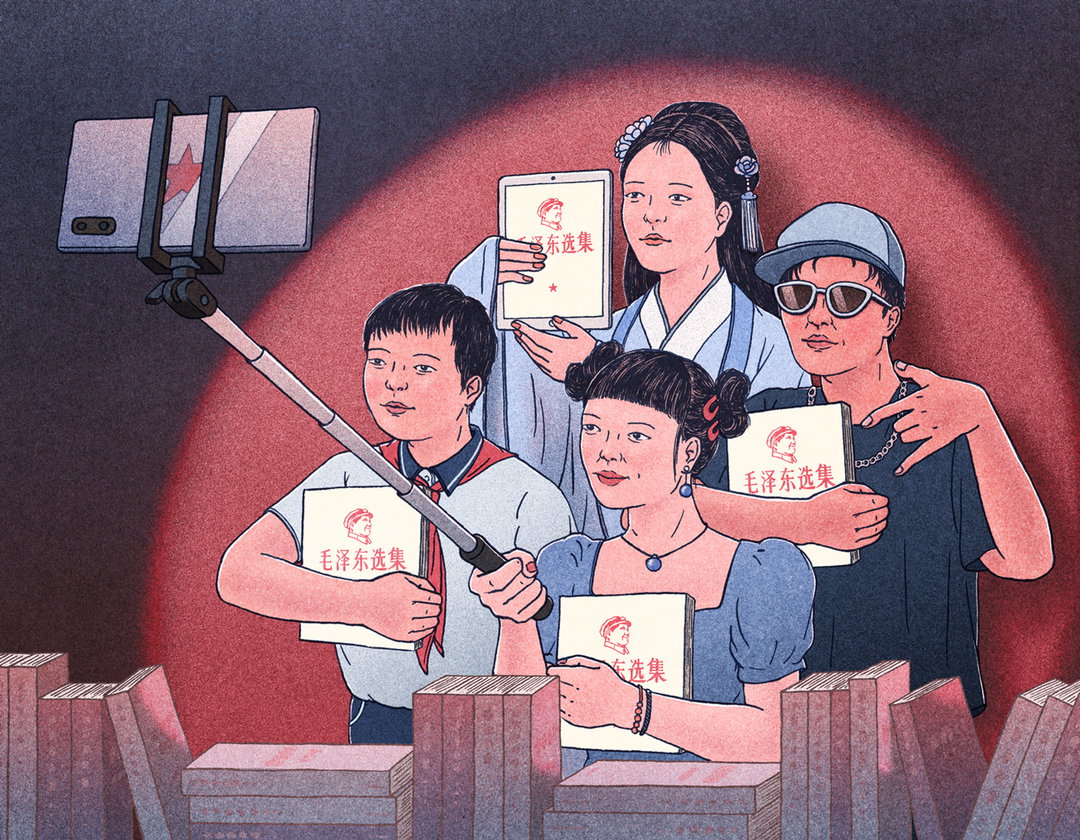
But what exactly keeps Xinmei’s work so engaging? She’s intrigued by the aesthetics of Chinese propaganda posters from the 80s, as well as vintage printed advertisements in 1930s Shanghai and product packaging from her childhood. Absorbing this culture and infusing it into her work proves a fascinating point of view. “I researched propaganda posters as reference for Model Citizen Guidelines which was my MFA thesis series and then sort of expanded as a theme in my personal work,” Xinmei explains. “The slogans in these posters are often simple and naive, and almost funny viewed in today’s light.” Now, Xinmei often gets requests in her freelance editorial work to make an image “look like a propaganda poster,” which she translates as a request for images with a “typical composition of a group of people looking the same direction happily, in a bright hopeful background”. However, Xinmei points out how propaganda posters actually came in various styles specific to their time periods. “I specifically find many 80s posters interesting in their use of graphic composition and negative space, as well as bright colours and incorporation of type.” That, tied in with the decorative displays of 1930s advertisements draws Xinmei towards an “elegant and geographic” style of work.
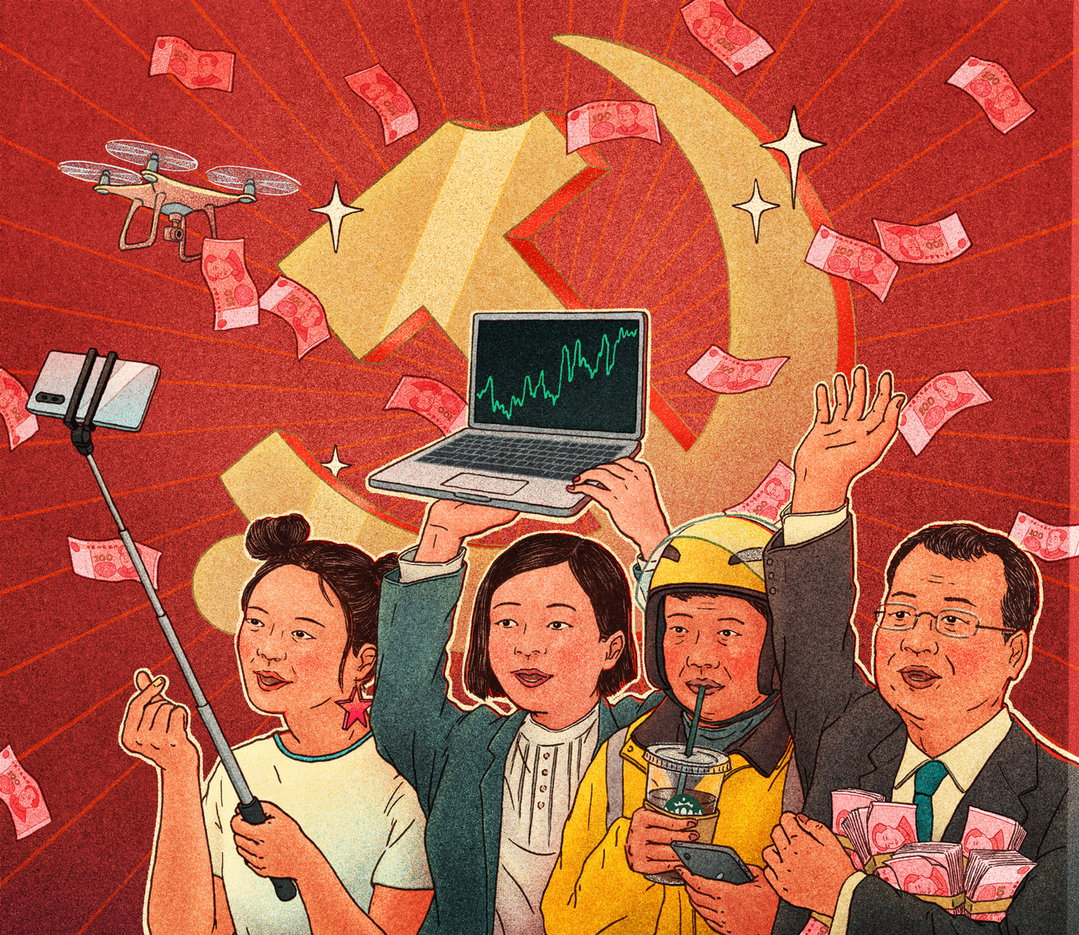
Xinmei Liu: China's 100 Years of Communism (Copyright © Xinmei Liu, 2021)
Over time, Xinmei has found her practice and process has changed – mostly in the technique. “I remember painting with acrylic in the beginning, then drawing with ink and brush, and now I draw with ink and dip pen, which I think produces cleaner and more controlled lines, while preserving the organic line quality,” she tells us. “I have also switched to using more vibrant colors, and a limited color palette.” It’s come hand-in-hand with learning the practice of refining, finding creative ways to show “just what is needed to communicate the message and nothing else,” she explains. “I am also using more humour in my work than years ago.” This humour and style is evident in her poster for True/False Film Festival in the United States, where a bizarre and surreal image unravels like “puzzles in children’s activity books,” Xinmei says. “I thought it would be tricky to do, but actually turned out quite fun and worked pretty well in the end.” Another example of Xinmei’s brilliant talent comes in an editorial piece in The New Yorker, on a book review for Kingdom of Characters by Jing Tsu. “Illustrating an article written in English about my native language is a refreshing experience, and in the course I learned a lot even as a native speaker,” Xinmei explains. “The art director, Aviva Michaelov, wanted me to bring my own knowledge into the illustration, so I added in the detail of retro input methods that felt familiar to my childhood.”
“I think the best part of illustration is knowing my art is needed somewhere,” Xinmei says on her career. “For professional illustrators, commissioned works are our basic source of income, and it’s very common to work on projects we don’t feel very passionate about, but whenever there’s a chance to work with a dream client or on an exciting project, it is always a great feeling of fulfilment.” Of course, this is offset by what Xinmei describes as an “instability and anxiety” caused by the nature of her career. “I can get very depressed after things are slow for a few weeks and I don’t have projects to work on, but over time I have learned to take breaks when that happens before I get too busy with new projects again.” Xinmei is now keeping herself busy taking editorial commissions from magazines and newspapers, with a few as-of-yet announced commissions coming up in the pipeline that have us eager to follow her next movements. “I think when people see my work, they see a ‘style’ in the finished pieces and try to categorise or ‘define’ my work with that visual style,” Xinmei summarises. “But I actually value the researching and sketching process a lot, as I want to always find the best way to convey the message, and also make sure my imagery has a lot of ‘culture’ in it.”
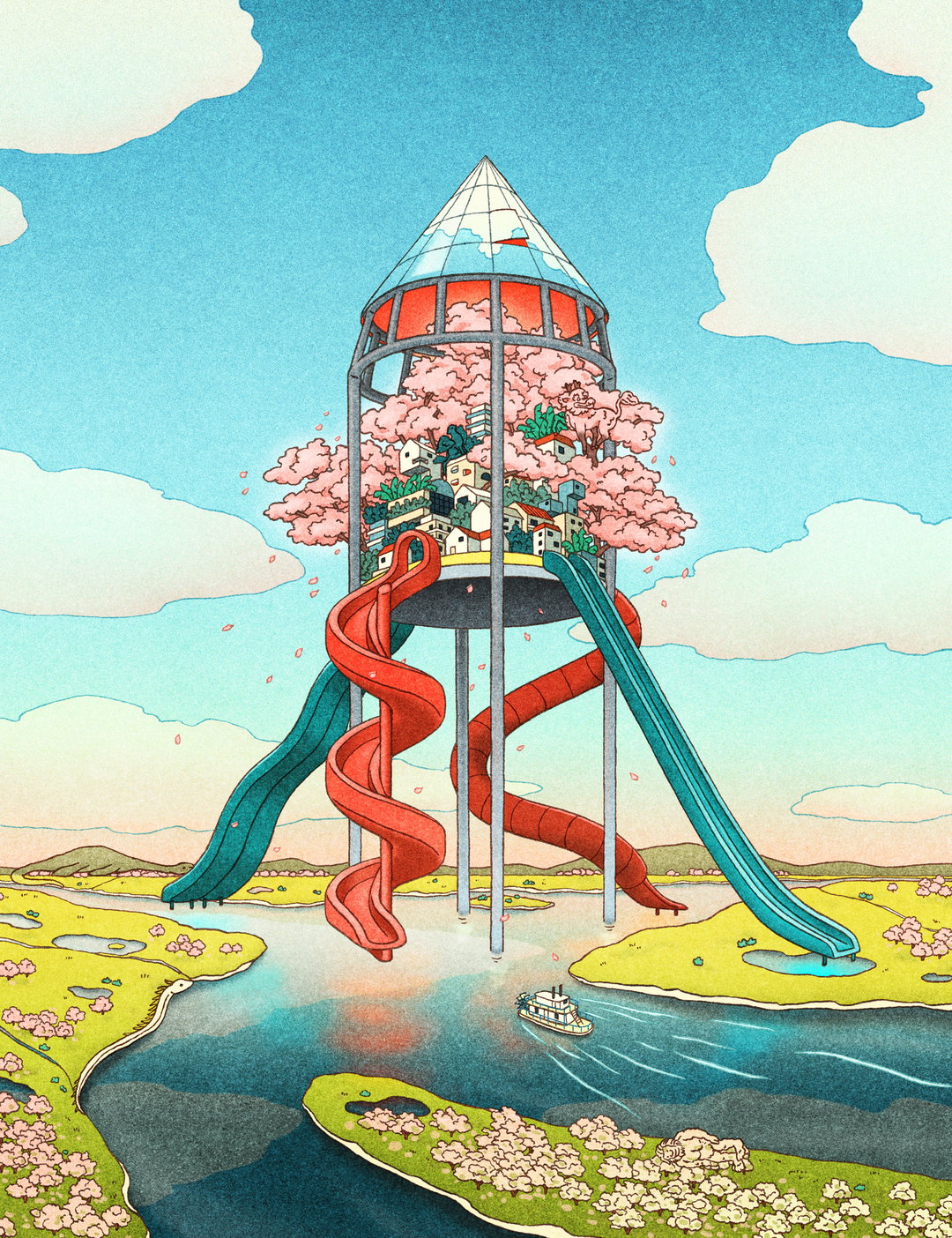
Xinmei Liu: (In)visible Village (Copyright © Xinmei Liu, 2021)
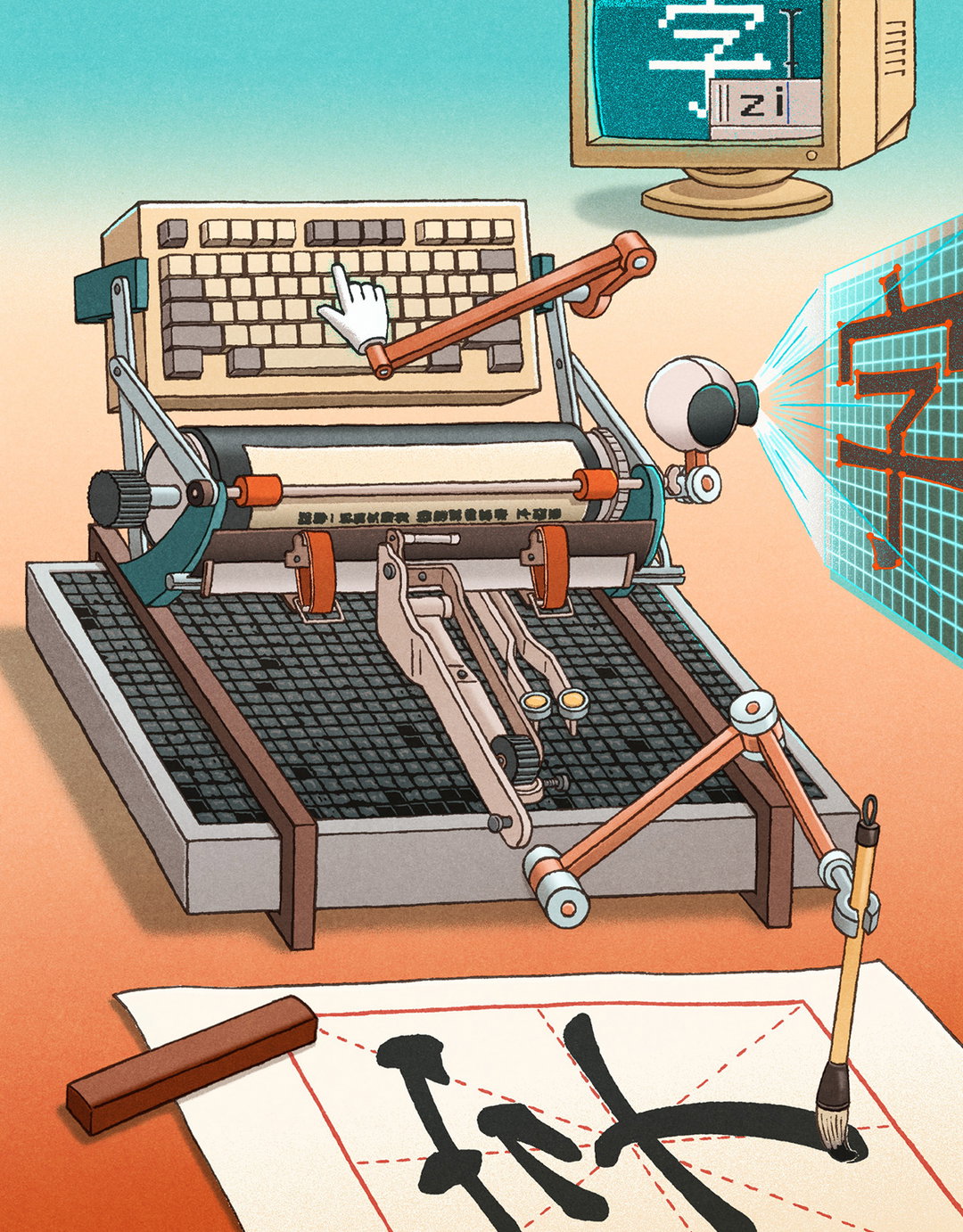
Xinmei Liu: Kingdom of Characters (Copyright © Xinmei Liu, 2022)
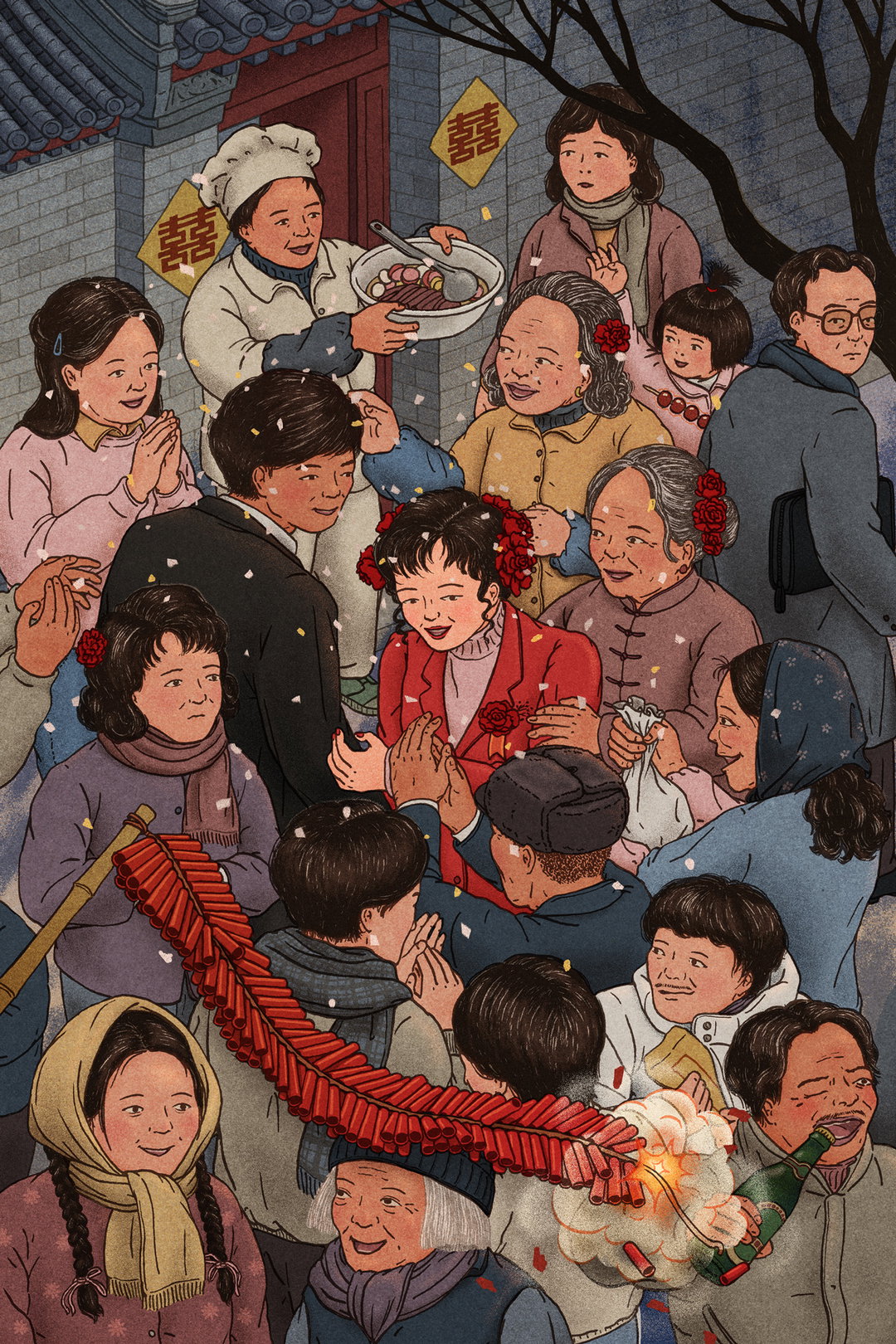
Xinmei Liu: The Wedding Party 1 (Copyright © Xinmei Liu, 2021)
Xinmei Liu: The Wedding Party 2 (Copyright © Xinmei Liu, 2021)
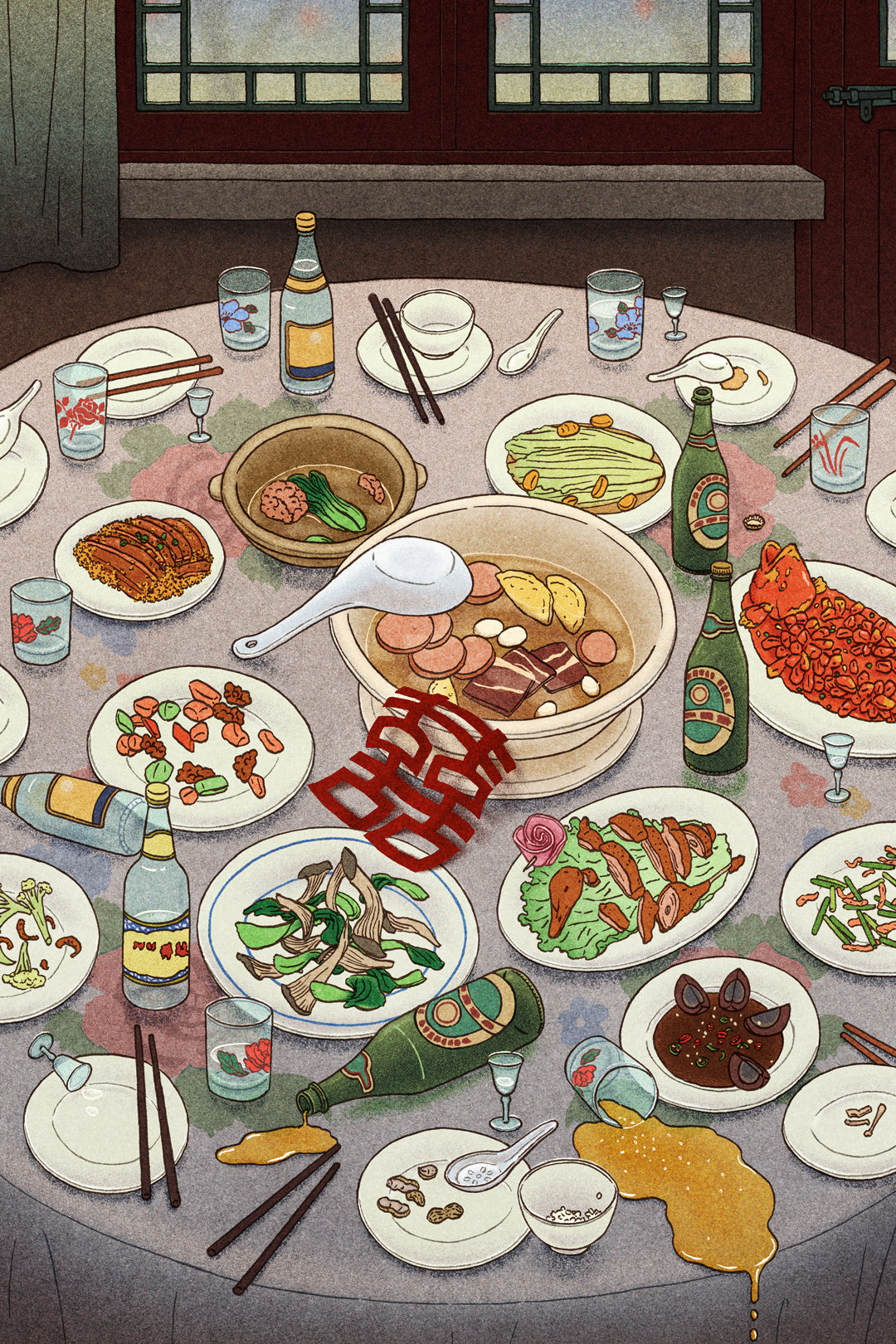
Xinmei Liu: The Wedding Party 2 (Copyright © Xinmei Liu, 2021)
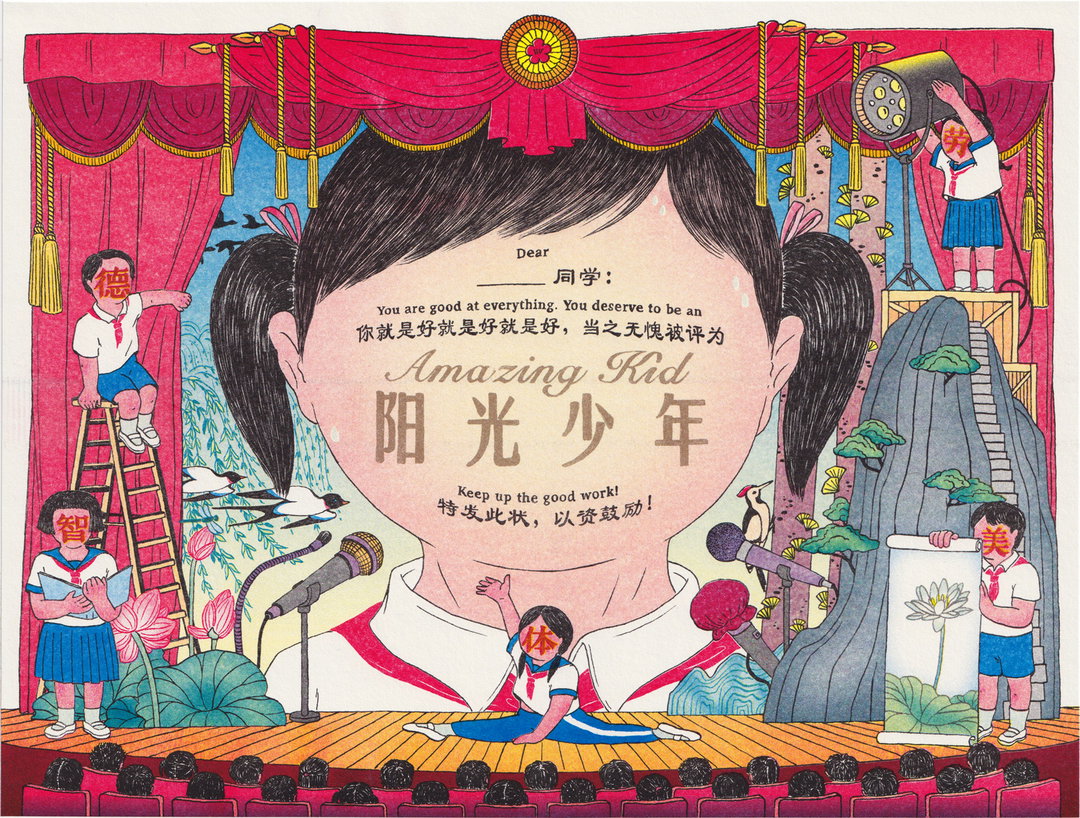
Xinmei Liu: The Amazing Kid Award Certificate (Copyright © Xinmei Liu, 2021)

Xinmei Liu: Mind Your Own Business (Copyright © Xinmei Liu, 2020)
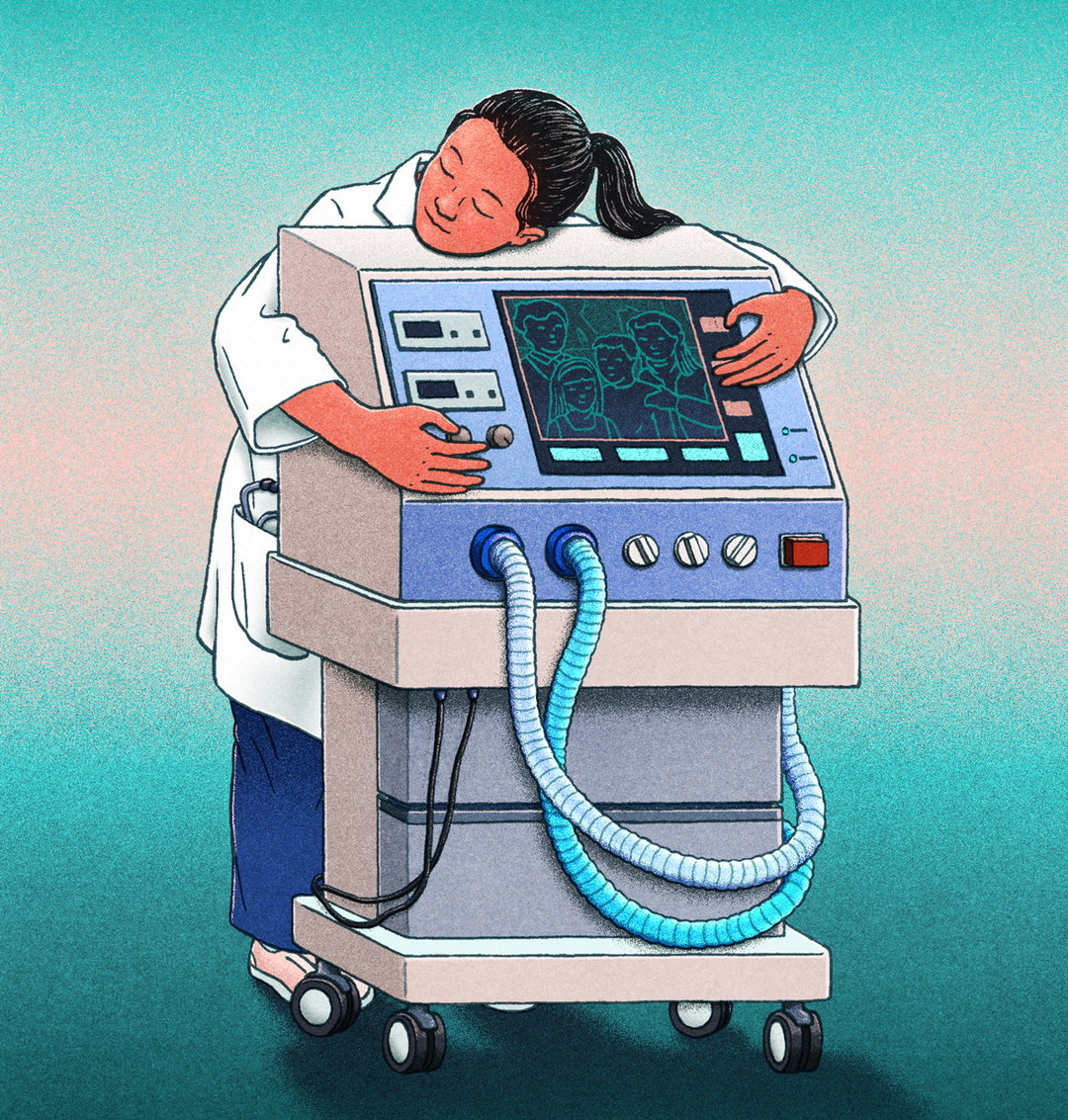
Xinmei Liu: Joan Is Okay (Copyright © Xinmei Liu, 2022)
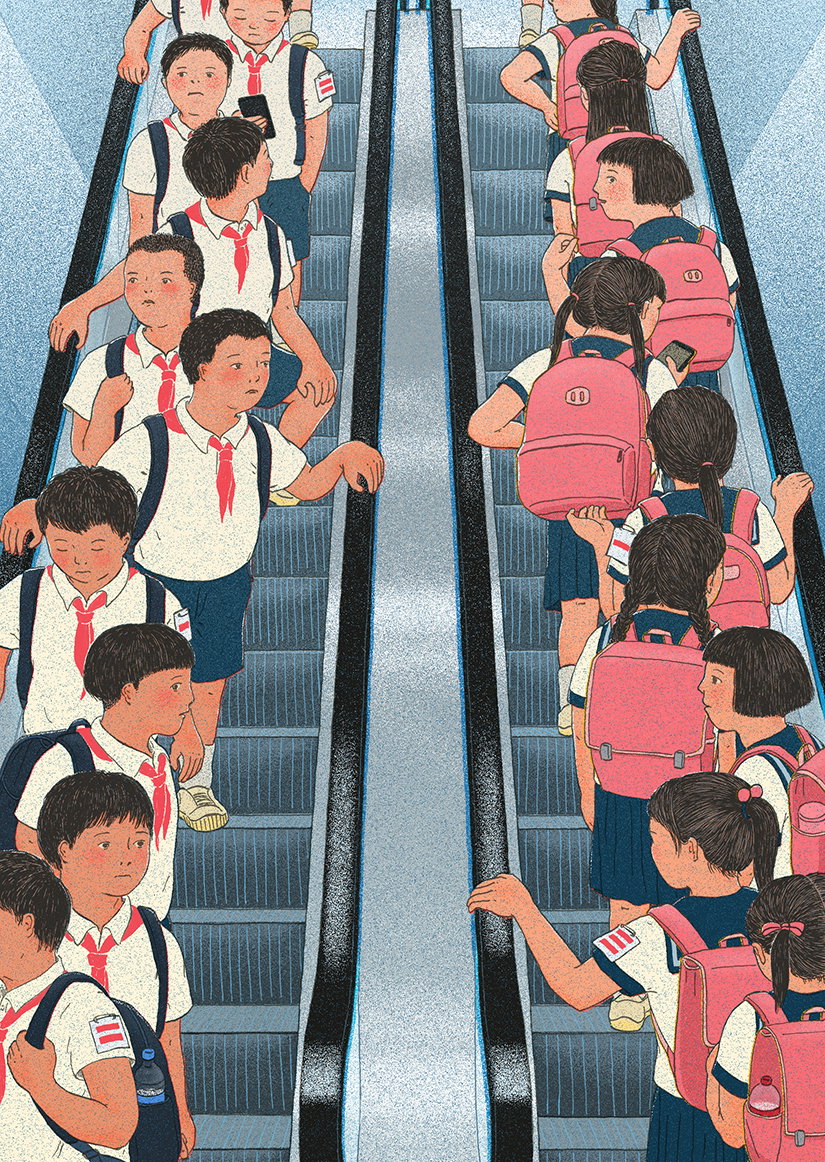
Xinmei Liu: Boys and Girls Should Stay Away from Each Other (Copyright © Xinmei Liu, 2020)
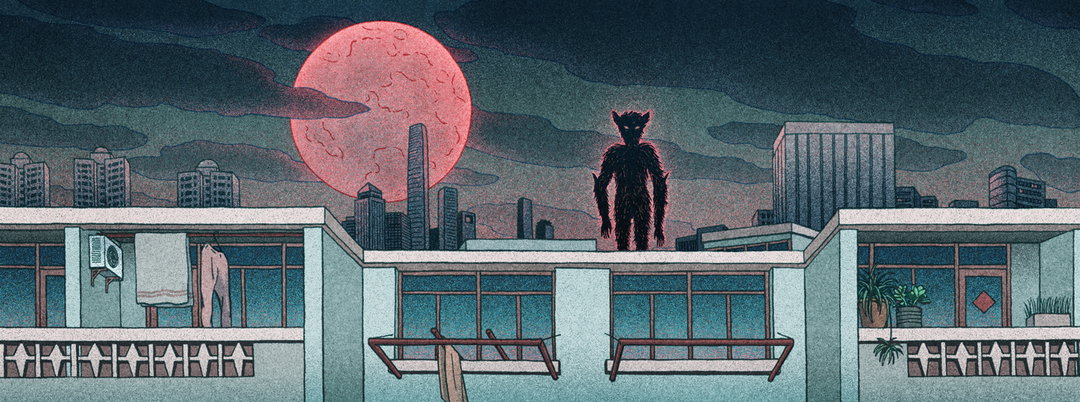
Xinmei Liu: Strange Beasts of China (Copyright © Xinmei Liu, 2021)
Hero Header
Xinmei Liu: China's GenZ Turning to Mao (Copyright © Xinmei Liu, 2021)
Share Article
Further Info
About the Author
—
Joey is a freelance design, arts and culture writer based in London. They were part of the It’s Nice That team as editorial assistant in 2021, after graduating from King’s College, London. Previously, Joey worked as a writer for numerous fashion and art publications, such as HERO Magazine, Dazed, and Candy Transversal.