


This rocks: Zach Knott’s Stone Isles is a geological ode to crystals, science and family
This new series of photographs captures the vastness of Earth in ancient rock formations, natural weathering, tiny crystals, coastlines and gems of amber. But it’s also about the traces of family within geology.
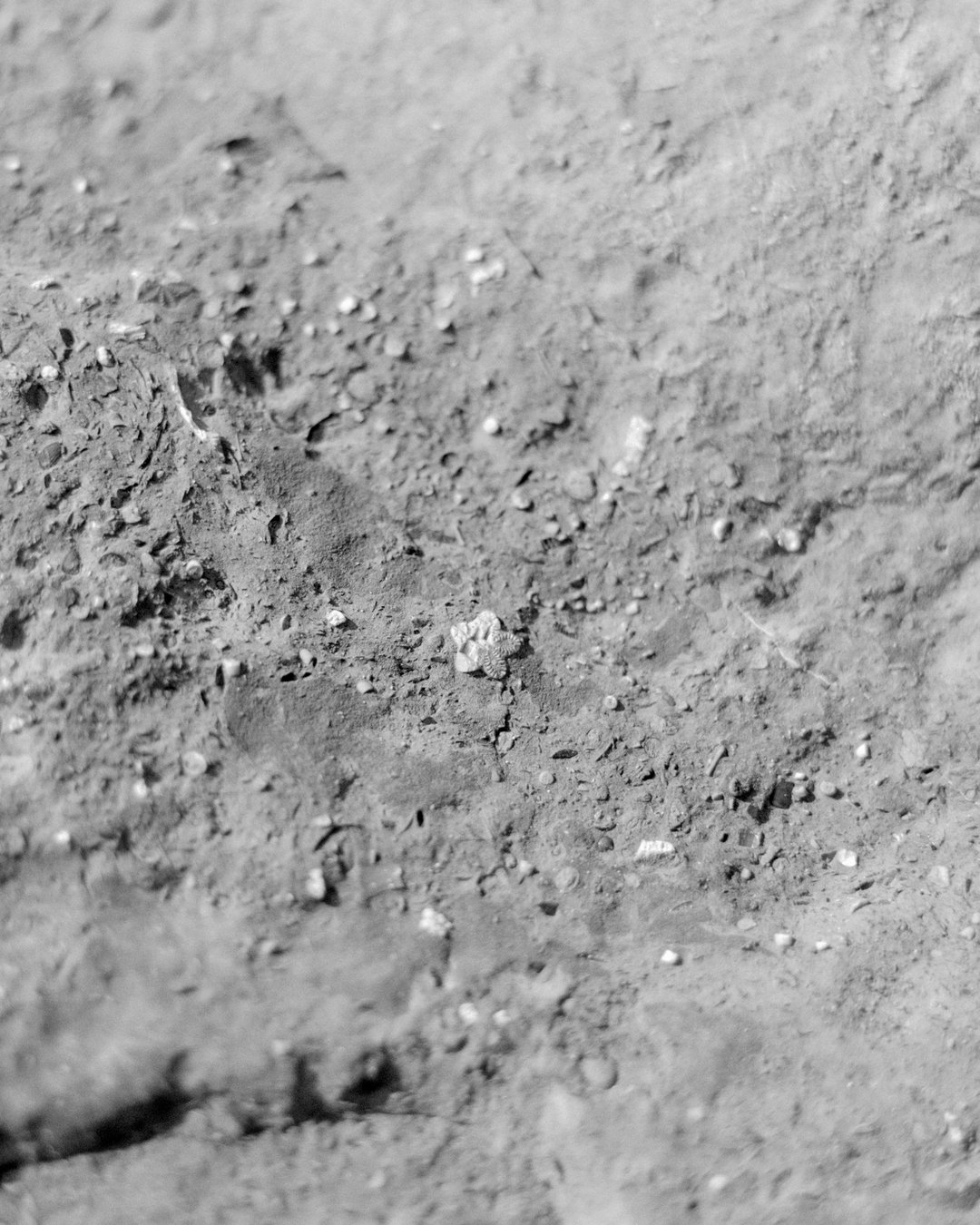
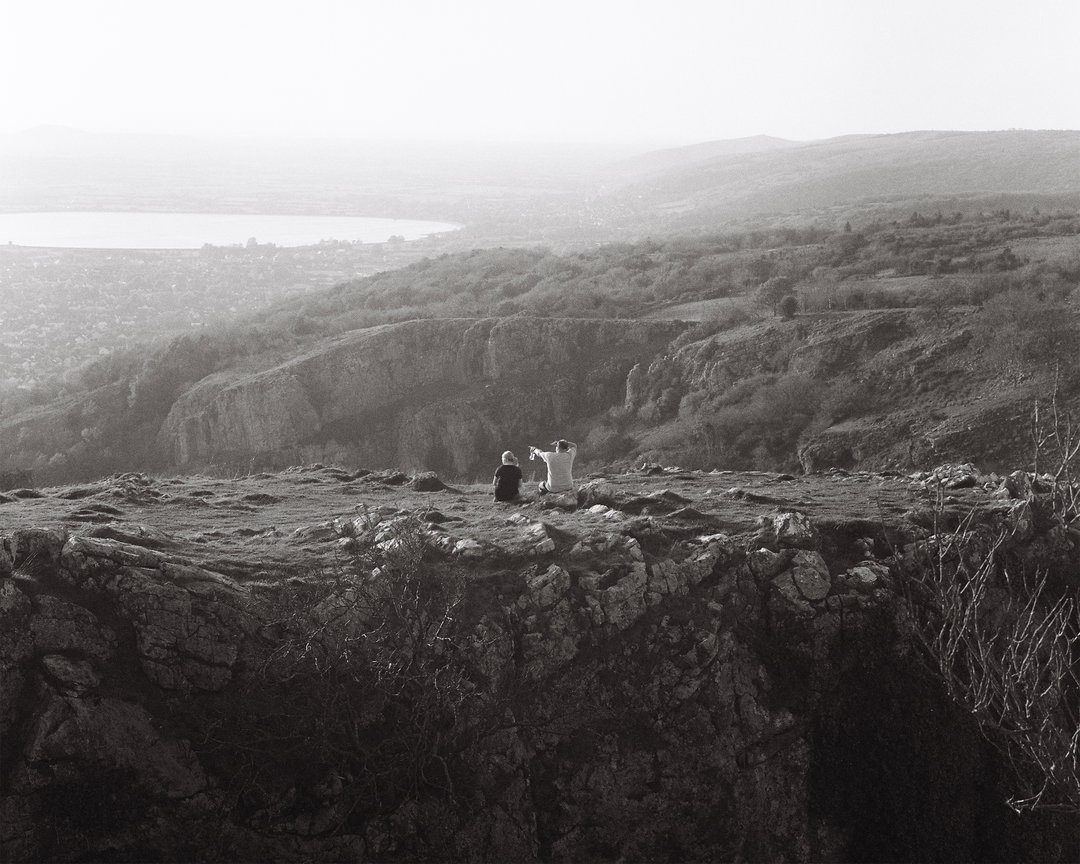
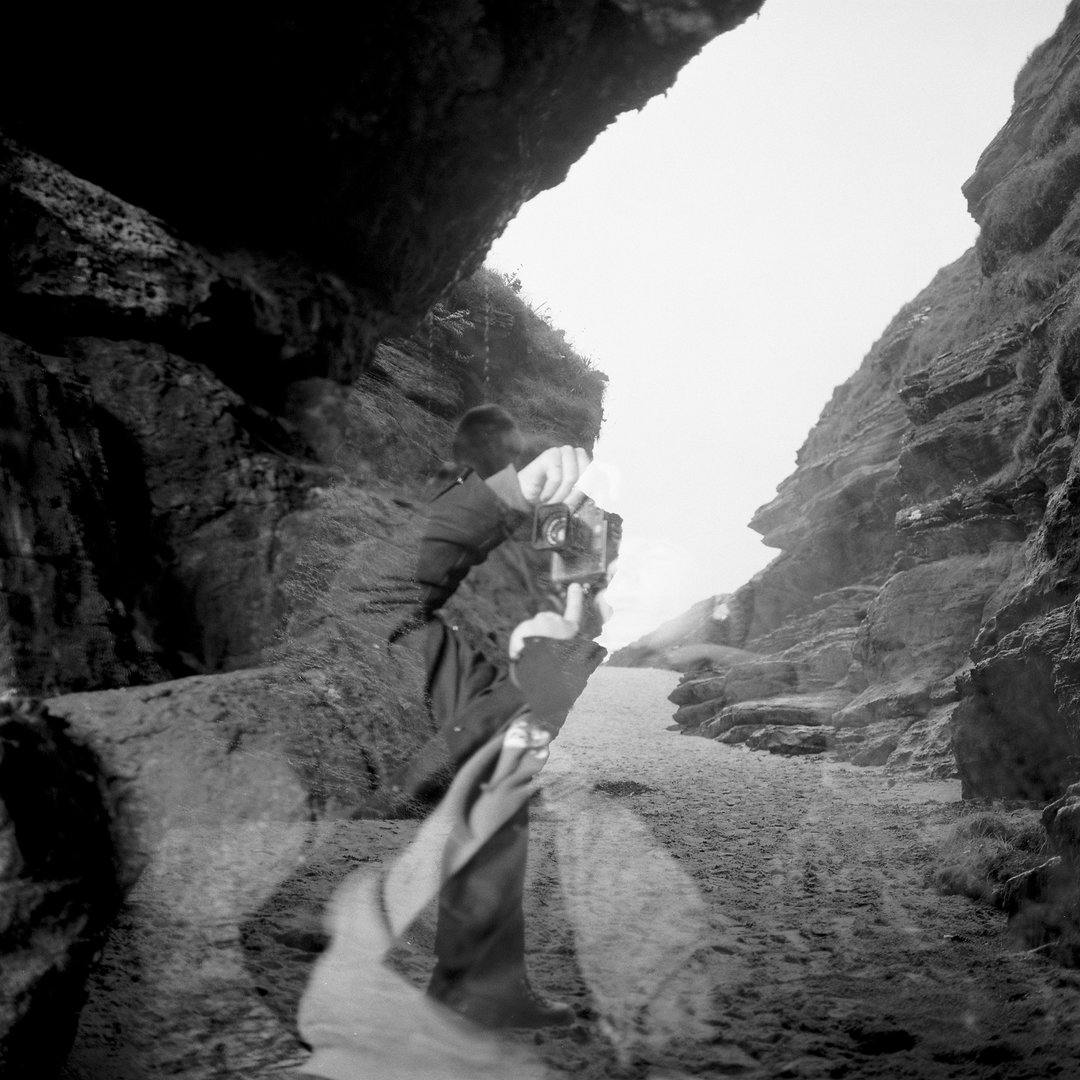
In Stone Isles by Bristol-based photographer Zach Knott, the viewer is always looking through the lenses of a geologist, at rocks as big as entire cliff faces and as small as earrings. The series explores geology as not just a scientific discipline but as a cultural inheritance of the United Kingdom, where the series takes place. Zach is paying tribute to Scottish geologist James Hutton, whose 18th-century observations at Siccar Point reshaped our understanding of Earth’s timescales. It’s also a tribute to the many practitioners who still excavate the truth of Earth – the palaeontologists, educators and enthusiasts across the UK, amateur and professional.
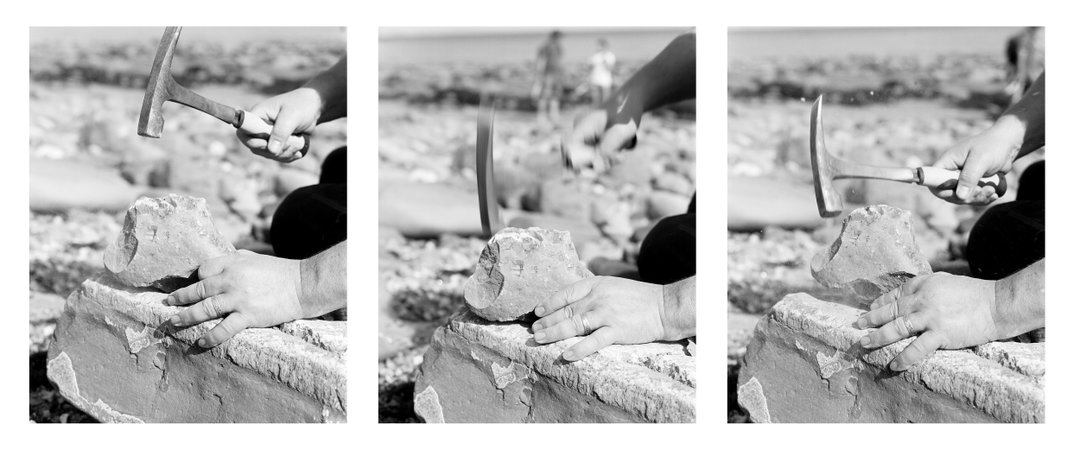
At the molten core of this project, which has been ongoing since 2021, is Zach’s childhood surrounded by nature. “I was raised with teachings in geology and engagement with my landscape from a young age, growing up in a scientific home and going fossil hunting on the south west UK coastline, learning about the processes of the earth from my Dad,” says Zach. “He grew up similarly, being taught by my grandad who was an amateur geologist.” In a standout archival photo of Zach’s grandfather, the viewer is taken along the geological stepping stones of Zach’s lineage – his grandfather stands on the coastline with his own camera, reflecting Zach as he stands today.
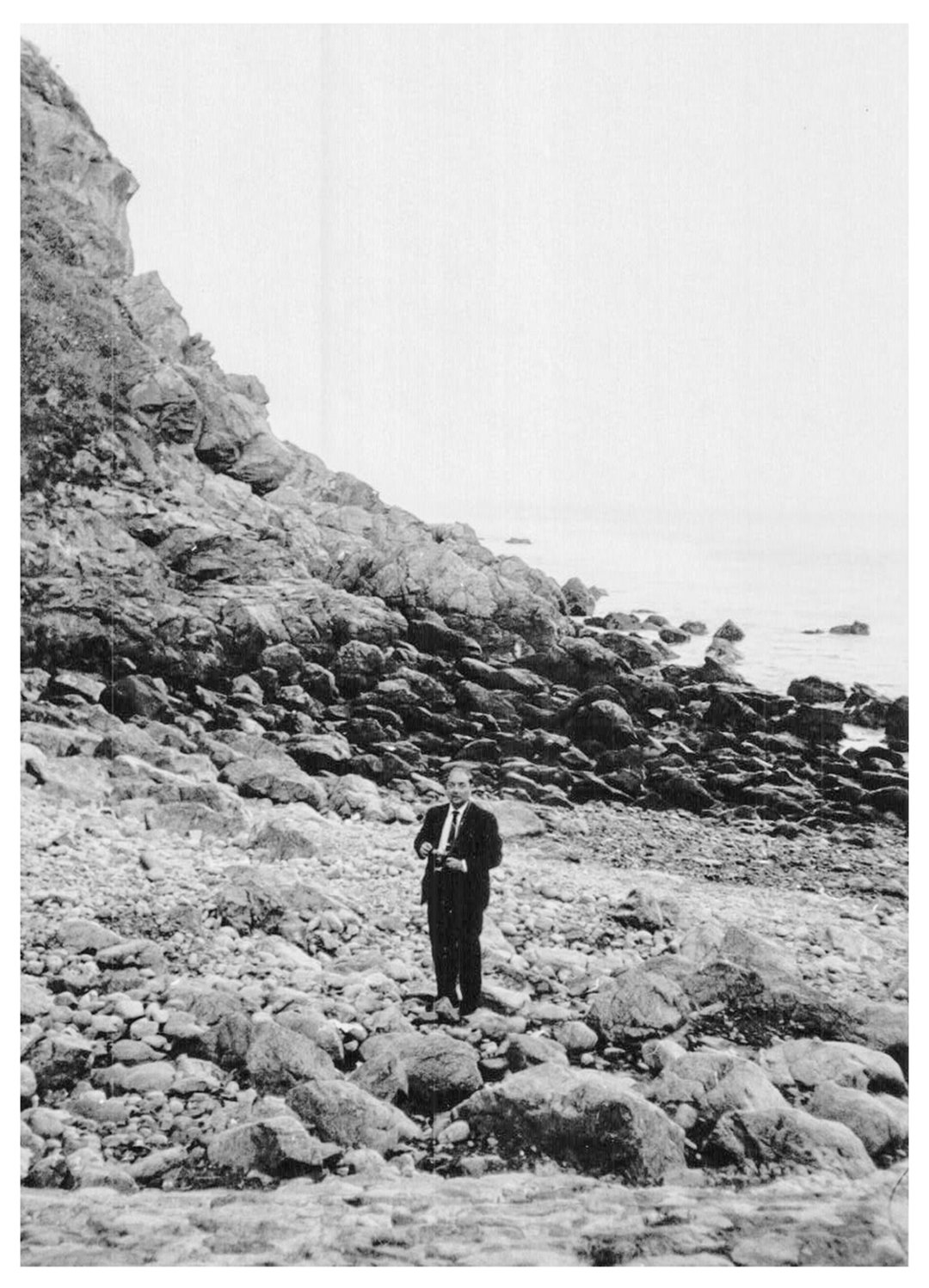
Zach Knott: Stone Isles (Copyright © Zach Knott, 2025)
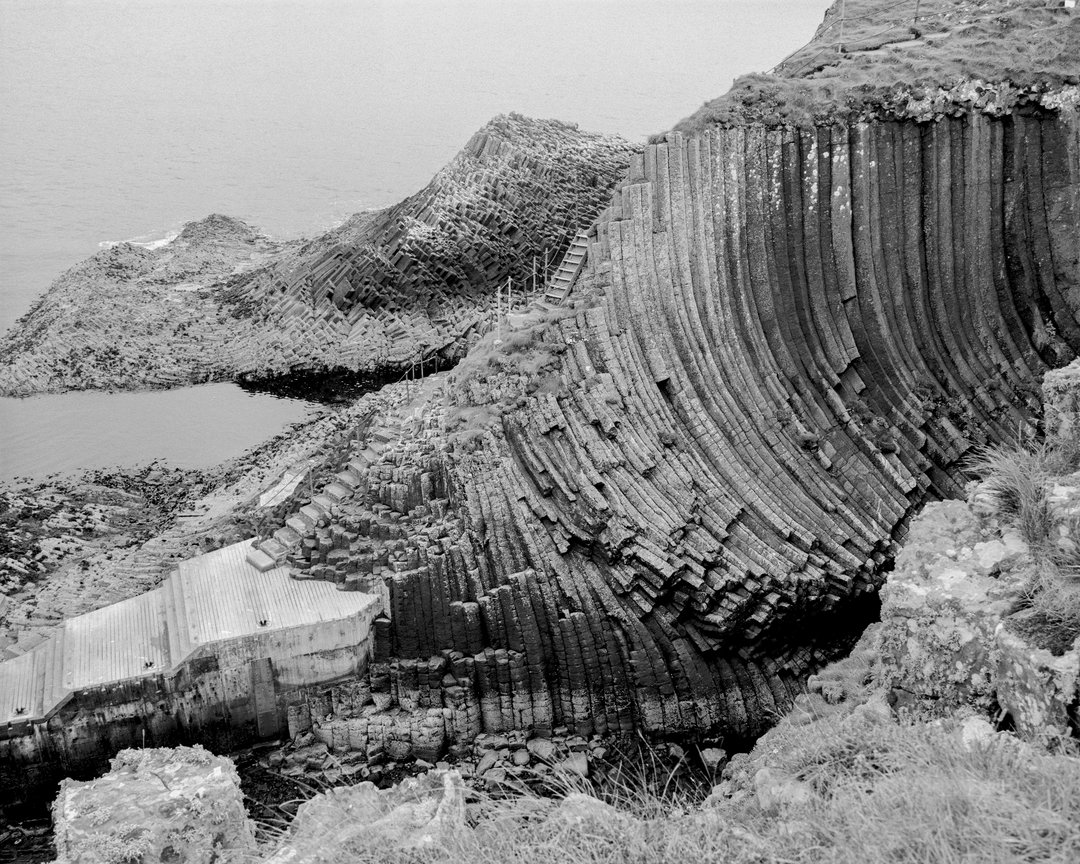
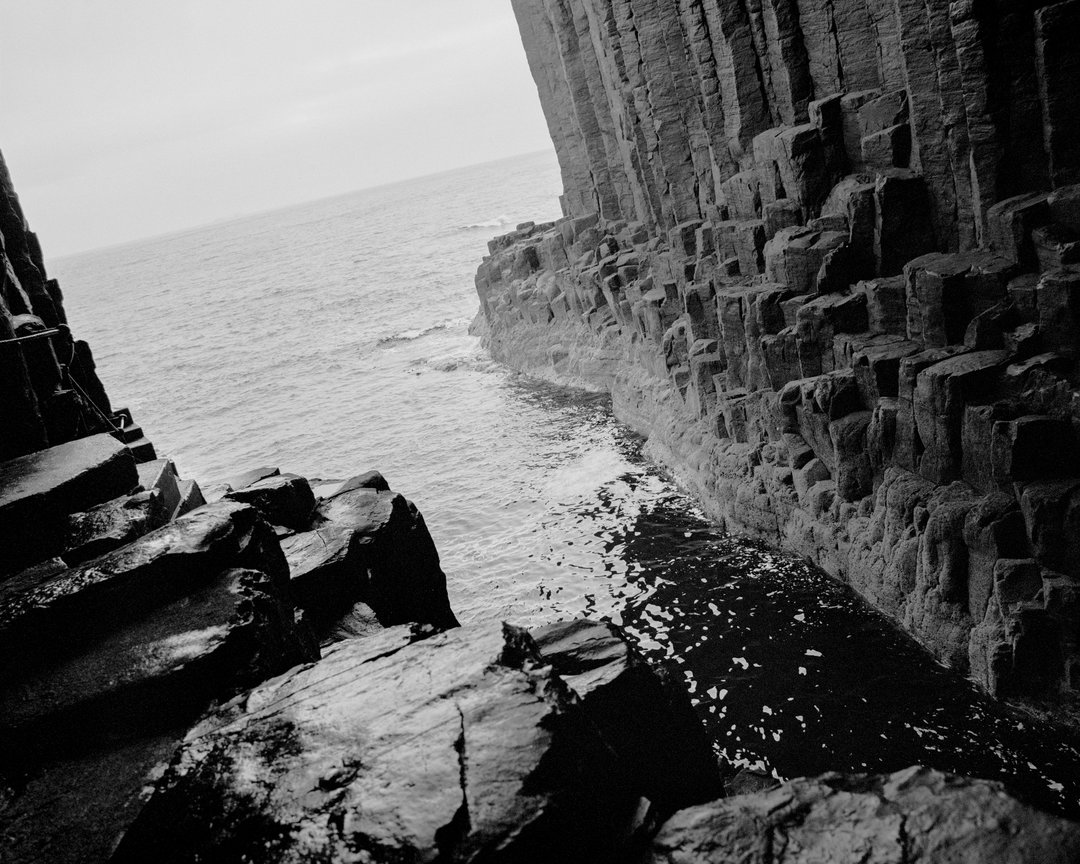
In the same photos where Zach reconnects with his family, he also reconnects with the birthplace of modern geology. Up until the 18th century, people commonly believed the Earth was 6,000 years old – these photos, along with generations of geologists, show how far we’ve come along. Every black-and-white photograph of the layers of our planet’s tectonic history is an act of time travel – it gets us closer to understanding the past and the future of Earth.
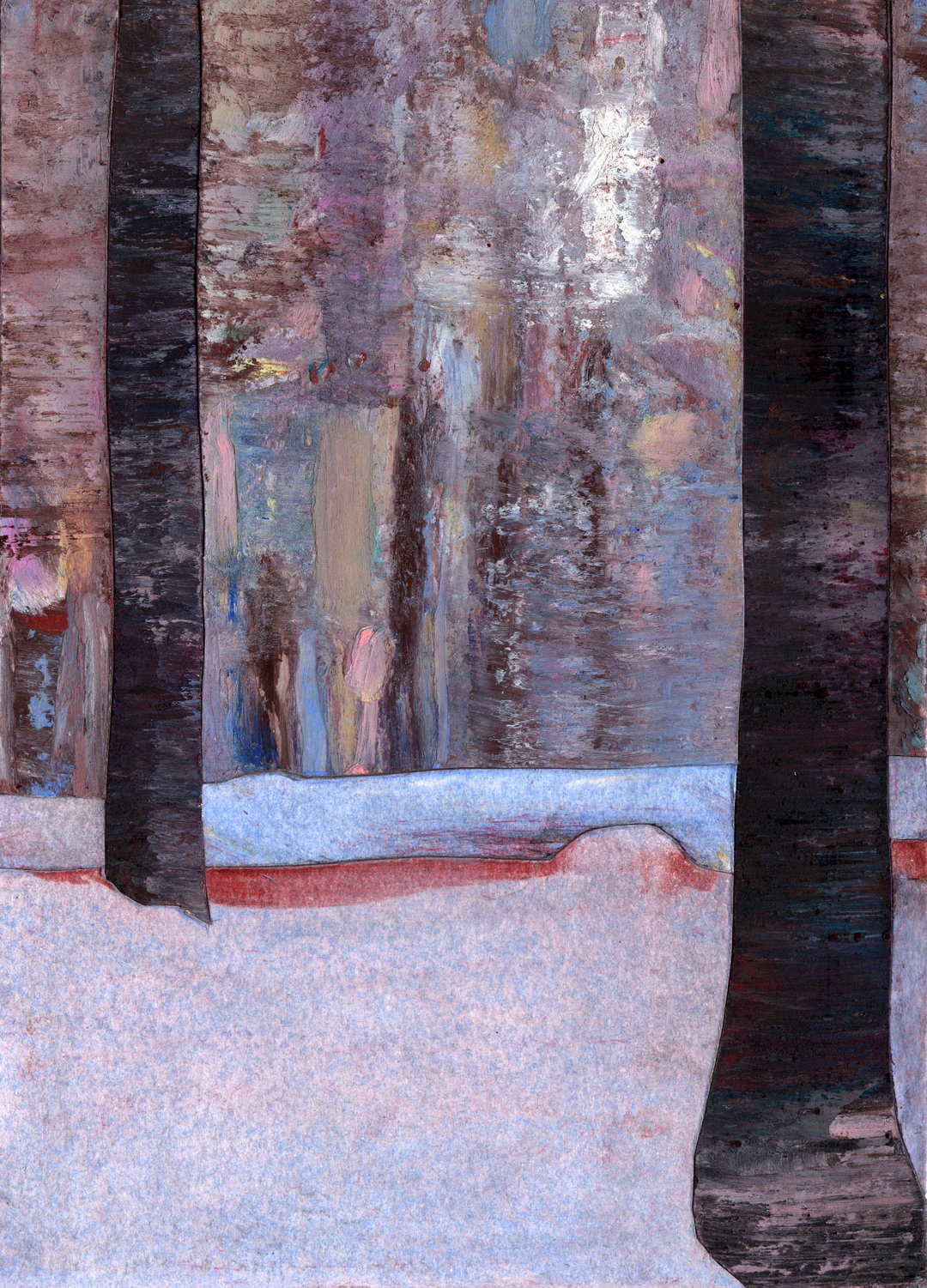
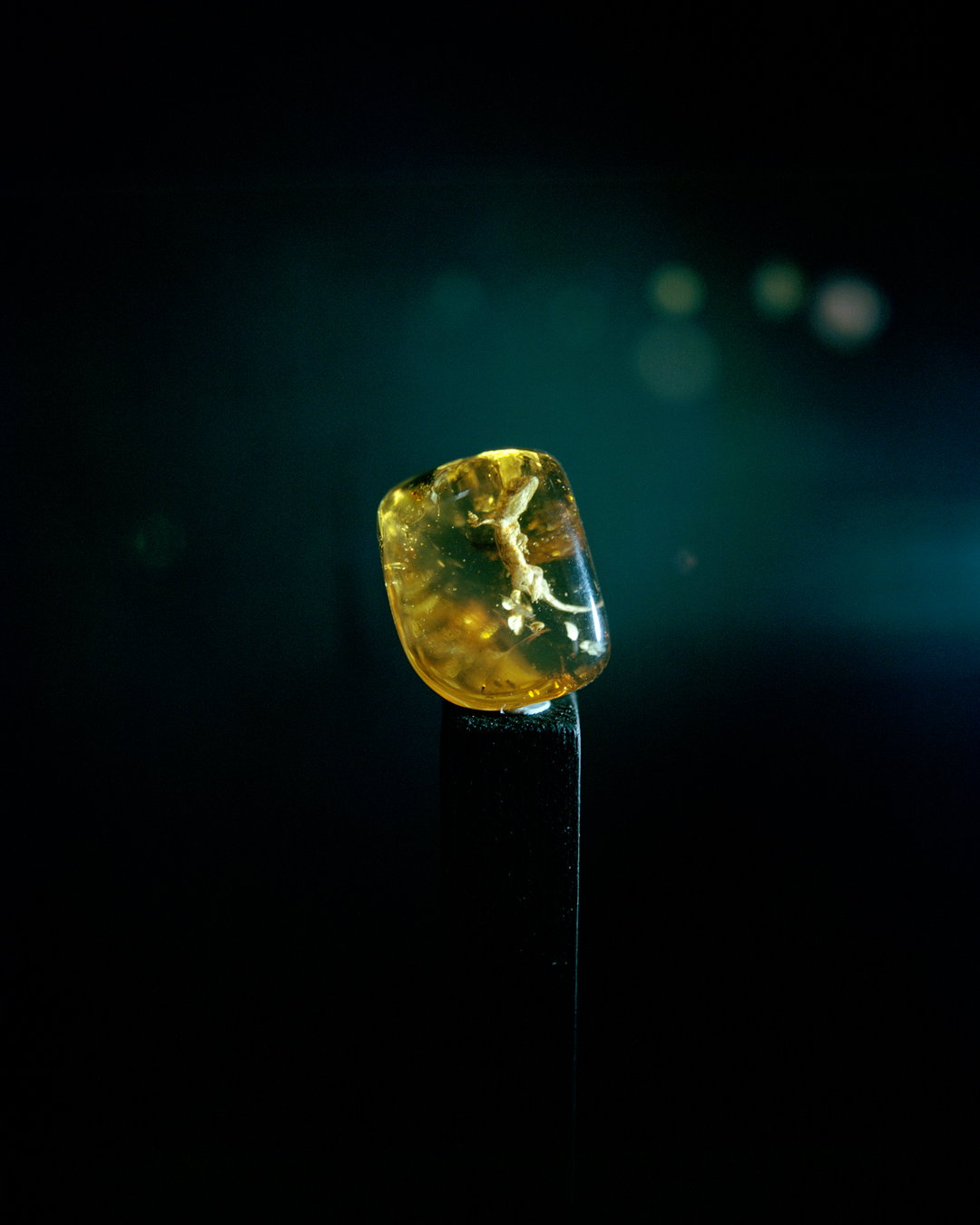
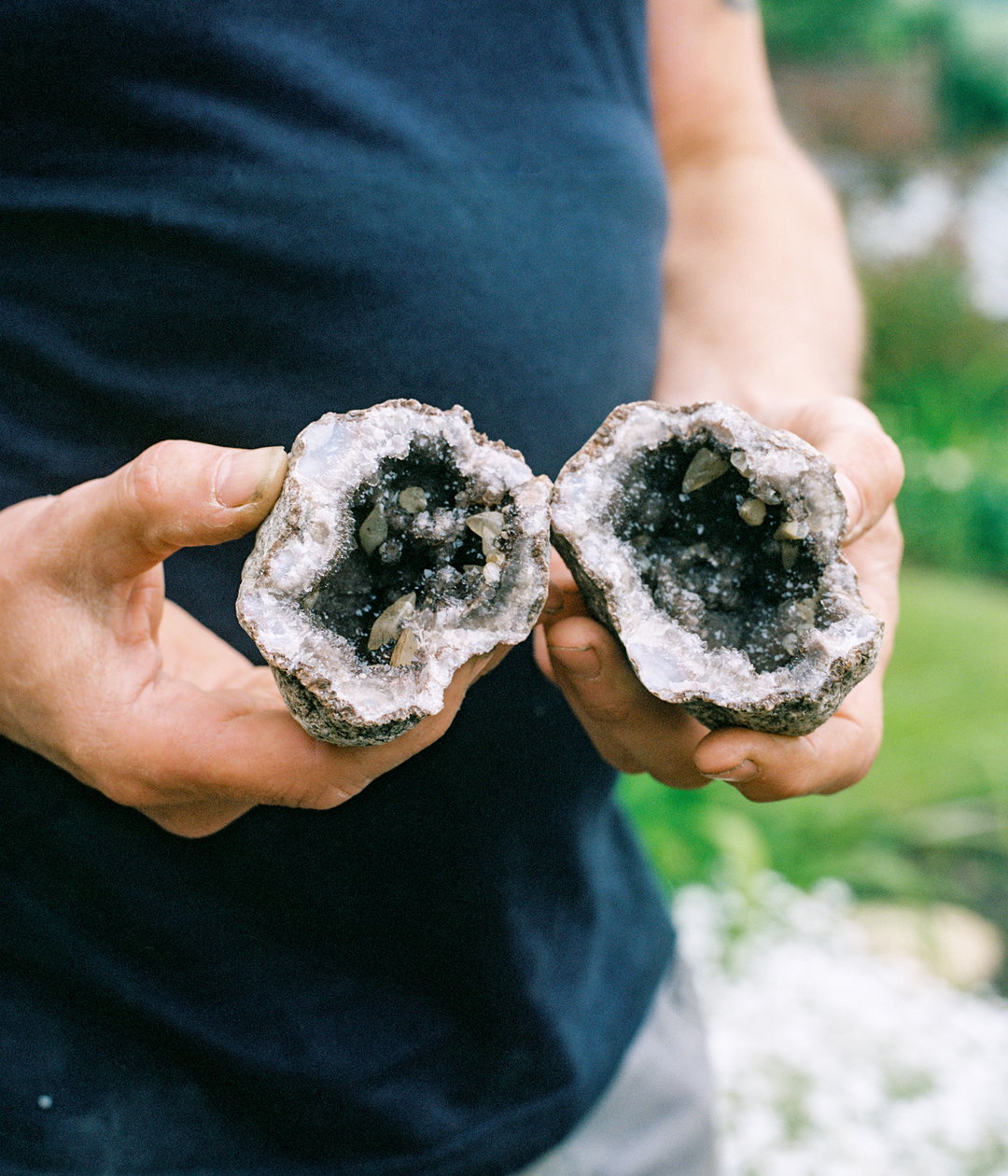
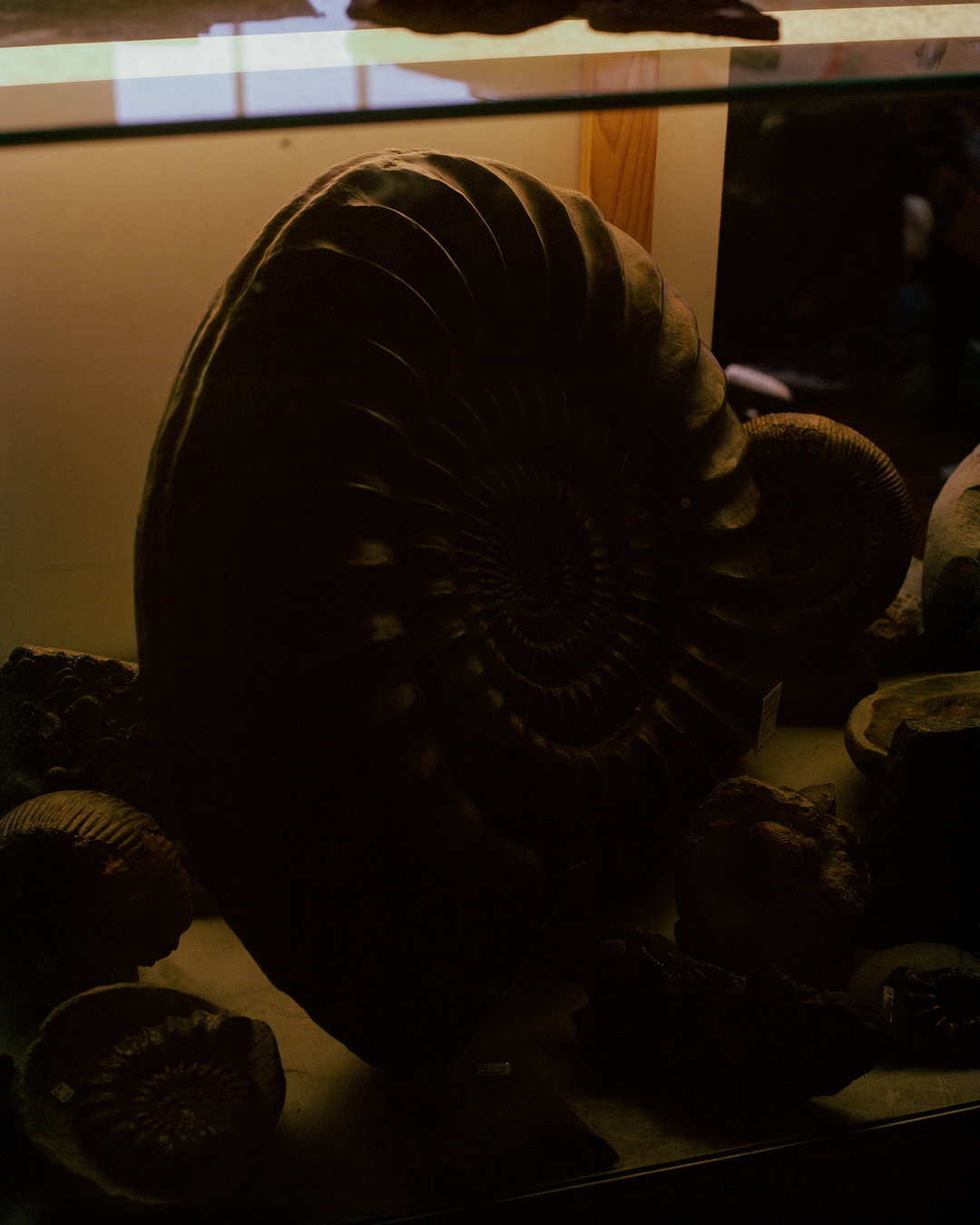
The photos are proof that the world is ever changing, showing how vast plains of sedimentary materials shift and morph over thousands of centuries. Every frame is packed with fractals of light twinkling through crystals or massive natural bodies of rocks. Cliff faces show fascinating textures that could only be formed through millions of years of weathering and organic deterioration. A tiny lizard can be seen sealed in amber, an example of how life is preserved within even the smallest of natural materials. “My practice has always been research-led so I naturally gravitated towards starting locally within my outreach and have expanded that further to events, festivals and organisations across the country,” says Zach. “I worked with the Lyme Regis Fossil Festival in 2025 where I spoke with and photographed a wide range of professionals and amateurs within geoscience. The geoscience community has been hugely welcoming so far, and my impression is that they are equally interested in assisting with a nationwide documentation of geology as it is today in the British Isles.”
This isn’t simply a series of books documenting rocks, but it’s about relating to them. In a strange way, they’re as much a part of life as we are. They are huge pieces of art without trying to be: gravity defying, horizontally formed crystal formations deep underground, rock structures that are three billion years old. These formations are, as Zach claims, an everlasting record of our actions as humanity.
“Many believe we have now entered a new era of geology, the Anthropocene,” says Zach. Coined in 2000 by Dutch meteorologist Paul Crutzen, the Anthropocene is defined by humanity becoming the primary driver of global environmental change. It means that we have been around long enough to begin really making a mark on the natural makeup of the world. “Perhaps now, more than ever, it is paramount to share our understanding of and appreciation for our planet,” says Zach. “I hope Stone Isles can be a part of that conversation.”
Hero Header
Zach Knott: Stone Isles (Copyright © Zach Knott, 2025)
Share Article
About the Author
—
Paul M (He/Him) is a Junior Writer at It’s Nice That since May 2025. He studied (BA) Fine Art and has a strong interest in digital kitsch, multimedia painting, collage, nostalgia, analogue technology and all matters of strange stuff. pcm@itsnicethat.com
To submit your work to be featured on the site, see our Submissions Guide.