- Words
- Owen Pritchard
- Photography
- Ramon Haindl
- —
- Date
- 13 April 2016
- Tags
Studio Mütanta on disruptive innovation and the uniqueness of imperfection
Share
Share
In partnership with

To mark the launch of the digital version of Arjowiggins’ Paper Book we have partnered with the creative papers manufacturer for a series of features on designers and the tools that are essential to their practice. From the technical to the unexpected, classic to cutting-edge, their toolkits include everything from French curves and rolling-rulers to 3D printers.
Over the this series we will be sharing insight into the work of photographer and image-maker Carl Kleiner, renowned graphic designer George Hardie, Prague-based collective Studio Mütanta and Irma Boom, Dutch designer and “Queen of Books”. The project is a celebration of the tools behind diverse approaches to design and photography.
For this third feature, we spoke to Prague-based collective Studio Mütanta.
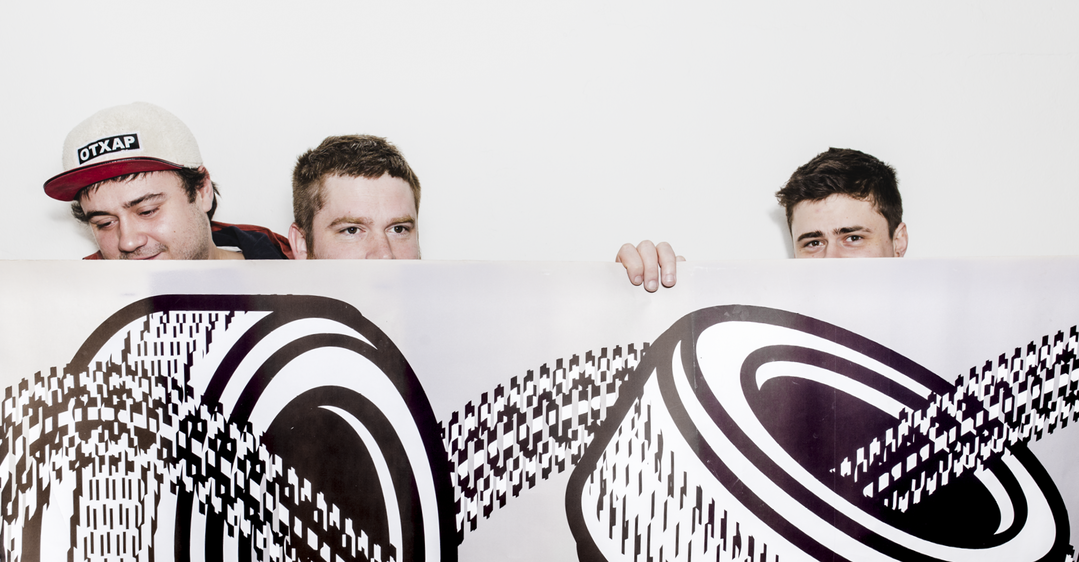
Studio Mütanta’s practice is based on collaboration and it’s not easy to define its work through a specific discipline. “We mostly design open systems,” say the founders, “which are probably very simple but are able to accommodate a wide range of media.” The studio prides itself on drawing influences from a wide range of creative practices, something the founders attribute to their education at AAAD in Prague. “If a project needs the understanding of the different discipline or field, we simply invite someone who understands the challenges better,” they say. “We work with architects, photographs, or writers, illustrators, product designers.”
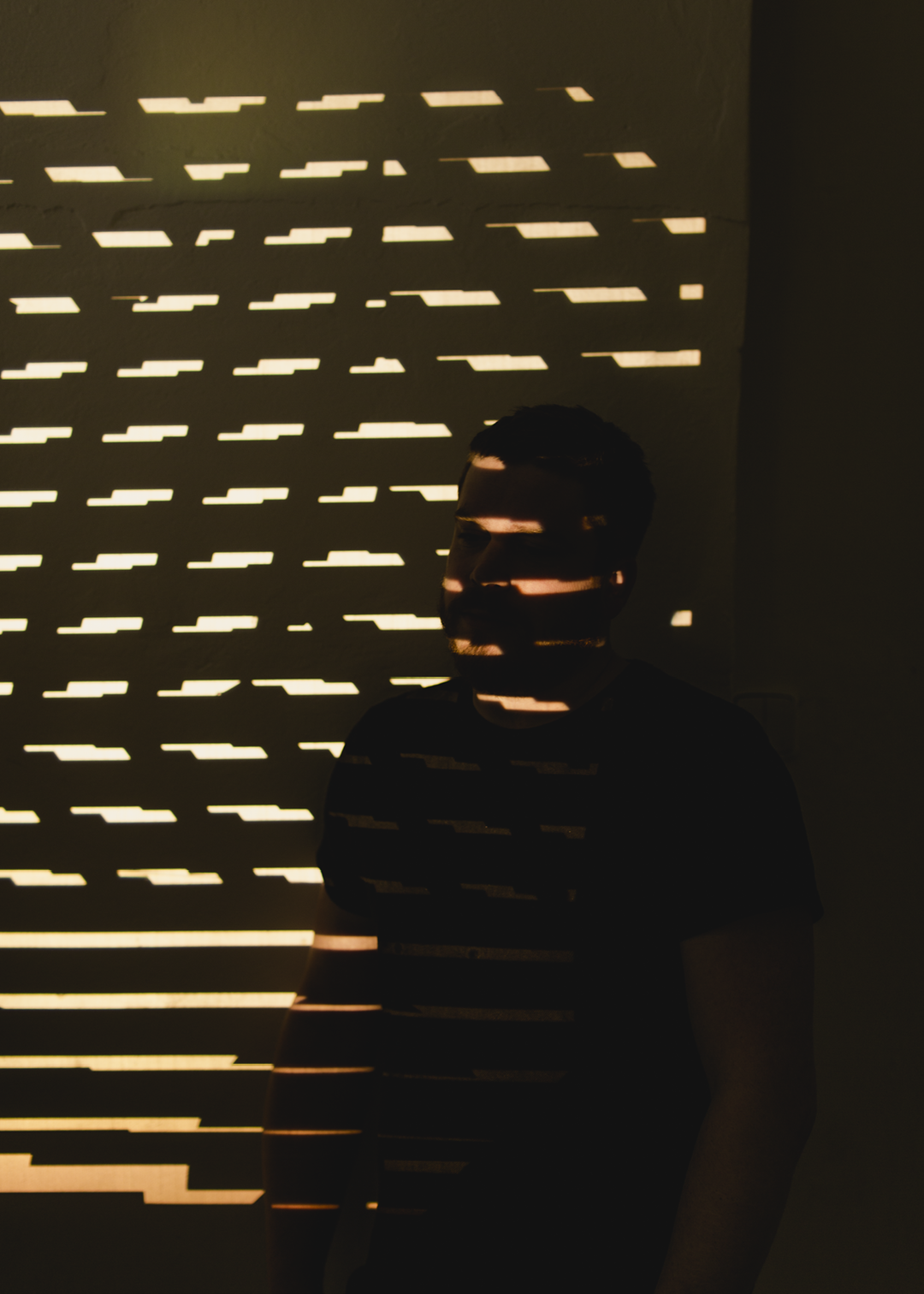
Ramon Haindl: Studio Mütanta
Ramon Haindl: Studio Mütanta
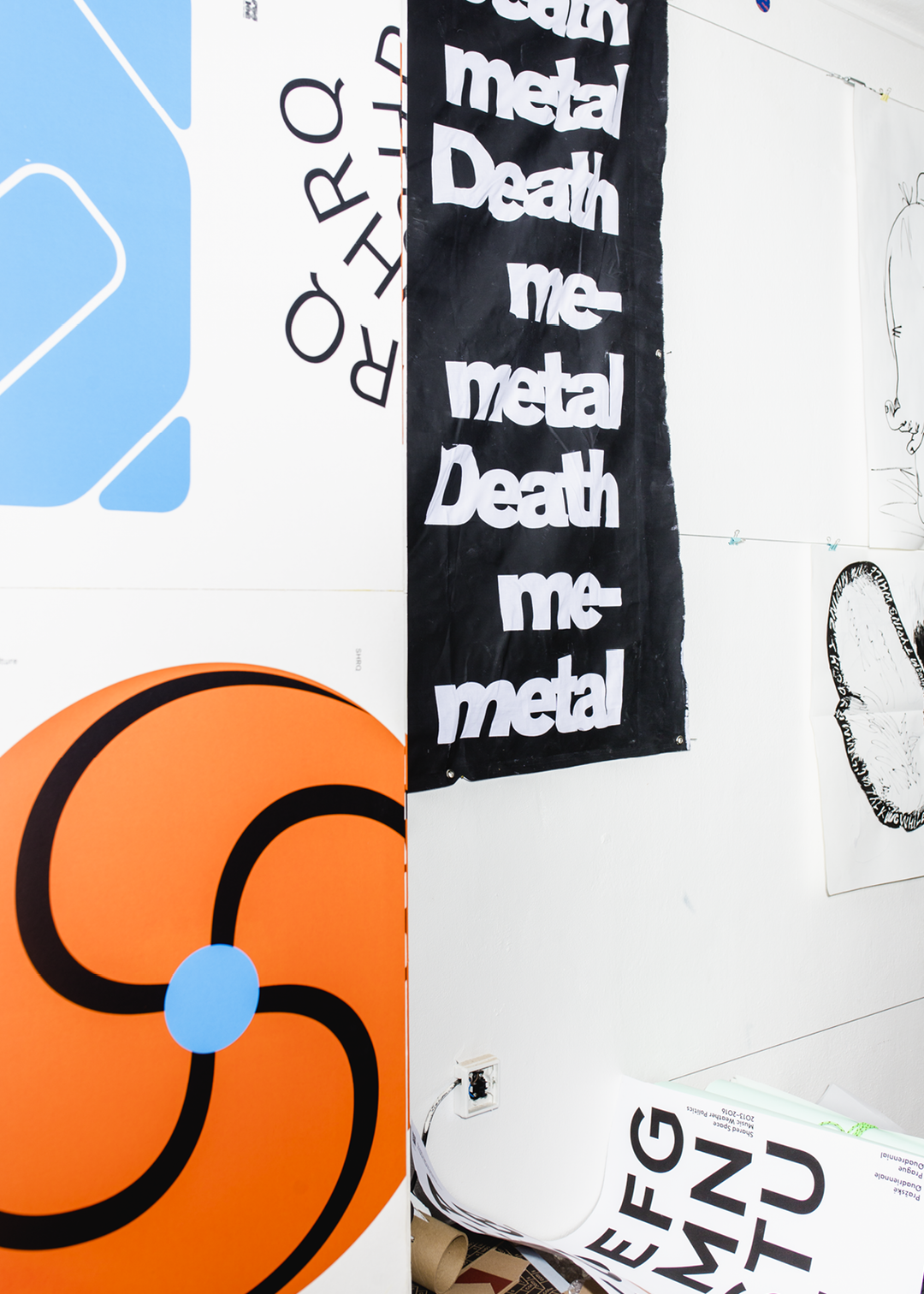
The studio primarily works with digital tools but when it can will experiment with analogue tools. “For example for our Institute of Documentary Film, we didn’t work only with the digital fonts we have designed, but we also created analogue versions of some elements,” they say. “We were able to use them as rubber stamps or stencils to create a unique cover design for each catalogue. There is an added value to analogue characters – the uniqueness of imperfection.”
Studio Mütanta is currently developing new software and disrupting traditional process to test new possibilities and this inquisitive ethos and collaborative spirit is apparent in its portfolio, showcasing commissions ranging from festival identities to website design.
Ramon Haindl: Studio Mütanta
Ramon Haindl: Studio Mütanta
Ramon Haindl: Michal Landa, Parallel Practice
Ramon Haindl: Michal Landa, Parallel Practice
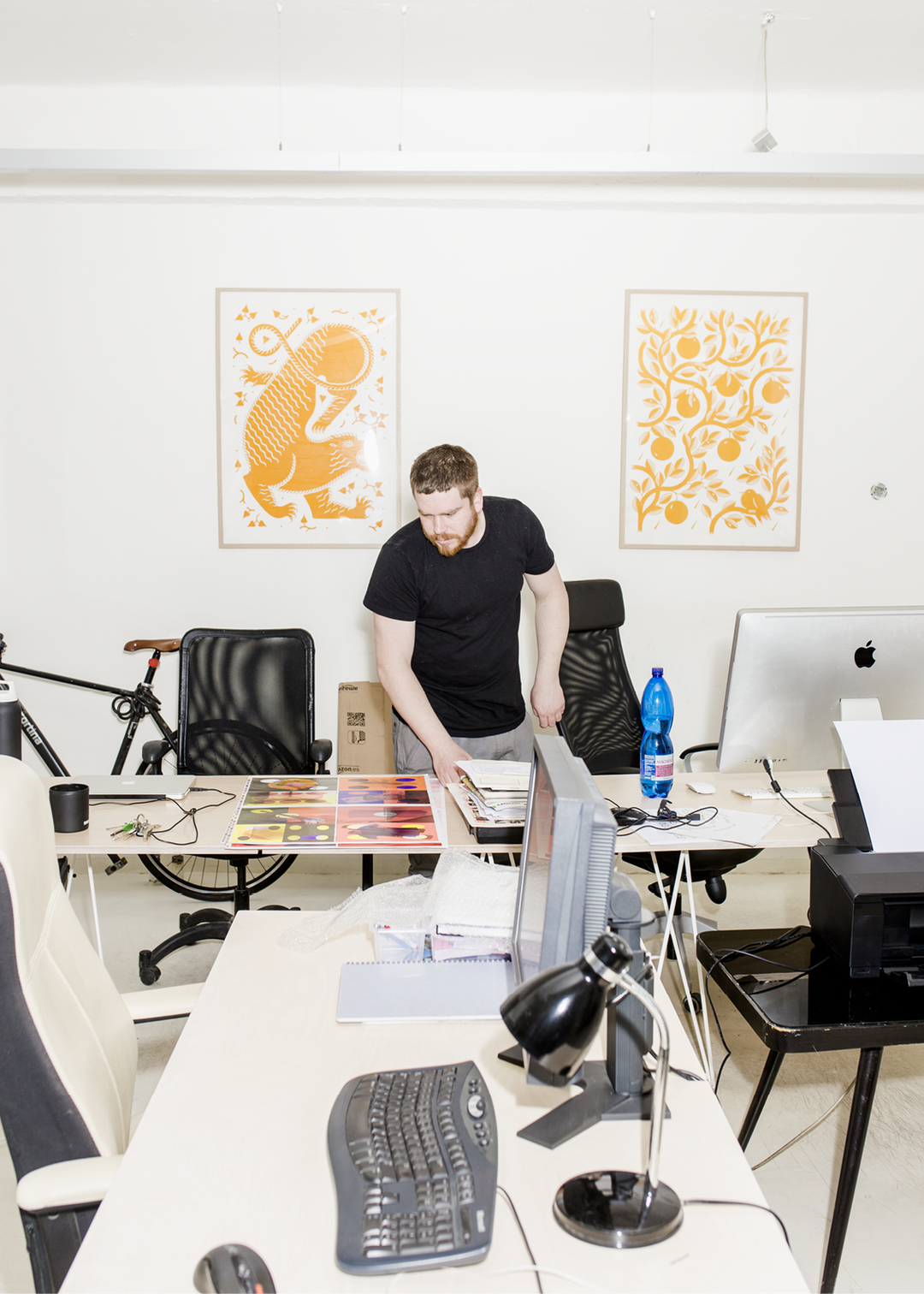
Macbooks and graphic software:
We cannot live without these. They are a necessity – computers, software, plugins, and so on. We haven’t considered creating analogue versions of them yet, in case of some blackout or the apocalypse or whatever. We do use notebooks, but we have only one each, and we use it exclusively for note taking.
Ramon Haindl: Studio Mütanta
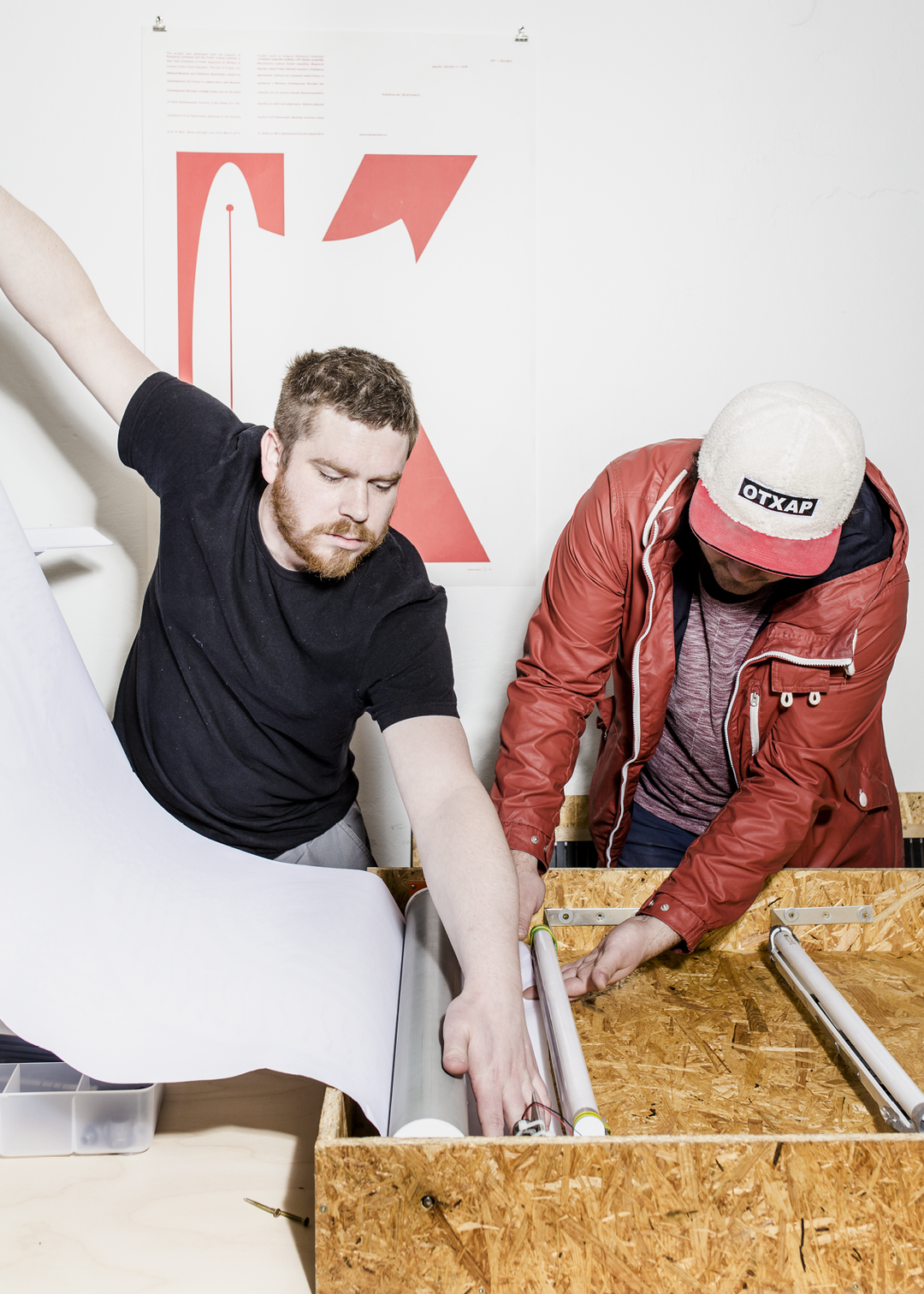
Ramon Haindl: Studio Mütanta
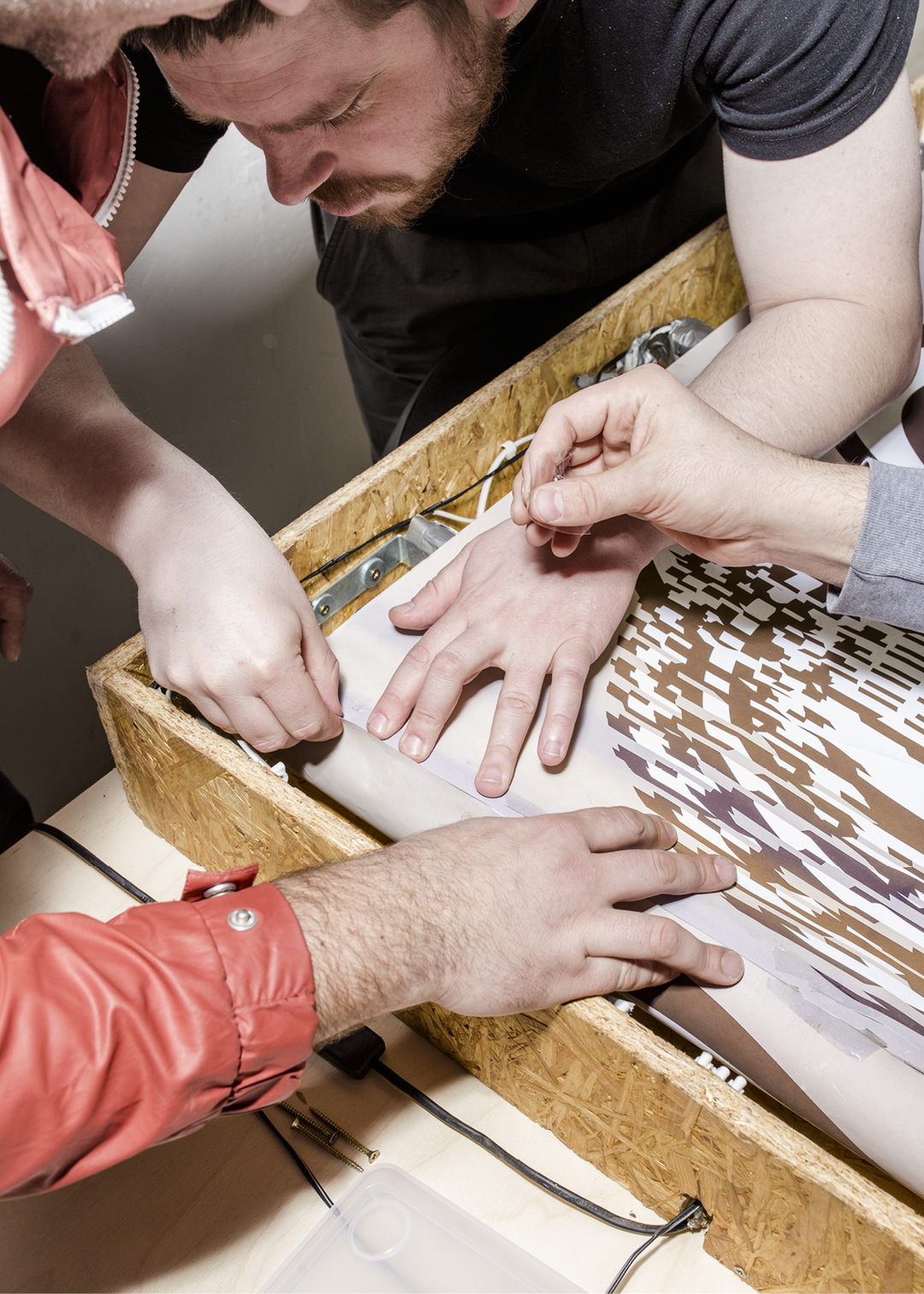
Ramon Haindl: Studio Mütanta
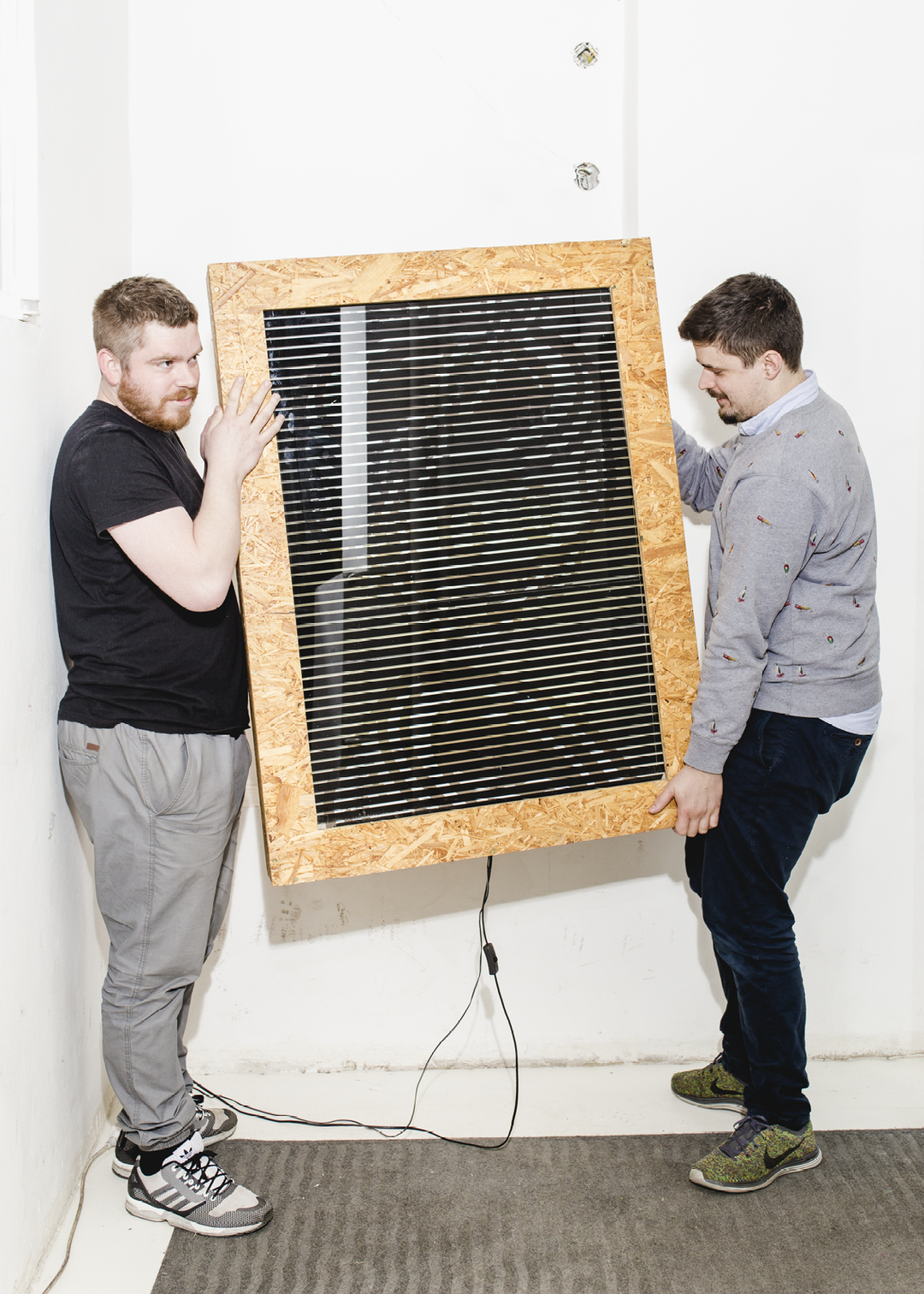
Ramon Haindl: Studio Mütanta
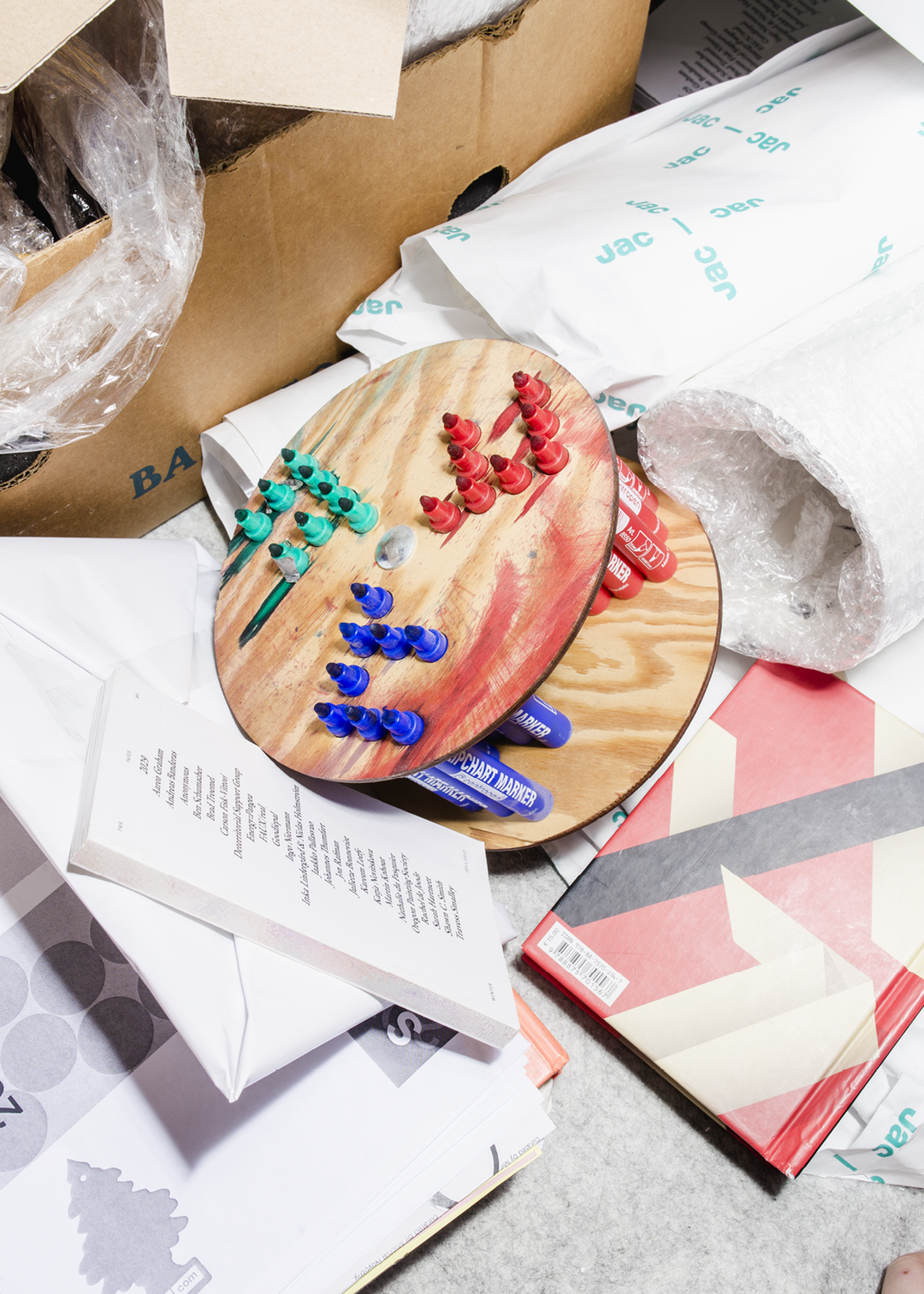
Custom tools or devices:
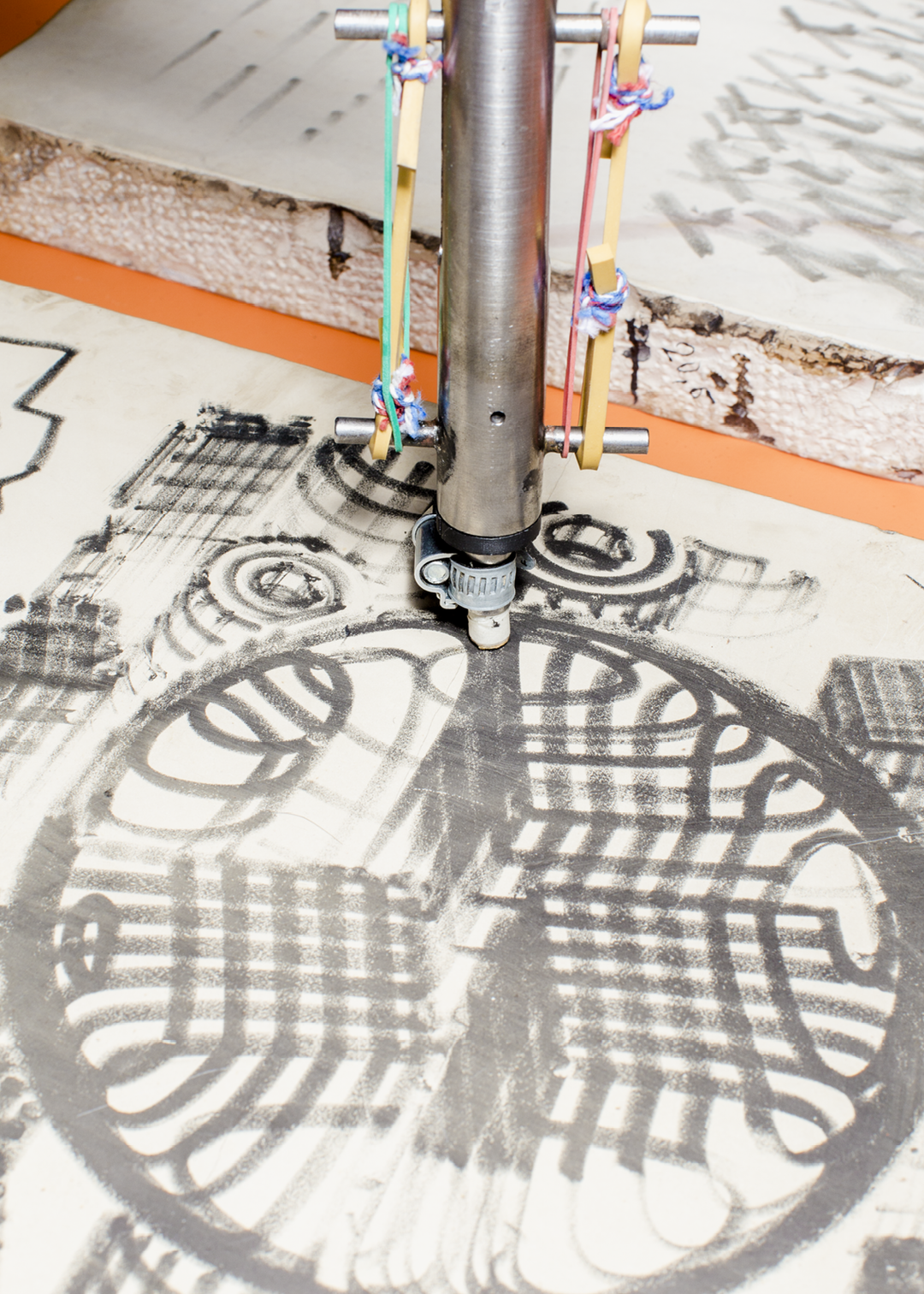
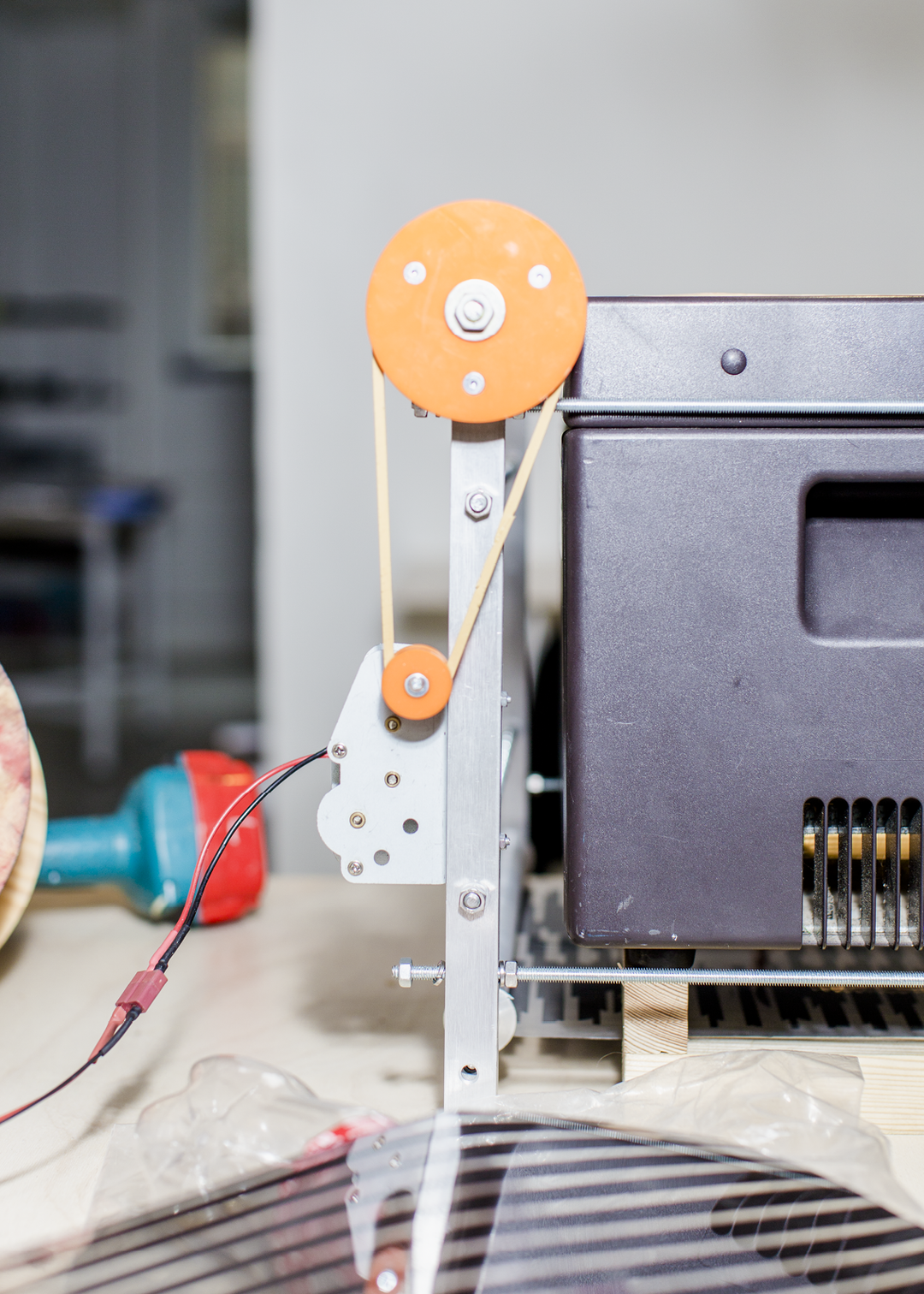
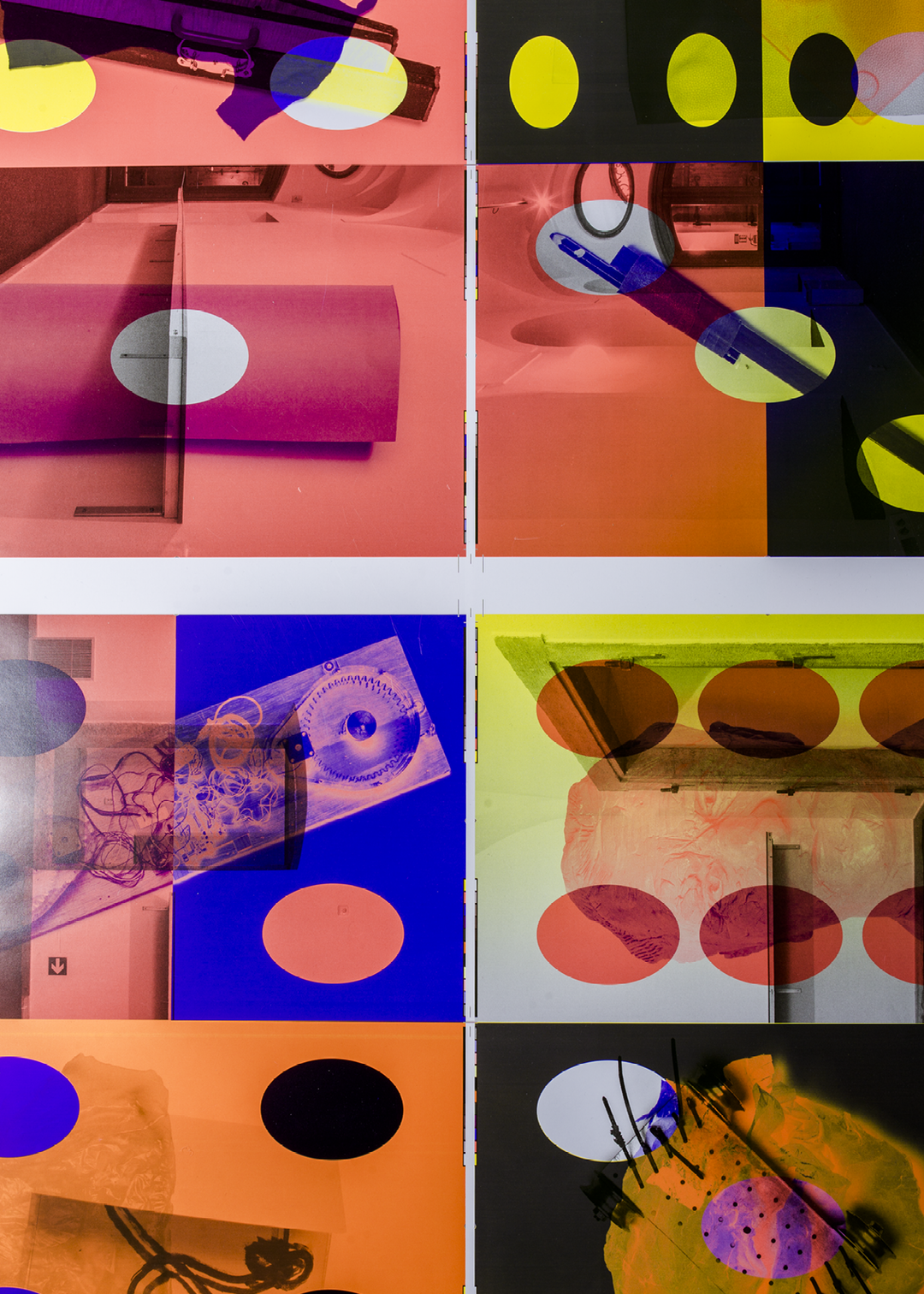
These are mostly created on our own initiative in response to the demands of each project. Our modifications are applied to each different platform for a better or stronger effect. Most of them are created by combining some existing mechanism with another tool.
Ramon Haindl: Studio Mütanta
Ramon Haindl: Studio Mütanta
Light Box:
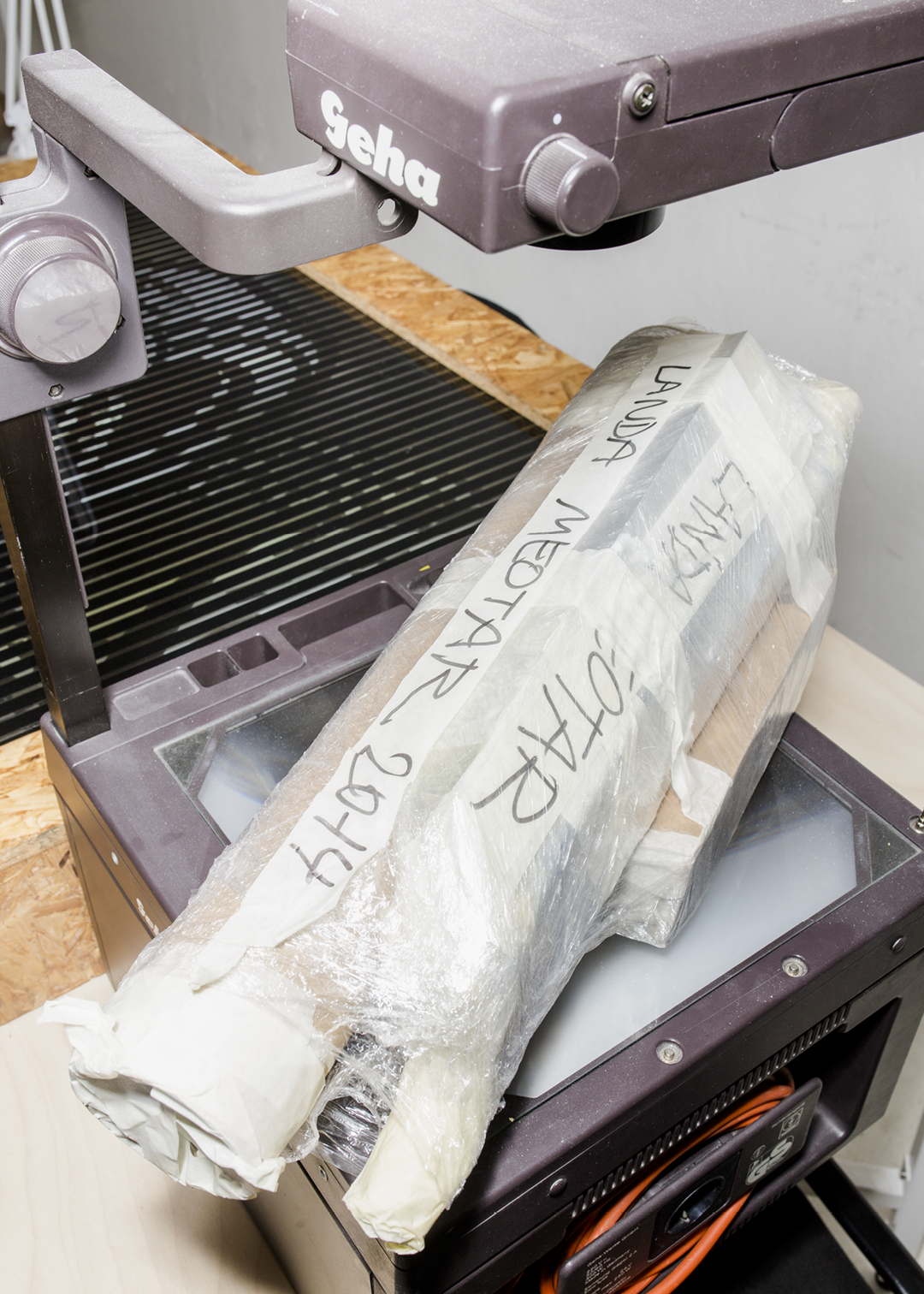
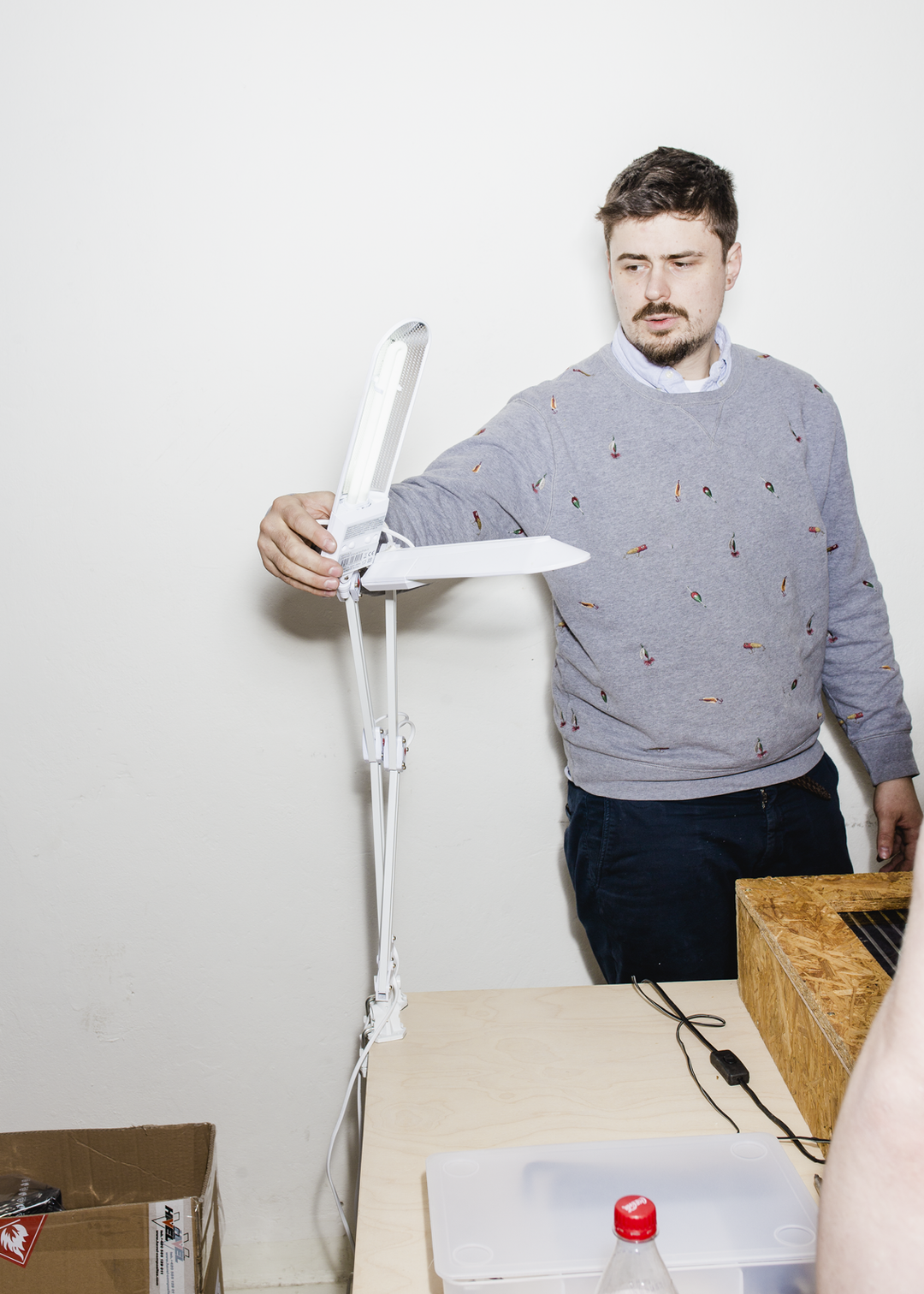
One example of this is our analogue light box. Here is the “scanimation” principle applied to the familiar concept of the street lightbox advertising vitrine – so the content is animated. This was created together with our very talented friend Michal Landa (he creates different machines relatively often) from Parallel Practice
Ramon Haindl: Michal Landa, Parallel Practice
Ramon Haindl: Yield typeface by Nikola Giacintova
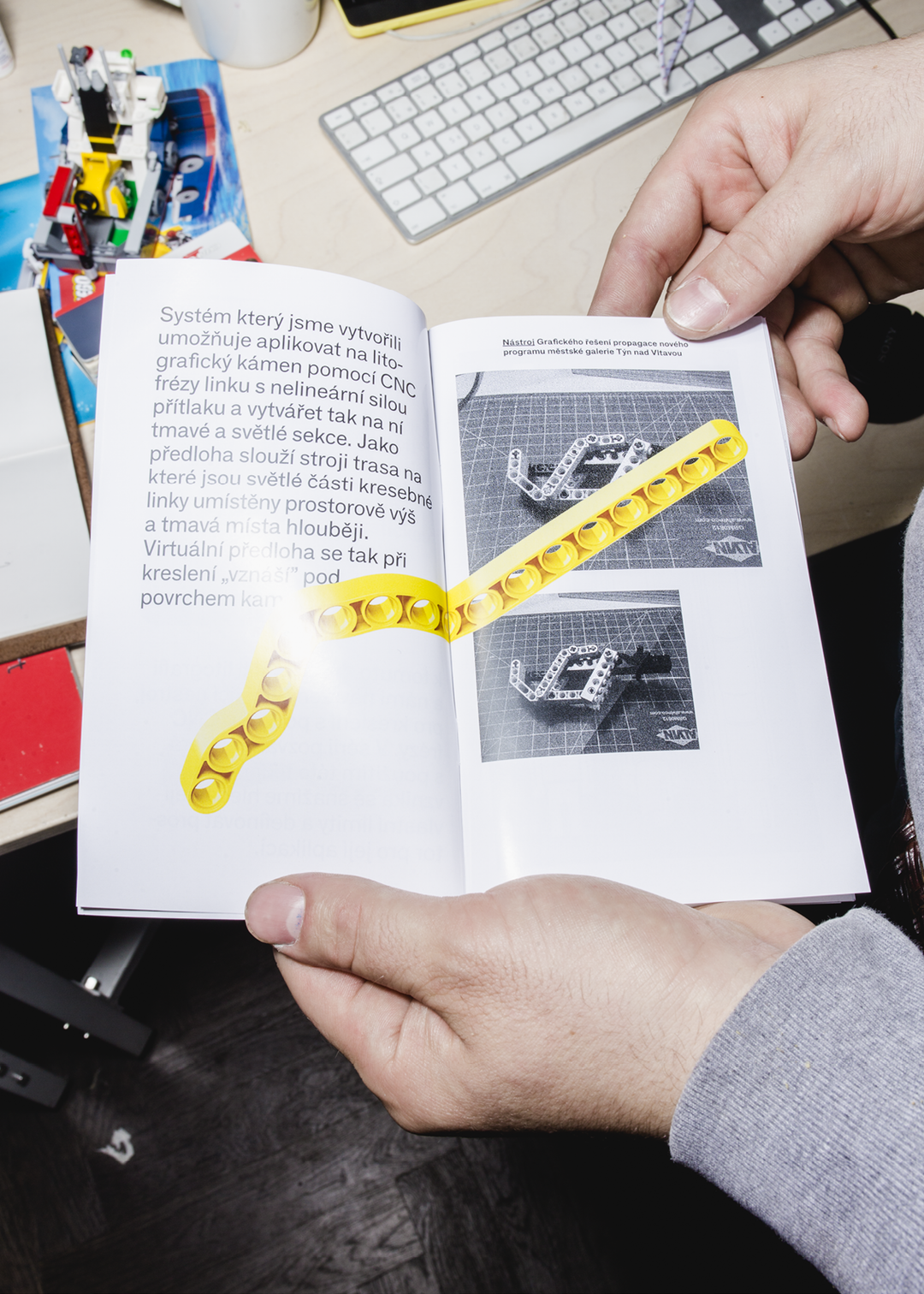
Ramon Haindl: Michal Landa, Parallel Practice
Ramon Haindl: Yield typeface by Nikola Giacintova
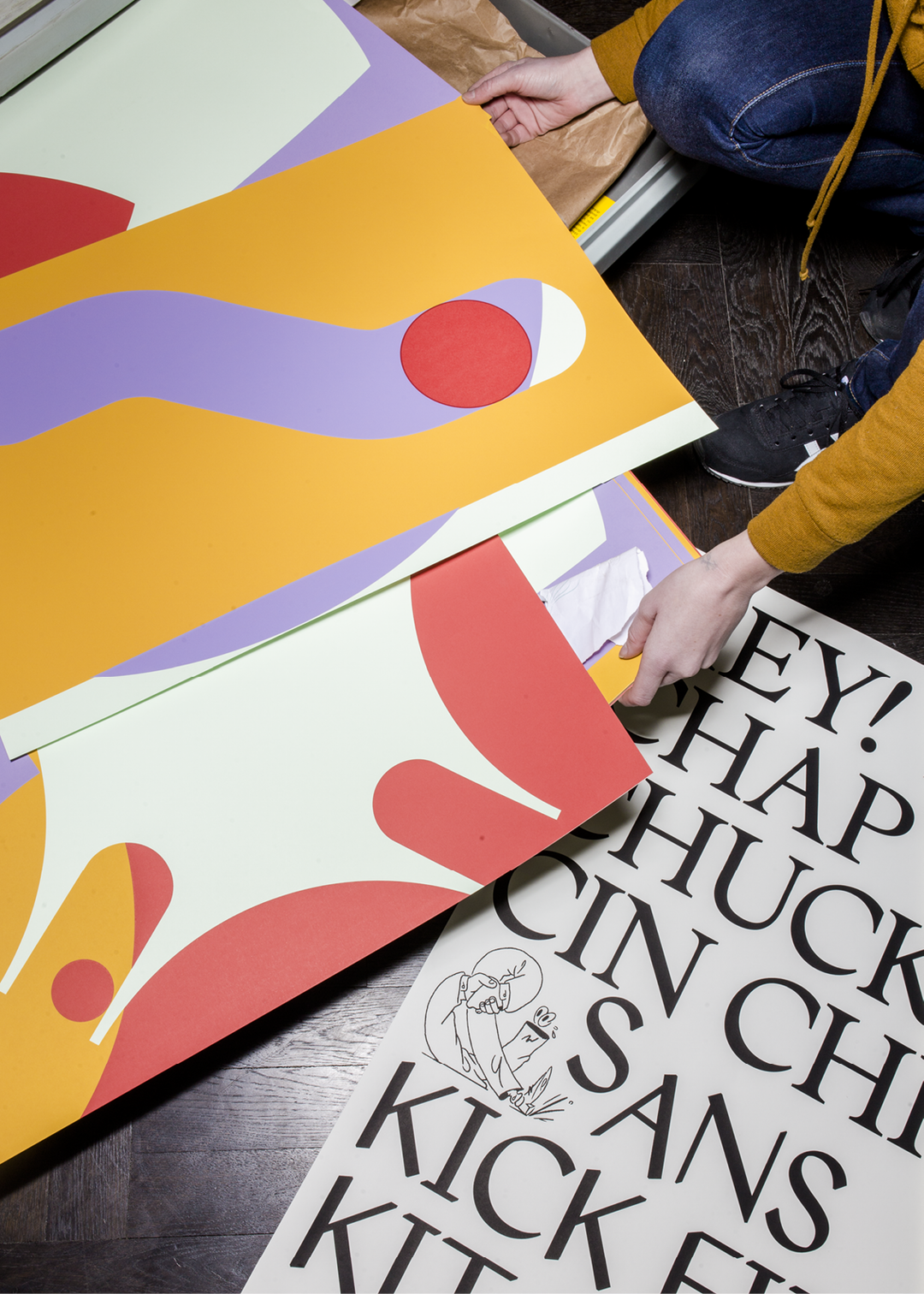
Ramon Haindl: Yield typeface by Nikola Giacintova
Fonts:
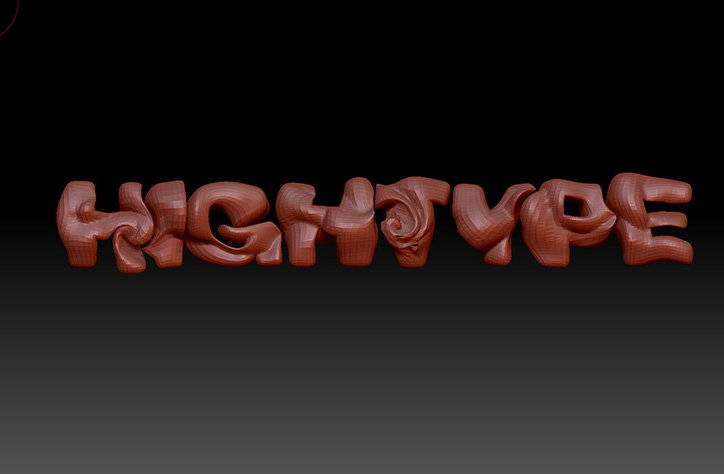
Sometimes we need to design our own specific typeface for particular projects and in these cases, the font is the primary tool. The way it is used creates the primary visual output. As we are not type designers, we collaborate closely with people who have a deeper understanding of typography.
Ramon Haindl: Studio Mütanta
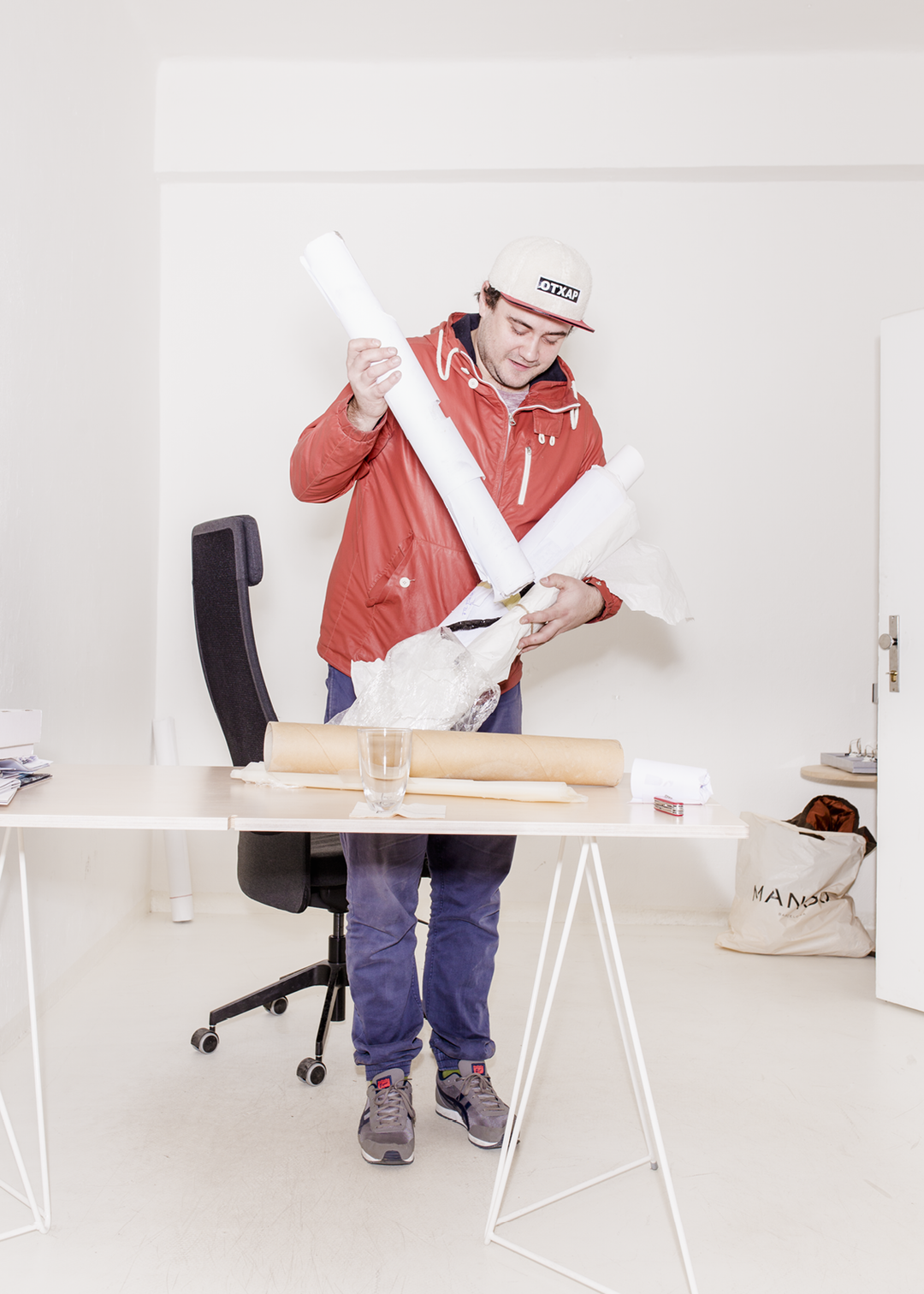
Ramon Haindl: Studio Mütanta
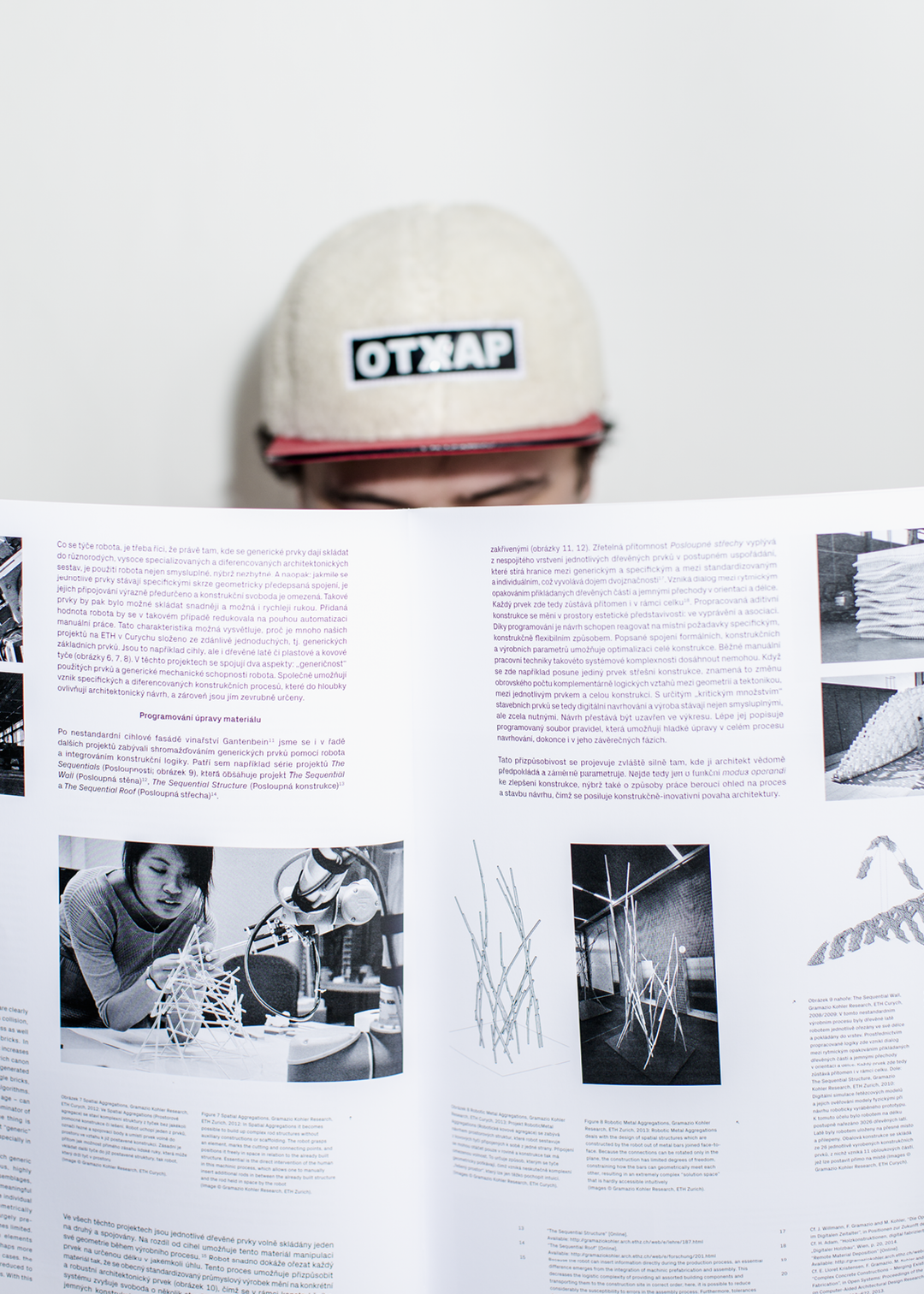
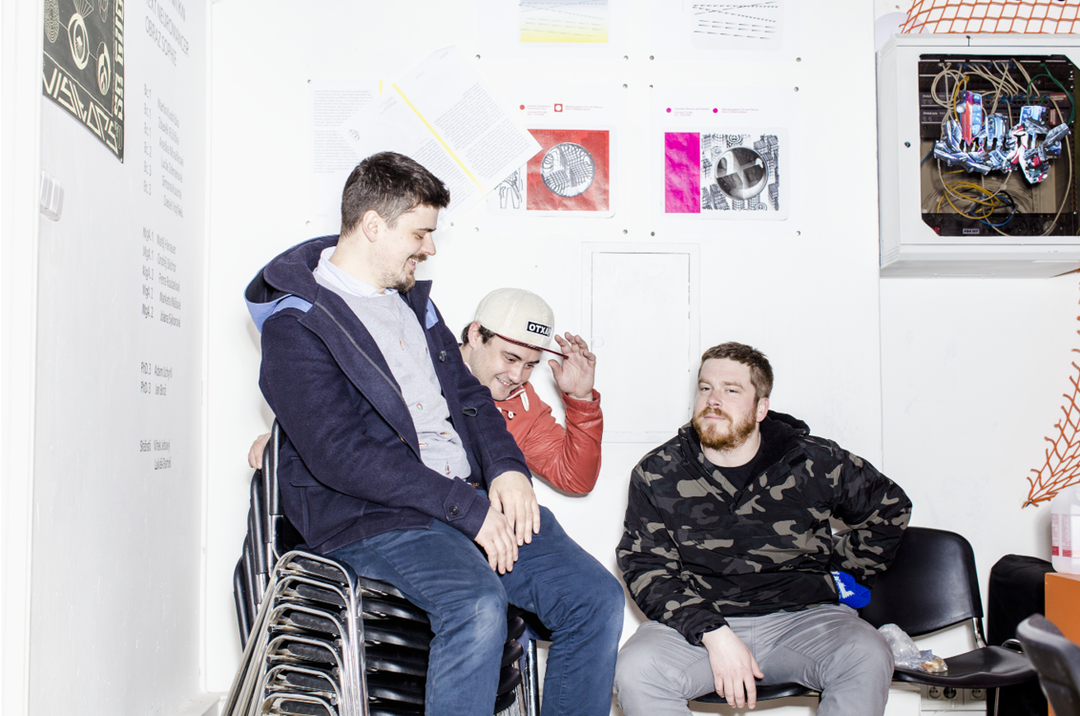
Ramon Haindl: Studio Mütanta
The Paper Book is the complete collection of creative papers, developed and manufactured by Arjowiggins, and distributed by Antalis. A single, comprehensive volume, containing every kind of paper for every communication requirement, it is the ultimate offline tool for creatives and graphic designers alike. Arjowiggins have also developed their website to provide a web-based version of the Paper Book. For more information or to use this online tool for yourselves, click here
Share Article
About the Author
—
Owen joined It’s Nice That as Editor in November of 2015 leading and overseeing all editorial content across online, print and the events programme, before leaving in early 2018.