



- Words
- Ayla Angelos
- —
- Date
- 16 April 2026
- Tags
The algorithm erodes the travel recommendation: what comes after?
On TikTok tourism, the slow striking out of local culture, and what trusted curation looks like now.
Share
Share
This opinion piece was first published in The Tiny Tourist Report from It's Nice That's Insights team. Against a backdrop of overtourism, the report explores how we might downsize our approach to travel and travel marketing in favour of a more miniature approach to storytelling.
In December 2023, Columbia Road in Bethnal Green – a street that has hosted a beloved community carol singalong every year for over a decade, usually drawing a wholesome few hundred people – went viral on TikTok. Over 7,000 people descended on the narrow east London road on a single night. Panic attacks were reported, the police intervened, and St Peter’s Church cancelled the remaining services. The vicar, Rev Heather Atkinson, said the community had become “dangerously overrun” and she was grateful there were no serious injuries. Those planning to visit the following year were advised to go elsewhere.
What happened on Columbia Road wasn’t a unique incident, or even especially surprising, considering other global incidents. In Japan, the citizens of Fujikawaguchiko built a literal wall to block the iconic view of Mount Fuji because tourists were flooding the town for the perfect shot, spending nothing locally and leaving it worse for having been there. In Roccaraso, a small Italian ski town of 1,500 residents, a single viral TikTok sent 10,000 day-trippers – most paying €20 for a package deal – up the mountain in one weekend, clogging roads and leaving the slopes littered and scorched by fires. In Santorini, 11,000 cruise passengers disembarked in a single day in July 2024. The local municipality posted a message asking residents to stay indoors; it was met with fury and later deleted.
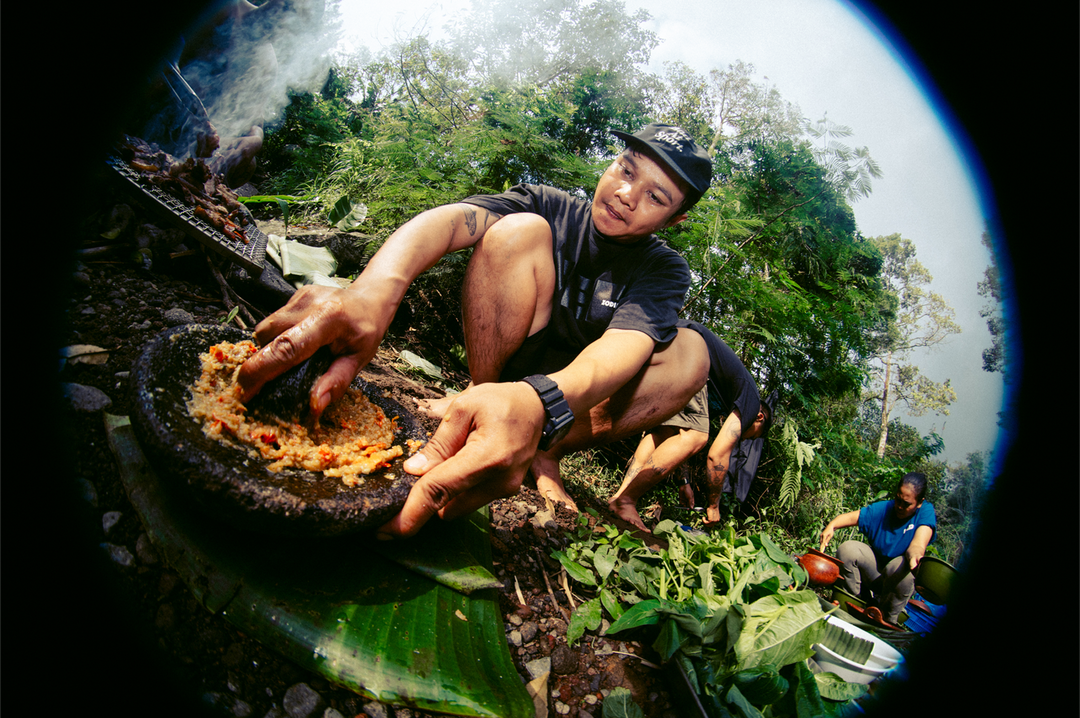
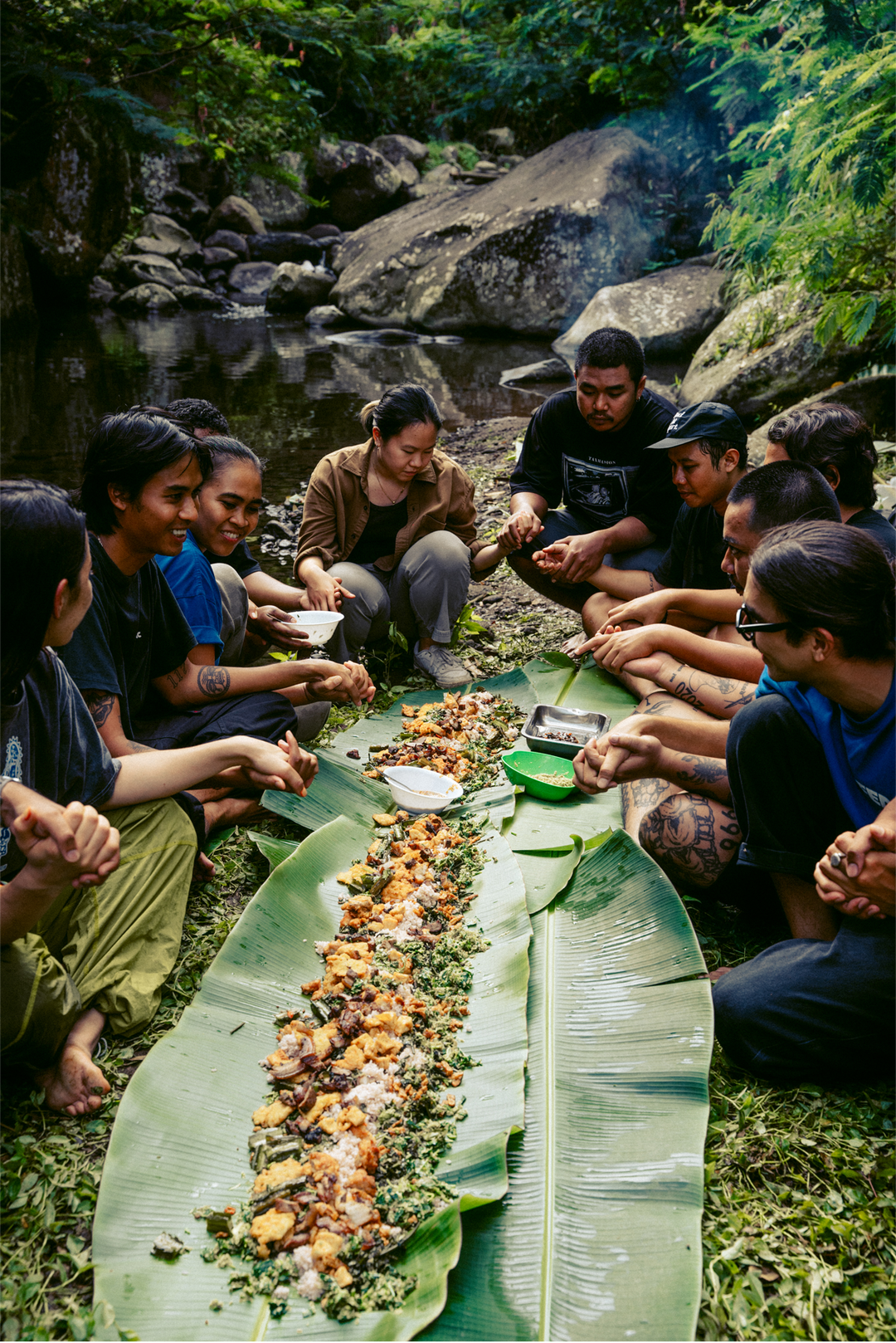
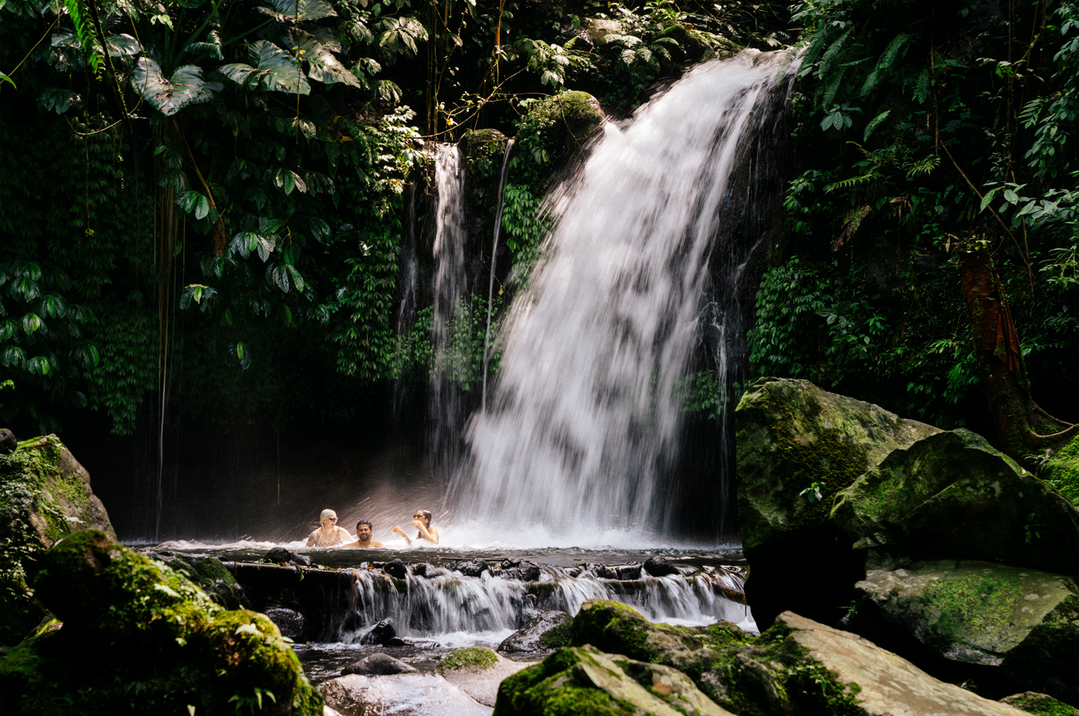
1 of 6
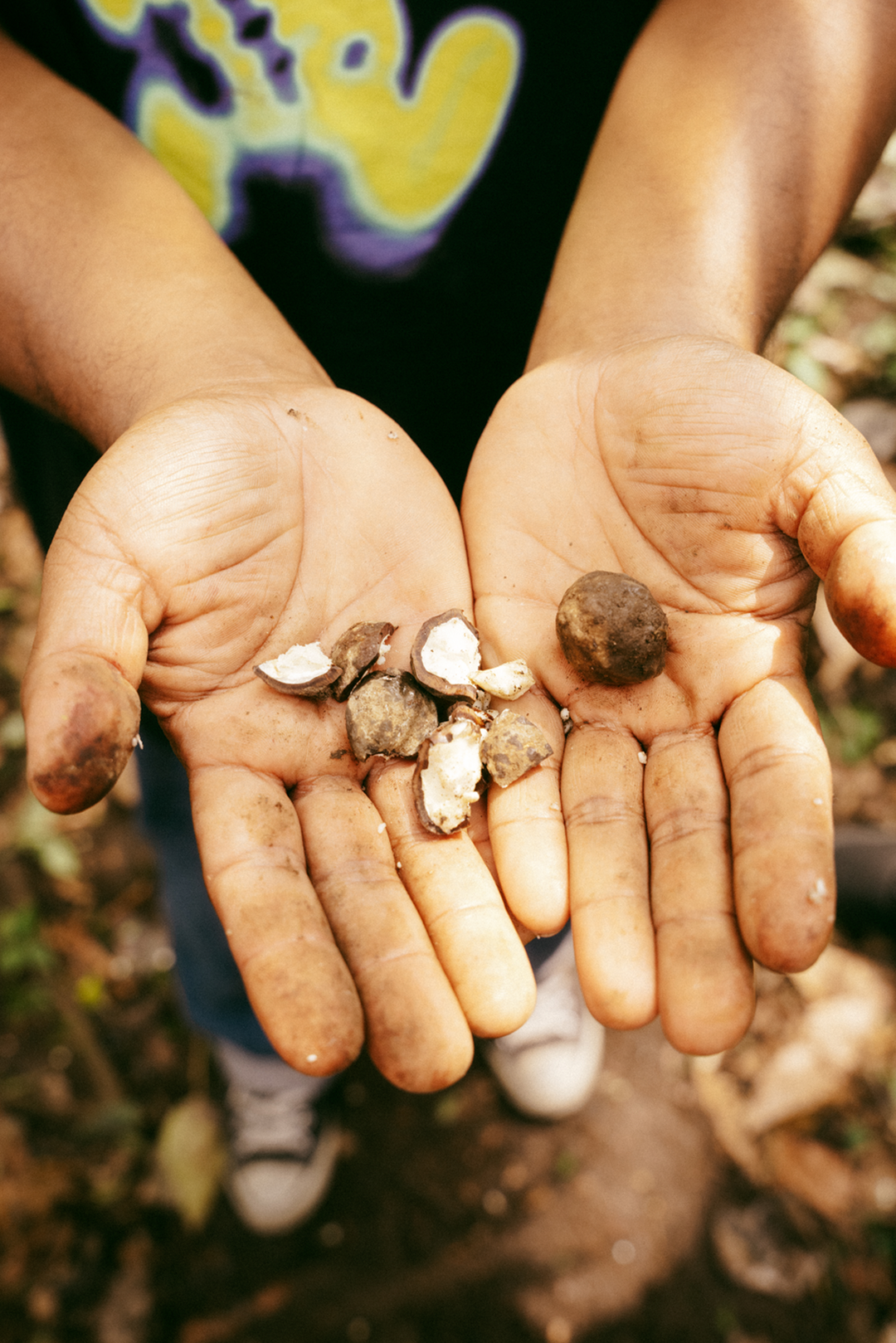
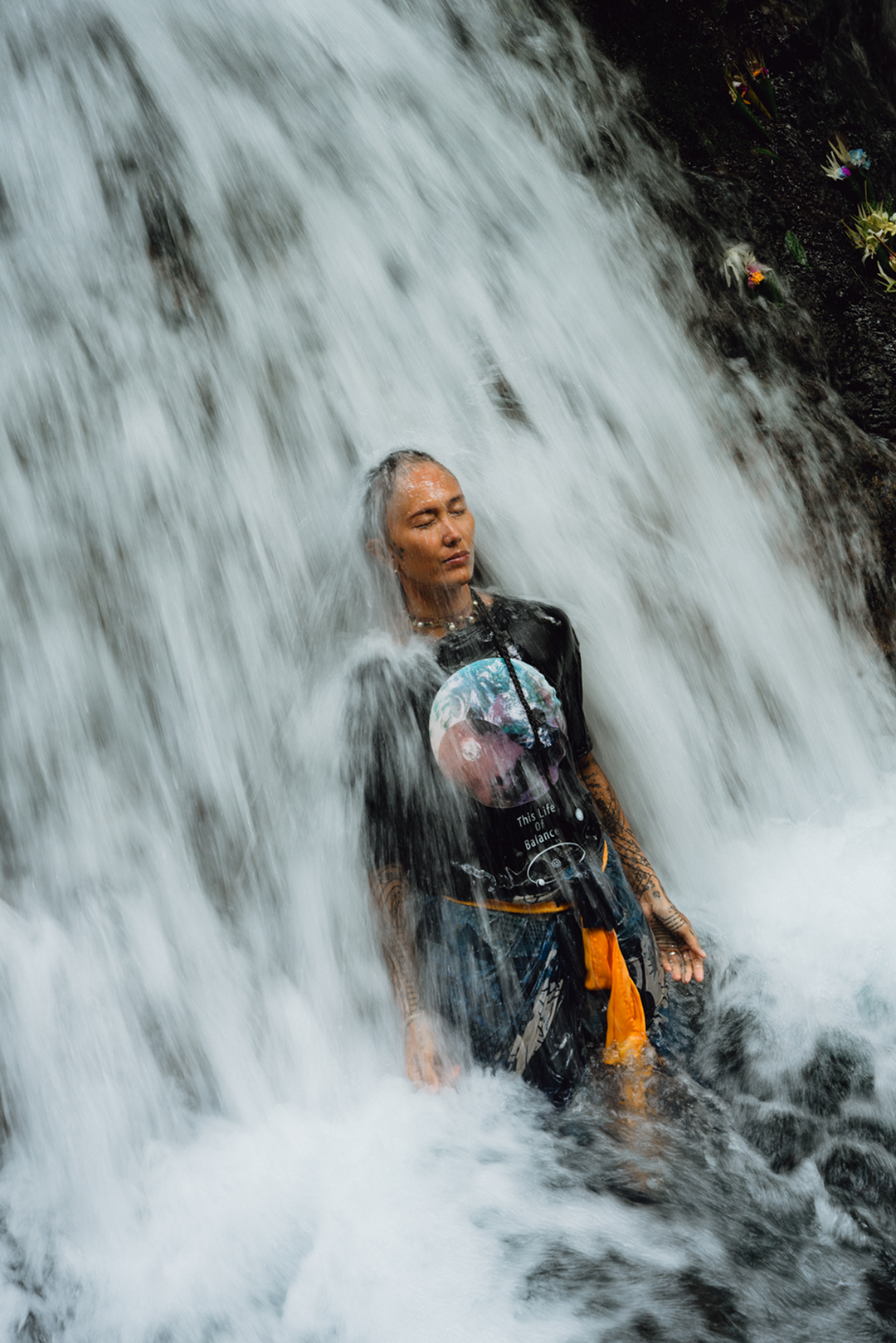
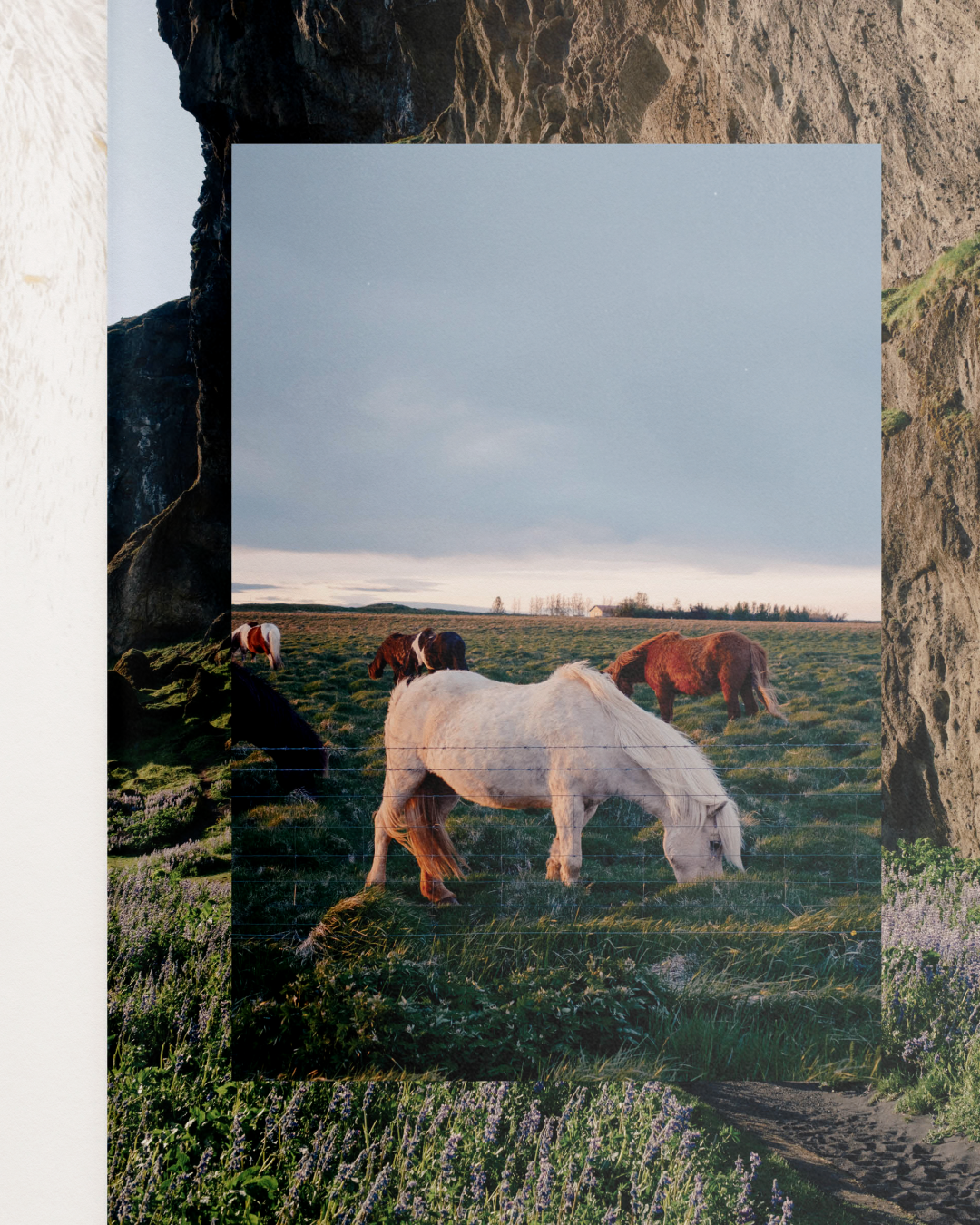
Trippin: Potato Head (Copyright © Trippin)
1 of 6
Trippin: Potato Head (Copyright © Trippin)
The shape of the problem is not that people are discovering new places – that’s wonderful, truly – it’s that the recommendation engine has become a blunt instrument being wielded on very delicate things around the world.
The algorithm doesn’t care about any of this since it’s optimised for engagement rather than for experience. It is a machine that has never felt the specific pleasure of a hidden courtyard, or the peculiar joy of a local market stall, or the complete disaster of turning up somewhere that 40,000 people also “discovered” that week. The potential of social media, as an organic force for real-world discovery, has turned sour. Or, as Sam Blenkinsopp, co-founder of Trippin, puts it, “the promise of authenticity” born from creator-led recommendations has collapsed “into an oversaturated sea of midness that has flattened taste globally”.
So if TikTok has failed to get us closer to more human travel recommendations, where should we turn? What does the alternative actually look like – and who still deserves our trust? The rest of this piece tries to answer those questions, drawing on people who have been thinking carefully about what makes a recommendation worth following, and what travel could look like if the industry got this right.

Trippin x Hinge: Assemble (Copyright © Trippin)
“People want to know about the political reality of a place. Whether they can be openly gay. Whether it’s safe for people of colour.”
Sam Blenkinsopp, Trippin

Trippin x Hinge: Assemble (Copyright © Trippin)
Sam Blenkinsopp built Trippin a decade ago on exactly the premise that the best recommendations come from real people – “People actually creating culture on the ground like DJs, chefs, designers, artists.” The result of ignoring that, he says, is what urban theorists call AirSpace: a global monoculture of exposed brick and Edison bulbs, where you can traverse half the planet and have the same experience you’d have at home.
“What people want,” says Sam, “is to understand the rhythm of a place. How it feels to spend time there. Whether they can fit into it, even just for a few days. That’s a very different brief to a drone shot of a perfect family on a sunbed in Trinidad. The real Trinidad is the lady who’s been making doubles for her community for years, with a hot sauce you won’t find anywhere else.”
Meanwhile, the truly useful recommendation, Sam argues, requires specificity most travel brands “won’t touch”. “People want to know about the political reality of a place. Whether they can be openly gay. Whether it’s safe for people of colour.” Not to mention how to support local businesses, choose sustainable accommodation and actively benefit the place they’re visiting. These aren’t just niche concerns, he says – “They’re central to how a younger generation makes travel decisions.”
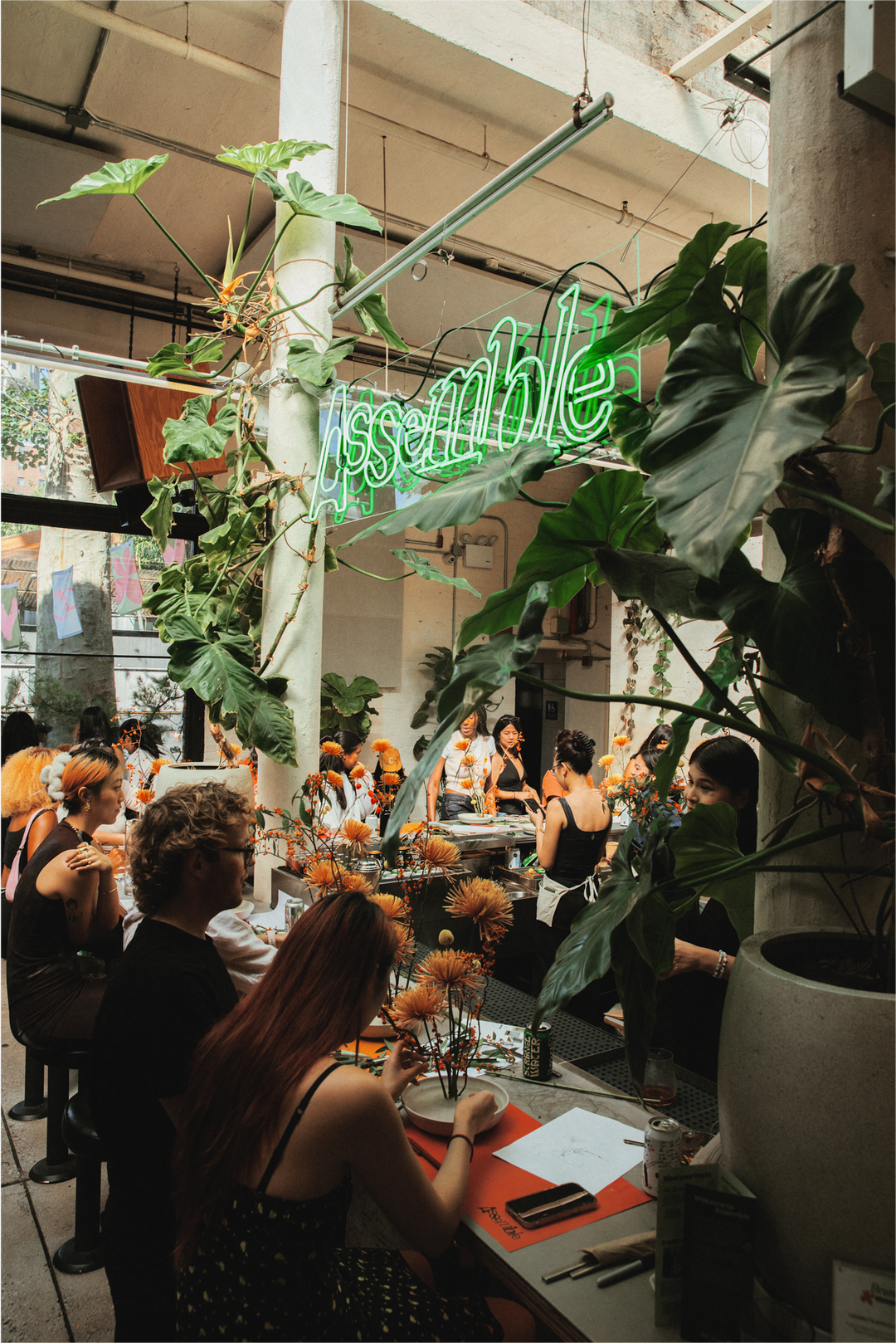
Trippin x Hinge: Assemble (Copyright © Trippin)


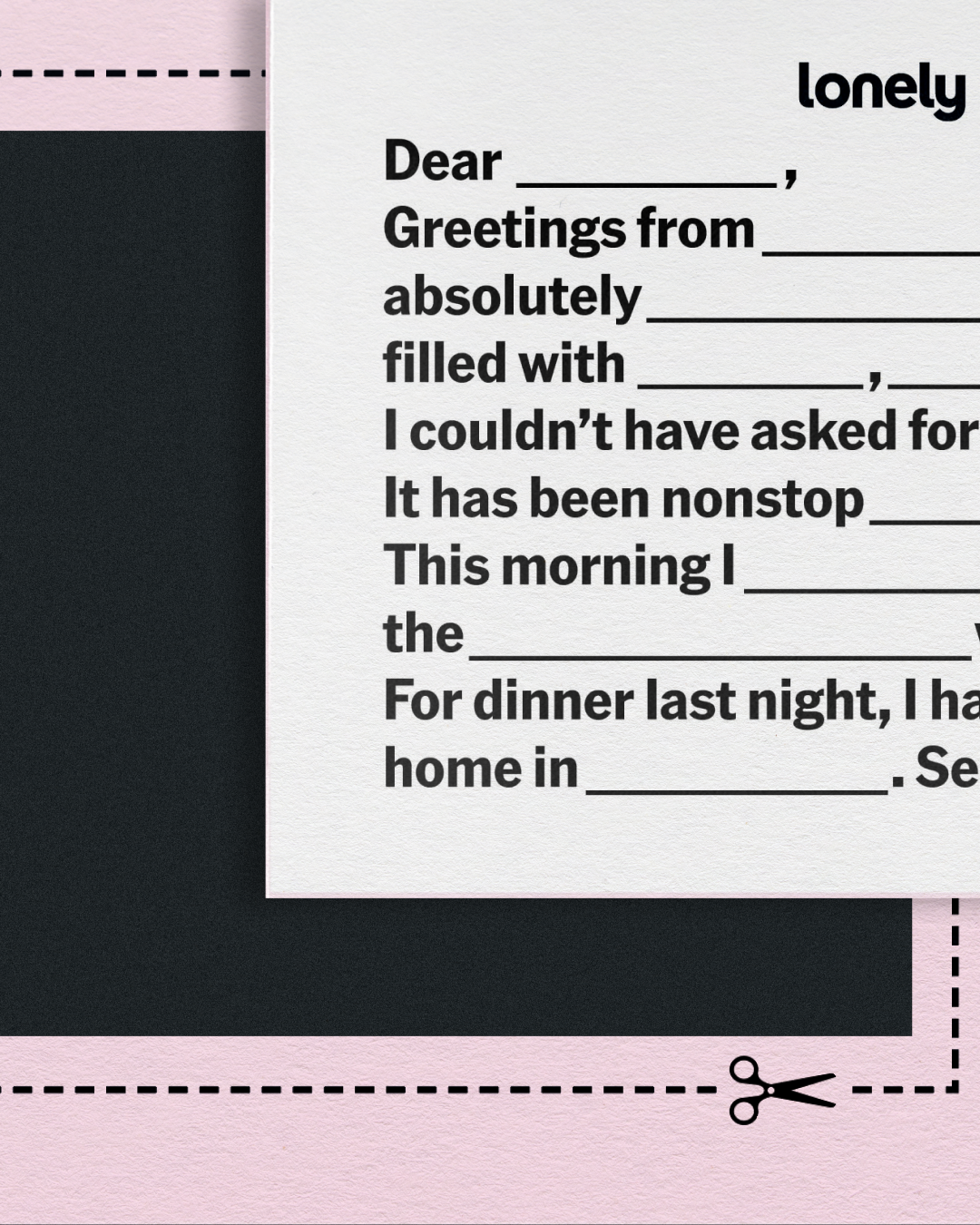
1 of 8
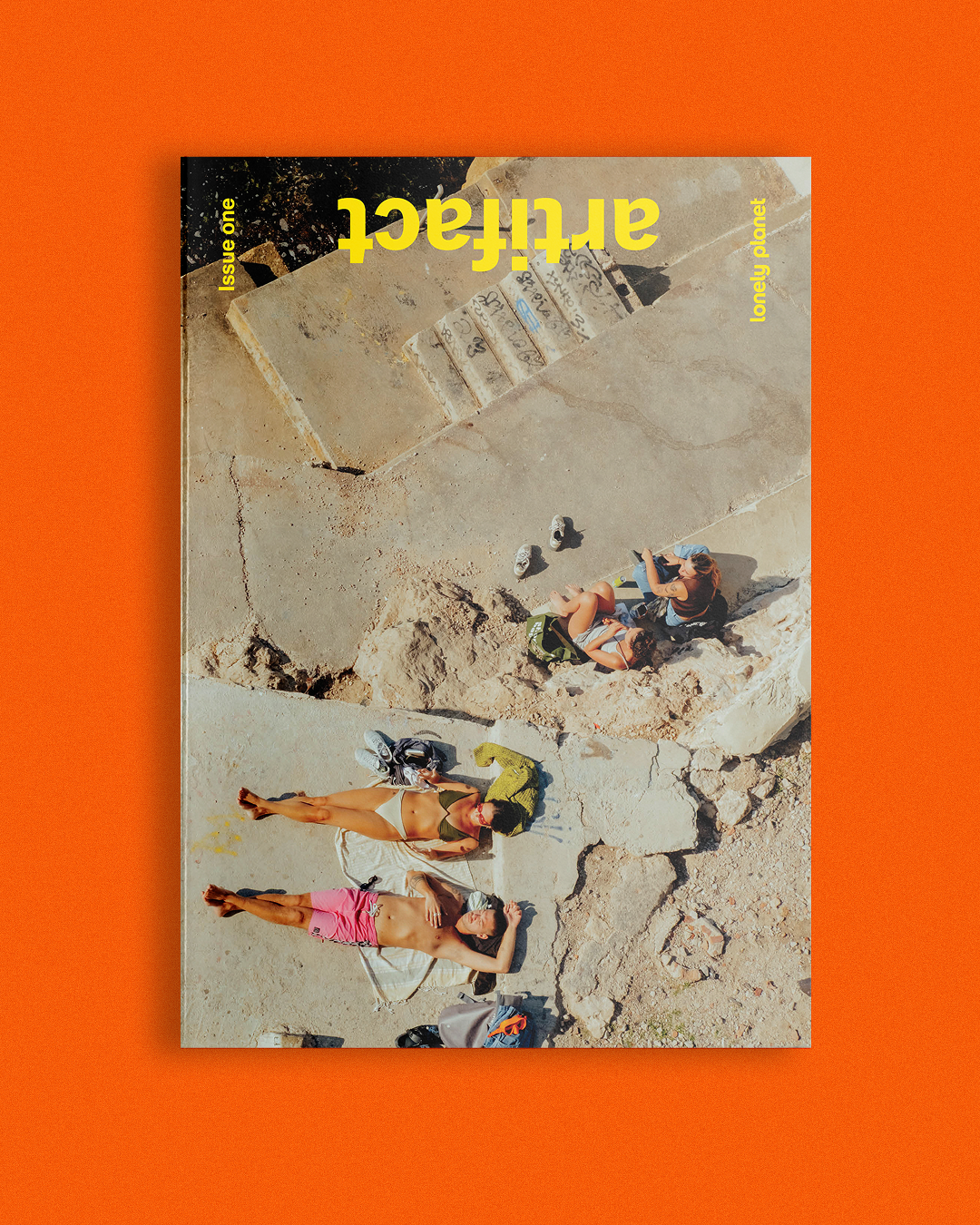
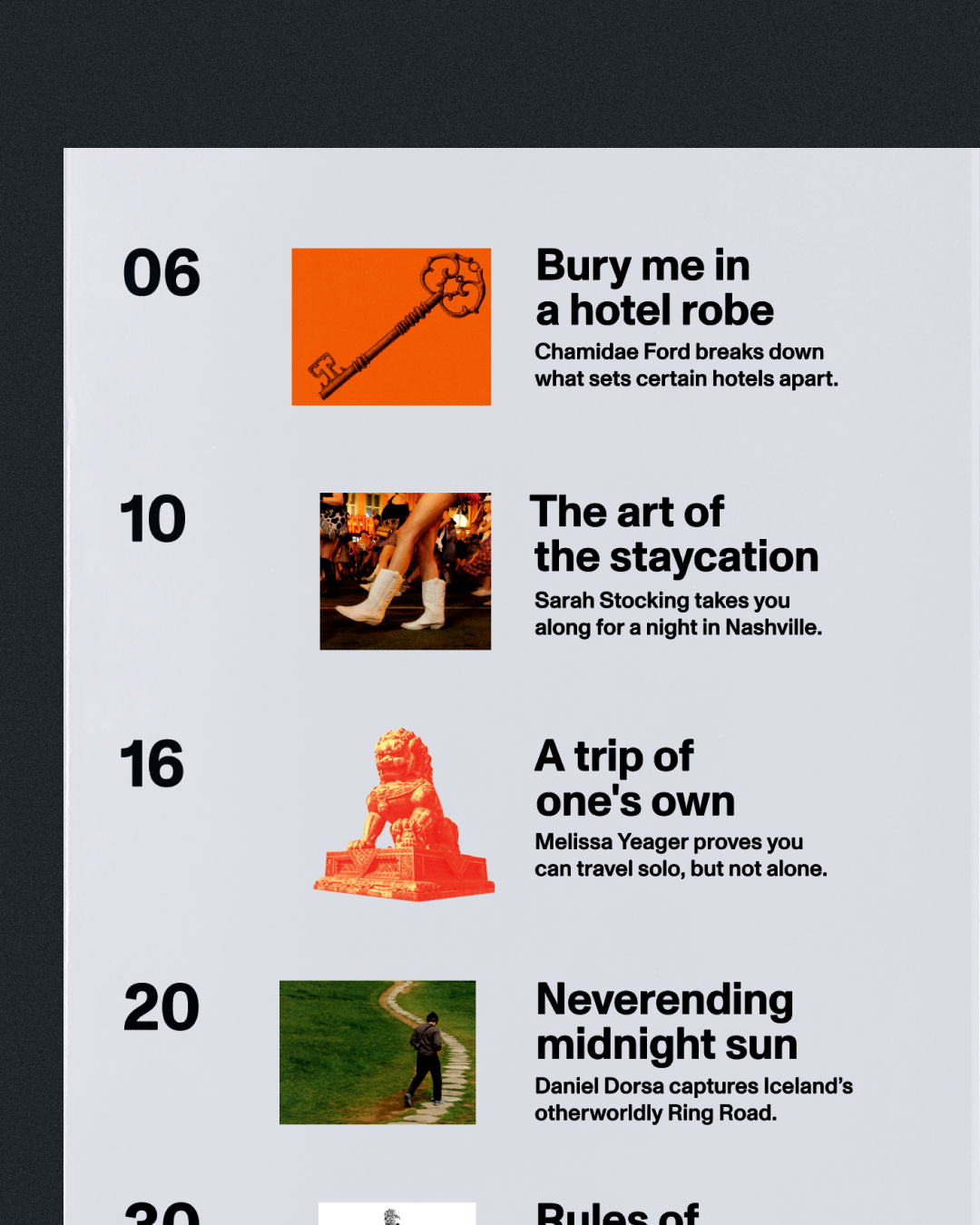
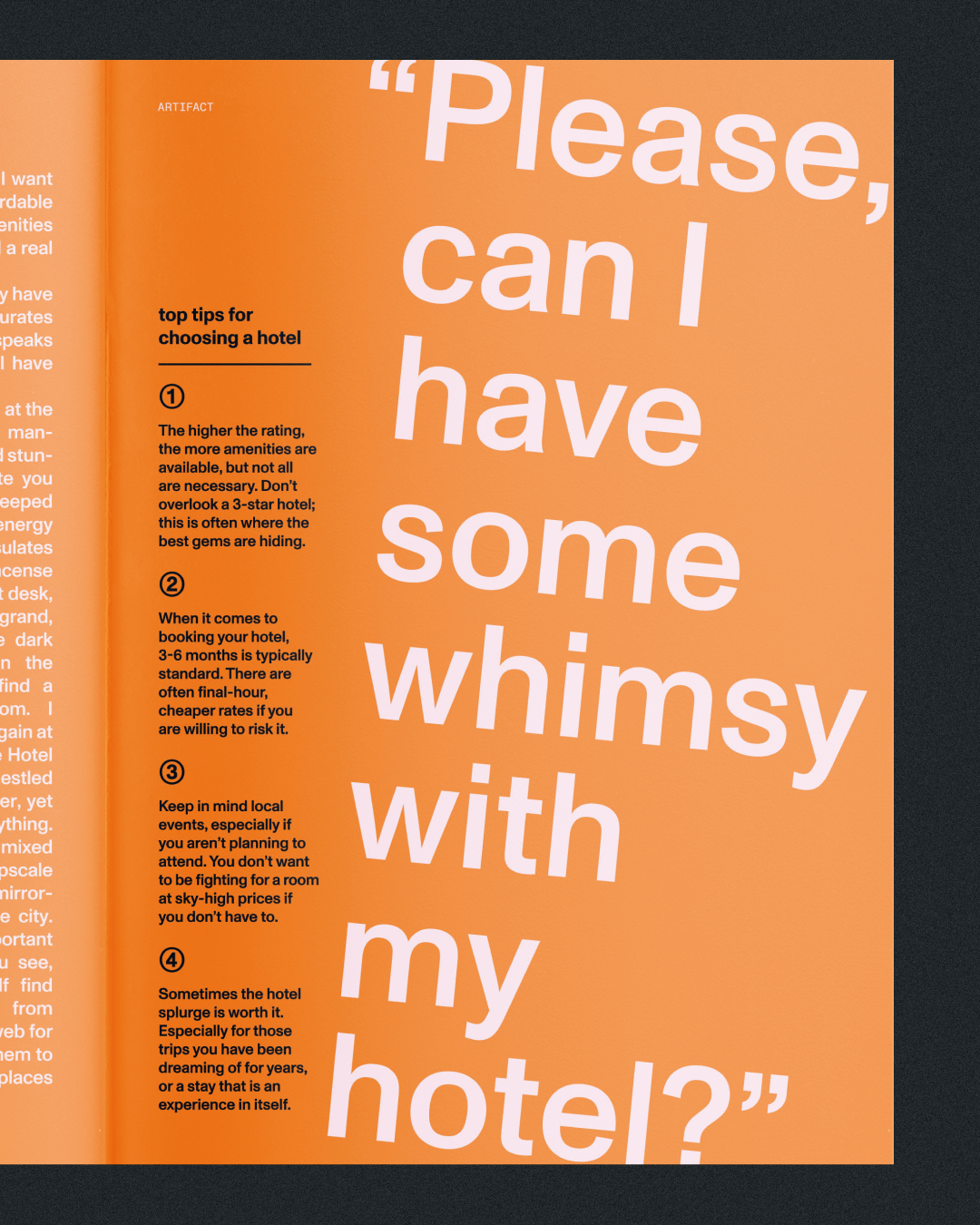
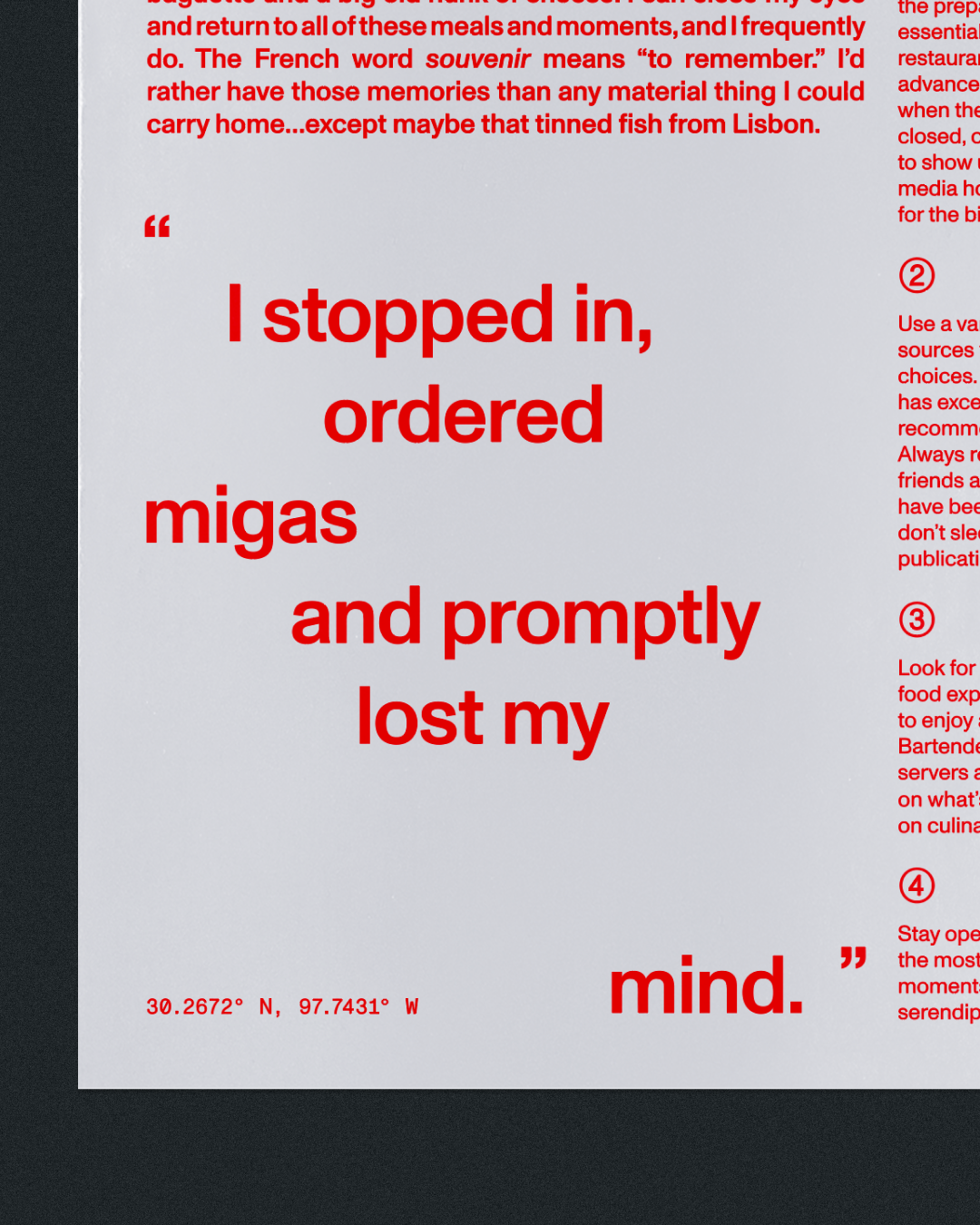
Lonely Planet: Artifact (Copyright © Lonely Planet)
1 of 8
Lonely Planet: Artifact (Copyright © Lonely Planet)
Matthew Johnston is the principal visual designer at Lonely Planet – a platform that boasts 53 years of experience creating travel guides. He says that credibility in this space is “no longer a given – it has to be demonstrated”. Knowing things isn’t enough, instead you have to prove you know why they matter. It’s a distinction that’s shaped Lonely Planet’s recent thinking too, particularly with Artifact, a new zine that deliberately “doesn’t exist to tell you where to go” – “it’s more about reminding you why you travel in the first place”. Drawing on the earliest, stripped-back editions of the Lonely Planet guides, Artifact is a deliberately unhurried physical object meant to sit on a shelf, not be scrolled past in seconds.
“Credibility is no longer a given – it has to be demonstrated, and every brand in the travel space is feeling the shift.”
Matthew Johnston, Lonely Planet
Both voices touch on the distinct elements required of a good recommendation. For one, format matters: “We’re seeing a convergence of inspiration and utility,” says Matthew. “Content needs to offer both a compelling narrative and be genuinely useful. For us, that might mean integrating itineraries, maps or practical detail into more editorial storytelling.” For another, quality derives from purpose. “Travel isn’t perfect,” Sam says. “But it can be less extractive. And when it’s done right – when people are thinking about how they move through spaces, how they respect local customs, where their money goes [...] tourism [can be] a genuine force for good. That’s what a great recommendation should be working towards.”
What connects these approaches is a shared thesis that the antidote to algorithmic spectacle isn’t better spectacle. In fact, it’s smallness. The beach with no Google Maps Pin or the unreplicable hot sauce. These aren’t consolation prizes for people who missed the thing everyone came for, they are literally the whole point. The recommendation that earns trust is the one that understands that.
After all, the travel recommendation crisis isn’t really about social media; it’s about who we listen to – and whether they’ve done anything to deserve it. A viral video with half a million views is not a recommendation, it’s actually crowd instruction. And if we keep following the crowd, we’ll keep arriving to find the carols cancelled and the local gem replaced by another version of somewhere we’ve already been.
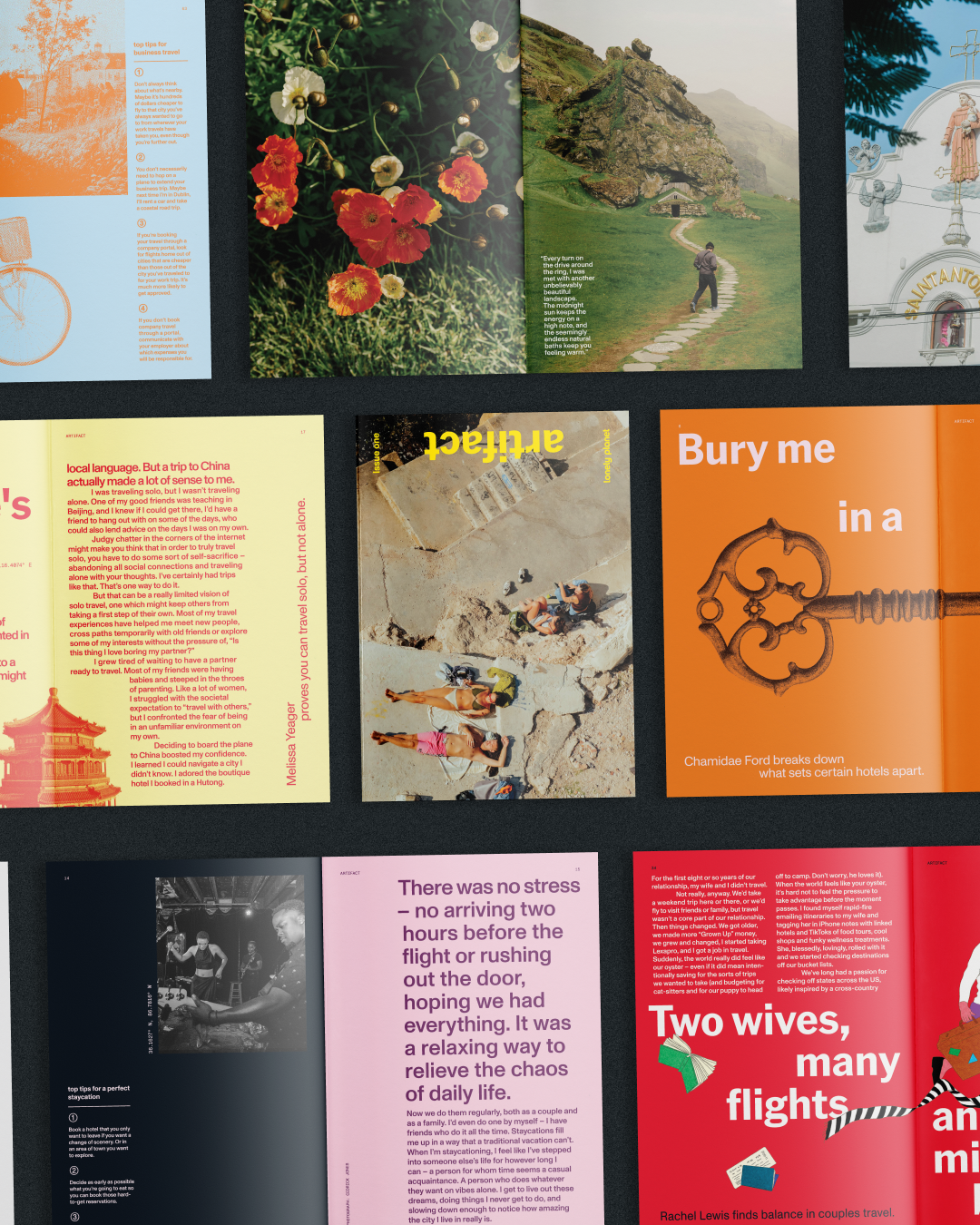
Lonely Planet: Artifact (Copyright © Lonely Planet)
Hero Header
Trippin: Potato Head (Copyright © Trippin)
Share Article
About the Author
—
Ayla is a London-based freelance writer, editor and consultant specialising in art, photography, design and culture. After joining It’s Nice That in 2017 as editorial assistant, she was interim online editor in 2022/2023 and continues to work with us on a freelance basis. She has written for i-D, Dazed, AnOther, WePresent, Port, Elephant and more, and she is also the managing editor of design magazine Anima.