How to make a music video for KH (Four Tet) in ten days using extinct coding software
Utilising taxingly primitive equipment, director Trevor Jackson ran through two laptops and a strange combo of programs to pull these visuals together.
- Date
- 10 June 2022
- Words
- Liz Gorny
Share
When multi-disciplinary creative Trevor Jackson got the call from KH (Four Tet) and Ministry Of Sound to create not just a music video for his newly released single Looking At My Pager, but a campaign, single cover, marketing material and entire overarching concept to be used across a series of releases; needless to say, the challenges were plentiful. But mainly, Trevor felt the work needed to be “something a major label could get their heads around but still strongly connect with the subcultures [KH’s] actively part of”. The director managed to tick precisely these boxes by tapping into the lo-fi nature of KH’s own music with an assortment of outdated tech – software that took the director down a taxing, but fruitful road of creation.
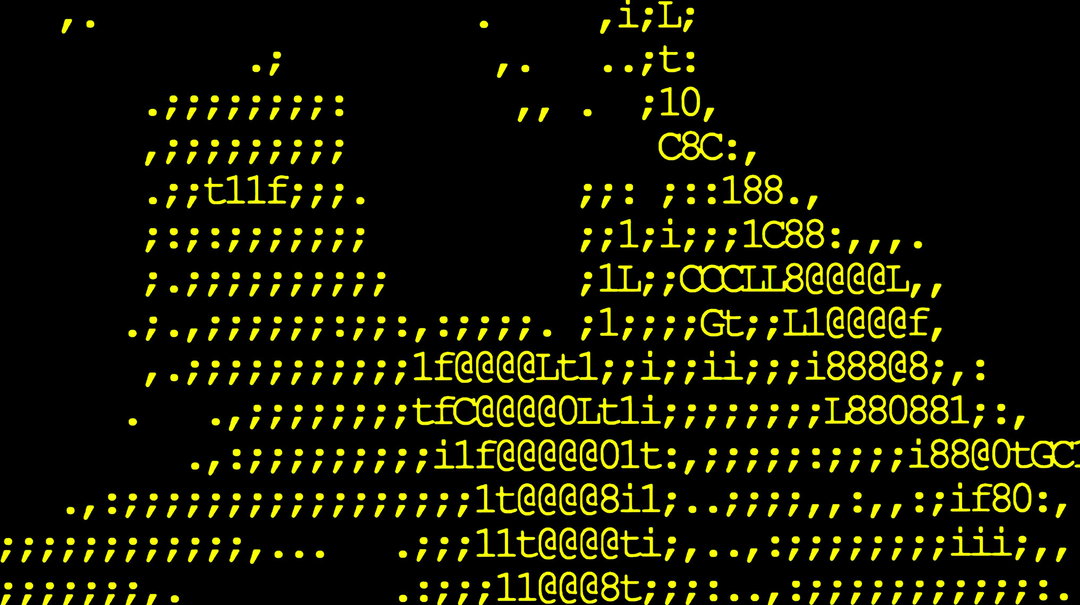
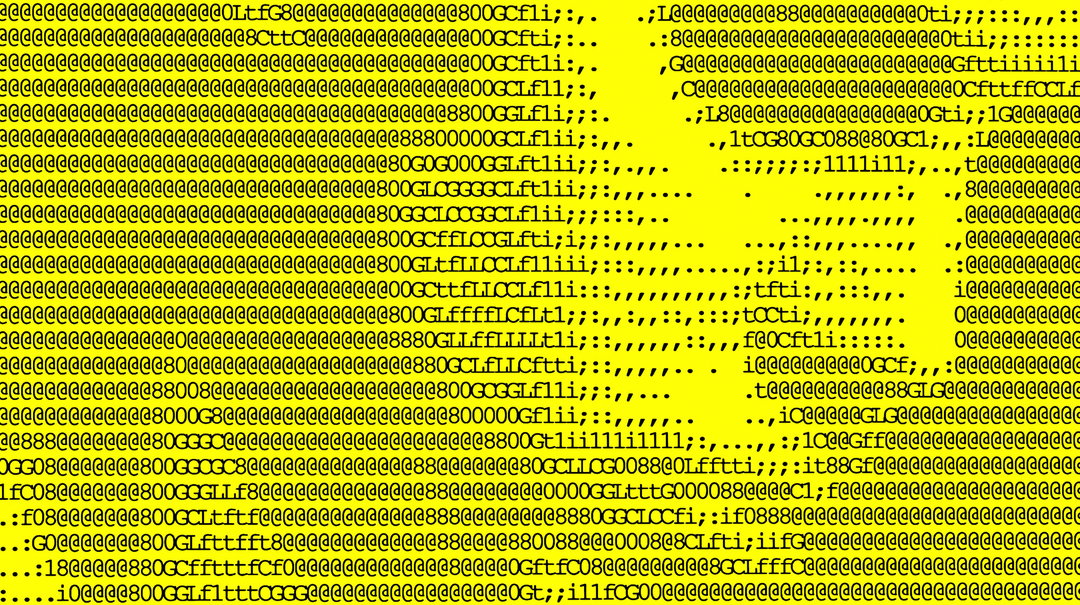
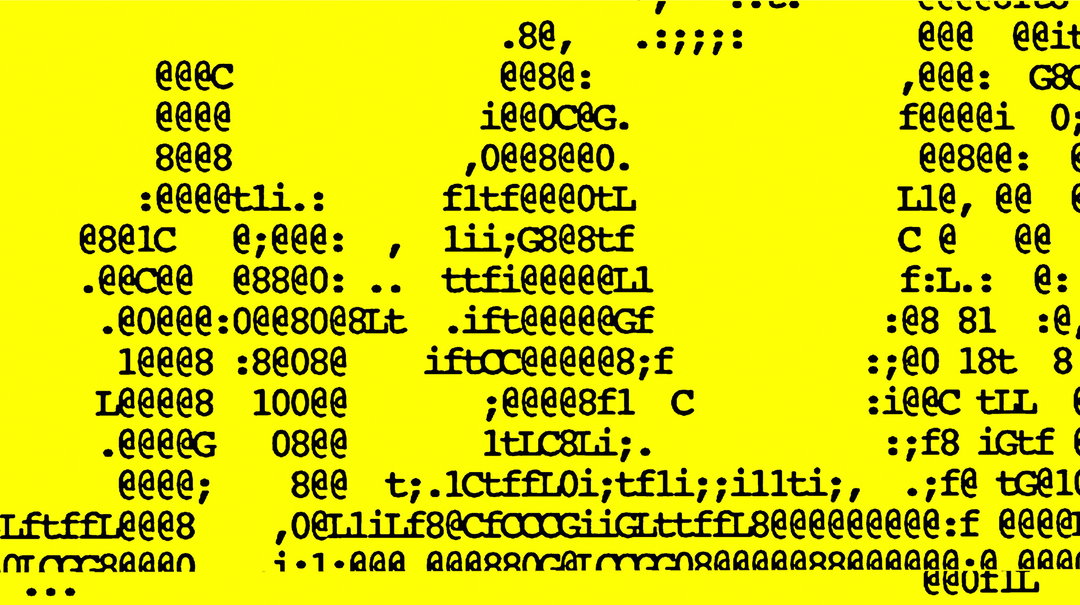
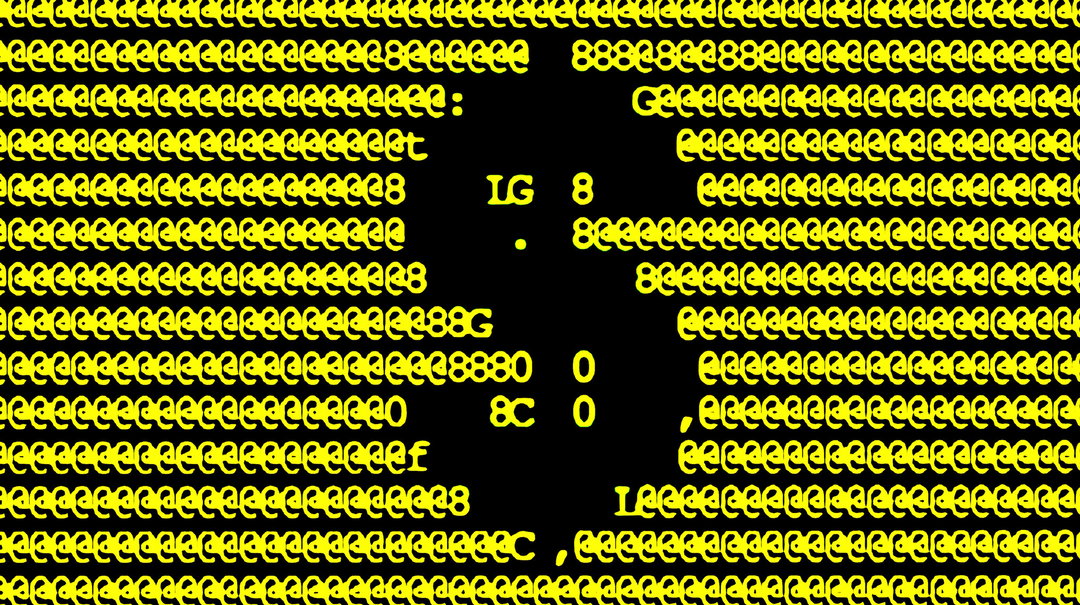
In an apt parallel to the basic equipment KH tends to use to create his music, Trevor himself began the project with a large collection of vintage analogue equipment already tucked away. “Combining these techniques with contemporary technology [...] is a process I very much enjoy,” Trevor tells us. For Looking At My Pager, Trevor wanted to find a way to hint at “visual sampling”. Just as KH sampled 3LW’s No More for the single, Trevor referenced visuals from No More in the video – but abstracted so that faces and vague forms appear hidden under layers of code-like text.
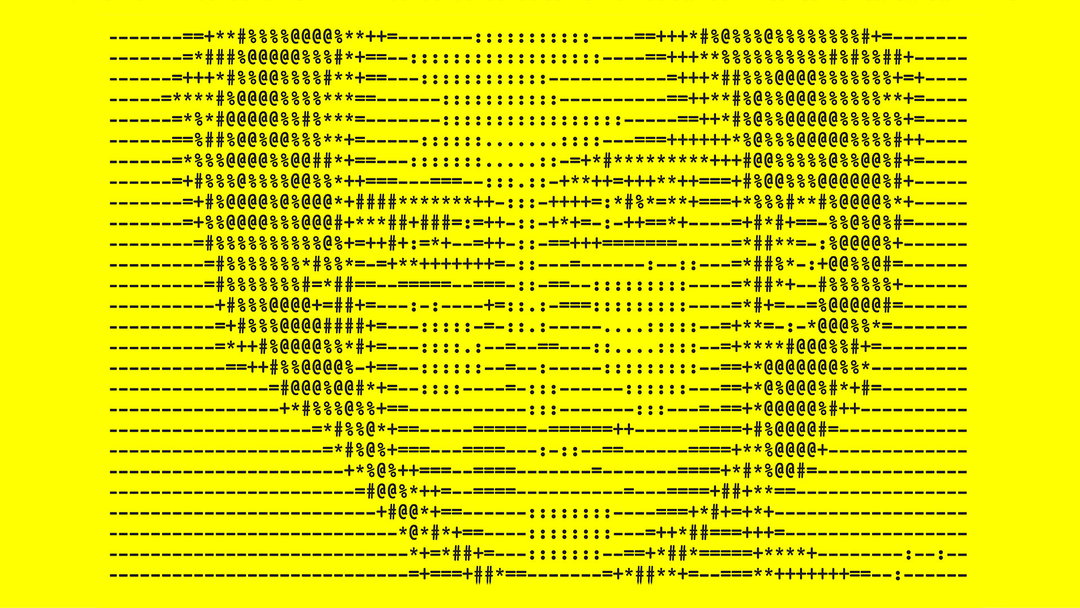
Trevor Jackson: KH, Looking At My Pager (Copyright © Trevor Jackson, 2022)
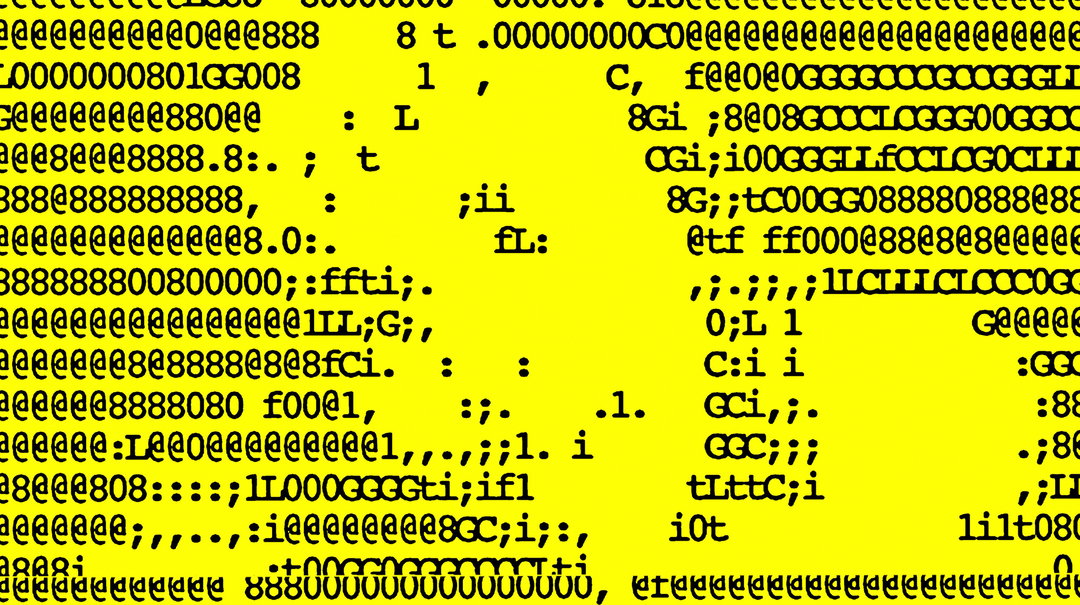
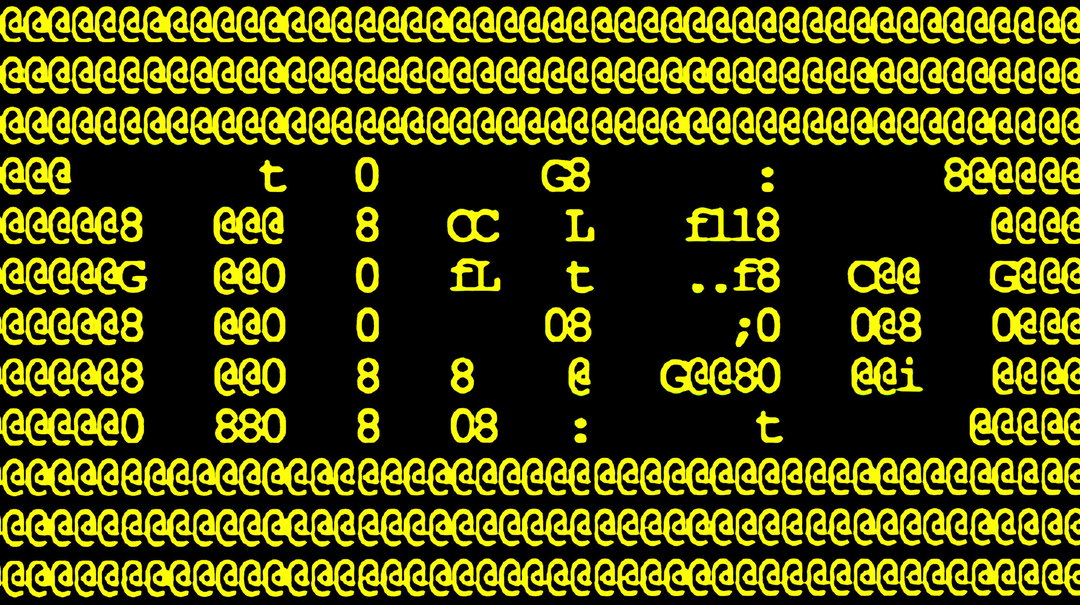
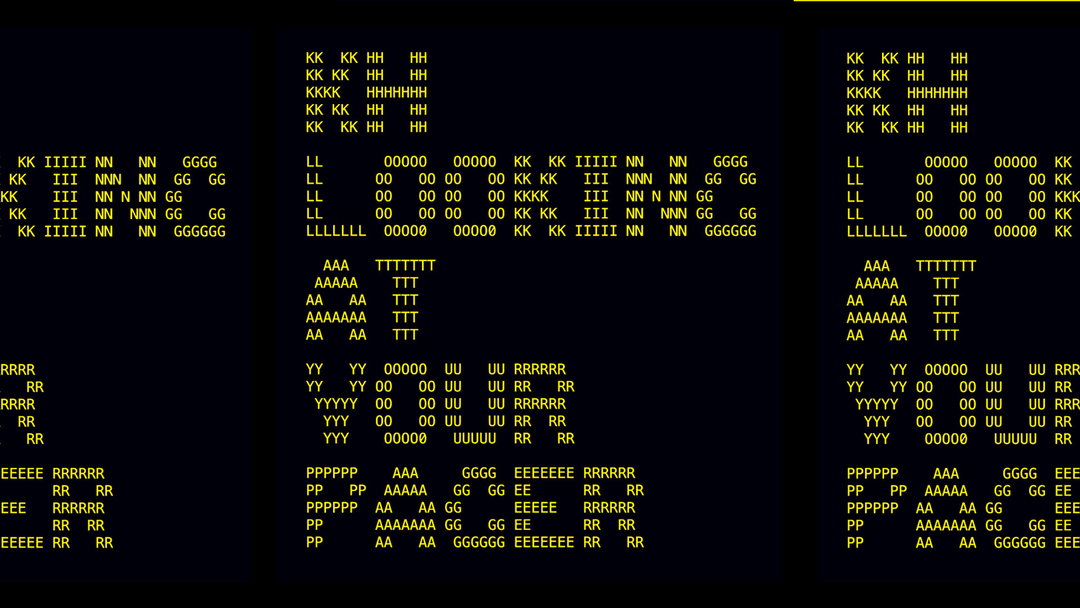
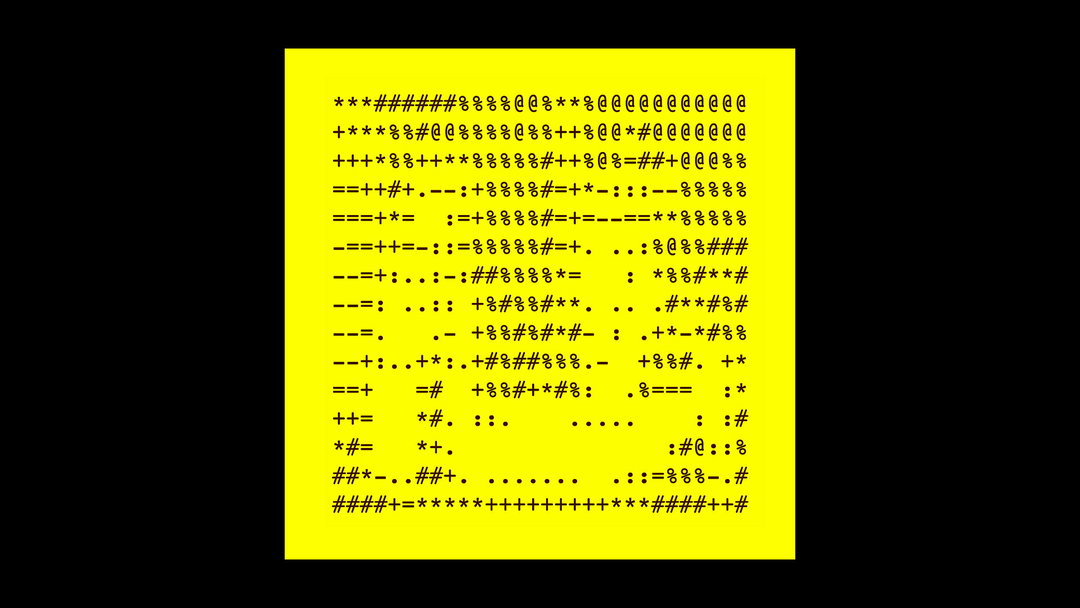
To realise the aesthetic of “small LCD screens”, “old digital devices” and “random data”, Trevor turned to an old ASCII (text code) generator he discovered. It offered the perfect optical illusion for the single cover: an abstract decorative pattern when viewed as a large image; revealing hidden easter egg images from No More in smaller formats. An intricate concept, but things get even more complex when Trevor started layering programs for the music video. Faced with only ten days to complete the work, leaving no time to create custom software, Trevor found some vintage ASCII camera software that fit his requirements – but was incompatible with modern equipment, meaning he had to capture footage directly from his laptop screen.
“It was a laborious process, finding related found footage to use, editing it all before inputting it so images naturally flowed without visible edits, shooting all the footage repeatedly in a variety of sizes, and then finding a way to capture it all from the screen.” As a happy mistake, such a process restricted the definition Trevor was able to capture footage at, corresponding further with KH’s lo-fi approach. Finally, Trevor collated everything using Apple Motion – a program Trevor says is super intuitive but “far from a go-to for most professionals”. “People I tell often laugh or don’t understand why I use [Apple Motion], but I’ve learnt to achieve some very satisfying results with it.”
Across the whole ten-day process, Trevor burnt through his 2016 MacBook Pro with colossal files and experienced “sleepless nights with my head full of ASCII”, although the director states he’s “very proud” of the result. We recommend watching the final video in different sized desktops for a “visceral optical trip”, and phones for a “somewhat more figurative” experience, Trevor surmises.
GalleryTrevor Jackson: KH, Looking At My Pager (Copyright © Trevor Jackson, 2022)




Hero Header
Trevor Jackson: KH, Looking At My Pager (Copyright © Trevor Jackson, 2022)
Share Article
About the Author
—
Liz (she/they) is the senior editor at Insights, a research-driven department within It’s Nice That. They previously ran the news section of the website. Get in contact with them for potential Insights collaborations or to discuss Insights’ public-facing reports.