Abbie Trayler-Smith photographs Iraqi women's lives after Isis
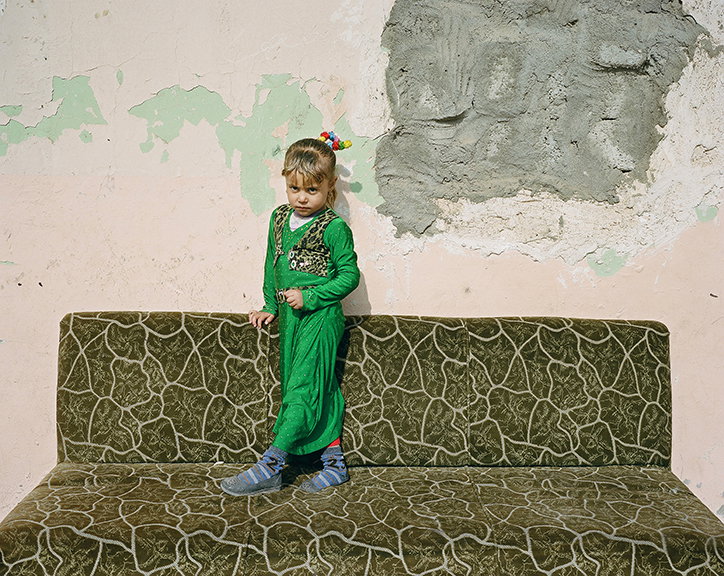
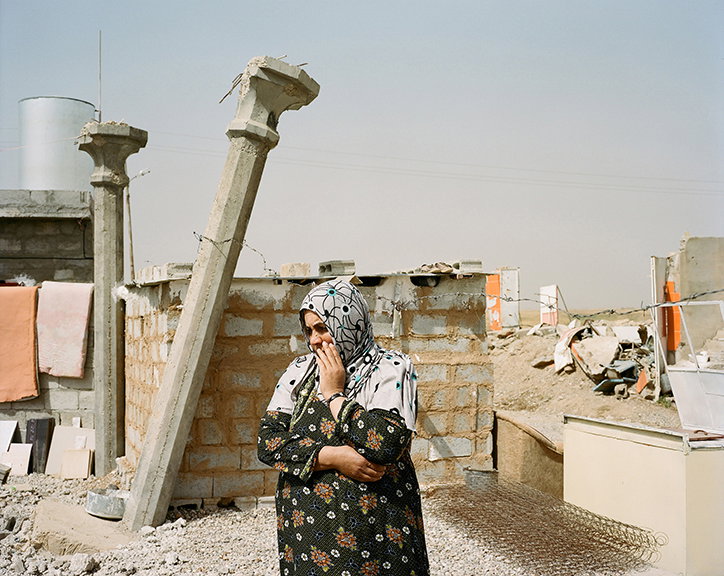
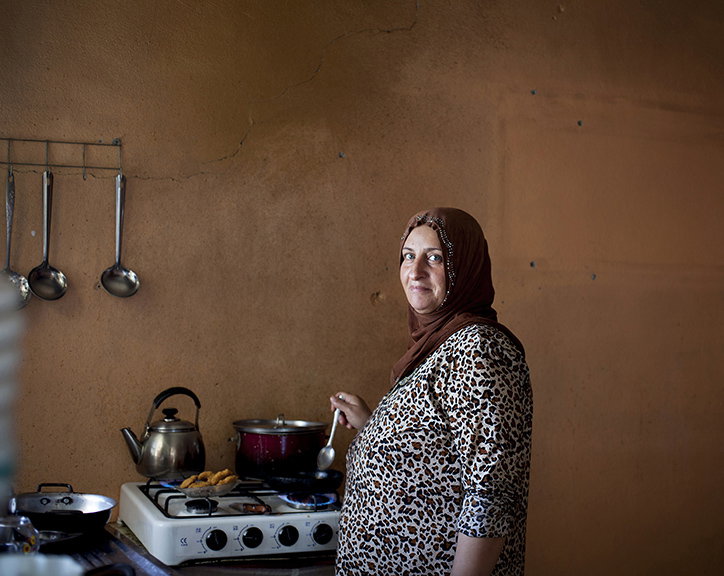
“The Iraqi people are smart, funny and warm. Every trip I have made to their country has deeply moved me,” says Abbie Trayler-Smith, a documentary photographer who has been working in the field for over two decades. Her drive to give voice to vulnerable groups has led Abbie to visit some of the most dangerous disaster sites and war zones the world has seen in recent years. Her latest series of poignant and appalling photographs document Iraqi women as they attempt to rebuild their lives after years spent under the control of Isis.
Despite her astute photographic eye, Abbie did not choose a creative path from the start: “It wasn’t until I went off to study law that I found my passion. I needed a creative outlet and got involved with the university newspaper The London Student, where I became obsessed with photography. After that, I was determined to make it my career and my way of life.” But representing those who have been victimised clearly remained at the heart of Abbie’s work as she moved from legal to creative fields. Now the photographer splits her time between London and Devon while working for the likes of The Daily Telegraphy, The Sunday Times, Vice, and Unicef.
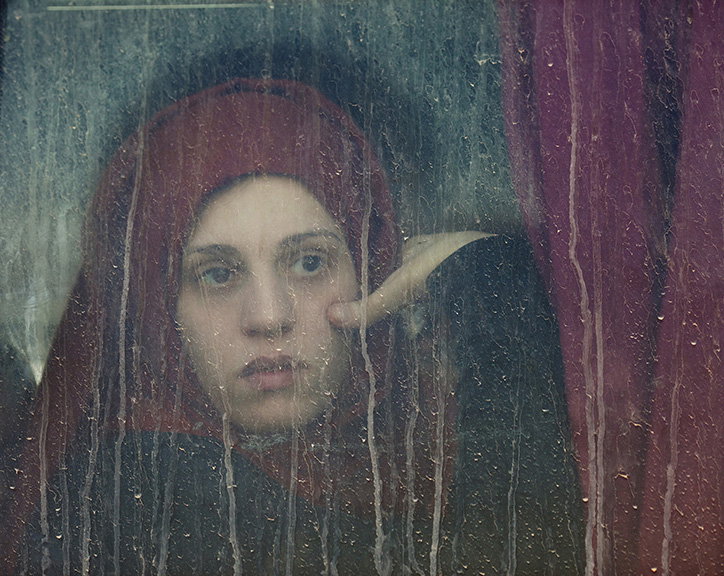
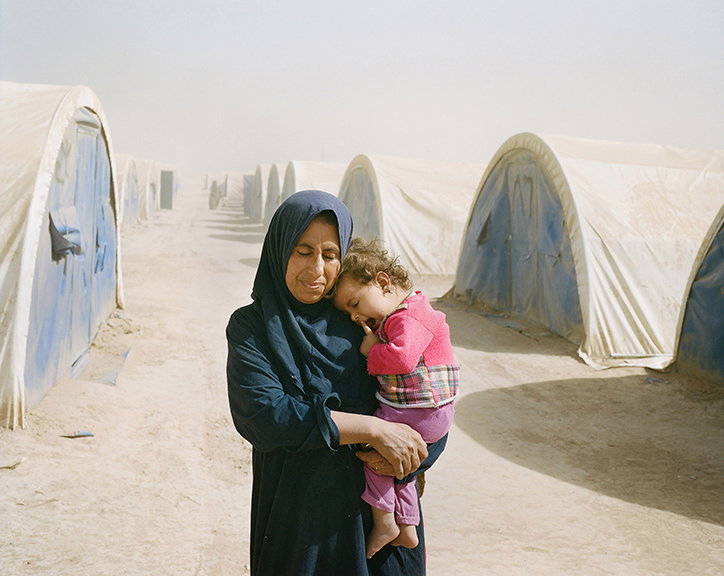
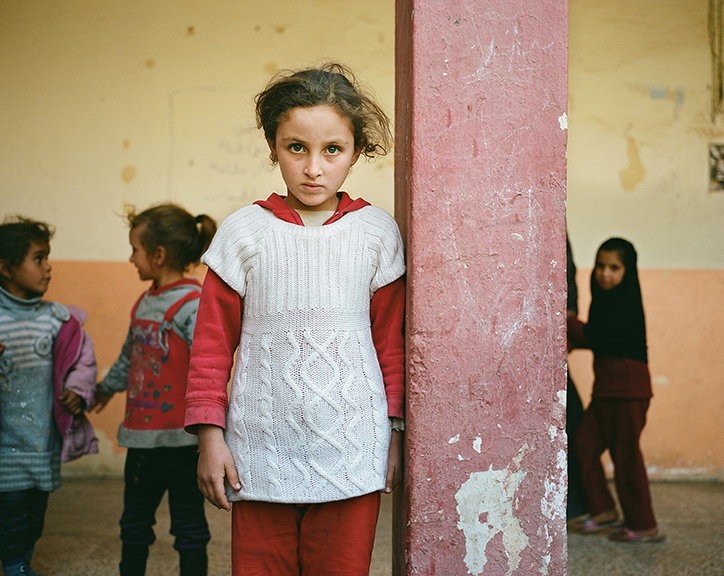
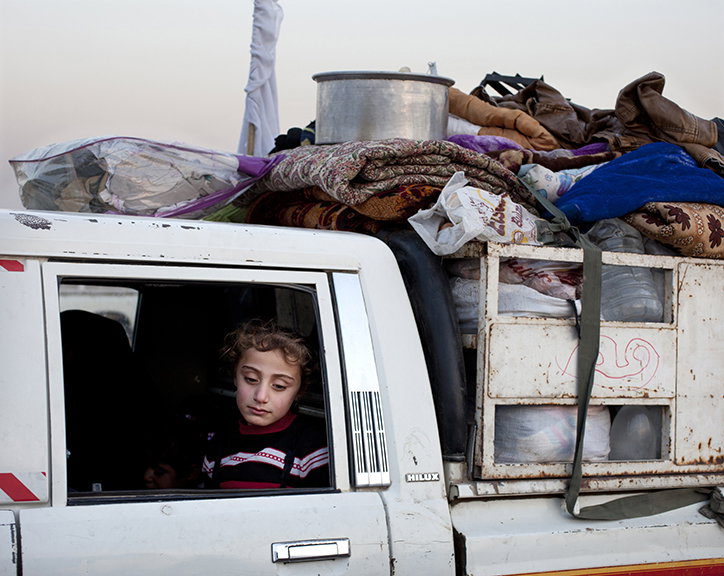
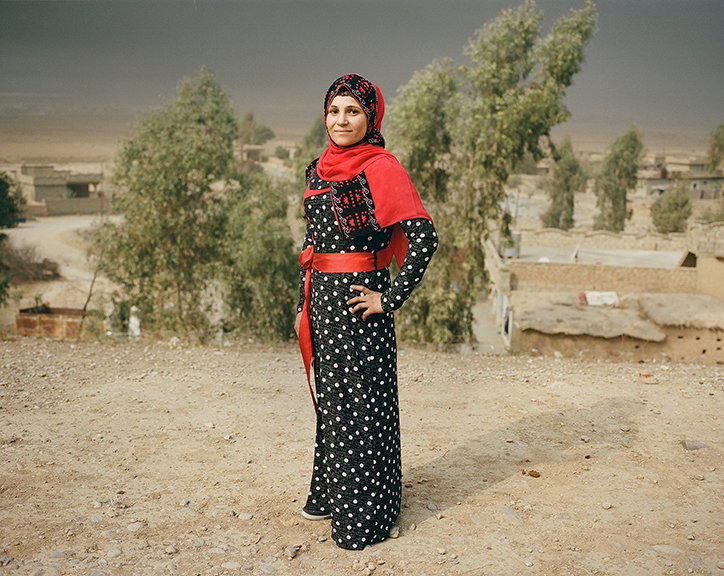
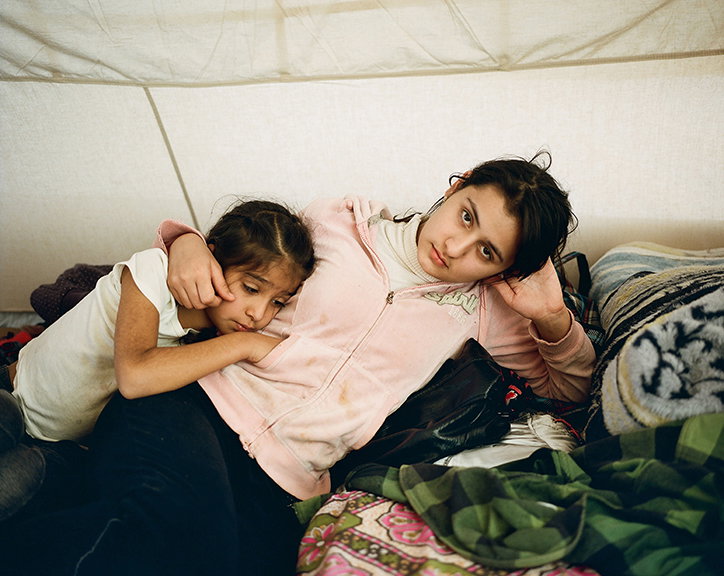
Abbie began working on this project in 2016 when Oxfam commissioned her to document the humanitarian situation in Iraq. Following the retreat of the Islamic State from Mosul, Abbie set out to portray the resilience of the locals as their city was finally liberated. “The photographs look at those who have lived under terrorism, those who have survived it and adapted to the horror around them; those who have chosen to live,” Abbie says. The series is populated by women and girls, capturing their compelling gazes and their great emotional strength. Her photographs prompt us to reflect on what they might have seen and what may lie ahead. One particularly striking image depicts a women staring melancholically out of a bus window on her way to the Hasan Sham Camp for refugees. “I hope to enable the viewer to feel emotion, to feel empathy, to imagine what it’s like to be the person in that picture and through that gain a greater understanding of the world.” Abbie’s series strikes a fine balance between inviting and evoking empathy in the viewer and representing these people as the brave and determined survivors they are.
Many of the women Abbie shot were already in the process of reassembling their lives; some had received financial help for their businesses while others had accepted humanitarian aid. The artist explains how she approached these individuals: “I always introduce myself and explain what I’m doing. Some women I met didn’t want to be photographed because they were scared. Others told me they weren’t allowed to as their husbands or male relatives had said no. But many were happy to talk and be photographed.” It is through her respectful and honest approach that Abbie was able to gain the trust of the local communities and capture their efforts to build their lives back up.
The British photographer places humanity at the centre of her work. Despite cultural differences, Abbie illustrates the shared concerns that connect those women with the rest of the world. After all, as Abbie says, “art is a powerful vehicle of change, even if it only alters one opinion at a time.”
Abbie’s work is on display at Anima-Mundi art gallery from 16 February – 24 March 2018.
Abbie Trayler-Smith
Abbie Trayler-Smith
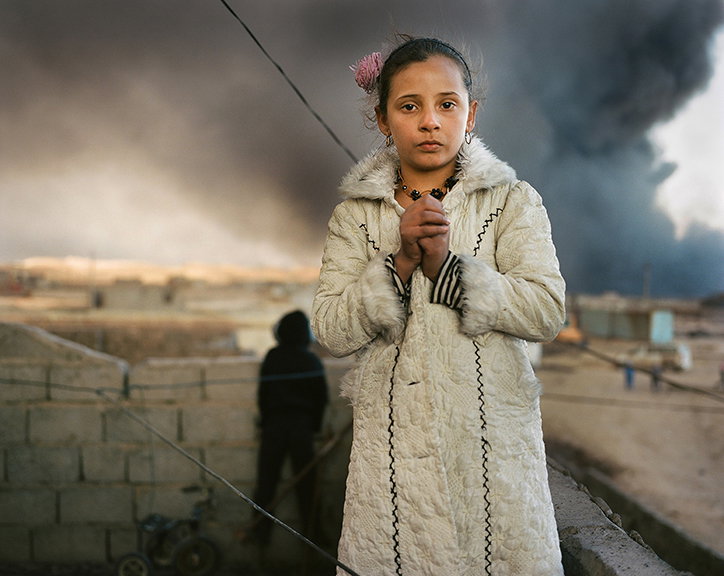
Abbie Trayler-Smith
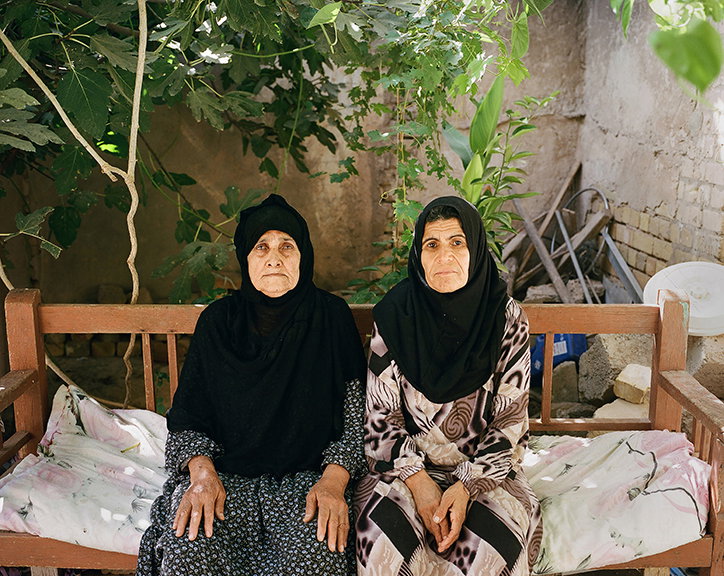
Abbie Trayler-Smith
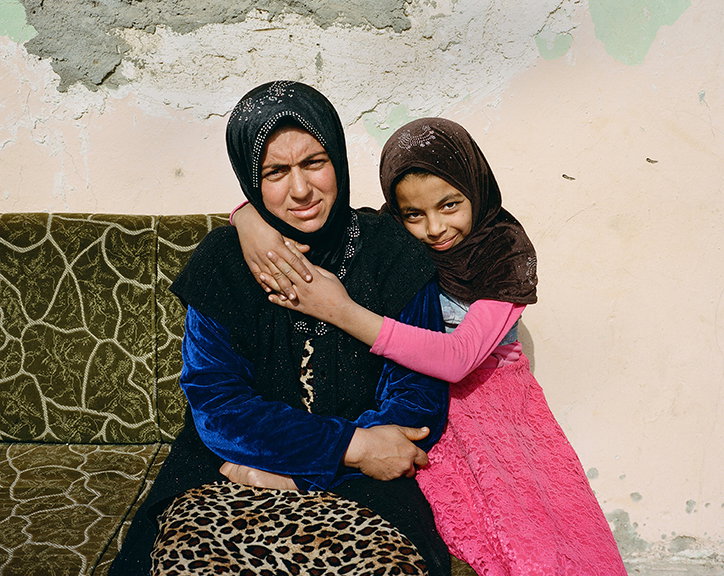
Abbie Trayler-Smith
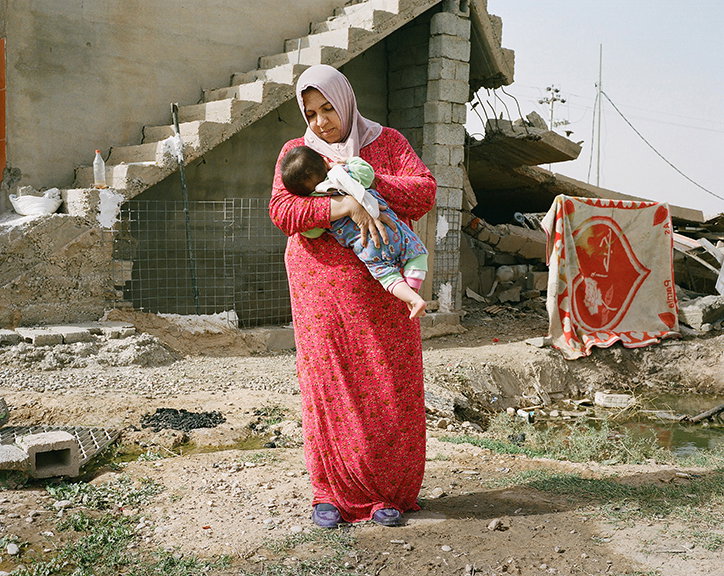
Abbie Trayler-Smith
Abbie Trayler-Smith
Abbie Trayler-Smith
Abbie Trayler-Smith
Abbie Trayler-Smith
Abbie Trayler-Smith
Abbie Trayler-Smith
Share Article
Further Info
About the Author
—
Daphne has worked for us for a few years now as a freelance writer. She covers everything from photography and graphic design to the ways in which artists are using AI.