When anyone can make anything, personal taste and craftsmanship matters more than ever
Where does AI belong in your practice? At the Adobe 99U Conference, the discussion went beyond AI unease to instead explore where creative adoption can be more useful, intentional and bespoke.
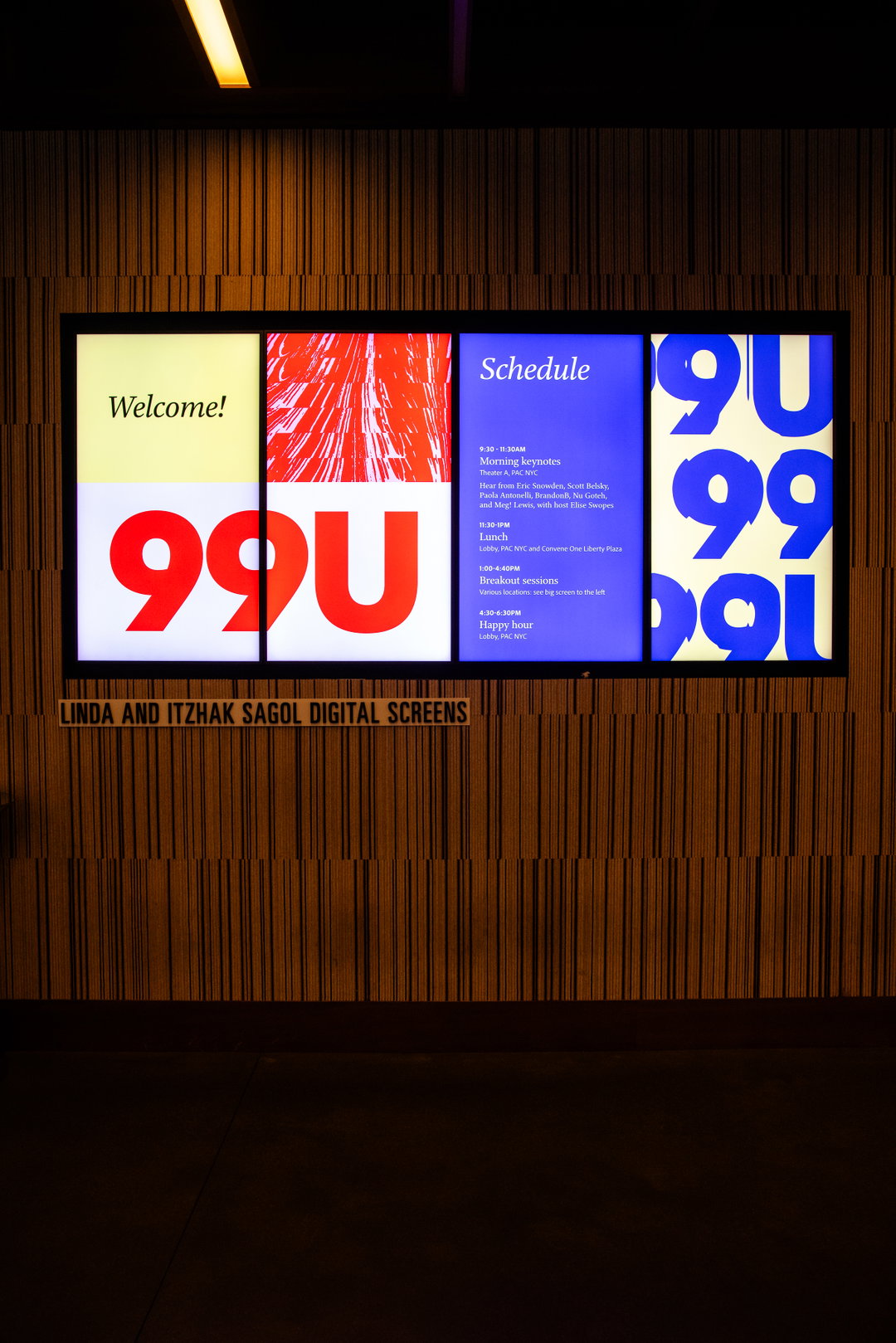
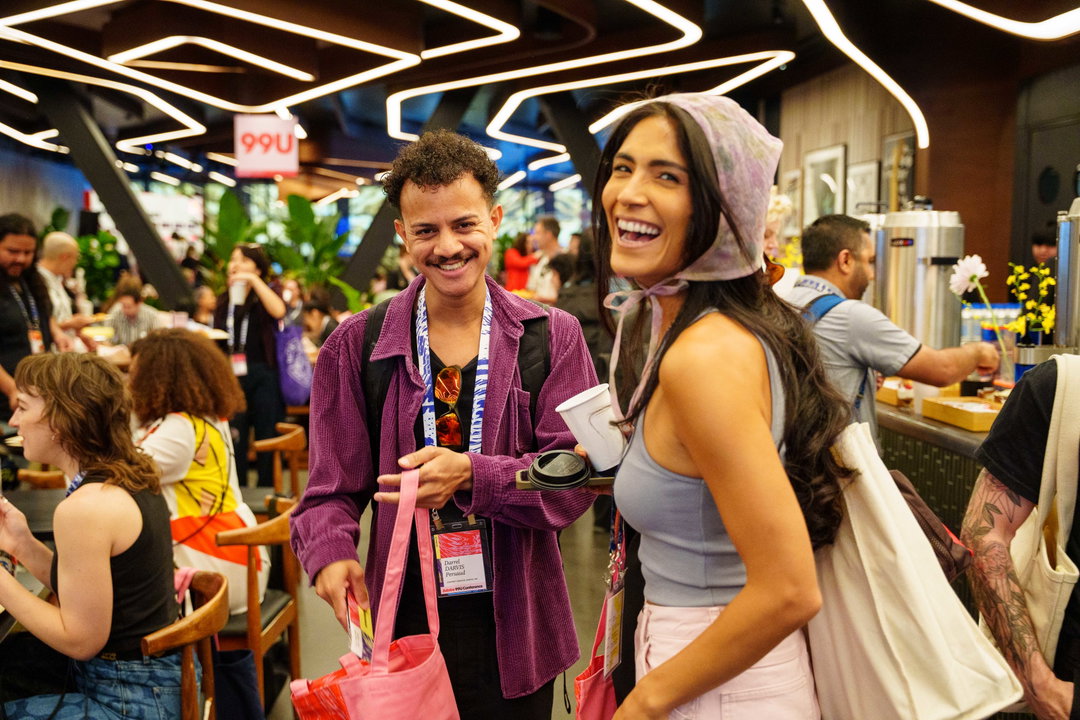
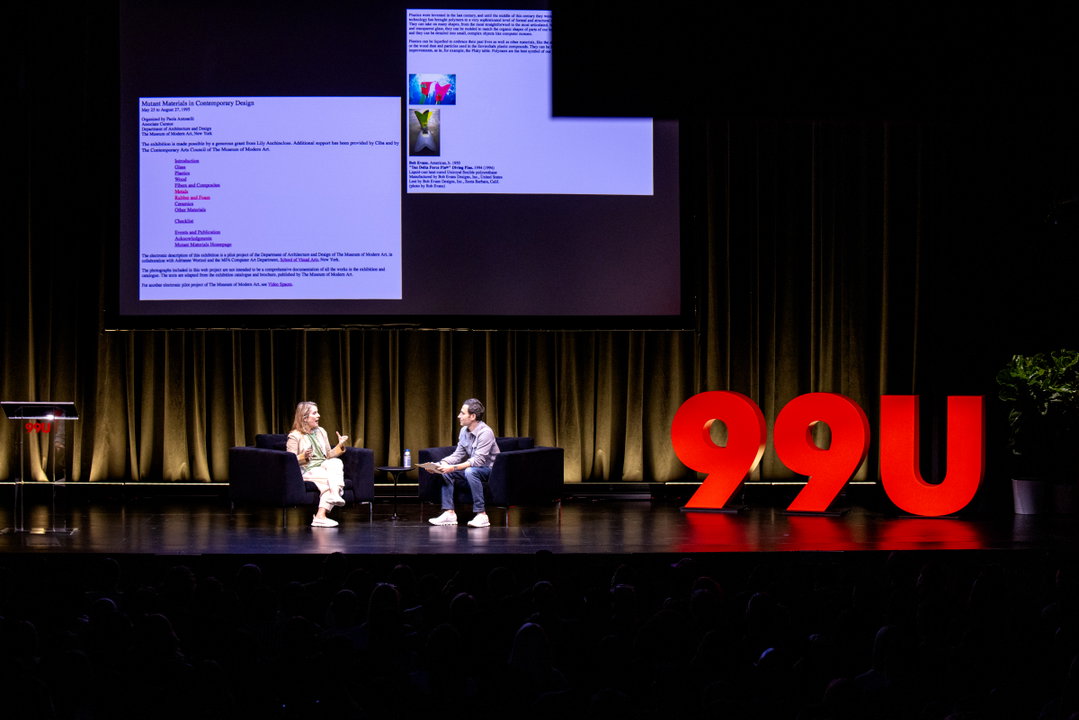
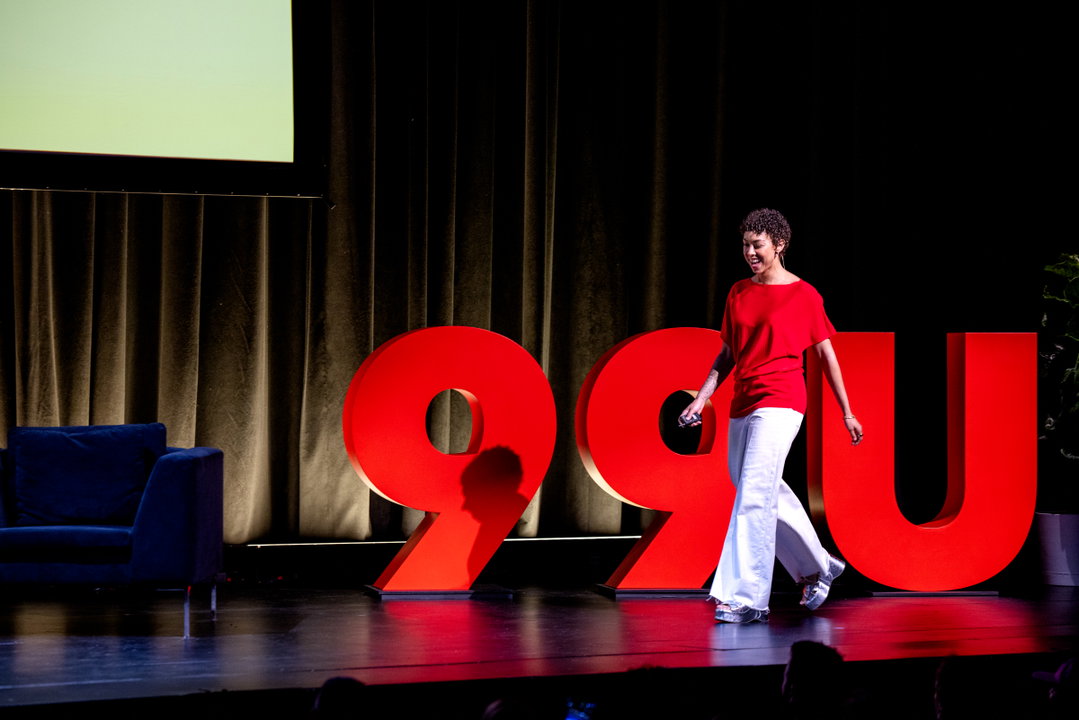
The 13th edition of Adobe’s 99U Conference returned in 2026 after a five-year hiatus, bringing together an array of industry leaders and creative thinkers for a day of community, connection and thoughtful dialogue. At the centre of many conversations was AI, and its use as, yes, a tool for speed or efficiency, but also as a catalyst for deeper conversations about human taste, craft and discernment in creative work.
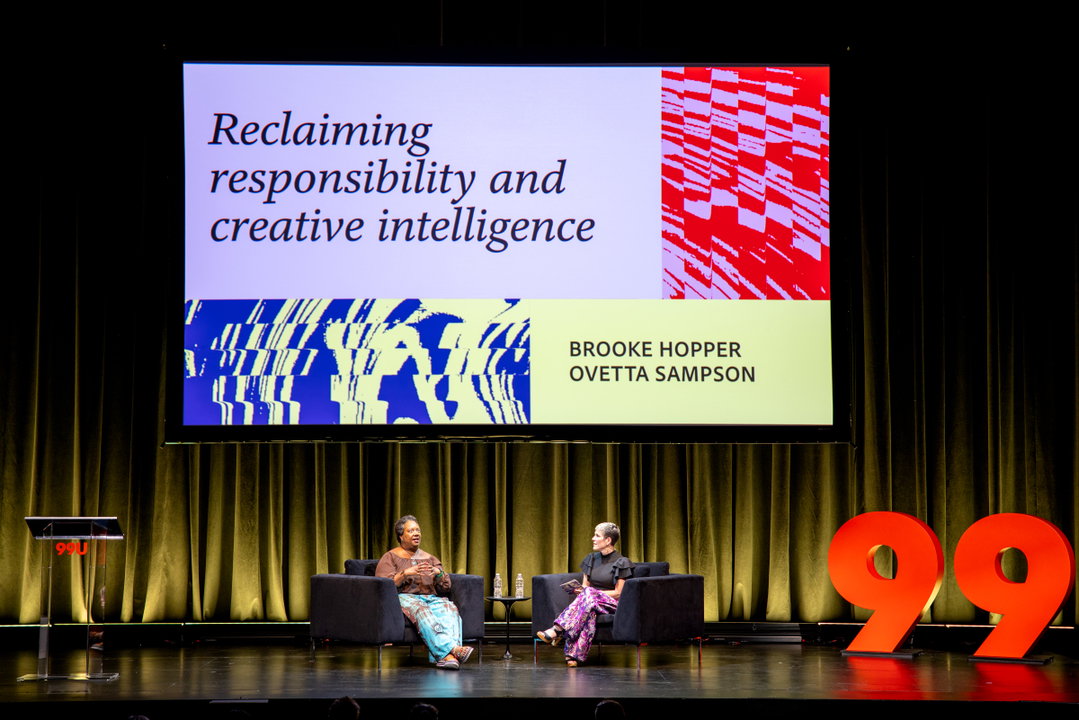
Across talks, panels and workshops – featuring speakers from the Adobe Creative Collective including Stefan Sagmeister, Tina Roth Eisenberg and Scott Belsky – interesting questions arose about the current creative climate and, in particular, what happens when the act of making becomes easier. The answer seemed to be that the most valuable part of the creative process happens earlier: in the human judgment, taste and decisions it takes to determine what is worth making, why it matters, and what makes it original.
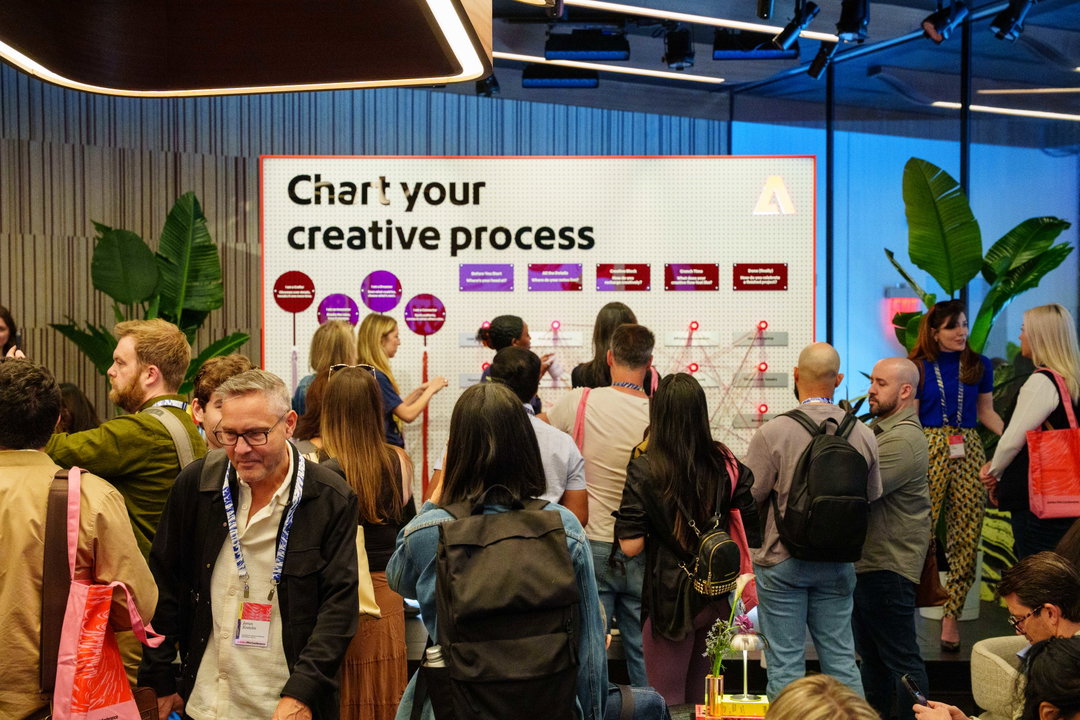
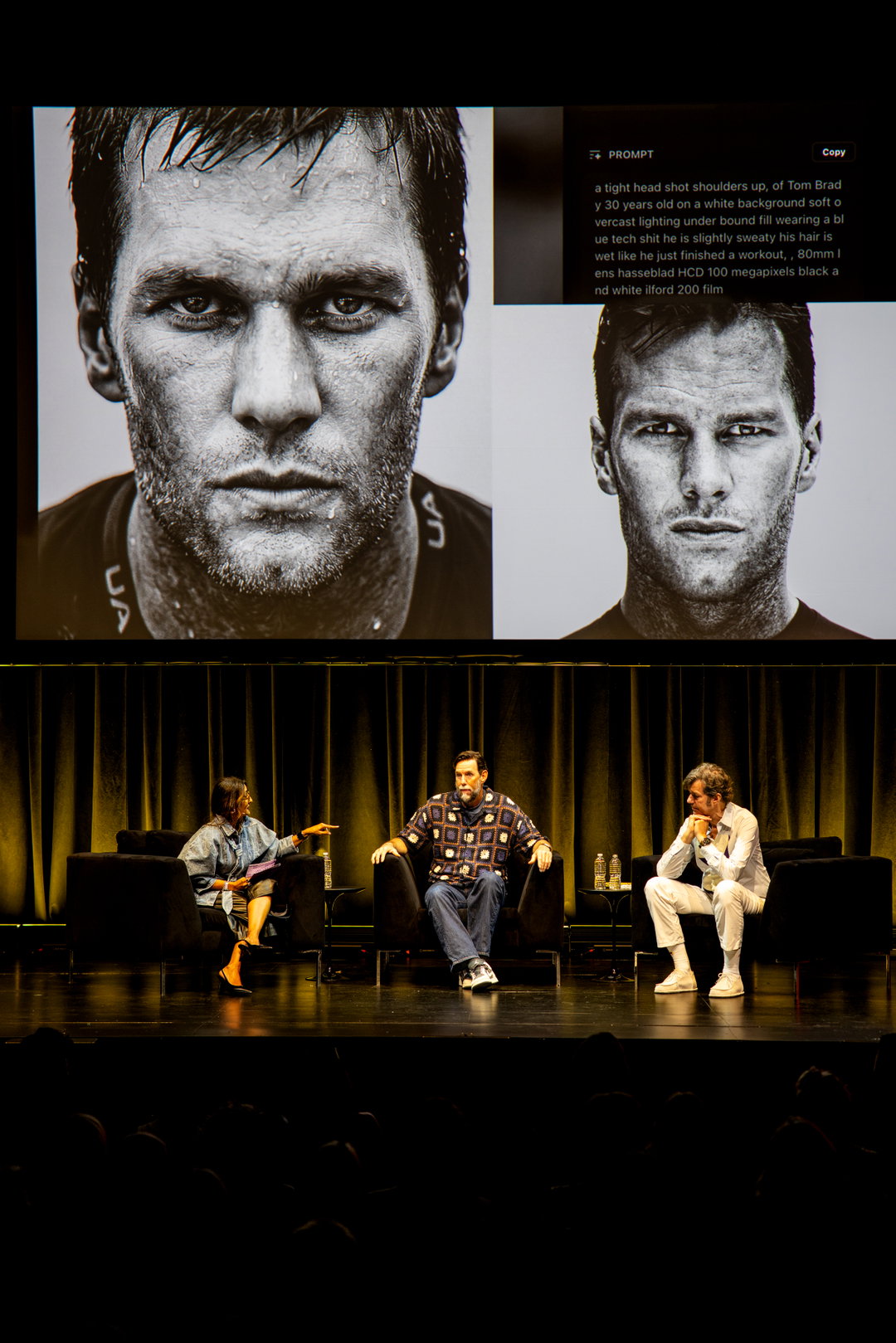
Recent research from Adobe found that most creatives are still working out exactly what to do with AI, and where it belongs in their practice. Several speakers argued that this uncertainty might actually be useful. Rather than treating AI as something to embrace or wholly reject, the speakers continued to return to the idea of using AI as deliberately as possible. The point is not to have an AI policy for everything but rather to know which parts of your process you actually value and what’s worth experimenting with.
GalleryAdobe: 99U (Copyright © Adobe, 2026)
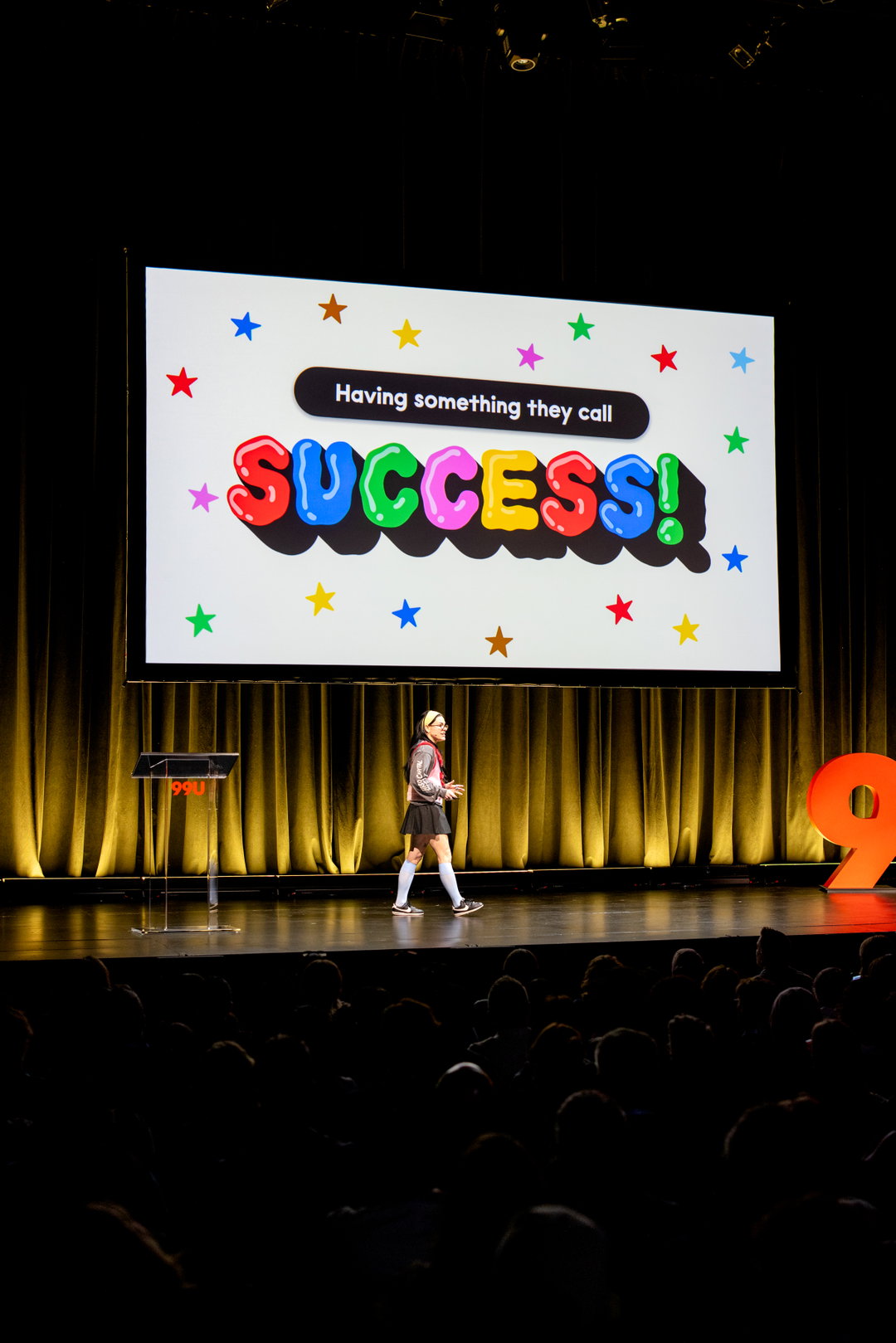
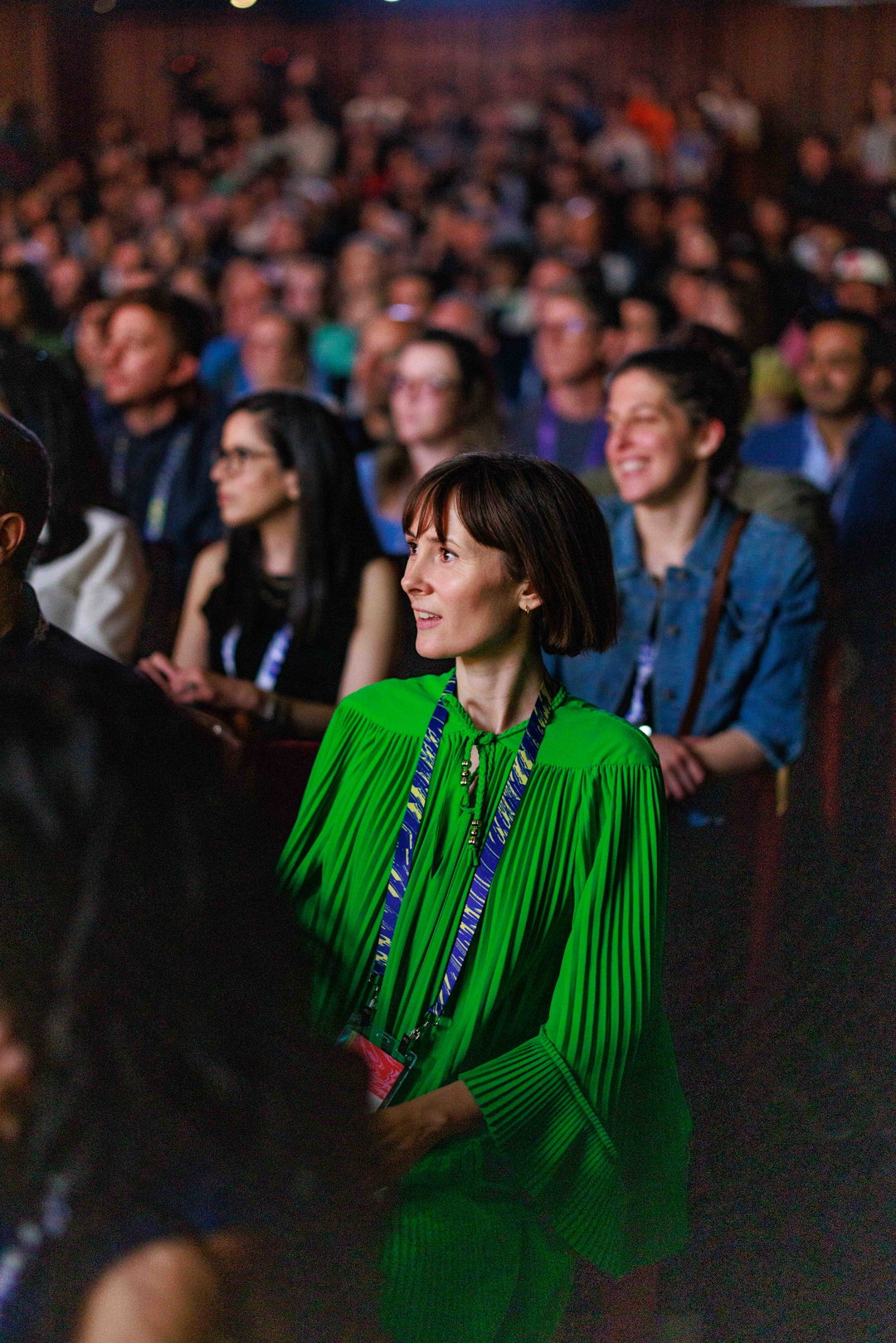
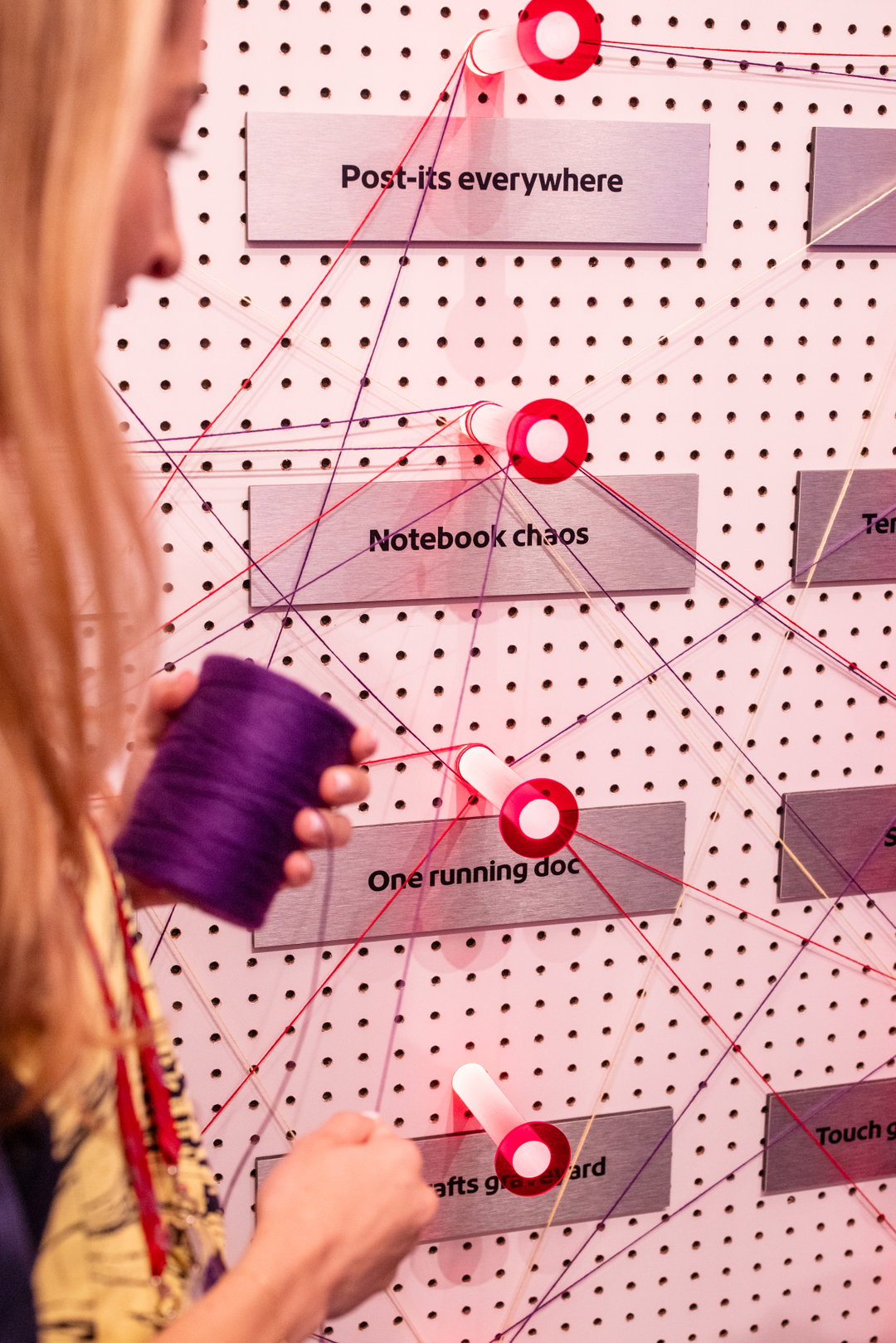
There was also a defence of friction, with several analogue creatives drawing comparisons between the happy accidents of print-based, physical methods and the imperfections that can emerge through automation, arguing that these flaws should be celebrated as an act of resistance to polished perfection. A useful idea that arose was to counterintuitively (and deliberately) introduce inconveniences to one’s process, such as sketching before generating or imposing time restrictions. This all fed into the term of the hour, that being taste. When everyone has access to increasingly capable tools, having access to the tools becomes less distinctive. Here, selection becomes the skill – knowing which idea deserves further development, what’s worth keeping, and recognising when something’s good versus what’s competent.
Adobe: 99U (Copyright © Adobe, 2026)
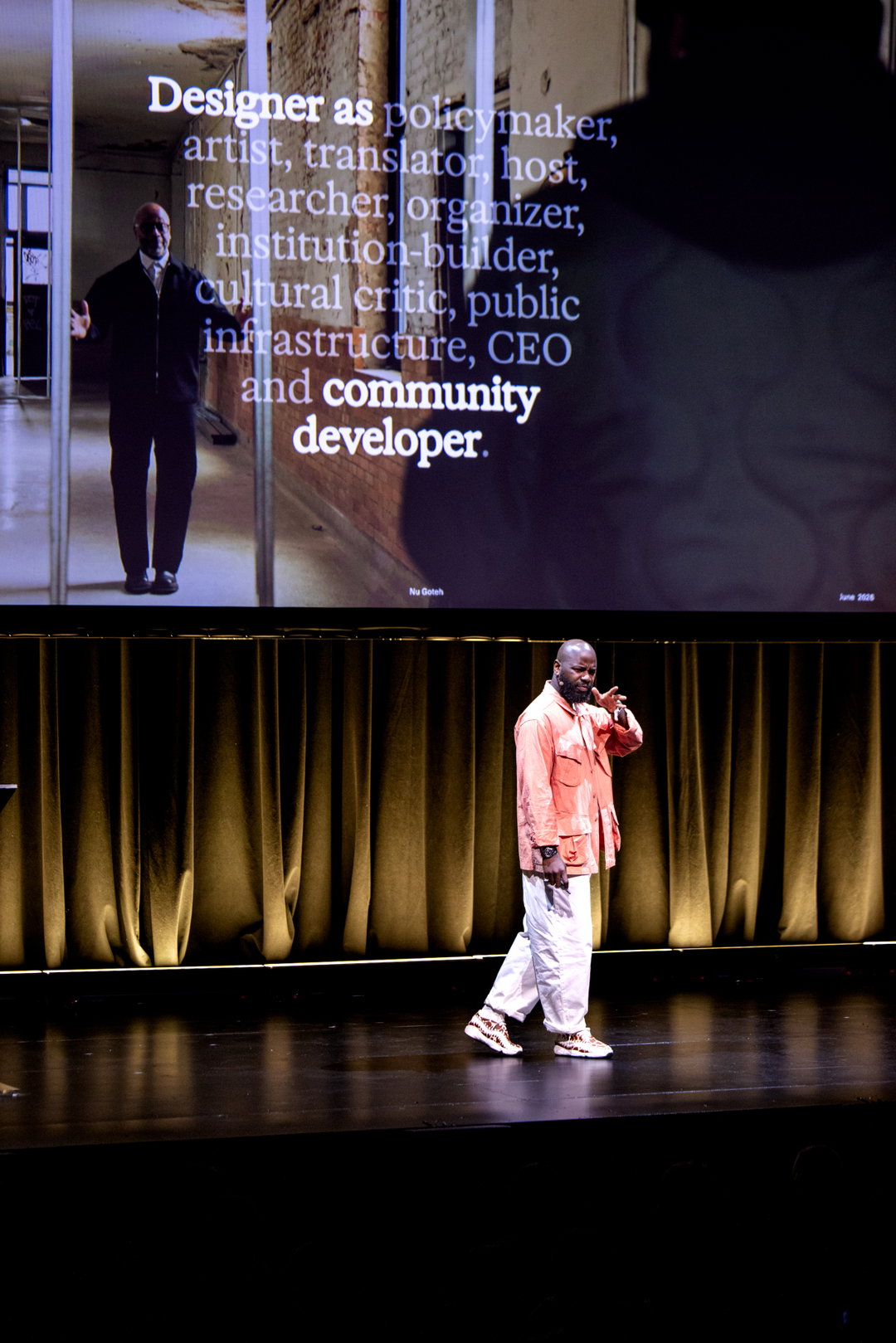
These discussions showed the resurfaced importance of individual voice and specific personal perspectives, with the conference repeatedly returning to lived experience and storytelling as fundamental factors in creating good, original work. In many ways, showing a realignment to pre-AI perspectives, whereby the aptitude and creativity of the designer at hand outweighs the technical efficiency of their workflow. To this end, a clear takeaway from 99U was a reminder of not letting doing replace thinking. When the gap between having an idea and producing something is so significantly reduced, it becomes easier to skip testing, refining or iteration.
Perhaps the continued evolution of creative practices won’t prioritise faster production, but instead value better judgement, room for mistakes, reasoned perspective and more intentional use of tools. In an age of abundance, as Adobe has coined it, the challenge may be less about what we can make, and more about deciding what is worth making, and making it well. As Tina Roth Eisenberg puts it, “when you want to live a creative courageous life, you just need a support system that has your back.” She concludes: “creativity and community are not nice to haves, they are the infrastructure that make meaningful change possible.” Perhaps, alongside better tools, the creative communities we build around us will be just as important to what comes next.
GalleryAdobe: 99U (Copyright © Adobe, 2026)
Sponsored by
Hero Header
Adobe: 99U (Copyright © Adobe, 2026)
Share Article
Further Info
About the Author
—
This article was sponsored by a brand, so is marked up by us as Sponsored Content. To understand more about how we work with brands and sponsorships, please head over to our Work With Us page.