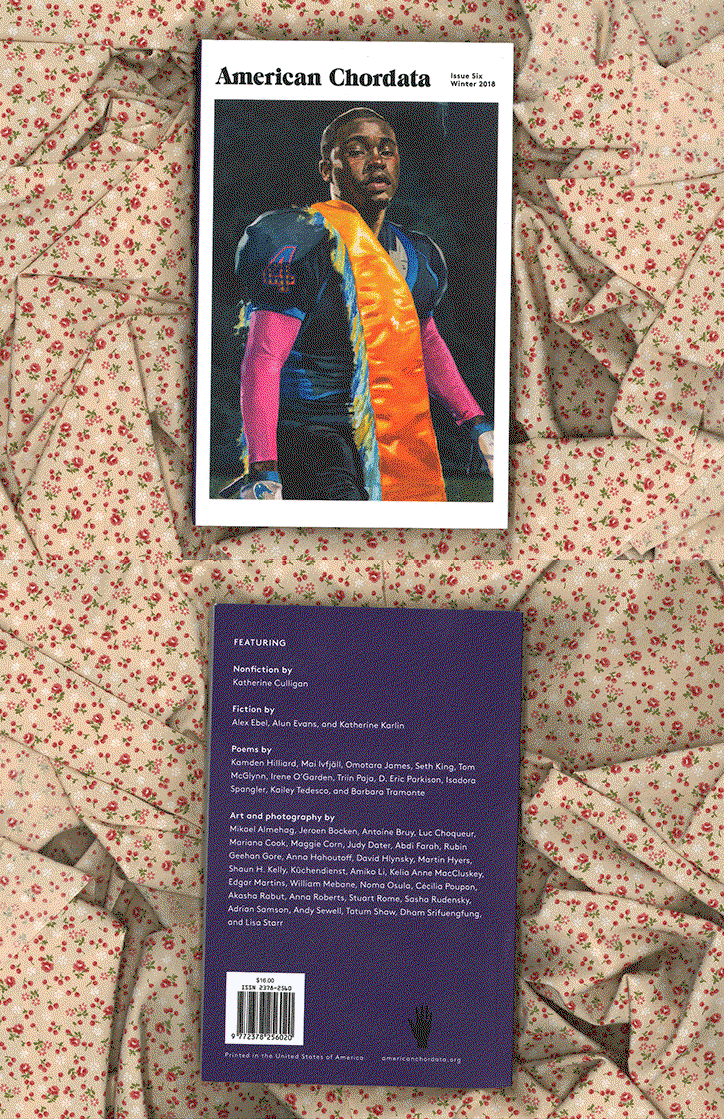
“Brave, illuminating and emotionally detailed writing”: American Chordata issue six
Nowhere is the relationship between the printed word and image more explicit than when flicking through the pages of a magazine like American Chordata. Produced by a team of 20 people spanning Brooklyn, New York, Seattle, Philadelphia and London – who work on it during their evenings and weekends – American Chordata is packed full of bright young voices in fiction, non-fiction, poetry, photography and art delivered by a group who are sincerely passionate about it.
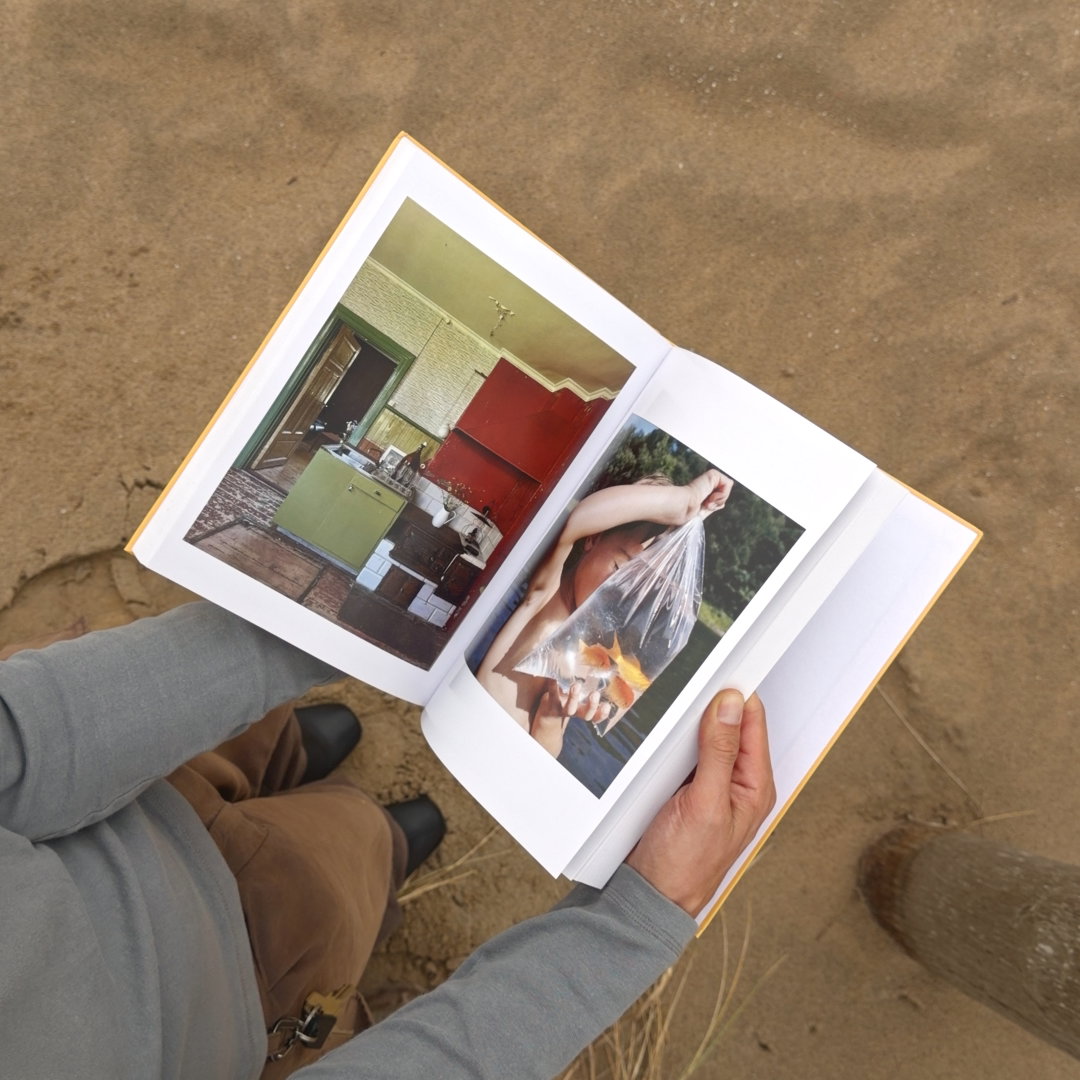
Having released its first issue in June 2015, American Chordata is the brainchild of its founding editor, Ben Yarling, who at the time was working in publishing with several other of the magazine’s editors. Now in its sixth issue – which is launching today on It’s Nice That – the literary magazine is still dedicated to creating a beautiful space for surprising and thoughtful new stories. “We love putting writing and art next to each other – letting them speak to one another (in less obvious ways). A piece of art can broaden the contexts and resonances for a piece of writing, and vice versa,” editor Alison Lewis tells It’s Nice That.
American Chordata takes its name from the phylum – the classification of living beings that includes humans and most other intelligent life (mammals, reptiles, birds etc). Alison explains how “that means valuing subject difference and diversity of perspective, and seeking to publish work that gives words and stories to complicated, challenging, and often subversive feelings and experiences.” With the goal of celebrating “the plurality of human (and non-human) experience,” the magazine publishes work through a system of submissions.
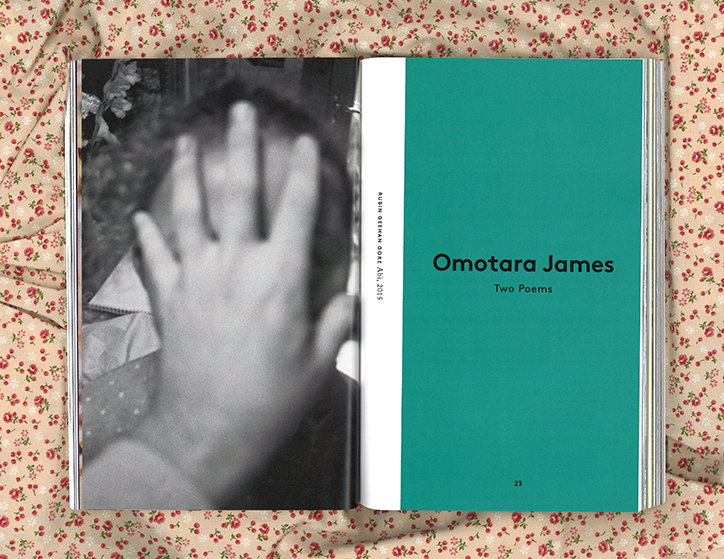
American Chordata Issue Six: Rubin Geehan Gore, Omotara James
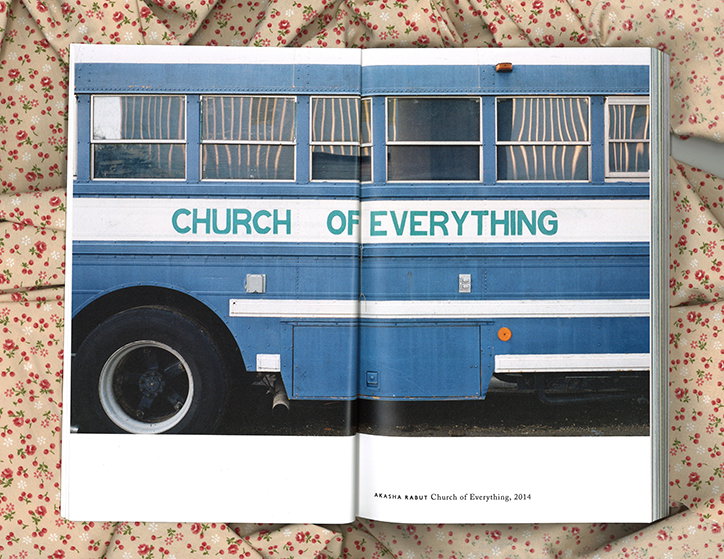
American Chordata Issue Six: Akasha Rabut
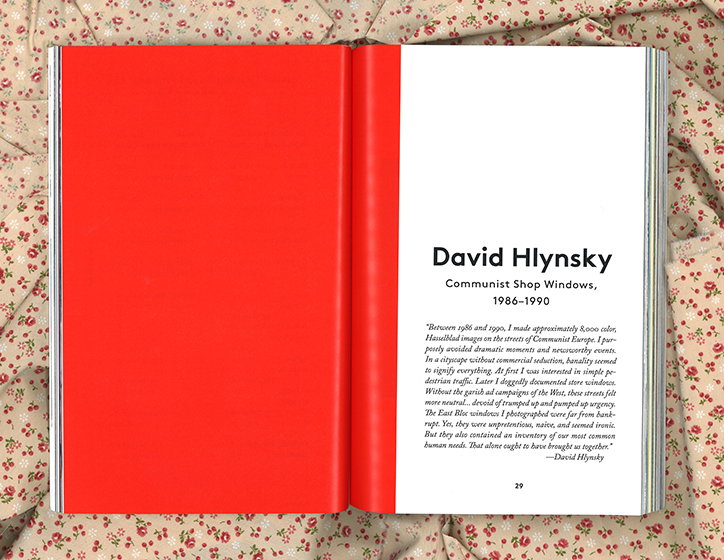
American Chordata Issue Six: David Hlynsky
“We care a lot about creating space for emerging and unestablished writers and having open submissions allows us to be surprised; we’ve been totally knocked off our feet by writers doing things we couldn’t have predicted or imagined,” the team explains. Once the writing is selected, they undergo a similar process to select the art. From here, the work is coupled together, forming a loose structure.
“Pairing art with the writing in the issue isn’t really a science,” says Bobby Doherty, American Chordata’s art director, “because we’re interested in the subtle resonances between the two, rather than literal connections.” Whereas some stories may require a specific visual narrative, others are more open and anchoring them to imagery can challenge them and unlock potential readings.
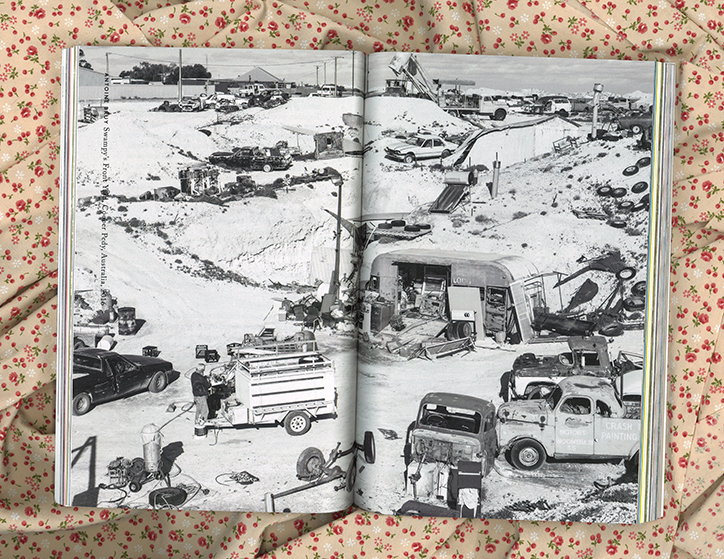
American Chordata Issue Six: Antoine Bruy
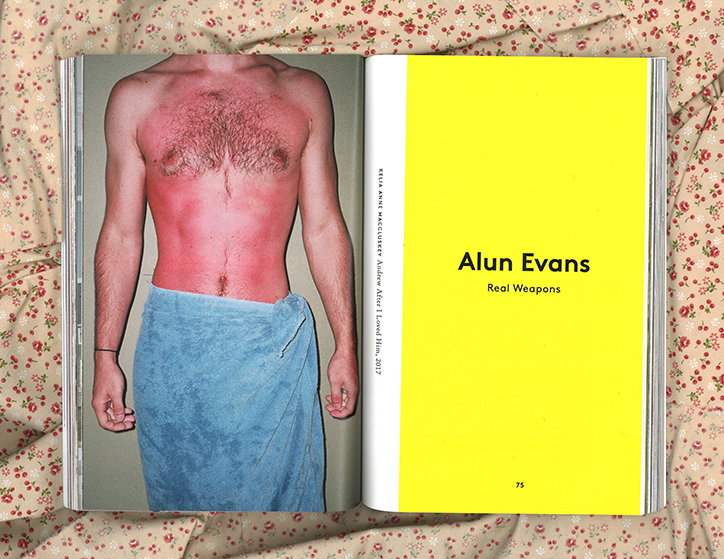
American Chordata Issue Six: Kelia Anne MacCluskey, Alun Evans
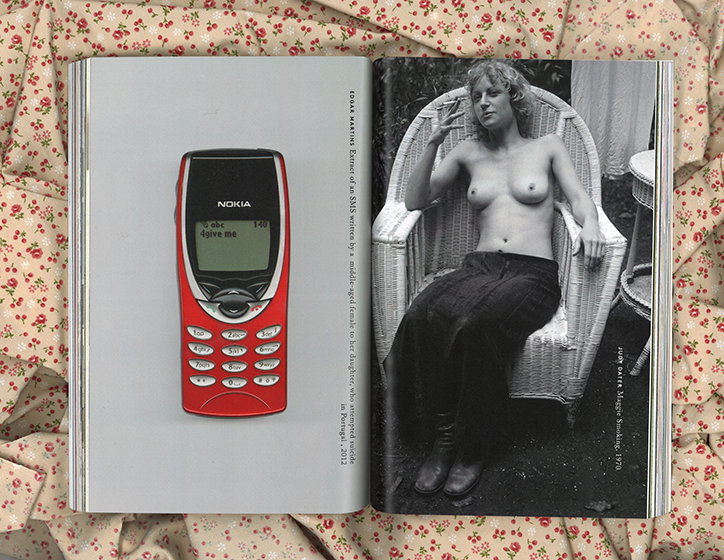
American Chordata Issue Six: Edgar Martins, Judy Dater
With an “unpretentious and clear” visual language, developed by graphic designer Adly Elewa, the publication places an emphasis on the contributions and their respective contributors. The name of each is printed in large type, deliberately conspicuous – something that is mirrored on the back cover. “When dealing with so much great writing and art, you just have to find a way to step aside,” Adly tells It’s Nice That.
The sixth issue’s cover features the striking painting of a young American football player by artist, Abdi Farah. “Finding the cover image has always been the hardest part of the process,” Bobby recalls, however upon seeing Abdi’s painting for the first time he knew it had to the next cover. “I love this painting so much. He’s this glowing champion knight in armour. It’s like you can feel the crowd applauding him, but he’s looking right at you."
Also available as a free PDF in order to be accessible to the widest audience possible, American Chordata is packed full of earnest expression in the form of “brave, illuminating and emotionally detailed” writing. This latest instalment features fiction that “twists your guts” in the form of Alex Ebel’s You May Already Be a Winner; Omotara James’ poem Exhibition of the Queered Woman; and non-fiction from Katherine Culligan whose piece Different Trains tells the story of a long line of Irish Catholics who all name their sons Michael Culligan.
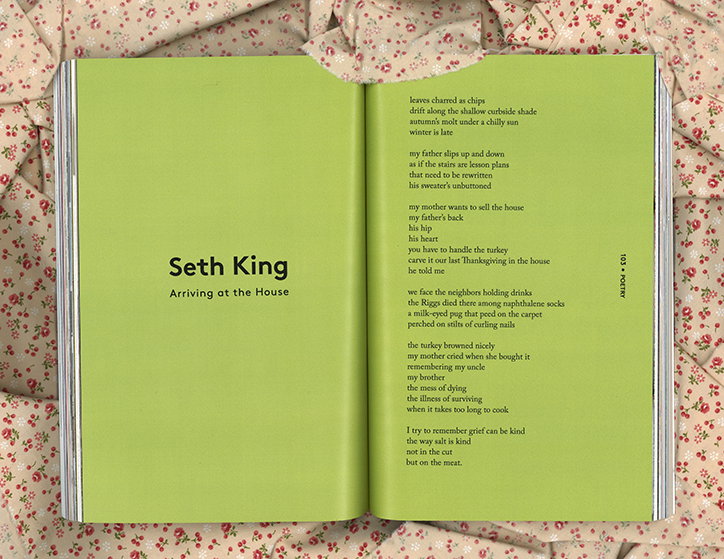
American Chordata Issue Six: Seth King
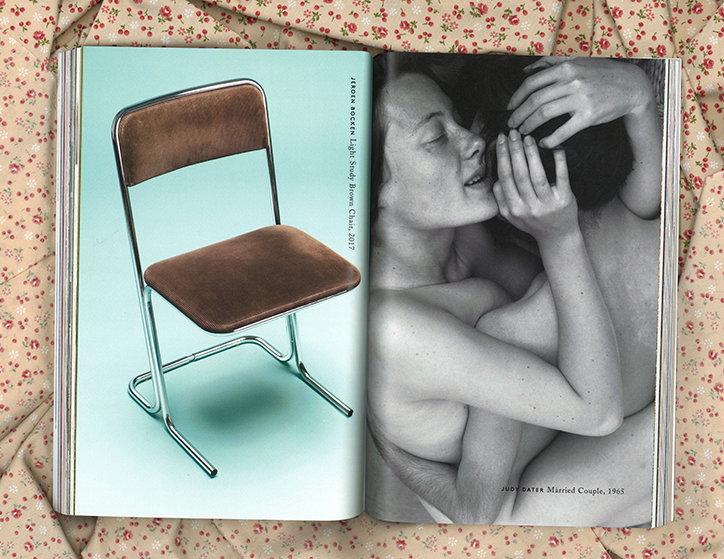
American Chordata Issue Six: Jeroen Bocken, Judy Dater
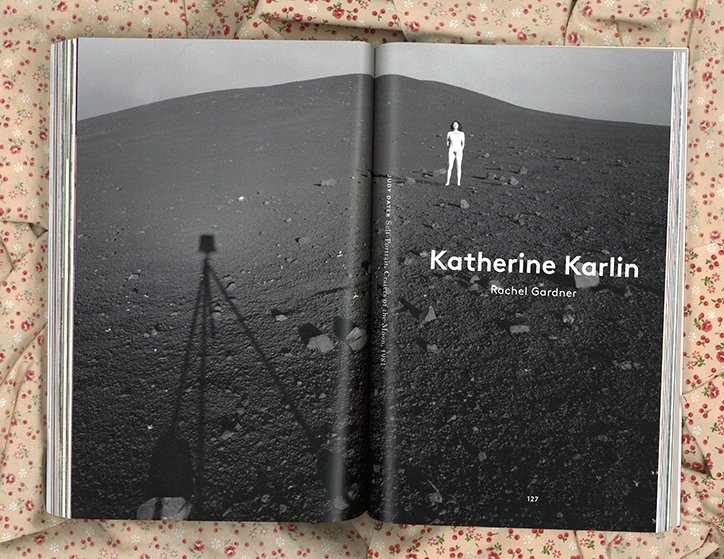
American Chordata Issue Six: Judy Dater, Katherine Karlin
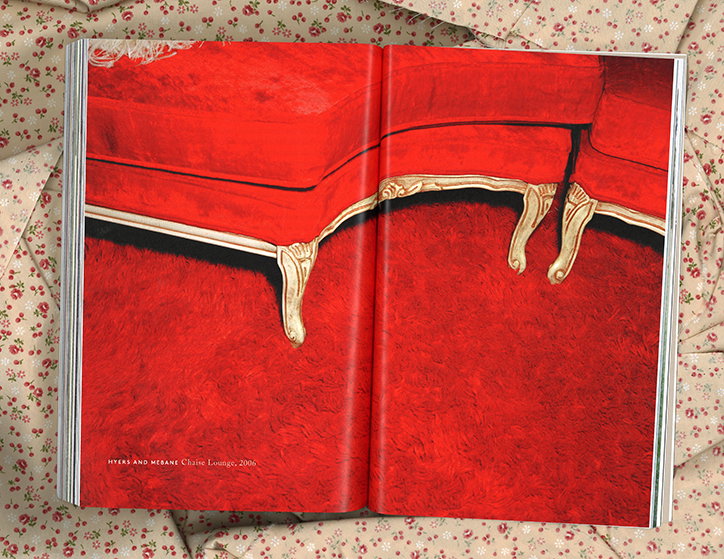
American Chordata Issue Six: Hyers and Mebane
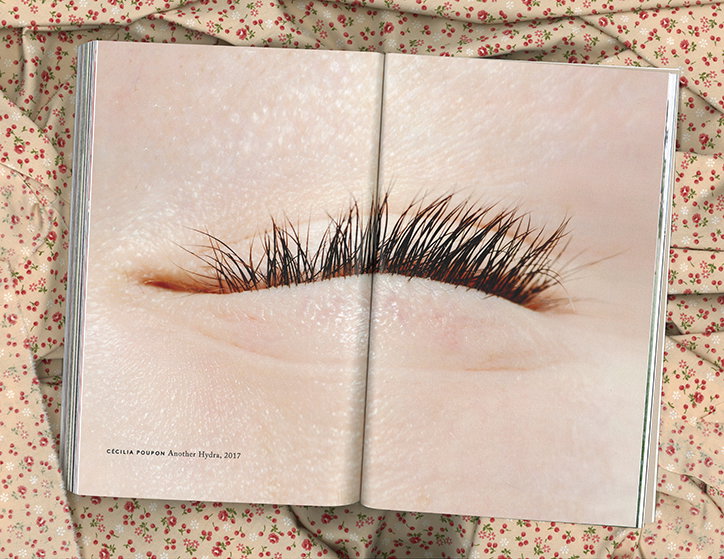
American Chordata Issue Six: Cécelia Poupon
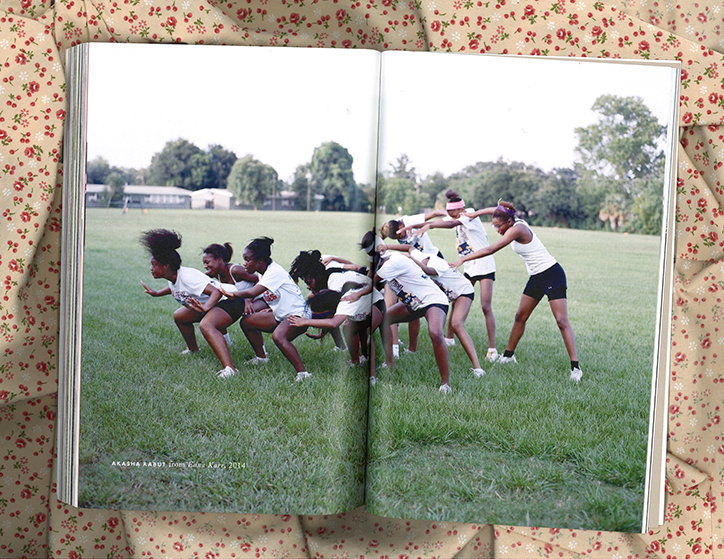
American Chordata Issue Six: Akasha Rabut
Share Article
Further Info
About the Author
—
Ruby is Senior Creative at It's Nice That, overseeing our visual output across platforms and projects. Before that, she was associate editor on the editorial team, after joining in September 2017 following graduation from Central Saint Martins.