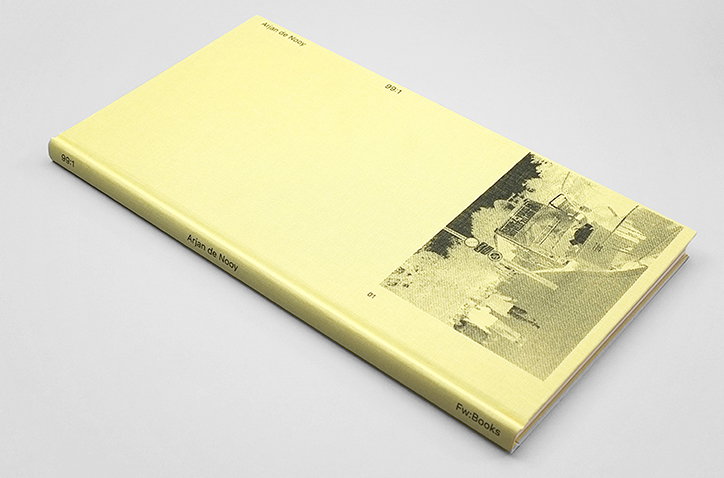
Arjan de Nooy’s book, 99:1, is an extended exercise in image deconstruction
Having studied both chemistry and photography, Dutch photographer Arjan de Nooy says: “I like to think that my approach to photography has always remained somewhat scientific, in that I have a studious attitude to the medium.” His work typically looks towards art history and image theory, using components of both to construct visual fictions which appear validated by the detailed informational constructs he builds around them.
Presenting himself as a “photo collector and art historian”, Arjan runs the website denooycollection.com, which delivers comprehensive studies of “unknown but nevertheless important Dutch photographers”. These include “the true inventor of photography, Adriaan Paauw, who produced photograms in the 18th Century, Eline Portman, one of the first female Dutch street photographers, and the thought photographer Eddy Zuidhoek, who thought up sexually charged images. Of course, this is all fiction.”
With reference to the concepts and motivations that drive his practice, Arjan says: “Much of my work is informed by my interest in personal photographic style. Given the fact that a photograph is made by a camera and that one depends on the ‘real world’ for the subject matter, it is questionable whether personal style in photography really exists, or whether it consists of much more than some really simple technical choices.” In general, I work both with my own as with found images, which I use to devise stories and theories. My own role in these projects can vary from art historian to feminist, from collector to ornithologist. Most of my projects are published in books, a medium I prefer and that fits my work well.”
Arjan de Nooy: 99:1
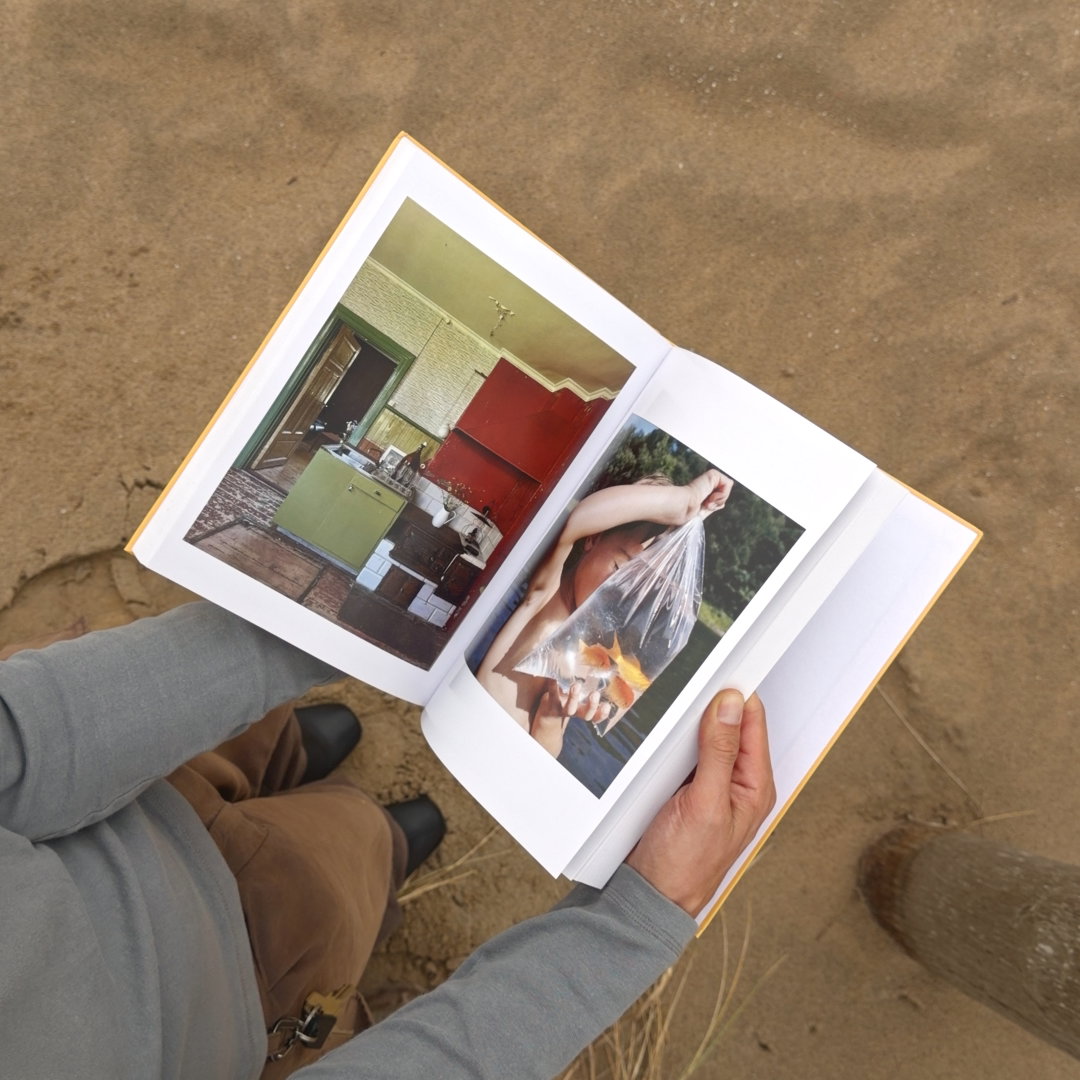
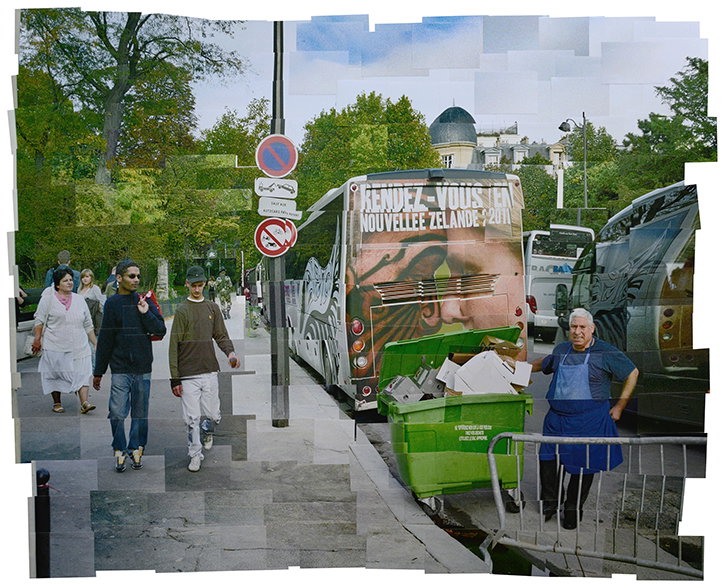
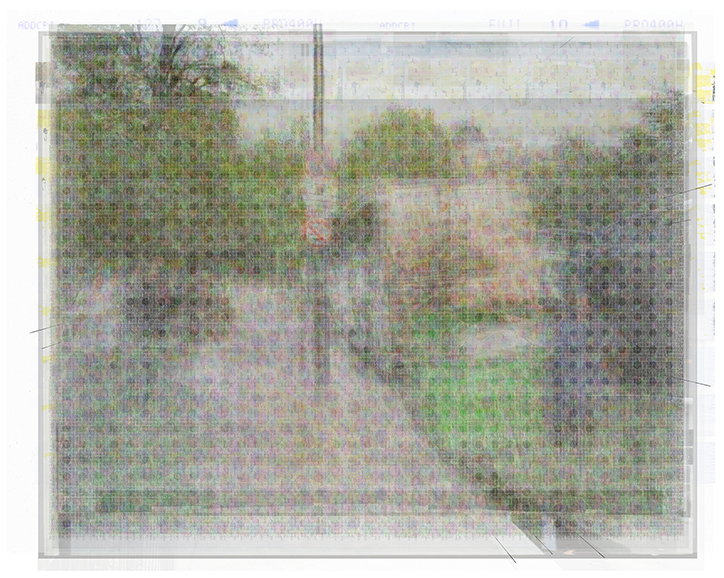
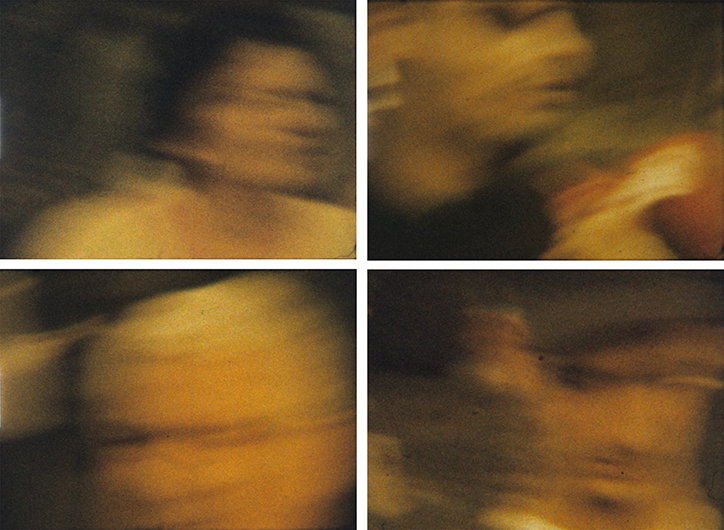
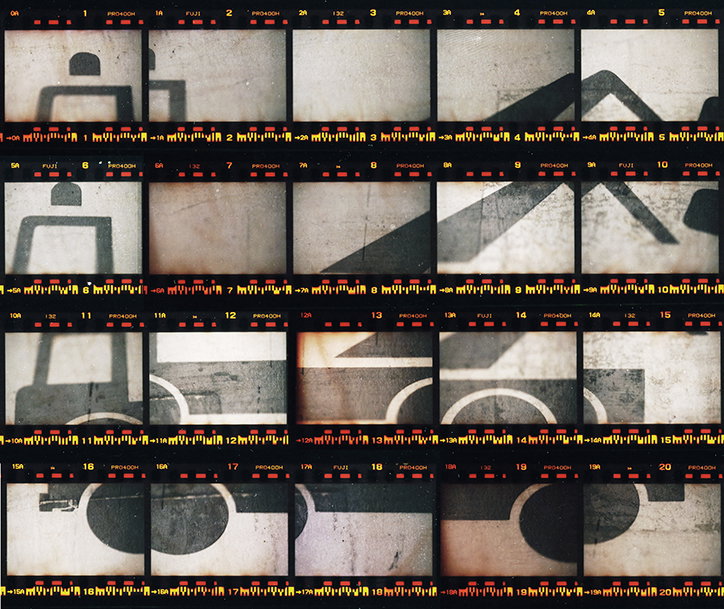
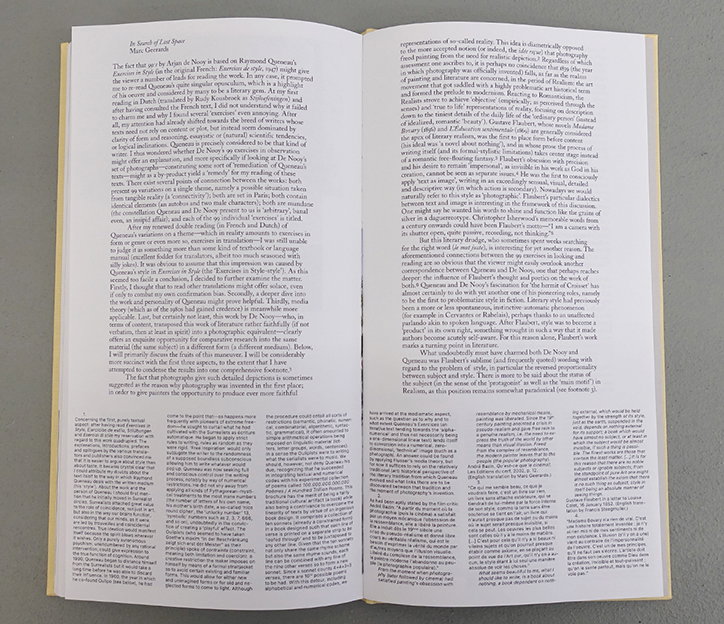
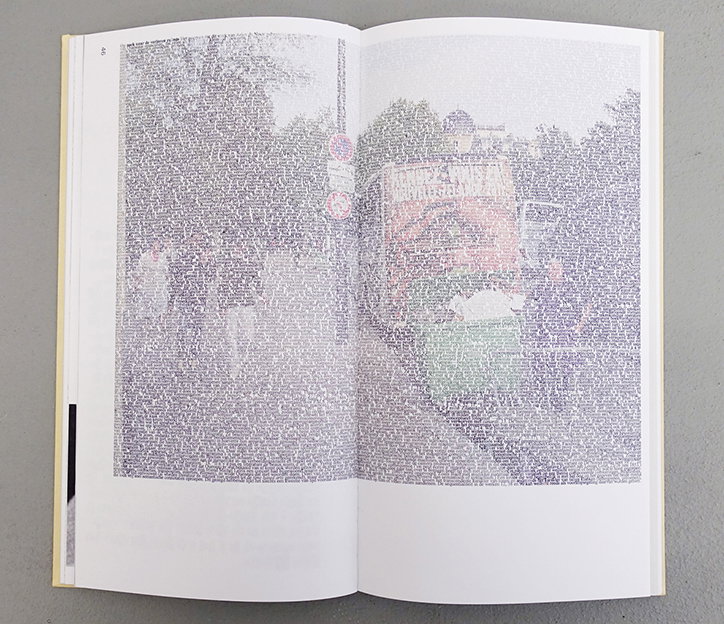
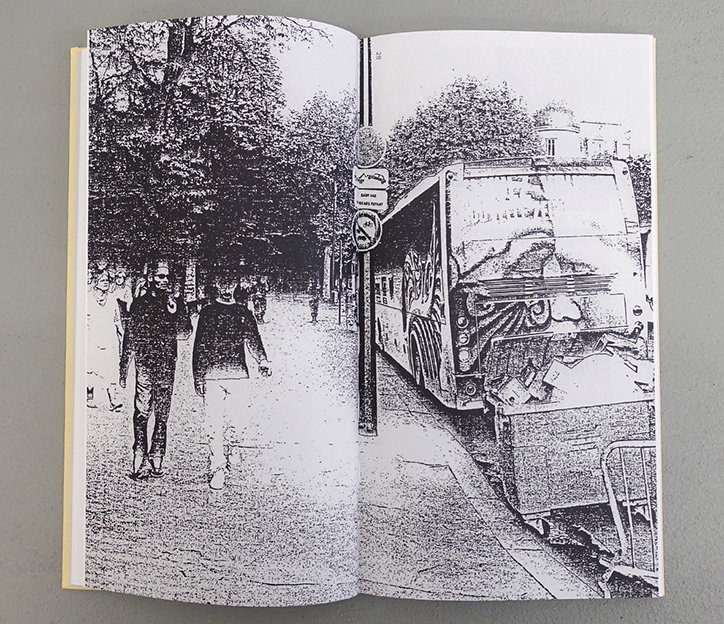
Arjan’s most recent publication, 99:1, published by Fw:Books, revolves around a single, seemingly innocuous photograph which, over the course of the book, spawns 99 different images, all referring back to the initial picture. “The idea is really quite simple,” Arjan tells us; “The book is inspired by Raymond Queneau’s 1947 literary text _Exercises in Style,_ in which he tells a trivial story in 99 different ways. In 99:1 a similar operation has been applied but to a single photographic negative. This could be seen as an elaboration of the wishful idea that the information in a photograph is unlimited and that it is possible to extract a meaningful image from any randomly selected photo. I had the plan for this project already in 2013 when I selected the source photo. For the past six years, I’ve worked on the project on and off.”
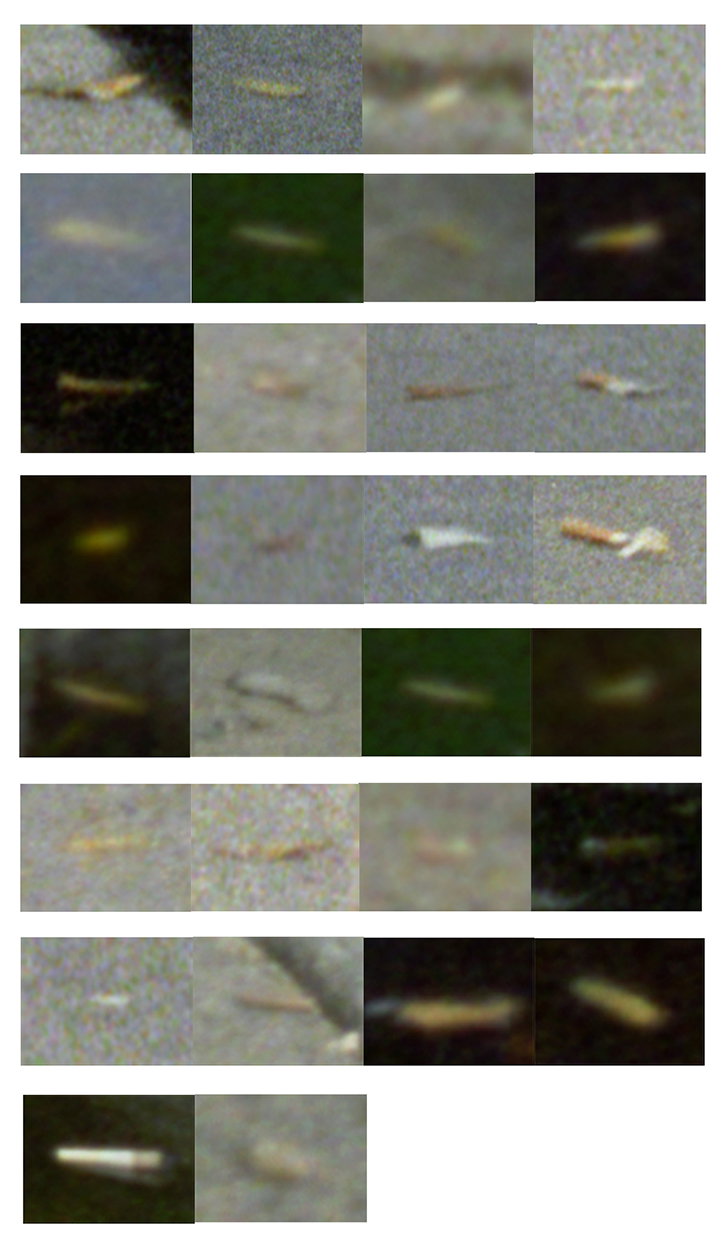
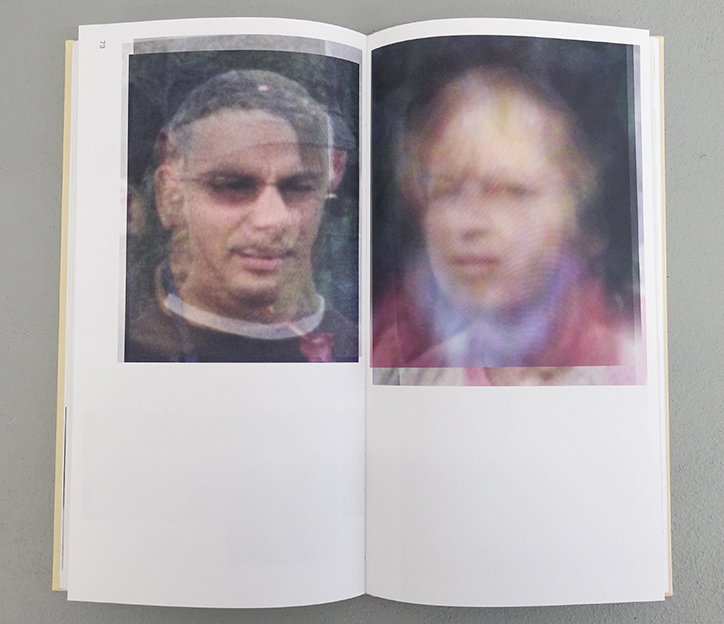
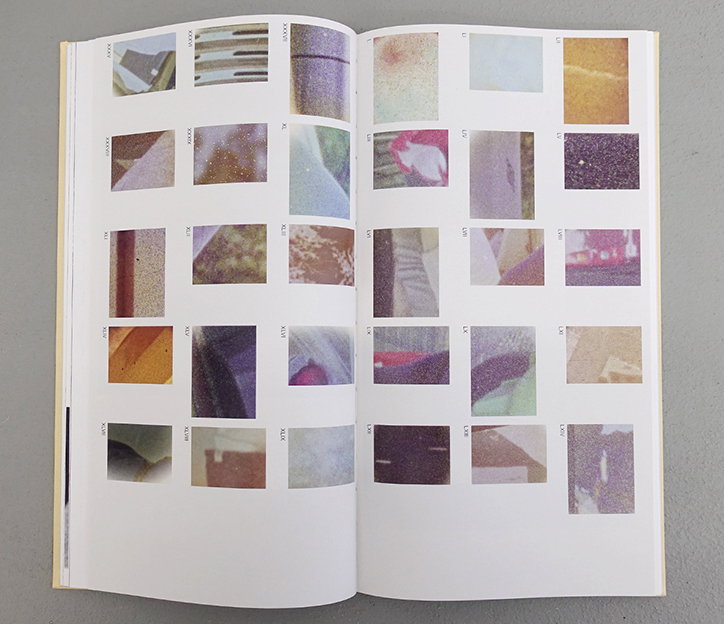
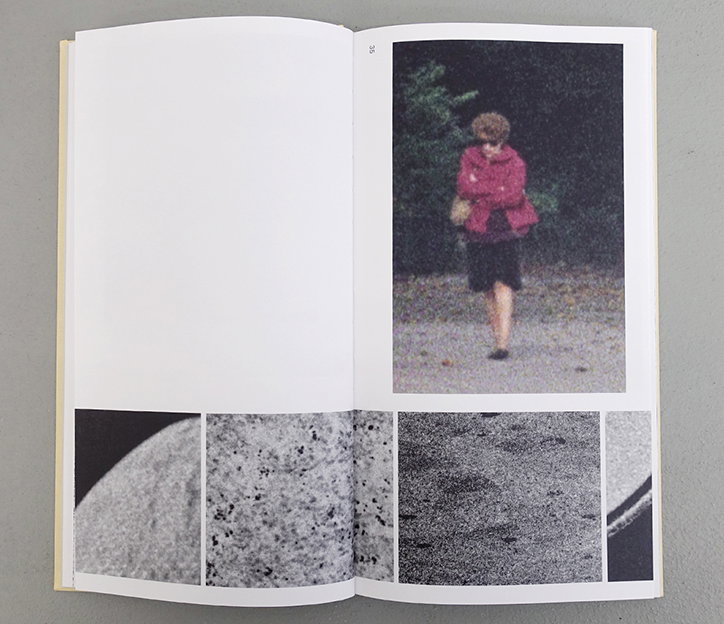
With its highly conceptual basis, the book itself plays out as a series of visual experiments. Arjan isolates fragments of the original image to create new configurations – collections of all the cigarette butts, all the passersby, or all the stains that appear in the photograph – as well as manipulating the image as a whole to render it in a different style. Describing the process of delivering 99 offspring from the mother-image, Arjan says: “I started from a single negative which, by now, must be the best-studied photo in the world. The image was ‘treated’ in many different ways: I cut it, creased it, cropped it, folded it, tore it, filmed it, wrote it, combined it, recombined it, printed it, salt-printed it, photogrammed it, copied it, Xeroxed it, photographed it, re-photographed it, superimposed it, dissected it and buried it until I had 99 new images or series of images that pleased me.”
99:1 is both a deconstruction of a specific image and a deconstruction of the ways in which we receive, interpret and assign value to images. As Arjan states: “There was no pointed reason for choosing this particular image rather than any other, except that it bears some resemblance to Queneau’s story: it shows a bus and two young men. They appear to be having a conversation about a button. It was taken in Paris. At the time – 2007 – the idea of using the image for this, or any, book had not yet emerged. In this way, it was an unexpectedly seminal recording.”
Arjan de Nooy: 99:1
Arjan de Nooy: 99:1
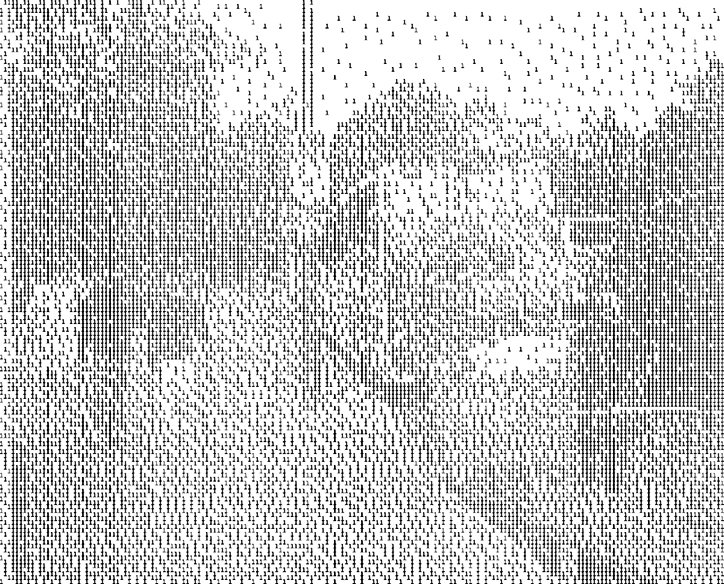
Arjan de Nooy: 99:1
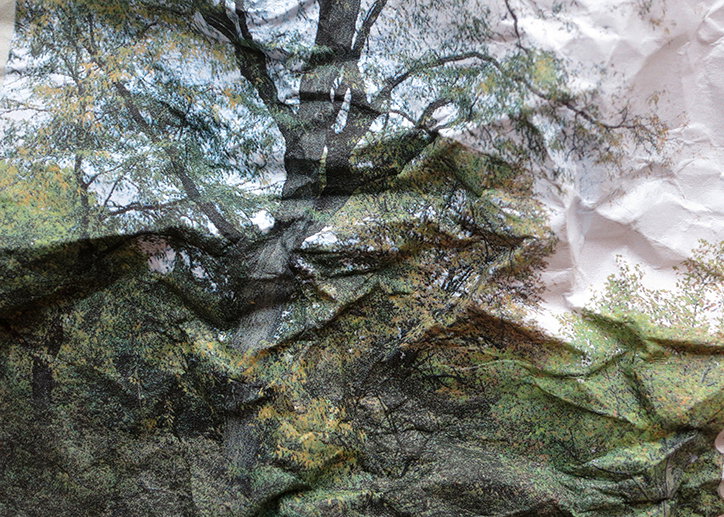
Arjan de Nooy: 99:1
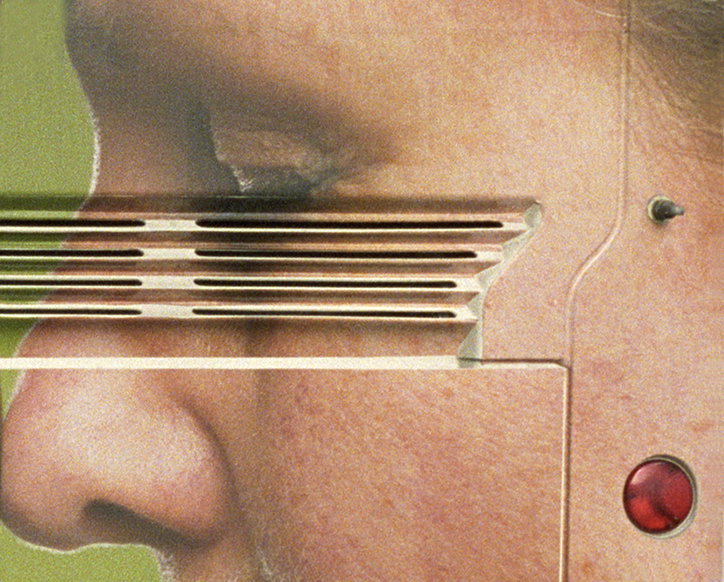
Arjan de Nooy: 99:1
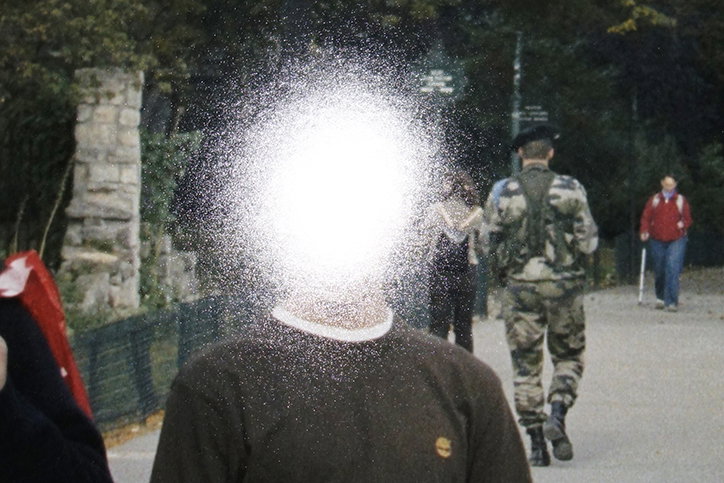
Arjan de Nooy: 99:1
Arjan de Nooy: 99:1
Arjan de Nooy: 99:1
Arjan de Nooy: 99:1
Arjan de Nooy: 99:1
Arjan de Nooy: 99:1
Arjan de Nooy: 99:1
Arjan de Nooy: 99:1
Arjan de Nooy: 99:1
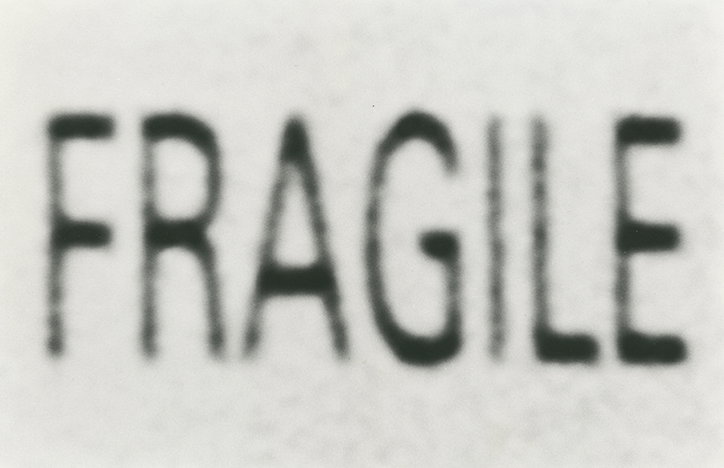
Arjan de Nooy: 99:1
Share Article
Further Info
About the Author
—
Rowe joined It’s Nice That in the summer of 2019 as an editorial assistant. She wrote many fantastic stories for us, mainly on hugely talented artists and photographers.