

The World of Black Film by Ashley Clark is a striking survey of Black cinematic history
Endorsed by Spike Lee and with a foreword from John Akomfrah, this monumental book charts 100 must-watch movies to expand our view on the canon.
There aren’t many books about Black cinema, and when there are, they tend to focus more on Black American cinema. This was one of Ashley Clark’s main motives for his new book, The World of Black Film (note the use of the word ‘World’) when he was approached by Laurence King to survey Black cinema – it needed to be genuinely international.
“Black American popular culture is rightly and justifiably acclaimed for its hard-earned impact and influence – obviously The Fresh Prince of Bel-Air was my favourite show as a teenage Londoner!” the film critic, broadcaster and programmer tells It’s Nice That. But he felt frustrated at how ‘Black film’ is often conflated with ‘American film’, to the exclusion of African, Caribbean, and European Black cinema. “I don’t think this comes from a malicious place,” he adds, “and in many ways it’s understandable: people stick to what they know, and a lot of African and Caribbean cinema is poorly distributed and borderline impossible to see, for various depressing reasons. I wanted to approach this issue with generosity, and for the book to be a ‘both/and’ affair: it features a lot of Black American film, but it aims to expand horizons too.”
Ashley’s 15-year career in the film industry, currently as curatorial director at the Criterion Collection in New York, has been dedicated to amplifying and contextualising international Black film. When reading film magazines as a teenager, he noticed early on that Black film (even big budget Hollywood productions) tended to get overlooked in mainstream movie discourse. “When it was written about,” Ashley says, “it often suffered from a lack of context and understanding, courtesy of what I might generously describe as a non-diverse pool of critics.” So, when he decided to do the book, he had in mind a 16-year-old Ashley – a burgeoning film fan who wanted to know more about Black cinema. “I wanted it to be rigorous, but also fun and completely accessible.”
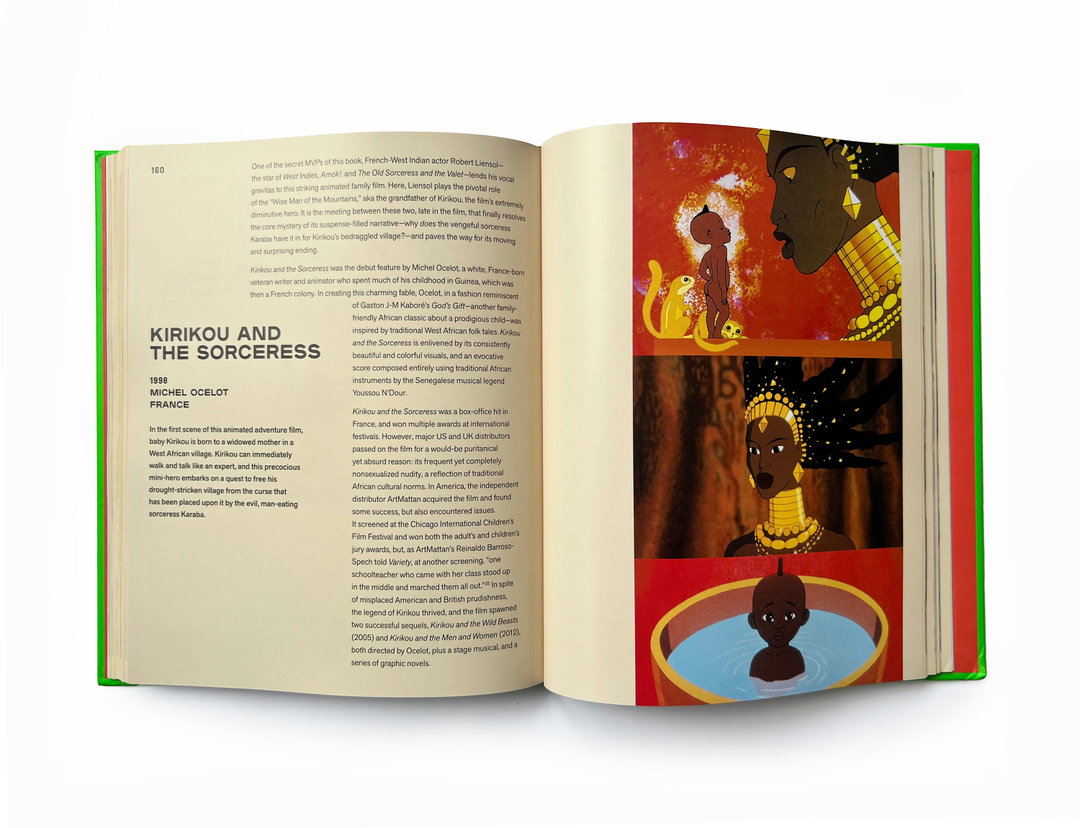
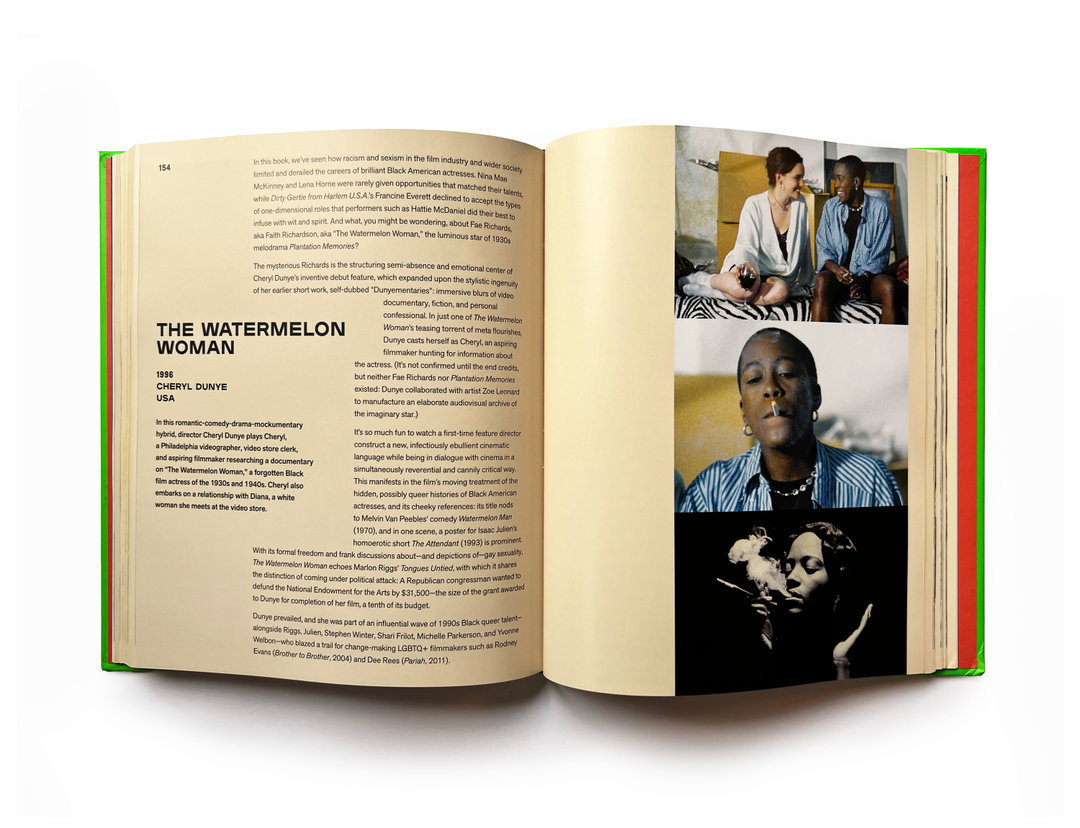
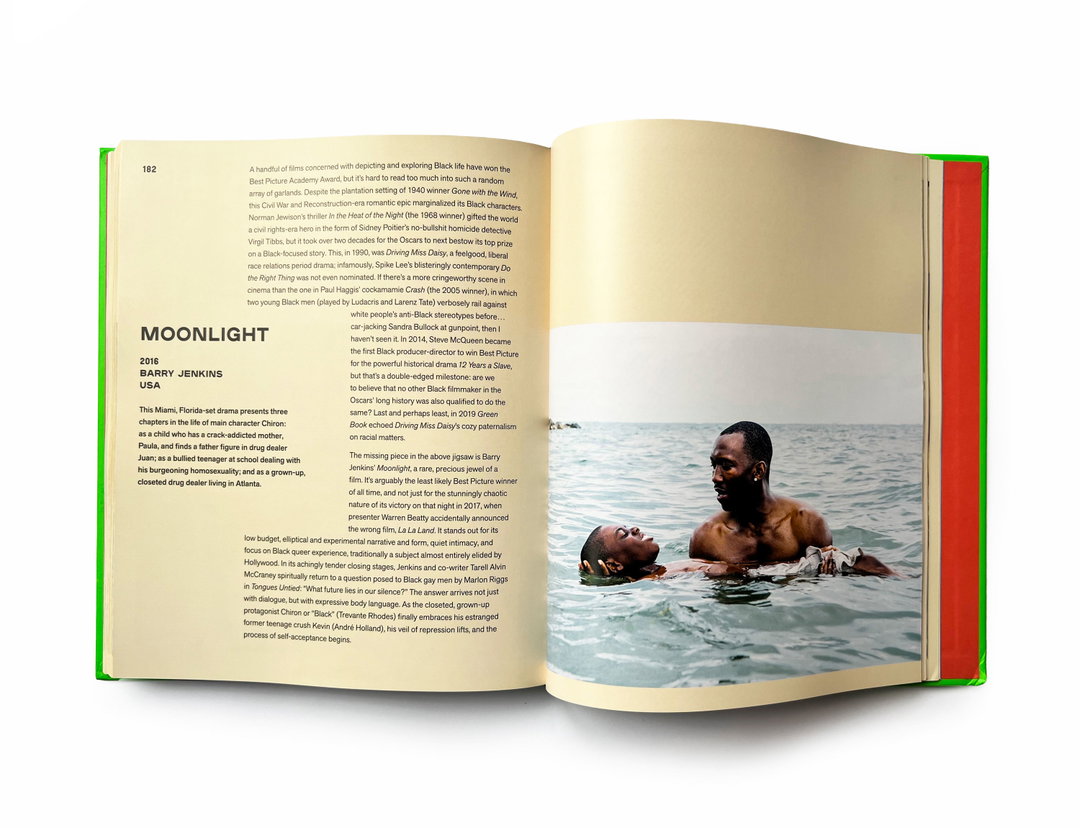
GalleryAshley Clark: The World of Black Film; design by Alexander Boxill (Copyright © Laurence King, 2026)
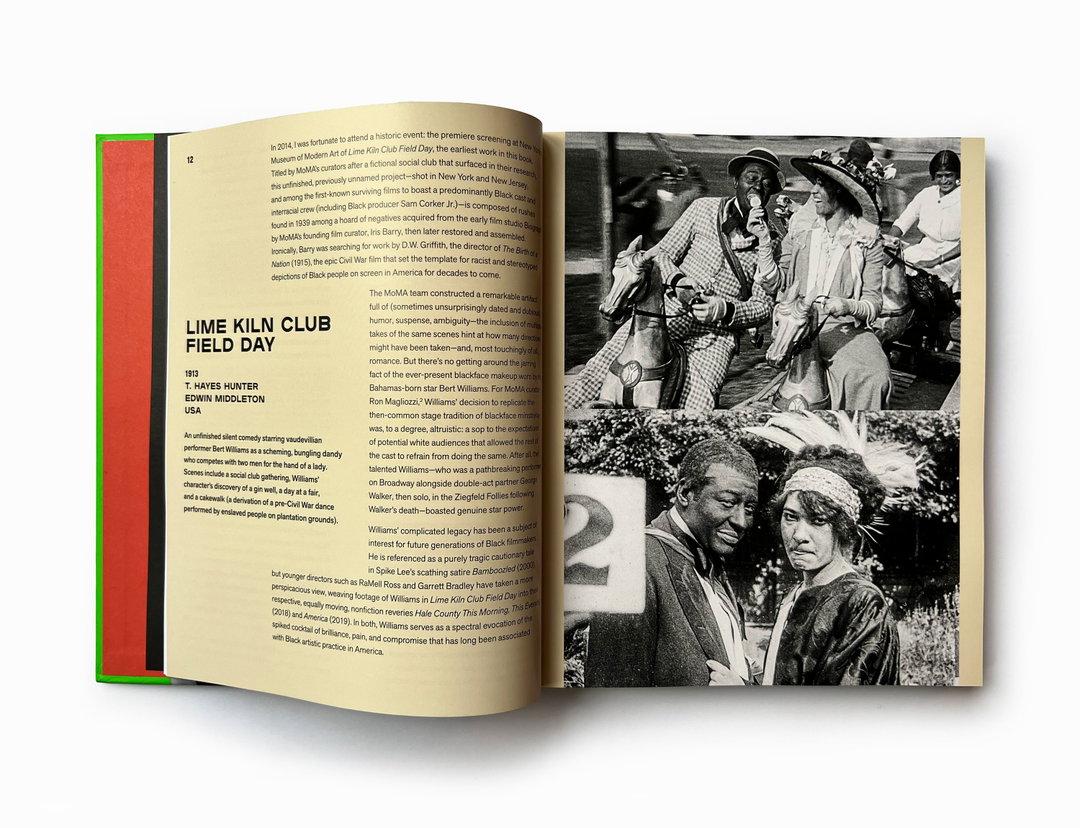
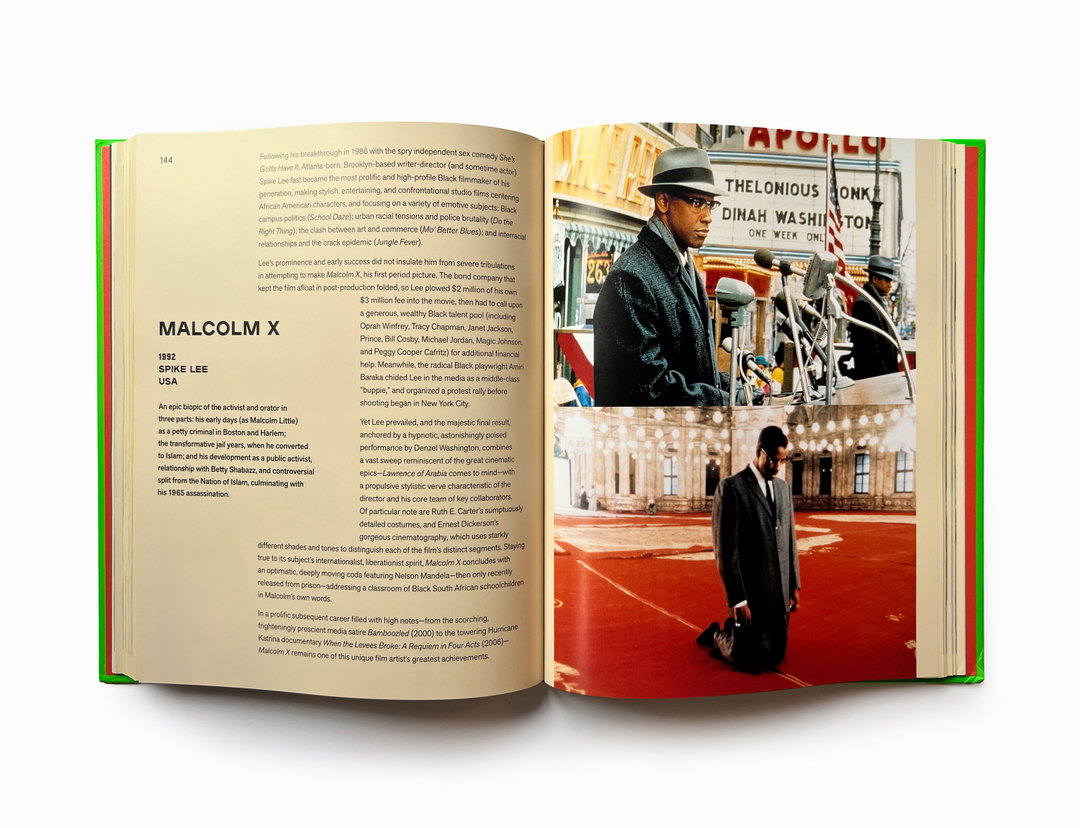
This is achieved (and then some) by the beautiful tome it has become: a chronological survey of 100 must-watch films, hand-picked by Ashley, starting at 1913’s Lime Kiln Club Field Day by T. Hayes Hunter and Edwin Middleton, and ending with 2024’s Blitz by Steve McQueen. He chose films that featured cultural exchange and international collaboration – American icons such as Josephine Baker and Paul Robeson working in Europe, for example. He restricted himself to one film by each director (which proved tricky when it came to Spike Lee – it pained him to leave out Do The Right Thing but Malcolm X fit the brief better) and predominantly focused on Black filmmakers, bar a few. Nothing But a Man, for example, was directed by white Jewish filmmaker Michael Roemer, and was reportedly, beloved by Malcolm X, “which is a hell of an endorsement” comments Ashley. He drew on his experience writing, reading and programming film, and was inspired by the work of other curators and writers such as Cameron Bailey, Manthia Diawara, and June Givanni.
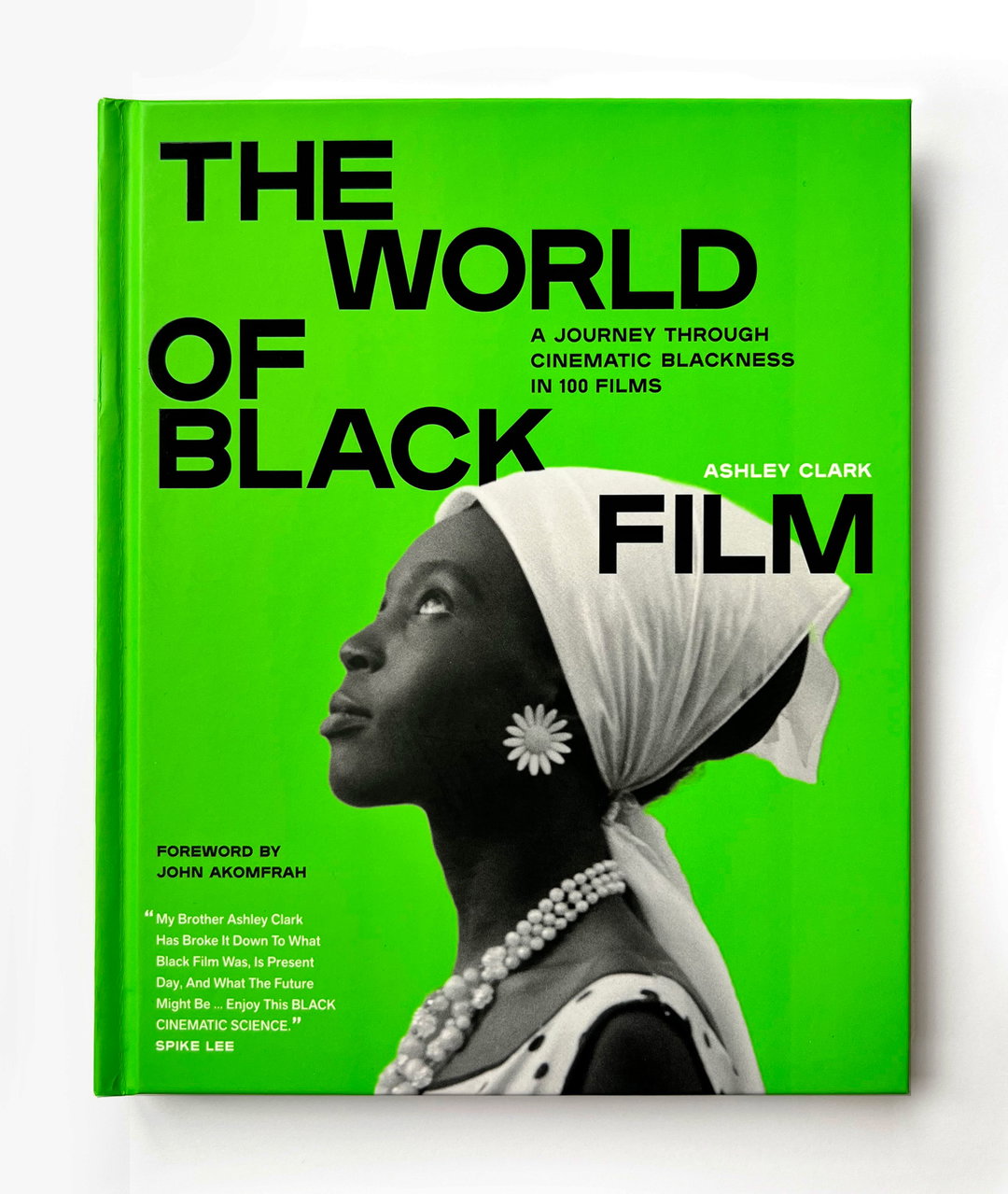
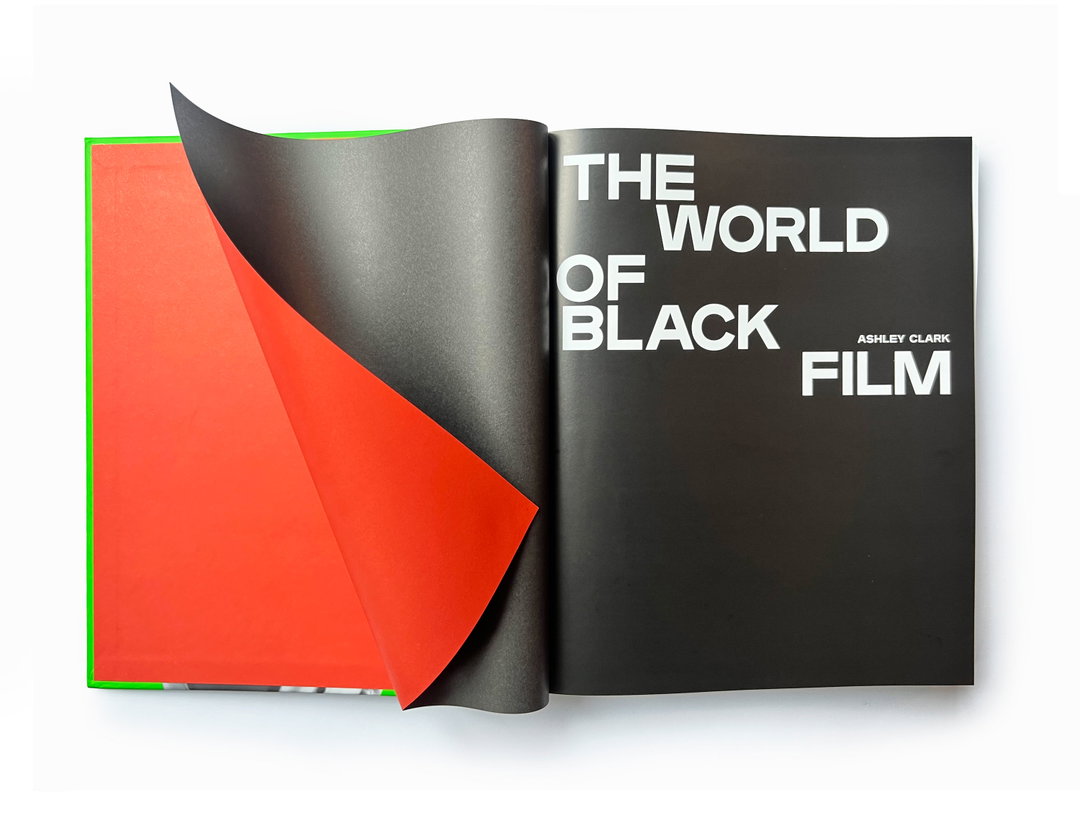
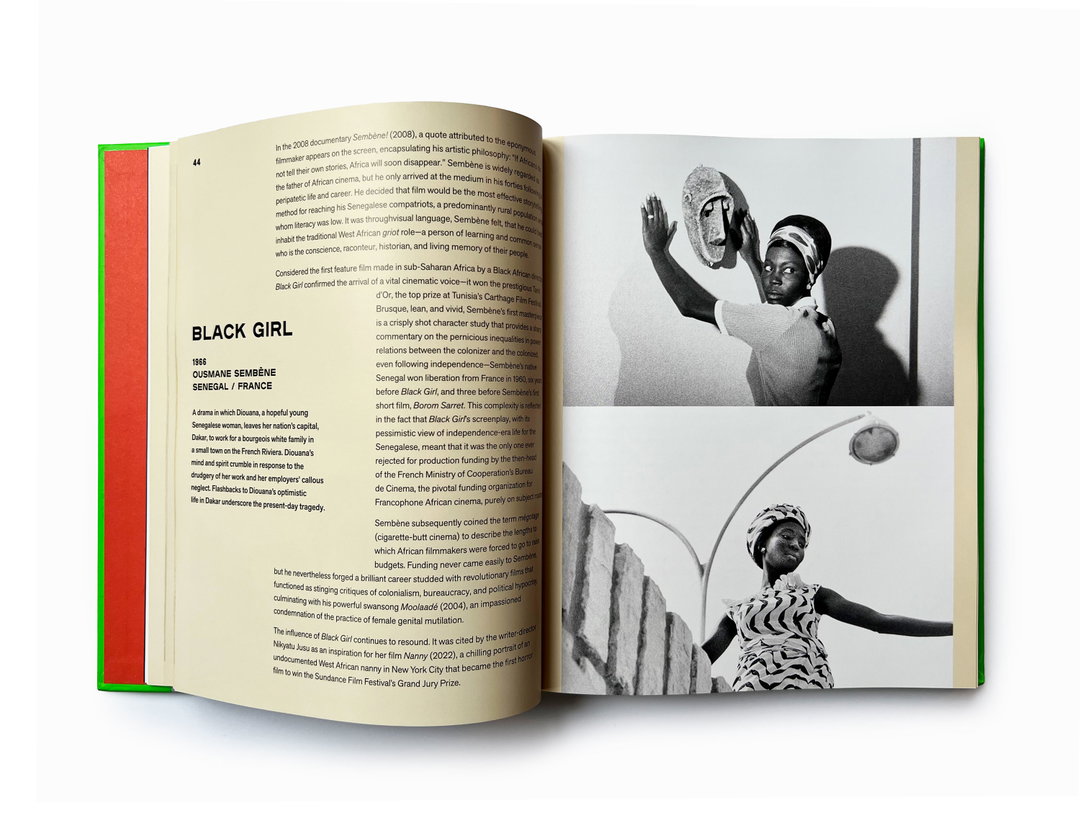
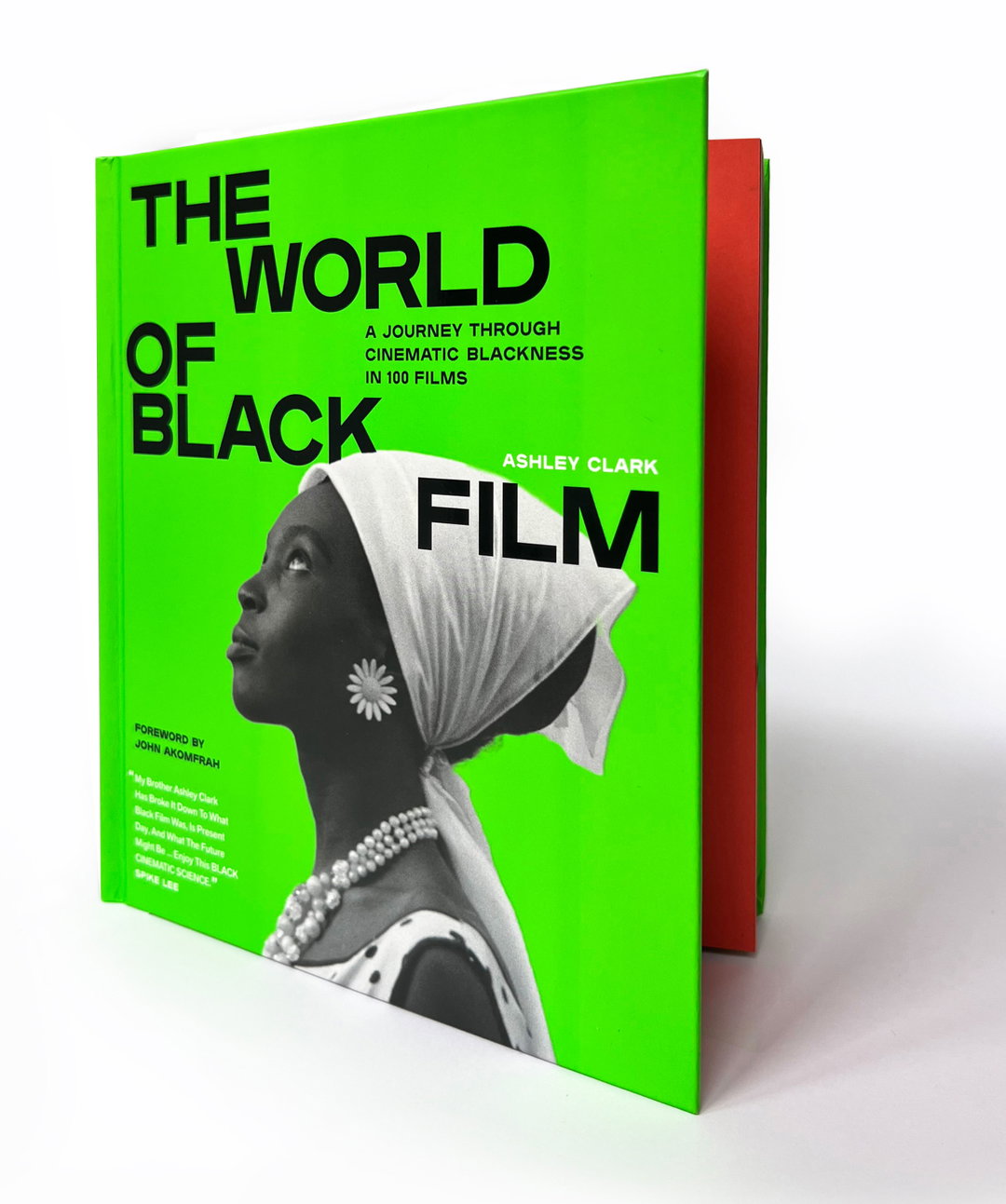
When the list was finalised, Ashley began working closely with designer Violetta Boxill of Alexander Boxill Associates on the design, who Ashley says has given book a “distinct and striking look that almost electrifies the written content”. The book is wrapped in a vivid lime green, its bold text complemented by a delicate but powerful cut-out still from Black Girl – a 1966 French-Senegalese drama directed by Ousmane Sembène. “We chose the still of Diouana (the lead character) for her optimistic upward gaze,” Violetta tells us. “Her gaze suggests a forward-looking narrative: framing Black cinema as dynamic, expansive and visionary. And her optimism softens the boldness of the font, (Plaak 6 – Ney by Damien Gautier), as the text moves with her, not against her, in visual beats across the page creating an animation-like quality, mirroring cinema itself.”
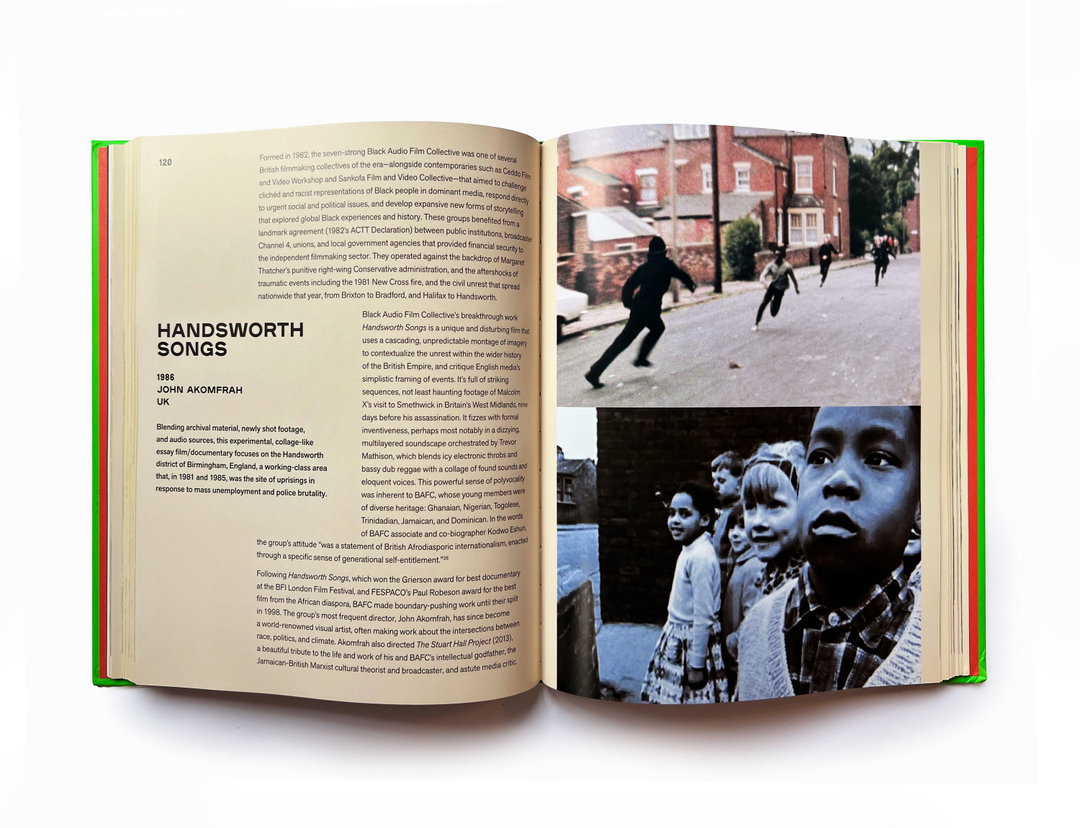
The book’s end papers are red, so coupled with the green and black cover, the design “quietly references the Pan-African flag” Violetta adds. Inside, the layout is “clean and disciplined” with images exclusively on the righthand page, to create a flipbook-like rhythm. On the lefthand pages, the film titles “eat” into the body copy about the film, aiming to create playful movement on the page.
The book is not exhaustive (Ashley describes a painful process of elimination to get to the final 100 films) but this book is vast in scope and rich with inspiration and history. For the writer, the most joyous aspects of making it were finding films that he’d never before discovered (such as 1983’s Amok!), and unexpected connections, such as a John Coltrane song that popped up in both an Ivorian psychodrama The Woman with the Knife (1969), and the Brazilian film Soul in the Eye (1973). “It speaks to Coltrane’s impact across the diaspora,” Ashley ends, “but also illustrates this almost spiritual connection between Black artists and artforms, pulsing through time and space.”
The World of Black Film is out today in the UK, published worldwide on 17 February. (Use the code FILM15 to get 15 per cent off, via the Laurence King site.)
GalleryAshley Clark: The World of Black Film; design by Alexander Boxill (Copyright © Laurence King, 2026)
Hero Header
Ashley Clark: The World of Black Film; design by Alexander Boxill (Copyright © Laurence King, 2026)
Share Article
About the Author
—
Jenny oversees editorial output across It’s Nice That. Get in touch with writing pitches for features or opinion pieces, big creative story tips, or questions about all things editorial. jb@itsnicethat.com
To submit your work to be featured on the site, please see our Submissions Guide.