

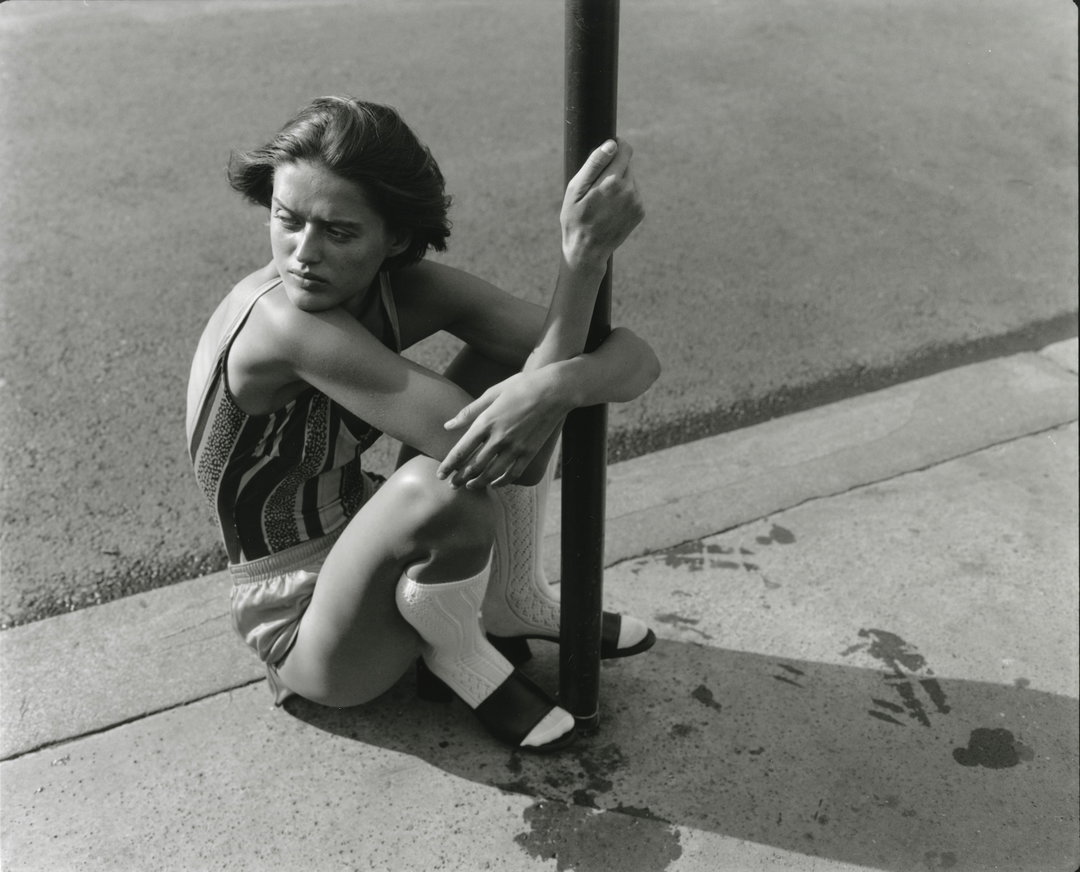
PhotoVogue returns to its first theme – the power and plurality of the female gaze
We speak to Alessia Glaviano, head of PhotoVogue on what it means “to see and to be seen” as the festival’s 10th edition, Women on Women, goes on show.
10 years ago, the first edition of PhotoVogue Festival was organised by Vogue Italia in Milan. It focused on the intersection of ethics and aesthetics in photography, and was firmly rooted in the fashion world, but spilled out into all sorts of genres including portraiture, documentary, and moving image. The formative event started its life with a series of exhibitions surrounding one key theme: ‘the female gaze.’
Over the years, the festival has emerged as a major cultural date in the international photography calendar, and this week marks its 10th birthday, with a line up of shows at Biblioteca Nazionale Braidense, one of Italy’s oldest libraries. To mark a decade of the photo festival, it felt only fitting that the event return to an investigation of its inaugural theme with Women on Women: a programme of four days of exhibitions, panel discussions and conversations exploring how women see and represent the world and each other through the lens.
Director of PhotoVogue Alessia Glaviano was attracted to this starting point – not strictly in the name of nostalgia or even for the sake of milestones – but due to a desire to chart an evolution in how women are choosing to define themselves through image making. “Ten years ago, when we dedicated the first PhotoVogue Festival to the female gaze, we were responding to a visible shift,” she shares. “More women were producing and circulating images with urgency and independence, particularly through digital platforms. It felt necessary to pause and ask what it meant to look as a woman.” At the time, the conversation around women’s perspectives in lens-based practices was still largely being framed in a way that limited them to an ‘opposition’ of the male gaze – “the female gaze was often defined in contrast to something else,” she says.
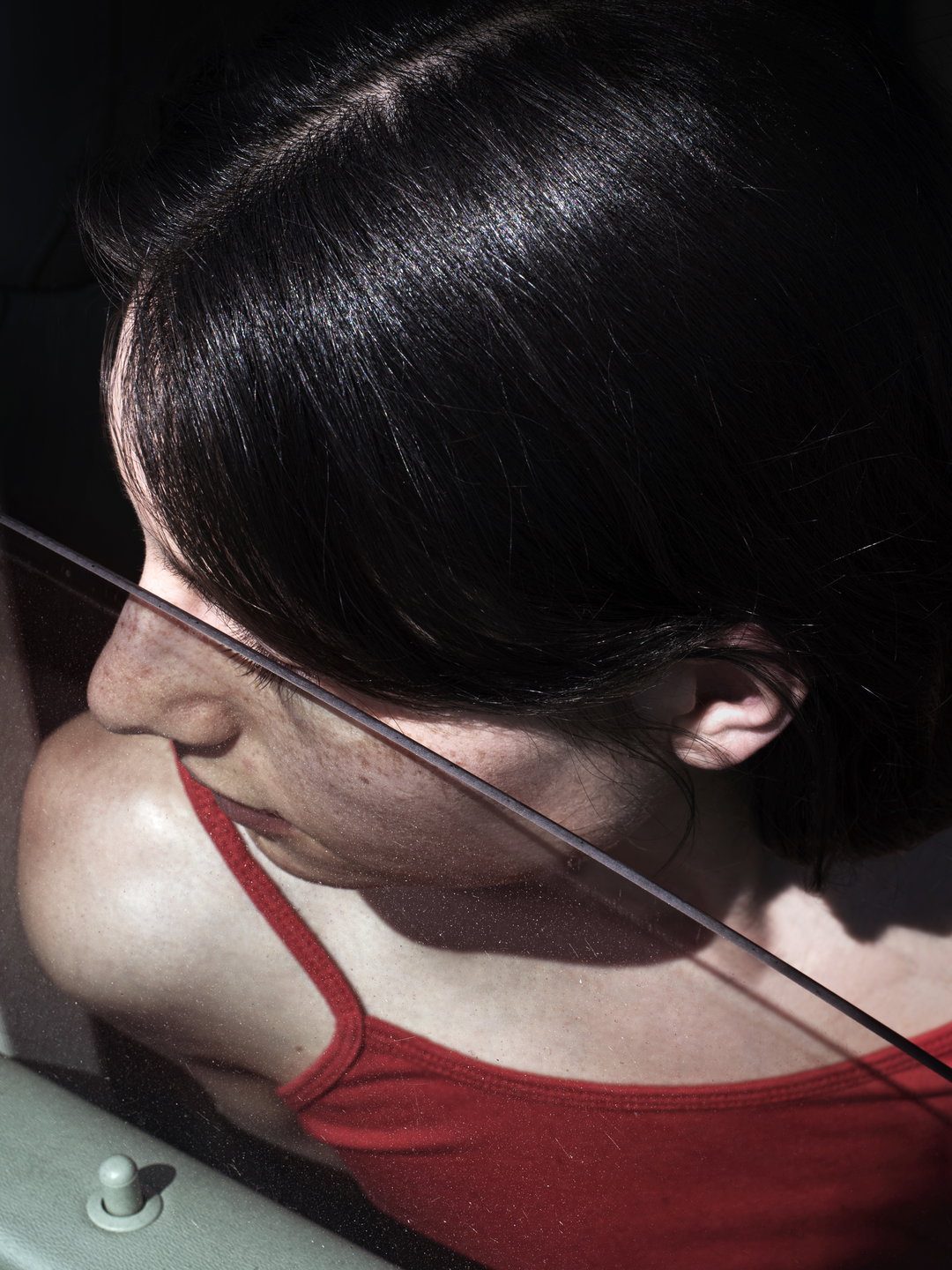
Women on Women: Vera van Dam, Dahlia (Copyright © Vera van Dam, 2024)
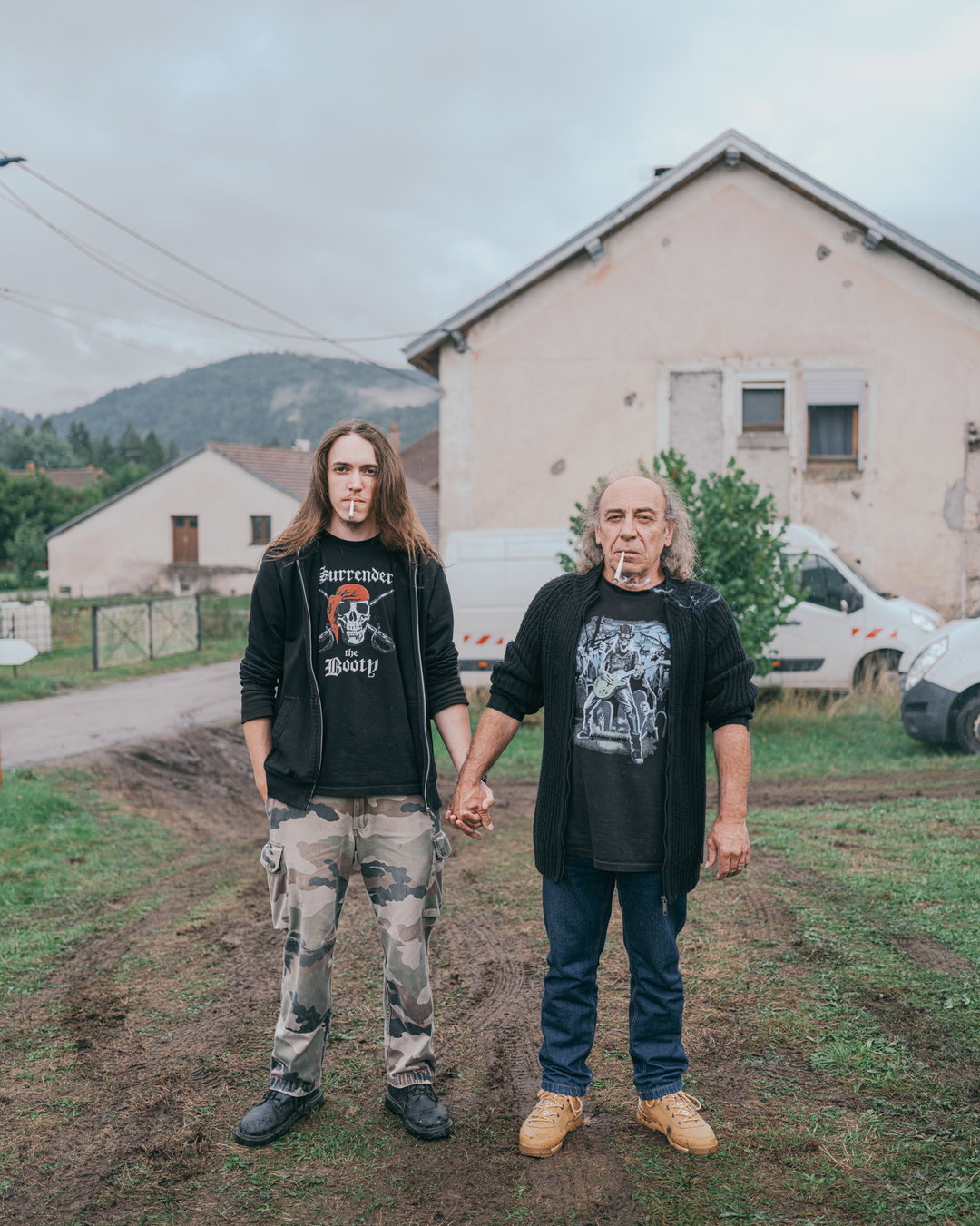
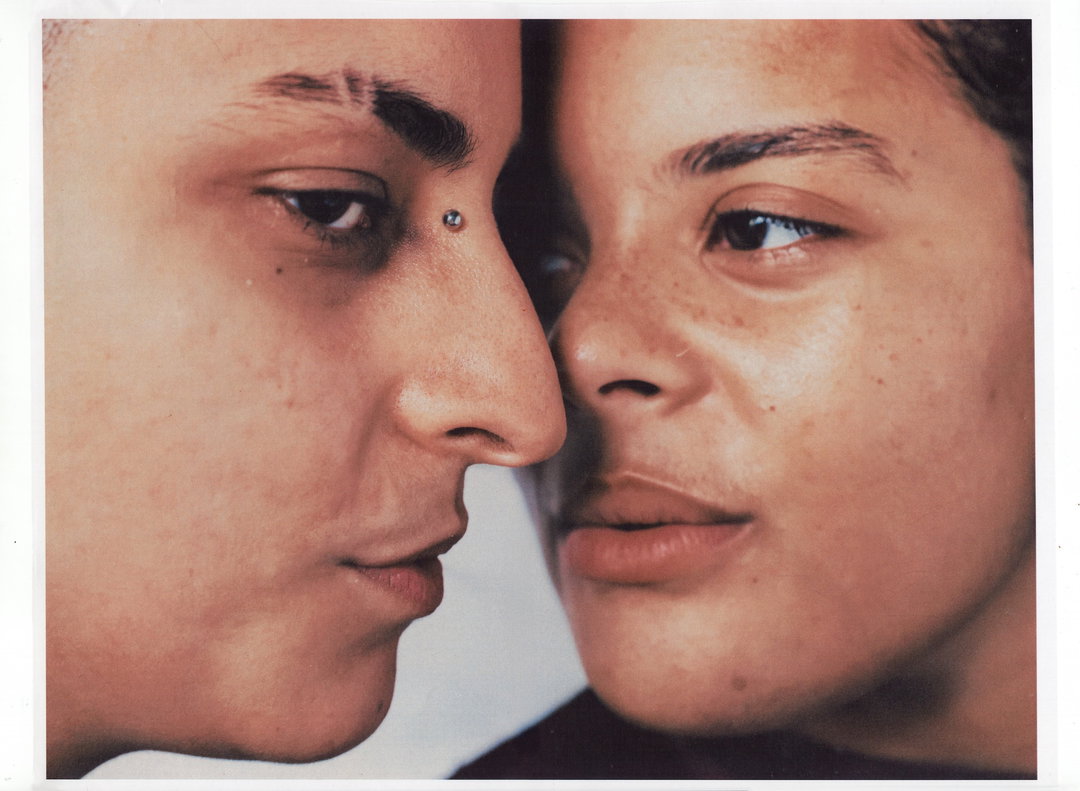
If the event’s most ambitious open call out for images to date (9,500 artists from 149 countries in total) shows anything, it’s that the landscape has changed. “Women’s authorship is more visible, more confident, and more globally interconnected than it was a decade ago. And yet structural inequalities persist,” Alessia tells us. The festival’s final lineup of 45 artists whose work is now on show in Milan display this shift. With lens-based practitioners such as Delali Ayivi, Bettina Pittaluga, Myriam Boulos, Clara Belleville, Vera van Dam, Silvana Trevale, Kristina Podobed, Carla Rossi, Elsa Hammarén and many more in the showcase, the selection of photography and film conveys something other than just a ‘reversal’ of a dominant view, it shows “a strong sense of self-determined vision”, says Alessia.
The show is as diverse in style as it is in subject matter. The thread that emerged through the amalgamation of all of the visual work this year for Alessia was not a trend per se, nor any singular aesthetic, but rather “a plurality of perspectives shaped by different cultural, political and personal realities”. From images in Alice Poyzer’s series Other Joys where she explores her identity as an autistic woman (through the world of special interests and the euphoria that surrounds them), to Youn Jun Kim’s photostory The Divine Body, which captures a close friends journey into motherhood, something that spanned across entries globally was “a sense of authorship that feels internally grounded”, says Alessia.
“There’s a noticeable shift toward interiority. The camera has become a tool for examining emotional landscapes, private spaces and embodied knowledge. At the same time, the personal is not detached from the political. Intimacy often carries structural weight. Stories of family, identity, sexuality, migration or conflict are told from within, rather than observed from a distance,” she says.
According to the director, this thread of introspection has pushed work further into experimental grounds. These artists are doing less to ‘fit in’ visually and more to embrace the complexity and diversity of their lived experiences: “Women are no longer asking to be redefined. They are defining themselves on their own terms,” Alessia shares.
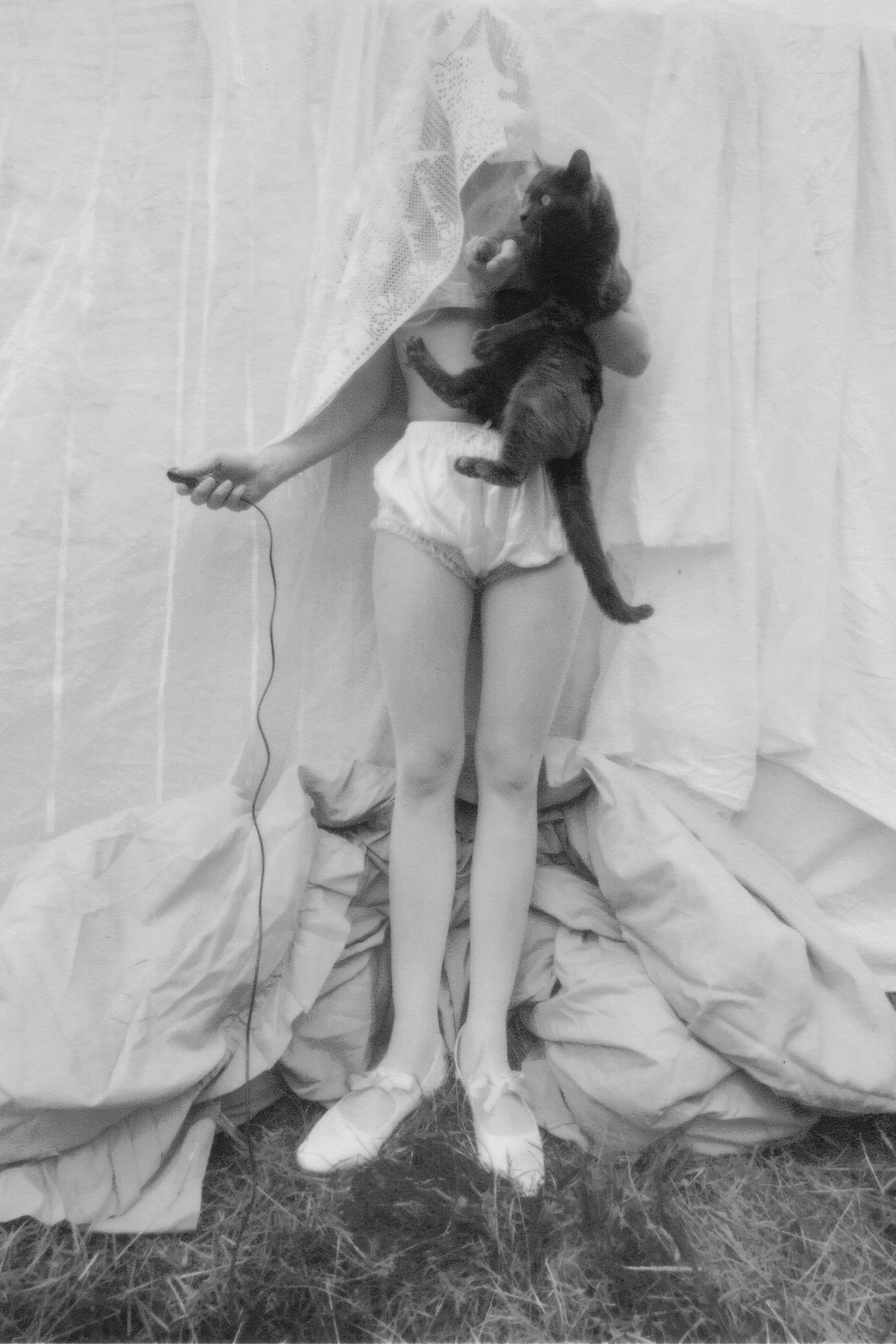
Women on Women: Anaïs Kugel, When seabirds are far away (Copyright © Anaïs Kugel, 2024)
Whilst the exhibition aims to counter imbalances of representation – to create visibility for the images that have historically been less seen – the festival also aims to connect artists across geographies and contexts that may have otherwise never met, and it’s done this at a larger scale than ever this year. The 45 artists presented in Milan form the core of the exhibition, and all 150 shortlisted artists from across the globe will appear in a dedicated slideshow in the space and as a digital exhibition on Vogue’s site.
With such a seminal event to celebrate a decade of the festival, Alessia hopes that this year’s show continues PhotoVogues mission to “shift who is seen, who is heard, and who is recorded in the broader story of photography today”, and that it asserts the idea that “women’s lens-based practices are not niche, temporary, or reactive – they are shaping the present of visual culture,” she ends.
Women on Women will be on show and open to the public at Biblioteca Nazionale Braidense, Milan until the 4 of March. You can find out more about the 2026 festival programme over on the Vogue site.
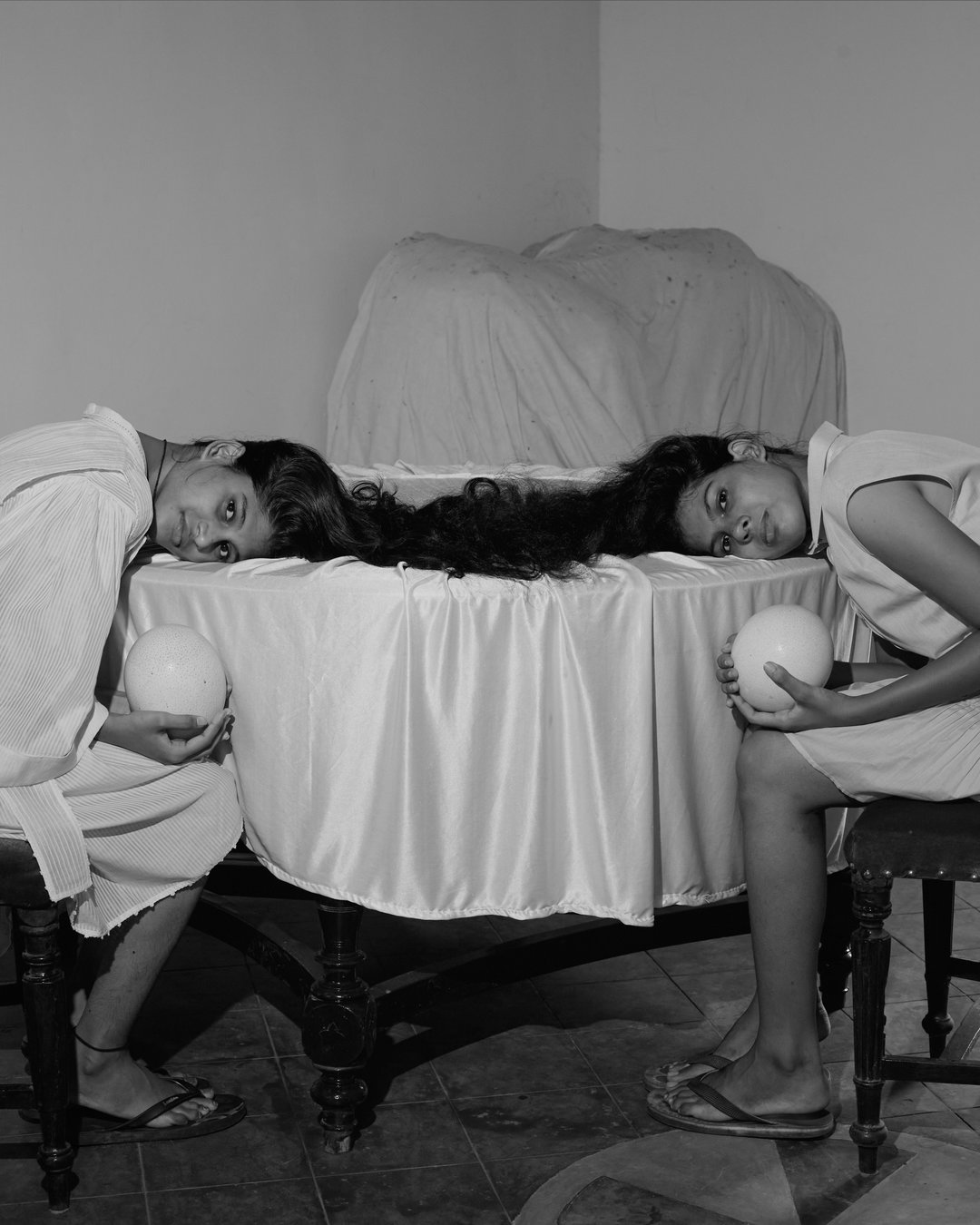
Women on Women: Pretika Menon, Dhon (Copyright © Pretika Menon, 2021-ongoing)
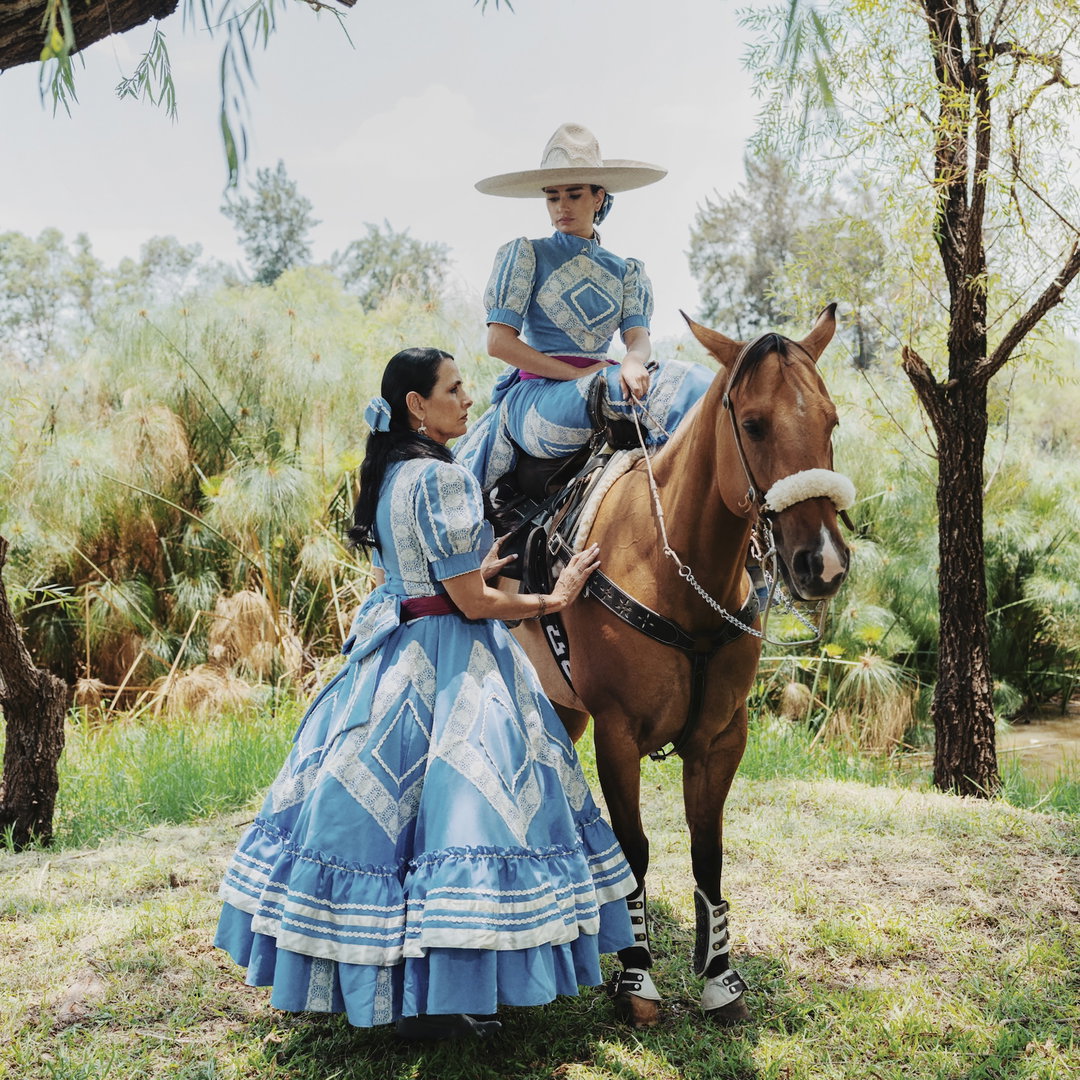
Women on Women: Luisa Dörr, Escaramuza ( Copyright © Luisa Dörr, 2024)
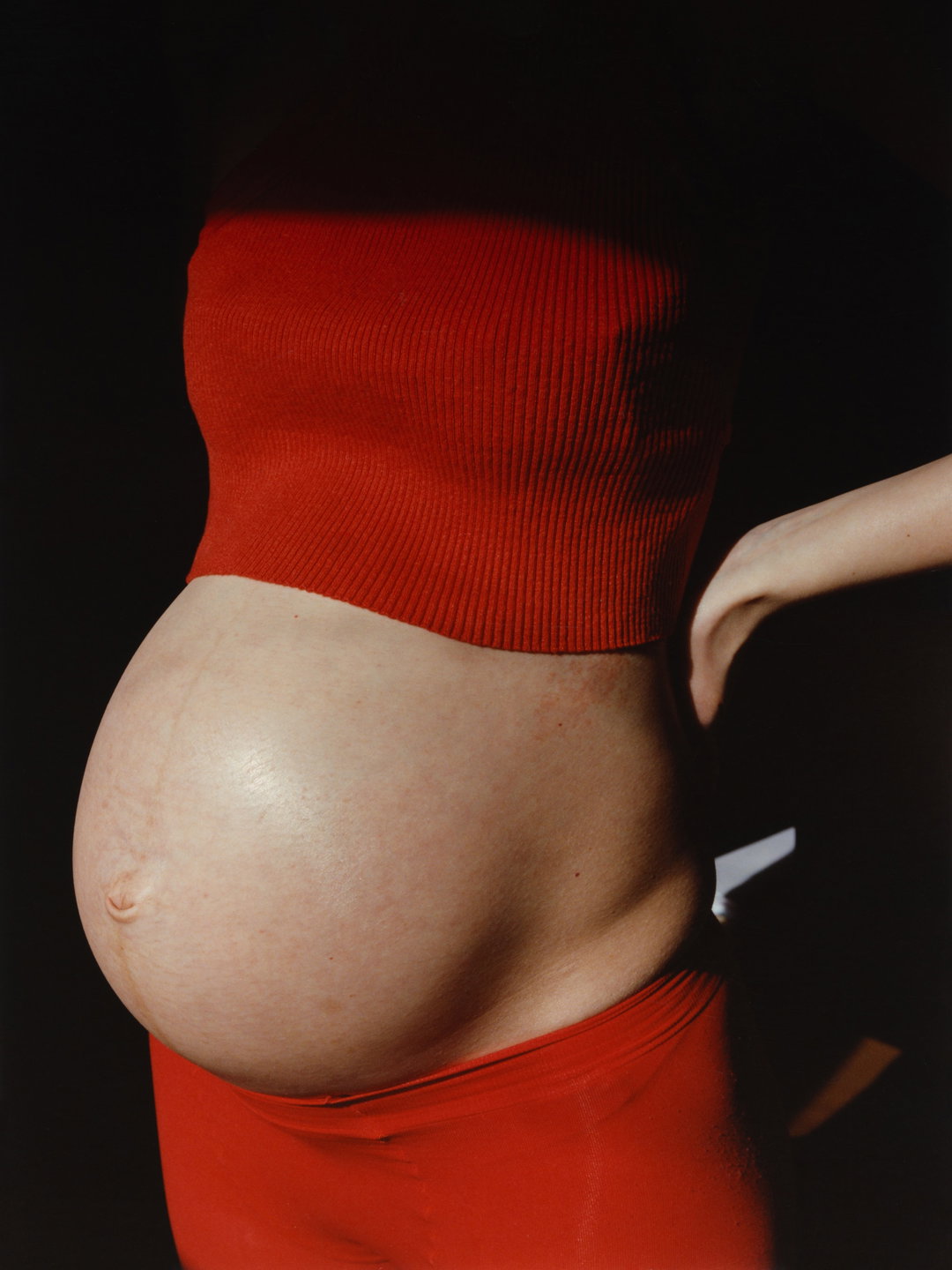
Women on Women: Youn Jung Kim, The Divine Body (Copyright © Youn Jung Kim, 2023)
Women on Women: Carla Rossi, Bellissima (Copyright © Carla Rossi, 2023)
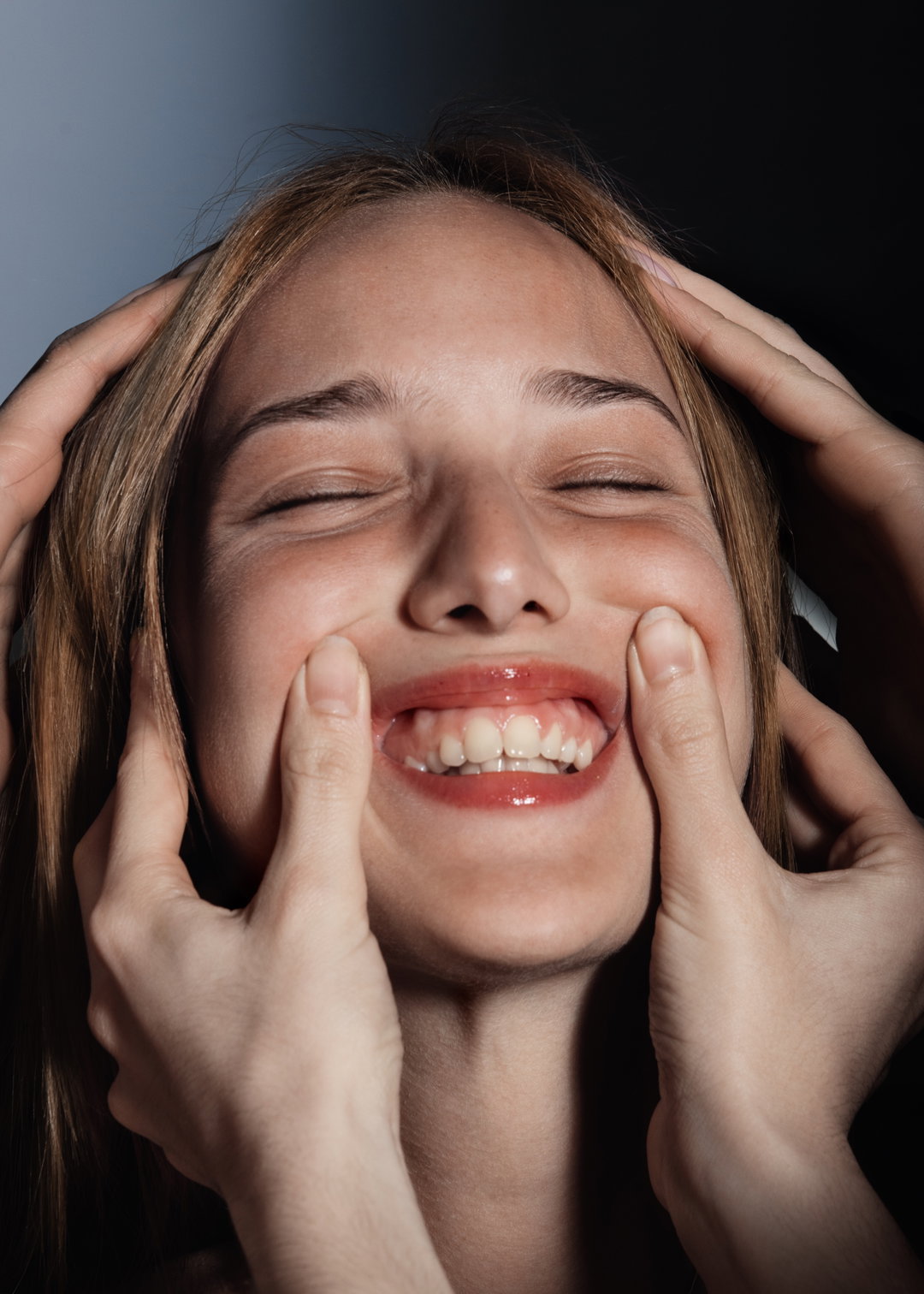
Women on Women: Carla Rossi, Bellissima (Copyright © Carla Rossi, 2023)
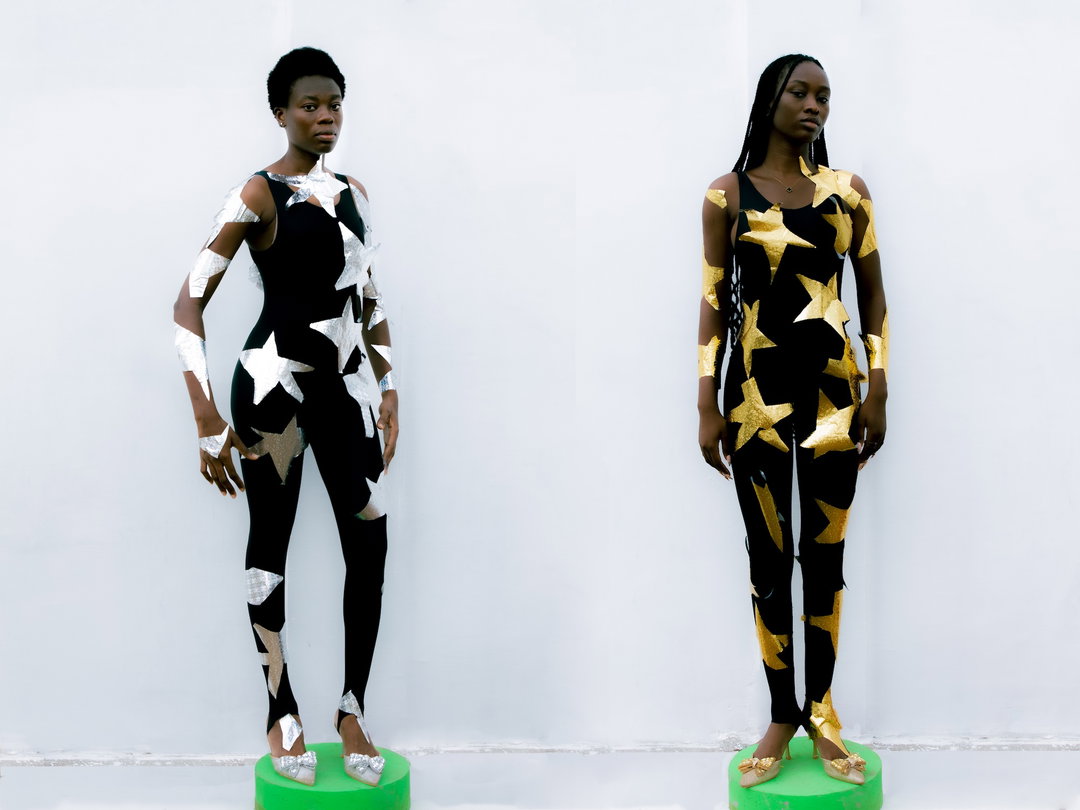
Women on Women: Delali Ayivi, On Womanhood and the Right to Dream (Copyright © Delali Ayivi, 2025)
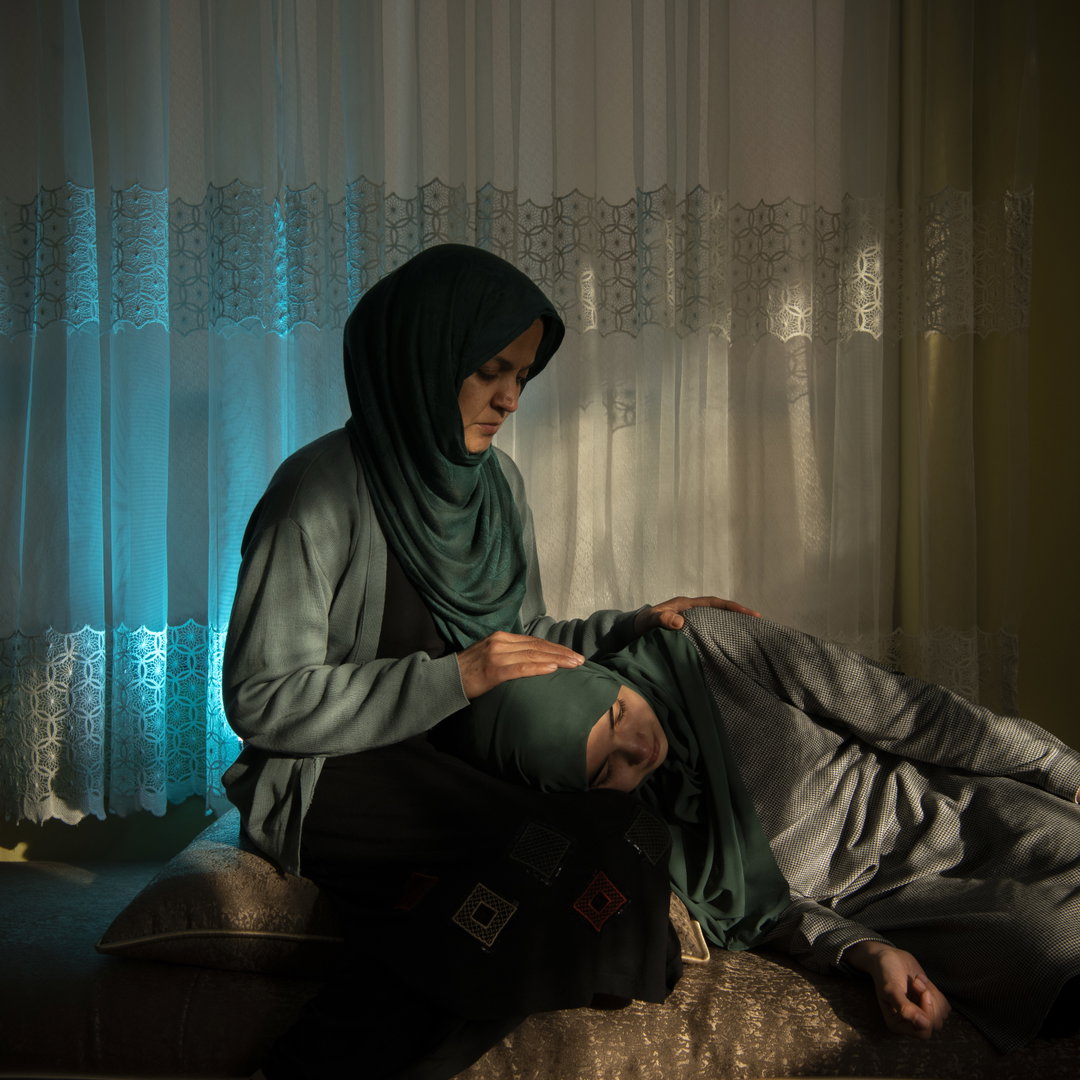
Women on Women: Kiana Hayeri, No Woman’s Land (Copyright © Kiana Hayeri for Fondation Carmignac, 2024)
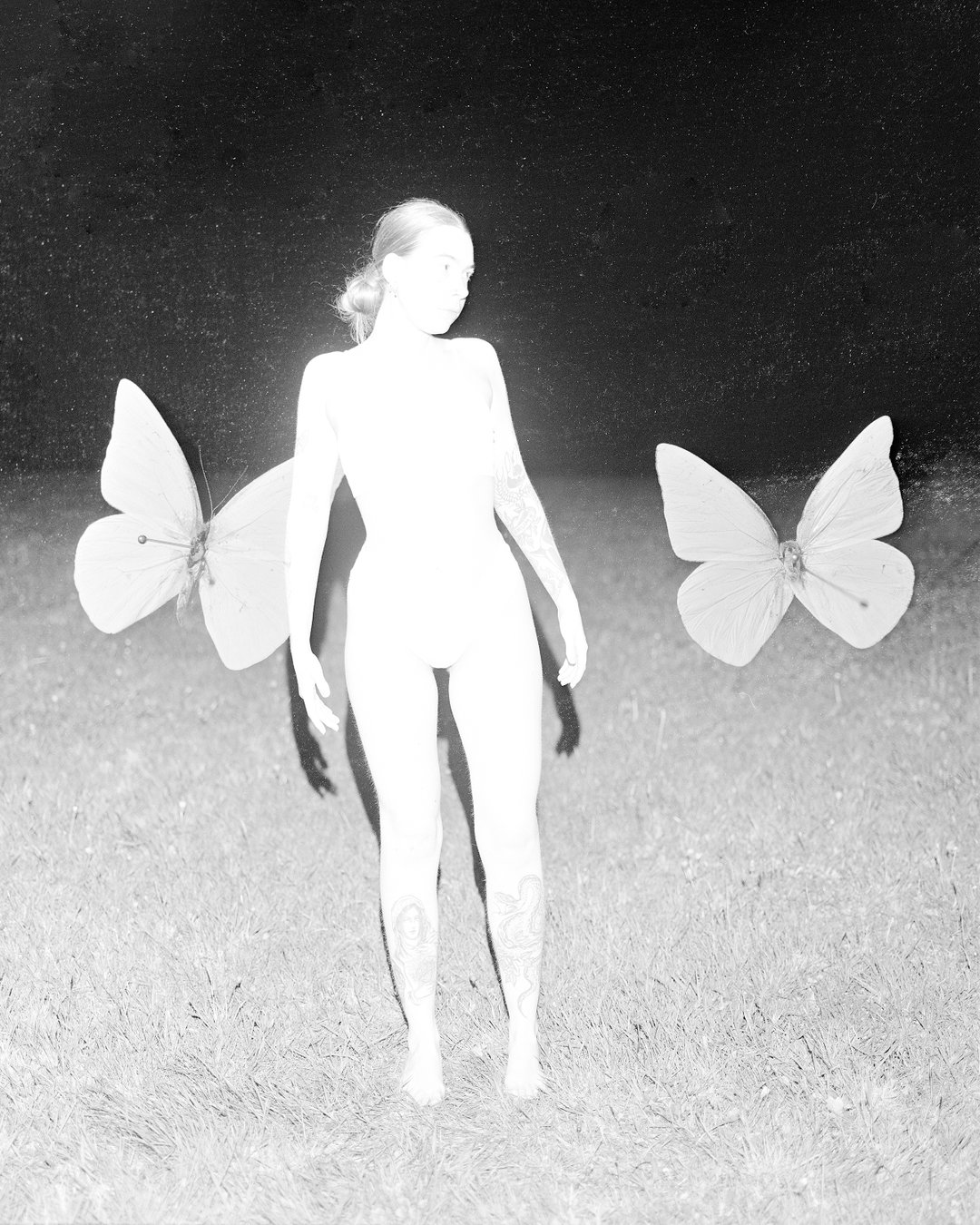
Women on Women: Alice Poyzer, Other Joys (Copyright © Alice Poyzer, 2024)
Women on Women: Priscillia Saada, Moons (Copyright © Priscilla Saada, 2024)
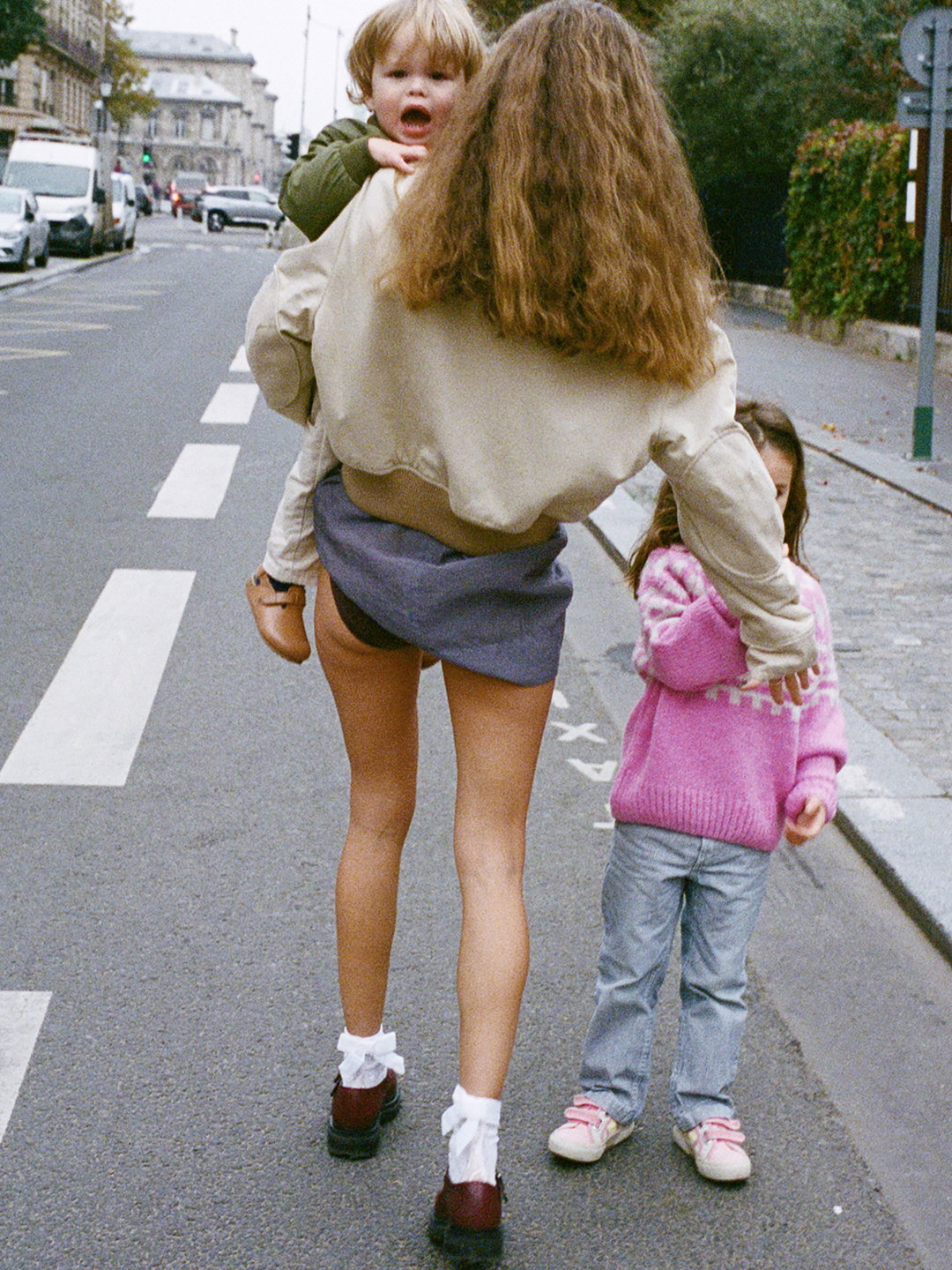
Women on Women: Priscillia Saada, Moons (Copyright © Priscilla Saada, 2024)
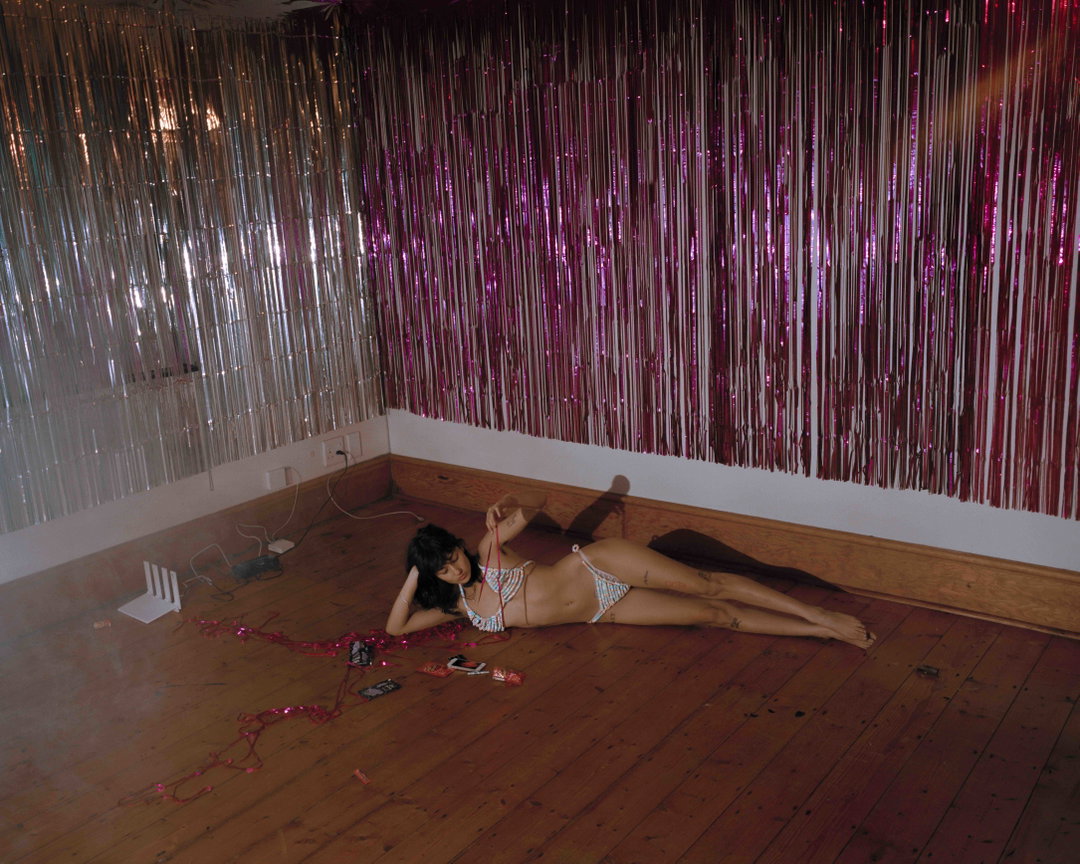
Women on Women: Lexi Hide, Sugar for the Pill (Copyright © Lexi Hide, 2023)
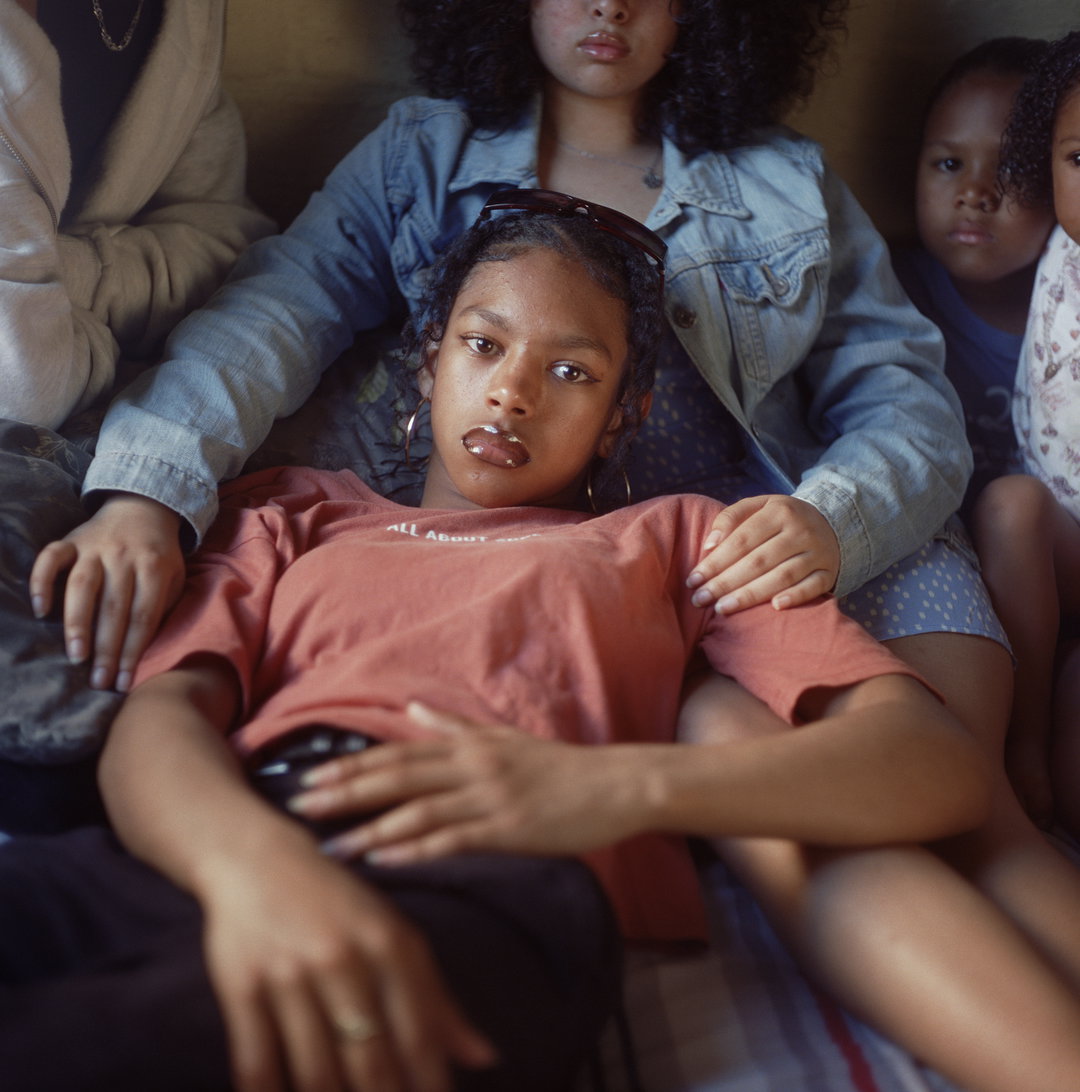
Women on Women: Laura Pannack, The girls who can't walk to school (Copyright © Laura Pannack, 2023)
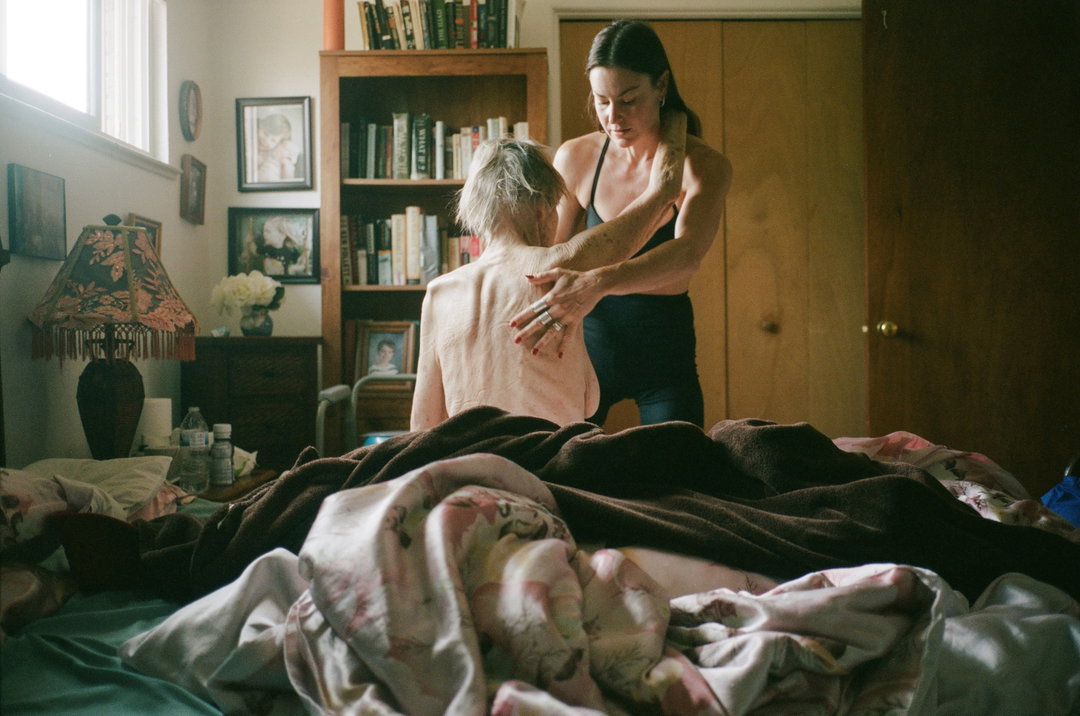
Women on Women: Magdalena Wosinska, Mama (Copyright © Magdalena Wosinska, 2021)
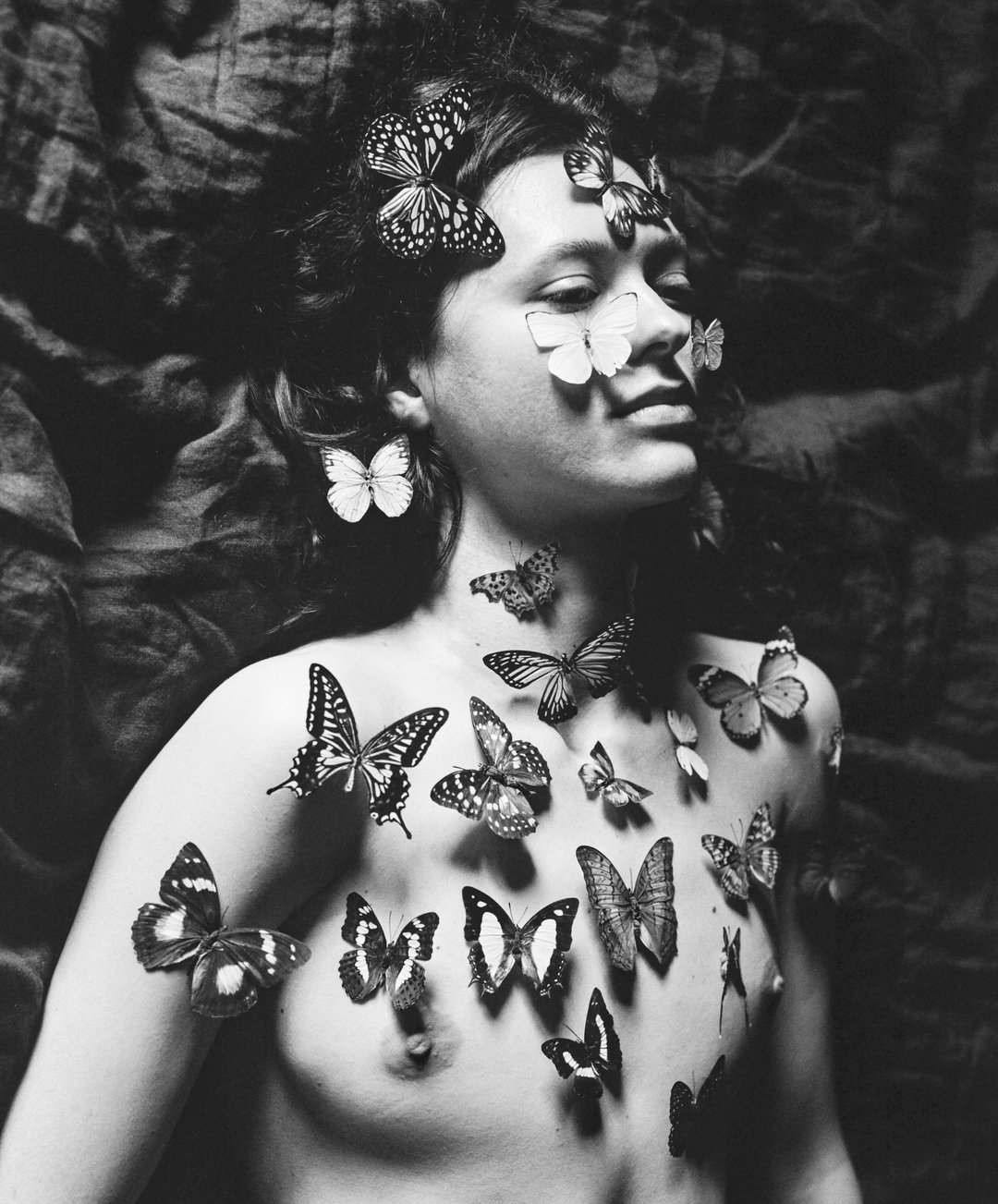
Women on Women: Kristina Podobed, This Too Shall Pass (Copyright © Kristina Podobed, 2024)
Hero Header
Women on Women: Bettina Pittaluga, She Saw Me (Copyright © Bettina Pittaluga, 2024)
Share Article
About the Author
—
Ellis Tree (she/her) is a staff writer at It’s Nice That. She joined as a junior writer in April 2024 after graduating from Kingston School of Art with a degree in Graphic Design. Across her research, writing and visual work she has a particular interest in printmaking, self-publishing and expanded approaches to photography. ert@itsnicethat.com
To submit your work to be featured on the site, see our Submissions Guide.