

Samba’s mythical direction for sports brand Yonex transforms tennis into a gladiator’s arena
The filmmaker’s work with Yonex uses shadows and contrast to visualise the battles, trials and tribulations of tennis.
- Date
- 2 December 2025
- Words
- Sudi Jama
Share
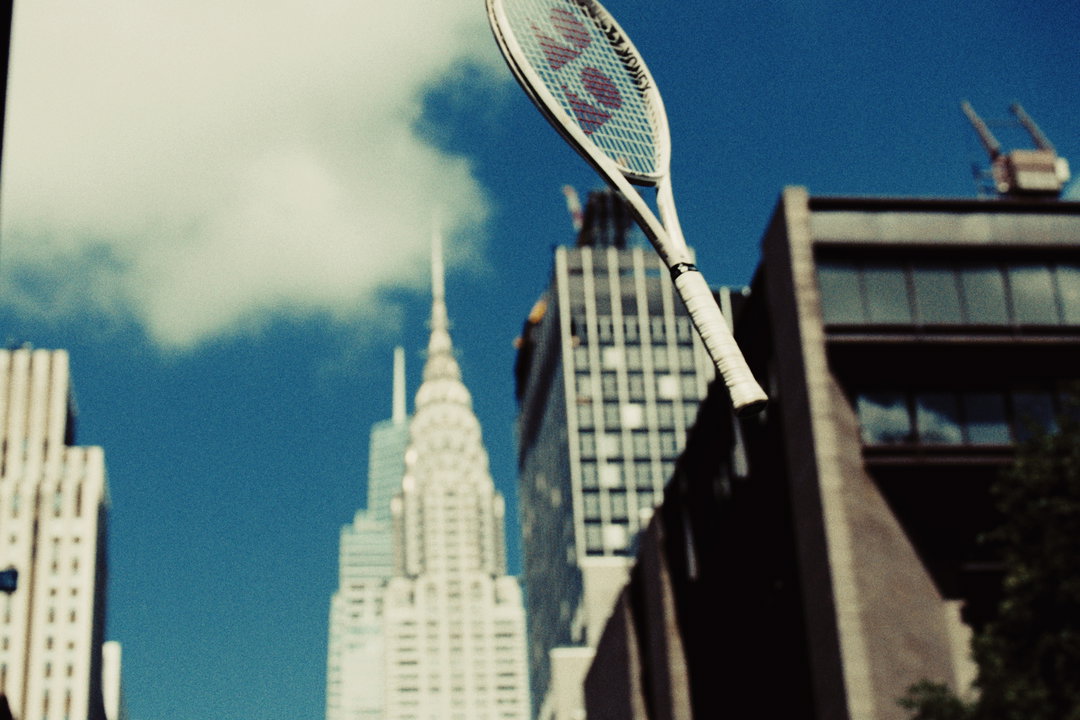
Set against the blue-skies of a New York summers day, Senegalese-born director Samba has drawn on the human experience for his film for the sports equipment brand Yonex. Sports is just about as raw as it gets: each grunt, each power serve and each yell is part of a wider story. In Samba’s film, it’s becomes a narrative of solitude and battle for Samba.
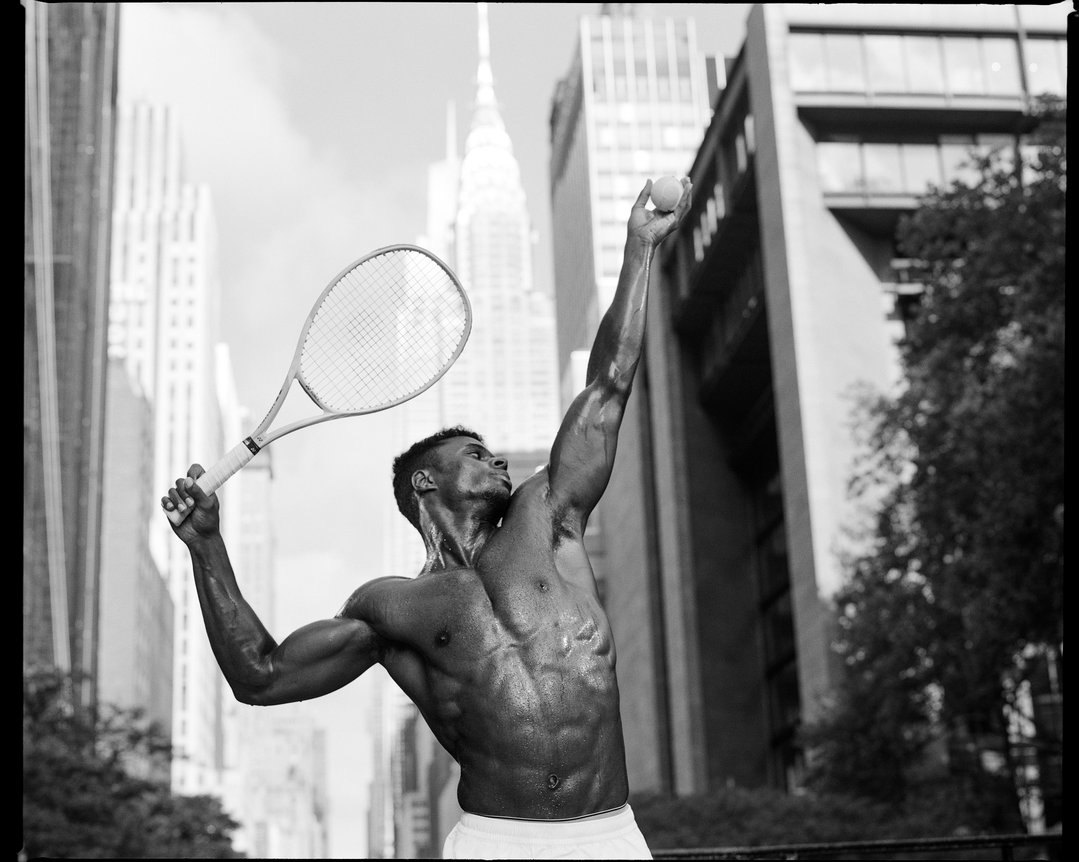
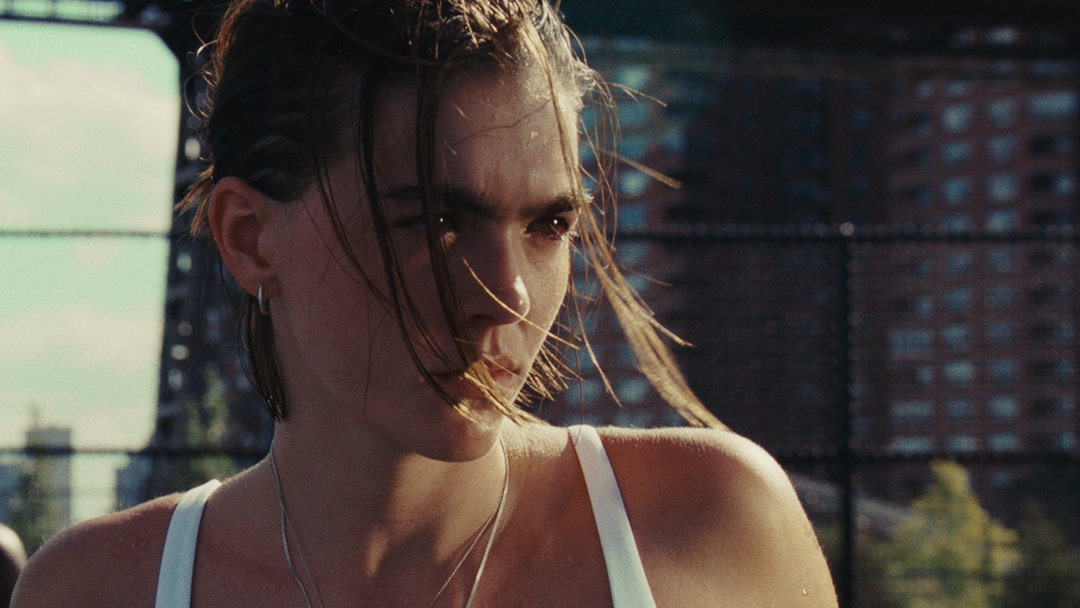
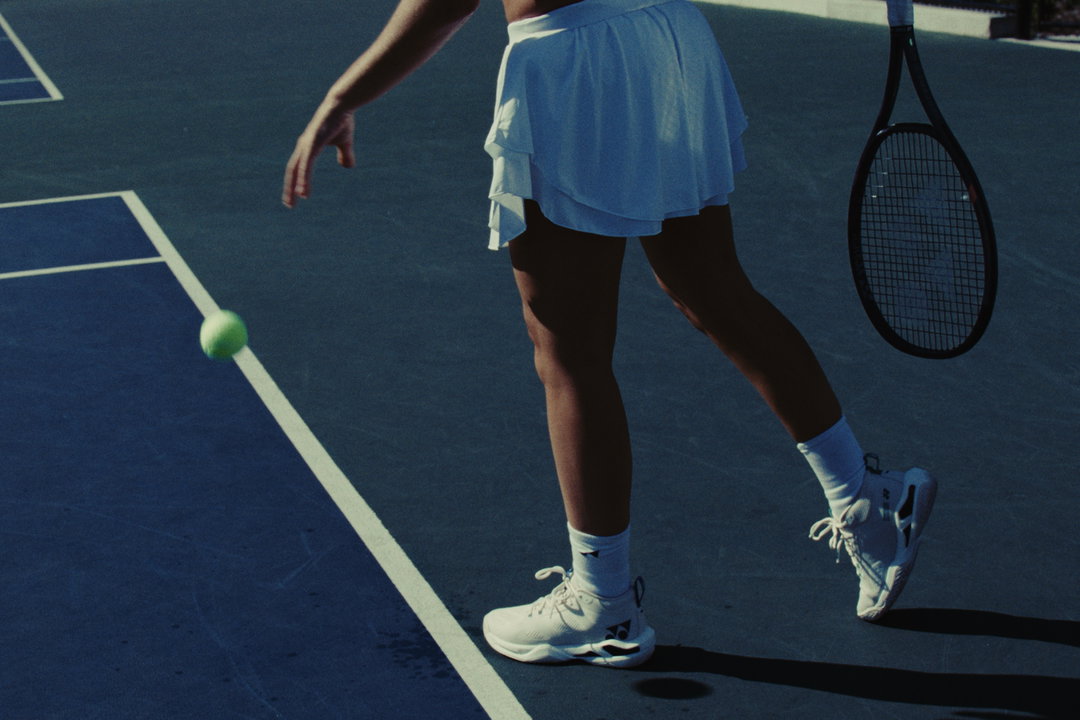
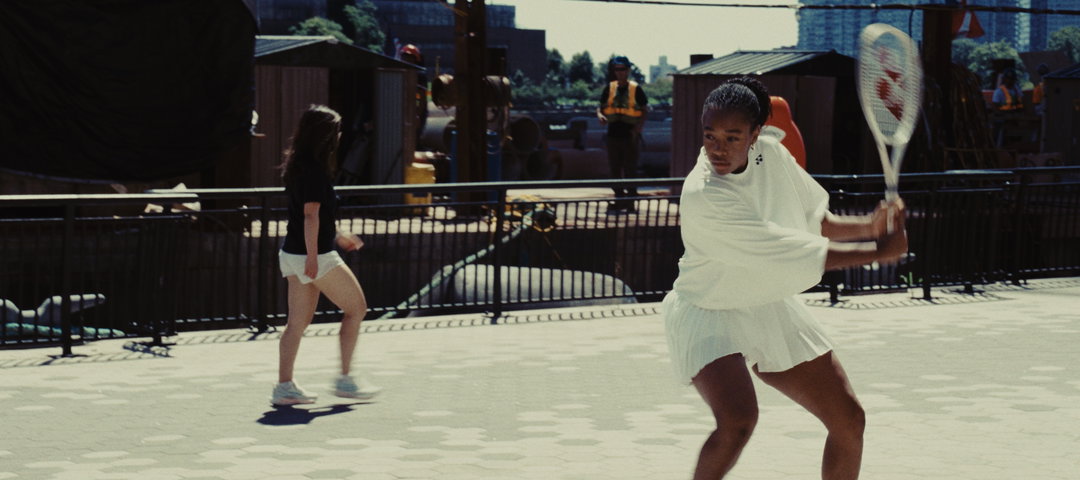
The filmmaker connected with Yonex through Justin Fennert of District Studio ,who reached out whilst Samba was in New York for the U.S. Open. Samba works between the American city and Paris, which both happen to be huge cities for the sport. “With tennis especially, it feels like a modern gladiator arena, you do all this preparation surrounded by your team, but when it’s time to step out, you’re completely alone,” he shares. Samba’s shots drip with woe and triumph in cool monochrome and saturatation. Wind, sweat, and the sounds of the city add immense colour to an already vivid film. For those of us who aren’t very familiar with tennis, Luca Guadagnino’s Challengers was a window into the tensions of the game. Here, Samba roots the sport’s reality in lockstep with it’s mythology.
Samba Films (Copyright © Samba Films, 2025)
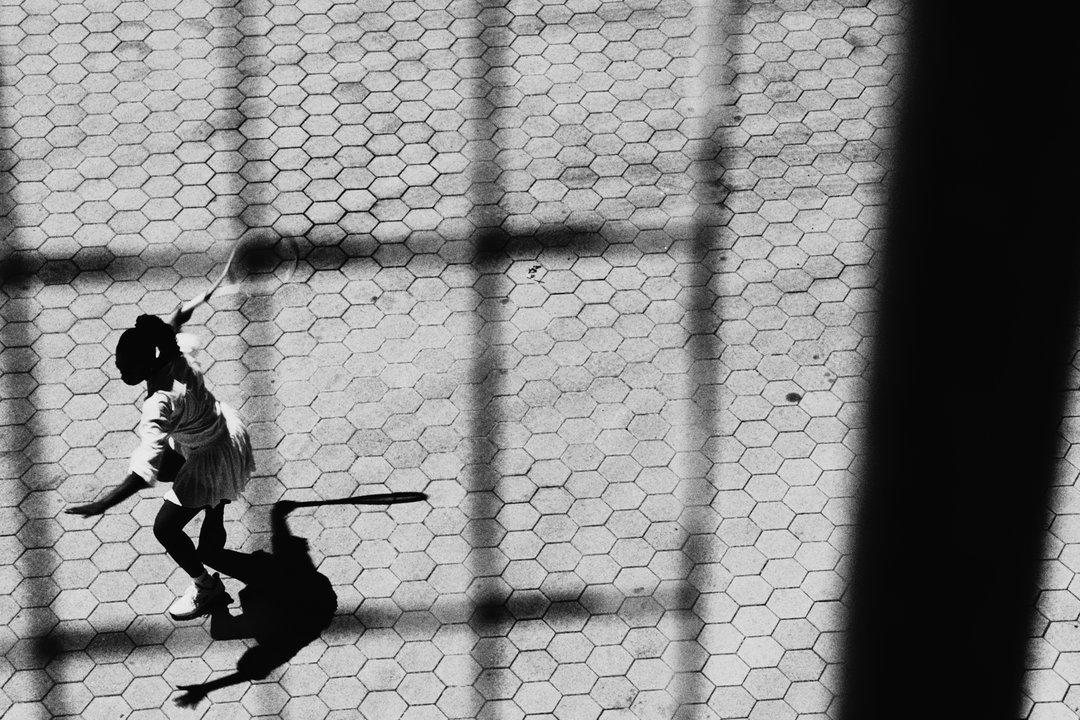
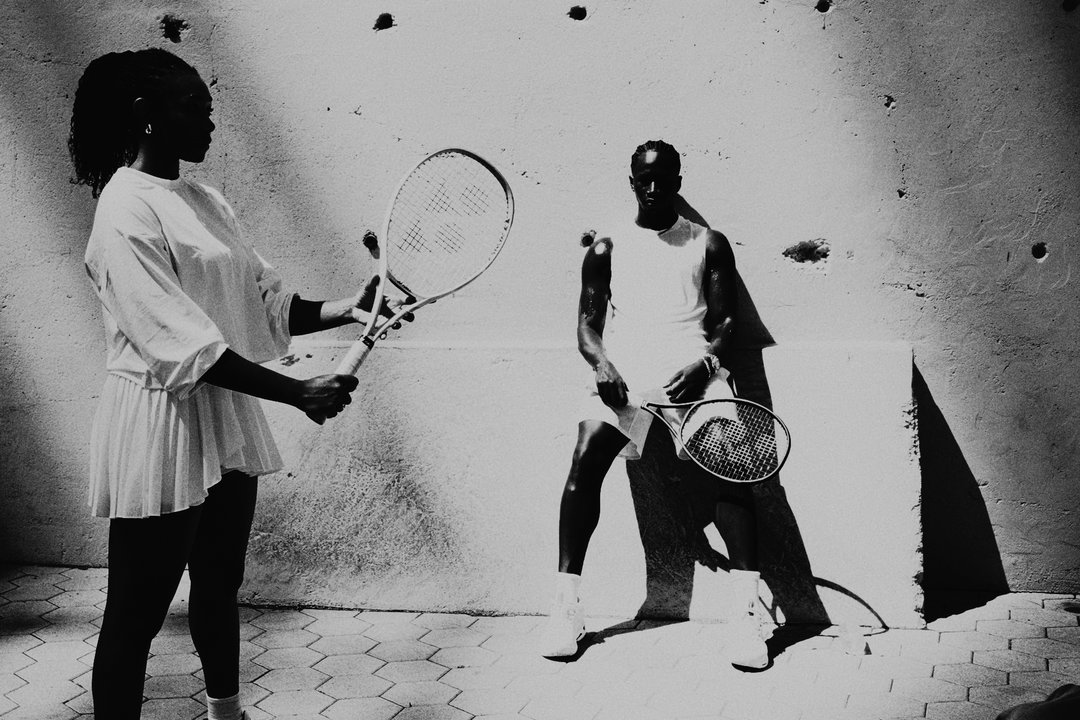
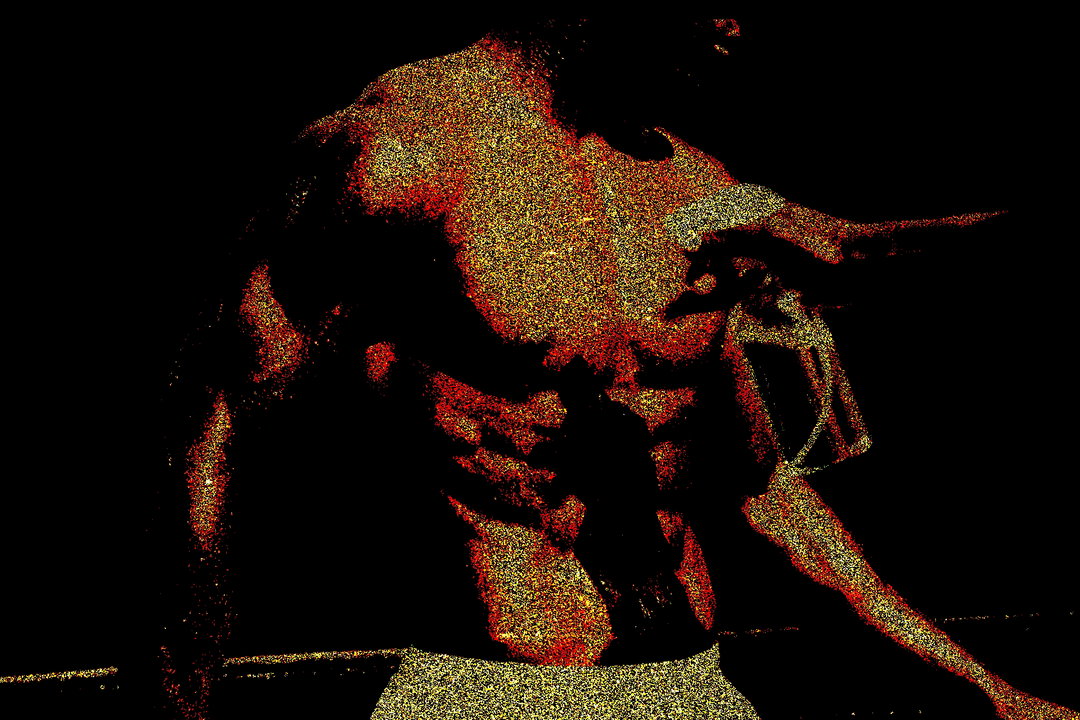
Samba likes to start off his projects with poetry, translating emotion onto the page before raising his camera. Each of the tennis players captured in the film is depicted like a statue, with a raise of a racket featured as a nod to New York’s Lady Liberty. The outlines of moving figures are caught in silhouettes, carrying architectural visual language. Samba says: “The intention with the silhouettes in the piece was to mirror New York itself, half in light, half in shadow.”
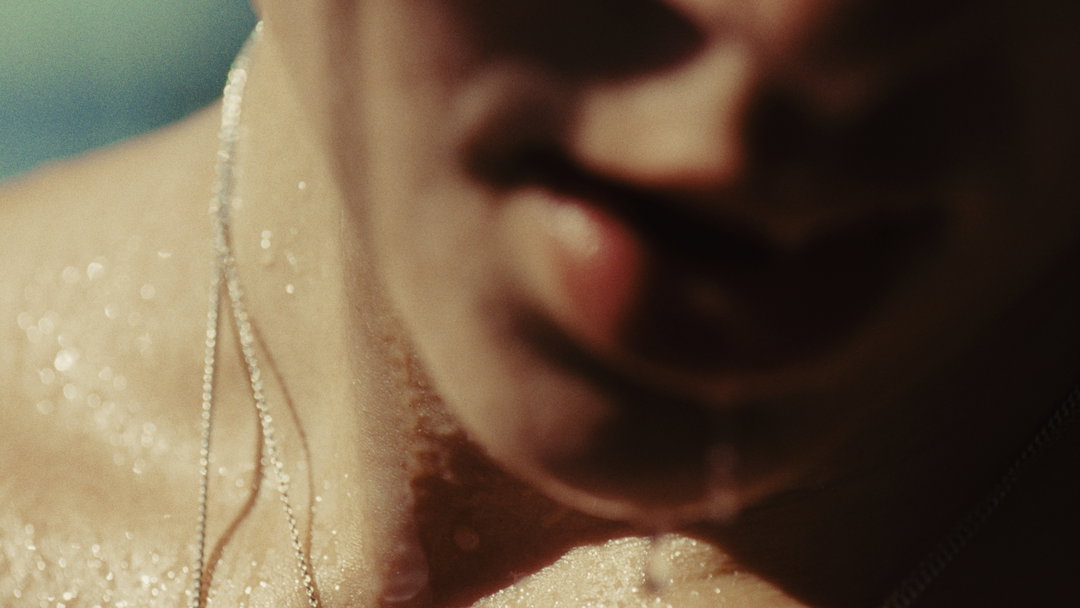
The film is a love letter to sport in the city, baked in its shadows under the burning sun. Sweat can be considered another character, too. Players glimmer in beads of it whilst moving like Greco-Roman sculptures, showing the fatigue of fight and perseverance. “Add the physical layer on top, and it becomes both calculated and fierce poetry,” Samba shares. The symmetry, mirroring and liquidity makes this fierceness come alive. There’s no dialogue, but the work speaks for itself.
Samba recently worked with and captured tennis player Naomi Osaka on tour, and so witnessed this gladiatorial determination up-close. He says, “That solitude and inner battle is what I love about capturing tennis.” The player, who’s reached the heights of tennis stardom is often known to speak on mental health issues within the sport, most notably in her 2021 Time Magazine interview. Samba puts a camera to these moments of contemplation, hesitations and ferocity for Yonex. If tennis is a call to adventure, this film is the visual representation of the hero’s journey.
A few inspirations that underpin Samba’s style. One is renowned filmmaker Ousmane Sembène, alongside sonic inspirations of piano and jazz, and the written works of feminist novelist Mariama Bâ and anthropologist Jane Goodall. Samba is on his own journey, one dotted with teachings and lessons across film, music, and literature. His mind is set to developing his narrative chops. His mission? “Along the way to keep learning, keep creating and to move the needle as much as I can towards something no one has seen or felt before.”
Samba Films (Copyright © Samba Films, 2025)
Samba Films (Copyright © Samba Films, 2025)
Samba Films (Copyright © Samba Films, 2025)
Samba Films (Copyright © Samba Films, 2025)
Samba Films (Copyright © Samba Films, 2025)
Samba Films (Copyright © Samba Films, 2025)
Samba Films (Copyright © Samba Films, 2025)
Samba Films (Copyright © Samba Films, 2025)
Hero Header
Samba Films (Copyright © Samba Films, 2025)
Share Article
About the Author
—
Sudi Jama (any pronouns) was a staff writer at It’s Nice That from April 2025–January 2026, and is now a freelance writer. They have a keen interest and research-driven approach to design and visual cultures in contextualising the realms of film, TV, and music.