

This photographic fairytale follows a fictional women’s football team in the 1970s
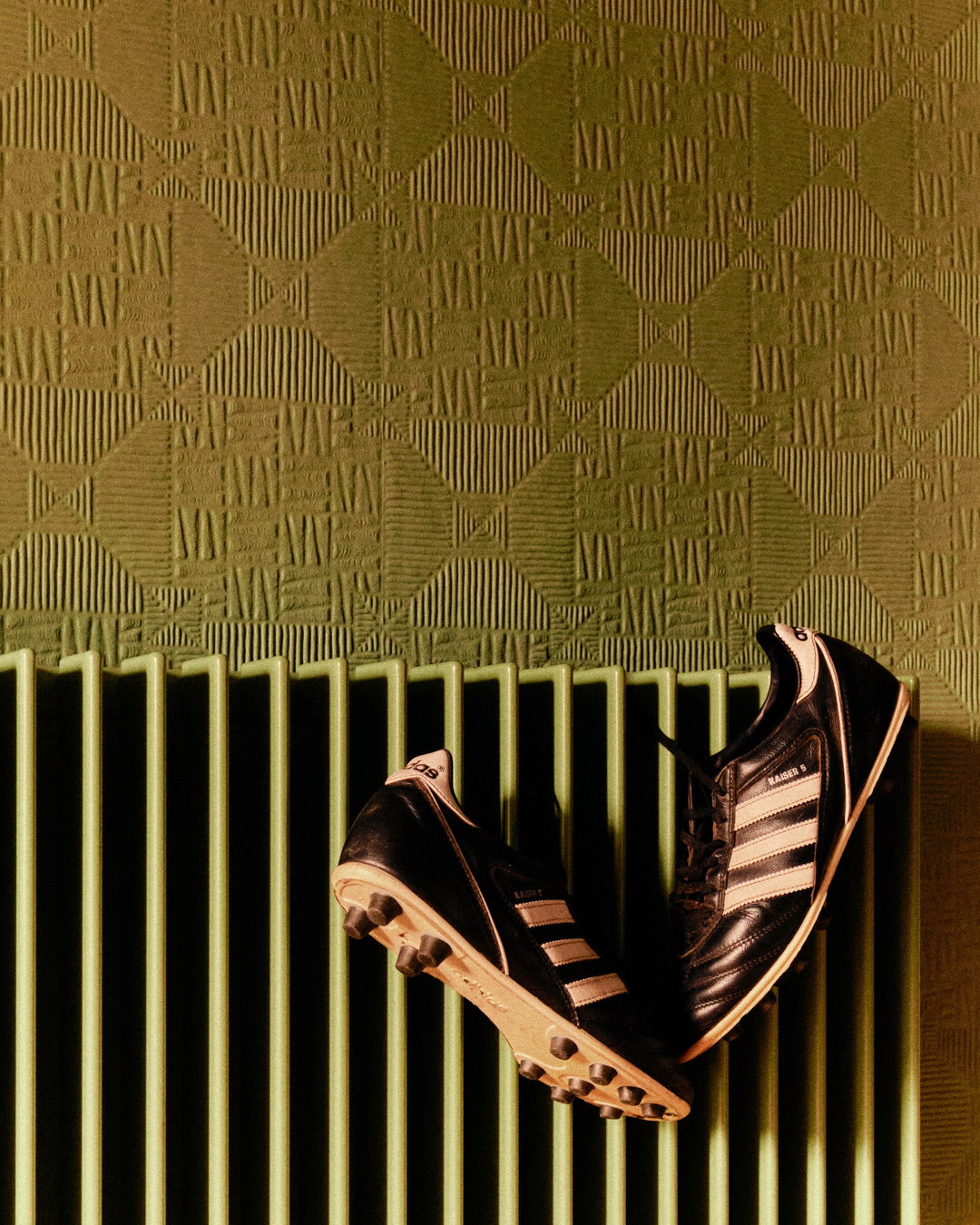
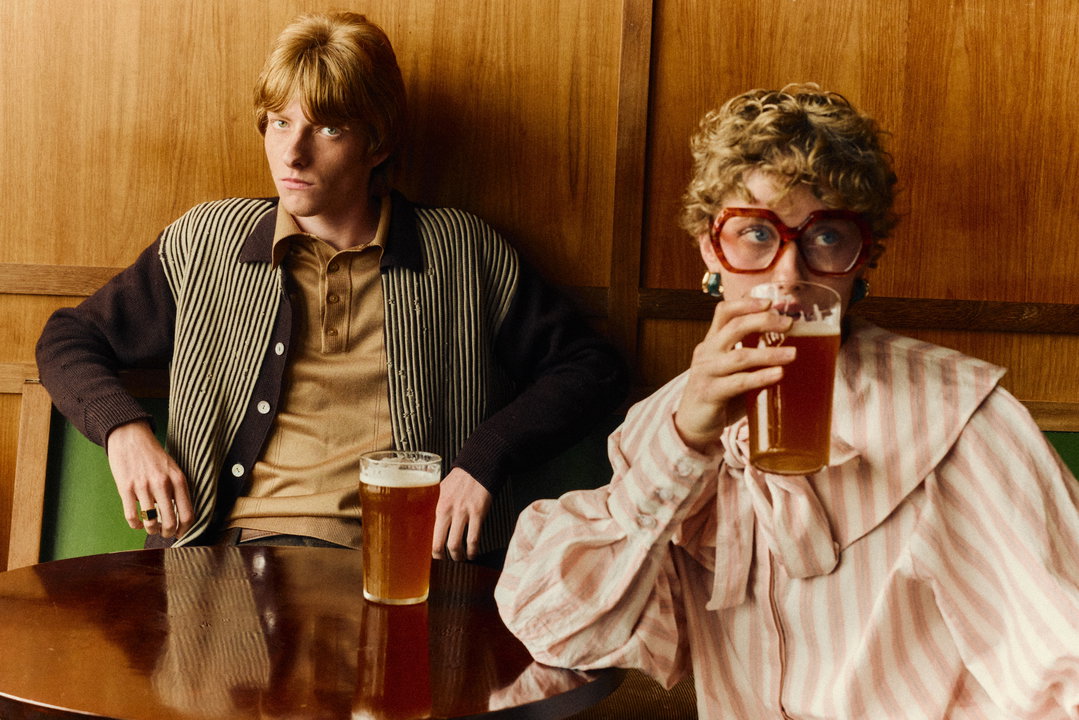
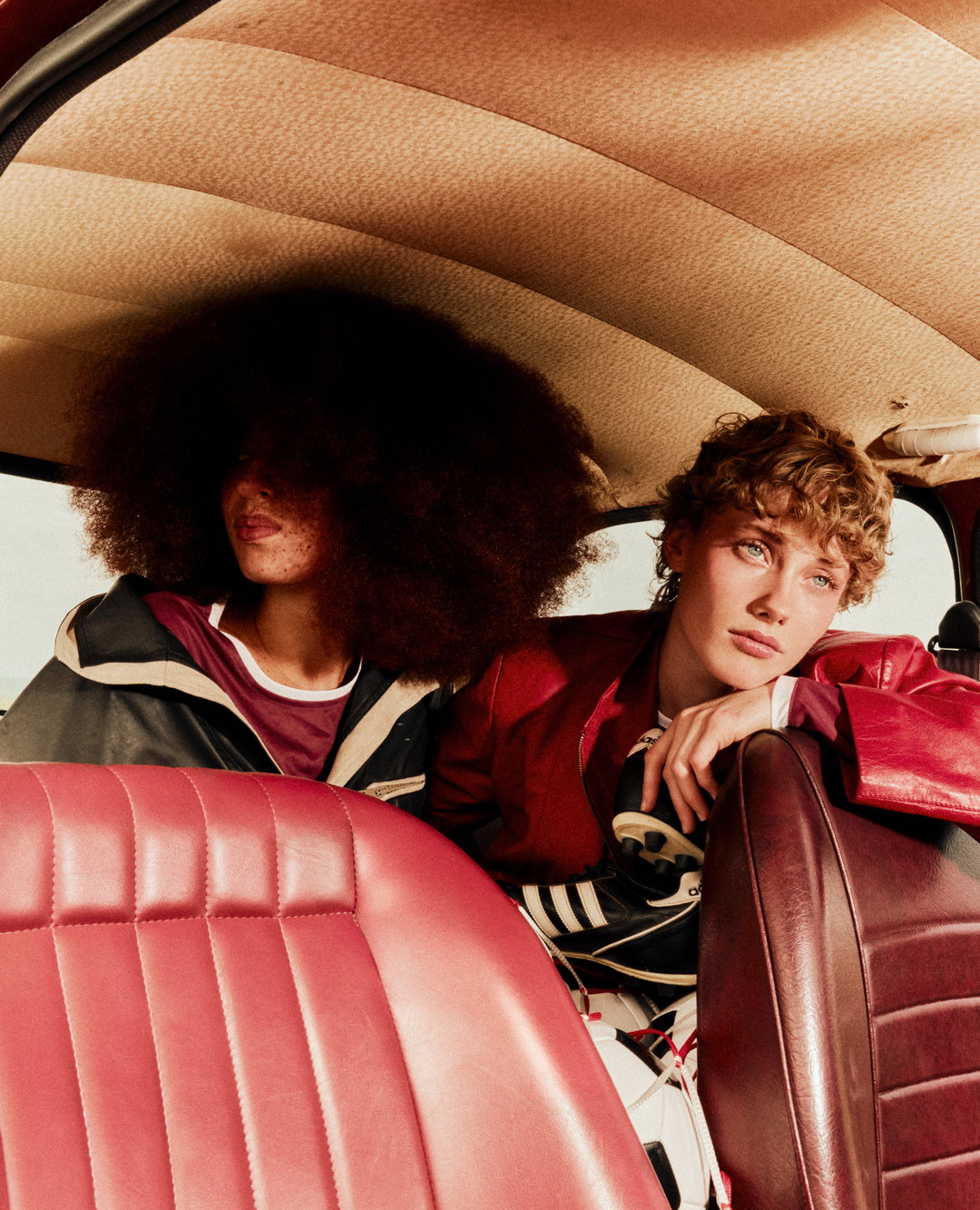
It’s so hard to recreate a time that doesn’t exist anymore, but everything about this new photo-book is surprisingly effective. From its warm hues and kitschy wallpaper to stylish haircuts and thick-rimmed glasses.
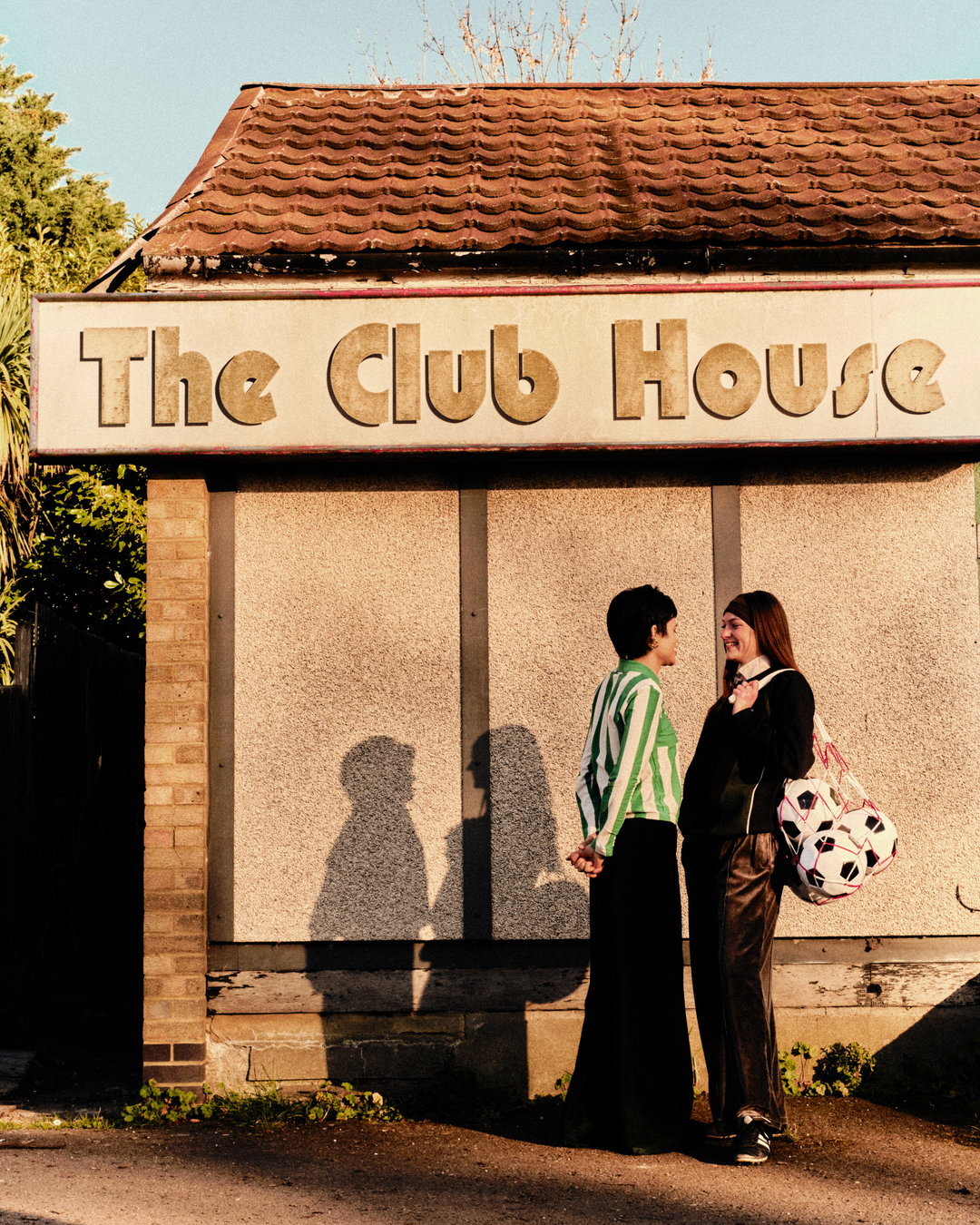
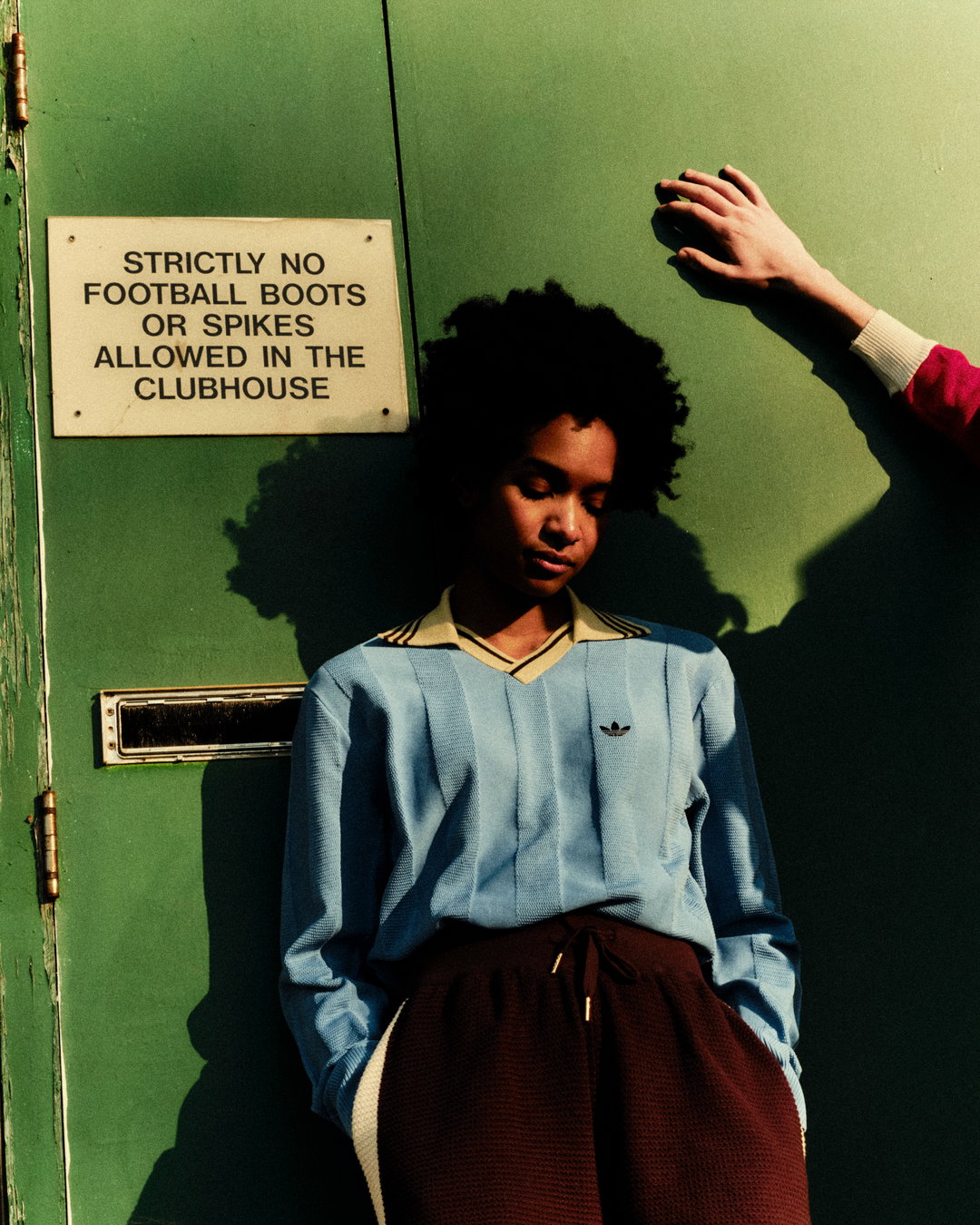
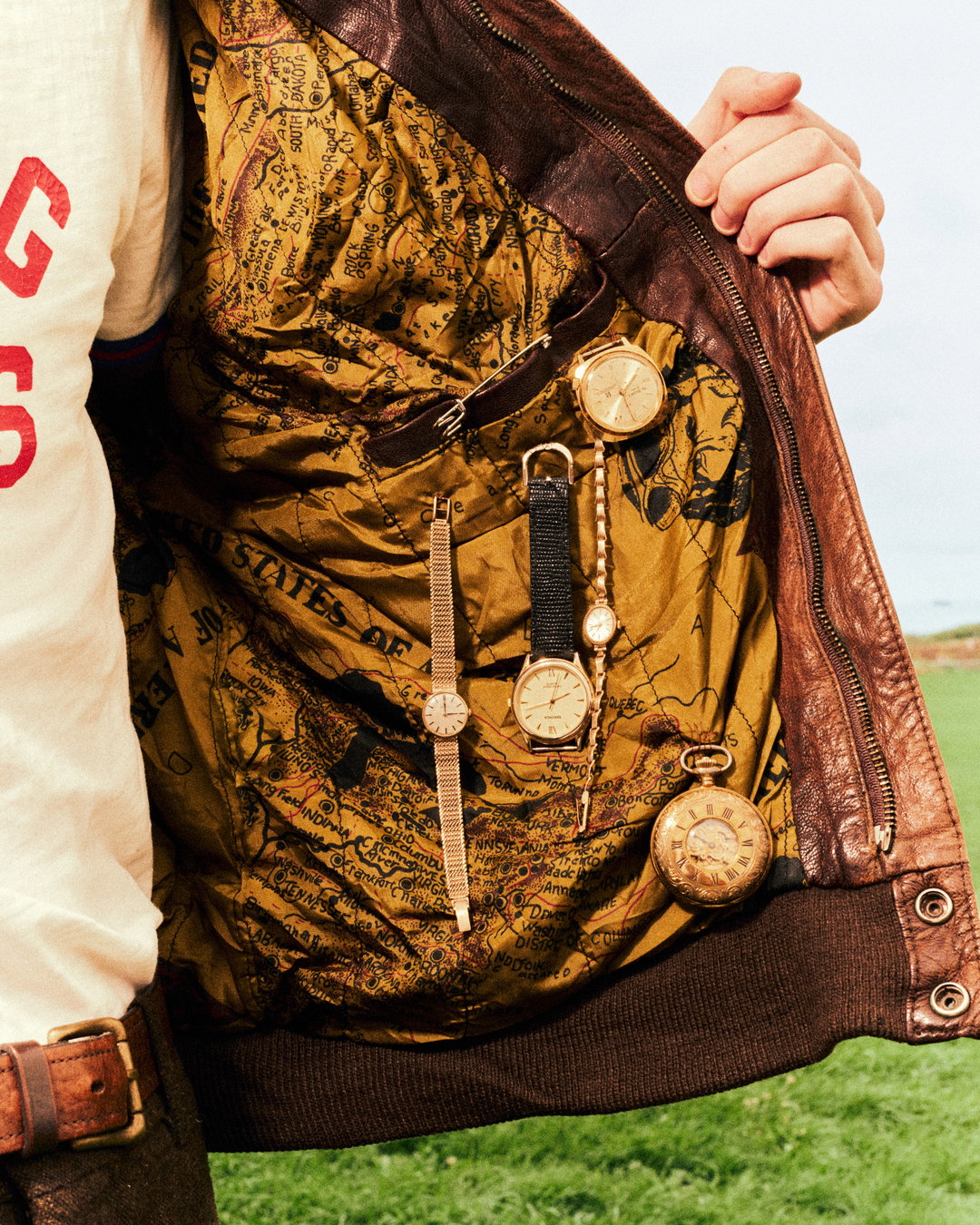
Honeyball, by the London-based photographer Barley Nimmo, is a women’s football fairytale. It tells the story of a fictitious female team founded in London just after The FA lifted the ban on women’s football in 1971 (the same year the ban fell, the unofficial England women’s team, the Lost Lionesses played in the Women’s World Cup in Mexico). Designed not as a strict historical reproduction (although it looks pretty damn accurate to certain styles of 70s photography) and more as an interpretation of the fashion, euphoria and community of female footy, it alludes earnestness through reportage imagery of a team that may not be really on the pitch, but really in people’s hearts.
Trained as a photojournalist before lockdown turned him into more of a fashion and fine art studio photographer, Barley played football for the male offshoot of a woman’s football team in East London, Victoria Park Vixens. Spending a lot of time together as a collective, playing the game and chatting in pubs (a pastime that makes its way into the photobook) led Barley to feel closer to women’s football. “In reading up on the history of the game in the UK I learnt more about this 50 year ban by the football association on women using pitches and realised how far they had to fight to get to the modern day offering,” says Barley. “Women players in the early 70s were the true rebels, the ones who laid those foundations for what we see today.”
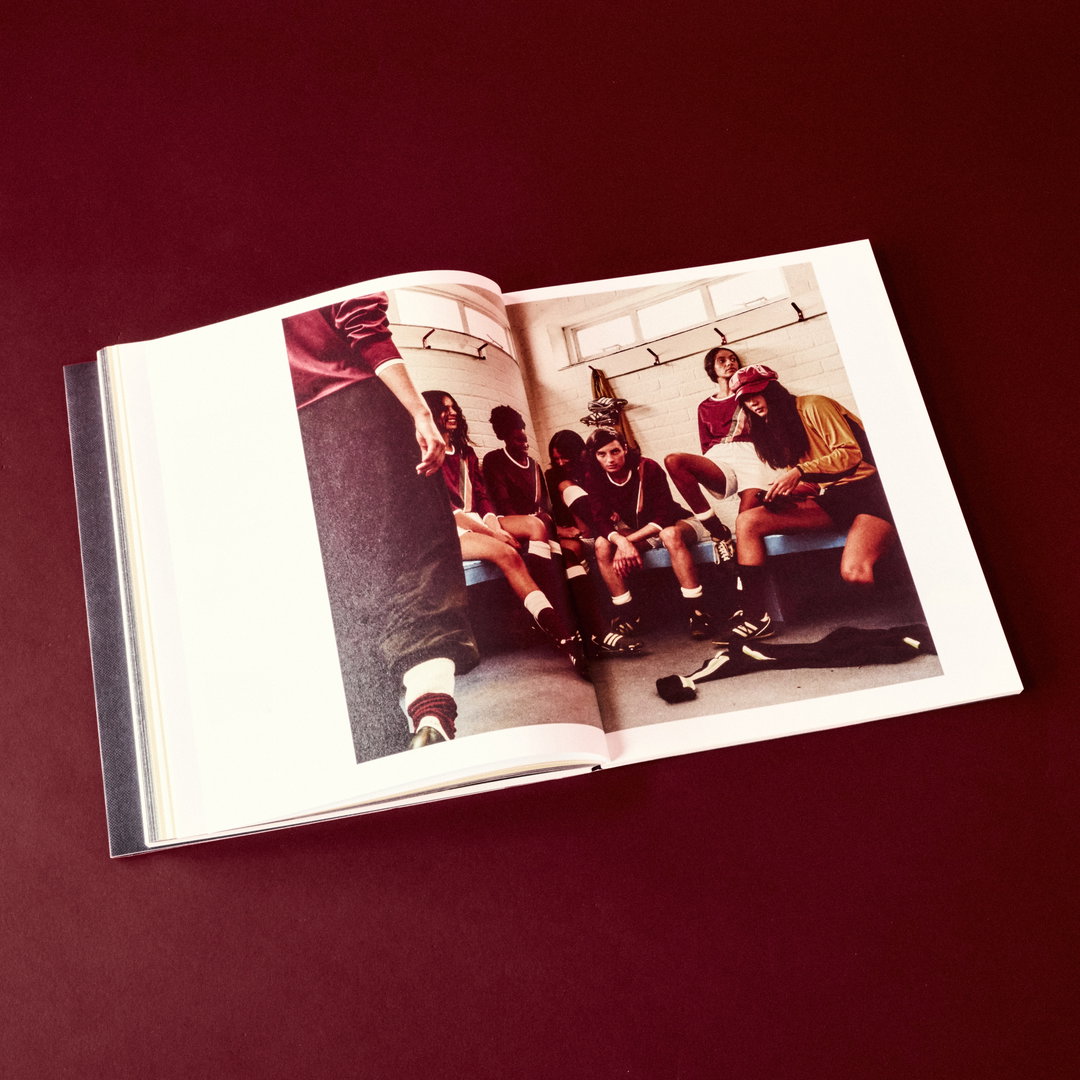
Barley Nimmo: Honeyball (Copyright © Barley Nimmo, 2026)
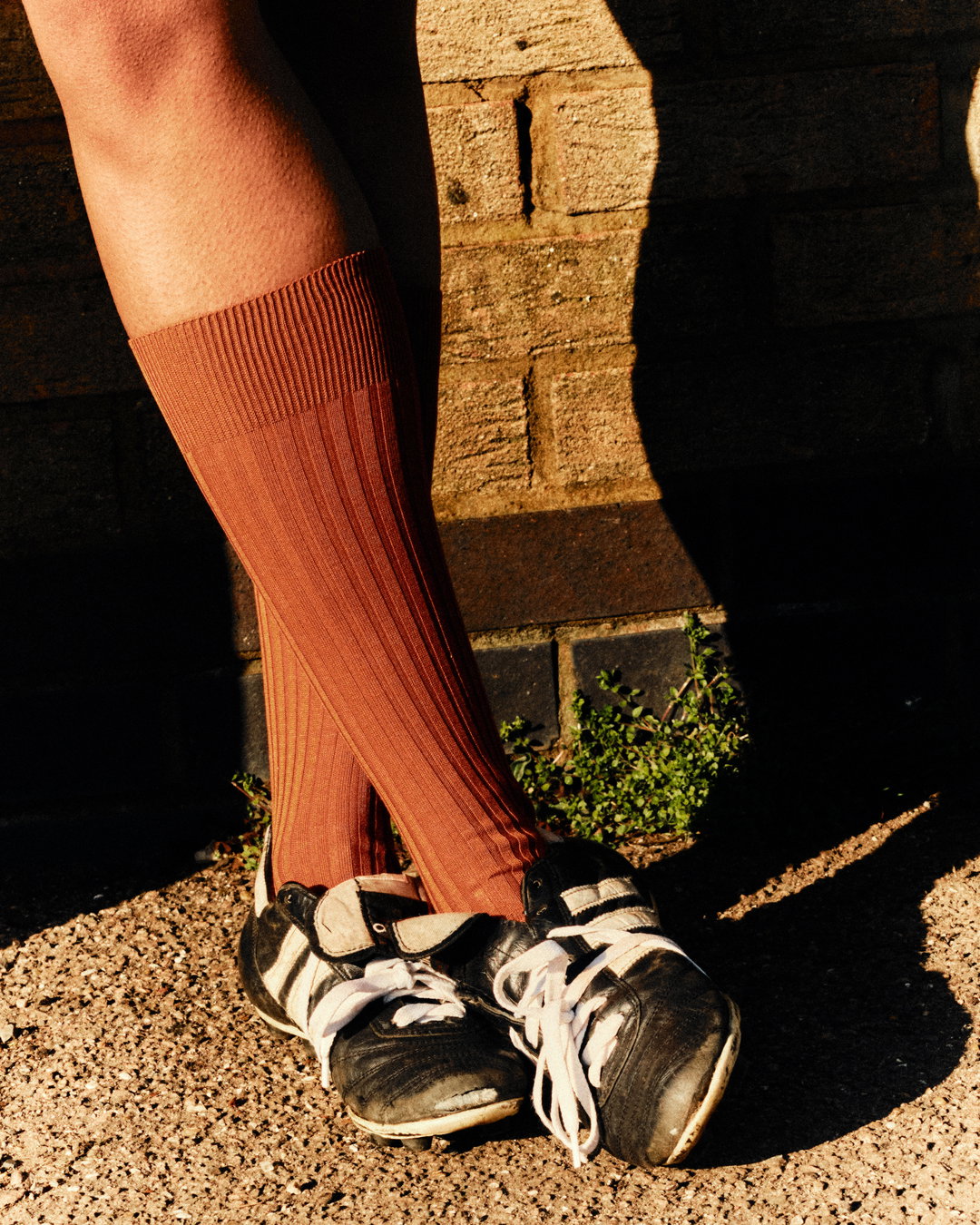
Barley was drawn to the aesthetics of 70s football: the colours, clothing, silhouettes and hair styles. Assembling the right team and sourcing the right models to avoid the dreaded ‘iPhone face’ was essential to the project (regardless, this is Barley’s imaginative world where anything can pass). Of course, there’s sometimes no avoiding the glam of the modern era, or how the eye tricks us into believing something is more contemporary than it is. But Barley does a great job of scouting locations that look faithful to the time period as well as bringing out the sunny warm hues that was so prevalent in home film photos of the era. “Hair stylist Mike Mahoney was a constant throughout the project and we worked together in selecting the models working backwards from the reference points of archive imagery. The locations were a collection of places that I’d scouted over the past 10 years through lived experience; the club house was round the back of my first studio, bits in Margate were connected to past holidays and the football pitch for the final was Mike's local ground – a place he’d been going since childhood,” says Barley.
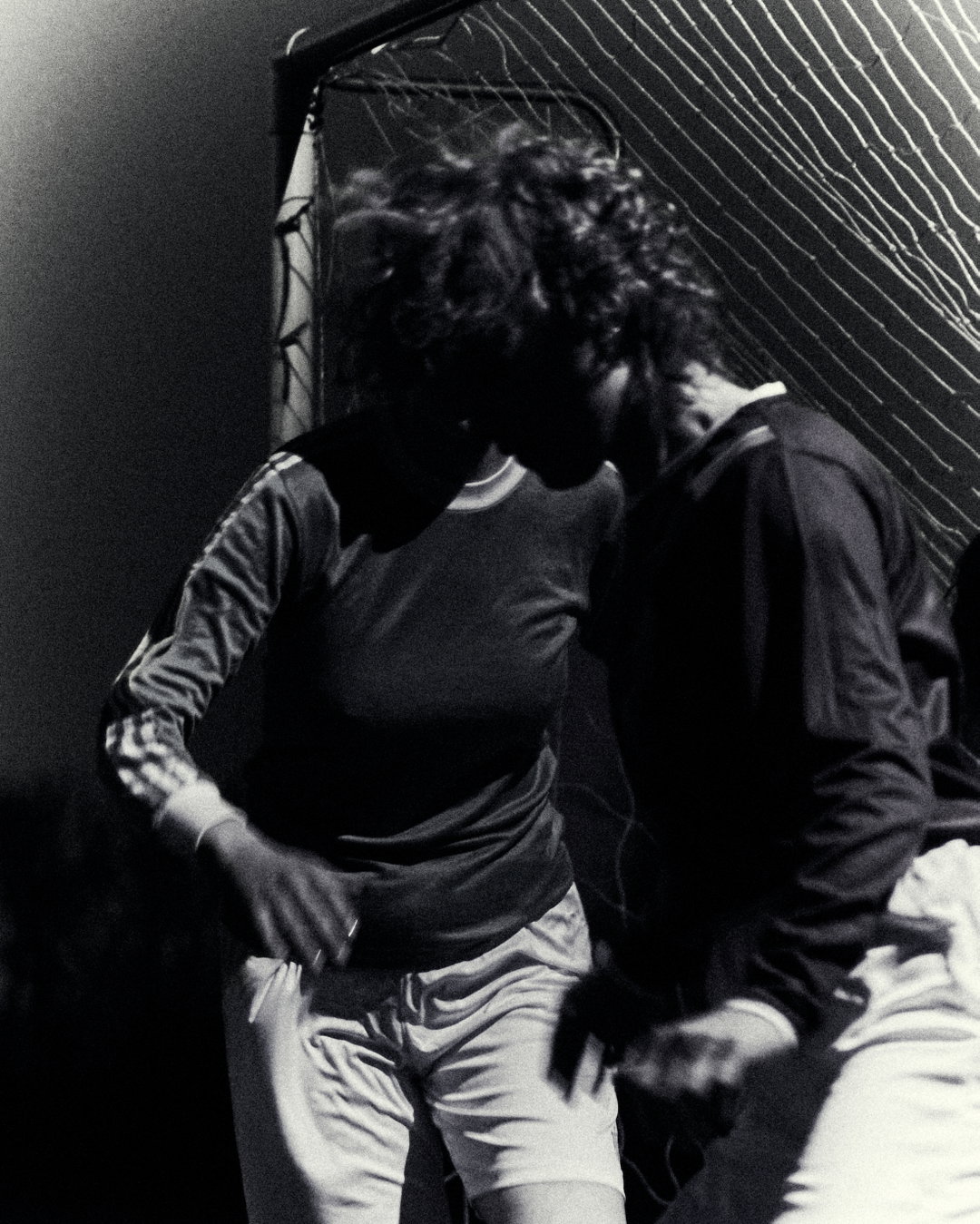
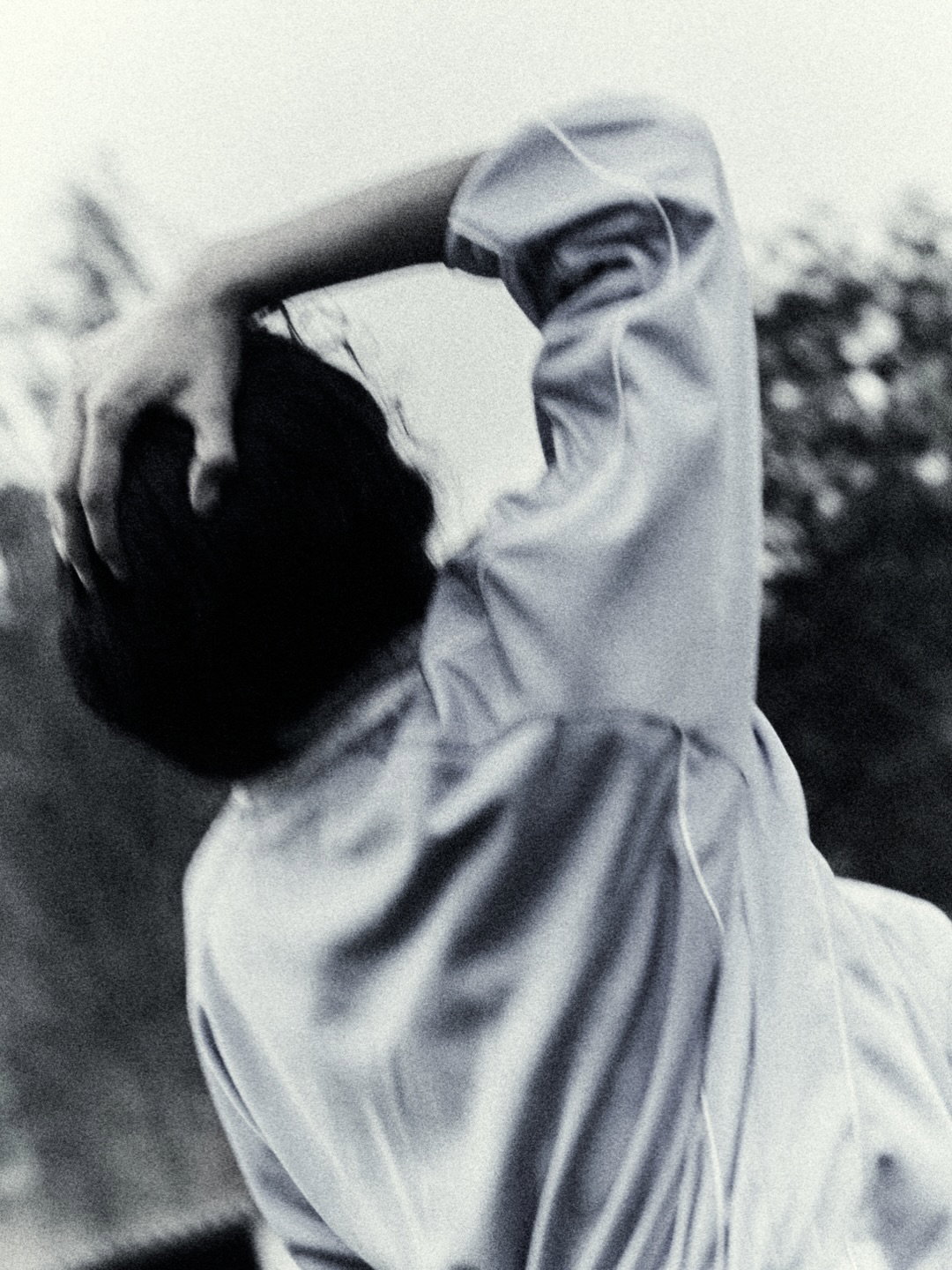
Central to the book was the importance of constructing a world that felt optimistic – photographs of the “protagonists” basking in the freedom of sunlight, the gentle winding down from a match, the smell of grass, old pubs and changing rooms. The escapism of football – this feeling that when a game is on or one is on the pitch, nothing outside of the grounds matters – was communicated through Barley’s clever use of black-and-white photography too, breaking away from the sunny visual canon of the book. In those photographs, we see moments of introspection, a frozen moment, a memory. “I think the biggest marker of the project’s success is the people I worked with along the way. Everyone contributed to this project not for financial gain but the belief that this was something that the world needed, artistic expression in its purest sense,” says Barley. “Along with that there were many setbacks and times where it felt everything went wrong, and in retrospect the results of those mishaps were some of the best images of the whole project. Knowing what I do now it is best just to roll with the punches of the creative process and enjoy it as much as you can.”
GalleryBarley Nimmo: Honeyball (Copyright © Barley Nimmo, 2026)

Hero Header
Barley Nimmo: Honeyball (Copyright © Barley Nimmo, 2026)
Share Article
Further Info
About the Author
—
Paul M (He/Him) is a Junior Writer at It’s Nice That since May 2025. He studied (BA) Fine Art and has a strong interest in digital kitsch, multimedia painting, collage, nostalgia, analogue technology and all matters of strange stuff. pcm@itsnicethat.com
To submit your work to be featured on the site, see our Submissions Guide.