COS heads of design on the books which inspire them and their designs
How best to describe the enduring and ubiquitous influence of COS? The brand has become almost cult-like in its appeal since it was founded a mere eight years ago, creating designs which are somehow timeless and classic and simultaneously innovative.
Founding its design philosophy on a relentless attention to detail and a fascination with natural textures, fibres and forms, the brand has formed a symbiotic relationship with the art and design industries. As a result, it supports galleries, exhibitions and young and up-and-coming creatives with a fervour to source cutting-edge new ideas. However, it never loses sight of its unique and considered aesthetic, channelled in the form of a store, an online journal and a beautifully designed magazine. Can you tell we’re fans?
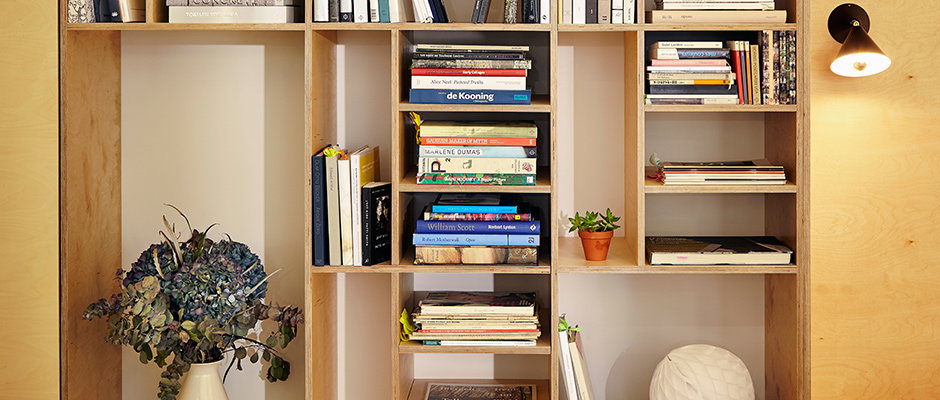
We asked the respective heads of womenswear and menswear, designers Karin Gustafsson and Martin Andersson, to pick out the books from the studio which continue to inspire them, influencing the modern, playful and pared-back style which has become synonymous with COS. What a treat! Here it is.
Olaf Otto Becker: Above Zero
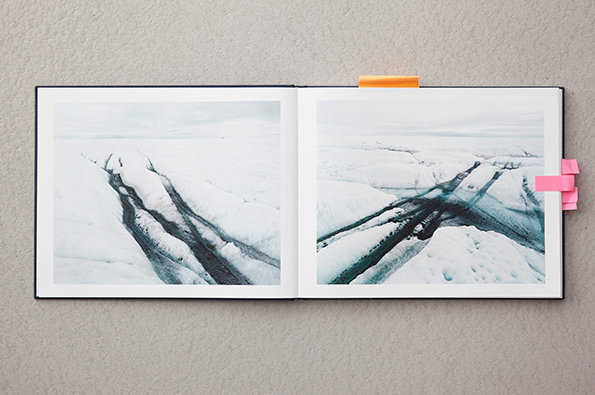
Olaf Otto Becker: Above Zero
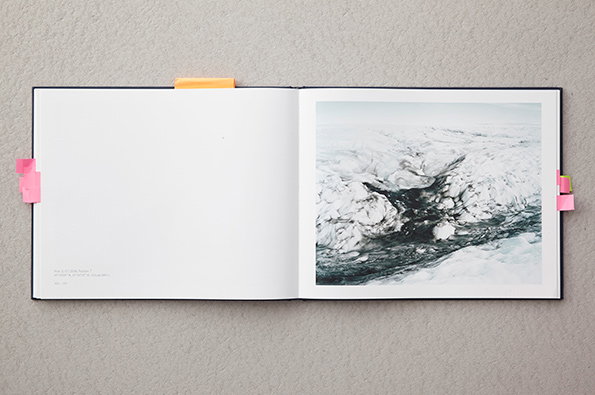
Olaf Otto Becker: Above Zero
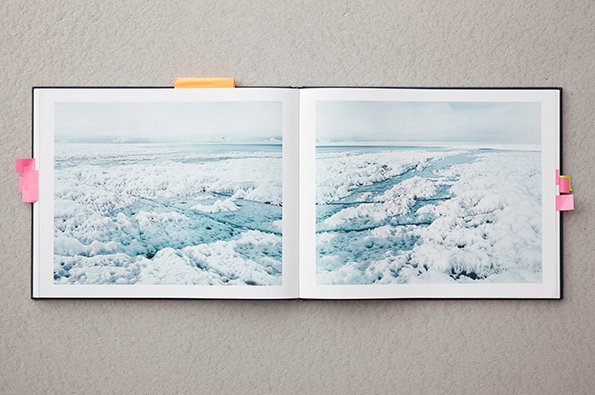
Olaf Otto Becker: Above Zero
Olaf Otto Becker: Above Zero
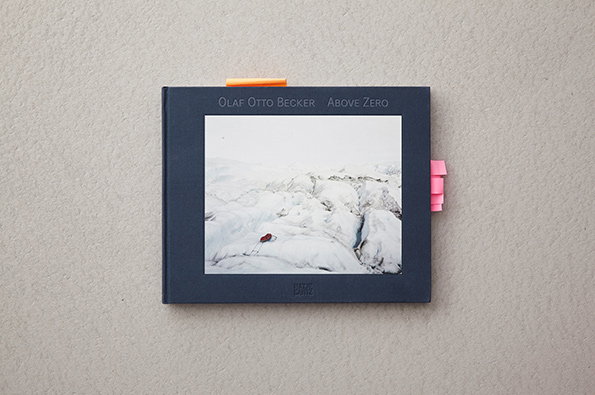
Karin Gustafsson: I love the beautiful work by Olaf Otto Becker throughout Greenland; it really encompasses the drama behind nature. The serene feel of his imagery perfectly depicts the overwhelming beauty of this icy landscape, while documenting its present fragility. Subtle hints of human life are shown amongst the vast textured landscapes giving you a sense of how giant and powerful the natural world can be. I never get tired of this book.
The work of Olaf Otto Becker is of great inspiration to me and our ready-to-wear collections, through researching the functionality of outdoor survival and how this can become a part of everyday life.
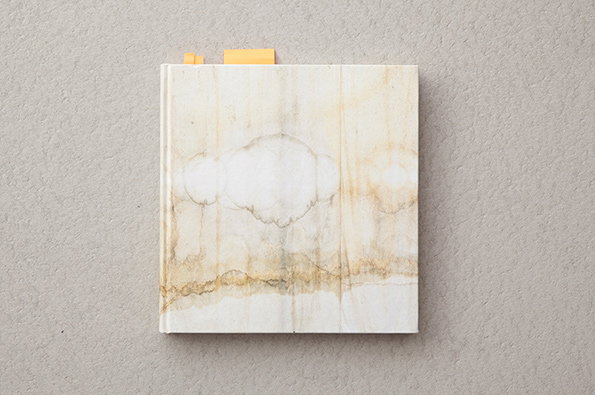
Mikael Olsson: Sodrakull Frosakull
Mikael Olsson: Sodrakull Frosakull
Mikael Olsson: Sodrakull Frosakull
Mikael Olsson: Sodrakull Frosakull
Mikael Olsson: Sodrakull Frosakull
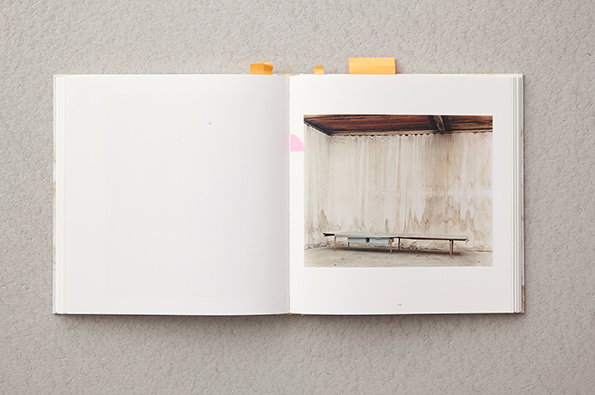
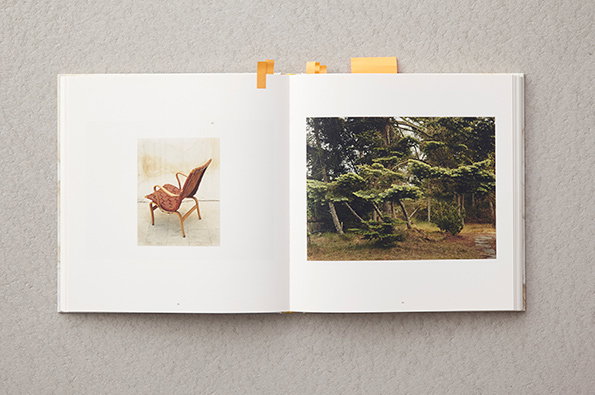
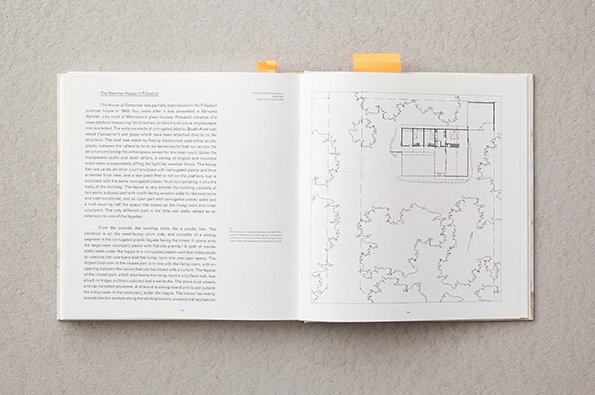
Karin Gustafsson: I like to visit the Walther Konig Verlag bookshop in London, it has a great selection of art books, and it is thanks to this store that I came across Mikael Olsson’s melancholic book Sodrakull Frosakull. Mikael’s photographs explore the wonderfully aged and abandoned home and summer house of Bruno Mathsson (iconic furniture designer and architect) in Sodrakull and Frosakull, Sweden. Providing an eye-opening insight into Bruno’s private world this book shows how these wonderful spaces have withstood the test of time.
The photographs taken after Bruno’s death show the charming beauty ageing can have on architecture; each image being as visually intriguing and interesting as the last. Mikael illustrates the story of the buildings by focussing on the worn industrial materials, colours and light surrounding them. I can’t believe no-one wanted to buy the summer house, I wish I had known about it before!
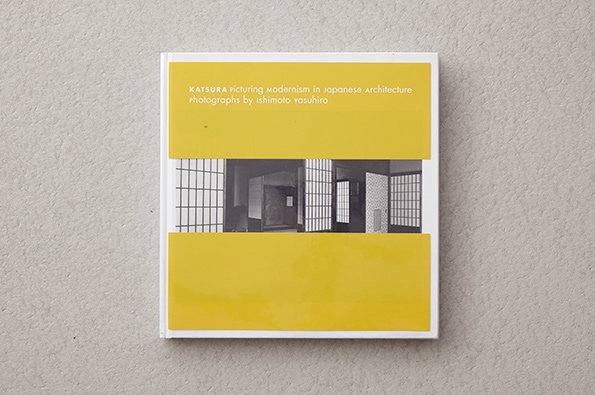
Yasufumi Nakamori: Katsura: Picturing Modernism in Japanese Architecture (Ishimoto Yasuhiro)
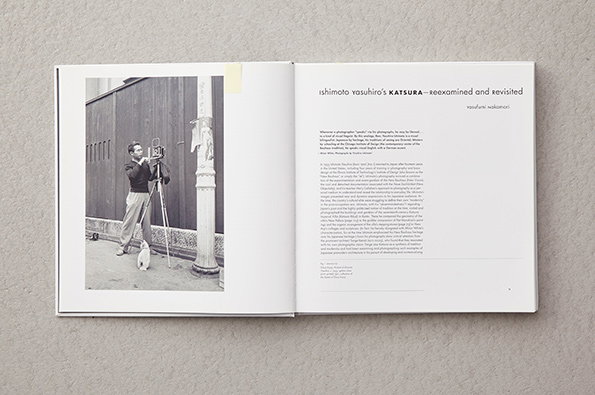
Yasufumi Nakamori: Katsura: Picturing Modernism in Japanese Architecture (Ishimoto Yasuhiro)
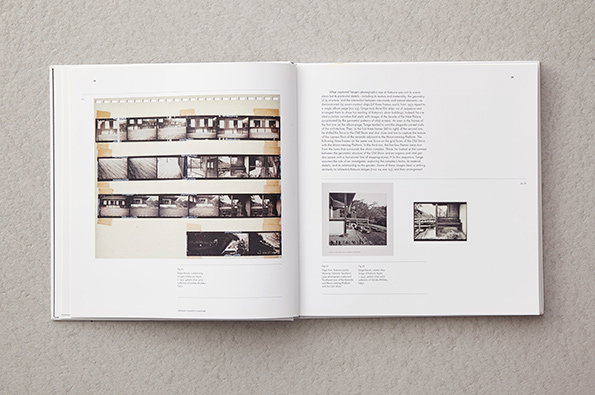
Yasufumi Nakamori: Katsura: Picturing Modernism in Japanese Architecture (Ishimoto Yasuhiro)
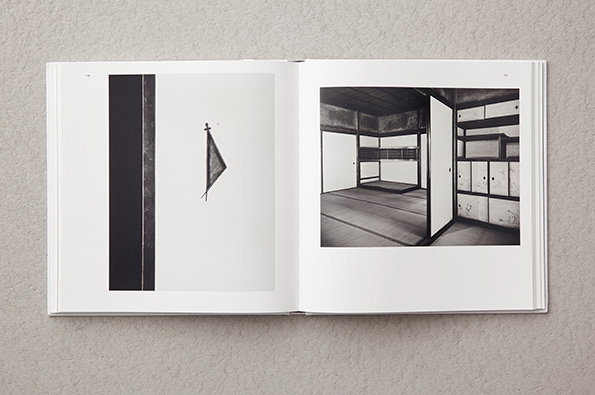
Yasufumi Nakamori: Katsura: Picturing Modernism in Japanese Architecture (Ishimoto Yasuhiro)
Yasufumi Nakamori: Katsura: Picturing Modernism in Japanese Architecture (Ishimoto Yasuhiro)
Martin Andersson: I discovered Ishimoto Yasuhiro’s wonderful pictures of the Katsura Imperial Villa in Kyoto while on a trip to Berlin in 2012, where the Bauhaus Archiv had an exhibition about his work and his close links with Walter Gropius, who co-edited a book of his photographs in 1960. Even though Villa Katsura was constructed in the first half of the 17th Century, its minimal and pure lines inspired modernist architects like Le Corbusier and Gropius.
I love the clash of history and modernism, and Yasuhiro’s ground-breaking abstract black and white images. This has become a timeless source of inspiration for me and is one of the books I constantly return to.
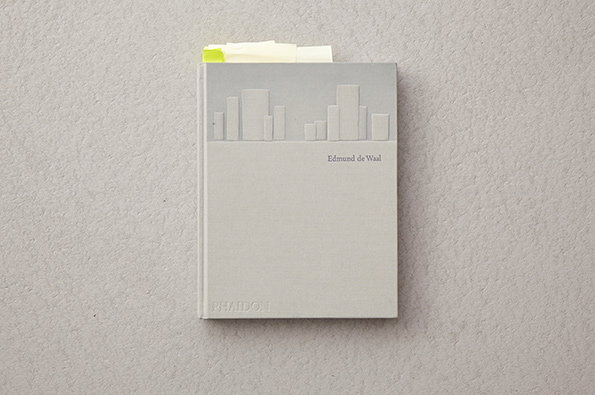
Edmund De Waal: Edmund De Waal
Edmund De Waal: Edmund De Waal
Edmund De Waal: Edmund De Waal
Edmund De Waal: Edmund De Waal
Edmund De Waal: Edmund De Waal
Edmund De Waal: Edmund De Waal
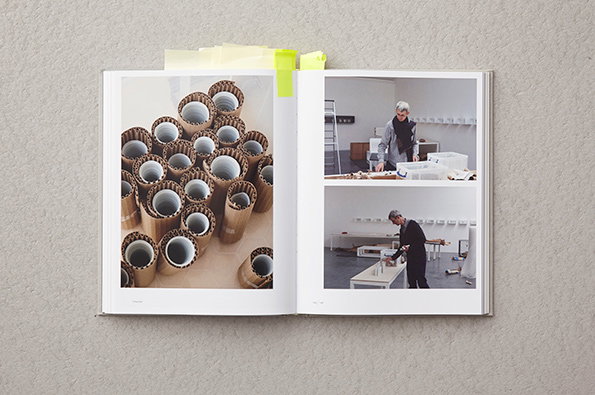
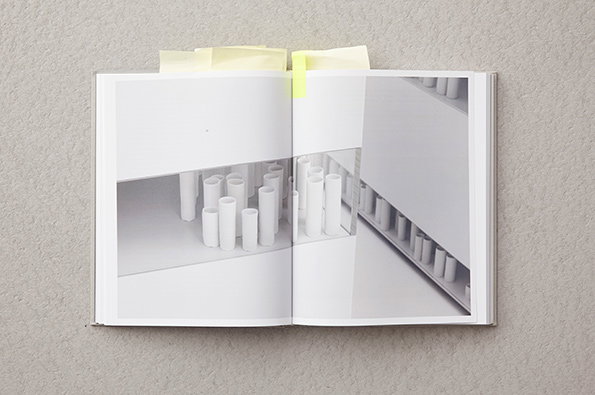
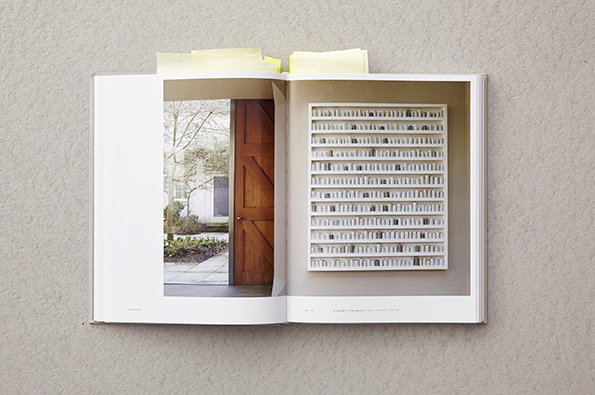
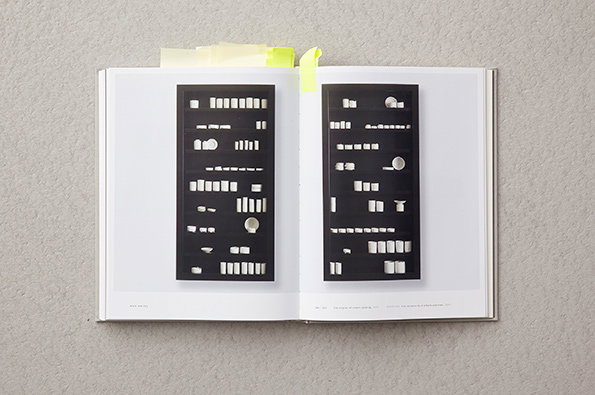
Martin Andersson: I’m a massive fan of De Waal, so I was thrilled when this monograph of his work was published. For us here at COS, ceramics has always been a great source of inspiration and it doesn’t come much better than this. The book is just stunning and manages to capture the stillness and ethereal beauty of his pieces. I love how he makes pottery so modern and relevant, and the book is showing both his studio and work process, which I find so interesting, as well as his pottery and installations.
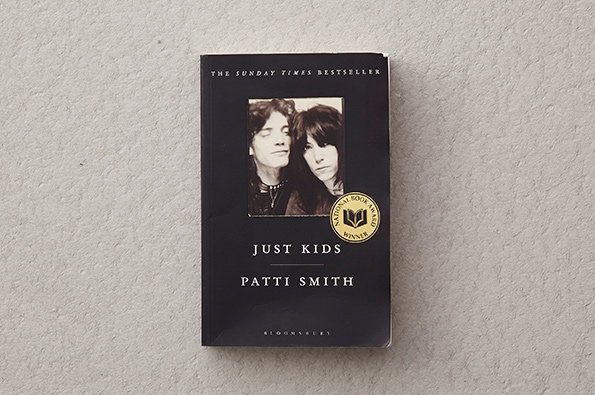
Patti Smith: Just Kids
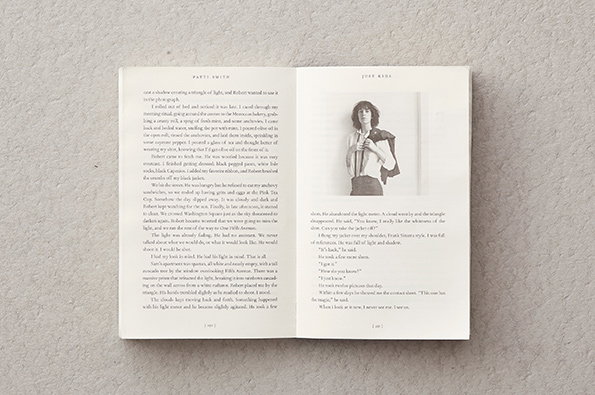
Patti Smith: Just Kids
Patti Smith: Just Kids
Martin Andersson: I love Patti Smith and am also fascinated with 70s New York. Like many I have a slightly romantic and idealised vision of this time in the city which saw the birth of disco, hip-hop and punk.
Smith is a great writer, and captures this era brilliantly while writing about her relationship with Robert Mapplethorpe. I was actually reading this book while on a trip to New York, which certainly added a dimension to the reading experience. I made a point of visiting many places described in the book, which really highlighted how the city has changed, for better and for worse.
Share Article
Further Info
About the Author
—
Maisie joined It’s Nice That fresh out of university in the summer of 2013 as an intern before joining full time as an Assistant Editor. Maisie left It’s Nice That in July 2015.