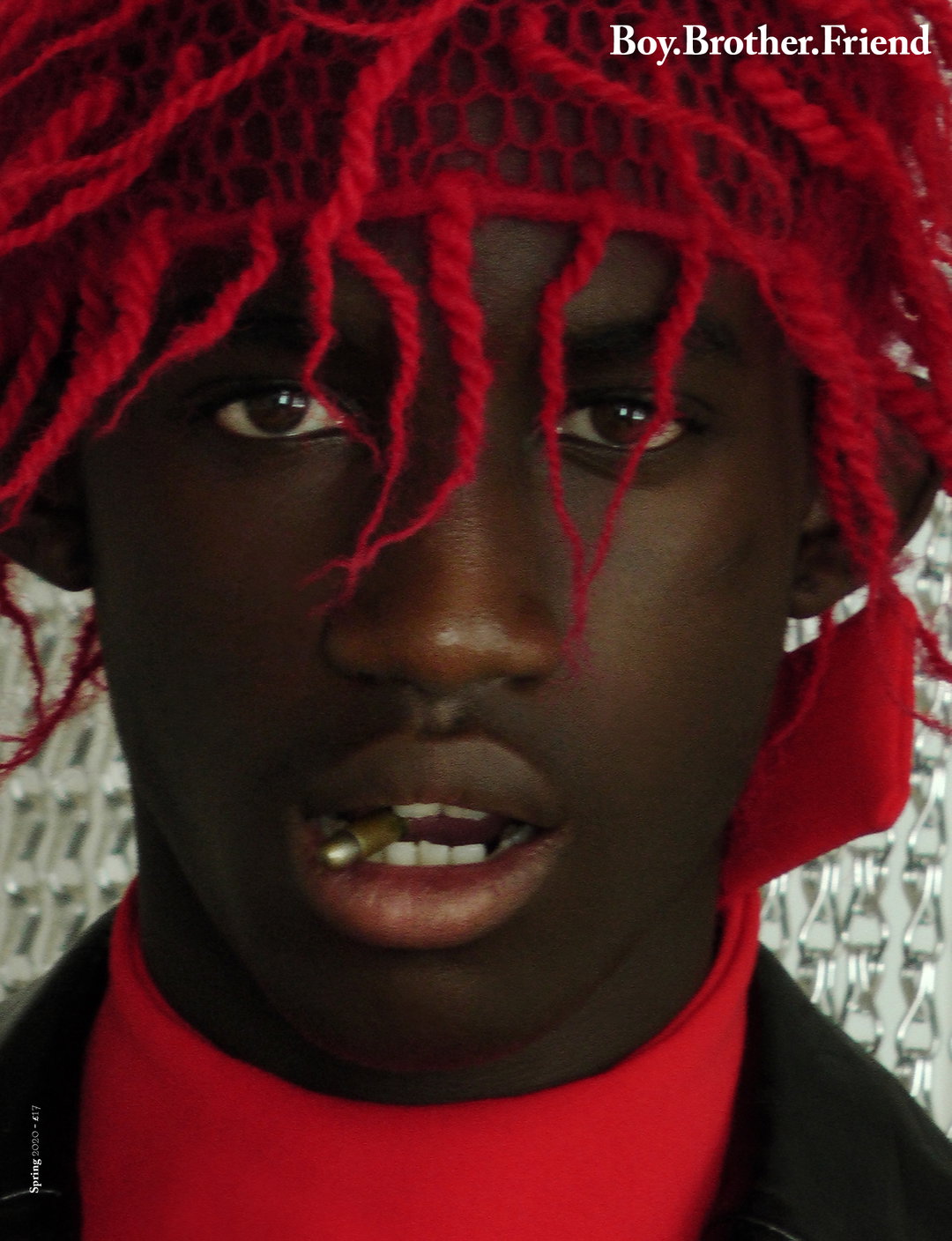
Representing the overlooked and the undocumented, Boy.Brother.Friend focuses on communities in the diaspora
Mohamed Bourouissa, Liz Johnson Artur, Asai Takeaway and Mowalola are just a few of the stellar contributors in this culturally rich new biannual publication.
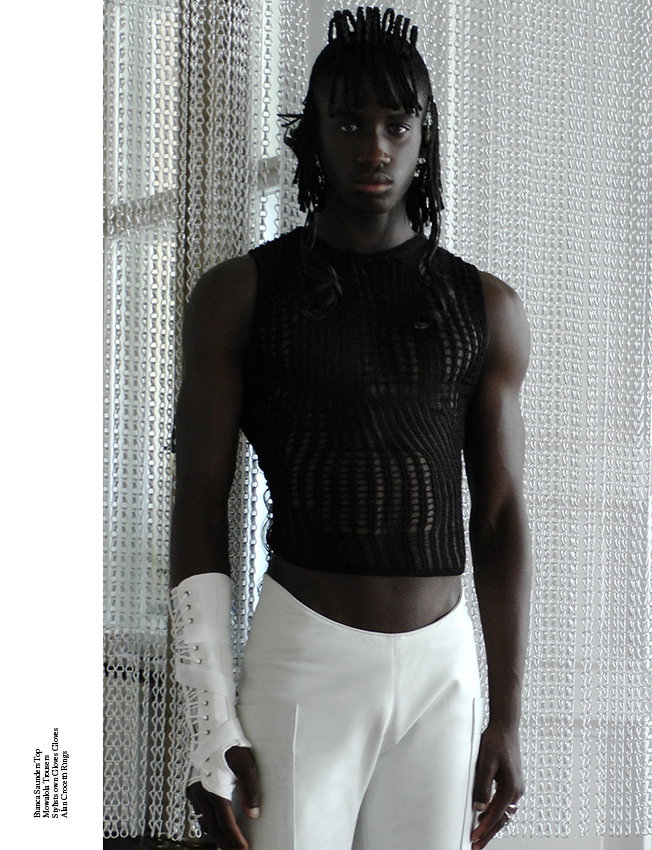
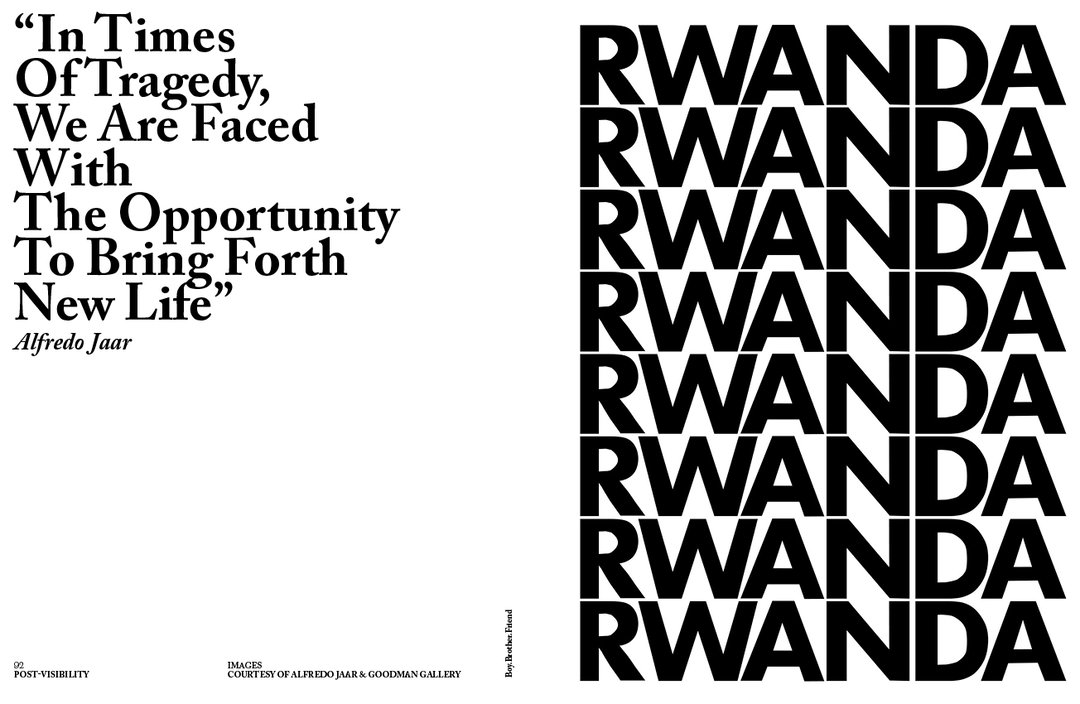
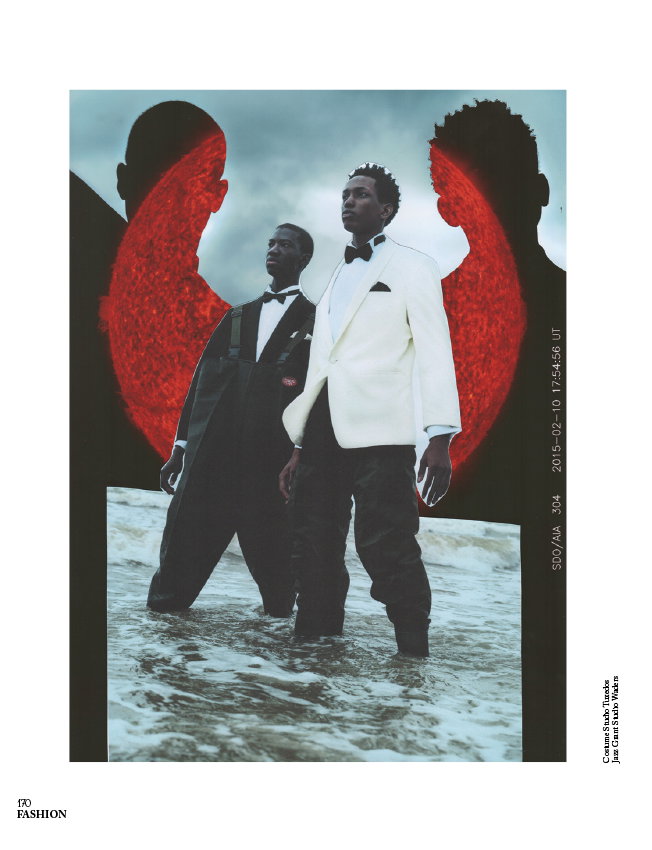
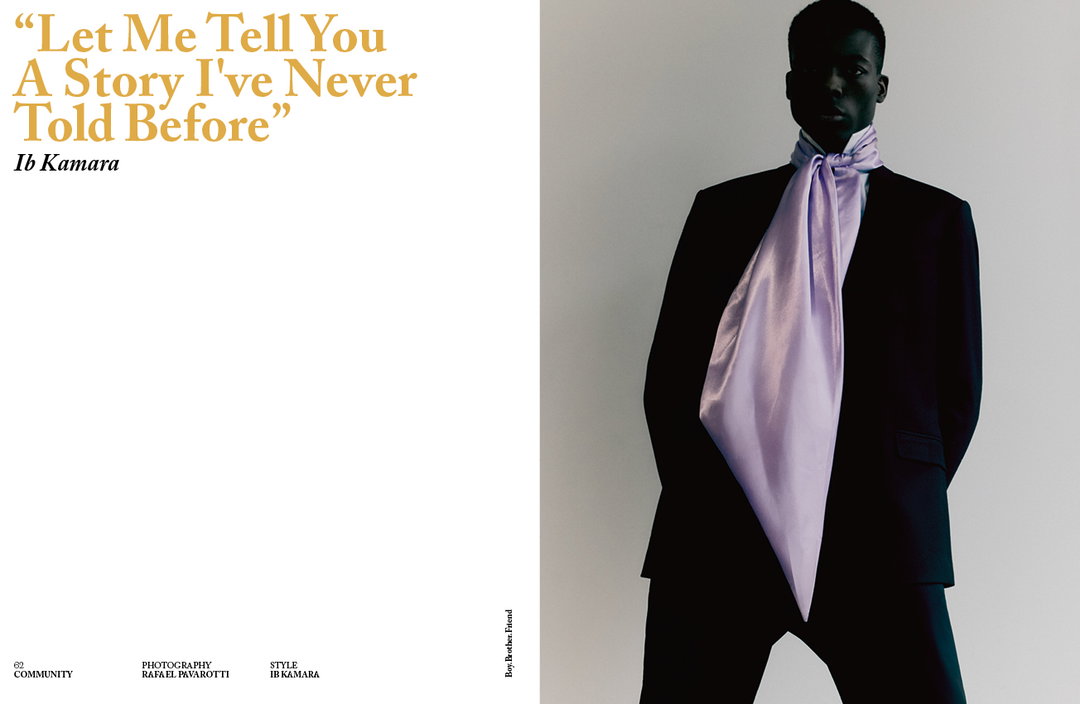
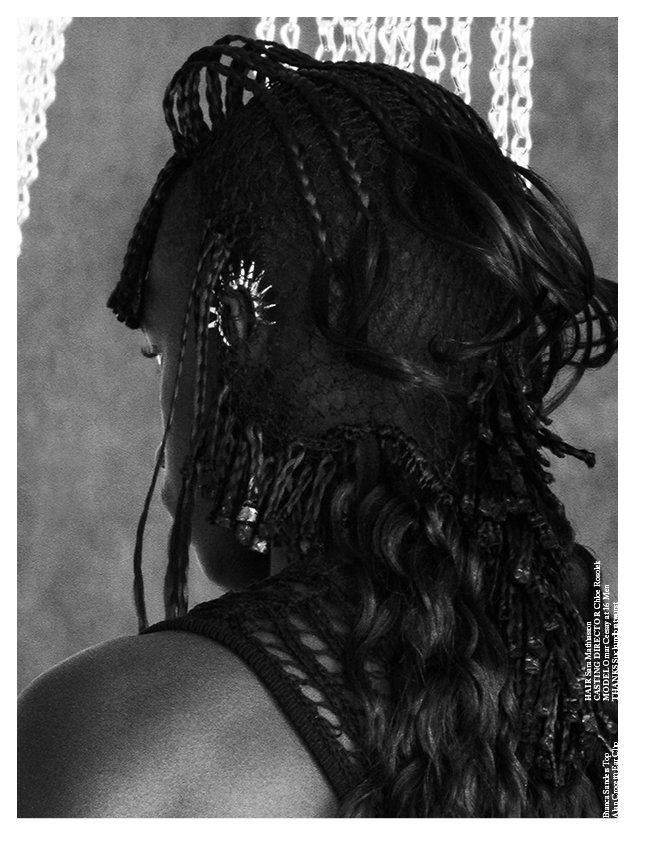
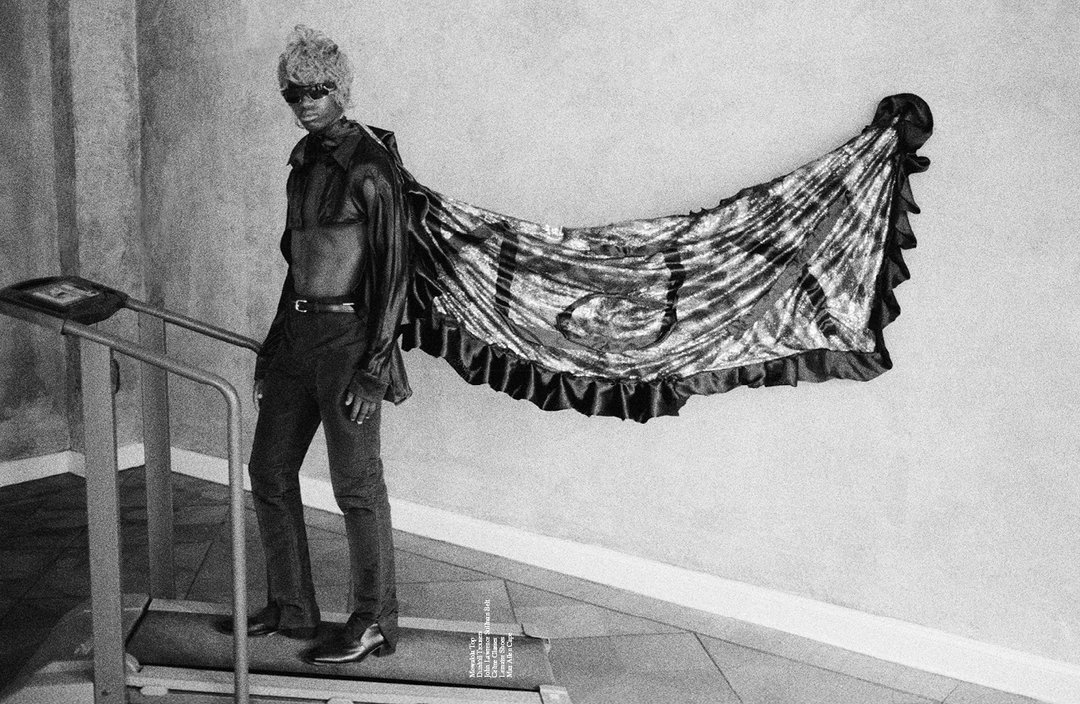
Boy.Brother.Friend, a new print publication and digital platform conceived by KK Obi and Emmanuel Balogun may only be in its first issue, but its list of contributors is next to none. Featuring the likes of Mohamed Bourouissa, Liz Johnson Artur, Alfredo Jaar, Asai Takeaway, Campbell Addy and Mowalola, just to name a few, the biannual publication’s inaugural release was earlier this month (8 May) and provides a space to cross-examine intersectionality, male identities and transnational cultures in the world today. Through a mutual lens of contemporary art, fashion and theory, the powerful print debut explores the flow of cultures and international migration, bolstered by some of the most important names in discussion of the matter today.
Initially formulated as a limited edition zine in partnership with LNCC and Nataal back in 2017, the remastered first issue of Boy.Brother.Friend marks a deeper, more daring and more critical investigation of its previous counterpart. As for the title, it came from a collaboration between KK and the photographer Mehdi Lacoste, celebrating “all the amazing people around me,” KK tells us. “Some of whom were close friends, some of them like brothers to me.”
Focusing on communities in the diaspora, the magazine’s first issue centres on how “discipline examines authority and the means of control.” Unfolding over five chapters, respectively examining themes of control, community, environment, family and post-visibility, the co-founders brought its impressive roster of creatives together to channel both the individual and collective voice from the diaspora. “It was important to celebrate the work of people that are driving industries but are often undocumented or overlooked,” adds Emmanuel on the matter. KK continues, “Some of whom work on the fringes and in roles regarded as ‘behind the scenes’.”
GalleryBoy.Brother.Friend: Issue 1
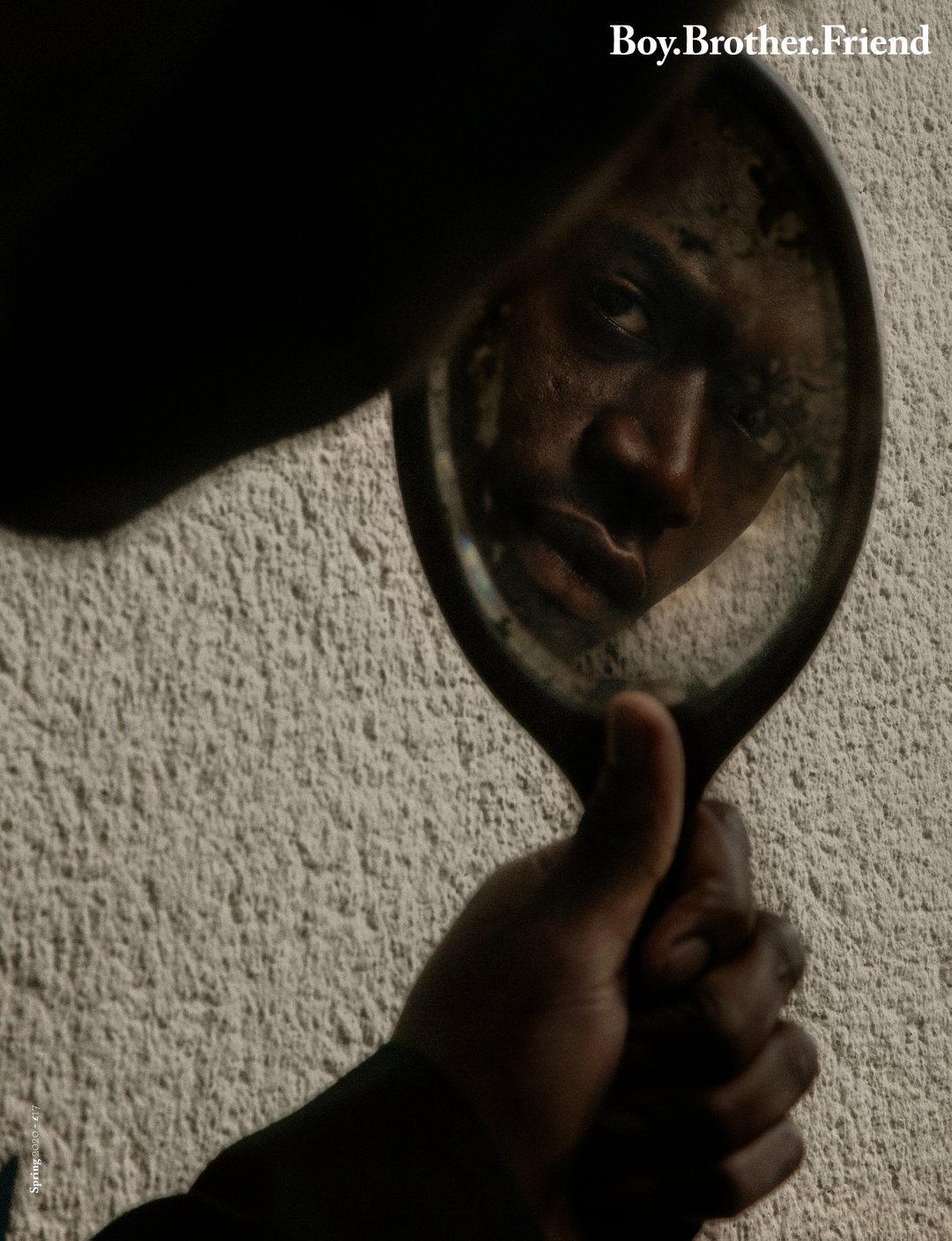
Created by a team of creatives from diverse cultural backgrounds, the multiculturalism of the creators enabled Boy.Brother.Friend to get closer to the communities and discourses it sought to celebrate. The two founders found that “established publications today are somewhat removed from the importance of delving deeper,” motivated by commerce which in turn, forces them to shy away from significant topics of conversation. By contrast, and in response to this, Boy.Brother.Friend is committed to “representing the overlooked and under documented.” Importantly, a publication for and by the community that KK and Emmanuel are a part of.
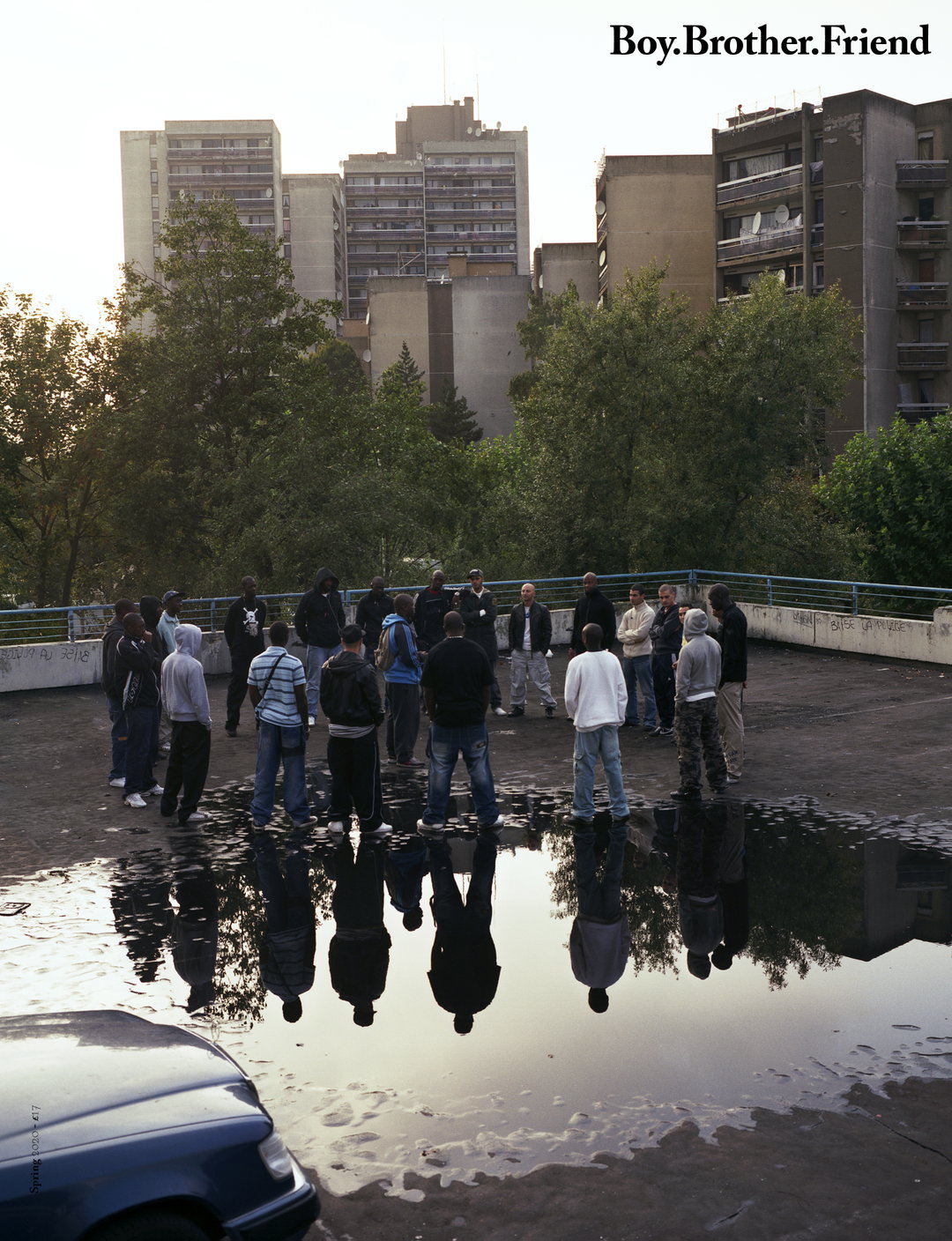
With a myriad of breathtaking features in its spreads from Liz Johnson-Artur’s personal experiences working on the streets defending her concern for the changing nature of authenticity, to Ajamu X’s photographic exploration of pageantry, hypersexual bodies and intergenerational debates, the first issue is jam-packed with thought-provoking content. Mohamed Bourouissa’s digital cover touches on societal tensions and gang culture in urban peripheries whereas an in-depth interview with Hollywood actor Damson Idris sheds light on his introspections of sexuality, patience and memories of growing up in the south east London area of Peckham.
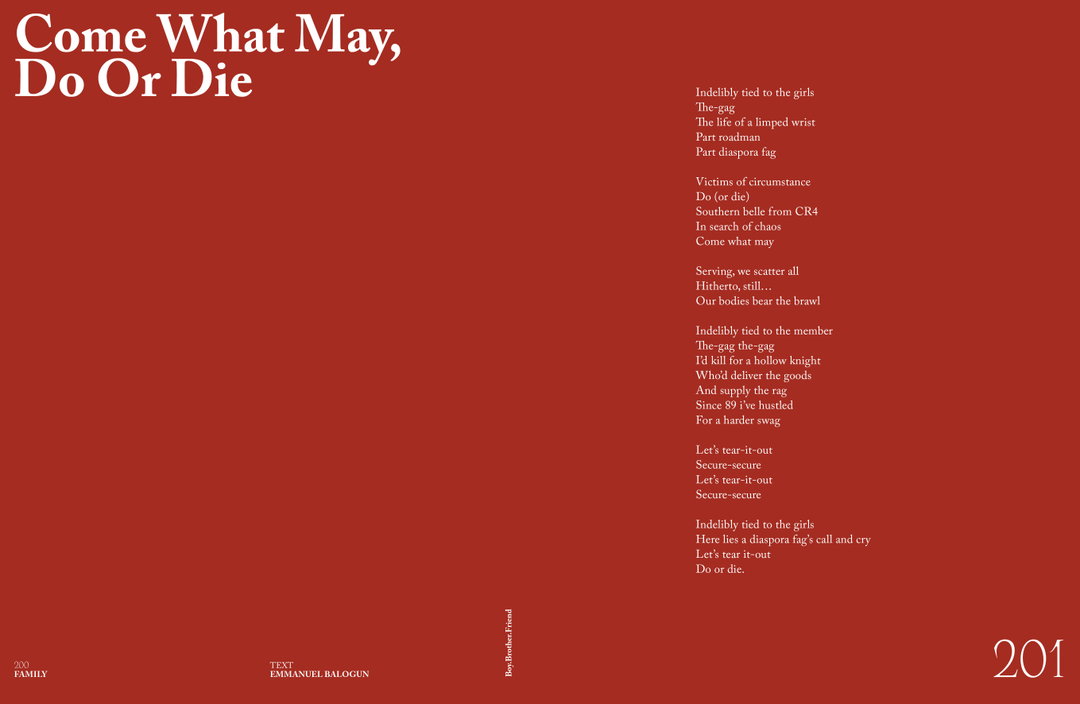
For Emmanuel, it’s hard to choose just one highlight from this rich collection of stories. “The entire issue has so much meaning to us,” he adds on the topic. He does however, highlight the evocative poems of James Massiah, Oluwasegun Romeo Oriogun and one by himself which are worth the read. “Each poem warrants a deeper read for the different approaches taken to explore the community,” he goes on to explain. Each writer evaluates both the positive and negative aspects of community. Each one possessing a beauty in its own way while communicating a “subterranean layer of melancholy” too.
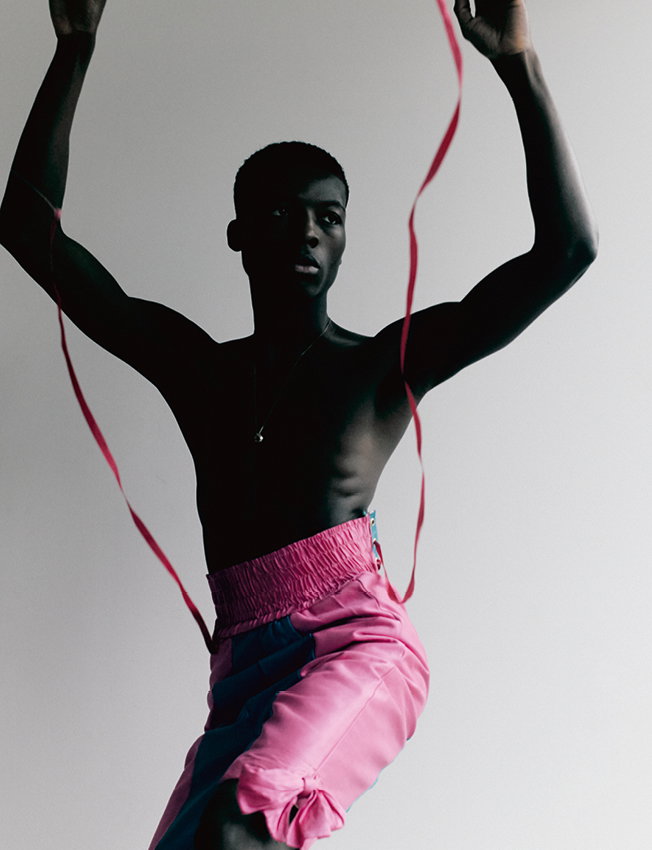
All in all, Boy.Brother.Friend is a place for its readers to share thoughts while feeling a deeper connection to the publication’s ethos. “It’s important that they feel as though they are seeing themselves within the subjects explored,” KK continues. The extensive mix of content – art works, articles, theories and cultural affirmations – presented in the magazine helps readers to consider their place in the world in both a physical and emotional sense. And finally, the founders finally go on to say of the impact the magazine has reached in the short time its been available: “We’ve had a lot of messages come from readers from a number of places and we ask that they keep reading, continue to get in touch, and share thoughts as Boy.Brother.Friend is a testament to their experiences and to their lives.”
GalleryBoy.Brother.Friend: Issue 1
Share Article
Further Info
About the Author
—
Jynann joined It’s Nice That as an editorial assistant in August 2018 after graduating from The Glasgow School of Art’s Communication Design degree. In March 2019 she became a staff writer and in June 2021, she was made associate editor. She went freelance in 2022.