Carolina Incerti’s A Book for Making Books is designed to be torn apart and remade
The graphic designer’s hands-on guide transforms into eight different book and zine templates, inviting readers to explore self-publishing through experimentation and play.
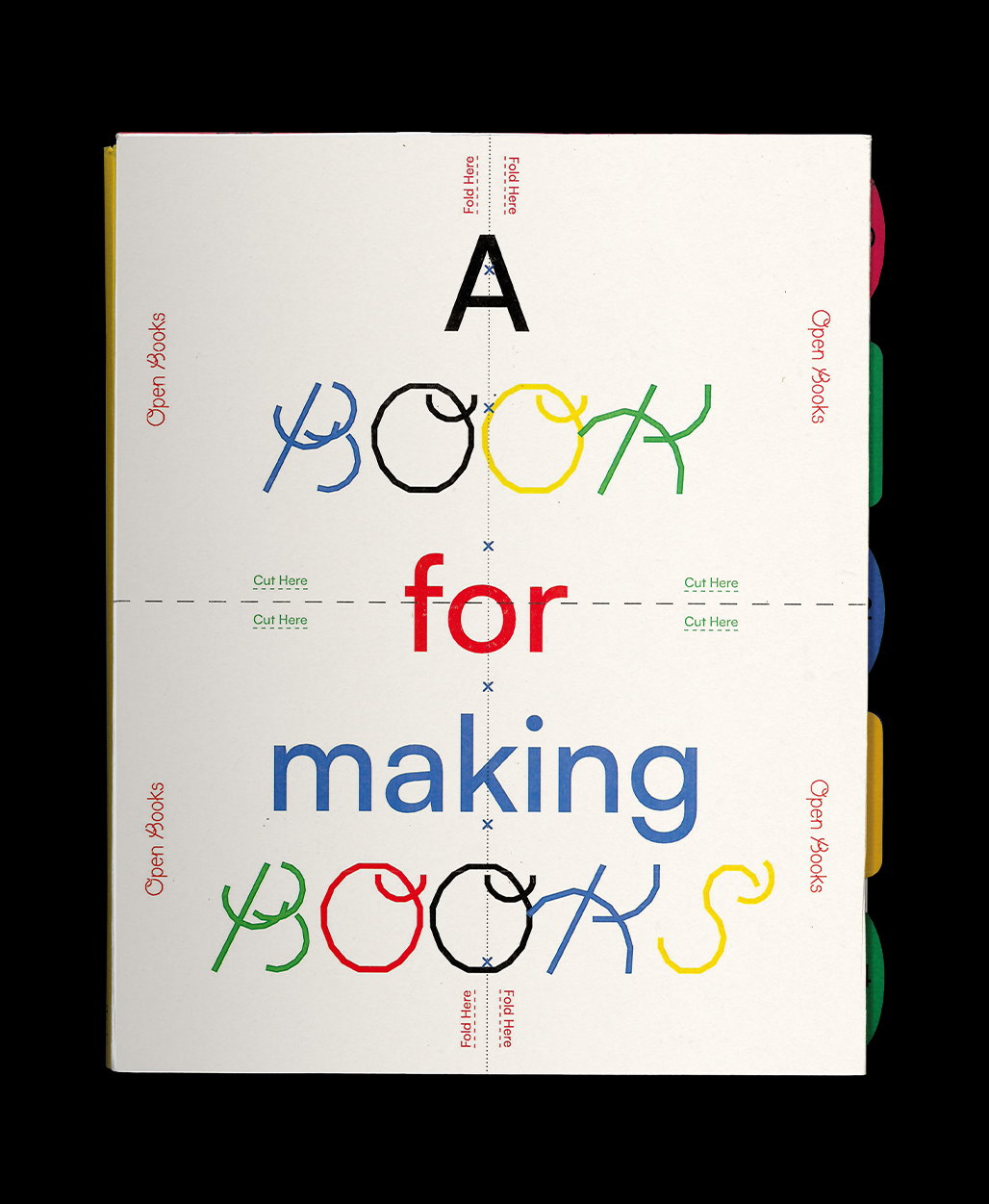
A book for making books, by graphic designer and researcher Carolina Incerti, is exactly what its title suggests: a guide to self publishing, lovingly designed to be torn, cut and folded into a series of eight physical templates for publishing zines and books. Featuring instructions for learning how to make books, it takes being hands-on pretty seriously. And, as bookbinding enthusiasts ourselves, we have certainly consumed a lot of books about the making of books – not all of them instructional, but certainly none that are this practical.
The publication is the result of Carolina’s Masters research, Open Books: Collective Practices for Self-Publishing, which she worked on at Art Academy Bergen in Norway. “My investigation was mainly motivated by the question: how can I, as a designer, contribute to the democratisation of contemporary self-publishing practices? This research led me to create a collaborative space for shared knowledge named Open Books, a book club for people to make books together.” Establishing the club as an open space for students and educators at all levels of experience to join, Open Books quickly became a weekly meeting point not just to teach binding techniques but to shift the emphasis in design education from a “perfect final outcome to developing a sense of collective autonomy in participants through experimentation”, Carolina says.
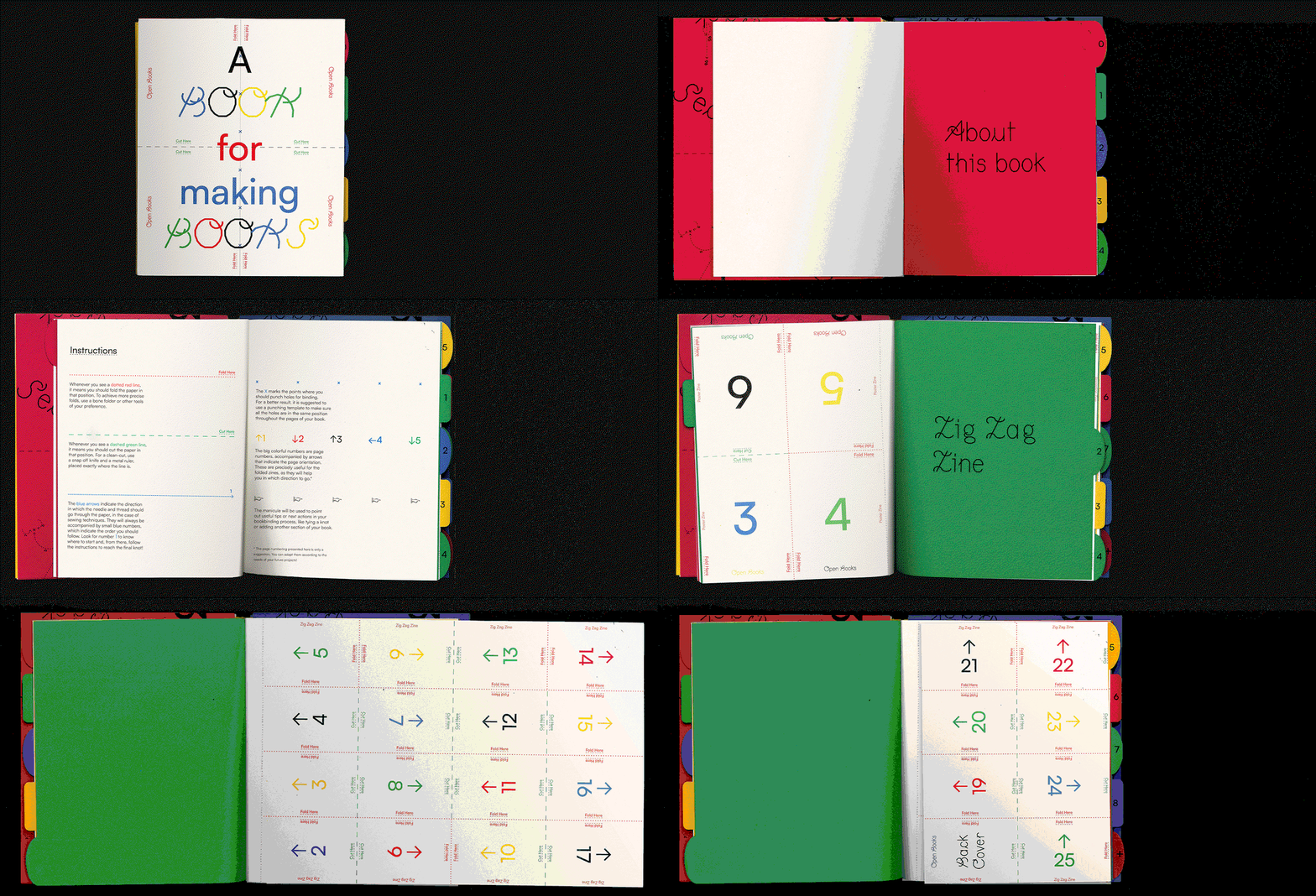
Carolina Incerti: A Book for Making Books (Copyright © Carolina Incerti, 2025)
Through running the book club, Carolina came into contact with a number of different instructional resources for bookmaking – one of them being book guides. As useful as they were to participants with certain tasks, the designer noticed that they were often “either too complex or lacking in additional information or really useful tips,” she says. So the designer set out to create something that was not only easier to follow but didn’t just treat bookmaking as a written recipe. She wanted to create a guide that taught these techniques through the making itself. “Almost like translating a video tutorial into paper, or something that resembles a manual for assembling furniture,” she shares.
From multi-section stitch books to one-page zines, the eight templates in A Book for Making Books were tested and collectively improved by the book club participants and expertly brought together by Carolina in an almost origami-like catalogue of several books to tear out and construct. To shape the visual language of the final guide, Carolina dug back into her research on collectivity, play and learning and started to reflect on playgrounds: “spaces where these three principles manifest themselves so easily,” she says. This influenced her primary colour palette – nodding to the playful objects and toys that we built and engaged with in childhood.
After that, the next crucial step for shaping A Book for Making Books involved experimenting with typography. “The connection between books and typography is deeply rooted in design history, usually quite based on European norms and guided by strict rules to achieve some sort of perfection,” the designer says. Set on rejecting some of these rules and returning to a sense of play once again, Carolina messed around with a mixture of fonts with untraditional characters and landed on CirrusCumulus – an open-source type designed by Clara Sambot as the book’s main body copy. “I think it provided a great sense of playfulness to the project, almost resembling a child’s handwriting,” she says.
Accessibility was something that Carolina wanted to materialise throughout the guide. “I tried to avoid creating an overly designed book: I wanted people to look at it and have the feeling of running into your friendly, reliable, primary school teacher,” she ends. “In other words, to feel that they could make their own book too.”
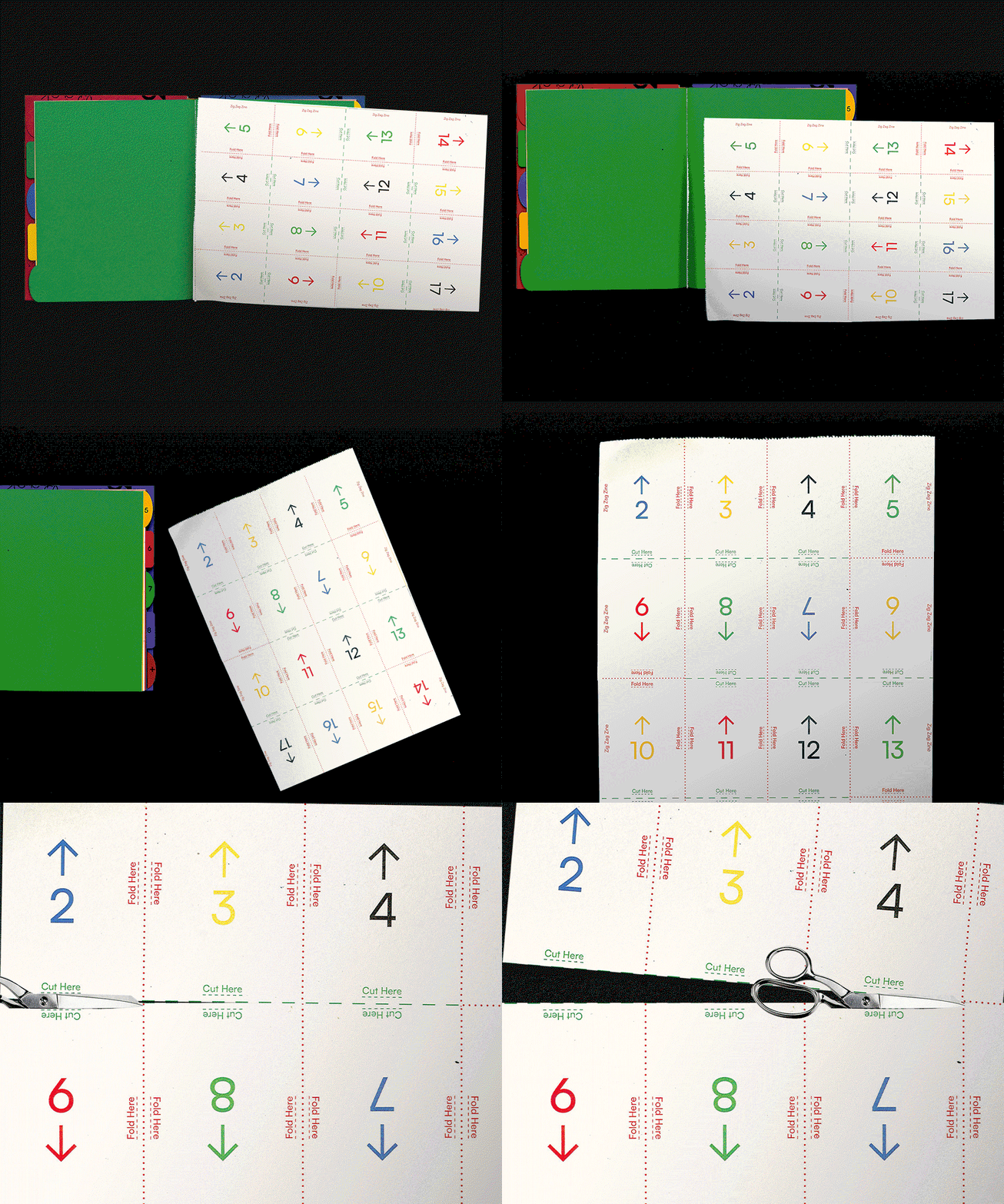
Carolina Incerti: A Book for Making Books (Copyright © Carolina Incerti, 2025)
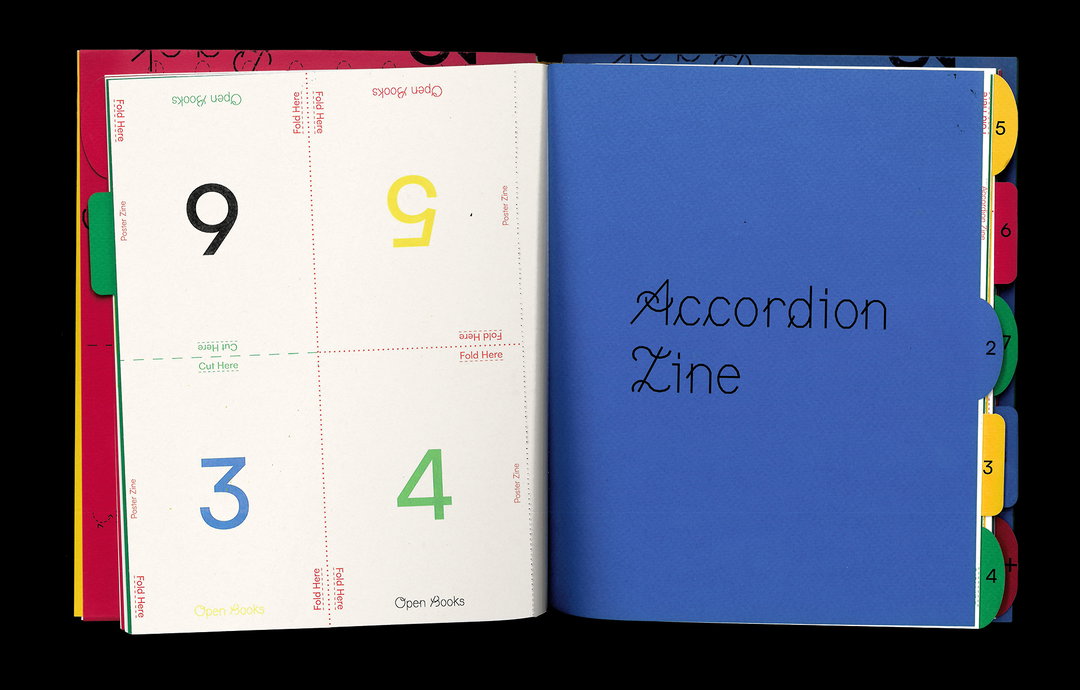
Carolina Incerti: A Book for Making Books (Copyright © Carolina Incerti, 2025)
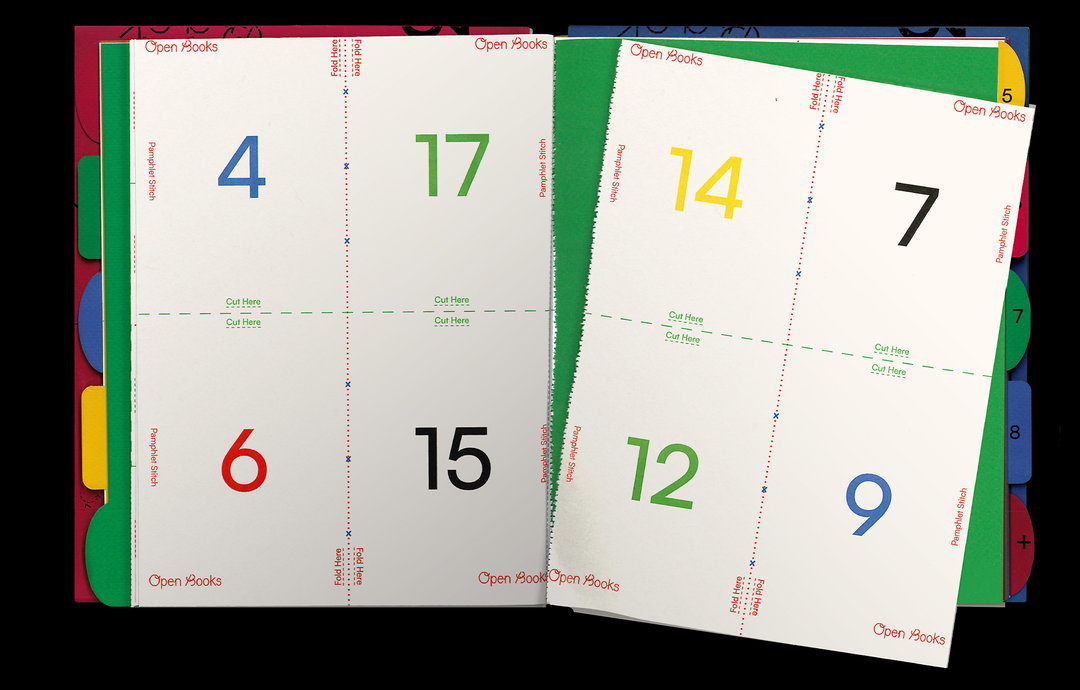
Carolina Incerti: A Book for Making Books (Copyright © Carolina Incerti, 2025)
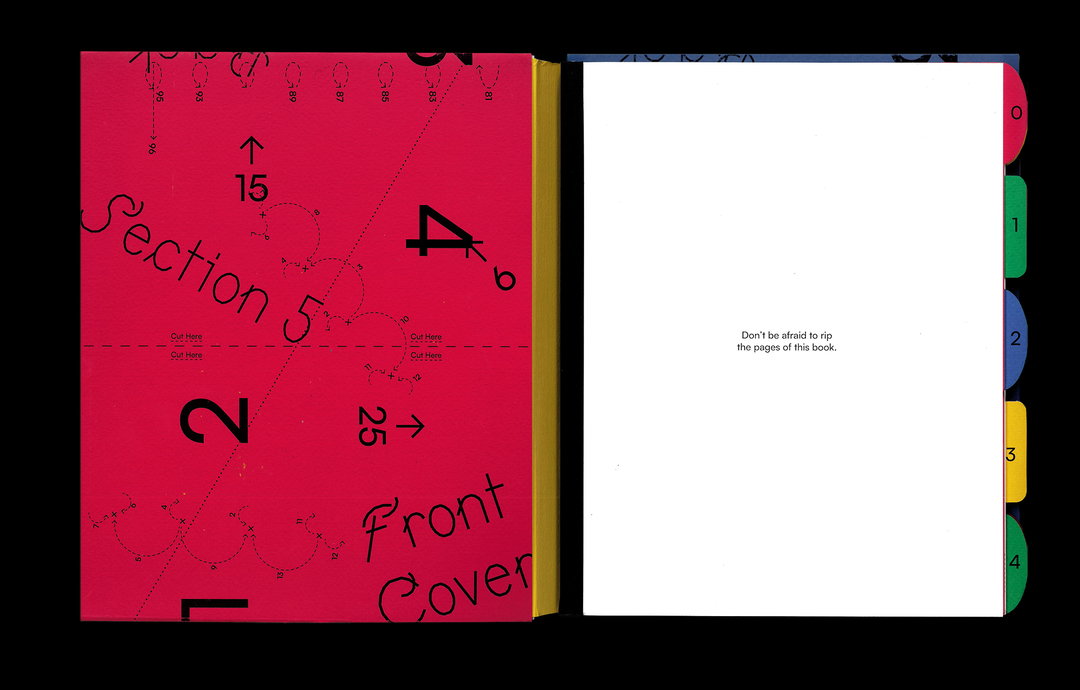
Carolina Incerti: A Book for Making Books (Copyright © Carolina Incerti, 2025)
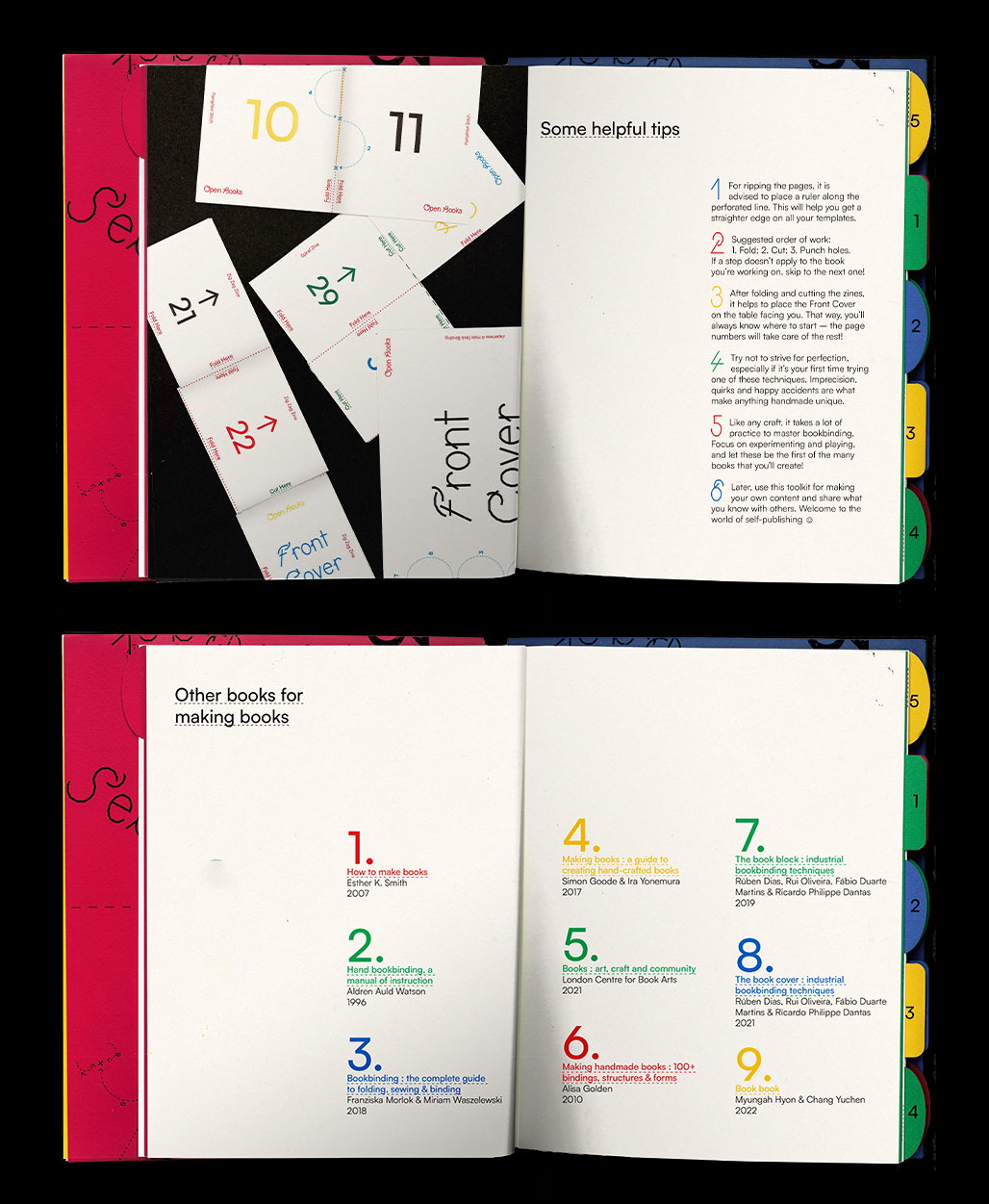
Carolina Incerti: A Book for Making Books (Copyright © Carolina Incerti, 2025)
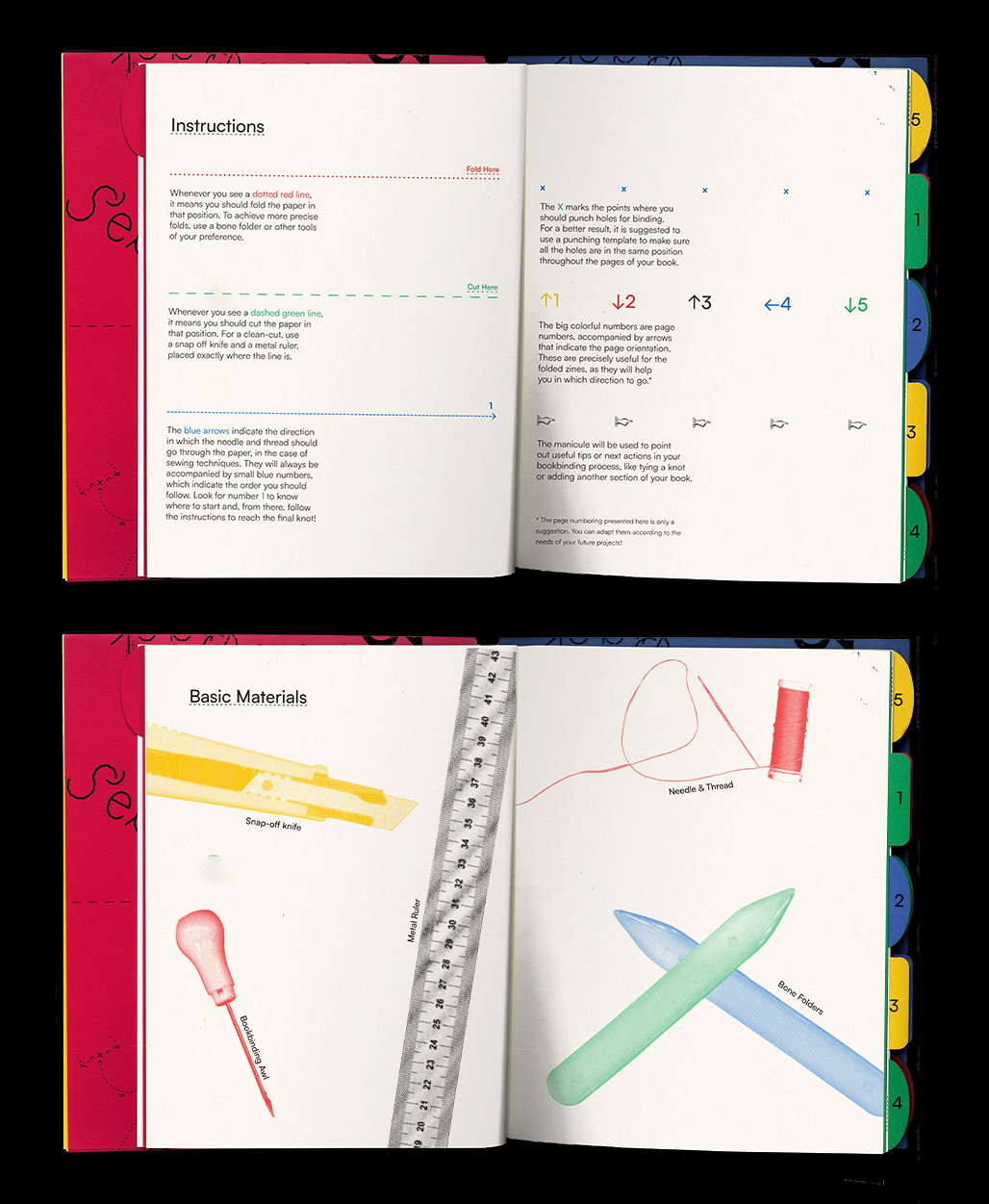
Carolina Incerti: A Book for Making Books (Copyright © Carolina Incerti, 2025)
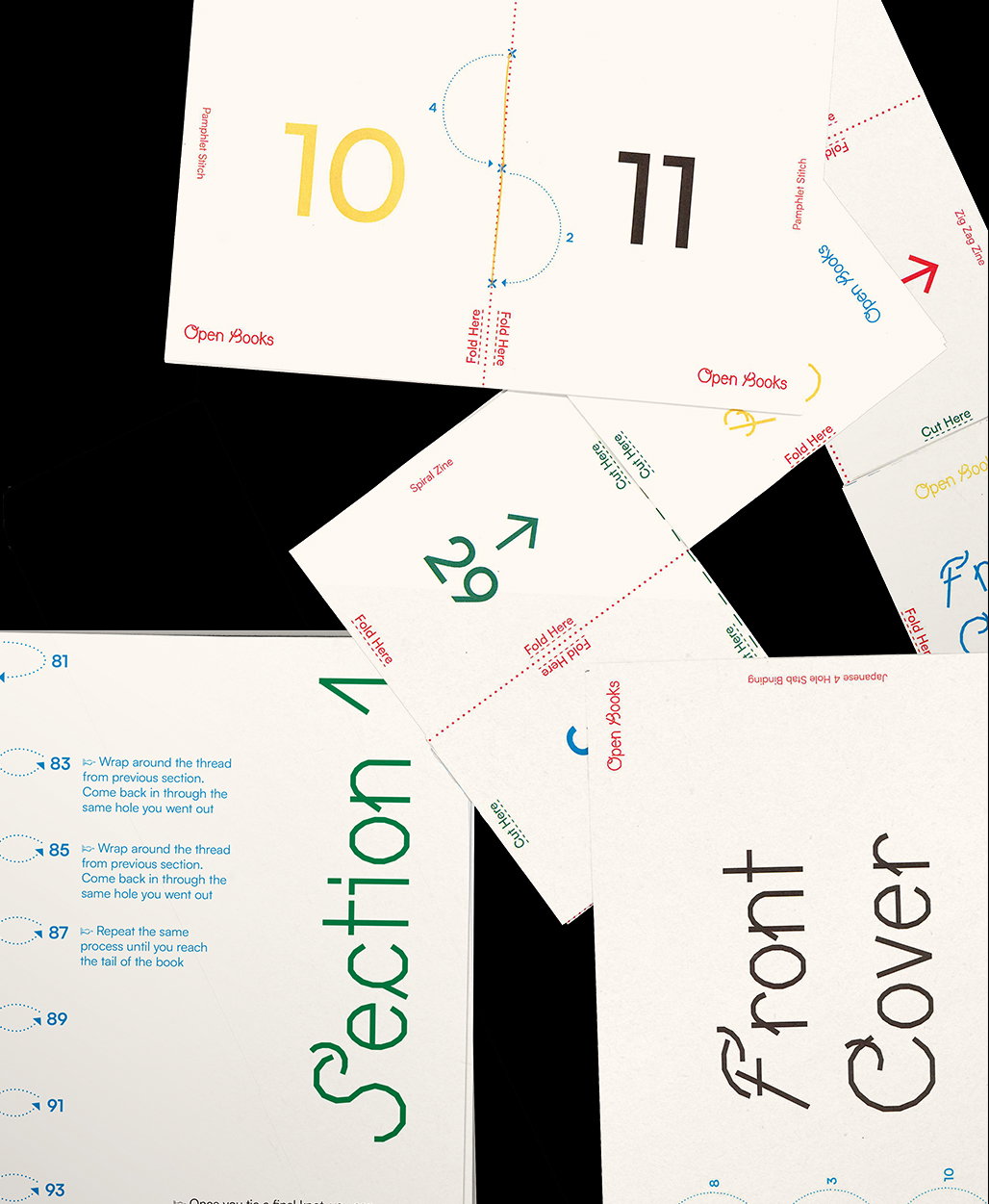
Carolina Incerti: A Book for Making Books (Copyright © Carolina Incerti, 2025)
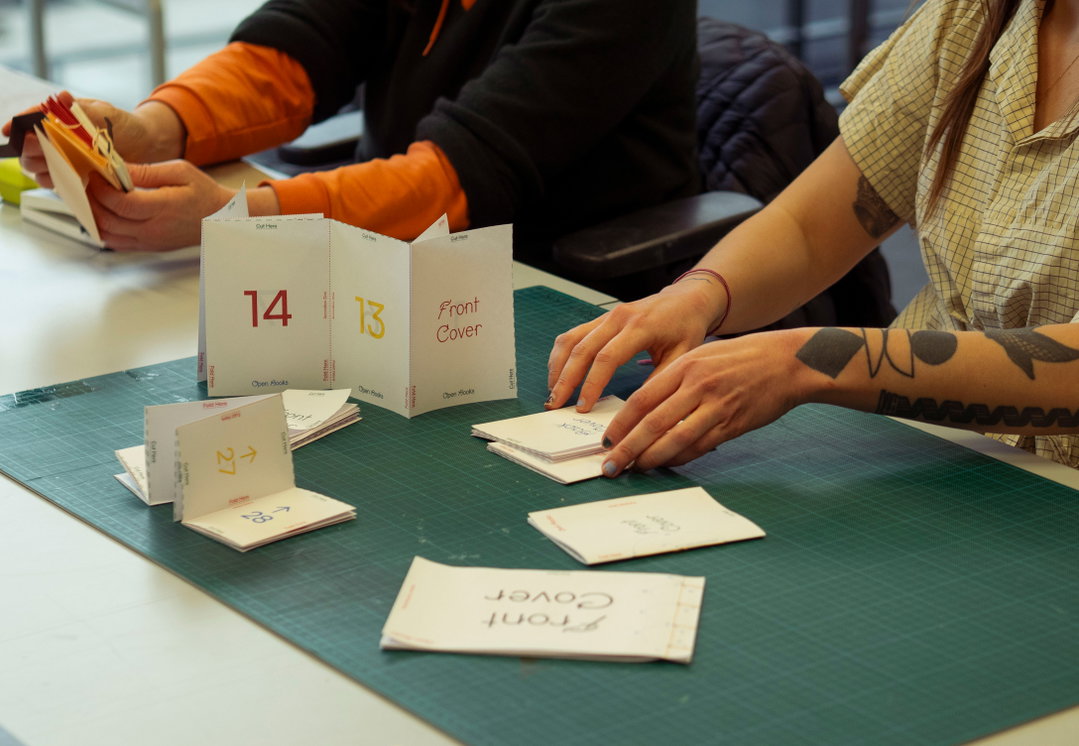
Carolina Incerti: A Book for Making Books, photography by Franka Cläre Pohl (Copyright © Franka Cläre Pohl, 2025)
Hero Header
Carolina Incerti: A Book for Making Books (Copyright © Carolina Incerti, 2025)
Share Article
Further Info
About the Author
—
Ellis Tree (she/her) is a staff writer at It’s Nice That. She joined as a junior writer in April 2024 after graduating from Kingston School of Art with a degree in Graphic Design. Across her research, writing and visual work she has a particular interest in printmaking, self-publishing and expanded approaches to photography. ert@itsnicethat.com
To submit your work to be featured on the site, see our Submissions Guide.