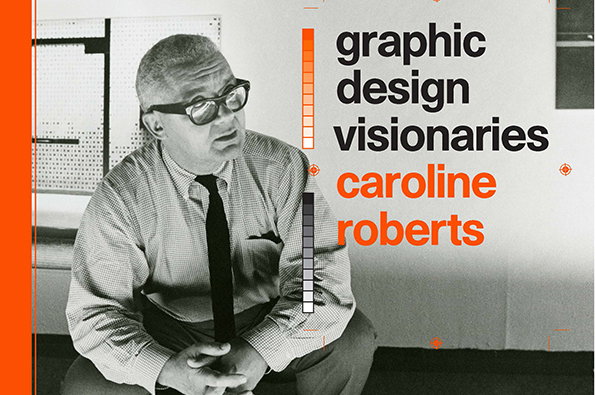
Splendid new book showcases 75 industry-defining graphic designers
As someone who came into design journalism from the outside, it was a challenge to get to grips with the famous graphic designers blithely referenced in talks or other publications. Who were they? What did they do? And maybe most importantly, why are they important? How I could have done with a book like this new addition to the Laurence King Visionaries series, which contains profiles of 75 graphic design luminaries alongside large, full-colour reproductions of their significant and groundbreaking work.
Organised chronologically by their years of birth (or the years the studios were formed), we’re taken from Piet Zwaart (1885) to M/M Paris (1992), via the likes of Tom Eckersley (1914), Tadanori Yokoo (1936), Stefan Sagmeister (1962) and Studio Dumbar (1977), and the vast majority of profiles include portraits as well.
In her introduction, author Caroline Roberts considers why so few members of the public would be able to name a famous graphic designer – suggesting explanations such as its infancy as a discipline (“as we know it”), the expanding role of practitioners and “because the only time one appears on the national press is in an obituary.” But this is an important publication both for novices and more-seasoned designers alike, sure to both introduce you to some figures you haven’t heard of before, and give you new insights into familiar names.
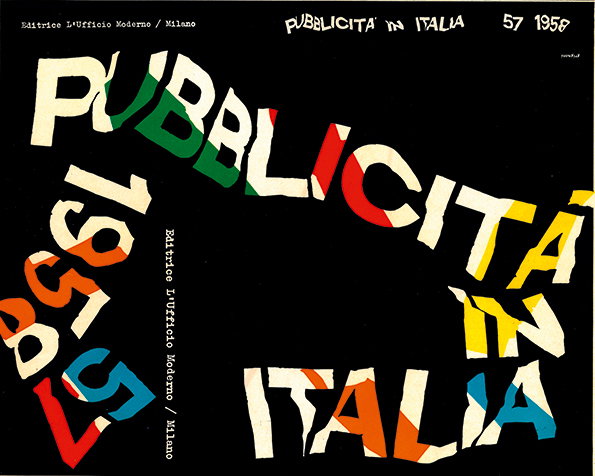
Franco Grignani: Cover for Pubblcita in Italia, 1956/57. Image courtesy of the estate of Franco Grignani. Manuela Grignani Archivio (Daniela Grignani)
My only question mark would be over the lack of women – of 75 profiles only three focus solely on women (Paula Scher, April Grieman and Irma Boom) and a fourth, Margaret Calvert, appears alongside Jock Kinneir. It’s an imbalance Caroline tries to address in her opening essay, saying that the book’s remit means it will focus “understandably” on the “the established design canon” and she predicts “future editions of this book will look quite different… at least from a gender perspective.”
But still the numbers seem very skewed to me, and Caroline goes on to articulate excellently the challenge facing the industry. “Publications, conferences and awards have a responsibility not simply to default to the same old faces, but to seek out the less visible – but equally talented – female designers. While there are some high-profile female designers, they are all too often the ‘token female’ on the panel or in the line-up. These women designers also have a responsibility to push for greater representation, no matter how boring it might be to answer endless questions about women and design.”
Graphic Design Visionaries, published by Laurence King, is out in August.
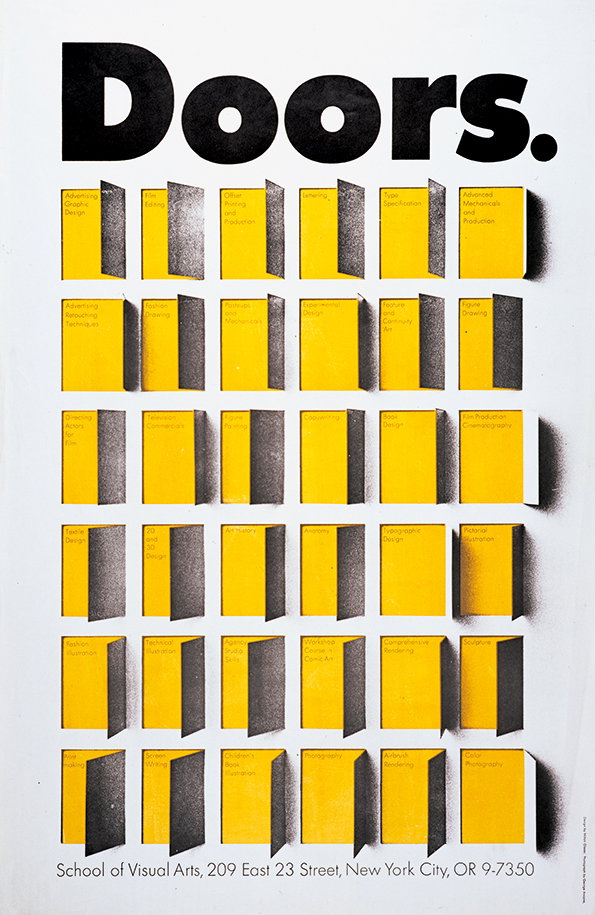
Milton Glaser: Doors, 1967. ©Milton Glaser

David Gentleman: British Steel Corporation logo. Courtesy of David Gentleman and British Steel Corporation

Stefan Sagmeister: AIGA Detroit poster, 1999. Courtesy of Sagmeister & Walsh
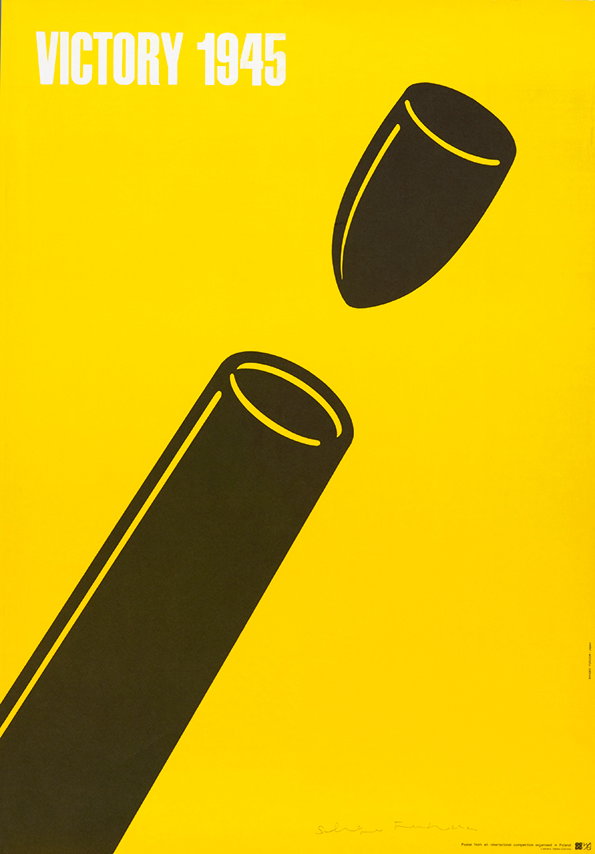
Shigeo Fukuda: Victory, 1945. By kind permission of the estate of Shigeo Fukuda.

Studio Dumbar: Promotional posters for International Theatre Festival, Studio Dumbar, Holland Festival, 1988. Courtesy of Studio Dumbar, Photography by Lex van Pieterson.
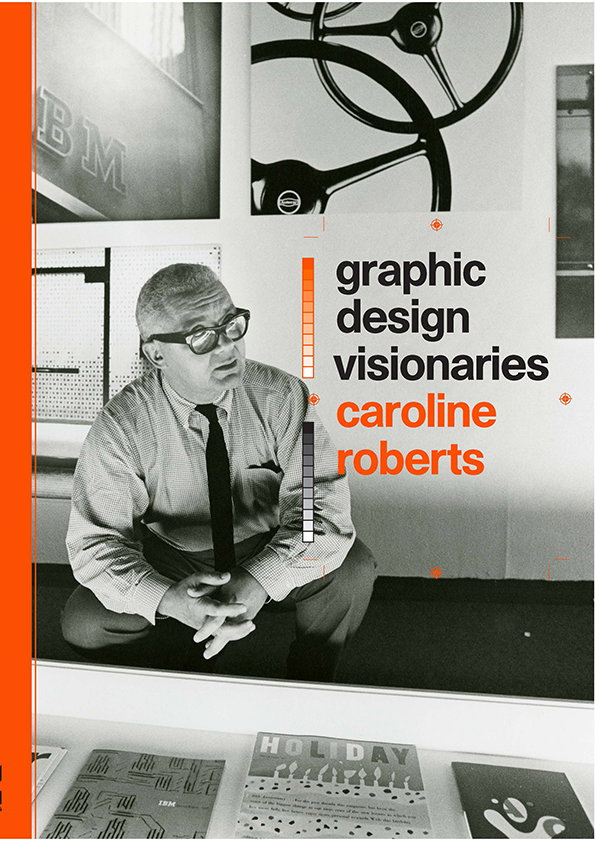
Caroline Roberts: Graphic Design Visionaries
Share Article
Further Info
About the Author
—
Rob Alderson is editor-in-chief of It's Nice That. He rejoined the company in 2026, having previously held the same role between 2011 and 2015. In between he was editor-in-chief of WePresent, and editor of Design Week.