




Charlotte Mei and Kirsten Lepore collaborate on playful new game Pikuniku
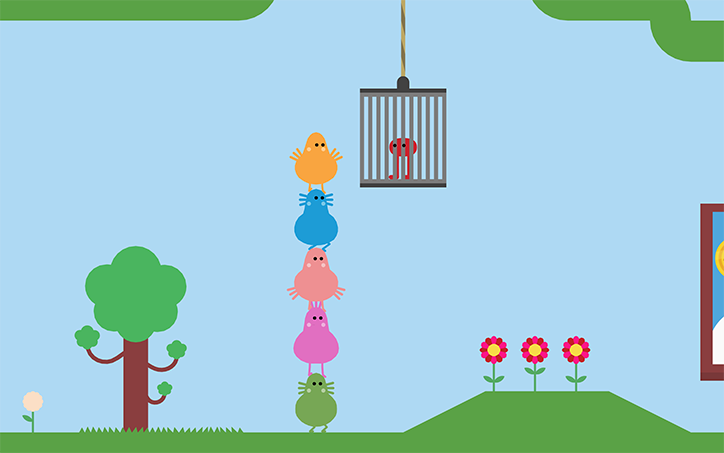
The gaming industry has tended in the past to be dominated by big-name studios that hire thousands of developers to all work simultaneously on a blockbuster, Triple-A title. But the modern gaming world does have room for the odd small-budget yet beautifully designed gem. As an example, you need look no further than Pikuniku, a new puzzle-exploration game developed by collaborative indie studio Sectordub for Nintendo Switch, PC, Mac and Linux.
According to Arnaud De Bock, the founder of Sectordub, who was the producer of the game, the team set out with a few simple yet important ideas in mind. “We wanted to make a non-violent game, to make it accessible and to make it entertaining,” he says. “We also wanted to explore how we could play with the ‘rules’ of game design and twist them a little bit. And to make enough money to be able to make another game.”
The idea to create Pikuniku was sparked when Arnaud saw a gif designed by Rémi Forcadell and posted on Twitter. “When I saw it, I contacted Rémi on Twitter and asked if he wanted to team up and make a game with it,” says Arnaud. The rest is a refreshing story of extraordinary collaboration between a small team of global creatives.
Arnaud brought Calum Bowen onboard to create the original soundtrack and sound effects for the game, and illustrator Charlotte Mei to design the artwork for the vinyl edition of the soundtrack. Amelia Cart designed the game’s icon and an accompanying comic book was created by illustrator Mushbuh. Animator Kirsten Lepore was asked to create the stop-motion trailer for the game (see video below), while Alan Zucconi joined the project to help Rémi with the development of the game, which sees a cast of quirky characters embark on a journey, each with their own problems and eccentricities to accommodate along the way.
“I loved the playful shapes and colour palette of the game and wanted to abstract them to reflect the dynamic feel of the gameplay and its atmosphere,” says Charlotte, speaking about her artwork for the vinyl sleeve, which is a combination of oil on board and collage. “There was so much to work with, the temptation was to over-complicate things. But it was more true to both myself and Pikuniku to capture the essence of the game which is playful simplicity.”
For Arnaud, collaboration is an essential part of the game making process. “It was important for me to include other indie artists in the project, because I think a video game is not only the game in itself, but also all the elements surrounding it,” he says. “Pikuniku is a kind of utopia, I wanted to have people from different nationalities working on the game. We all worked remotely during the process of creation and, in one way, it’s a reflection of the positive part of internet culture.”
Looking at the game – its colourful palette and playful gameplay – it feels like this spirit has been injected into every frame and element. “I was really happy to be able to work with friends,” says Charlotte. “The team is small but made up of super-inspiring creators. Arnaud’s passion and his vision were really well complemented by the team, and I think you can tell when you play the game that it was created with love.”
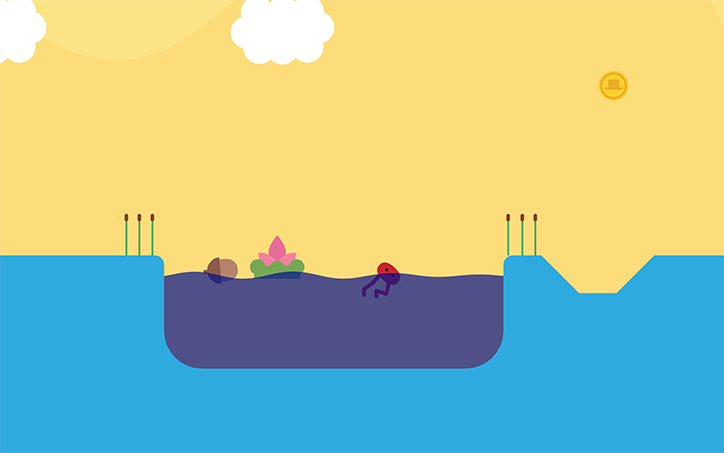
Pikuniku (Image: Sectordub)
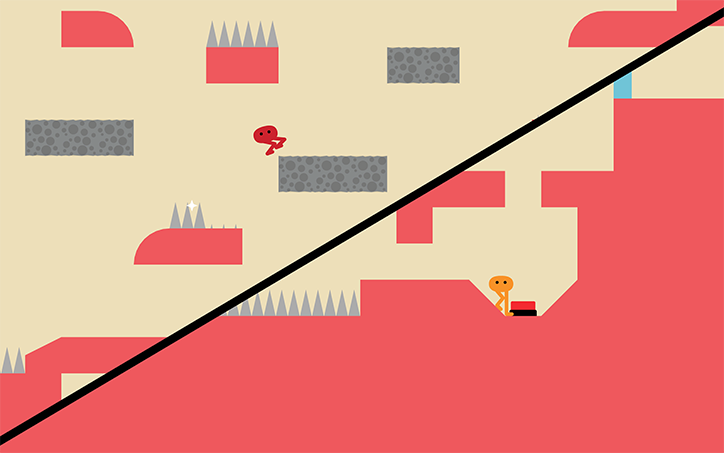
Pikuniku (Image: Sectordub)
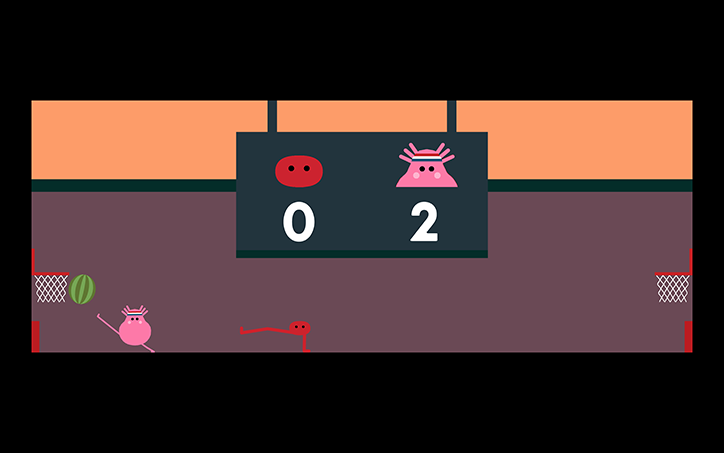
Pikuniku (Image: Sectordub)
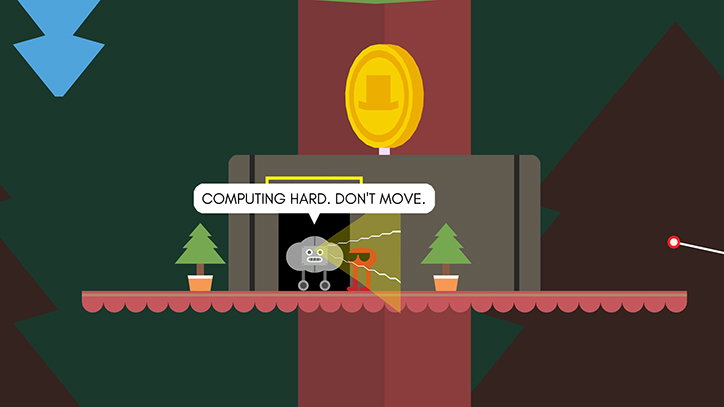
Pikuniku (Image: Sectordub)
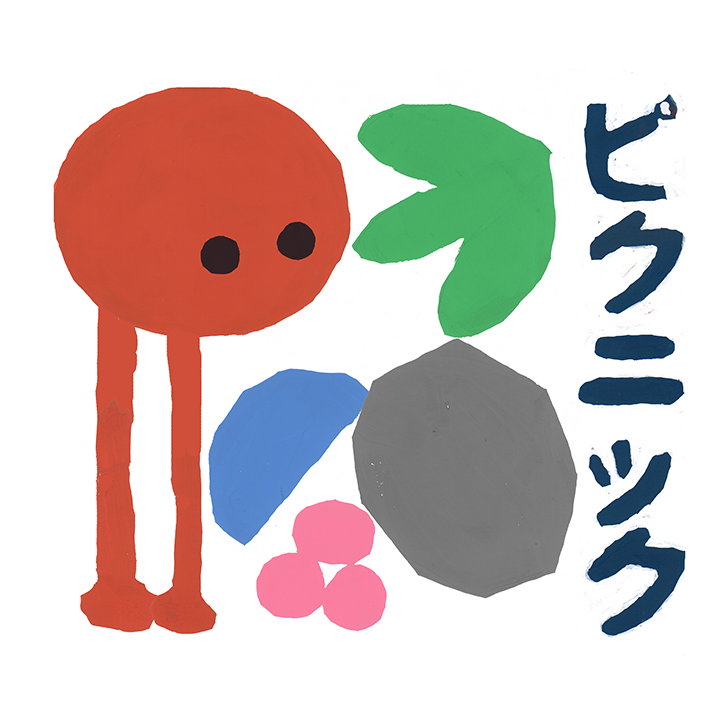
Charlotte Mei’s artwork for vinyl (Image: Sectordub)
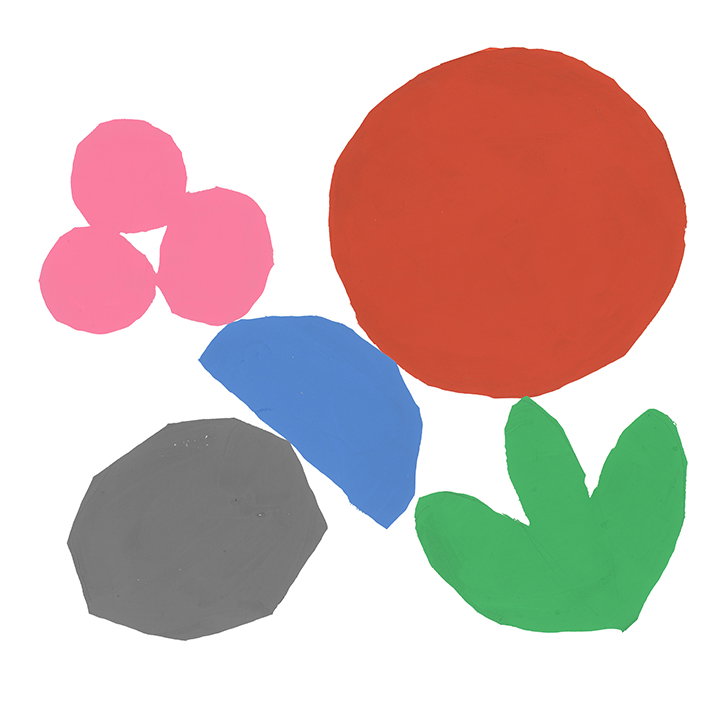
Charlotte Mei’s artwork for vinyl (Image: Sectordub)
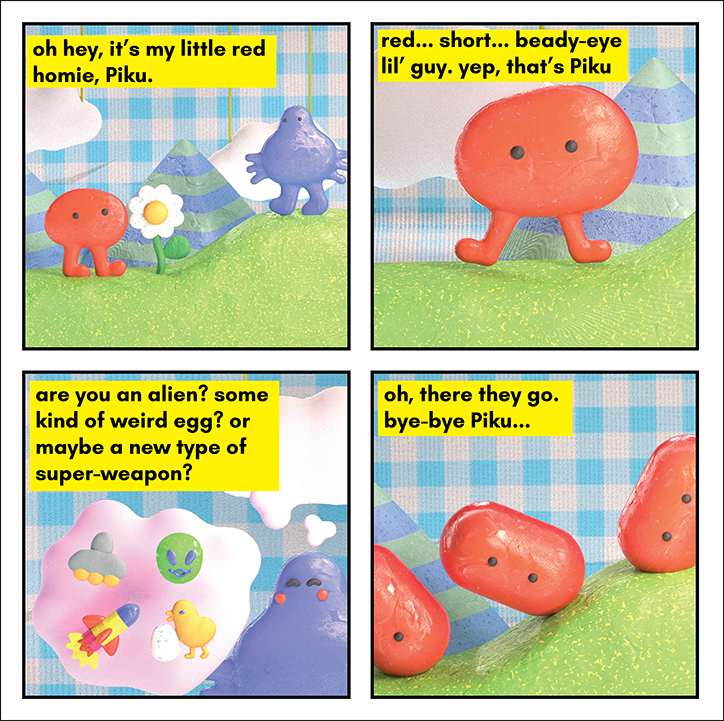
Page from Mushbuh’s comic book (Image: Sectordub)
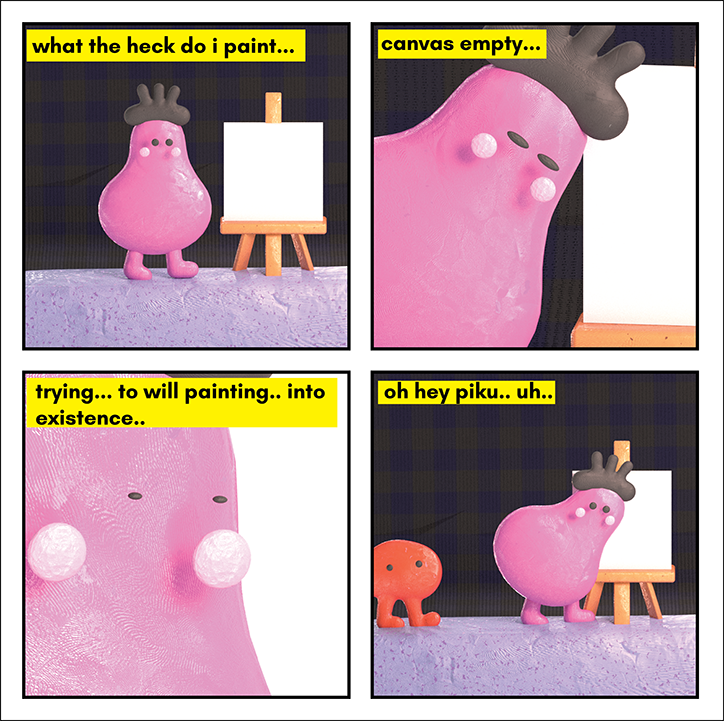
Page from Mushbuh’s comic book (Image: Sectordub)
Share Article
Further Info
About the Author
—
Matt joined It’s Nice That as editor in October 2018 and was editor-in-chief in September 2020–2024. He was previously executive editor at Monocle magazine. He is now a freelance writer and editor.