Through playful and considered design, Elya Forelya aims to tackle the stigma around ASD
“I like typography!” So says Elya Forelya when speaking of her practice. Having always been creative, the Russian-based graphic designer has spent the past five years drawing, before later lending her pencil to digital work 12 months later.
Now, she beholds a style defined by her love of typography and simplicity. Following the effective motto of “less is more,” Elya’s work is driven by a passion for “bright colours and simple shapes”, as she draws her inspiration from Moscow-based graphic designer and art director Anna Kulachek, Leipzig-based graphic design studio Lamm & Kirch and graphic designer Ines Cox.
Elya’s portfolio is filled with considered design, whether its a rigidly simple yet well-executed publication inspired by Leo Tolstoy’s Secret Diary, a poster devised from elegant typographic forms and simple line work, or even illustrative characters created for a restaurant of Dagestan cuisine. Most prominent, however, is her recent personal project titled: adaptation difficulties of people with Autism spectrum disorder (ASD).
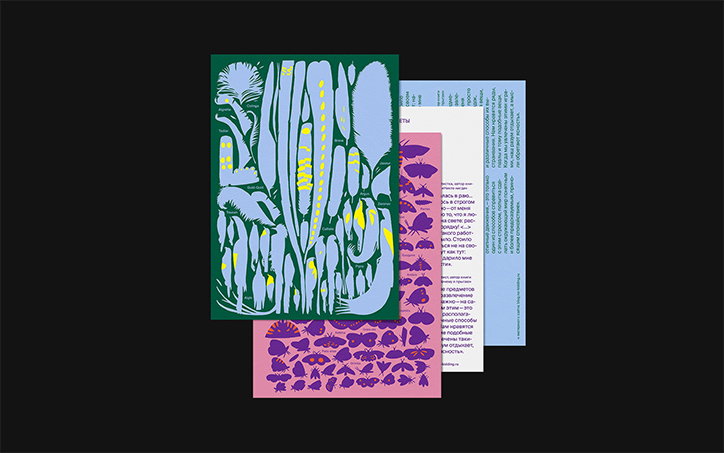
“The project about the autism spectrum disorder arose by chance, but I’ve always been interested in this topic,” Elya tells It’s Nice That. “People treat it with great sadness, and I thought that was wrong. So I decided to make the project understandable for many people – to make it bright and memorable.” Indeed infused with a vibrant colour palette, the main aim was to demonstrate a less-serious side of autism that’s commonly represented and perceived around us. She adds: “I wanted to tell people that it’s not dangerous and they should not be afraid of this disorder. We can all take care of each other, and we can respect everyone who is not like us.”
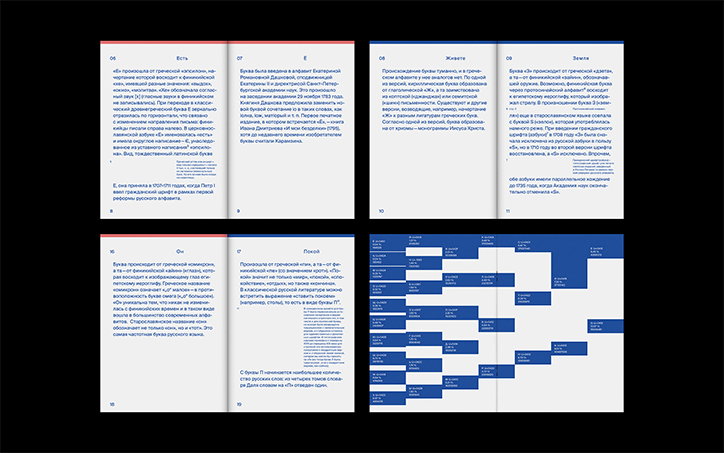
Elya Forelya: adaptation difficulties of people with Autism spectrum disorder (ASD)
Elya Forelya: adaptation difficulties of people with Autism spectrum disorder (ASD)
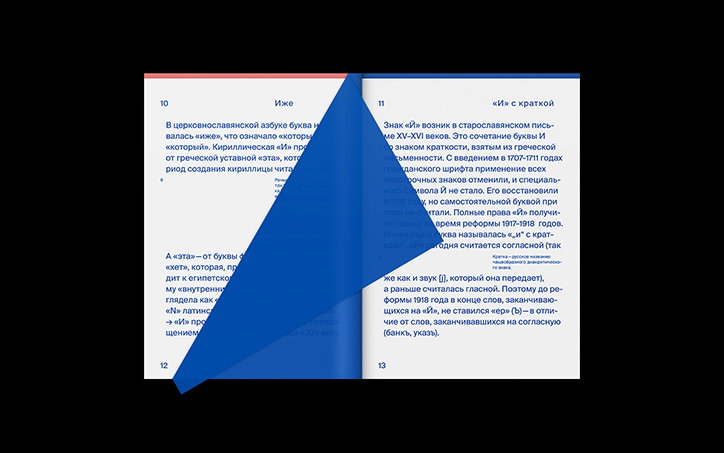
Elya Forelya: adaptation difficulties of people with Autism spectrum disorder (ASD)
Autism has been described by the National Autistic Society as a “lifelong developmental disability that affects how people perceive the world and interact with others”. ASD is one of the most common autism spectrum disorders, alongside Pervasive Developmental Disorder-Not Otherwise Specified (PDD-NOS), as well as Asperger Syndrome, Childhood Disintegrative Disorder (CDD) and Rett Syndrome. Michigan Medicine at the University of Michigan has defined it as one that “involves many areas of development” – thus affecting many people across globe in different ways.
For Elya, she plans to inform the people of Russia – her home country – about ASD, in order to “fight prejudice towards it and to accept autistic characteristics.” She continues: “The project needs a solution that covers one of the characteristics of people with ASD – their desire for finding predictability and order in a chaotic life. It should also be implemented as a route object with which people interact closely. Besides, it should be accessible and easy to understand.” With all this in mind, Elya decided to utilise a box as the object and mascot that will send her message. “On one hand, a box is a common way of dealing with chaos. On the other hand, a box represents a person with ASD, as a closed cover reviews an extraordinary inner world and a different way of thinking. This is reflected in the vivid illustrations that also express the idea of ordering and categorisation.”
This multi-dimensional project comes decorated with bold illustrations and a playful colour scheme, demonstrating the designer’s ability to delve into her research and tackle important issues with intention. “Often, ideas come to me spontaneously and form very quickly,” she says. “But it takes a lot of time to find the right pieces and graphics.” As an impactful and necessary addition to the realms of design, we can’t wait to see what Elya produces next.
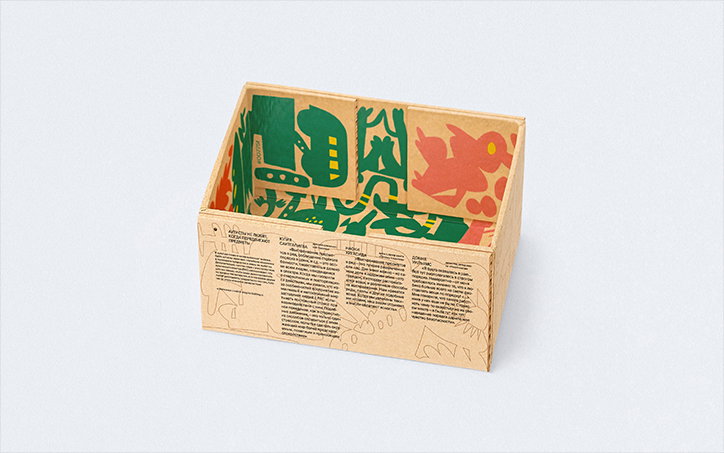
Elya Forelya: adaptation difficulties of people with Autism spectrum disorder (ASD)
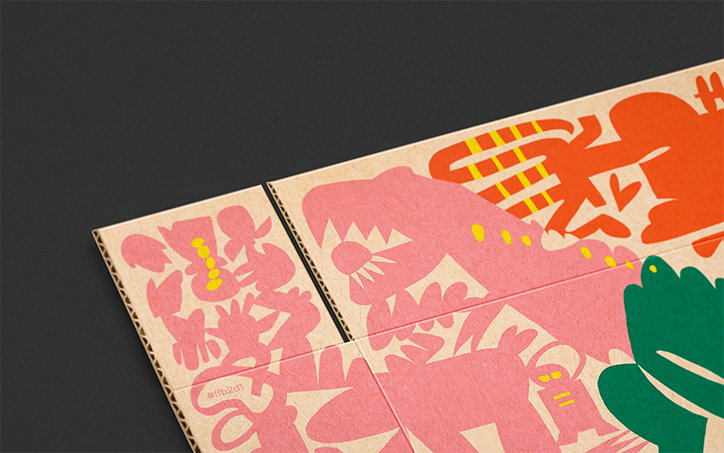
Elya Forelya: adaptation difficulties of people with Autism spectrum disorder (ASD)
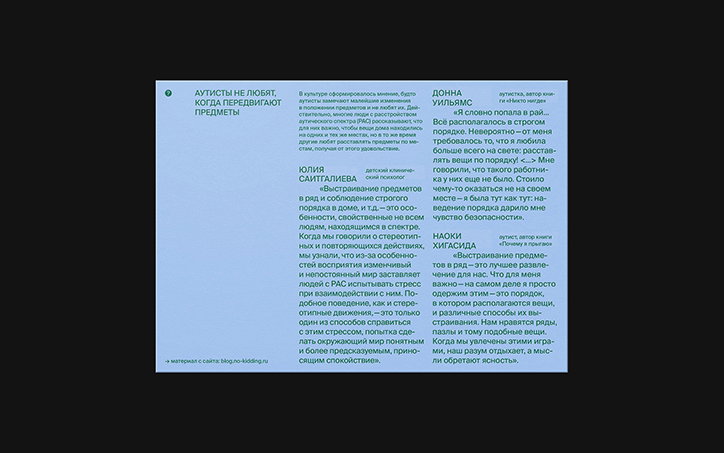
Elya Forelya: adaptation difficulties of people with Autism spectrum disorder (ASD)
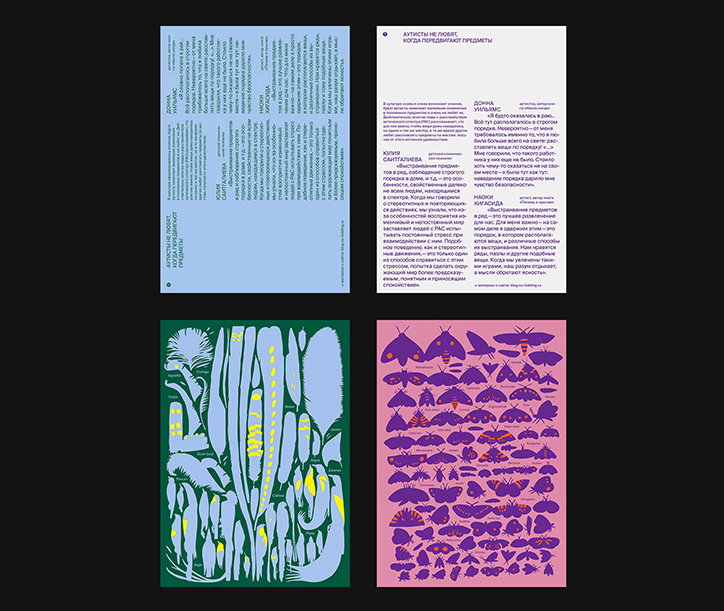
Elya Forelya: adaptation difficulties of people with Autism spectrum disorder (ASD)
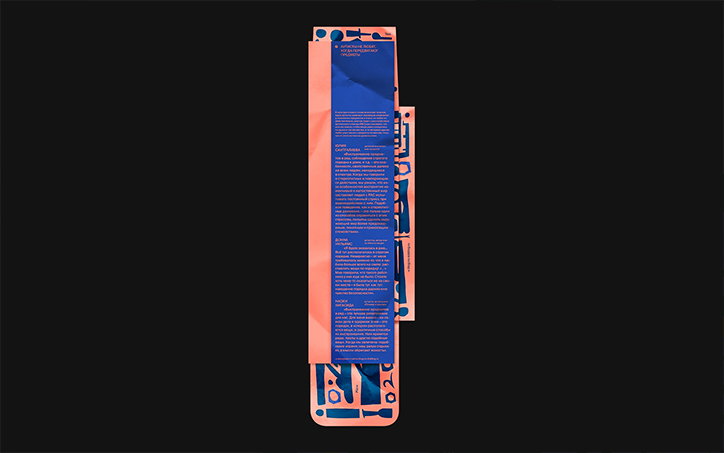
Elya Forelya: adaptation difficulties of people with Autism spectrum disorder (ASD)
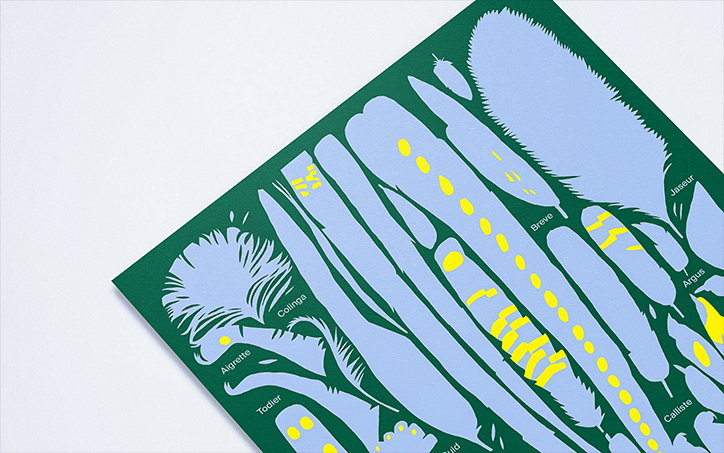
Elya Forelya: adaptation difficulties of people with Autism spectrum disorder (ASD)
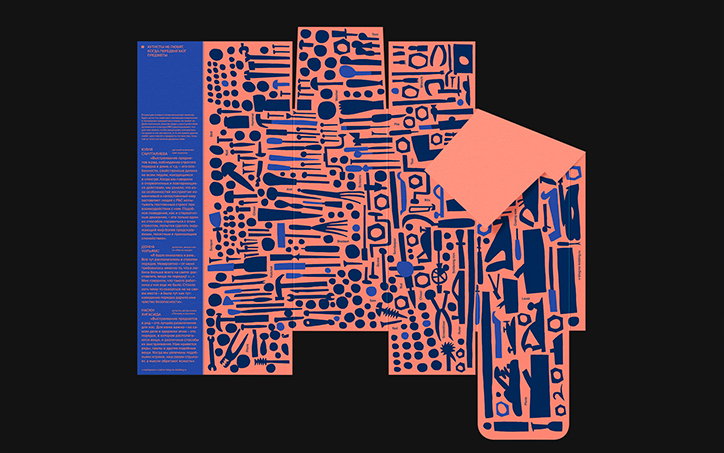
Elya Forelya: adaptation difficulties of people with Autism spectrum disorder (ASD)
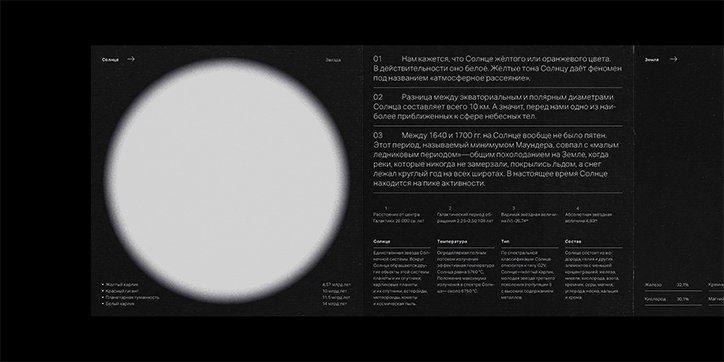
Elya Forelya
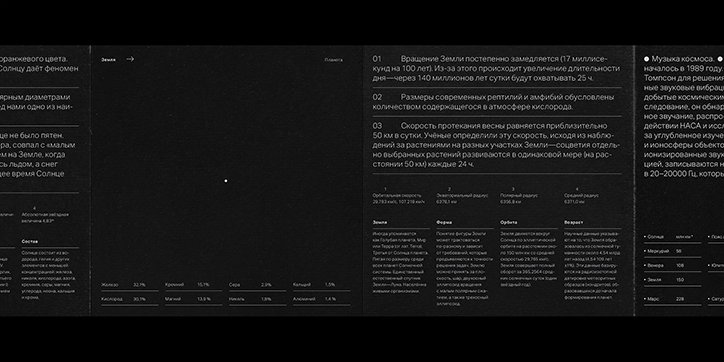
Elya Forelya
Share Article
Further Info
About the Author
—
Ayla is a London-based freelance writer, editor and consultant specialising in art, photography, design and culture. After joining It’s Nice That in 2017 as editorial assistant, she was interim online editor in 2022/2023 and continues to work with us on a freelance basis. She has written for i-D, Dazed, AnOther, WePresent, Port, Elephant and more, and she is also the managing editor of design magazine Anima.