Etienne Malapert explores the world’s first “green city” in the desert
In 2006 the United Arab Emirates set out to build a city in the middle of the desert. Situated 11 miles south of Abu Dhabi, the goal for Masdar City was to be categorised as a “green city” and reach 0% CO2 emissions. As a giant producer of oil and gas, the UAE hoped the initiative would reposition it at the forefront of cutting edge clean energy and technology.
The city was scheduled to be completed this year but many developers and planners have given up on the original goal of building the world’s first zero-carbon city due to seemingly impossible targets and money constraints. Less than 5% of the original plans for the city has risen from the sand and photographer Etienne Malapert set out to capture the desolate landscape and explore what a green city in the desert actually looks like.
“I’d heard of Masdar during my search for a project for my degree at ECAL in 2014. I was interested in territory management, how man adapts architecture according to a specific place,” says Etienne. “The idea of a green city in a place that produces most of the world’s oil seemed really interesting to me photographically.”
Etienne Malapert: The City of Possibilities
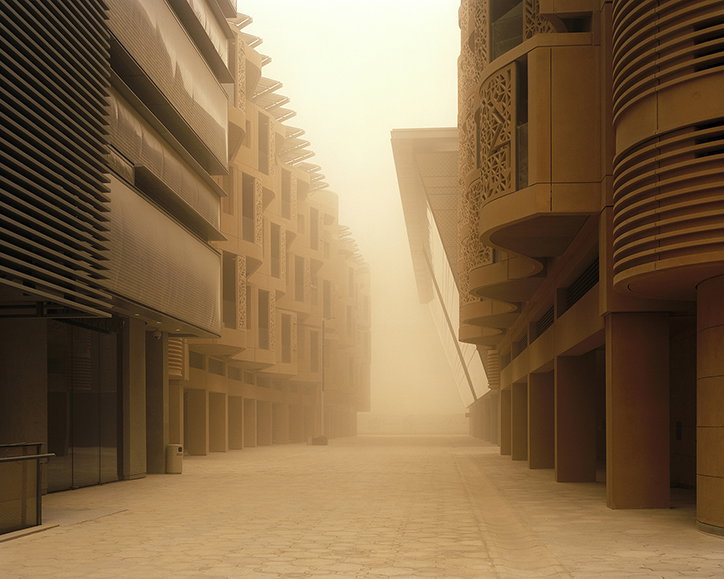
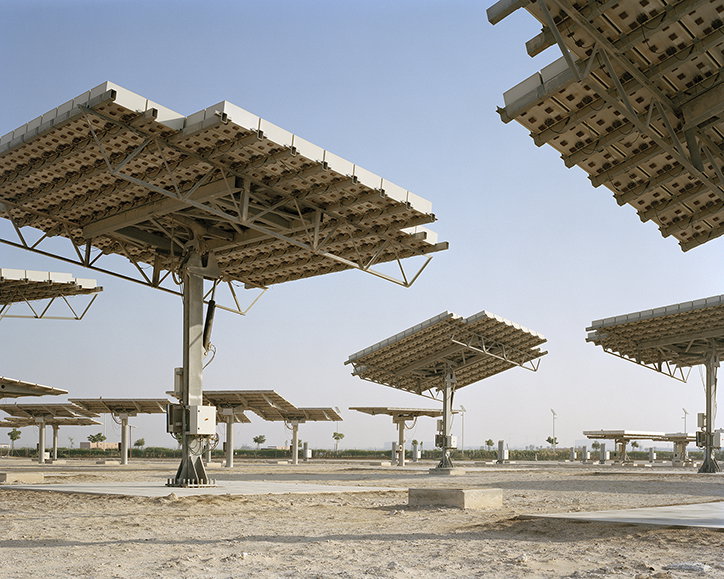
Visually it’s the least green-looking place you’ll see with metal structures, terracotta walls and sandy streets laced with the odd luxury car. From a distance what’s built of the city is cube-like and space age but the intricate arabesque patterns seen on some of the walls merge tradition with this sense of innovation. The contrast is captured throughout Etienne’s photographs as the natural landscape sits at odds with sleek and shiny buildings.
The notion of emptiness and desertion is felt in each image as few people feature in the series. Like pristine film sets, this large-scale barrenness is achieve with Etienne’s overall approach to photography: “I deliberately use the same documentary aesthetic for all of my pictures. I like to work very precisely because I work with a large-format camera.”
Once dubbed as the City of Possibilities, Masdar looks set to be come the “world’s first green ghost town,” but Etienne’s series still shows the promise and potential transformation that ignited its creation.
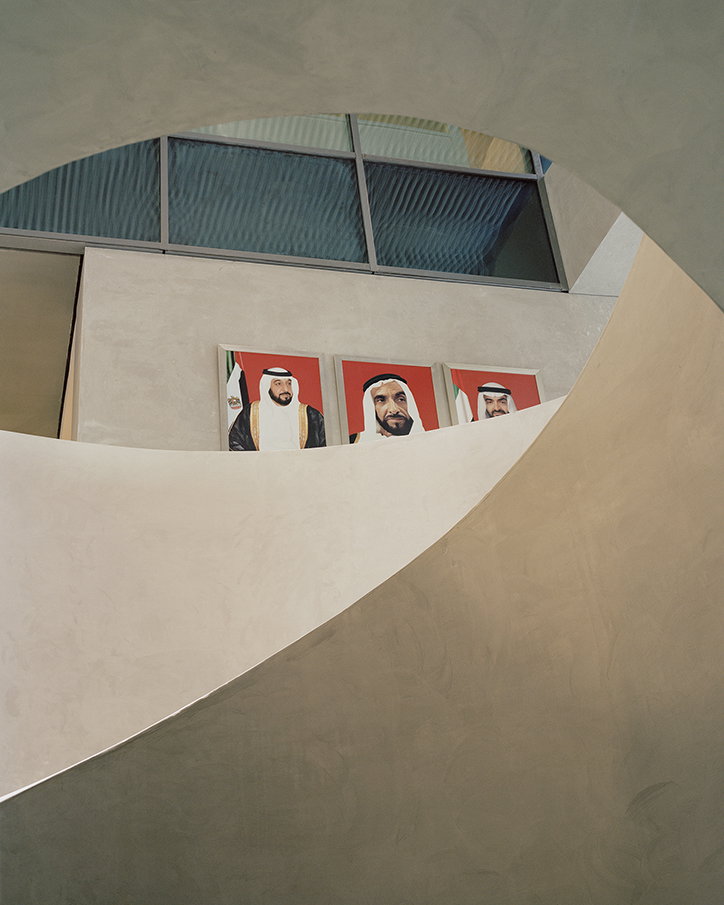
Etienne Malapert: The City of Possibilities
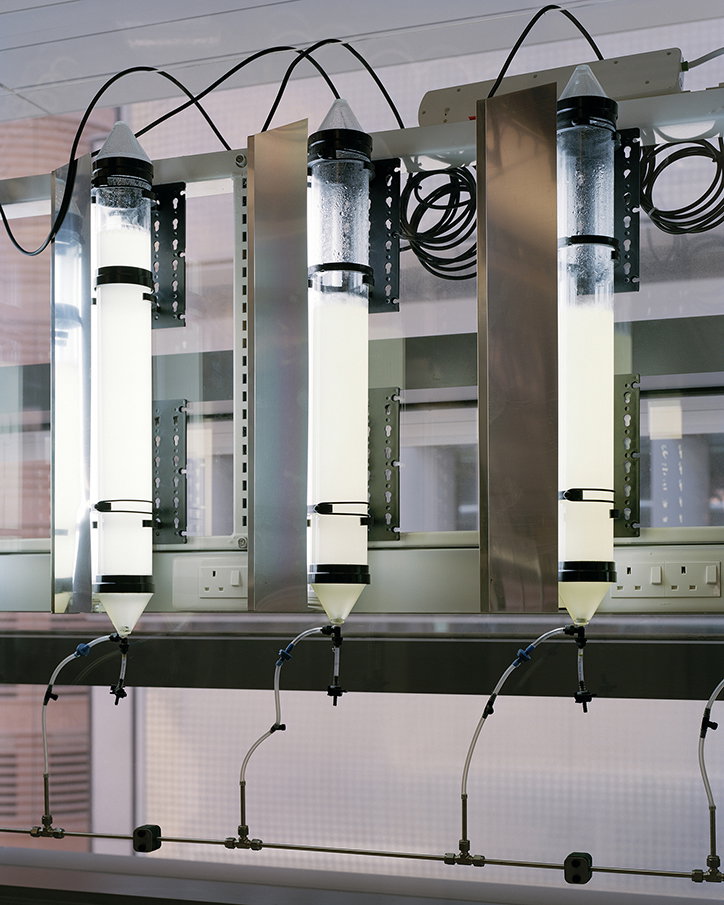
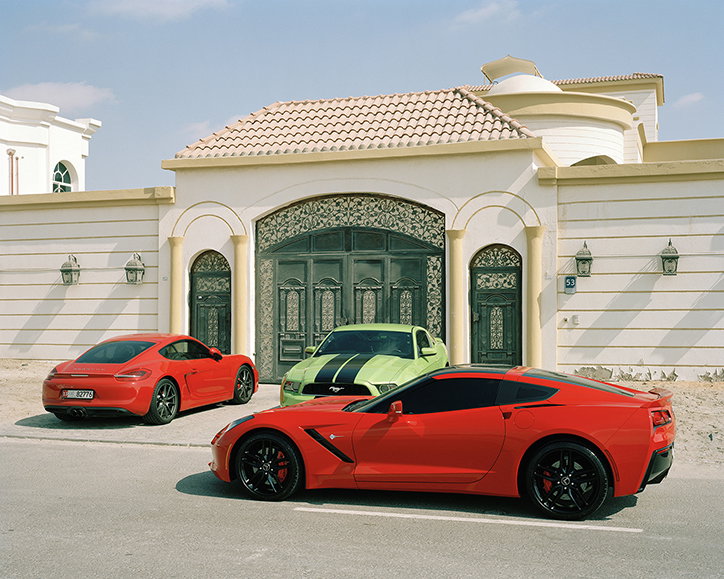
Etienne Malapert: The City of Possibilities
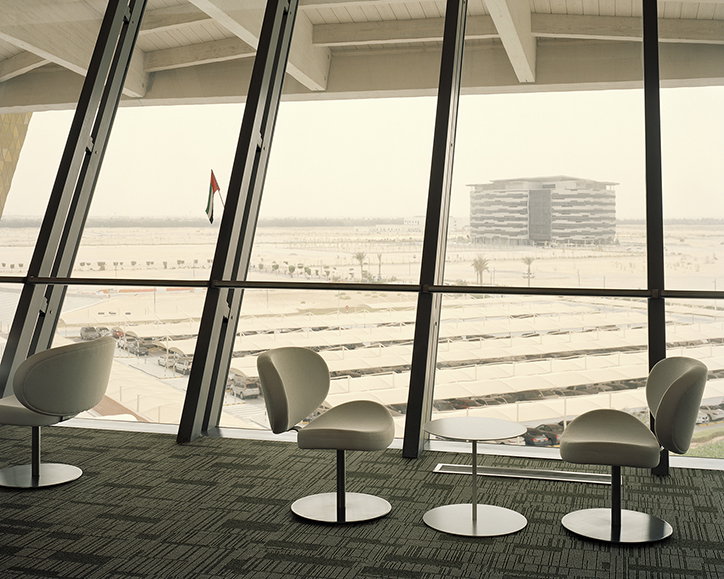
Etienne Malapert: The City of Possibilities
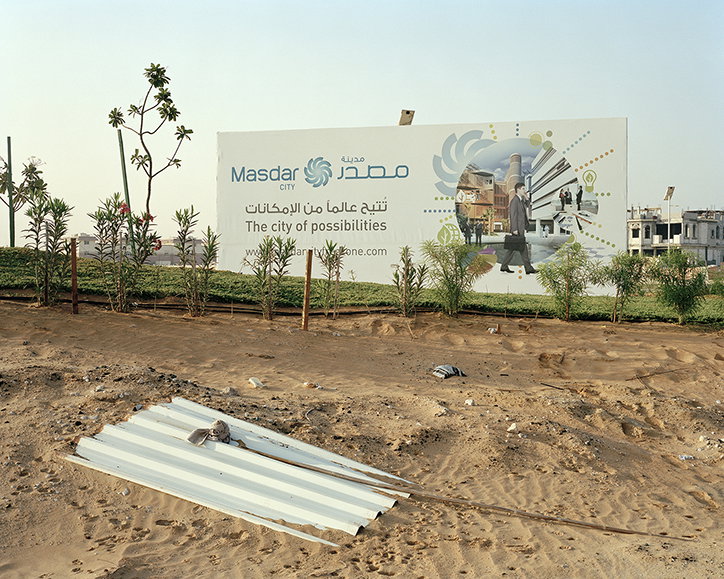
Etienne Malapert: The City of Possibilities
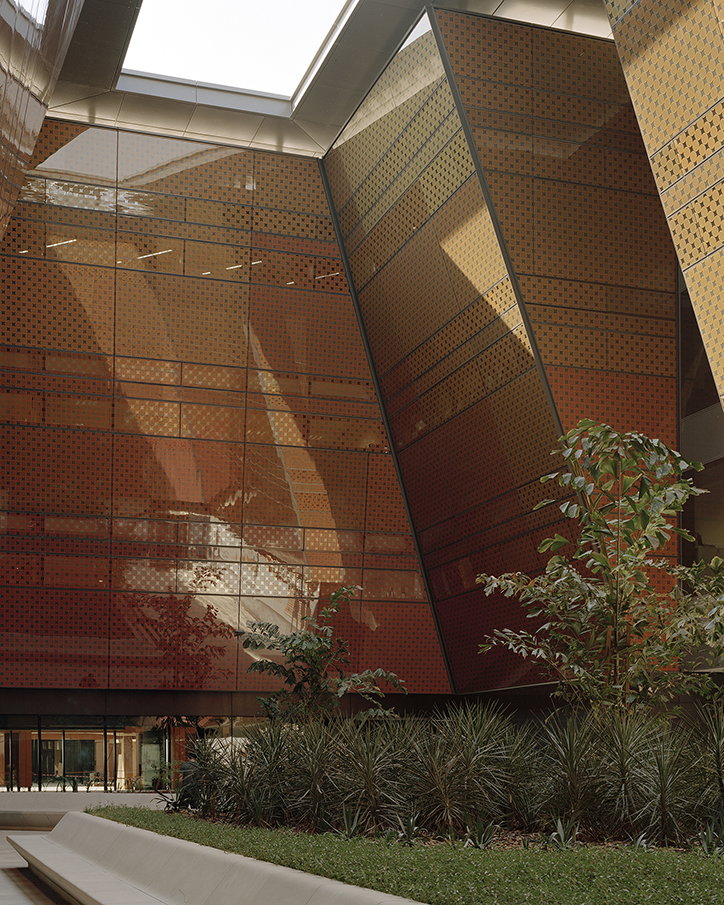
Etienne Malapert: The City of Possibilities
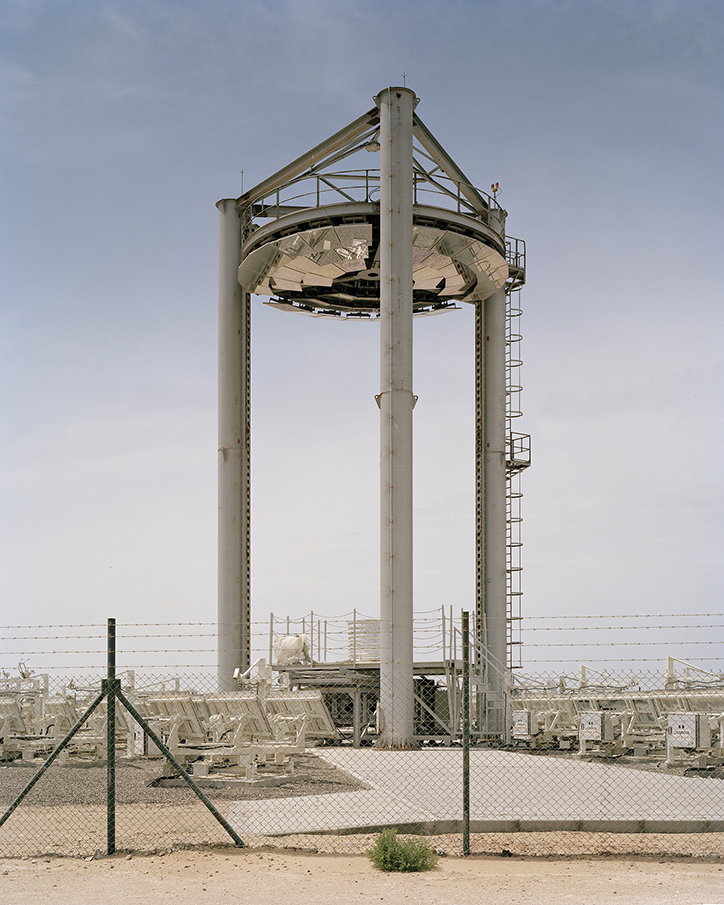
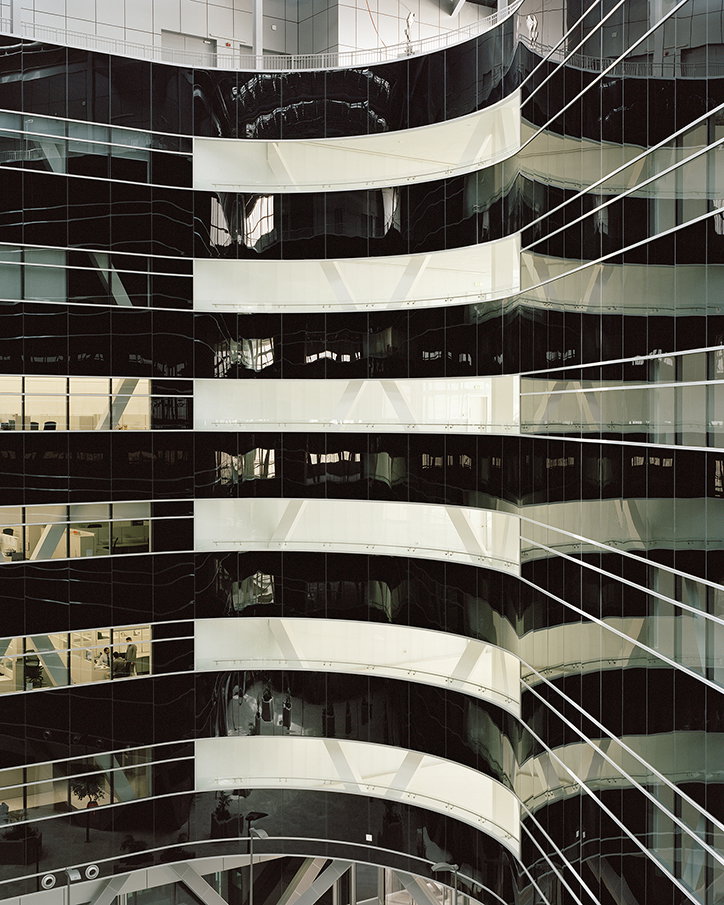
Etienne Malapert: The City of Possibilities
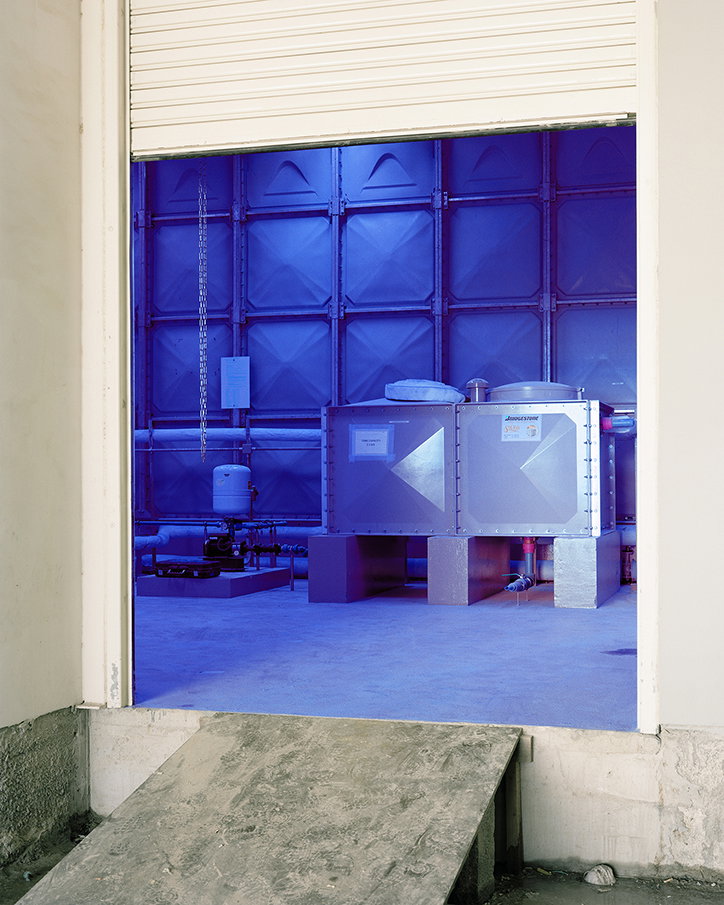
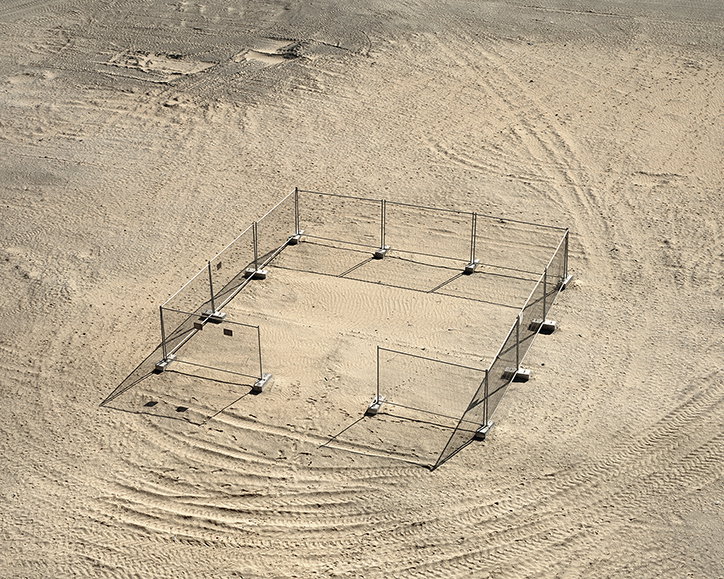
Etienne Malapert: The City of Possibilities
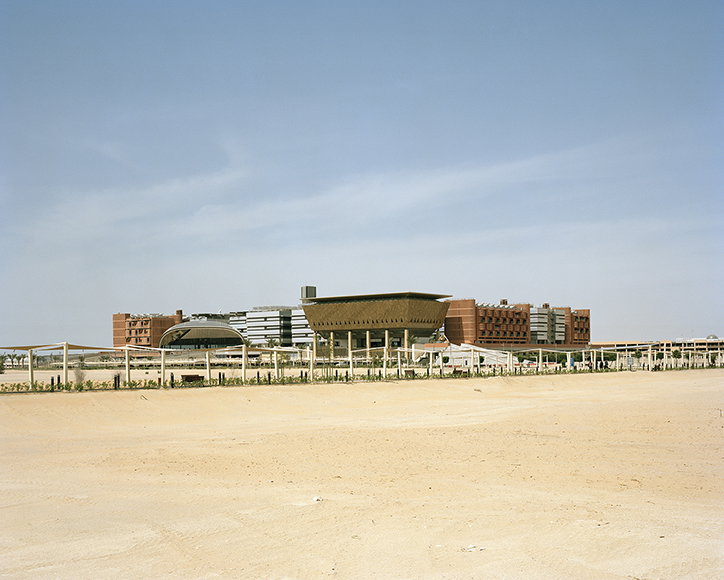
Etienne Malapert: The City of Possibilities
Share Article
Further Info
About the Author
—
Rebecca Fulleylove is a freelance writer and editor specialising in art, design and culture. She is also senior writer at Creative Review, having previously worked at Elephant, Google Arts & Culture, and It’s Nice That.