Folder Studio's interactive documentary K-Town '92 highlights our "desensitisation to societal trauma"
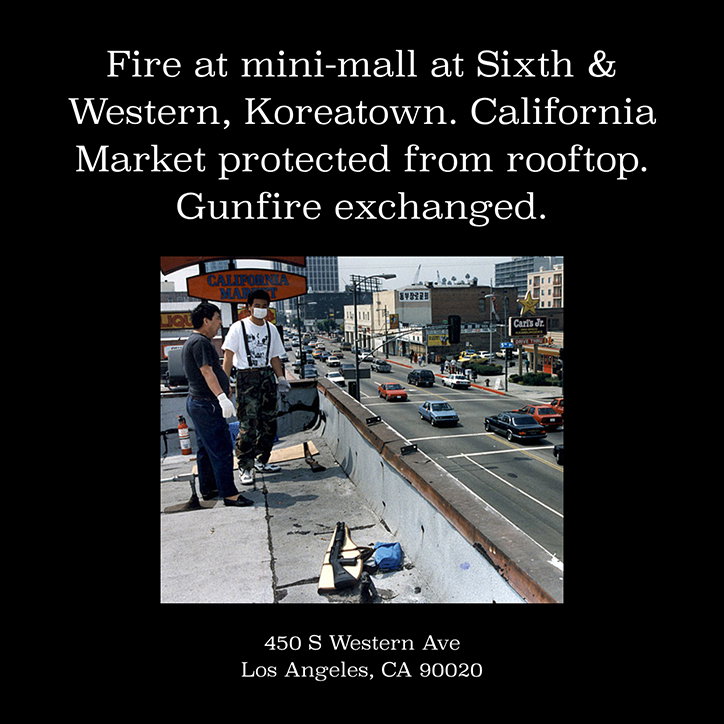
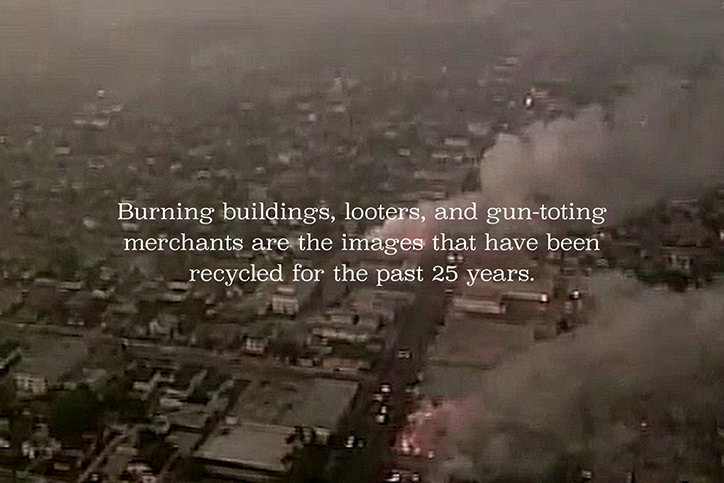
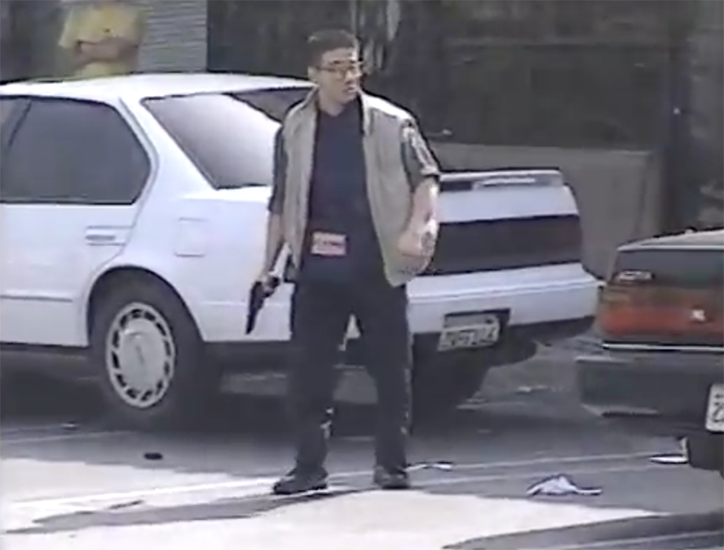
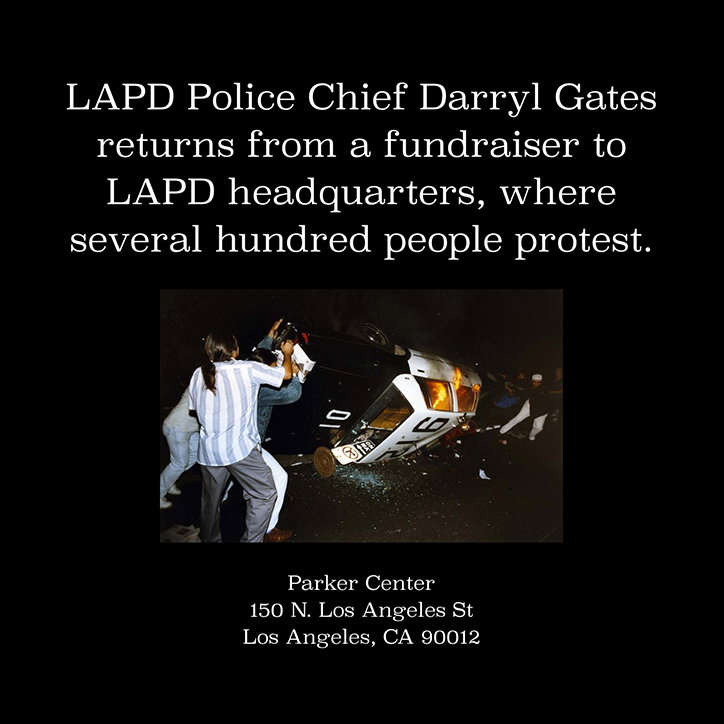
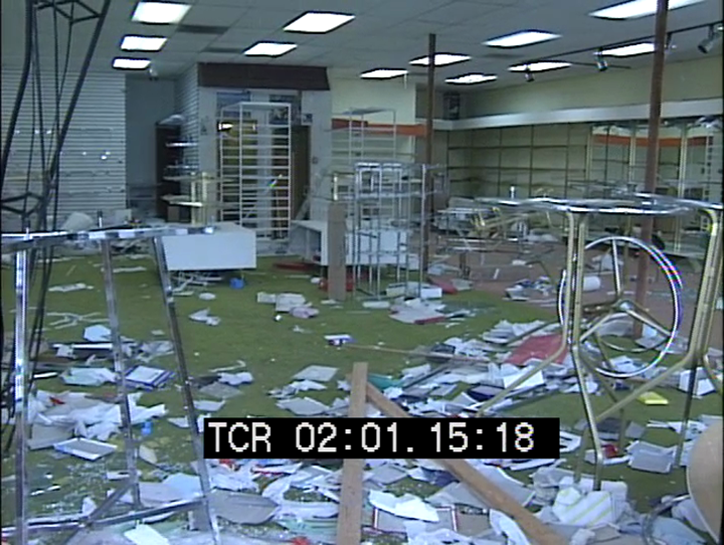
The 1992 Los Angeles riots were a series of riots, lootings and arsons that occurred from 29 April – 4 May. The unrest began after the acquittal of four officers from the Los Angeles Police Department who were involved in the brutal beating and arrest of African American taxi driver, Rodney King. The riots began after footage of the incident was broadcast and widely viewed on television resulting in the most destructive civil disturbance in America’s history, totalling in over a billion dollars of damage.
“For many, it was the first time they were publicly confronted with the possibility of widespread brutality and racism in police departments,” explains Los Angeles-based design studio, Folder Studio. “For those living with that reality, it was validation of their feelings of injustice towards the police,” it continues, “we’ve seen history repeat itself in 2012 with the acquittal of George Zimmerman in the Trayvon Martin case, and in the past six years, many more similar cases have surfaced. Revisiting the footage from 1992, it becomes clear just how little has changed, putting a spotlight on our lack of progress and desensitisation to societal trauma,” remarks Folder Studio in regards to its project, K-Town ’92.
Folder Studio, Grace Lee and Eurie Chung: K-Town ’92
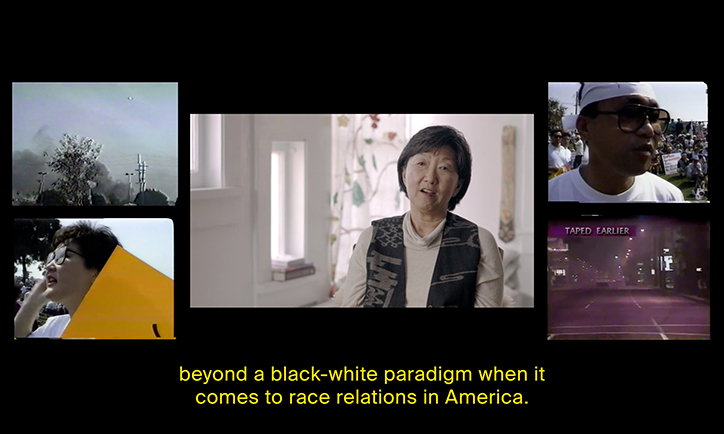
Folder Studio, Grace Lee and Eurie Chung: K-Town ’92
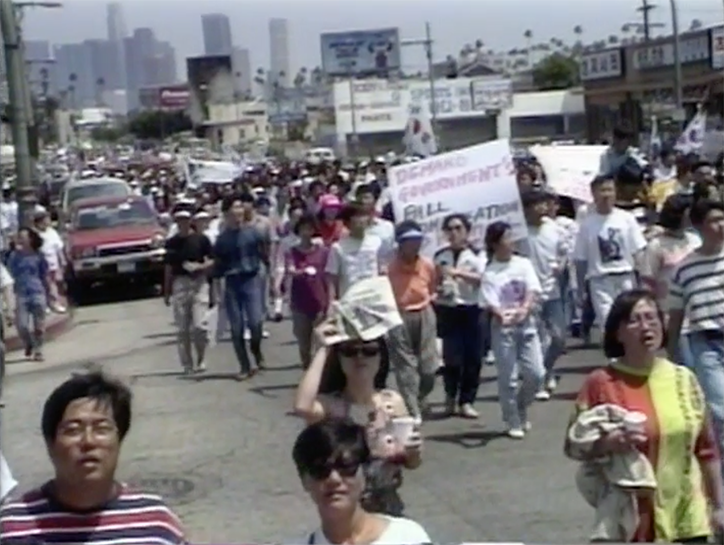
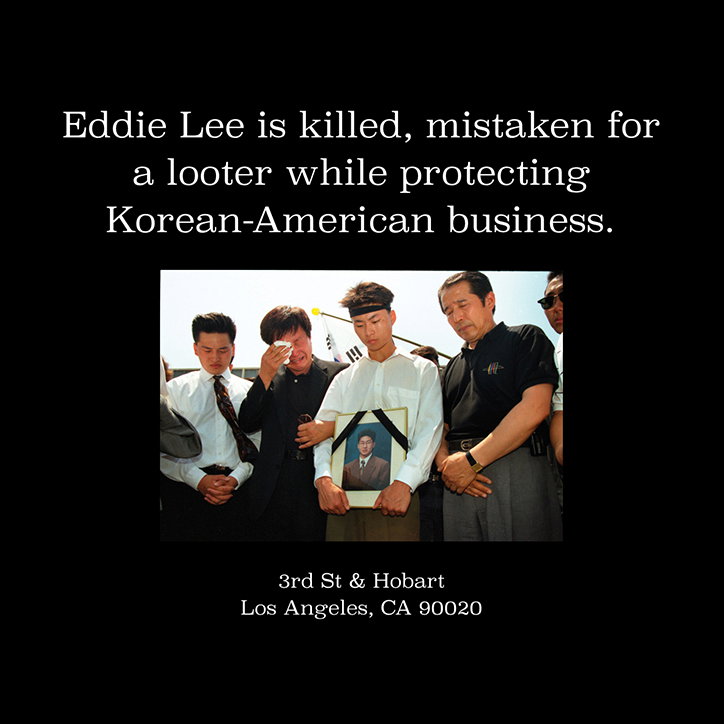
K-Town ’92 is an online documentary that explores the impact and legacy of the 1992 Los Angeles uprising. The film reveals loose connections between various minority experiences, accentuating the similarities and differences in their shared experience. Folder, who previously created an evolving archive documenting the life of 2Pac, were approached by the film’s director, Grace Lee, and its producer, Eurie Chung.
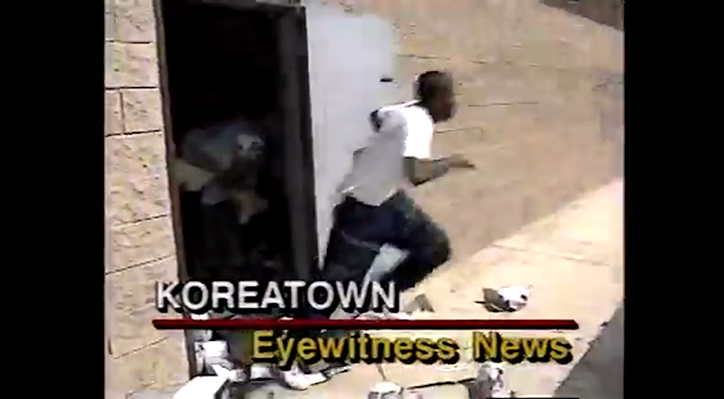
“The pair had been cultivating the project for a year before our introduction, interviewing subjects and gathering footage, working to differentiate their project from a number of other documentaries that were also coming out on the 25th anniversary [in 2017],” the studio recalls. The documentary focusses on Los Angeles’ Koreatown as it was the first neighbourhood to go up in flames, leading to a situation which saw Asian Americans in the middle of myriad racial and economic tensions.
Folder Studio, Grace Lee and Eurie Chung: K-Town ’92
Folder Studio, Grace Lee and Eurie Chung: K-Town ’92
At the time, Koreans Americans were thriving and starting to maintain businesses which created a myth among disenfranchised communities that Korean immigrants were receiving subsidies and were somehow favoured by the government. The situation worsened after Latasha Harlins, a 15-year old African American was shot in the back by Soon Ja Du, a Korean American store owner, over a bottle of orange juice. Folder Studio explains how, “Du’s light probation sentence, along with the acquittals in the Rodney King case, set off the riots with much anger directed towards Koreans. For us, these incidents perfectly demonstrate the issue with the model minority stereotype and the consequences of western society’s export of the fear of black and brown people.”
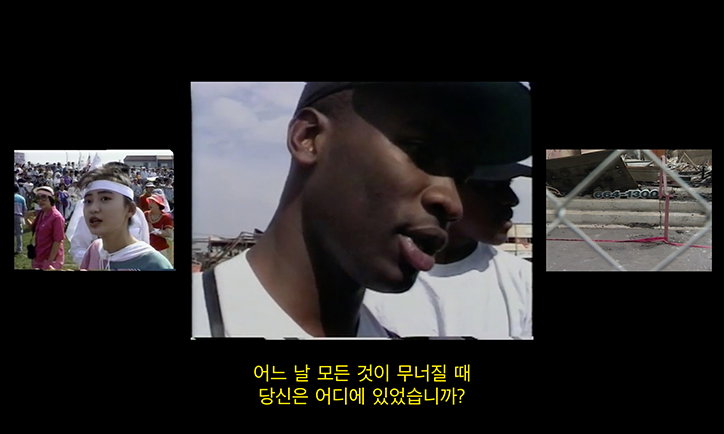
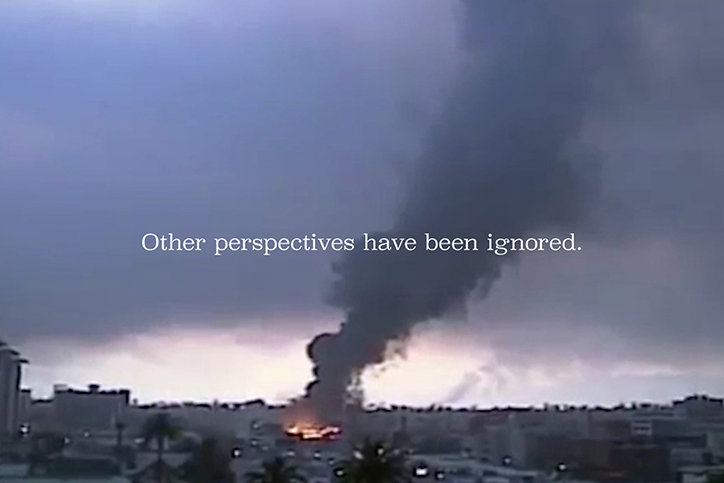
Starting with the premise, “Who gets to tell the story?” K-Town ’92 juxtaposes interviews and footage from 1992 with Grace’s interviews from 2017. Taking advantage of the duality in the footage, it allows news reports to provide context to interviews and vice-versa. By including multiple perspectives on a single frame, K-Town ’92 allows chance and choice to play a significant role in how viewers form opinions and understanding of the event. This format allowed the studio to bypass a forced narrative and “instead let people come to their own conclusions”. Visitors to the site are free to move around and pay attention to what they’re interested in, “potentially coming away with very different understandings of the situation depending on what they chose to watch,” it concludes.
To watch the full documentary, head to K-Town ’92’s website.
Folder Studio, Grace Lee and Eurie Chung: K-Town ’92
Folder Studio, Grace Lee and Eurie Chung: K-Town ’92
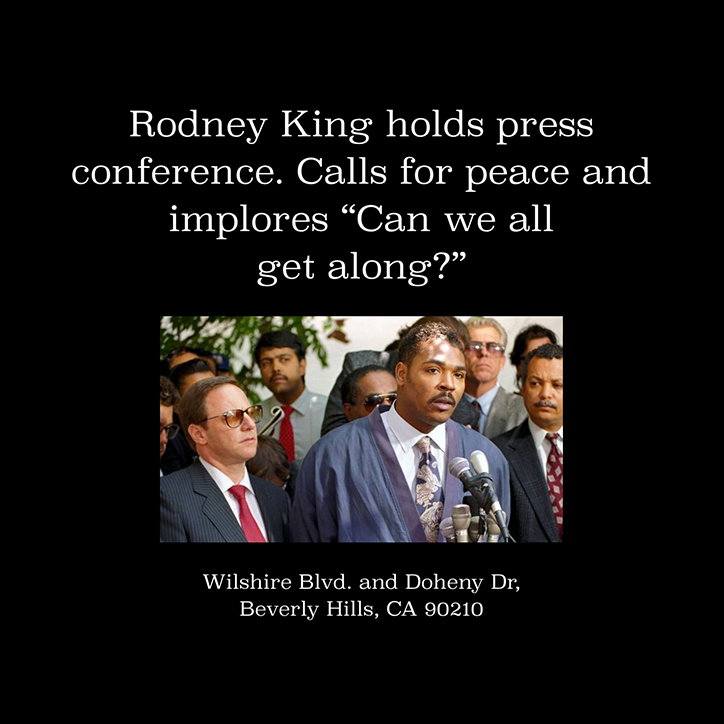
Folder Studio, Grace Lee and Eurie Chung: K-Town ’92
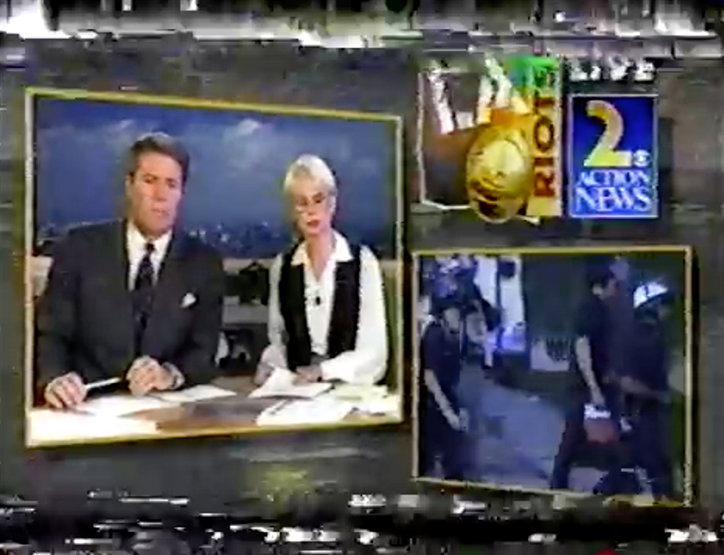
Folder Studio, Grace Lee and Eurie Chung: K-Town ’92
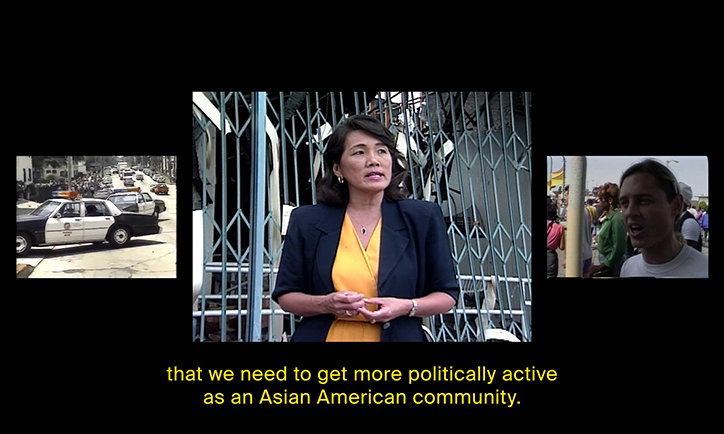
Folder Studio, Grace Lee and Eurie Chung: K-Town ’92
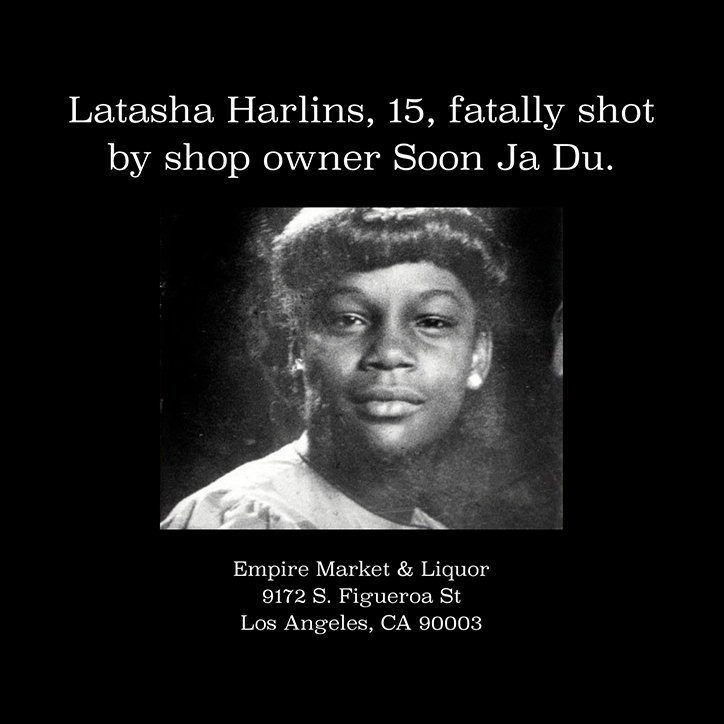
Folder Studio, Grace Lee and Eurie Chung: K-Town ’92
Folder Studio, Grace Lee and Eurie Chung: K-Town ’92
Folder Studio, Grace Lee and Eurie Chung: K-Town ’92
Folder Studio, Grace Lee and Euriee Chung: K-Town ’92
Folder Studio, Grace Lee and Eurie Chung: K-Town ’92
Share Article
Further Info
About the Author
—
Ruby is Senior Creative at It's Nice That, overseeing our visual output across platforms and projects. Before that, she was associate editor on the editorial team, after joining in September 2017 following graduation from Central Saint Martins.